
H2D 10W Laser Module Storage Case
Print Profile(1)

Bill of Materials


Description
Note on Model Evolution:
This is the original 10W laser module case. Based on valuable community feedback, this design has been improved and expanded. The new versions offer enhanced features like a stronger body, simpler hinge, and reduced hardware. For the best experience, consider the Updated 10W Case which refines this original design. If you own both 10W and 40W modules, the Dual Case is the ideal solution.
Updated 10W Laser Module Case: A direct upgrade with improved durability and usability.
40W Laser Module Case: Designed to securely hold the larger 40W module.
10W+40W Dual Laser Module Case: The complete storage solution for users with both lasers.
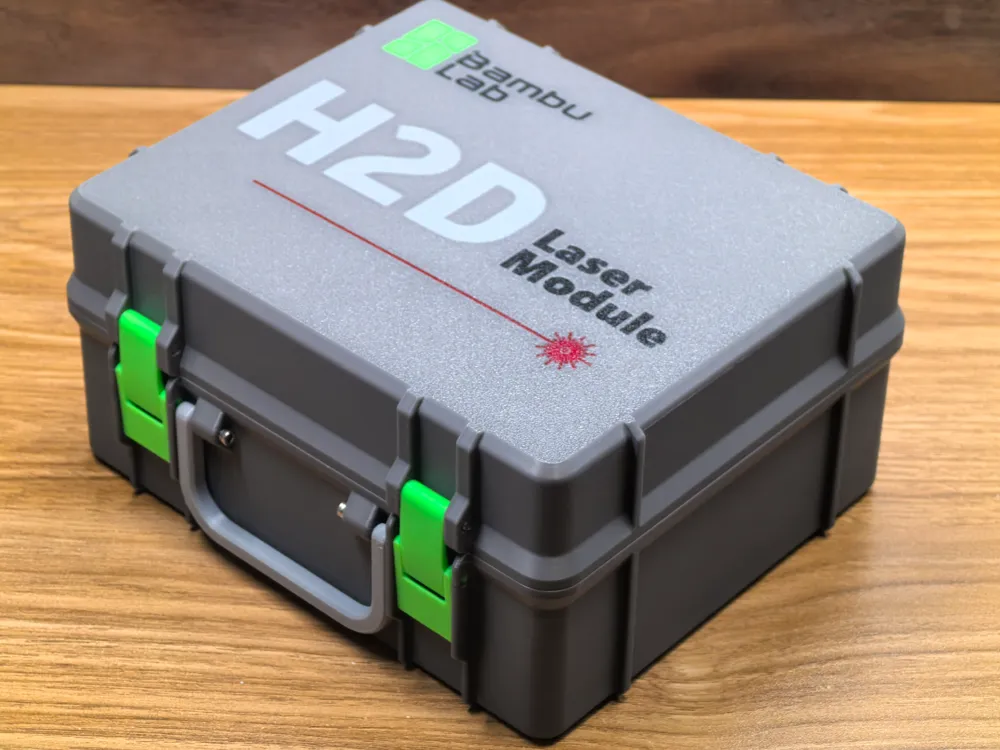
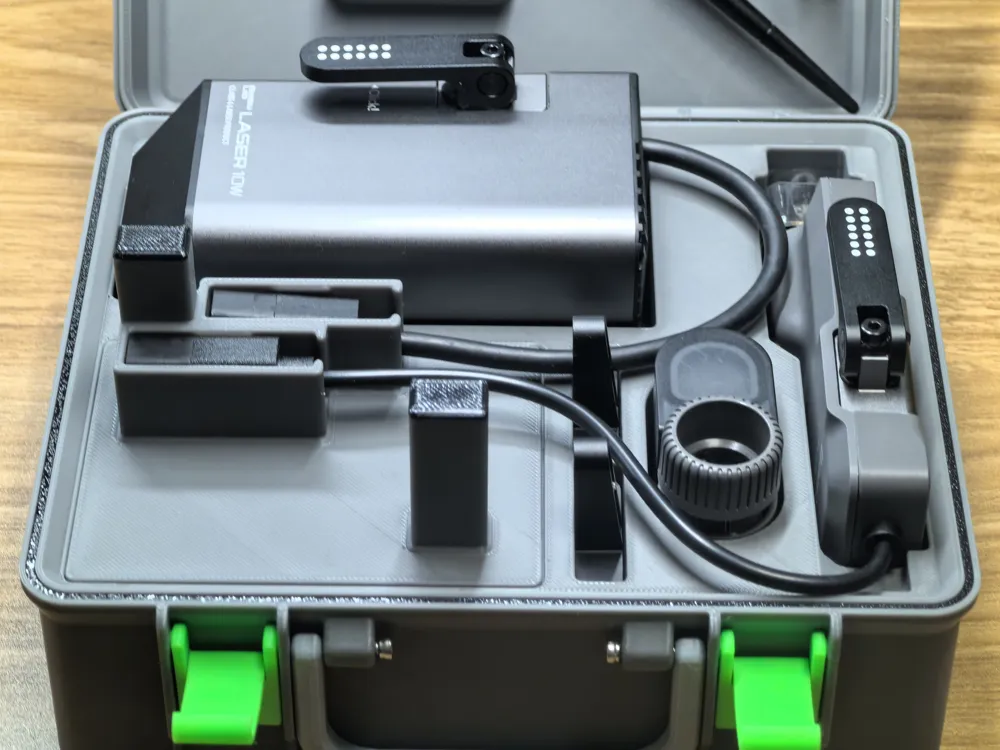
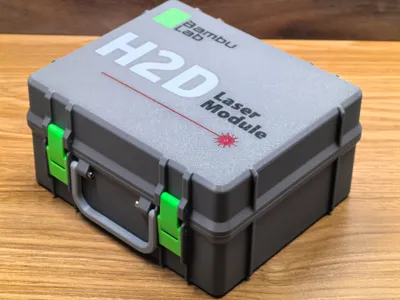
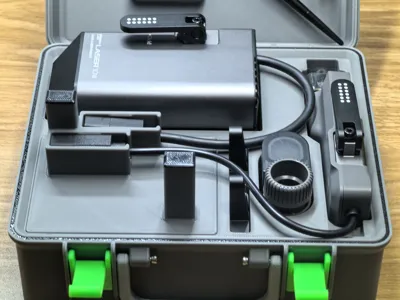
A purpose-built solution for securely storing the BambuLab H2D 10W laser module, Cutting Module, and related accessories while ensuring protection during transport.
Key Design Features
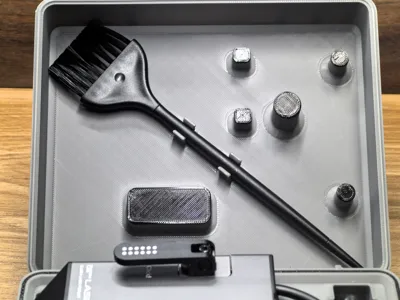
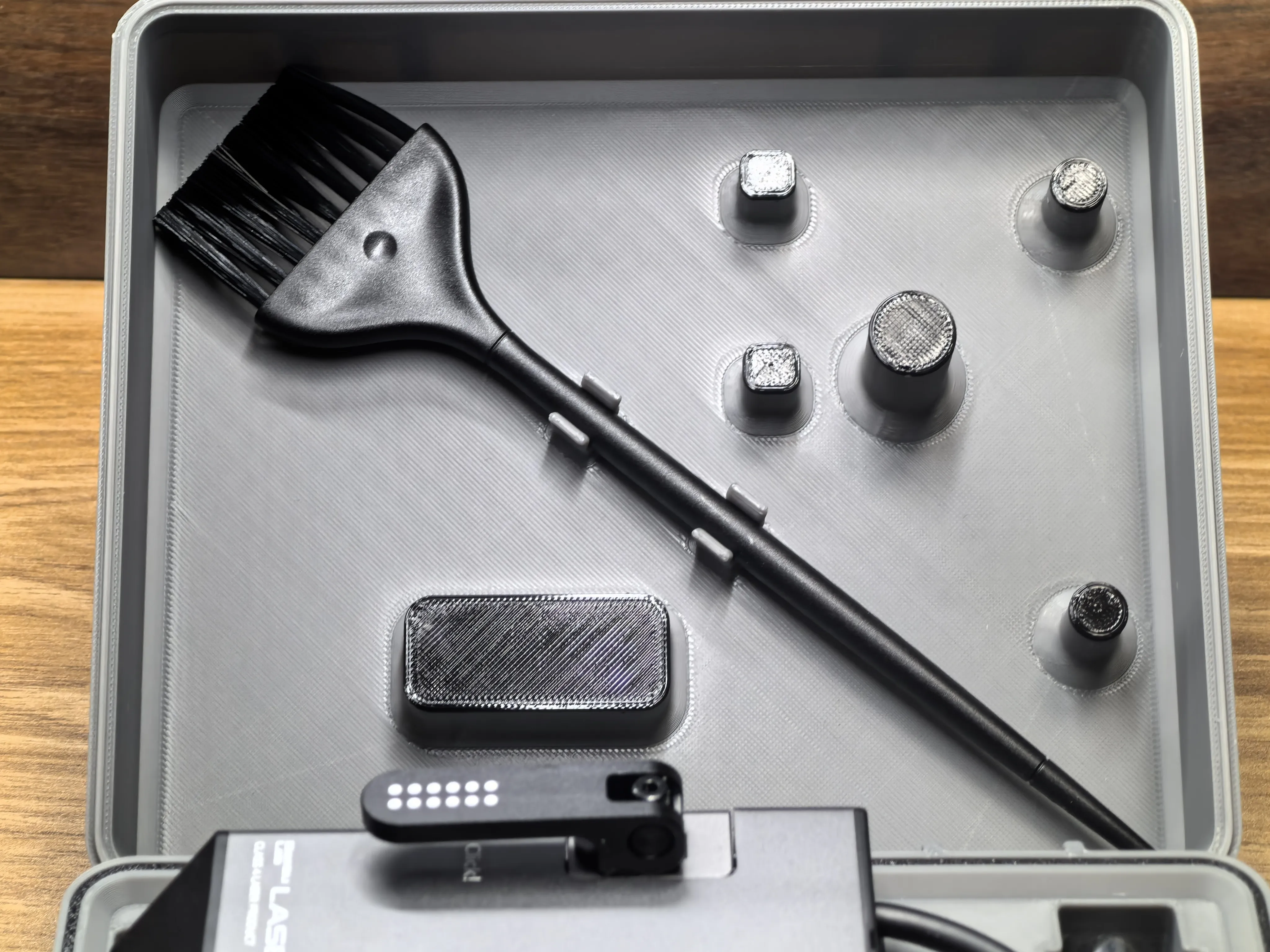
- Precision-Compartmentalized Layout
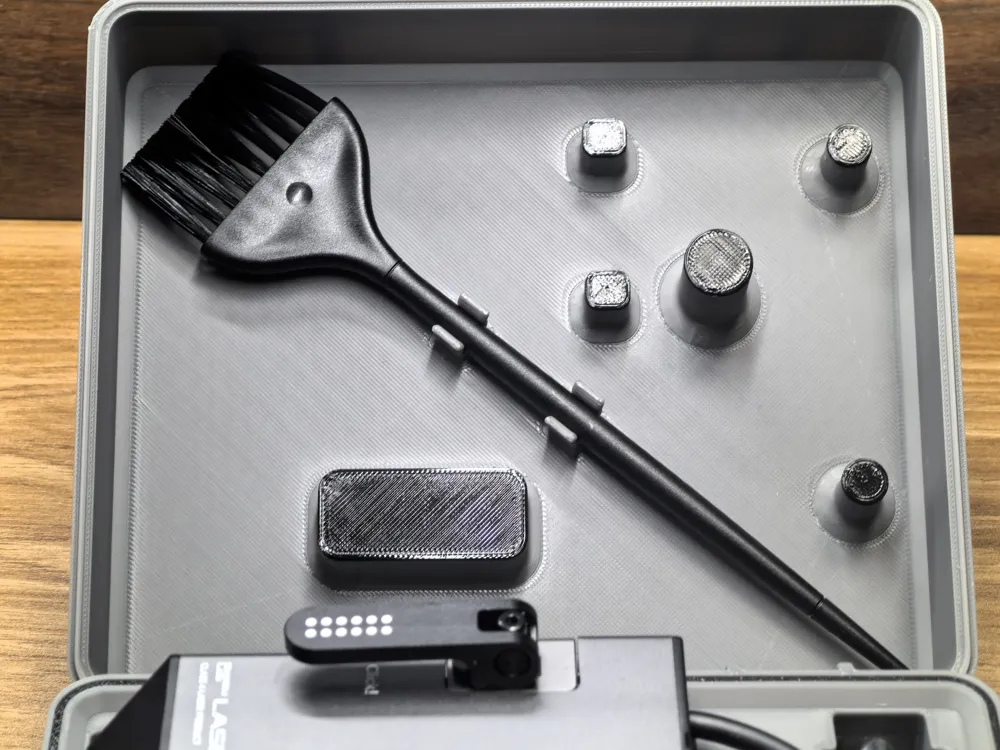
Dedicated slots for the laser module, Cutting Module, Drawing Module, Material Pins, and cleaning brush, minimizing movement-induced impact damage to sensitive components.
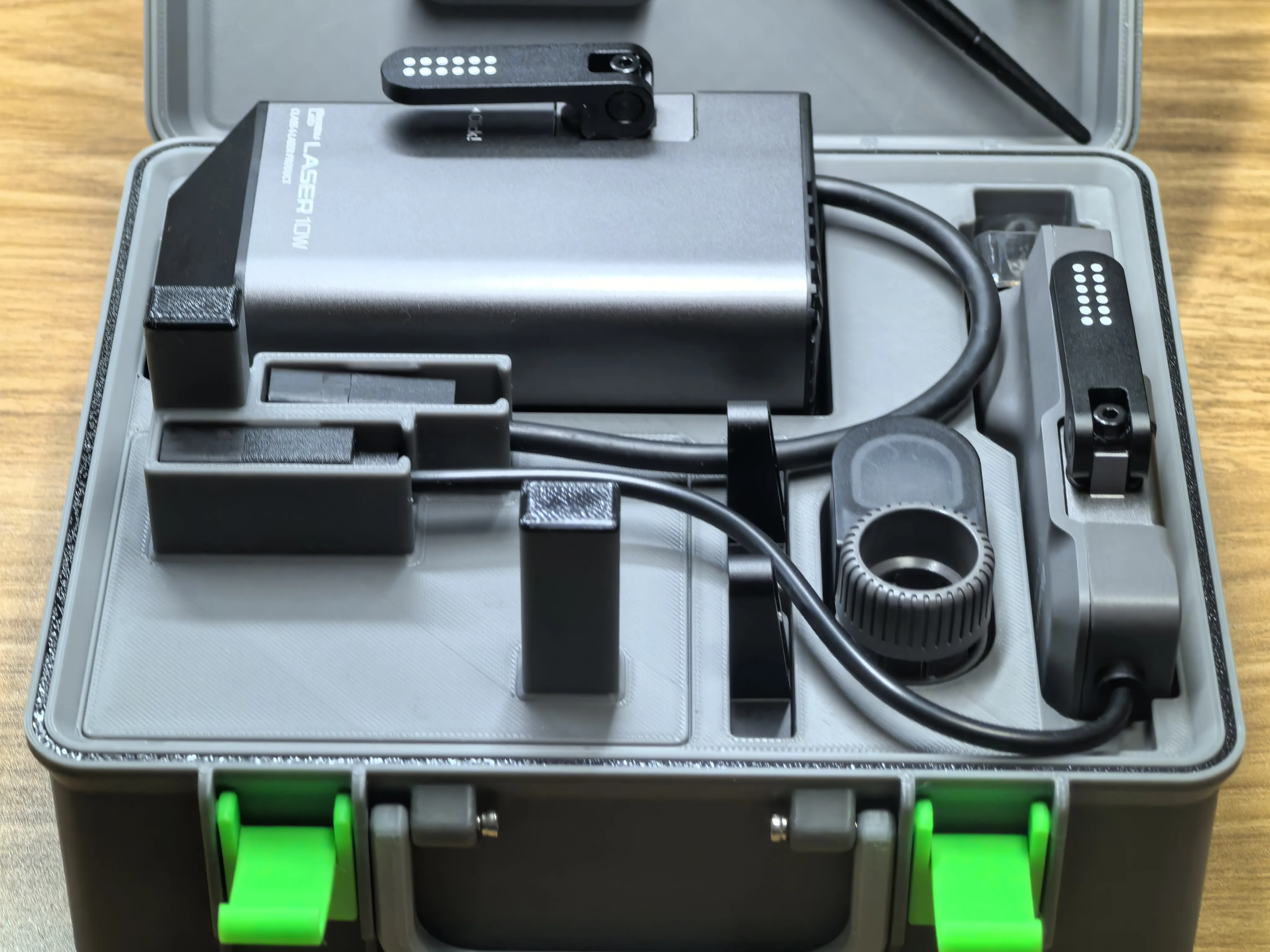
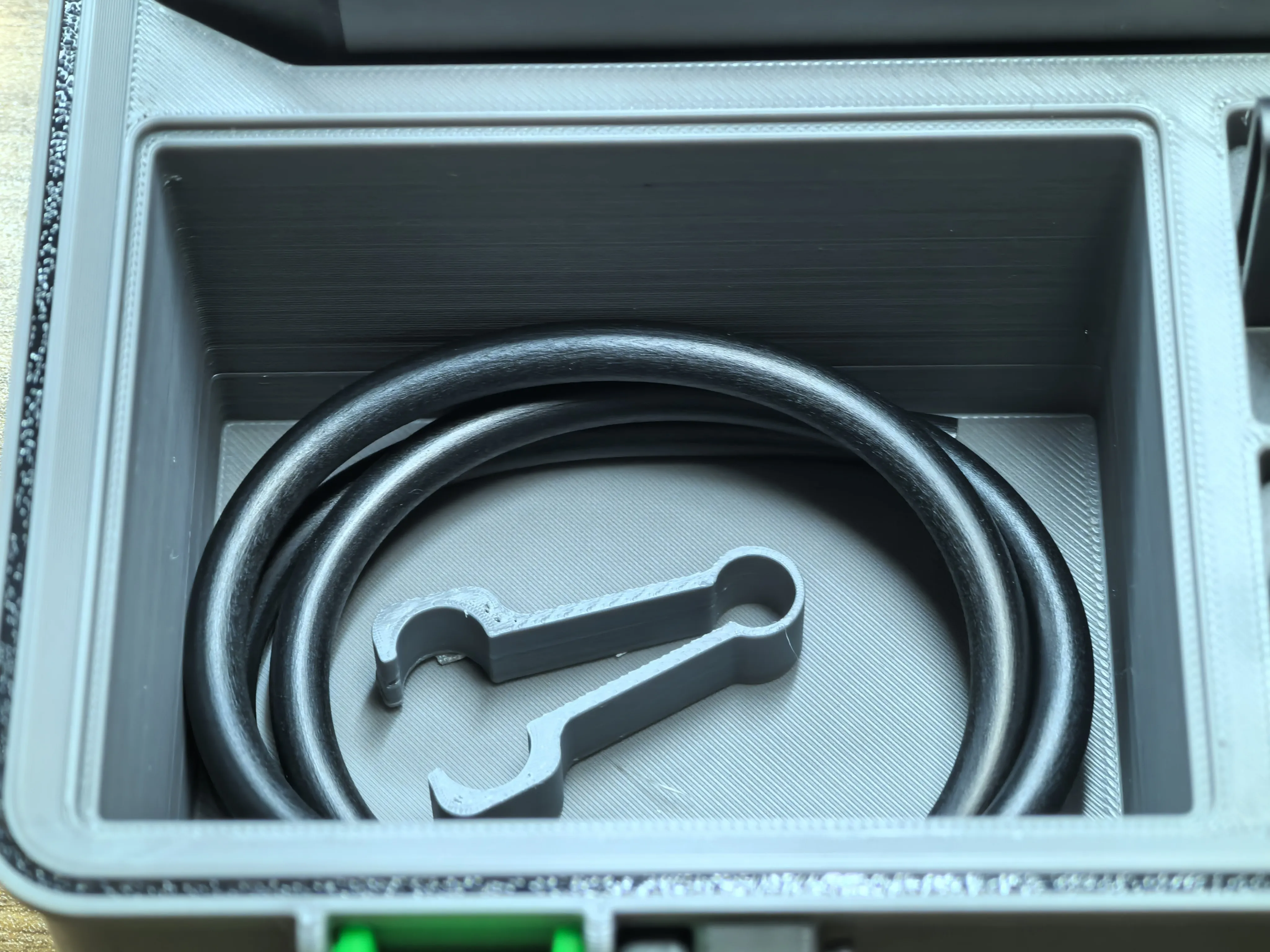
Additional compartments for tubing and auxiliary accessories.
- Hybrid Material Construction
Integrated TPU flexible padding (recommended hardness: 90A Shore for optimal cushioning) for shock absorption, printed via H2D’s beam interlocking mode in a single build (rigid-TPU hybrid workflow).
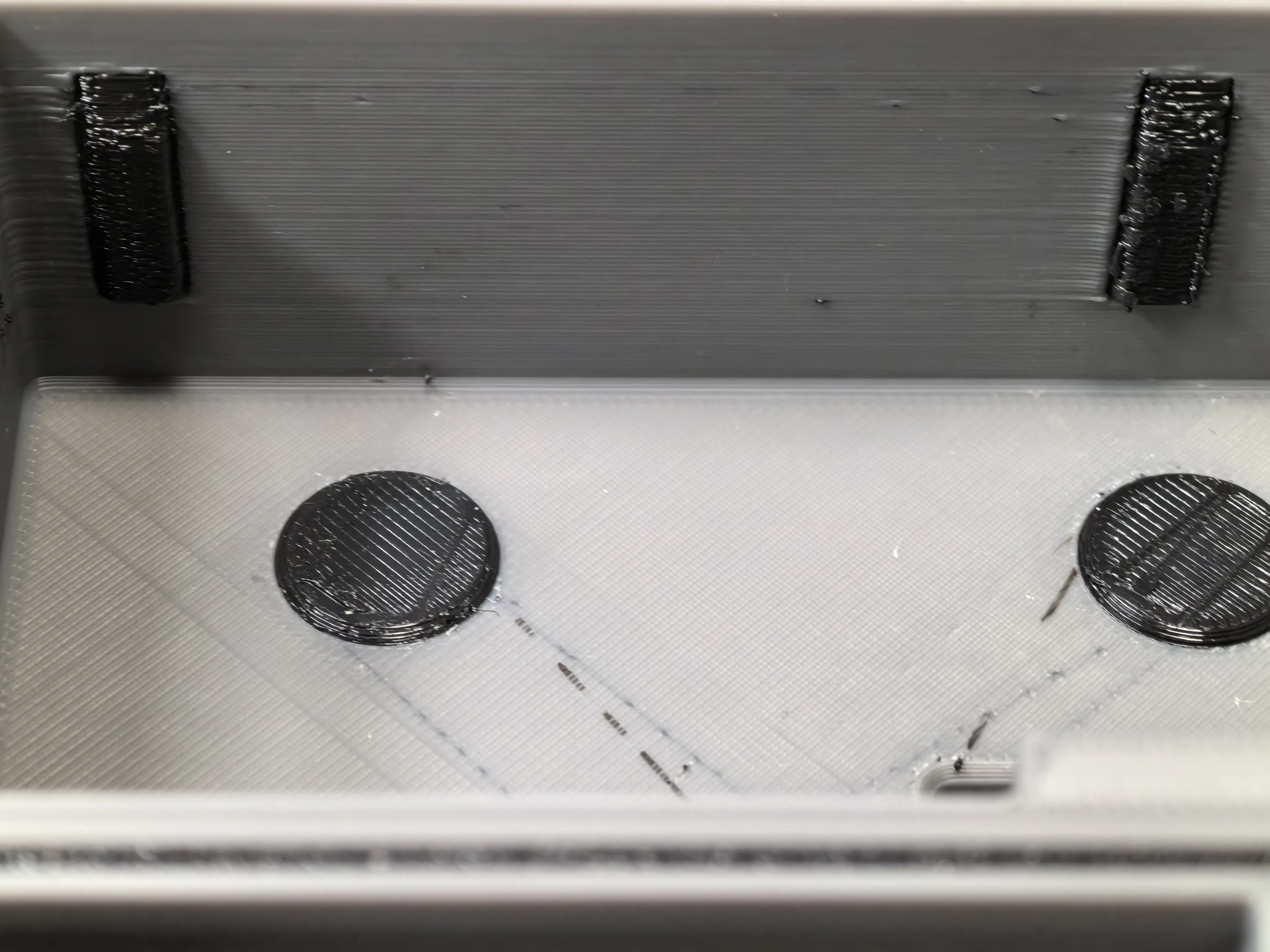
- Sealing options: A single TPU seal is provided but can be omitted if using a compatible O-ring.
- Modular Assembly
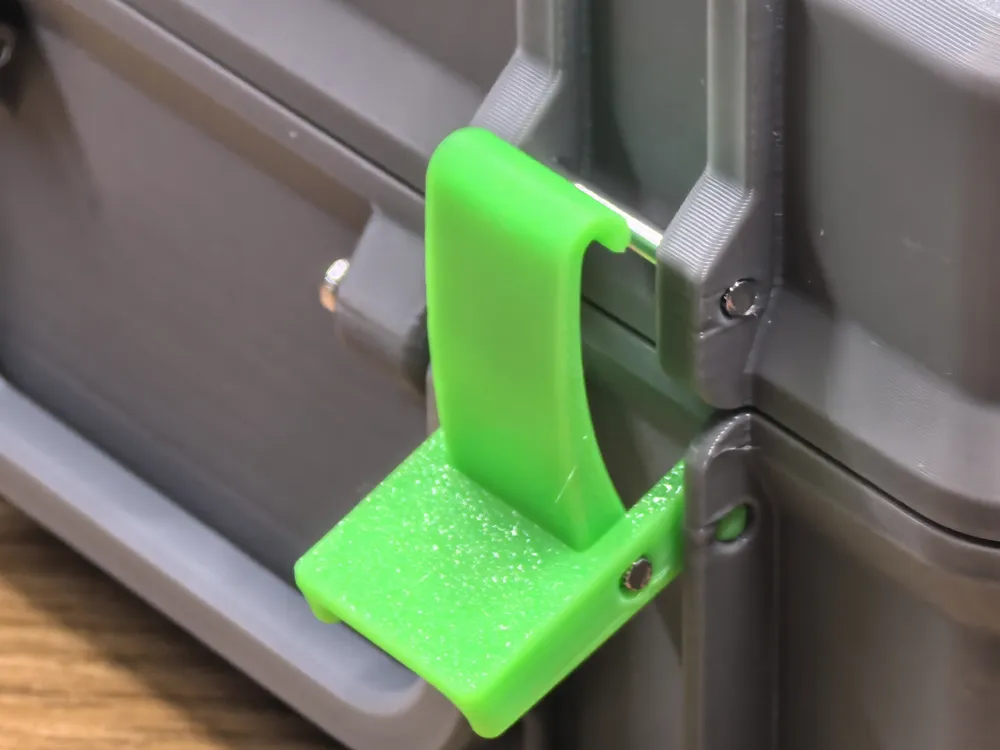
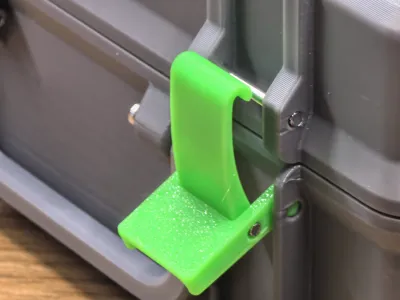
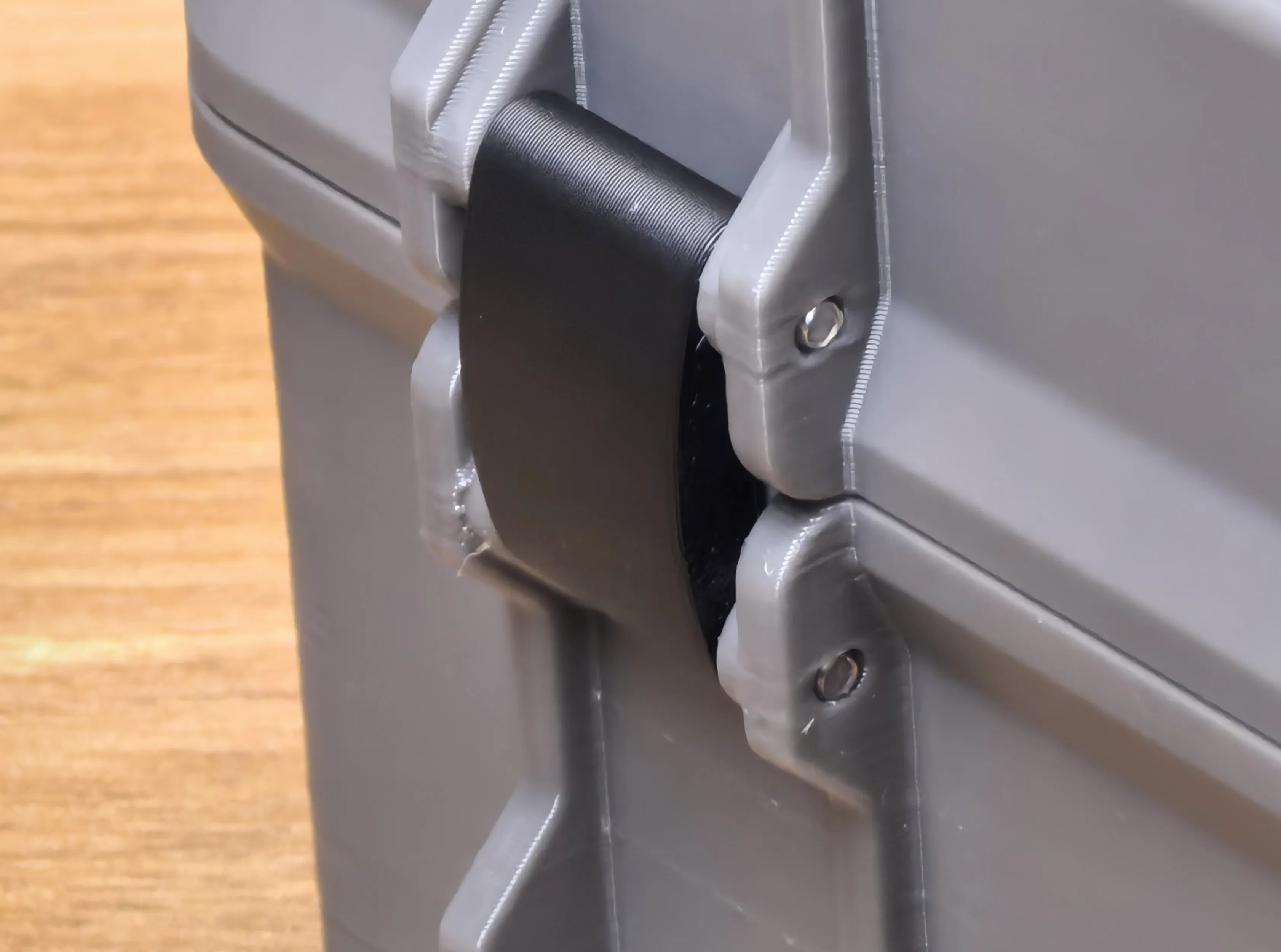
Hinged lid with a locking mechanism, reinforced by corrosion-resistant metal hardware.
Assembly Guide
- Print Preparation
- Print components separately. Select TPU for cushioning parts and enable beam interlocking during slicing.
- Validate TPU parameters using the provided beam interlocking benchmark model to prevent stringing or surface defects.
- Pre-Installation Preparation
- Clean mounting holes with a suitable drill bit to ensure smooth insertion of hardware.
- Hardware Installation
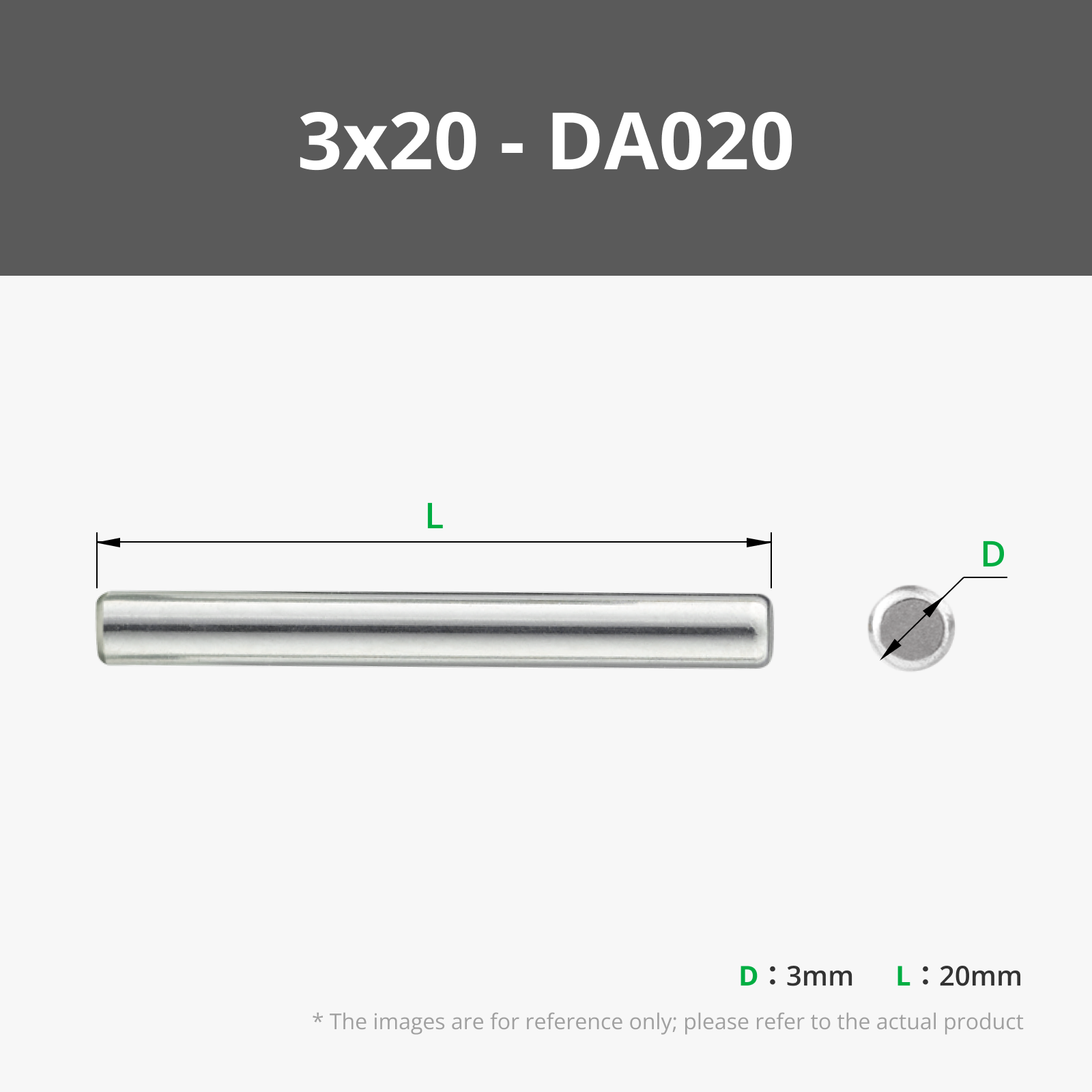
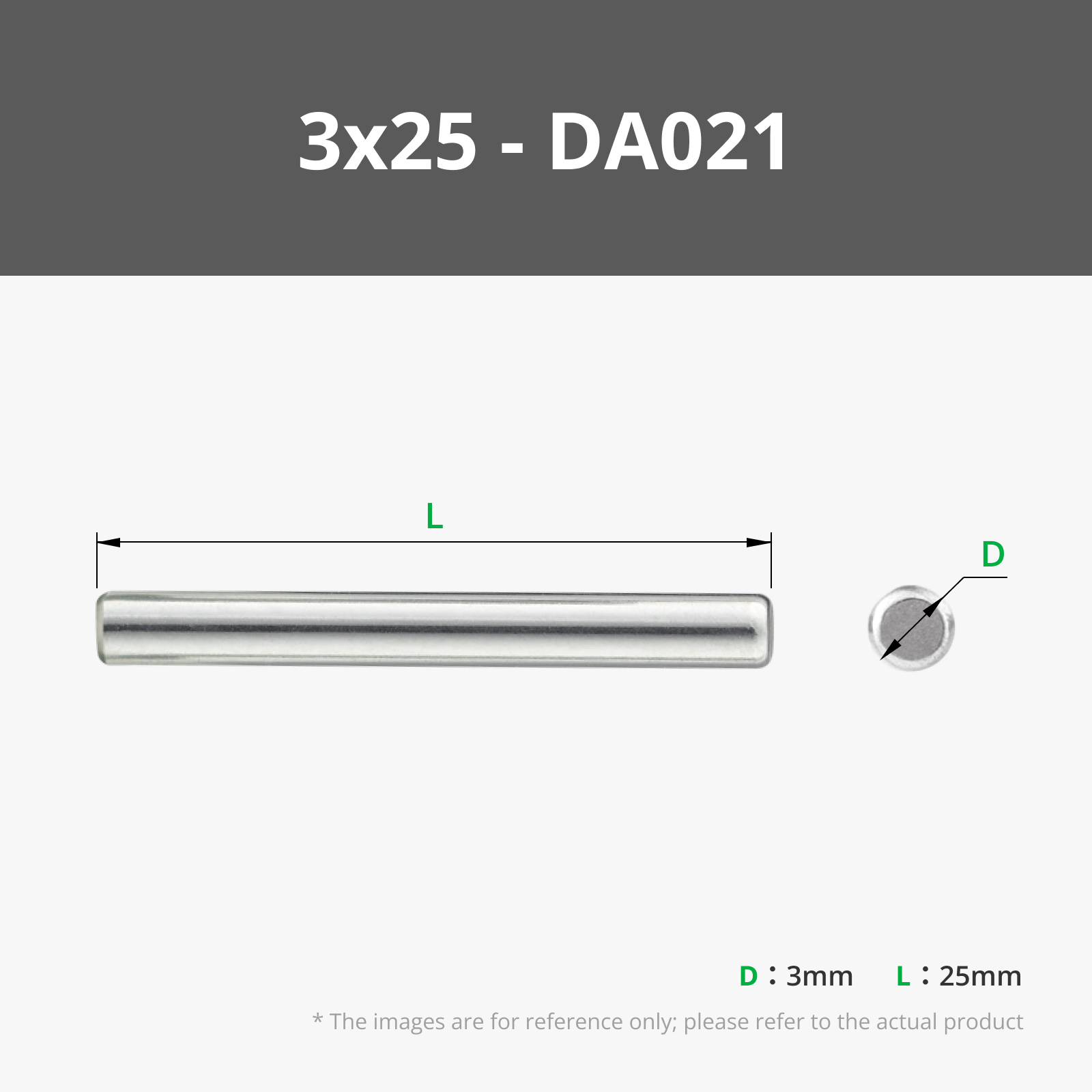
- Hinge & Lid: Connect the lid and box using 25mm D3 metal shafts at the hinge points.
- Lock Mechanism:
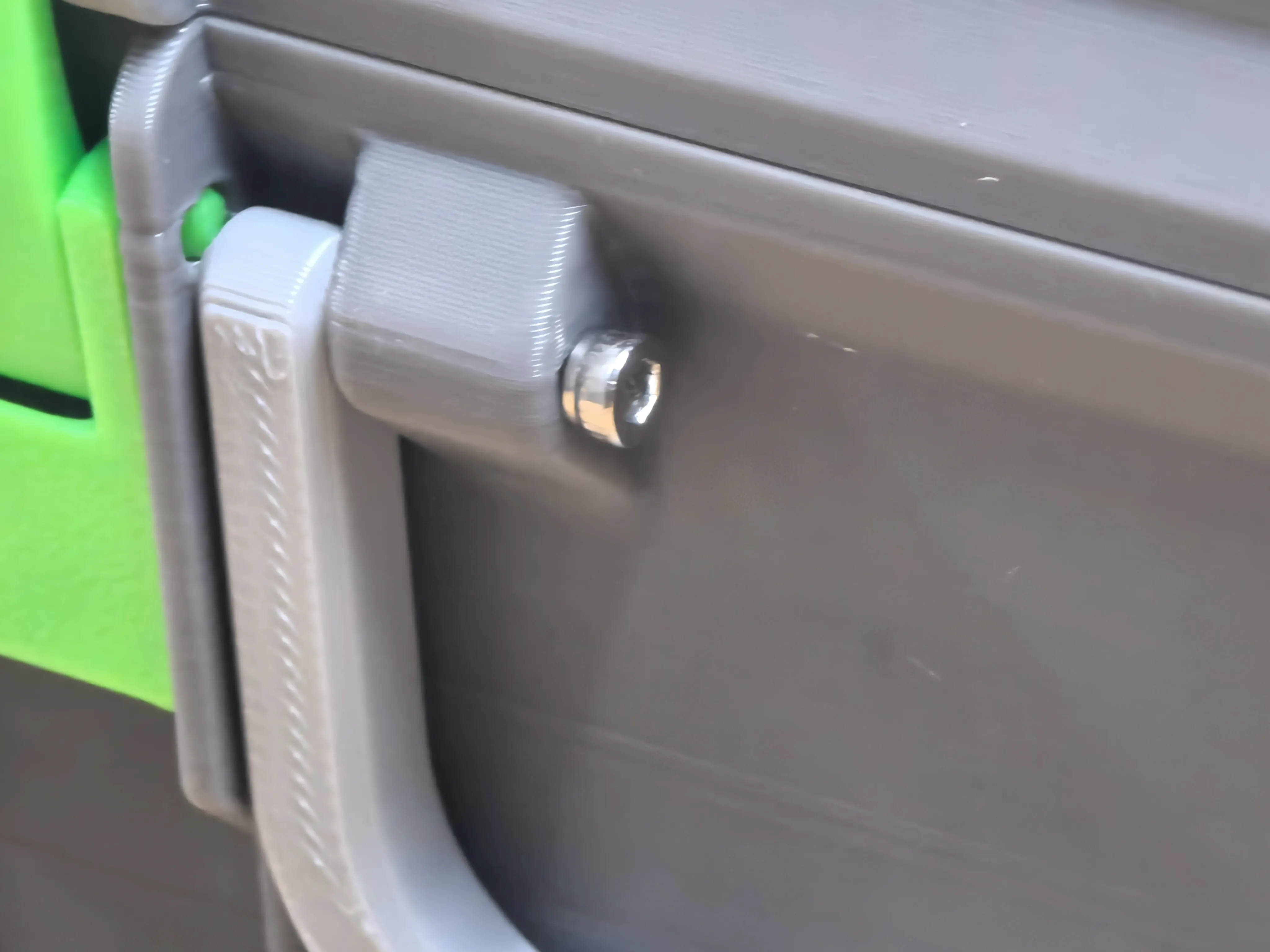
- Attach the latch (elastic component) to the box via snap-fit.
- Secure the hook to the latch using 20mm D3 shafts (non-replaceable by bolts).
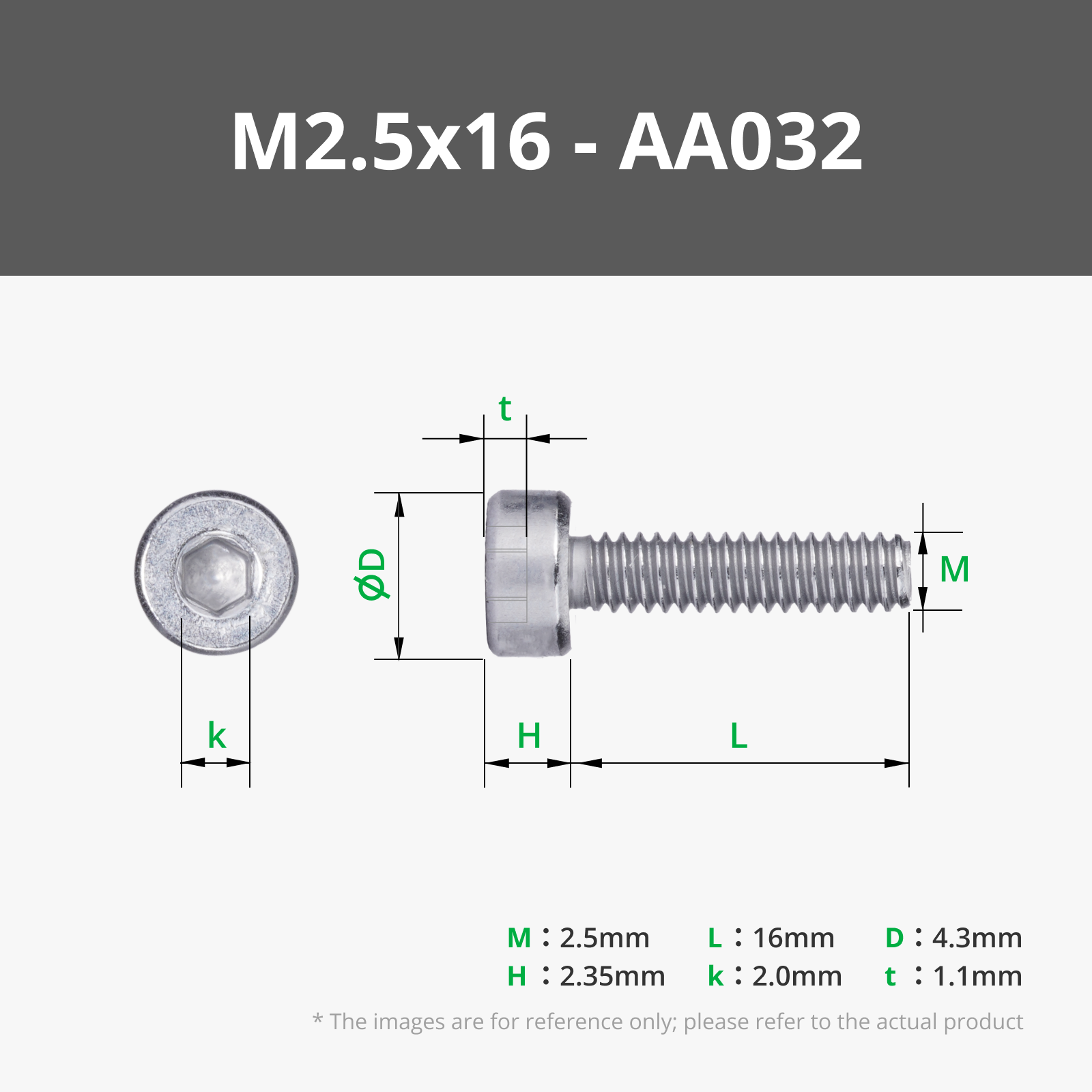
Handle: Attach via M2.5×16 bolts (avoid substituting with shafts for serviceability).
Critical Notes
- Multi-Color Printing: The default design requires 5-color printing (including lid markings). Adjust color schemes if limited to a single AMS unit.
- Material Selection:
- Use PETG or low-creep materials for hinges and latches to maintain structural integrity.
- TPU is mandatory for padding. For seals, prioritize soft TPU (e.g., 90A) or substitute with a compatible O-ring.
- Parameter Calibration: Prioritize TPU retraction and temperature tuning to avoid stringing and surface quality issues.
This case optimizes module protection and workflow efficiency for H2D users, leveraging BambuLab’s hybrid printing capabilities while adhering to practical engineering constraints.
License

You shall not share, sub-license, sell, rent, host, transfer, or distribute in any way the digital or 3D printed versions of this object, nor any other derivative work of this object in its digital or physical format (including - but not limited to - remixes of this object, and hosting on other digital platforms). The objects may not be used without permission in any way whatsoever in which you charge money, or collect fees.


Comment & Rating (107)