
PYNQ-Z2 Case w/ SPI Cutout
Print Profile(1)

Bill of Materials
- M2.5_Machine_Screw x 4: 6mm
- M2.5_Standoff x 8: 6mm
- M2.5_Nut x 4:
- Rubber_Washer x 4:
Description
Summary
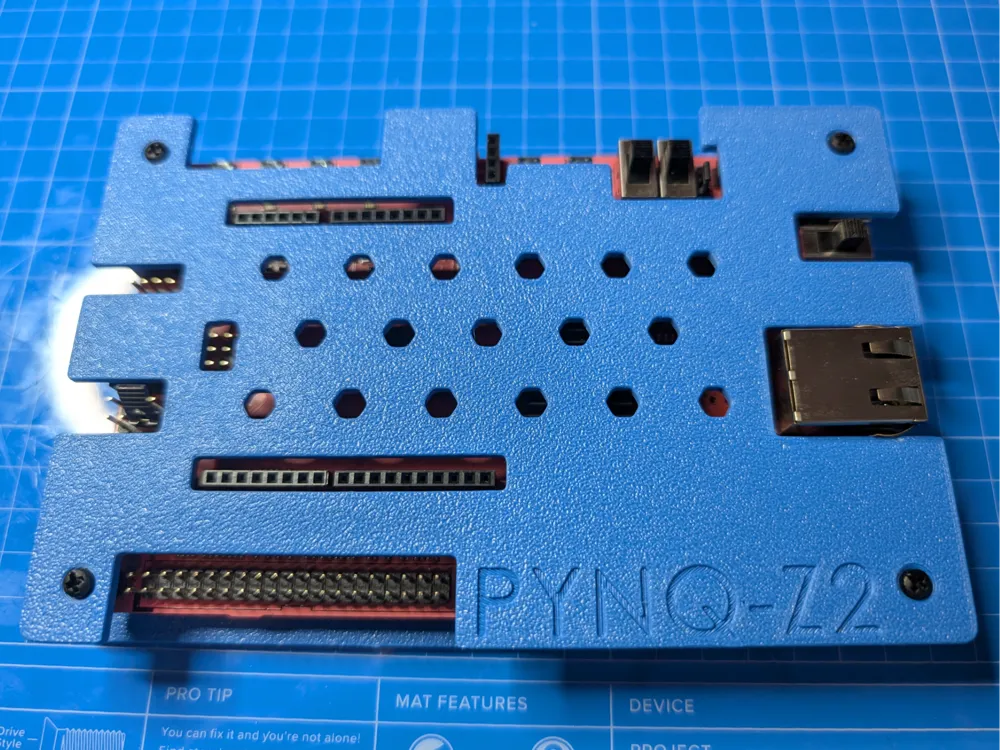
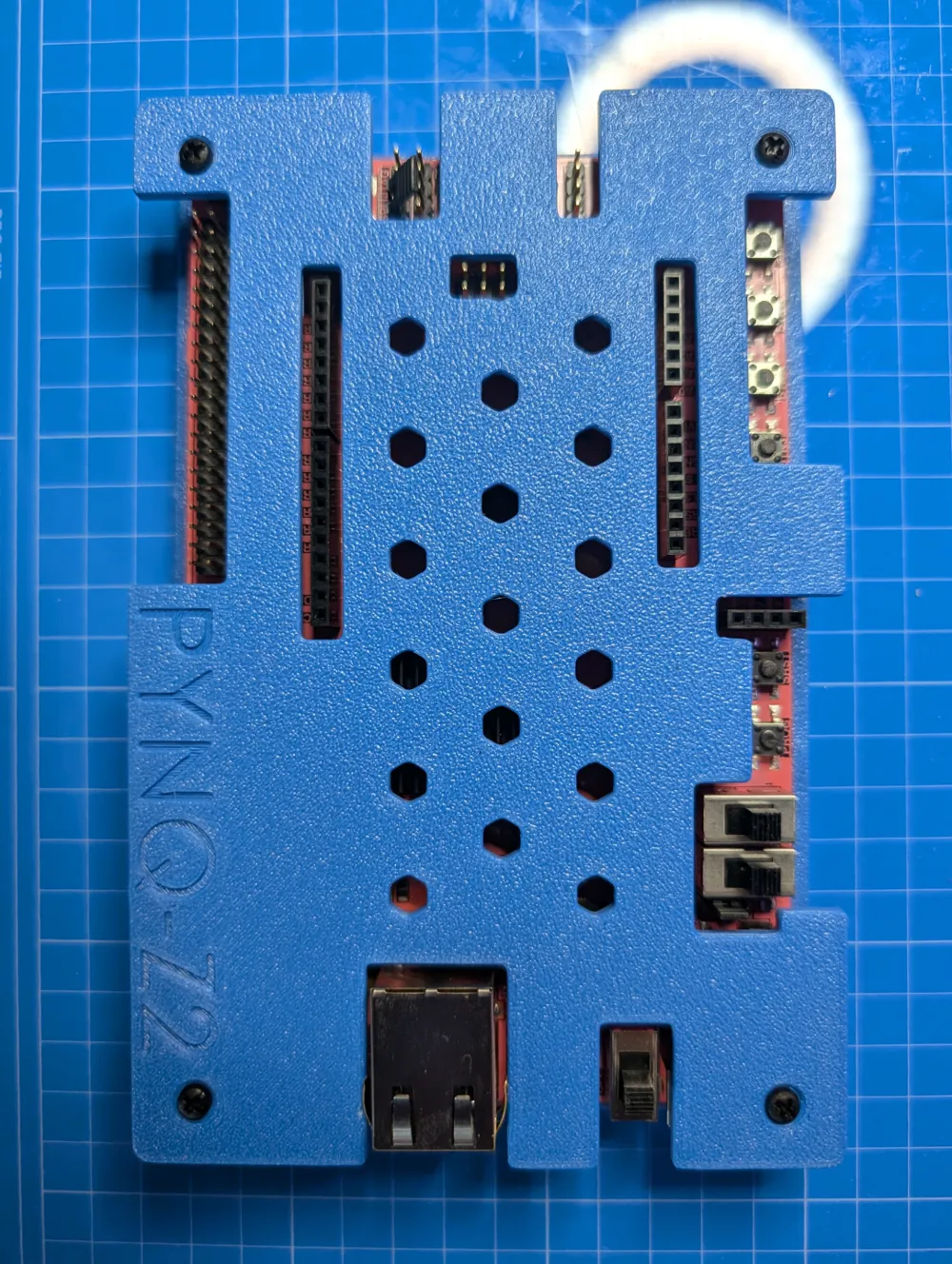
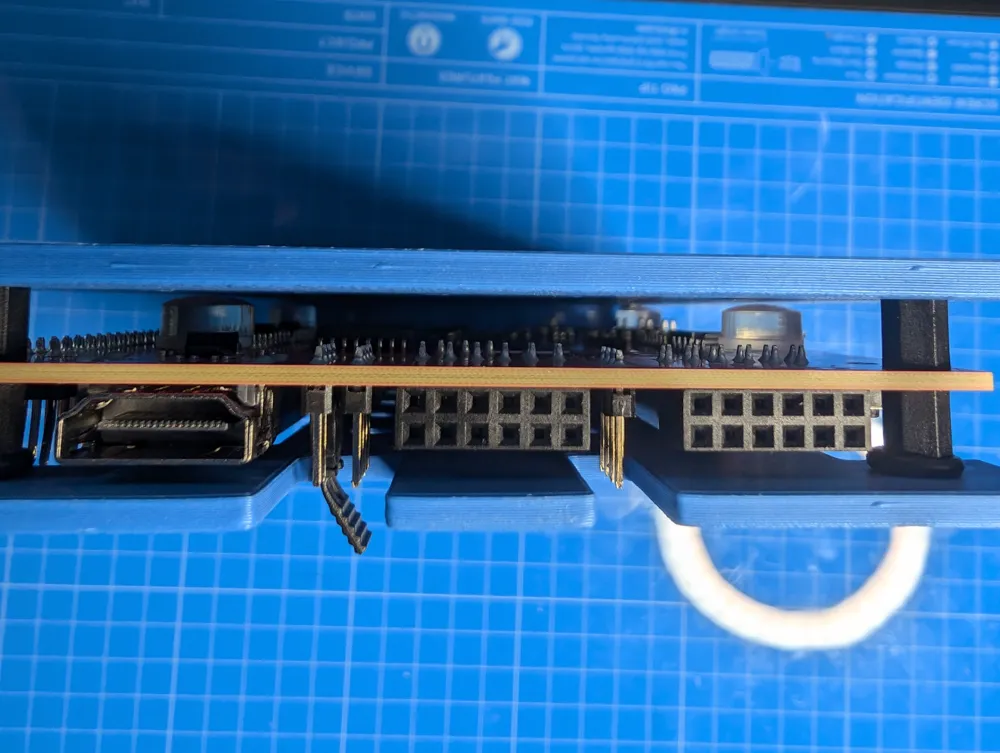
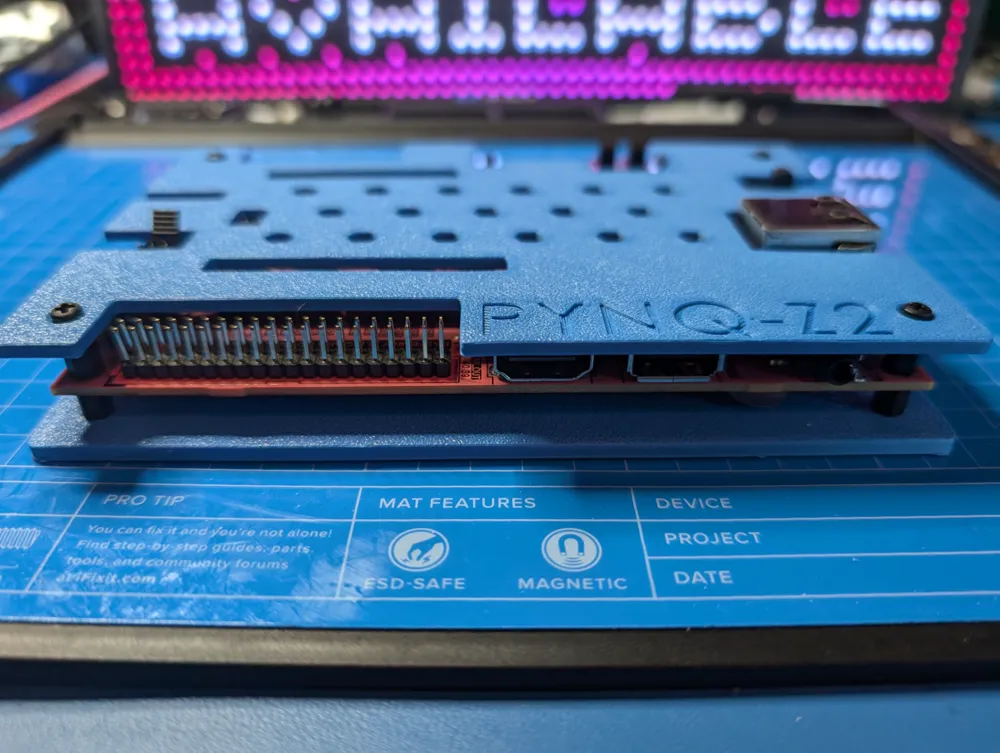
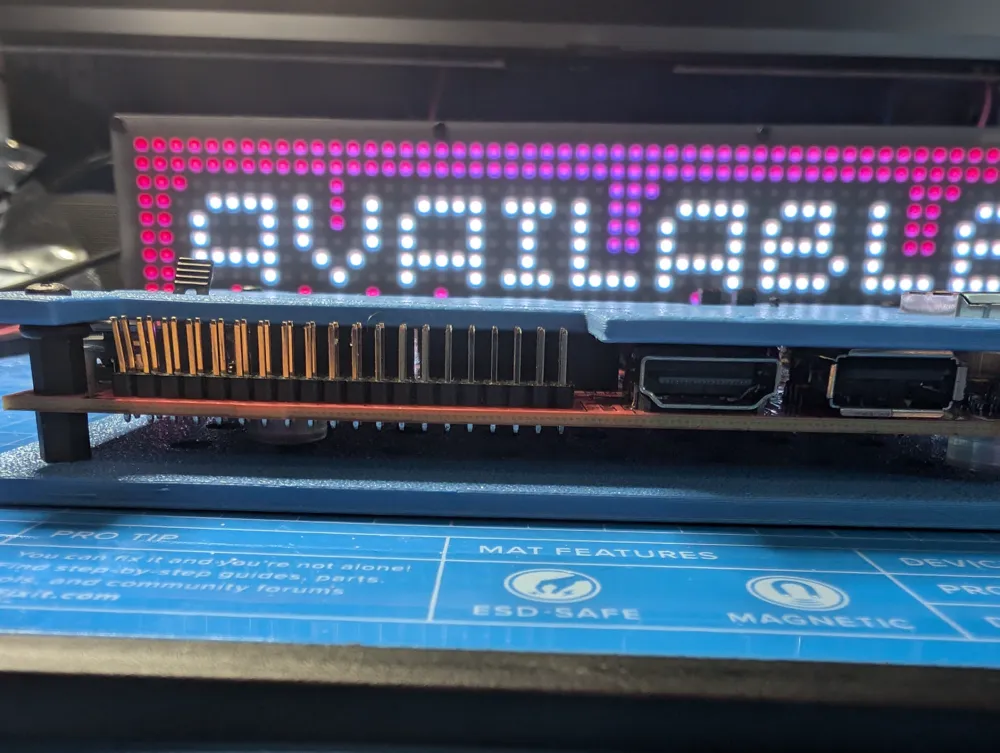
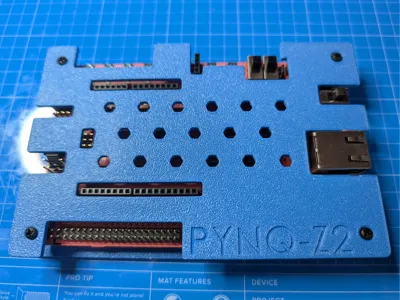
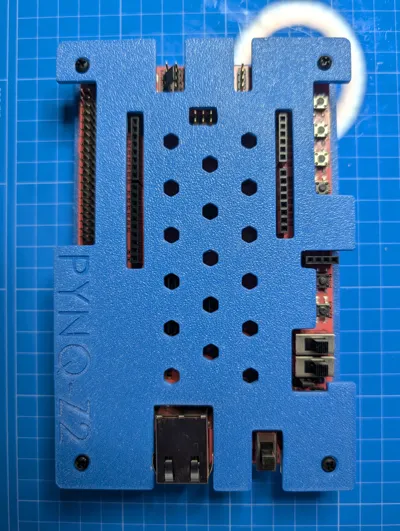
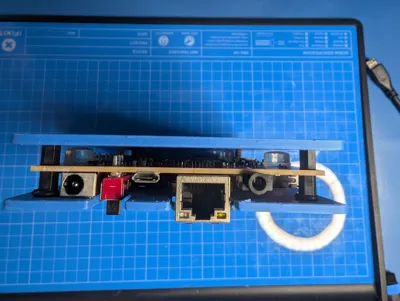
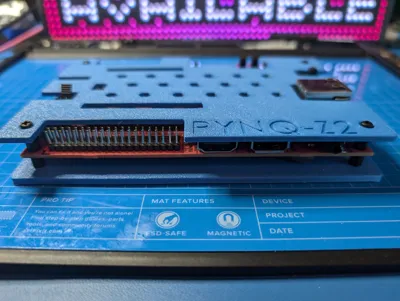
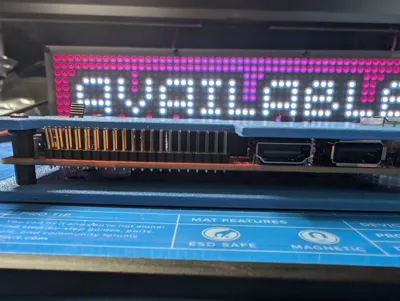
This is a quick and naive remix of https://www.thingiverse.com/thing:4854905 that adds a cutout for the SPI header, so that I could use 6mm tall standoffs to provide easier accessibility to the various switches, buttons, jumpers, and headers on the board.
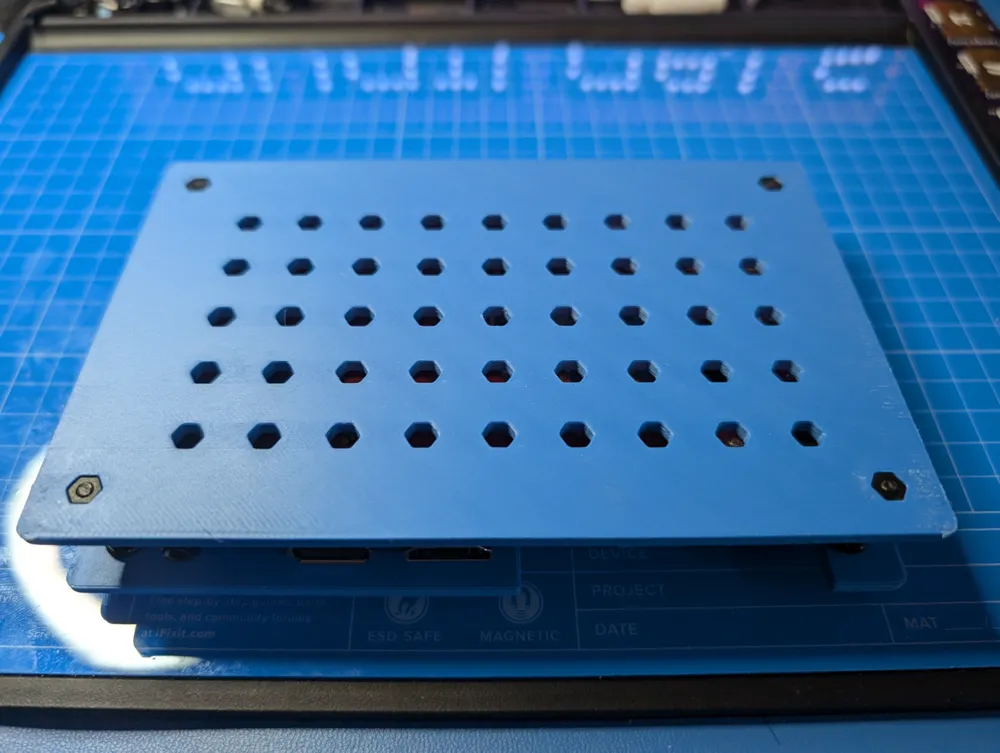
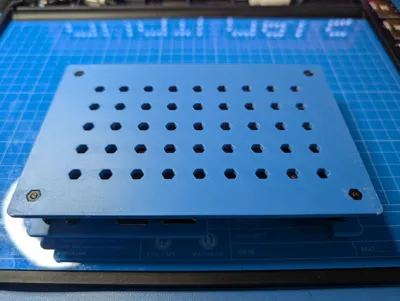
I'm not completely happy with the remaining overlap between the original hex cutout, which I didn't notice until I had already loaded the file in Bambu Studio for printing. At that point, I wanted to at least test the placement of the cutout. So far it hasn't bugged me enough to rework it.
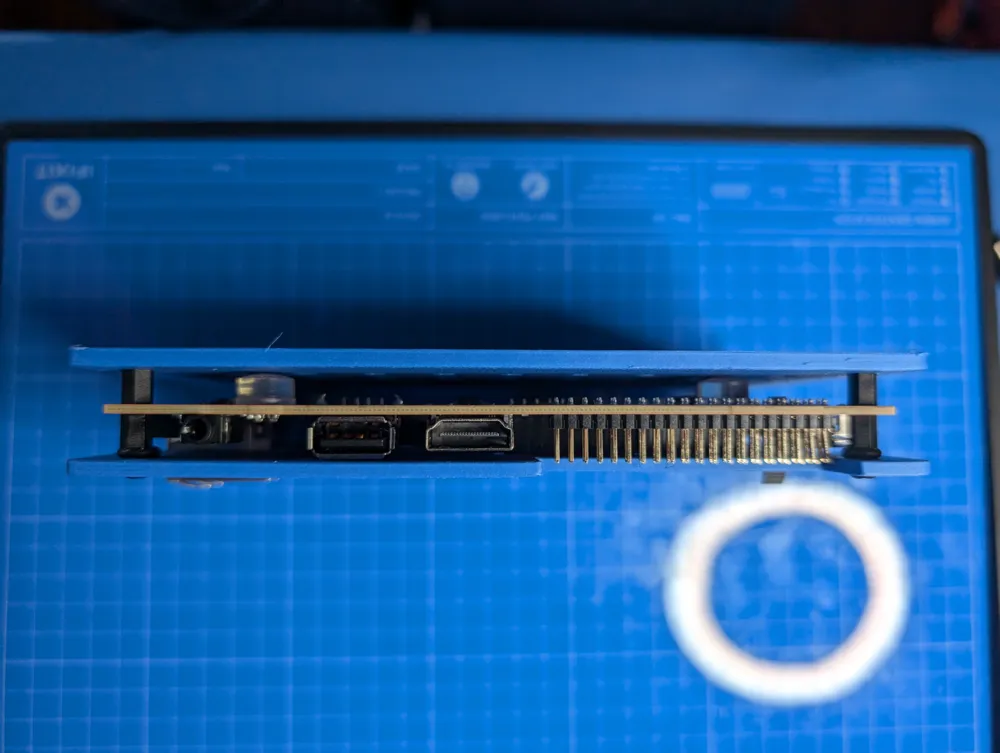
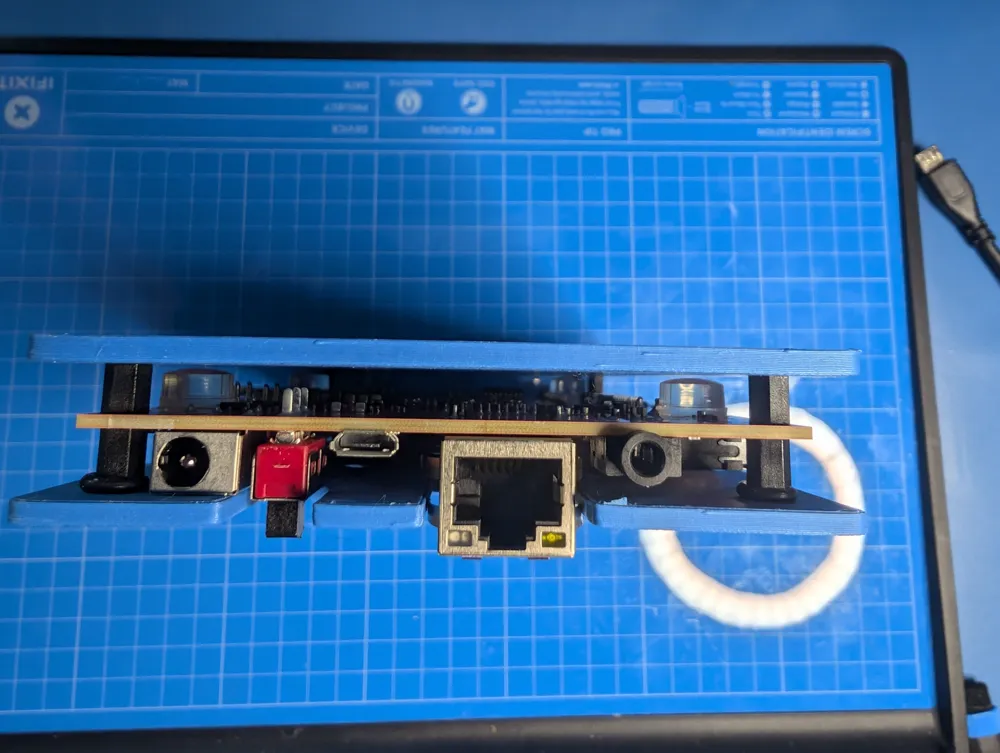
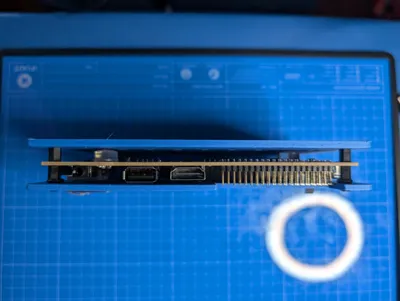
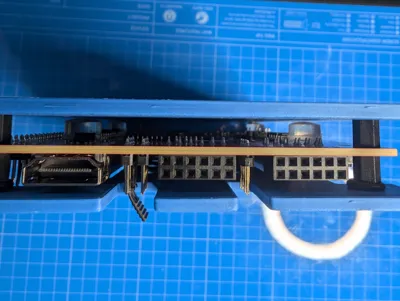
There was also a bit less clearance that I had anticipated with the power and USB-A ports, which prevented me from lowering the top plate as much as I really would have liked, but in hindsight that is probably for the best, since that would have resulted in the top plate laying directly on top of the heatsink.
For now, I'm more interested in playing around with the pynq-z2, but wanted to share the changes and lessons learned with the community.
How I Designed This
The original print I made from https://www.thingiverse.com/thing:4854905 lacked a cutout for the SPI header on the pynq-z2, which required that I use longer standoffs that I wanted, and reduced access to the various jumpers and pins.
I used Tinkercad to make an additional cutout for the SPI header, which was not exposed in the original print
Post-Printing
Material Requirements:
- 4 x M2.5 Machine Screws (I used panhead screws with 6mm tall threads, but flat top screws would sit flat with the top plate)
- 8 x M2.5 6mm tall standoffs (the ones I used had 6mm tall threads as well, which required trimming with flush cut wire snips to avoid protruding from the bottom plate)
- 4 x Nylon M2.5 Nuts
- 2 x rubber washers (or any other small spacer, nut, etc to provide the necessary clearance for the power and USB-A ports)
Tools needed:
- An appropriate screwdriver and nut driver for screws, standoffs, and nuts.
- Flush cut wire snips, if using nylon standoffs and the threads extend beyond the bottom plate.
This remix is based on

License



Comment & Rating (0)