
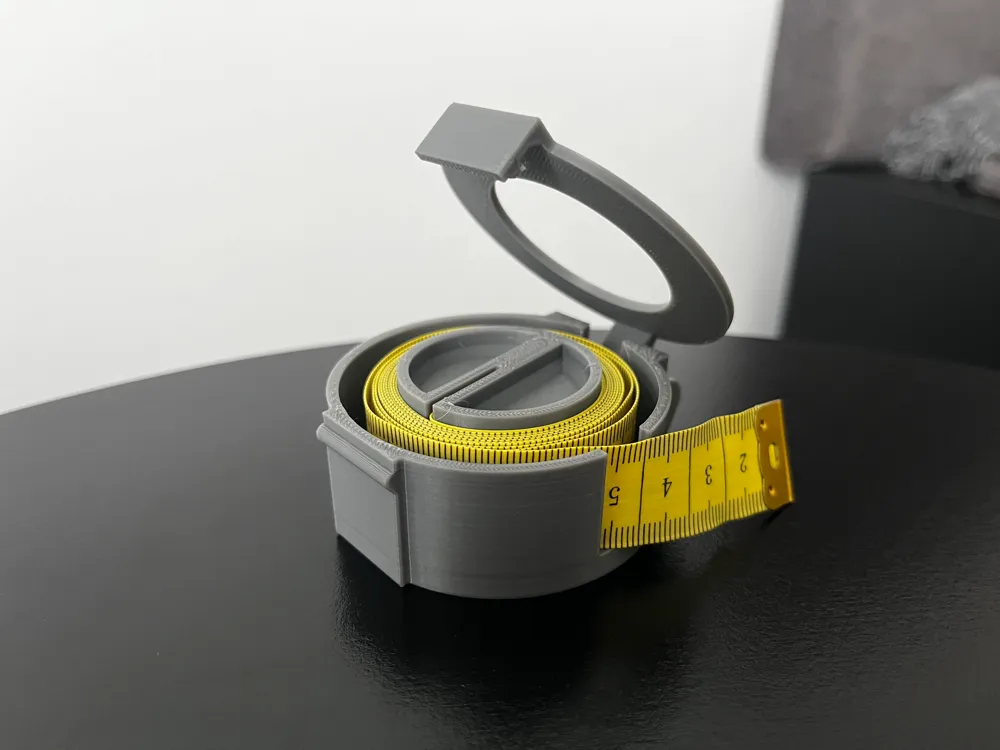
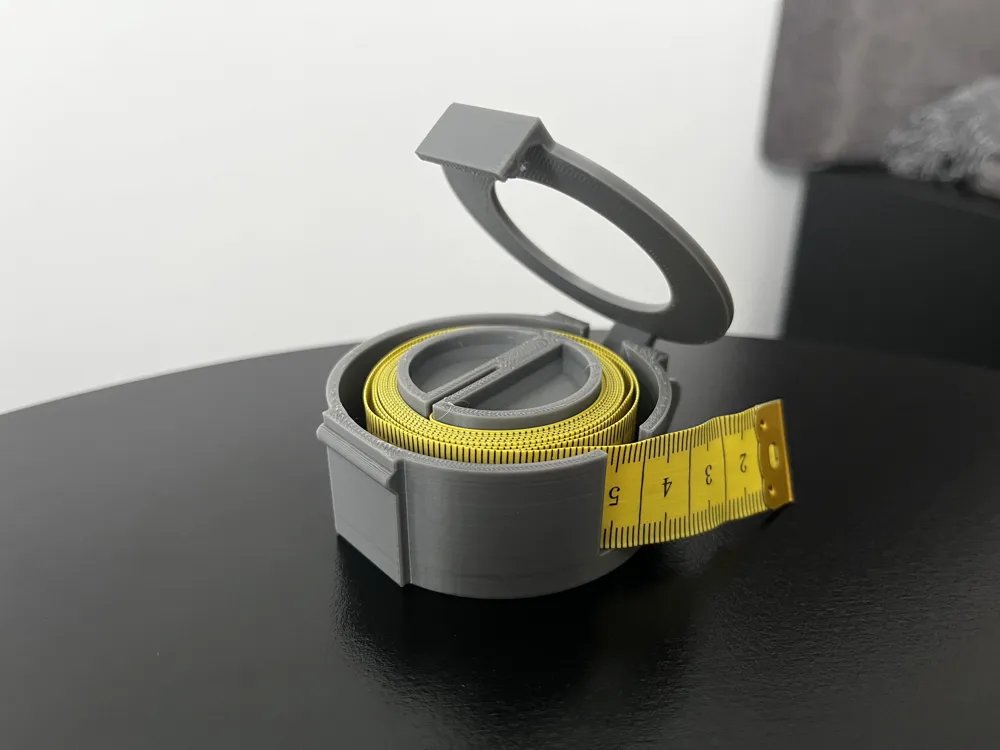
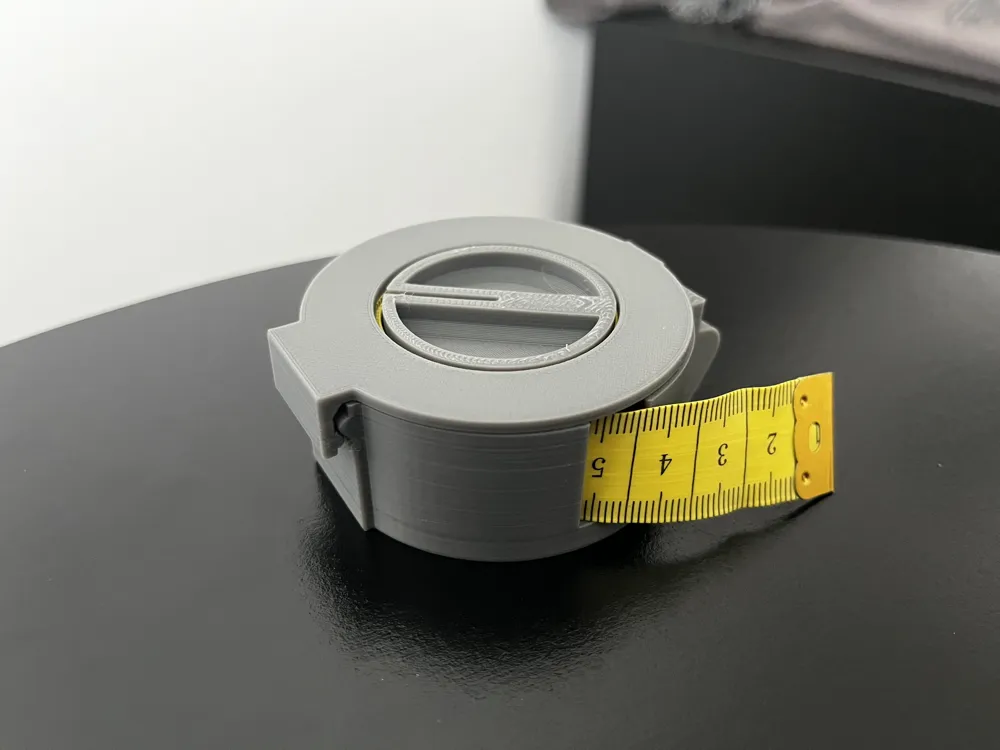
Sewing Meter Winder - print-in-place, parametric
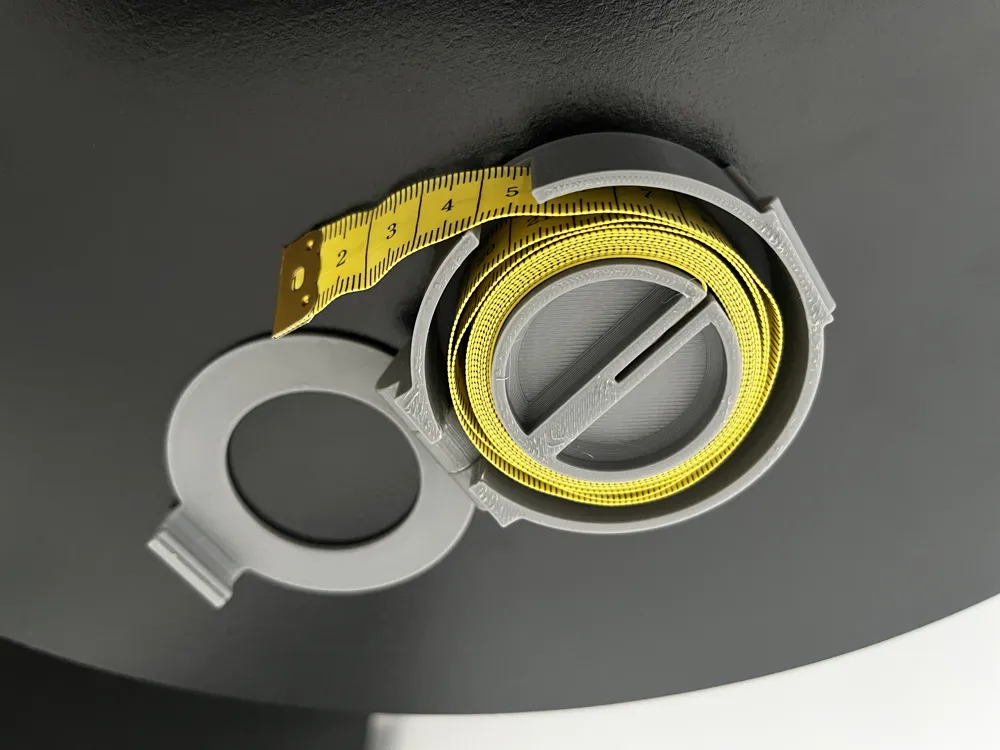
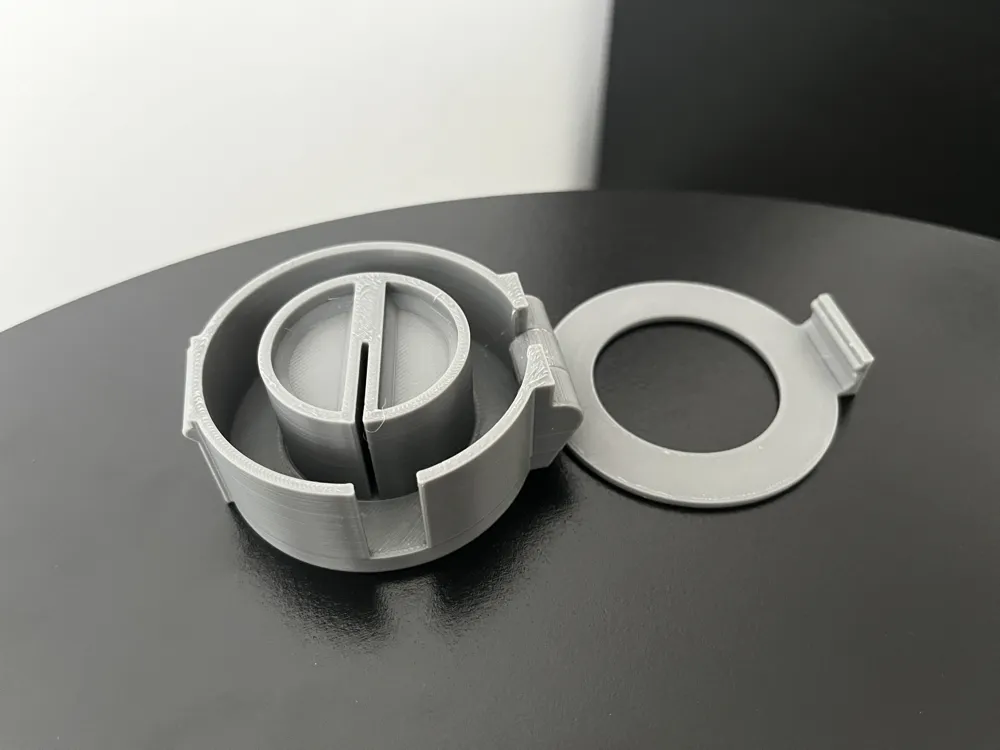
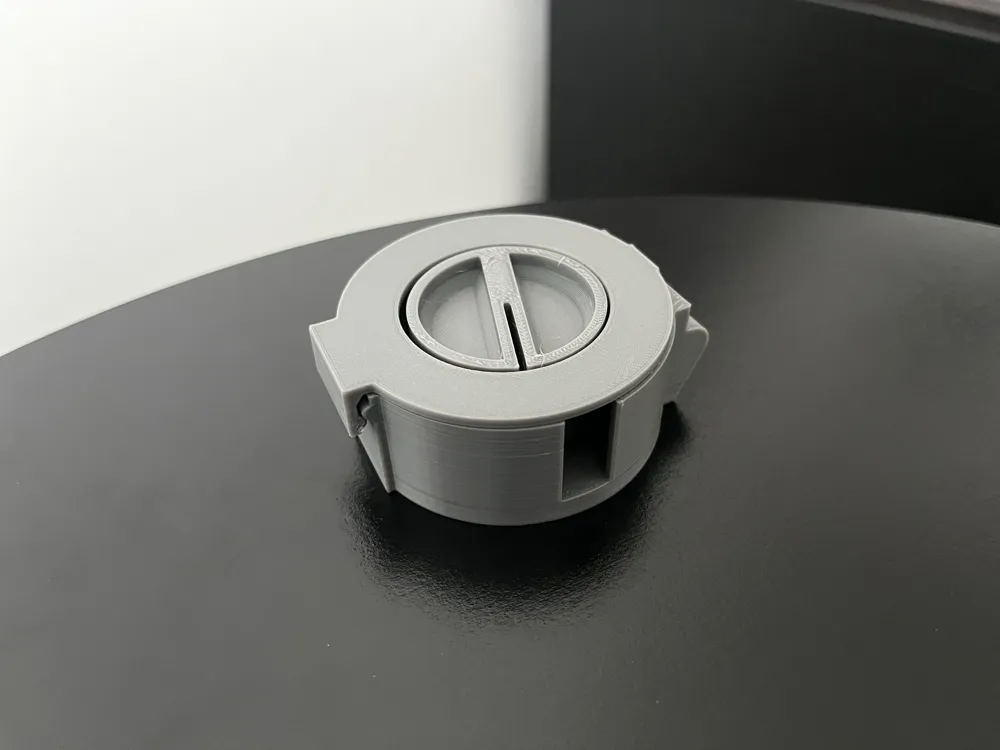

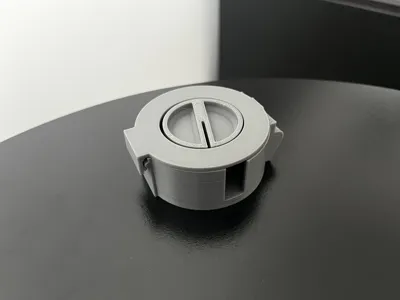
Print Profile(4)


Description
Update
There is a new version available here.
Improvements of V2
- Better lid: Better locking mechanism, more solid hinge.

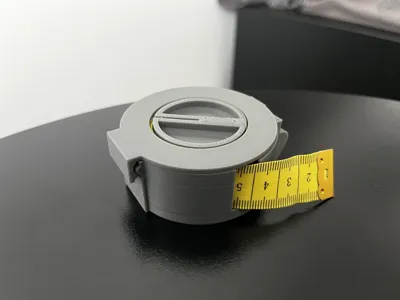
Tape measure stop: When winding the tape measure the end of it will stay outside. Also makes pulling the tape measure smoother.
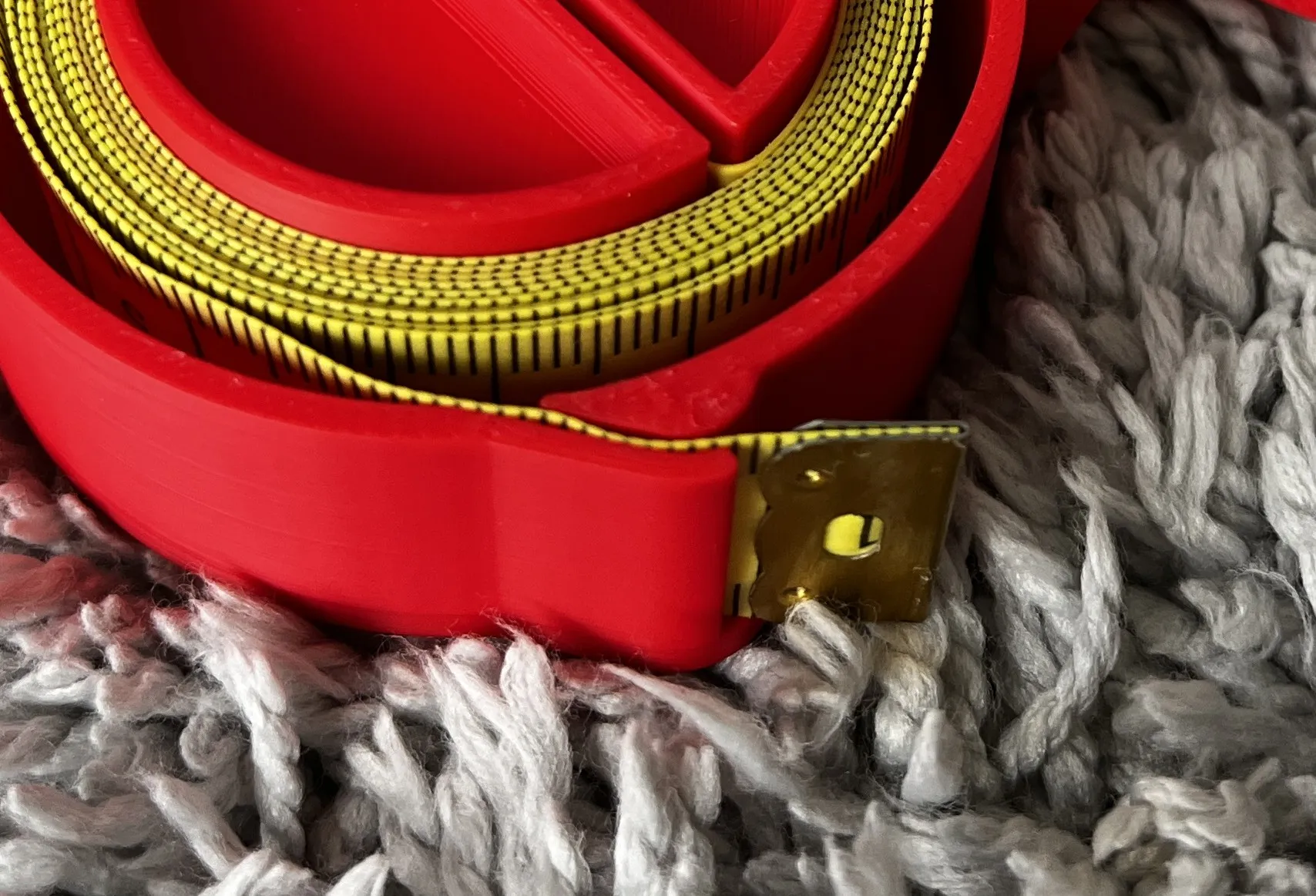
- Nicer look: Added fillets and chamfers to make it feel and look nicer
Boost Me (for free)
If you appreciate the work i do, consider leaving me some boost.
Thank you!
CAD file.
The supplied models are separated based on meter width, in this case 19mm and 21mm, close to the most common widths, at least from what i could find, i had a 19mm. These values are the maximum meter width that will fit. If you have a wider meter or you want exact fitment you can just modify the meter_width parameter.
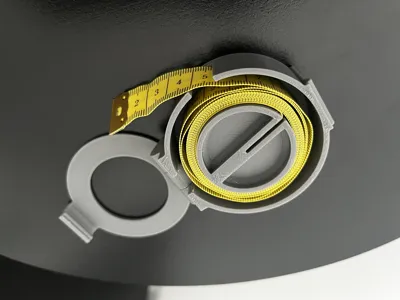
In each of these two categories there are also 10mm and 20mm spaces for the meter. I have a 150cm meter and when rolled, the width is 5mm, so there is still a lot left. The parameter for this one is meter_space.
Other parameters:
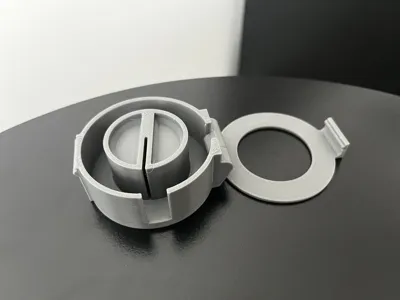
- rotation_tolerance: the tolerance for the rotation hinge.
- bottom_height: height of the rotation hinge, i don't recommend changing this one.
- wall_width: basically what it says, all the walls share this one except the bottom.
- meter_end_thickness: thickness of the end or start of the meter that slots into the notch.
- hinge_tolerance: tolerance in the hinge.
- top_from_base_tolerance: the distance between top and base when closed.
- rotator_diameter: diameter of the rotator, making it smaller than it already is will make it quite fiddly.
After printing:
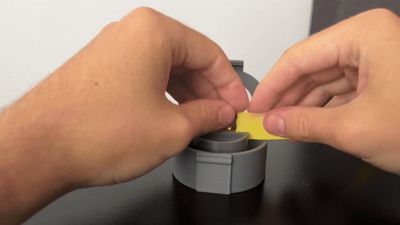
The hinge requires some upward force to break free, by moving it back and forth the movement gets smoother.
The rotator requires some force as well, but you might not be able to spin it right away with just your fingers, this is because of the seam. Take a knife or something thin and pry on it from bottom.
License



Comment & Rating (268)