
Skilleton 10" Server Rack Framework
Print Profile(2)
Description
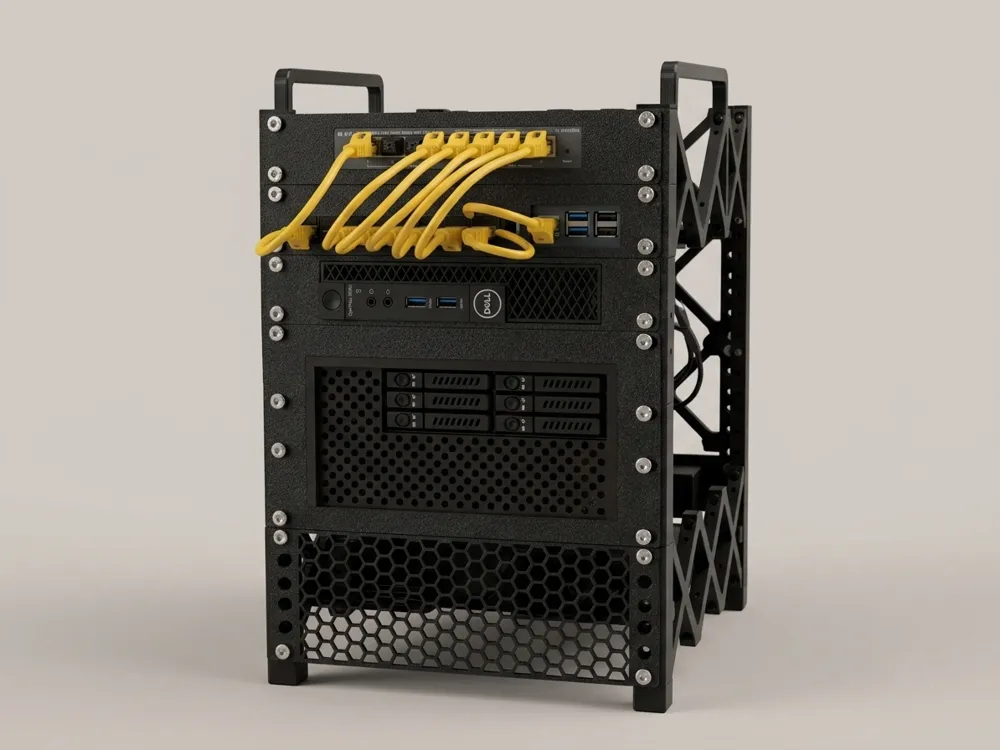
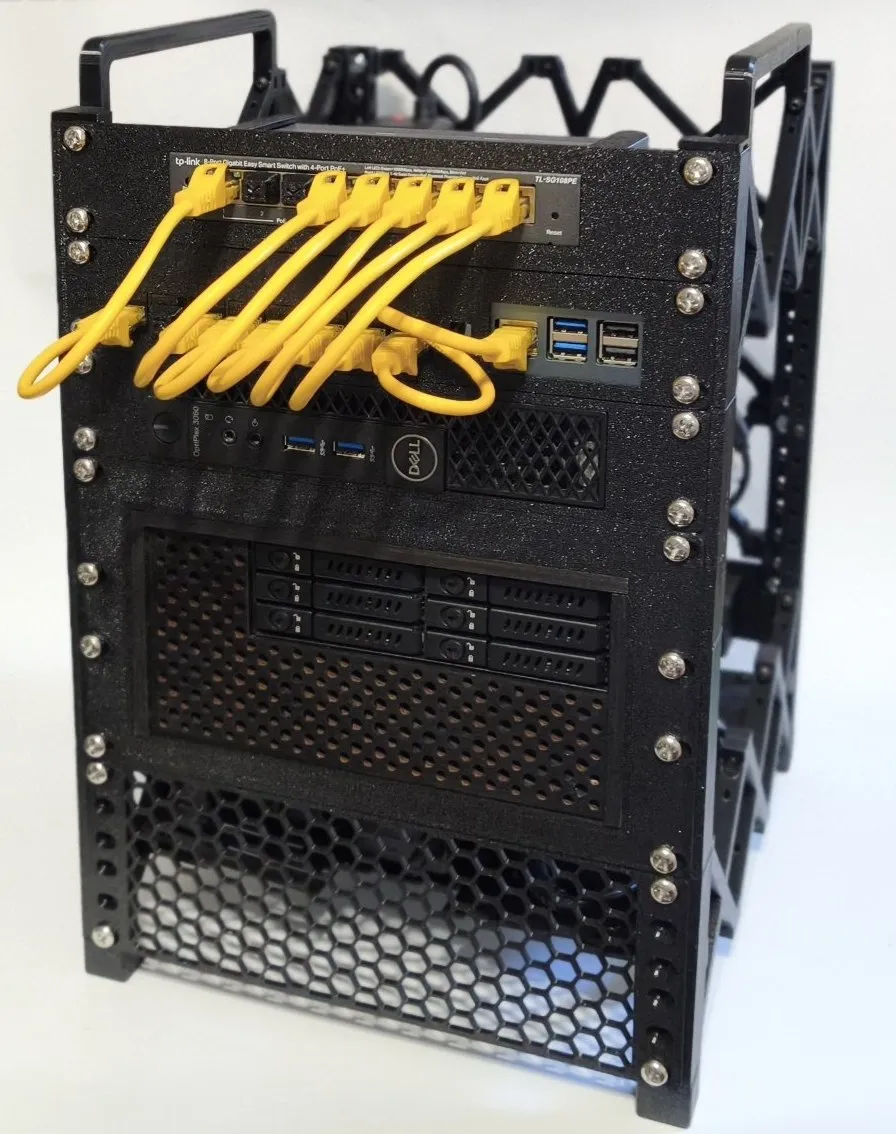
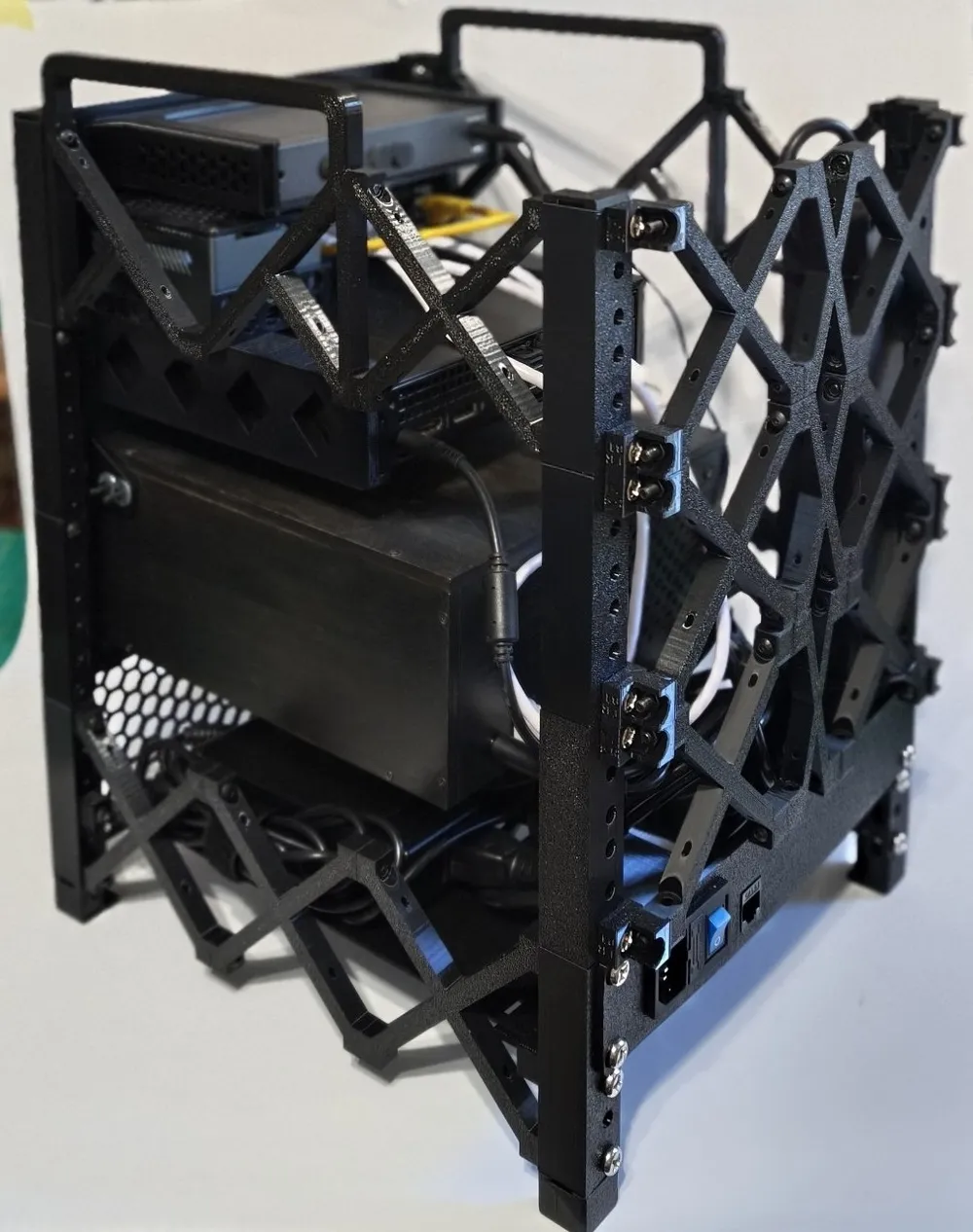
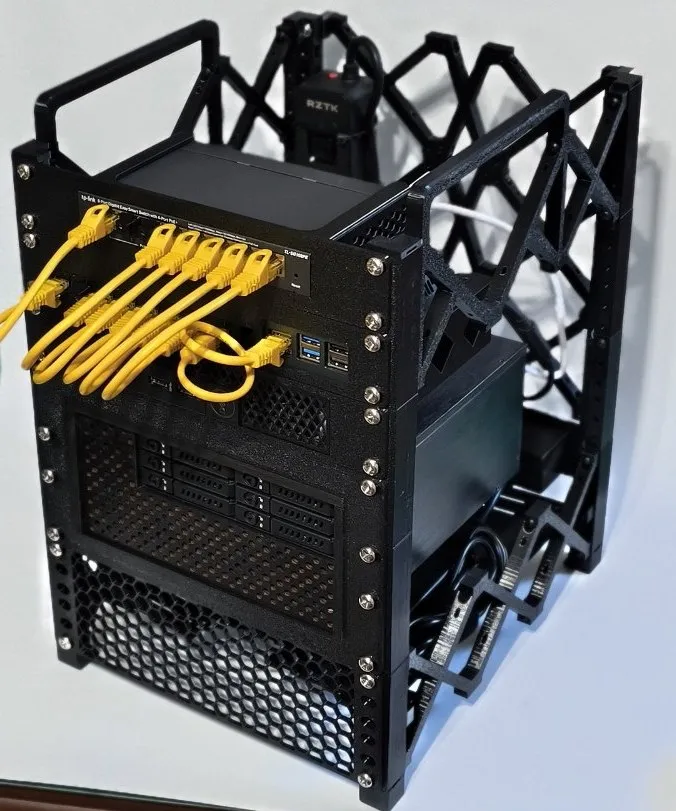
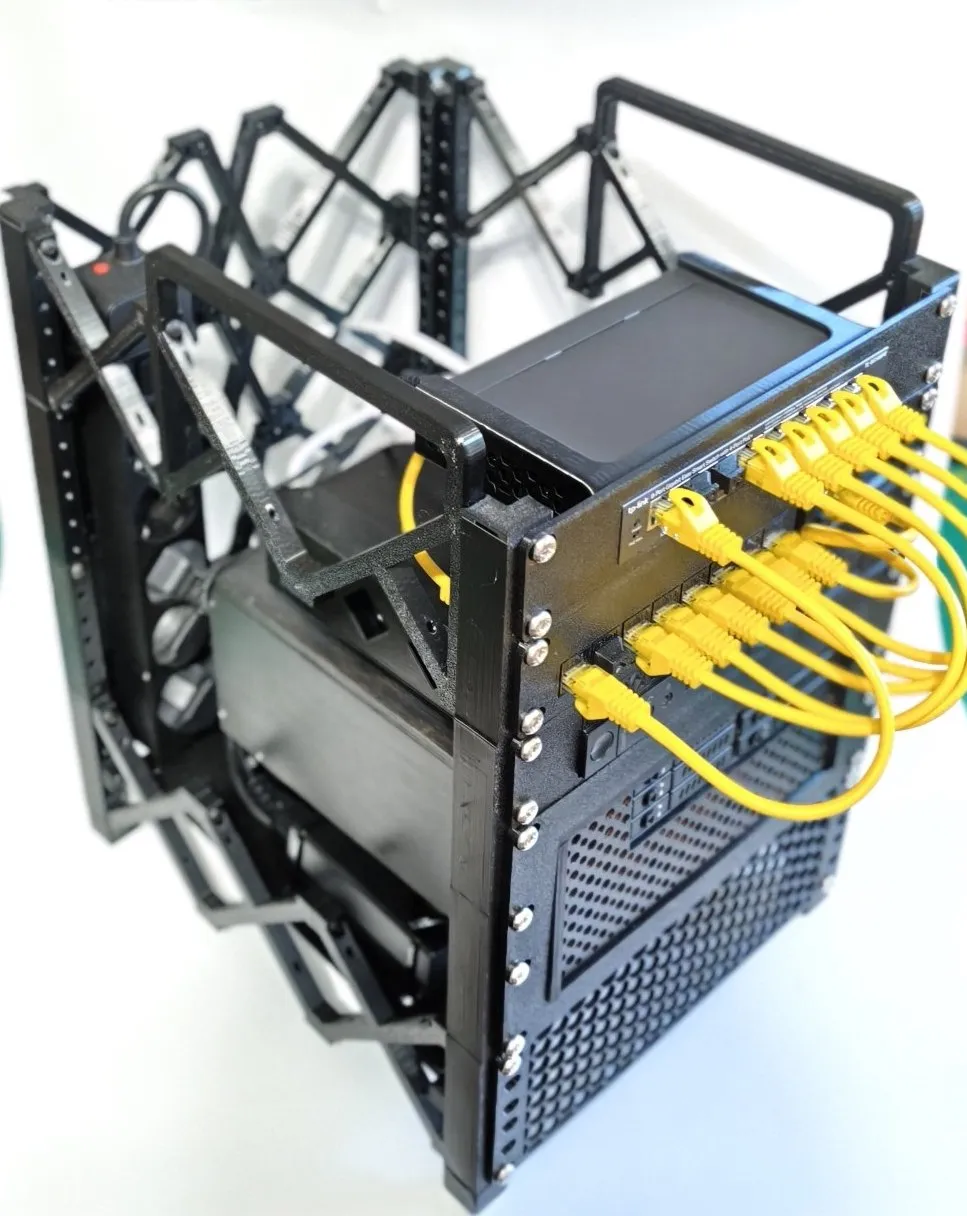
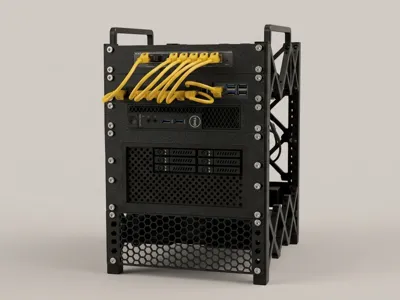
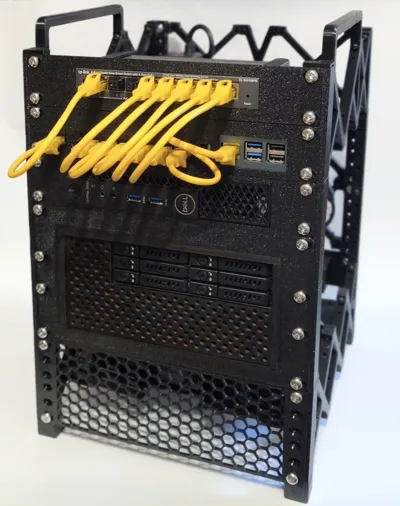
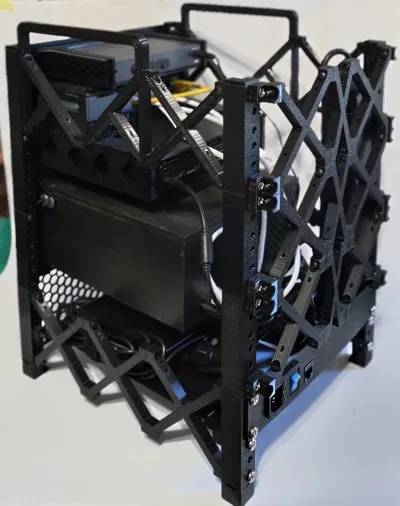
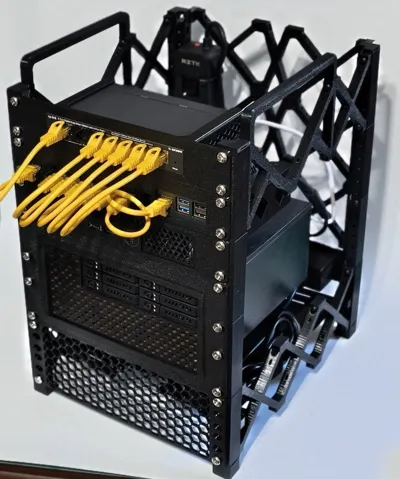
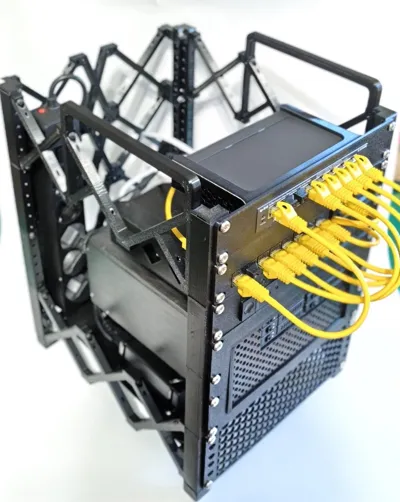
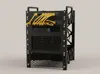
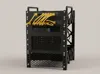
Skilleton is a fully open-source, 3D-printable framework designed for constructing custom server and network racks for homelab environments. Built around a modular 1U-factor grid, it allows users to scale, stretch, and compose enclosures tailored precisely to specific hardware footprints
While optimized natively for 10-inch hardware, Skilleton avoids rigid dimension locks. Its height, width, and depth are entirely defined by swappable, modular structural segments, making the system fully customizable
All model CAD files are fully open-source and available for download
Check out the GitHub repository to explore the project
Boost Me (for free)
Support the Project If Skilleton successfully helped organize or scale your homelab, please consider dropping a Boost! As a fully open-source project, your support directly funds the filament and prototyping time required to develop, print, and test new modular segments, custom adapters, and cable-management accessories. Thank you for backing open-source hardware!
🚀 Key Specifications & Features
- 1U Grid Modularity: Highly extensible layout based on standard 1U height intervals
- Fully Custom Dimensions: Adaptable width, depth, and height via interchangeable segments to fit non-standard hardware
- Hardware Integration: Features an integrated captive nut design for robust component mounting and assembly
- 100% 3D Printable: Optimized for standard desktop 3D printers without requiring specialized manufacturing tools
- Open Source: Fully accessible architecture for community modifications and custom segment developments
🏋 Structural Integrity & Load Ratings
- Component Static Load: Standalone structural PETG segments successfully completed static load testing at 12kg with zero structural failure or permanent deformation
- Assembled Assembly Capacity: In active deployment, a fully assembled PETG 8U Skilleton configuration continuously supports a 9kg multi-node homelab setup without structural fatigue
⚙️ Print Specifications
A standard 6U Skilleton 10-inch rack configuration requires:
- Filament: ~700g of PETG (or technical filaments with equivalent mechanical properties)
- Time: ~26 hours
- Layer Height: 0.2mm
- Infill: 30% Gyroid
- Wall Loops:
- 5 walls for all handle components
- 4 walls for all other structural components
🔩 Bill of Materials
Aside from the filament, assembling the Skilleton rack requires only standard metric fasteners. All integrated slots are engineered to fit standard DIN 934 hex nuts, removing the need for proprietary hardware or heat-set tools
Material Types
- M4 x 20mm screws
- M4 DIN 934 hex nuts
- M6 x 16mm screws
- M6 DIN 934 hex nuts
Baseline Quantities (for a 6U 10-inch configuration)
- M4 x 20mm screws and nuts: ~60 pieces are required to connect all structural supports, stands, and connectors
- M6 x 16mm screws and nuts: A minimum of 16 pieces is strictly required to properly secure the main server rack stands, feet and caps. The total additional amount depends entirely on how many rackmount devices, panels, or adapters you plan to install
🧩 Available Components
Stands
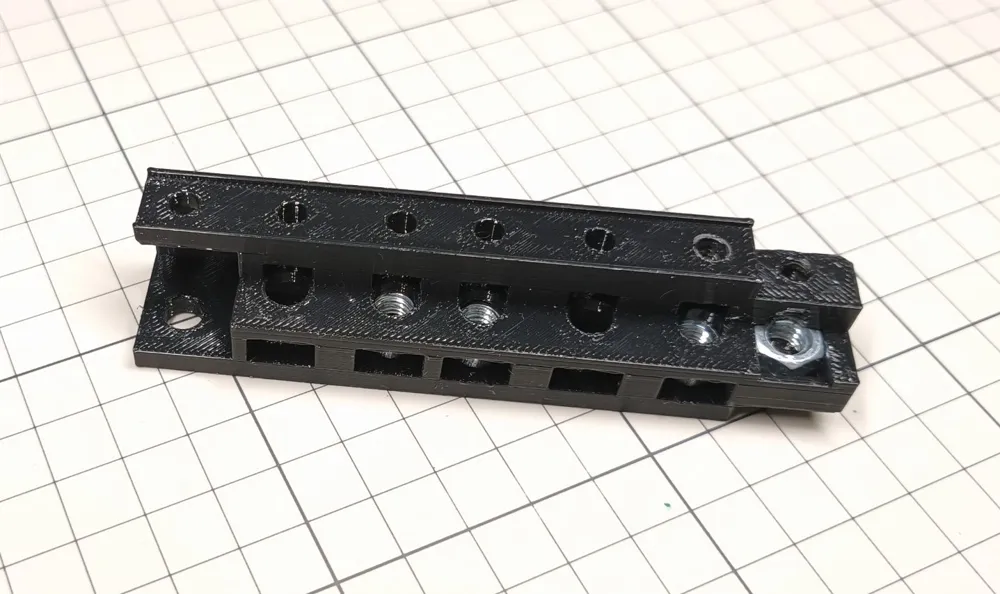
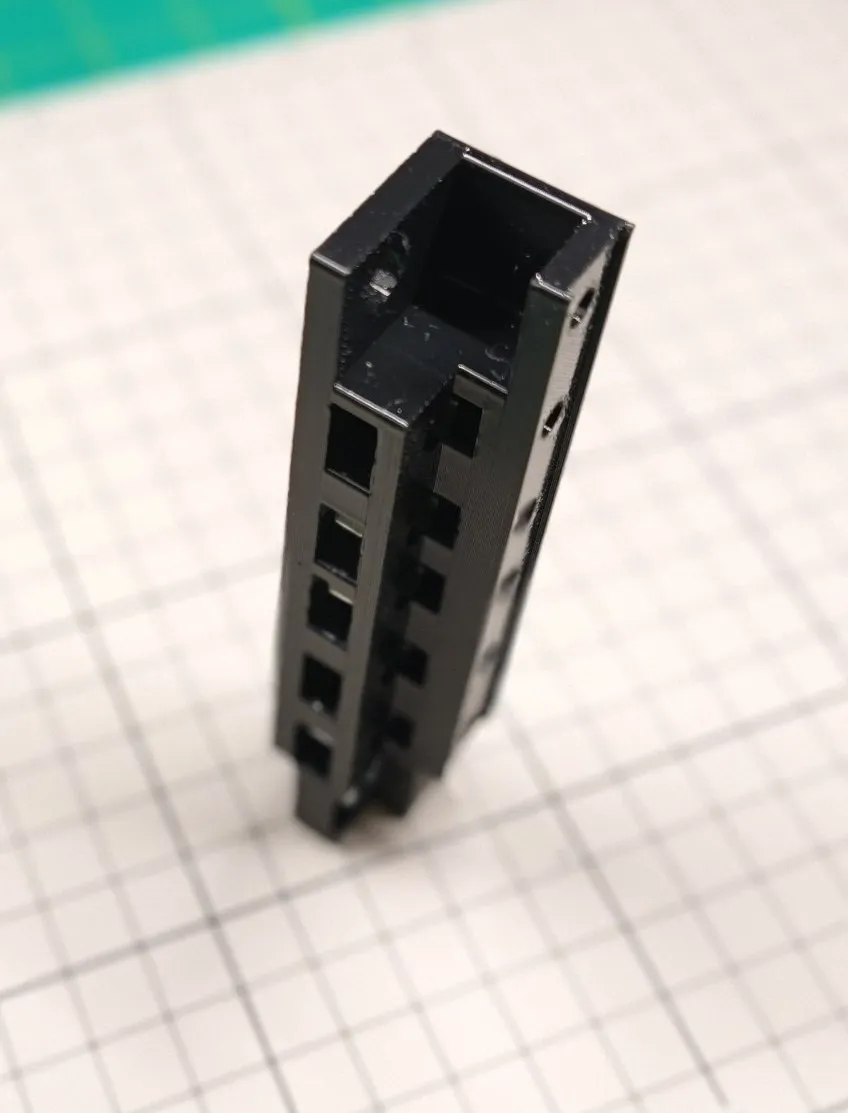
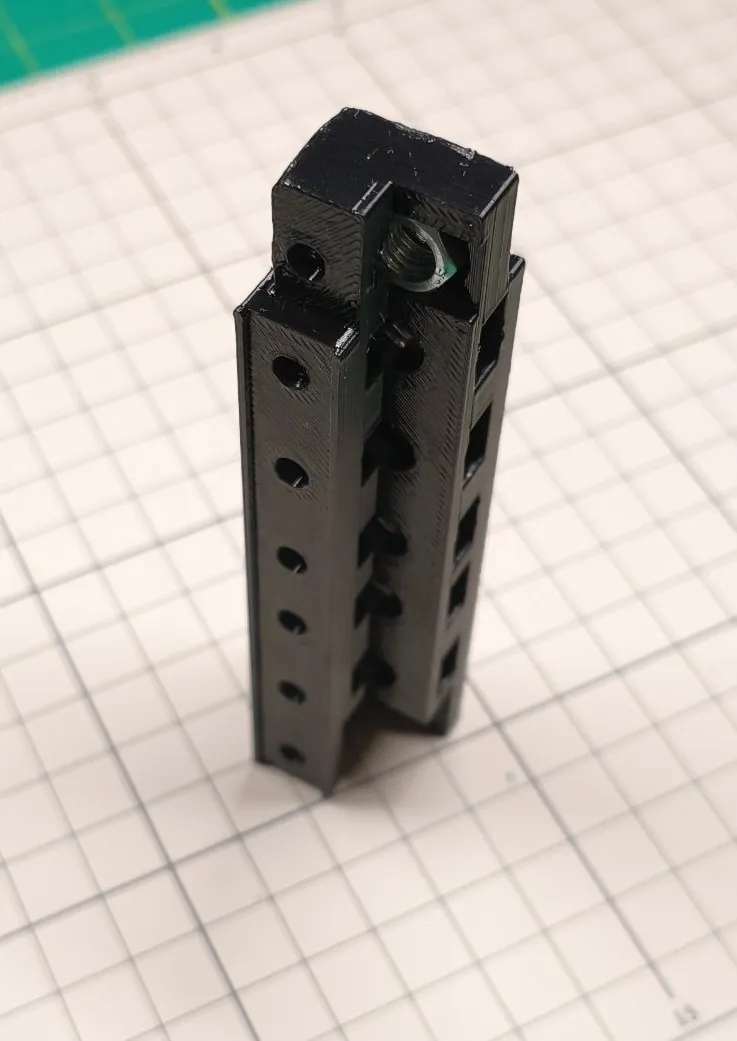
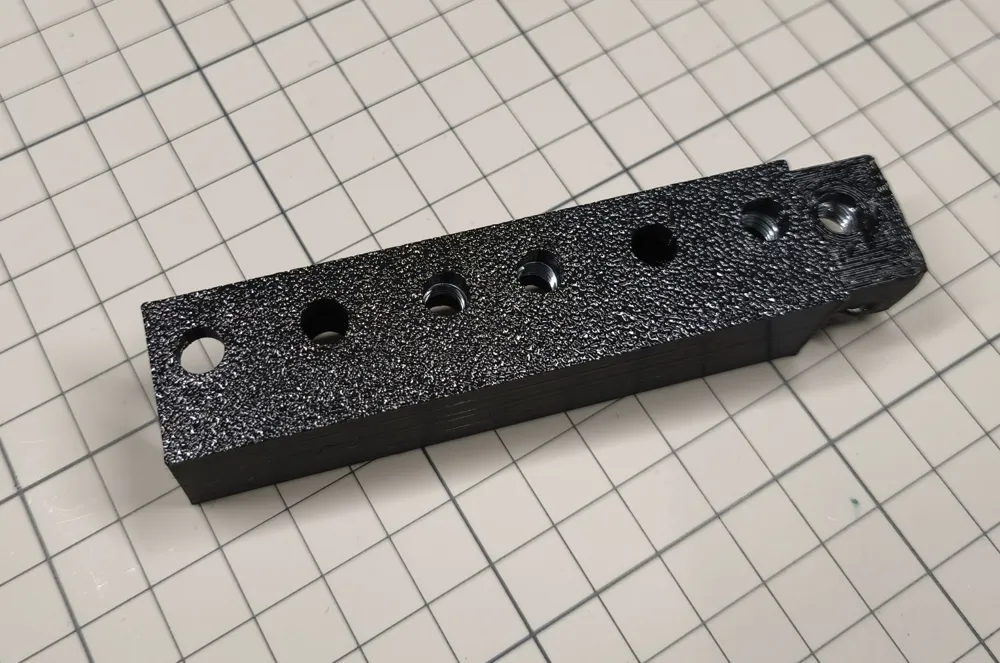
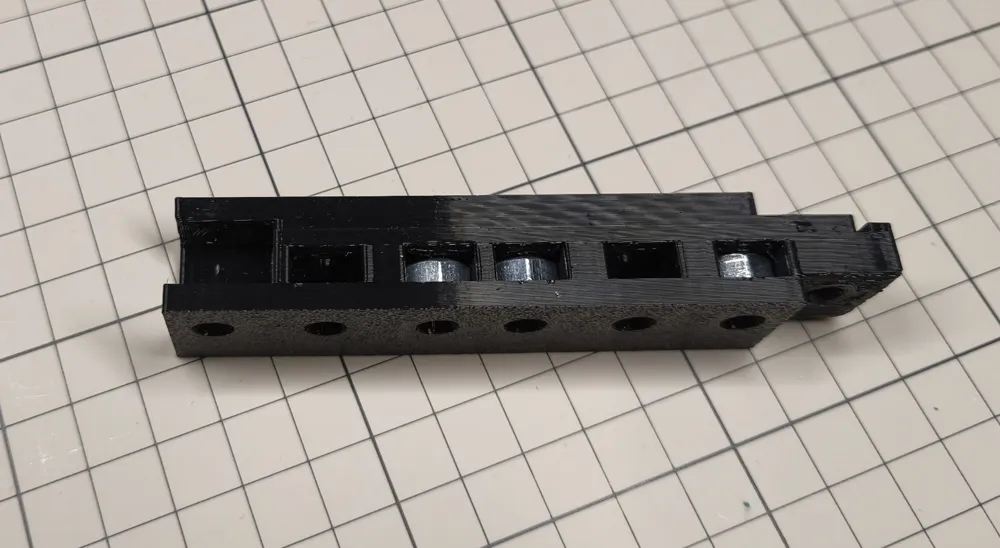
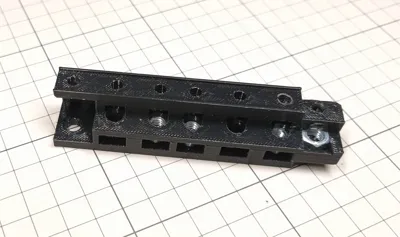
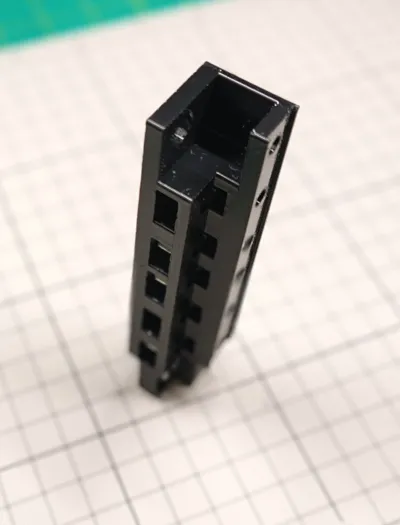
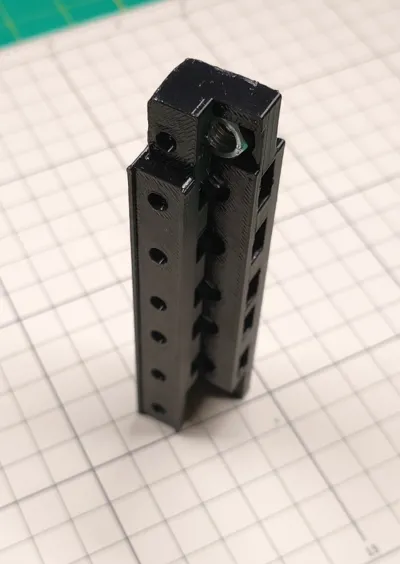
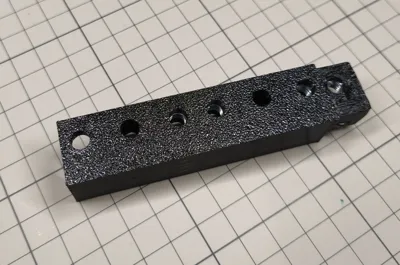
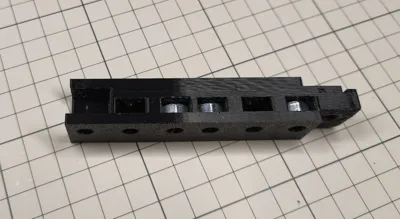
The primary vertical structural elements that dictate the rack's Rack Unit (RU) capacity and provide the main mounting interface for equipment
- Standard Rack Compliance: Engineered to follow standard server rack vertical spacing specifications, serving as the native mounting interface for rack-mountable hardware
- M6 Equipment Sockets: Features dedicated, integrated captive sockets for standard M6 screws and nuts to securely fasten rack units
- M4 Accessory & Support Sockets: Equipped with integrated M4 screw and nut sockets. These serve a dual purpose: securing the rack's horizontal structural supports and acting as modular extension points for attaching side panels, cable management, or custom add-ons
- Mirrored Geometry: Due to their asymmetrical structural design, these components are delivered as distinct left- and right-handed parts. They must be printed in mirrored pairs to assemble a functional rack layer
- Modular Grid Configurations:
- 1U
- 2U
Supports
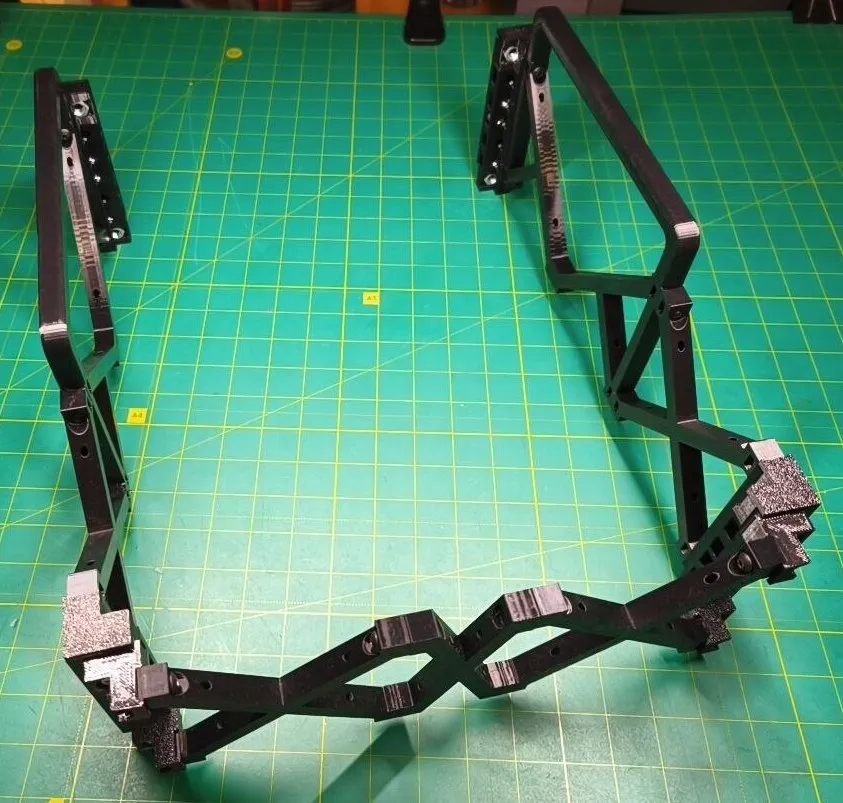
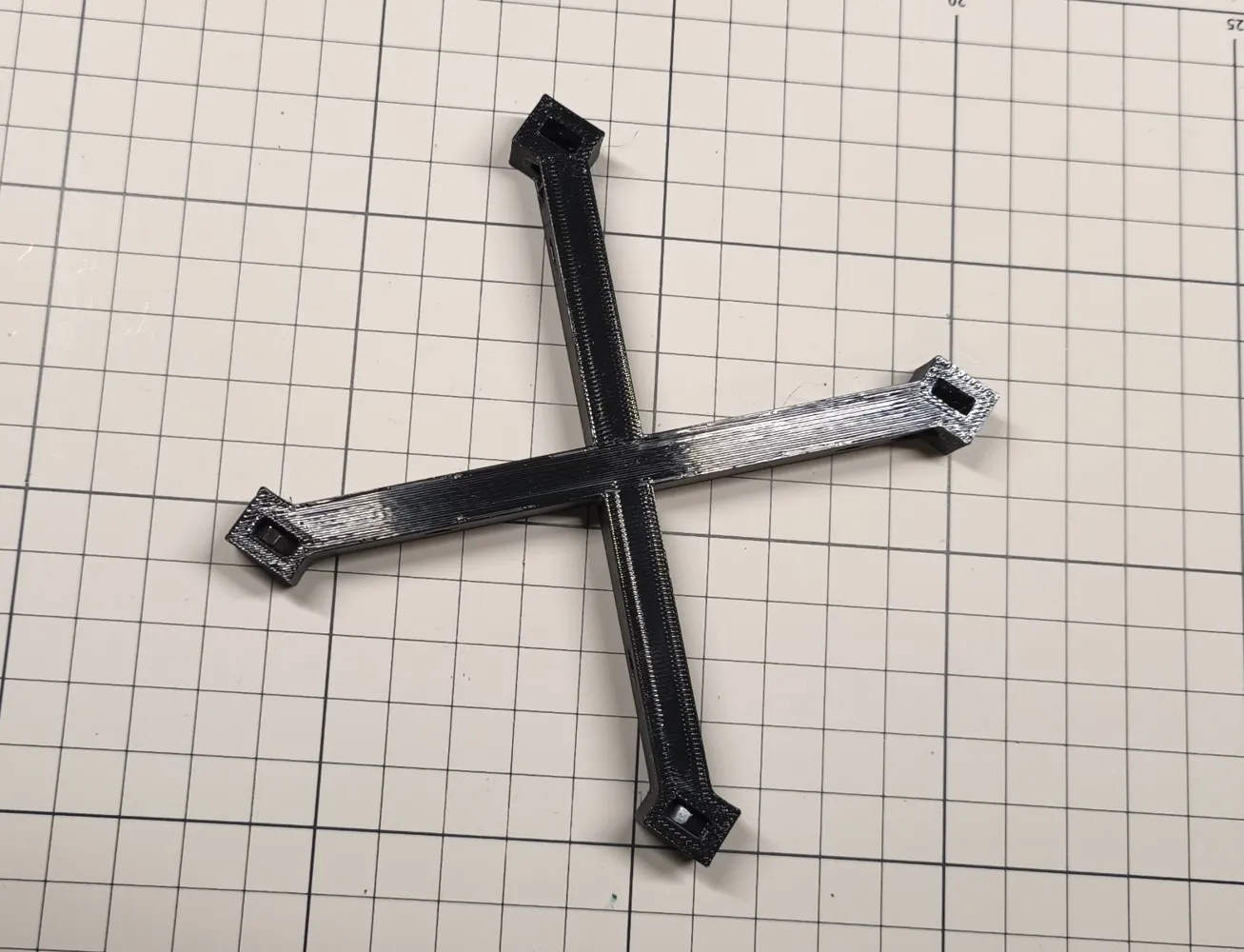
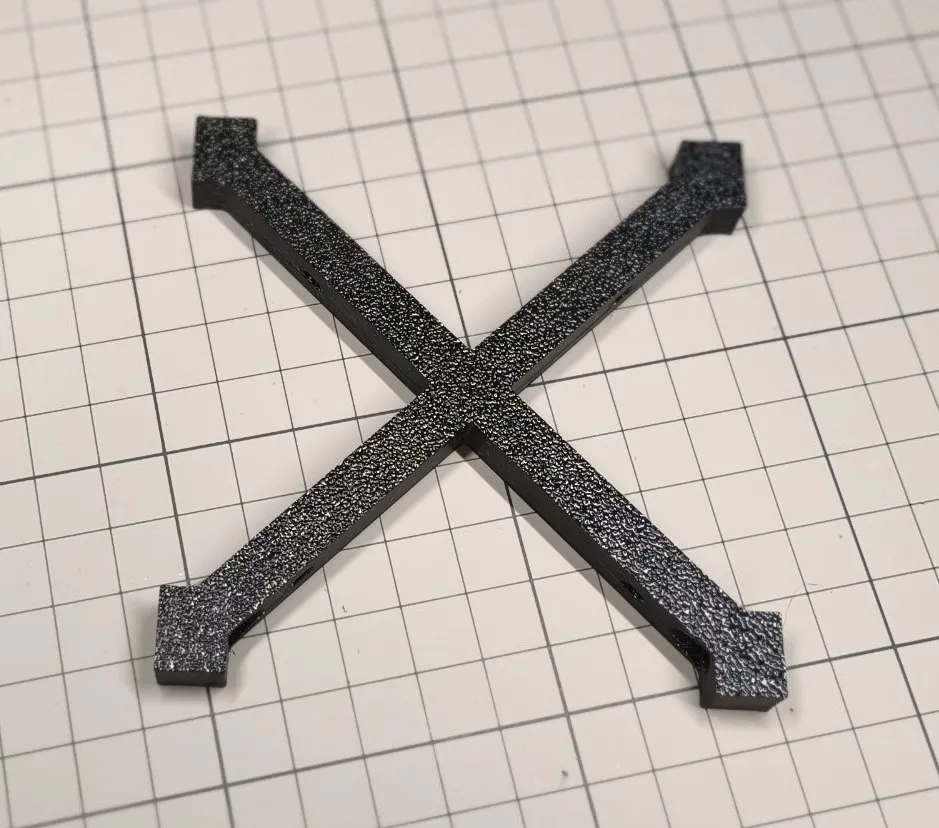
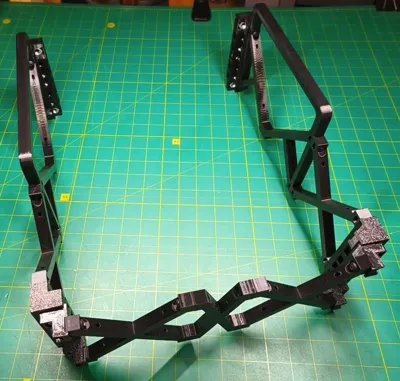
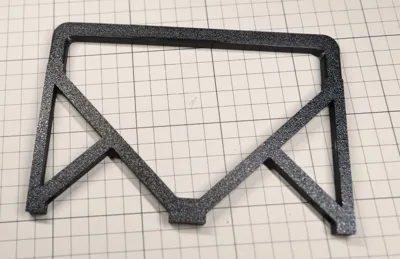
The structural cross-members that bridge the vertical stands to establish the rack's footprint and ensure overall framework rigidity
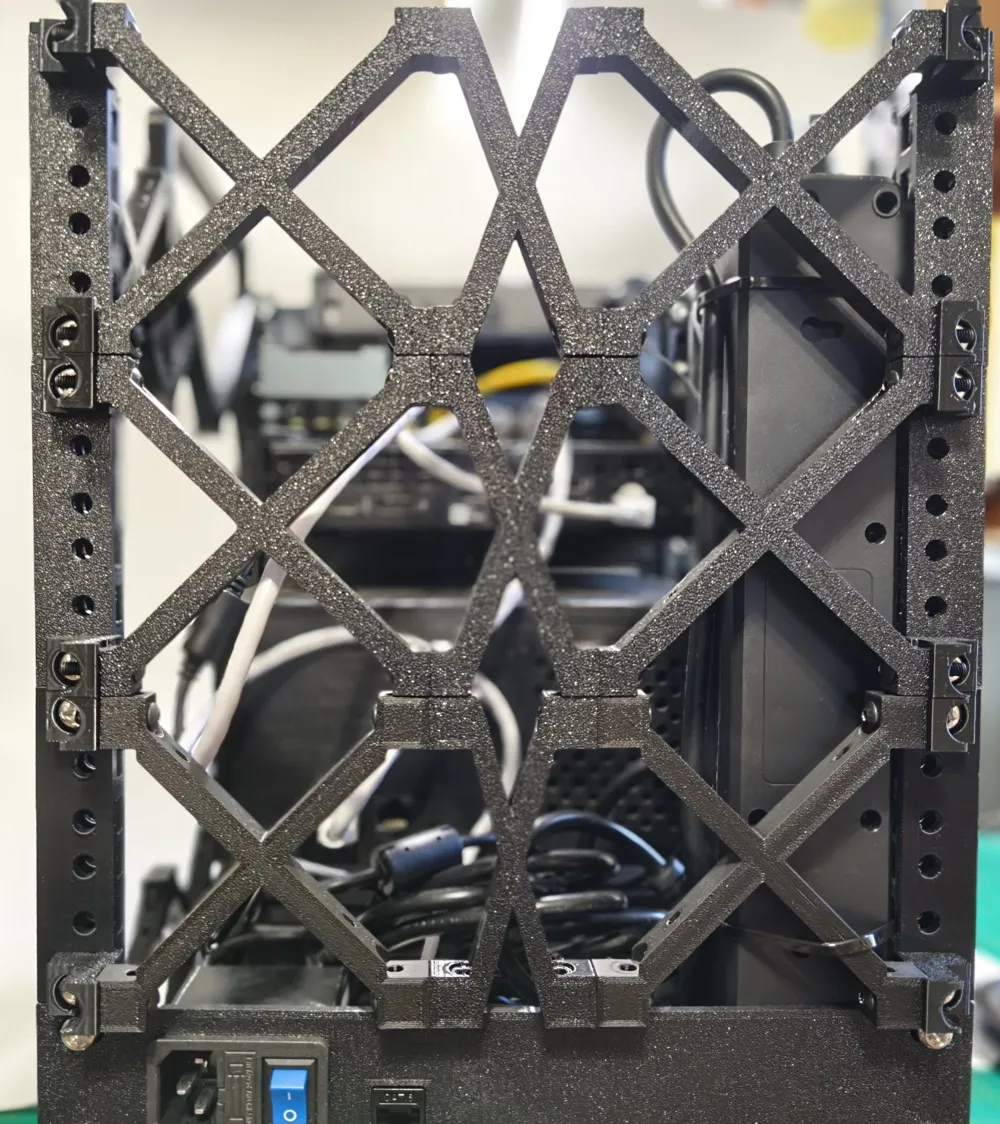
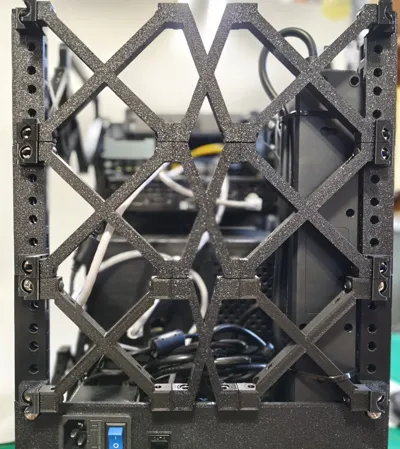
- Dimensional Definition: Acts as the primary components that dictate both the total width and total depth of the server rack configuration
- Horizontal Stability: Provides critical lateral bracing to eliminate structural sway and maintain square alignment under load
- Modular Grid Configurations: Available in multiple width x height sizing options to allow for custom modular scaling:
- 2x2U
- 2x1U
- 1x2U
- Integrated Cable Management: Features molded pass-through 3mm holes optimized for zip ties or hook-and-loop fasteners to facilitate clean internal cable routing
Handles
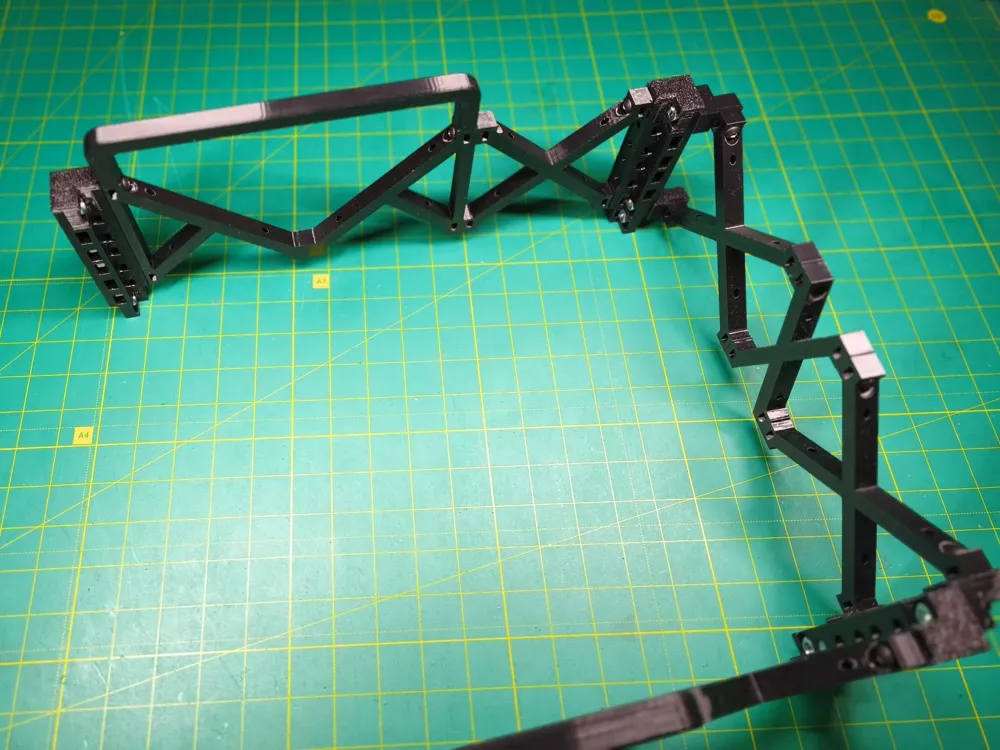
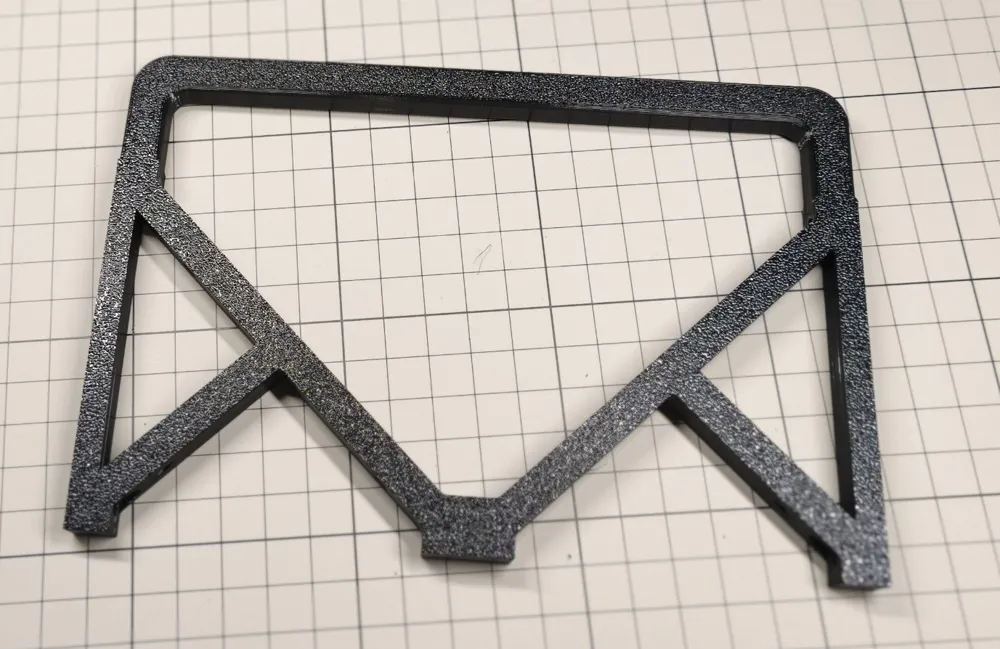
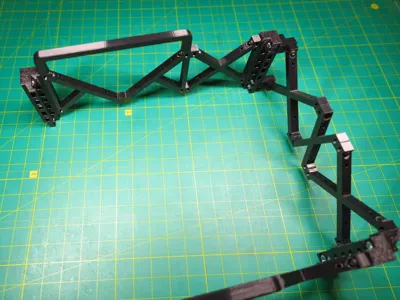
Dual-purpose components that integrate directly into the framework's horizontal layout, serving simultaneously as structural cross-members and lifting points
- Structural Integration: Designed to merge seamlessly into the support composition, functioning actively as a load-bearing element that maintains overall frame rigidity
- Dual-Function Design: Eliminates the need for dedicated, non-structural add-ons by acting as both a standard framework support and a robust transport grip
- Modular Grid Configurations: Available in multiple scaling options (width x height) to match your custom support layout:
- 2x2U
- 2x1U
- 4x2U
- 4x1U
Adapters & Spacers
Auxiliary structural components designed to accommodate specific hardware configurations and geometric transitions within the framework
Back Support Adapters
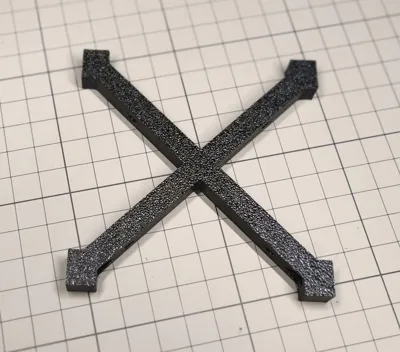
- Purpose: Enables horizontal support segments to function as a rear back-plate
- Orientation & Marking: Produced as mirrored components with integrated orientation markings relative to the stand position: TL (Top Left), TR (Top Right), BL (Bottom Left), and BR (Bottom Right)
- Assembly Tolerance: The geometric variations between these four adapters are minimal. Due to the intrinsic flexibility of the 3D-printed stands, these orientation markings can be safely ignored during assembly, as the material easily compensates for the minor structural differences
Spacers
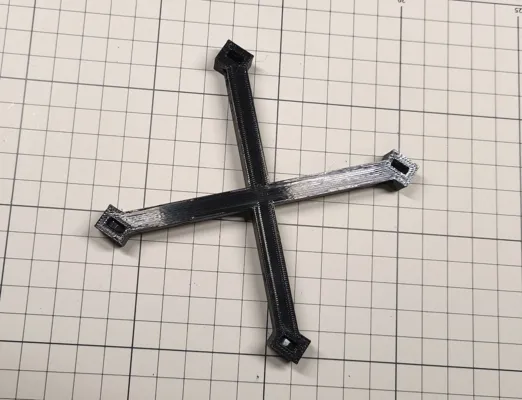
- Purpose: Fastener length compensation inserts used when securing the vertical stands
- Hardware Compatibility: Required specifically when assembling the framework with M4 x 20mm screws and nuts
- Optional Substitution: These components are entirely optional; users can eliminate the need for spacers by substituting the hardware with shorter M4 x 10mm screws
Stand Feet
Base components designed to provide a secure and stable foundation for the assembled framework. Functions as the direct contact interface with the desk or floor, protecting supporting surfaces from scratches
Stand Caps
Termination components designed to cap the upper edges of the vertical stands while maintaining hardware mounting functionality
- Top-Edge Mounting Interface: Provides integrated sockets for M6 and M4 screws and nuts at the very top of the framework
License



Comment & Rating (0)