
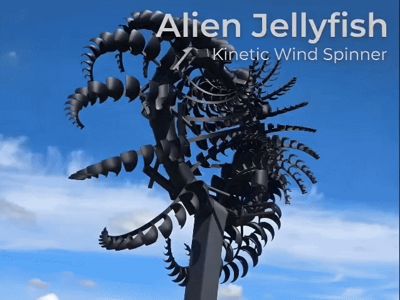
Alien Jellyfish Wind Spinner
Print Profile(2)


Description

Version 2 Is Now Available
Click the GIF below to view the improved Version 2 with integrated bearings, threaded assembly, reduced friction, and many other upgrades.

Please note that this design is somewhat experimental and should currently be considered more of a functional prototype than a fully refined final product. While the spinner is fully printable and functional, assembly, friction, and wind performance may vary depending on print quality, material choice, tolerances, and environmental conditions.
Jellyfish Wind Spinner
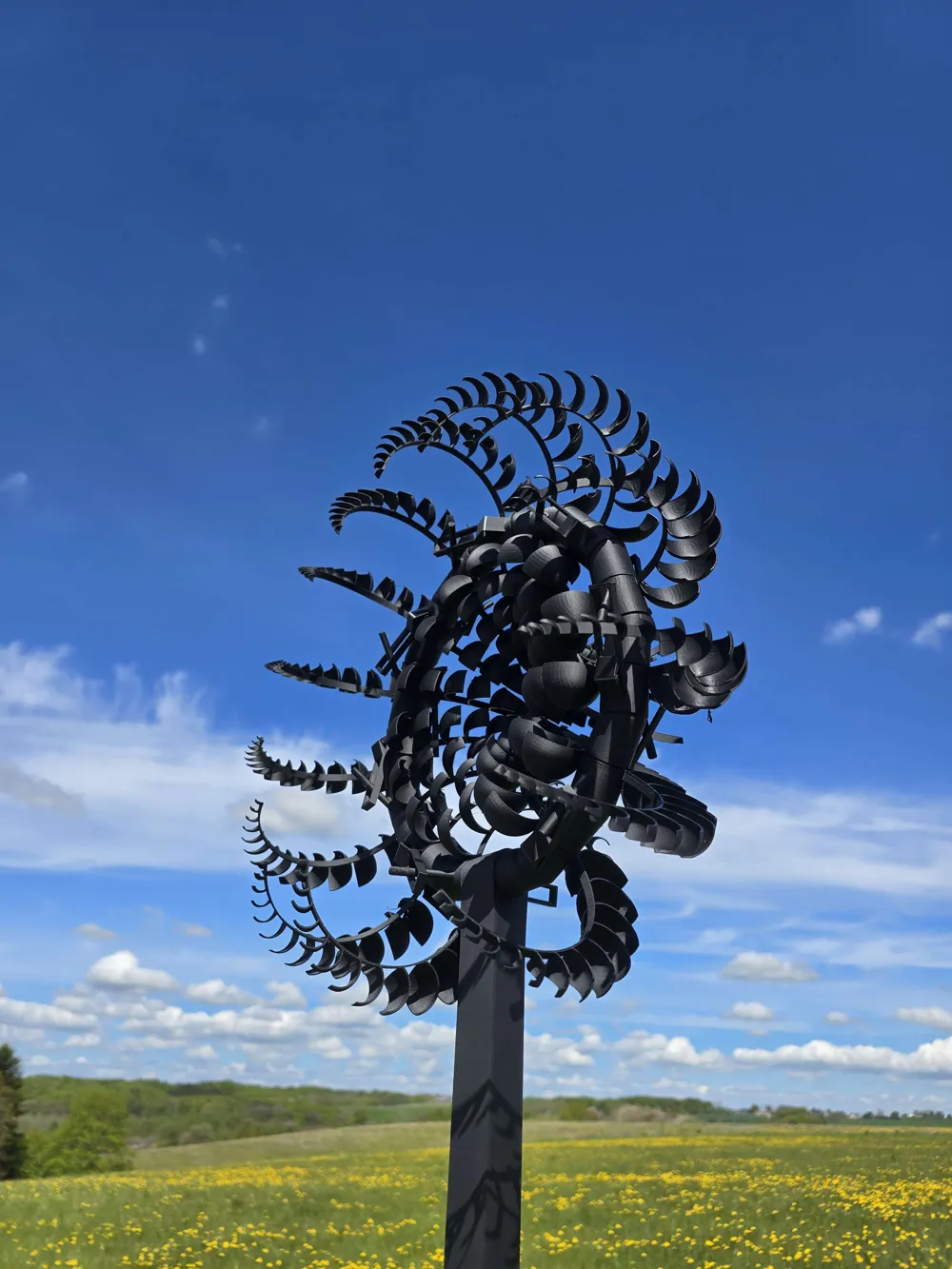
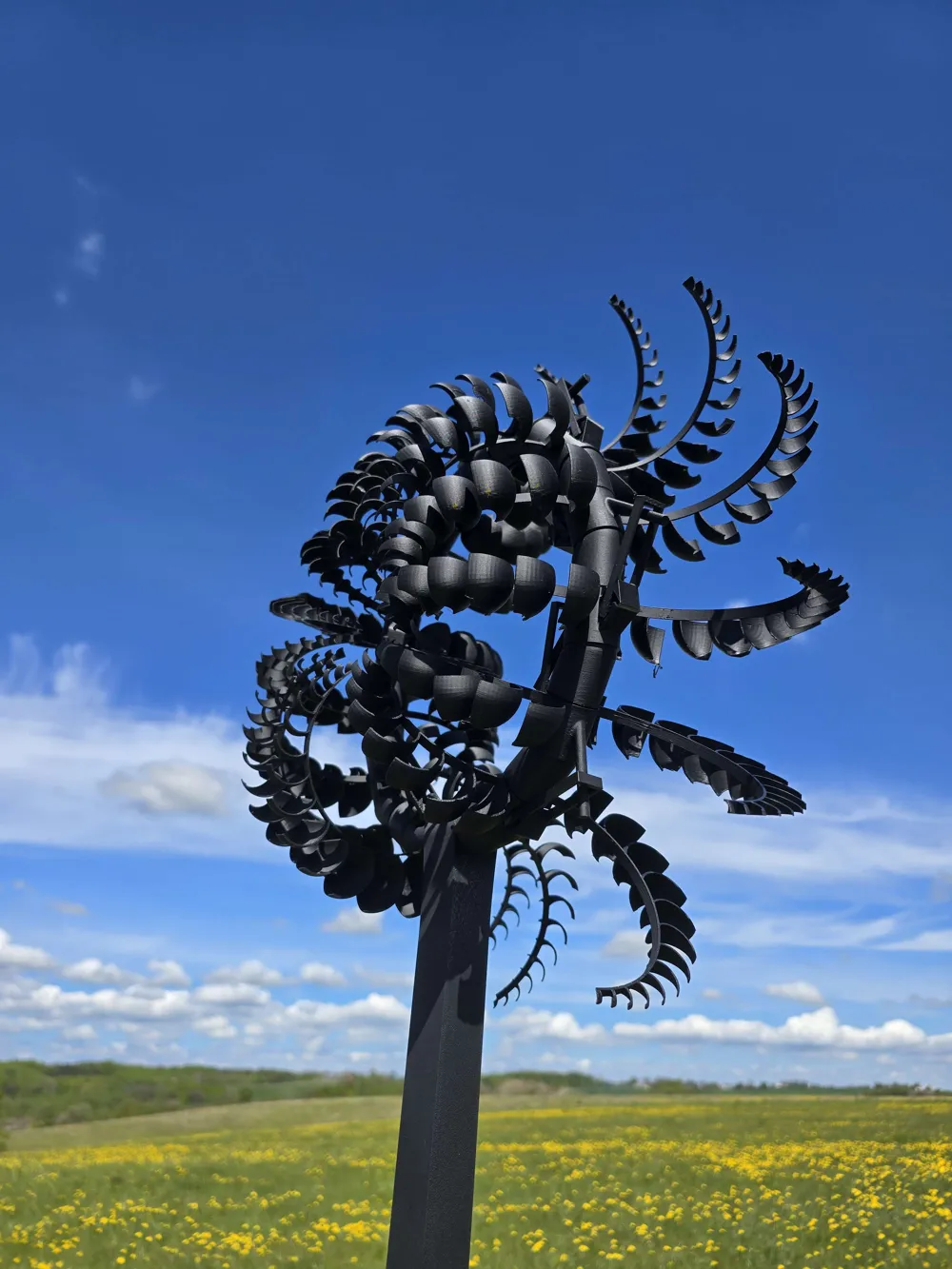
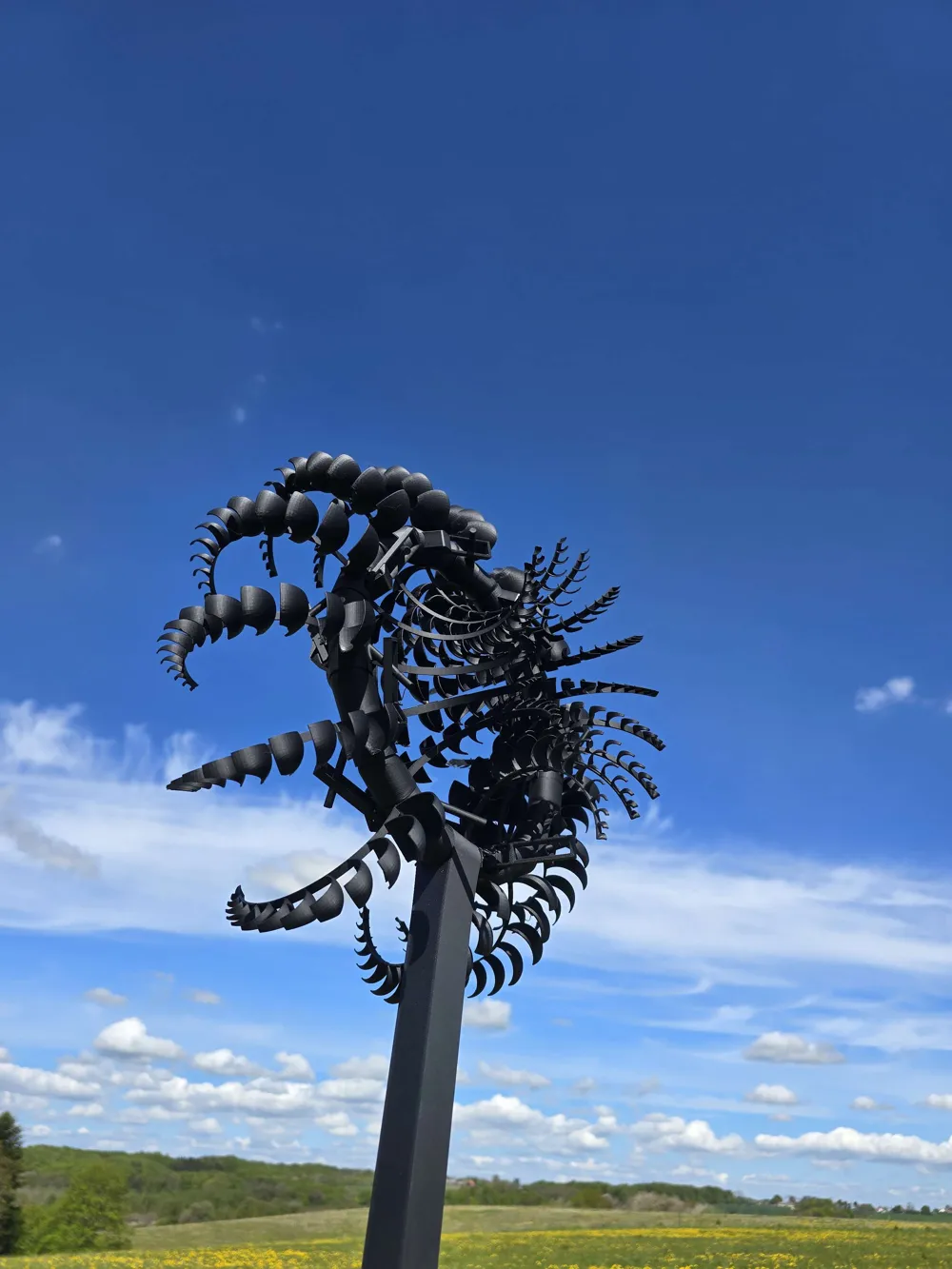

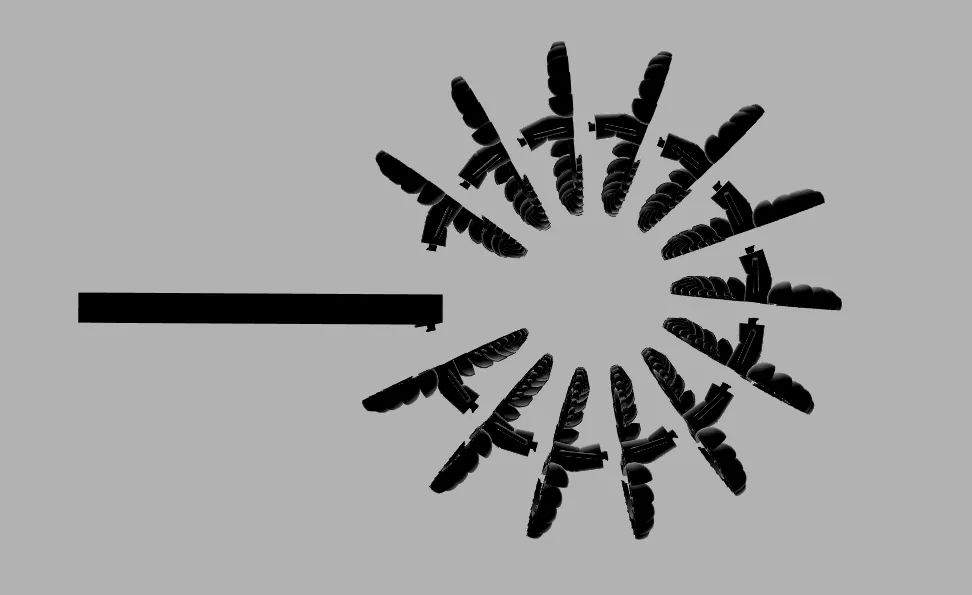
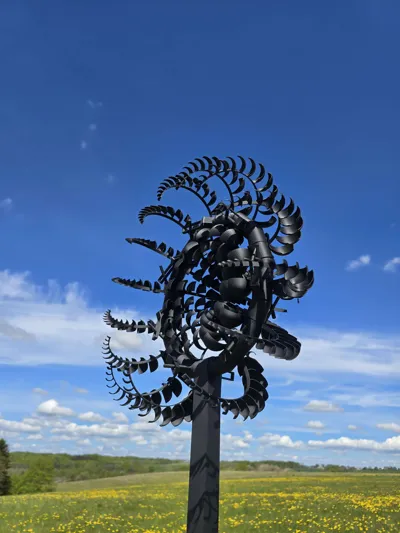
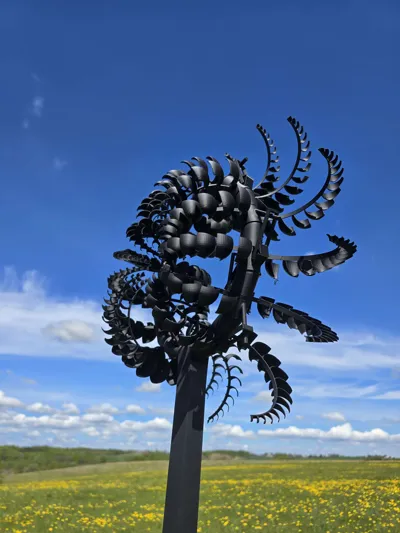
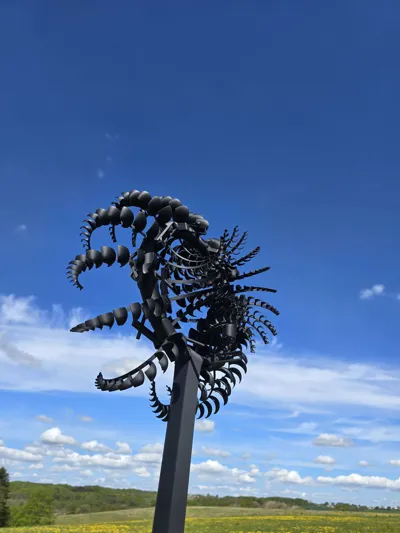
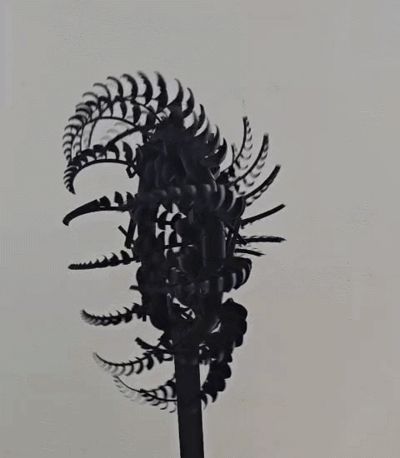
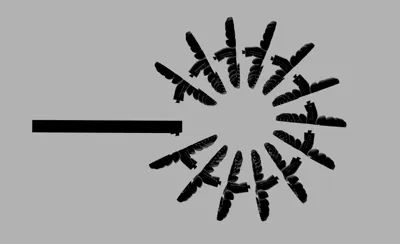
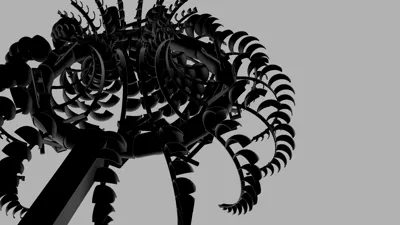
Bring kinetic ocean-inspired motion into your garden with this fully 3D printable wind spinner designed to mimic the flowing movement of a jellyfish swimming through water. Unlike traditional front-facing fan-style wind spinners, this design uses a circular array of sideways propeller segments that continuously fold inward and expand outward while spinning, creating a mesmerizing overlapping motion effect from every angle.
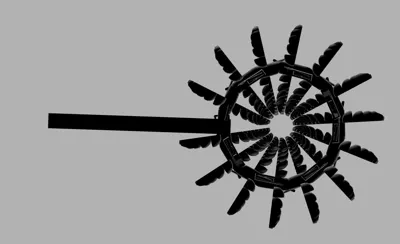
The spinner is built from 14 interconnected blade segments, each carefully dimensioned and positioned to maximize movement while preventing unwanted interference between parts during rotation. The result is a hypnotic and almost alien-looking form that appears alive in strong wind conditions.
What Makes This Design Unique
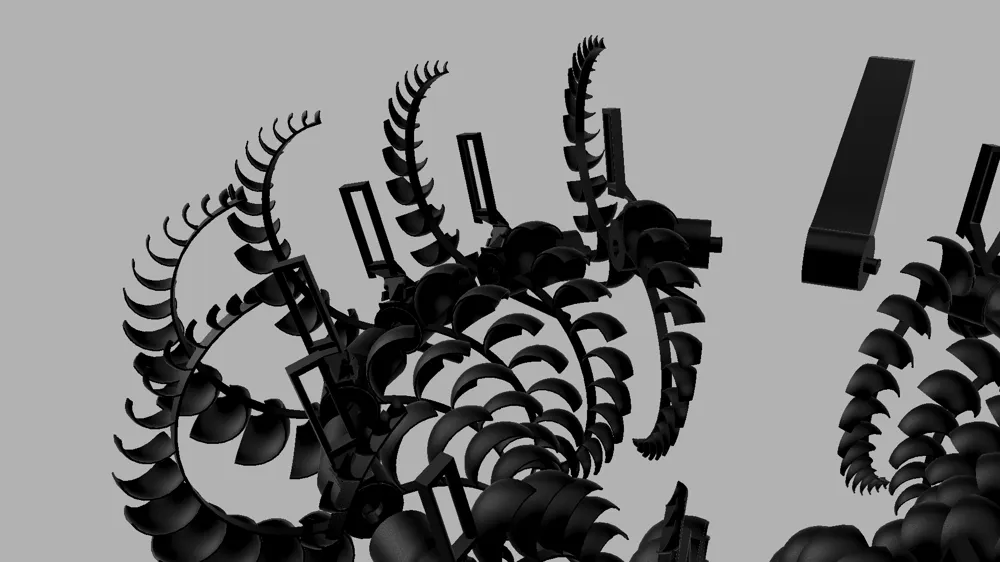
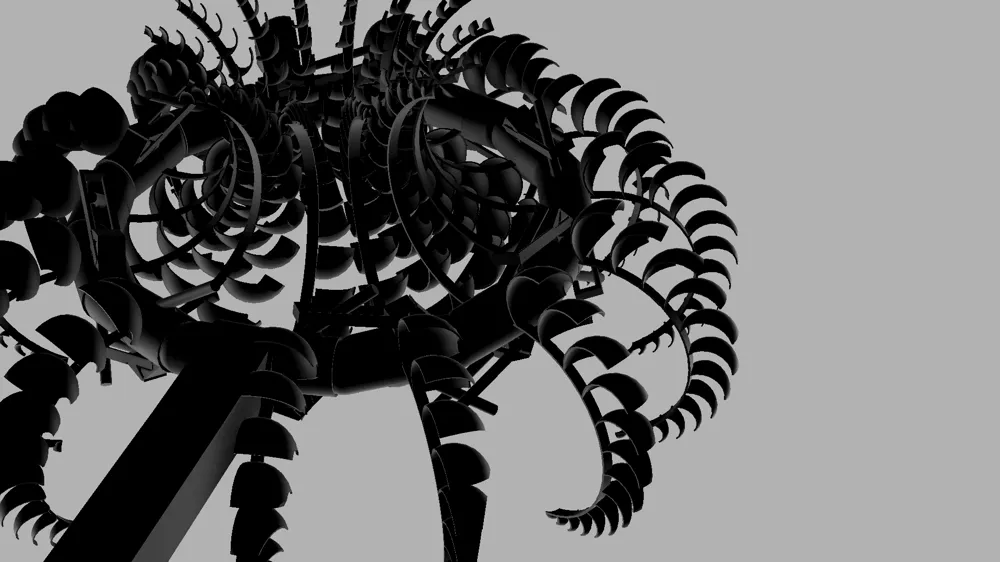
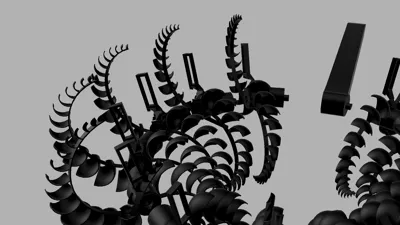
Most wind spinners rely on a simple forward-facing turbine or spiral design. This model instead uses a ring of sideways-facing propeller elements that catch wind from virtually any orientation. Carefully positioned aerodynamic “cups” on each segment help direct airflow efficiently into the rotating structure, allowing the spinner to move with smooth repeating motion across its full circular form.
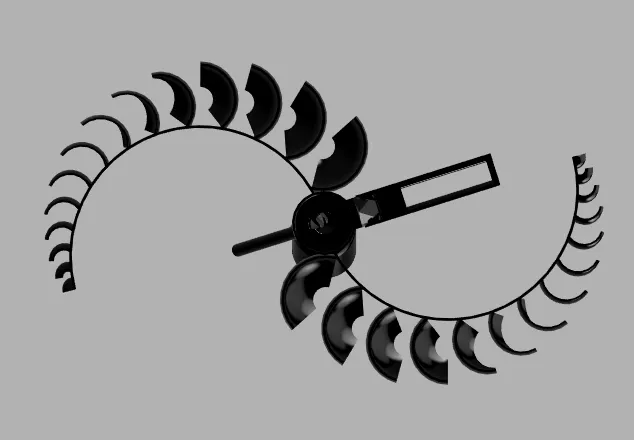
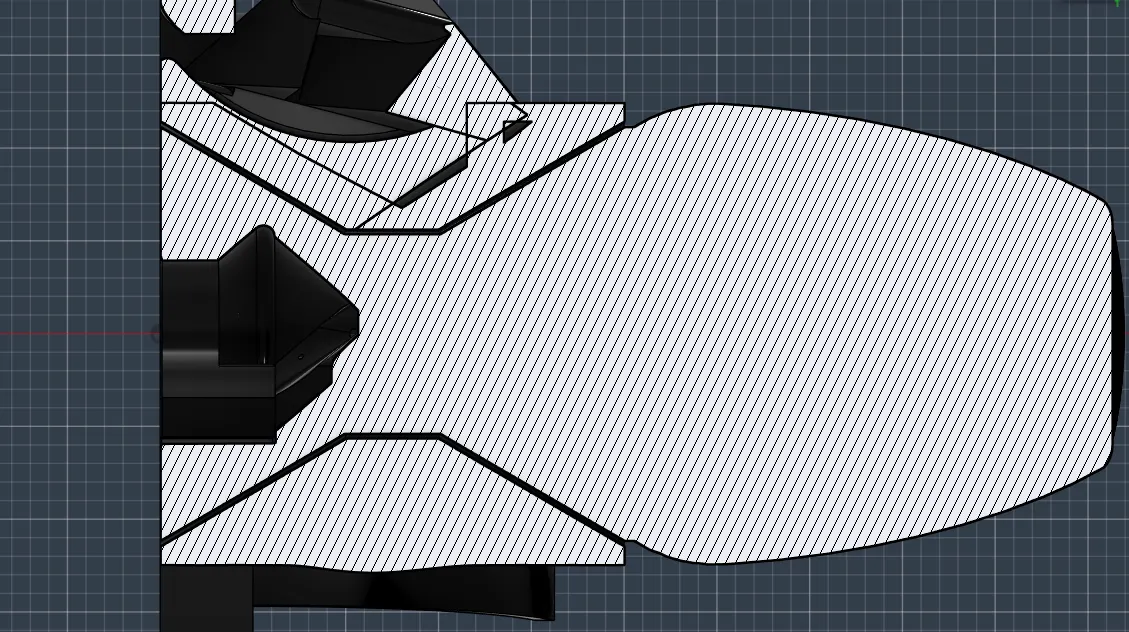
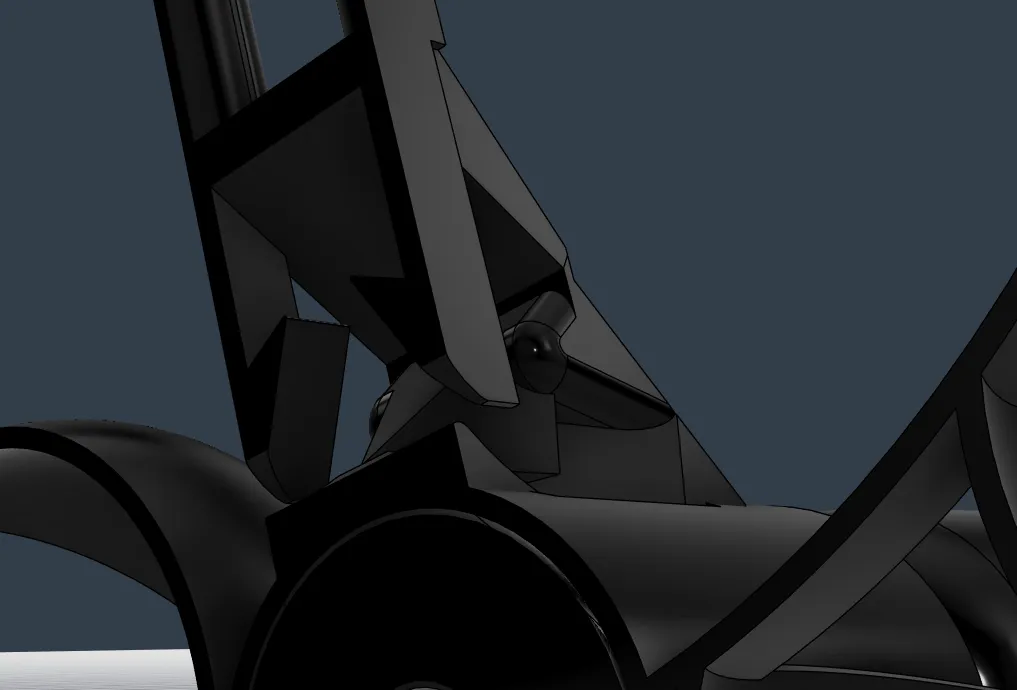
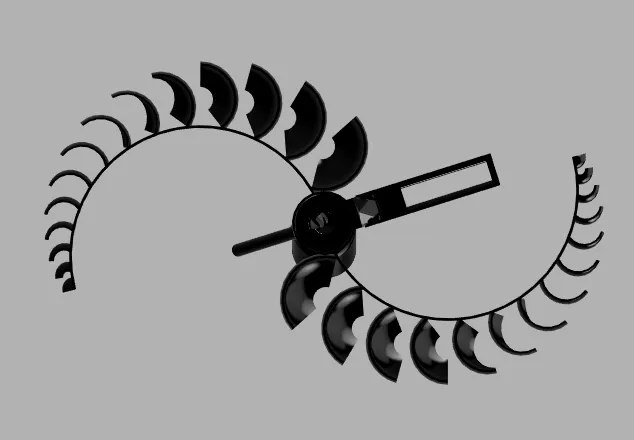
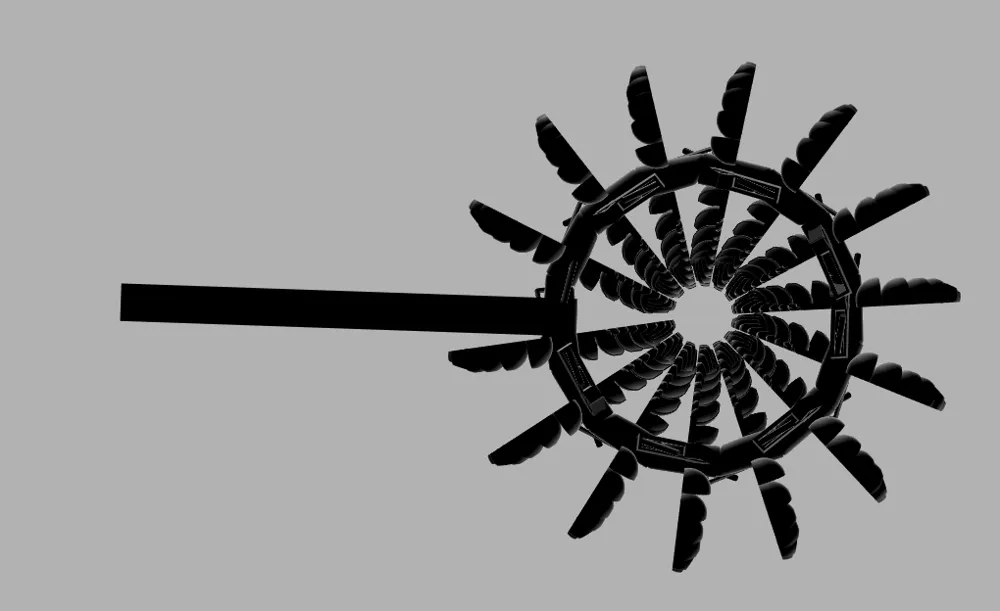
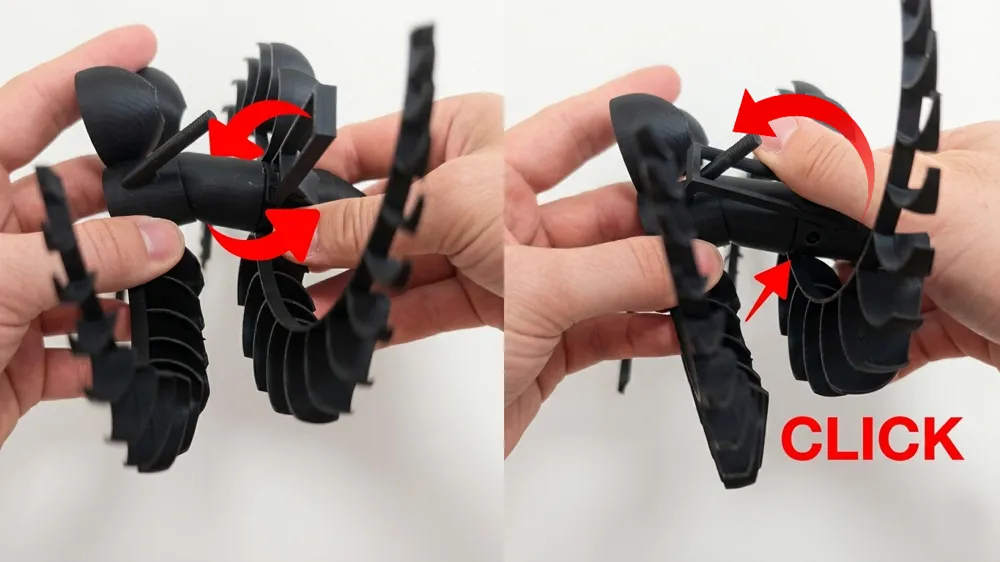
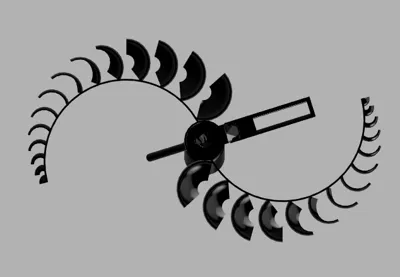
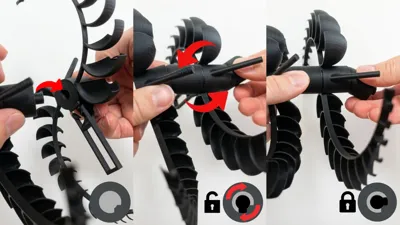
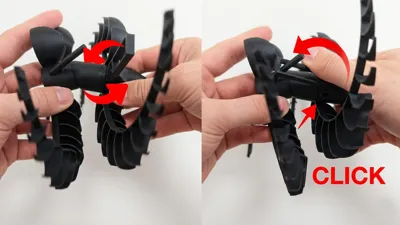
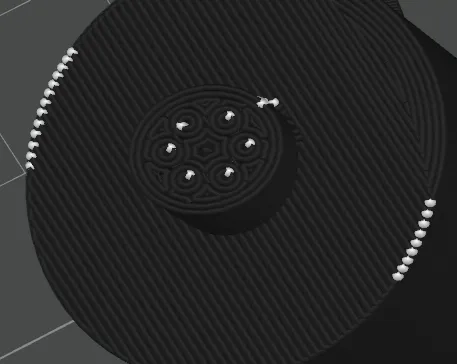
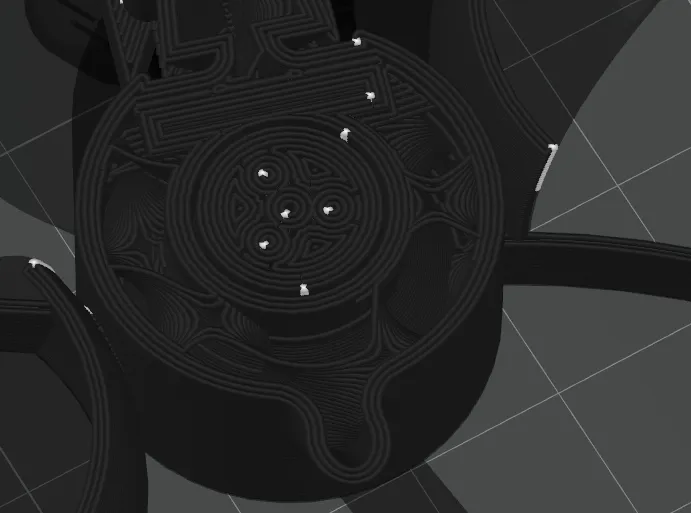
Image 1 shows the “carefully positioned aerodynamic cups” of the model. Image 2 shows a section analysis (in Fusion 360) of the internal geometry of the model, allowing it to print as two locked-together parts while still being freely able to spin around. Image 3 shows a print-optimized hinge with a built-in locking mechanism (the “clicking part” of the segment).
Each propeller segment rotates around a section of the outer frame using a custom low-friction printed mechanism (image 2) designed specifically for FDM printing. Multiple prototype iterations were required to achieve the final balance between:
- rotational freedom,
- print reliability,
- structural strength,
- and assembly stability.
The geometry was also engineered with internal reinforcement features that intentionally generate additional wall lines in slicers at critical stress points and weak areas, increasing durability without adding unnecessary bulk.
This project was heavily inspired by the organic underwater movement of a jellyfish, resulting in a shape that feels:
- organic,
- futuristic,
- floral,
- hypnotic,
- and slightly alien.
Printing Information
Recommended Settings
- Material: PLA recommended
- Supports: Only required for the stand
- Layer Height: 0.2 mm recommended
- Glue: Not required
- AMS Compatible: Yes
- Fully 3D printable
- No additional hardware required
Printer Compatibility
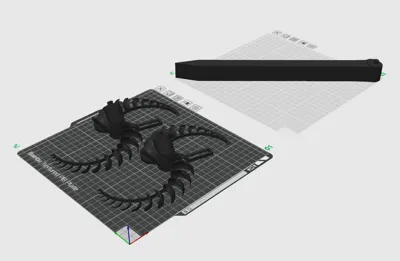
The propeller segments can be printed:
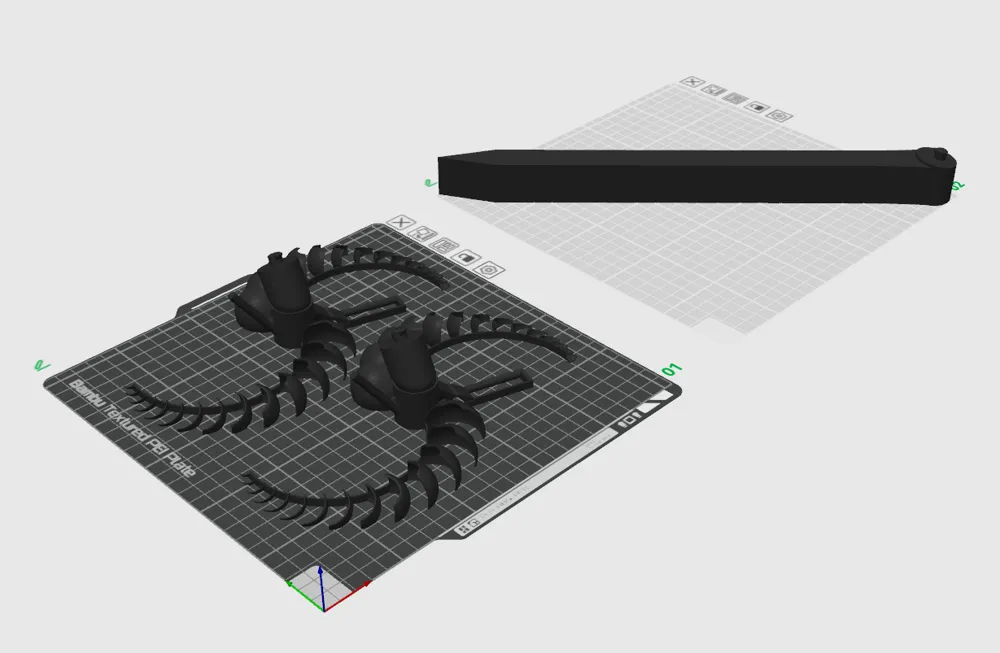
- 2 at a time on Bambu Lab P/X/A1 printers
- 1 at a time on A1 Mini (The A1 Mini canot print the stand)
- 3–4 at a time on larger H-series machines
Approximate print time:
- ~2.5 hours per pair of segments depending on settings
Assembly Instructions
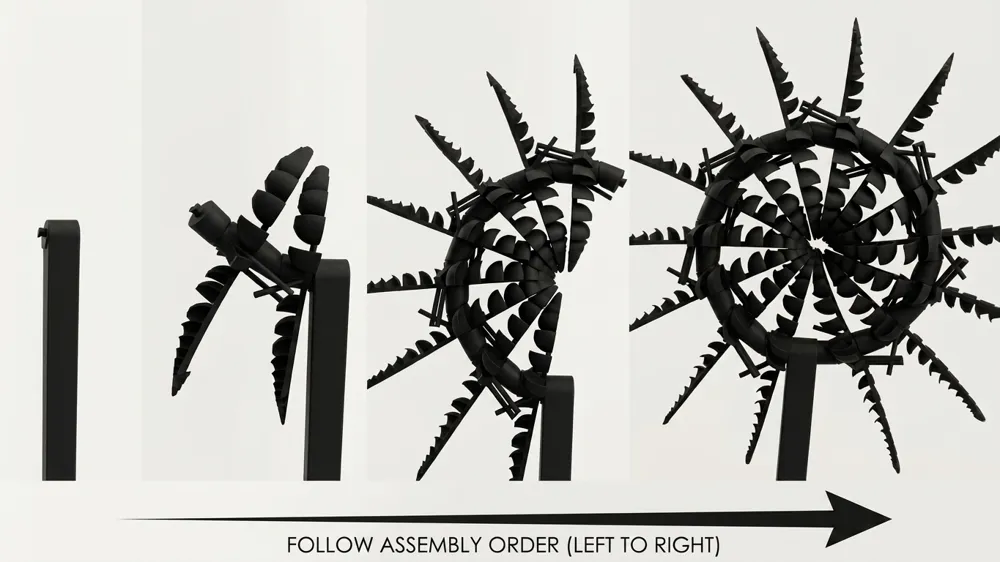
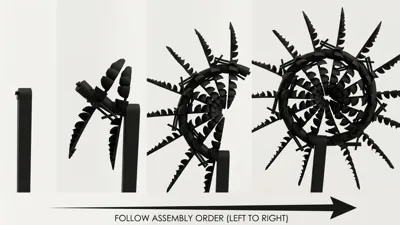
The assembly process follows the included visual guide.
Step 1 – Print the Stand
Begin by printing the ground stand/base for the spinner.
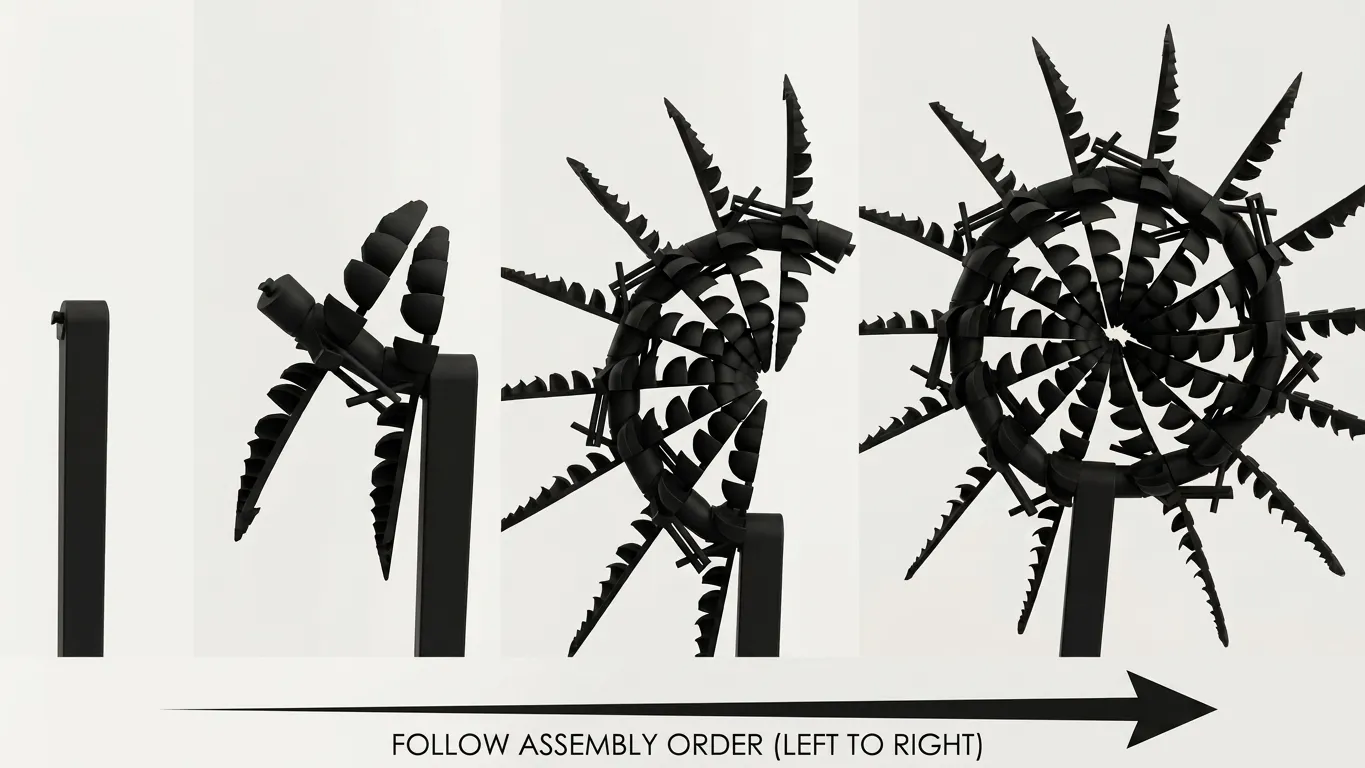
Step 2 – Install the Propeller Segments
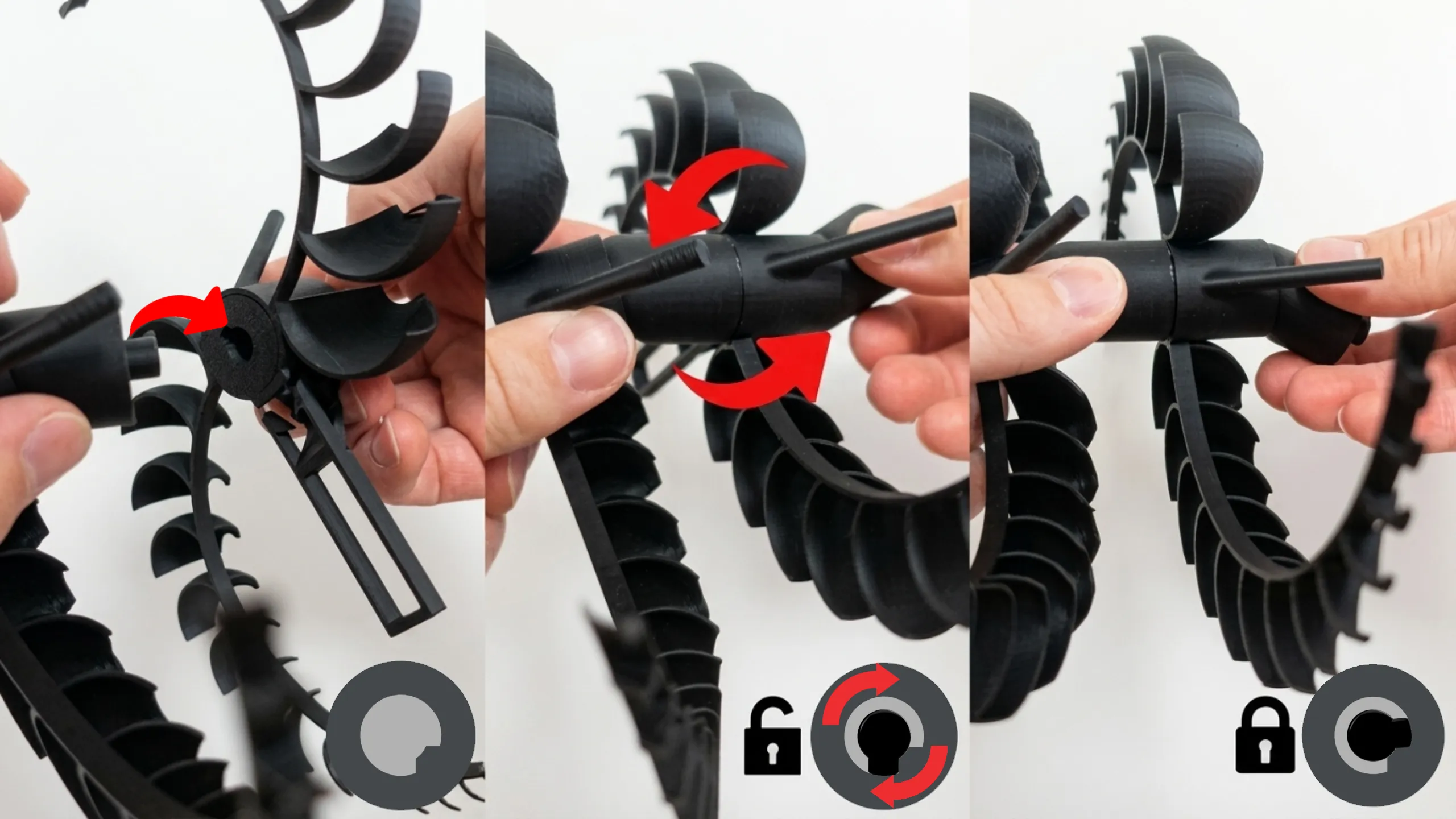
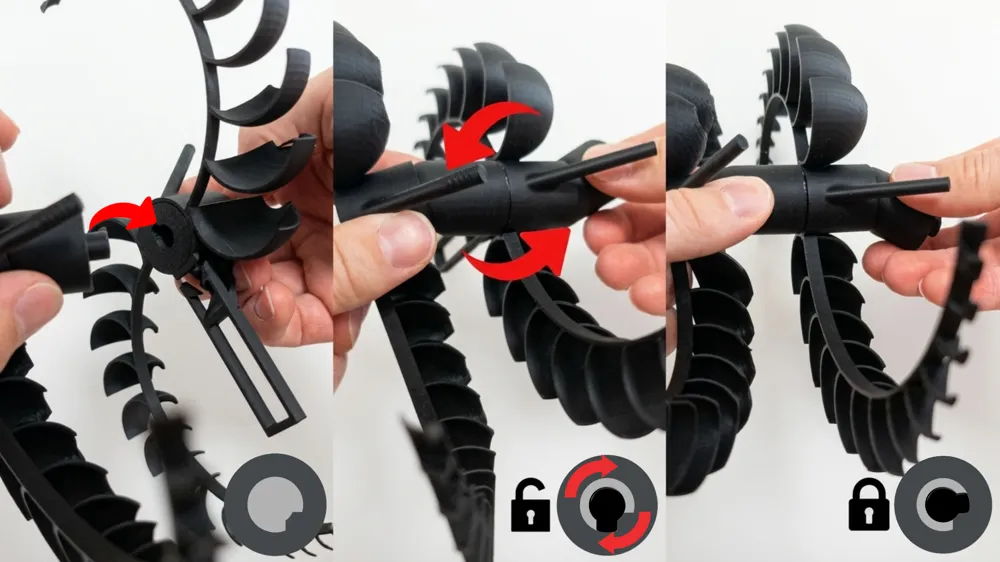
Each sideways propeller segment attaches to the next using the same twist-lock mechanism:
- Insert the stud with the small overhang into the rear opening of the neighboring segment
Twist until aligned as shown in the assembly images
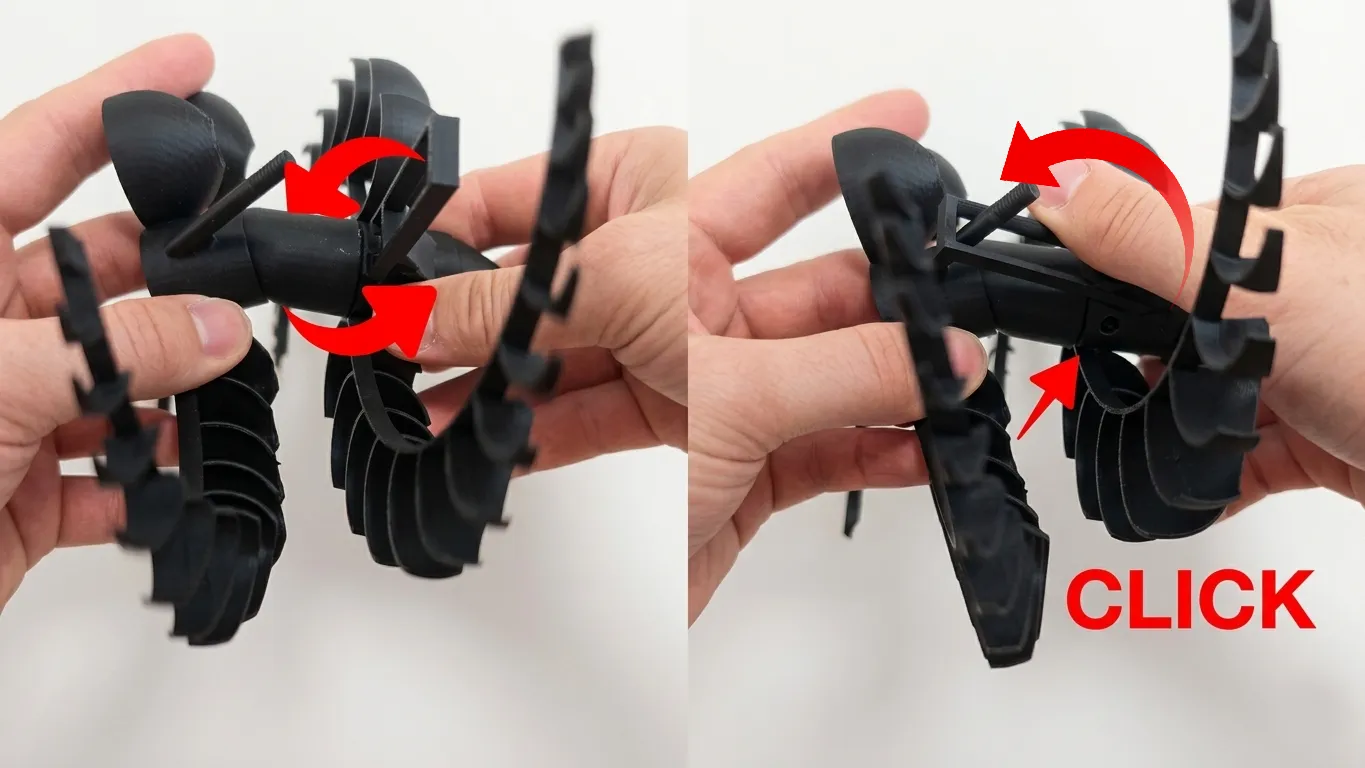
- Connect the protruding rod into the locking holder of the adjacent segment
- Flex the holder gently over the rod until it clicks into place
This connection system ensures all propeller positions remain properly aligned around the circular frame.
Here is a video of step 2:
Step 3 – Close the Final Segment
Once all segments are connected, the final section slides into the original stand connection point to complete the full ring structure.
No glue is required for normal assembly, though glue can optionally be added for increased durability in extreme outdoor wind conditions.
Wind Performance
This spinner is optimized for moderate to strong wind conditions and performs best outdoors in open airflow environments such as:
- gardens,
- balconies,
- patios,
- or outdoor kinetic art displays.
In lower wind conditions the structure may require STRONGER AIRFLOW TO ACHIEVE FULL ROTATIONAL MOTION due to friction from the complex interconnected geometry.
Design Journey
This project went through many iterations before reaching the final result. Nearly every mechanism was redesigned multiple times to balance:
- smooth movement,
- structural strength,
- printability,
- and assembly simplicity.
What began as a difficult concept sketch slowly evolved into a fully functional kinetic sculpture built entirely for FDM printing.
One of my favorite parts of this project is that when I first showed the original concept sketches to a friend, he laughed and told me it would never be possible to make something like this on a 3D printer. That challenge became a huge source of motivation throughout the design process and I think it is safe to say he was wrong.
This design was incredibly fun to develop, and I may revisit it in the future with additional improvements or alternative mounting systems for different display options.
Included Media
- Outdoor spinning GIF
- Assembly guide images
- Fusion 360 close-up renders
- Print plate previews
- Mechanism detail visuals
If you print one, I would love to see your makes and color combinations.
Likes, downloads, and boosts are greatly appreciated and help support future designs and improvements to this one.
Check Out My Other Models
Wind-Up Dragonfly

Shutter Sunglasses

Follow for future modules, updates, and new releases like this.
License

You shall not share, sub-license, sell, rent, host, transfer, or distribute in any way the digital or 3D printed versions of this object, nor any other derivative work of this object in its digital or physical format (including - but not limited to - remixes of this object, and hosting on other digital platforms). The objects may not be used without permission in any way whatsoever in which you charge money, or collect fees.


Comment & Rating (242)