
Print Profile(1)
Description
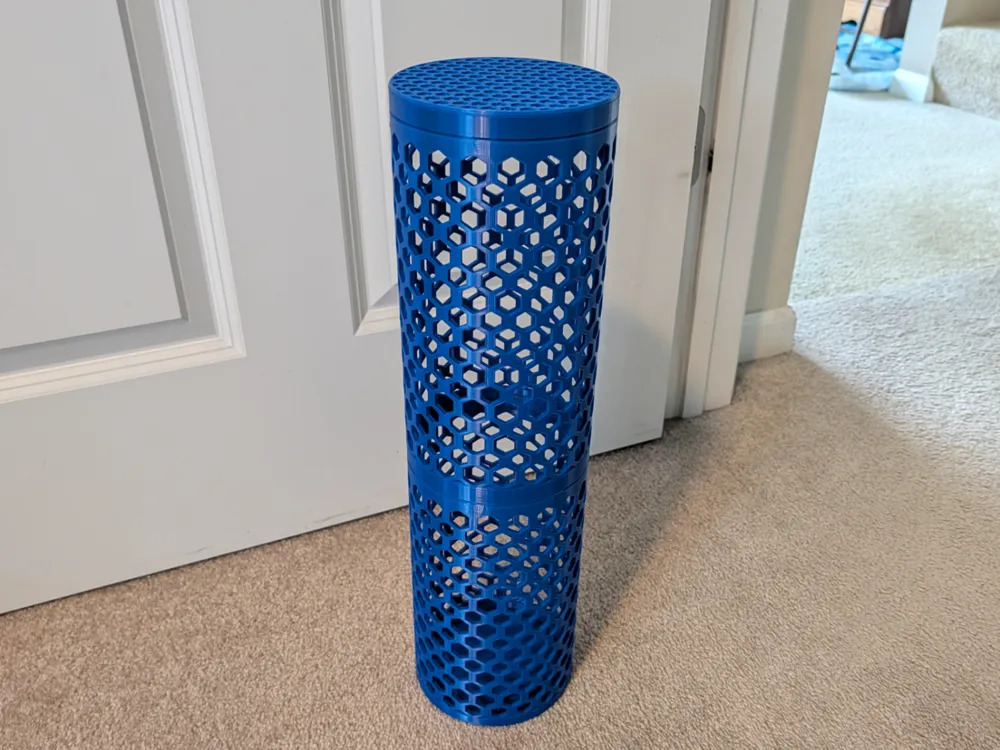
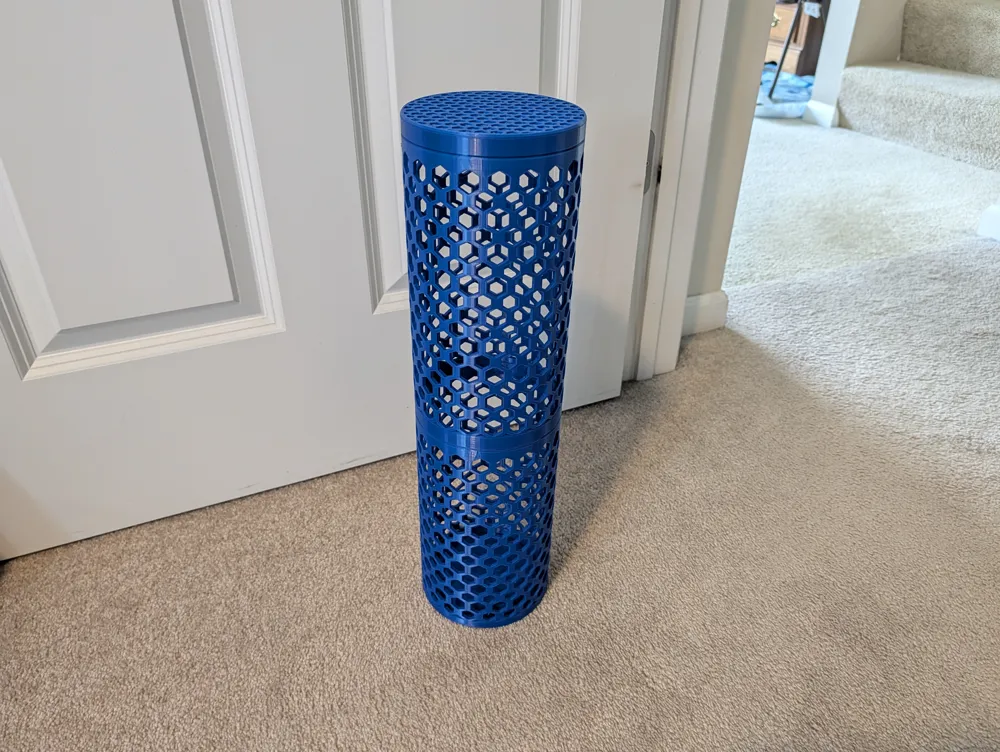
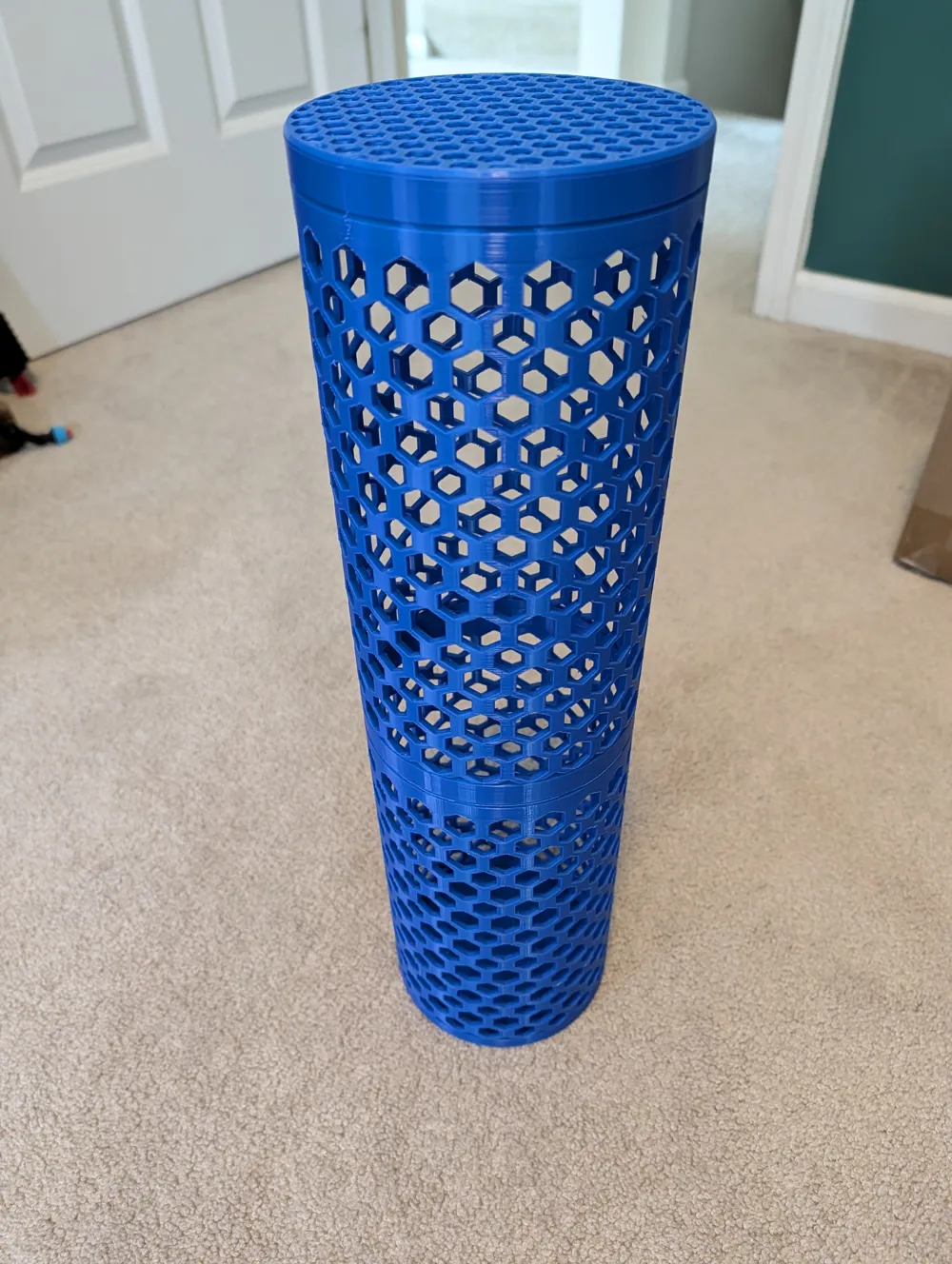
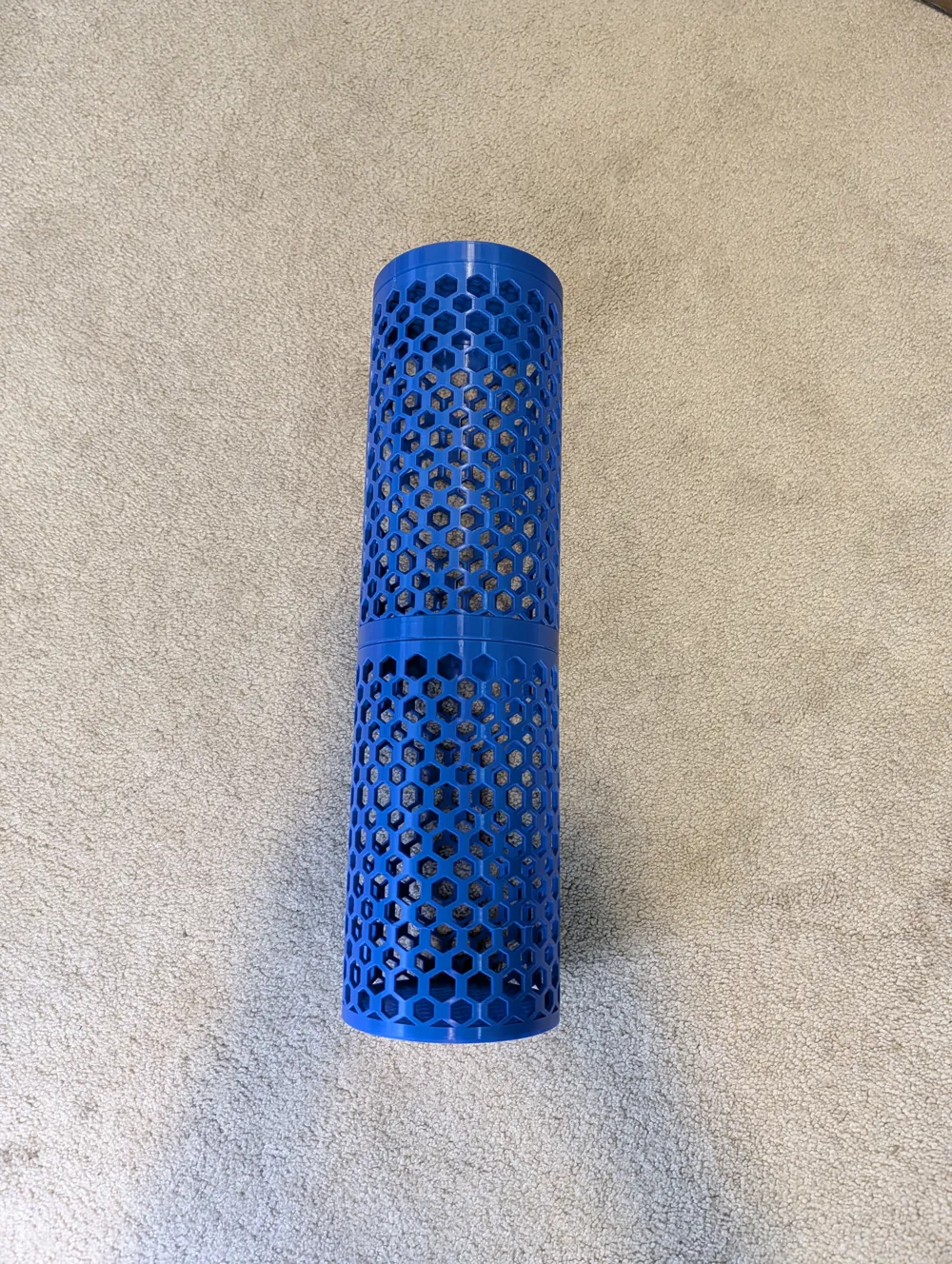
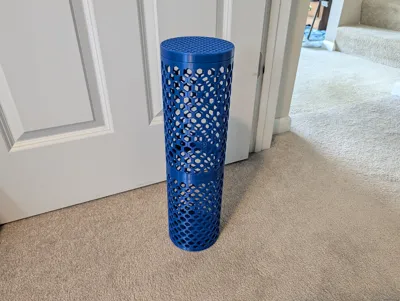
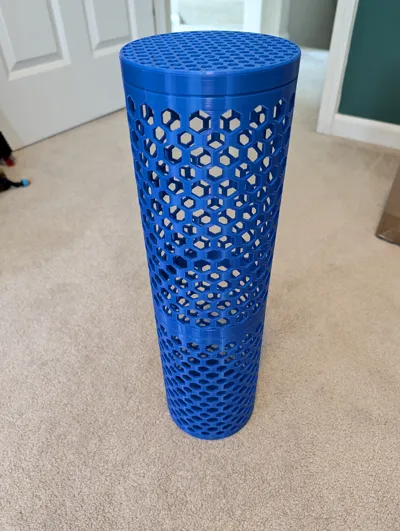
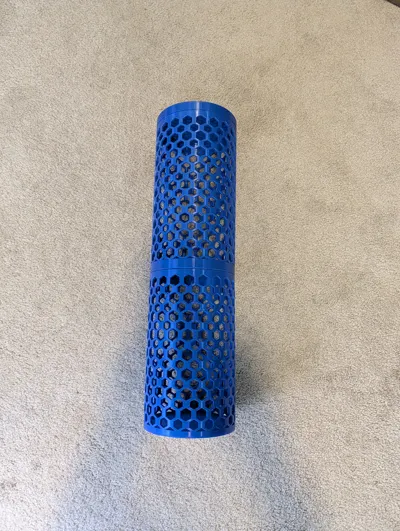
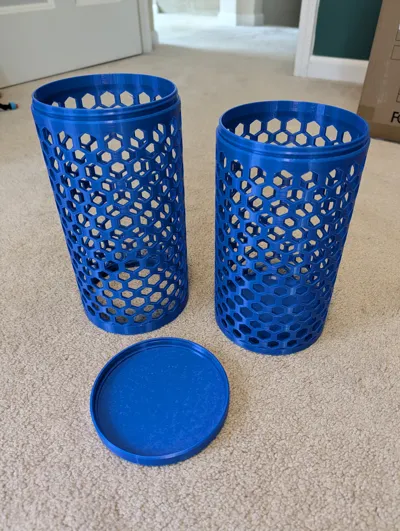
19 Inch Worm Access Tube for Kitchen Scraps (Vermicast Worm Lurer to improve garden soil)
Bring the worms to your scraps, right where you want the nutrients.
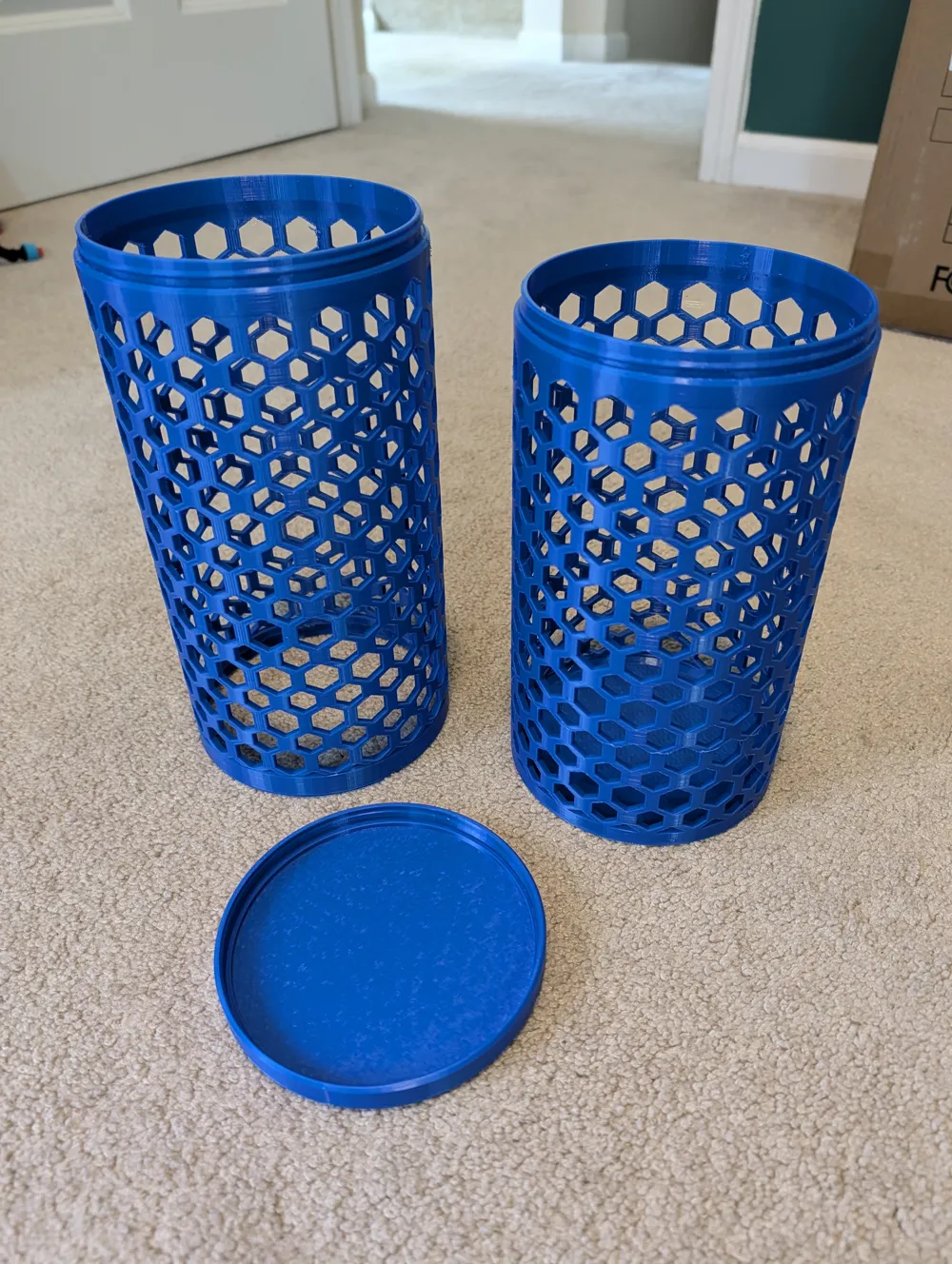
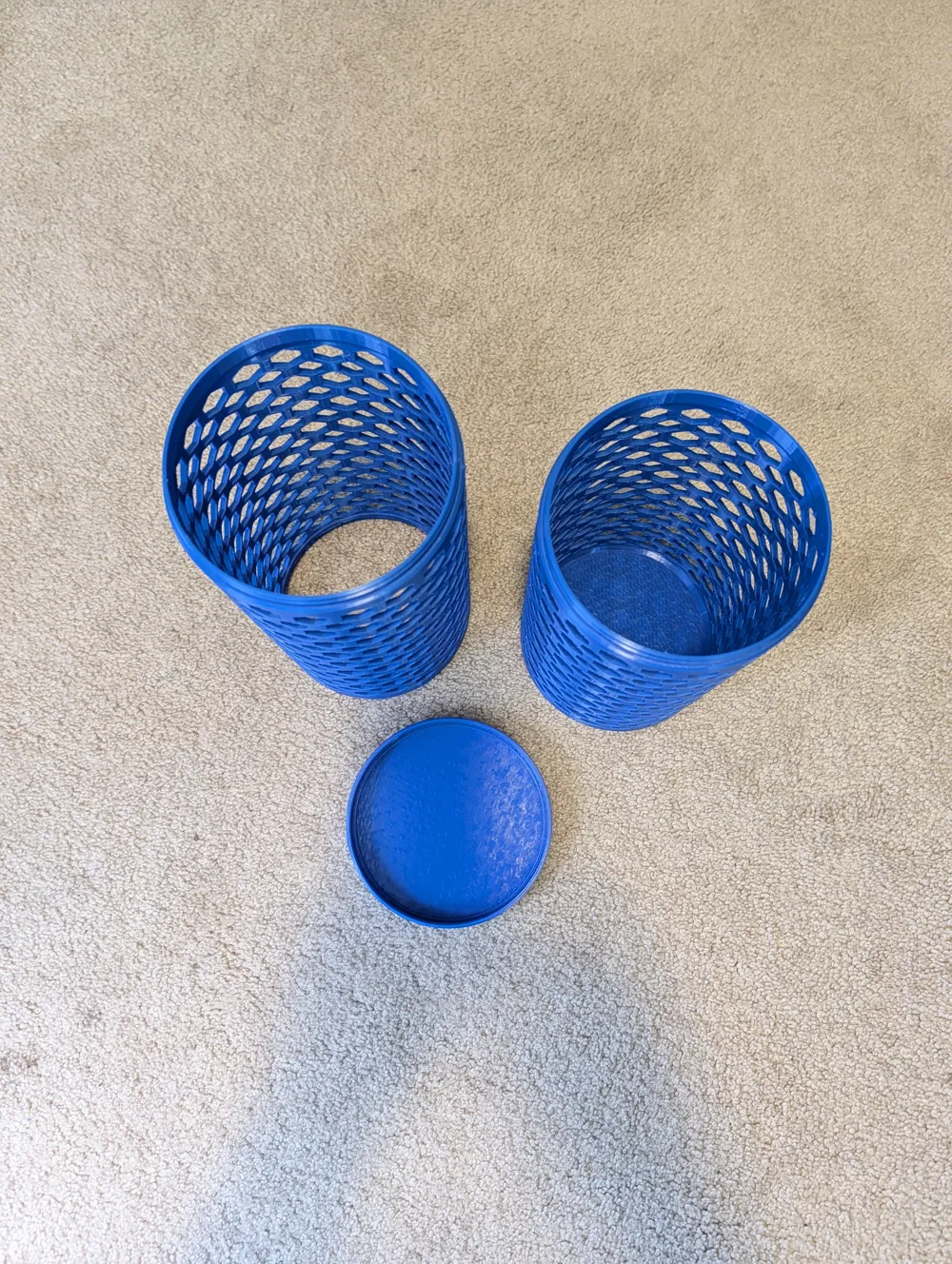
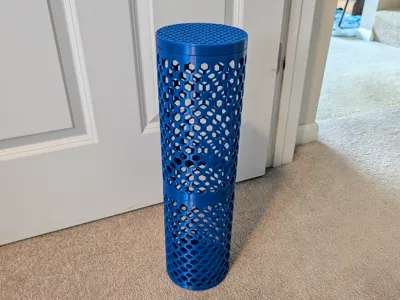
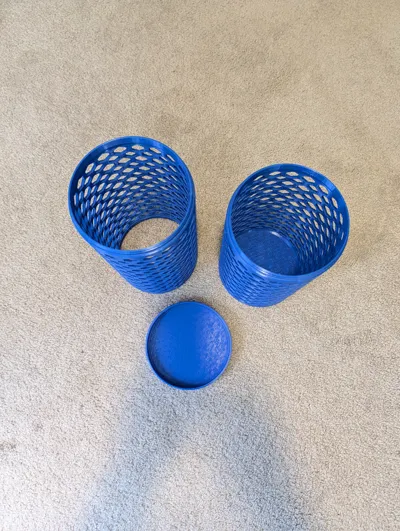
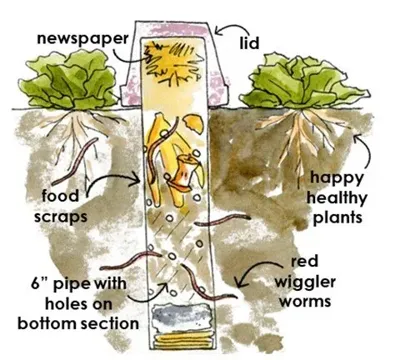
This model is a 19 inch open tube designed to create a protected pathway for composting worms to travel from the soil into your vegetable scraps. Place it in a garden bed (or a large planter), add your fruit and veggie scraps, and let the worms do the work. As they consume and process the material, they produce vermicast (worm castings), a biologically active soil amendment that supports healthier soil and stronger plants.
Why this helps (Vermicast soil improvement)
Vermicast is the material excreted by earthworms after digesting organic matter. It is created as organic inputs pass through the worm gut where enzymes and microbes transform the material into a stable, humus-like product.
- https://link.springer.com/chapter/10.1007/978-3-032-08155-1_11
- https://livetoplant.com/benefits-of-vermicomposting-for-soil-health
Adding vermicast or vermicompost to soil is widely associated with improvements in:
1. Soil biology: increases beneficial microbial activity and supports nutrient cycling.
- https://livetoplant.com/benefits-of-vermicomposting-for-soil-health/
- https://www.mdpi.com/2073-4395/13/4/1134
2. Soil structure: supports aggregation and overall physical structure, which can help aeration and root growth.
- https://link.springer.com/chapter/10.1007/978-3-031-97184-6_17
- https://www.nature.com/articles/s41598-025-06286-1
3. Water behavior: can improve water holding characteristics and plant-available water in some soil textures and conditions.
https://link.springer.com/chapter/10.1007/978-3-031-97184-6_17
https://www.cell.com/heliyon/fulltext/S2405-8440%2824%2911730-6
In short, the goal is to convert scraps into a soil-building output right where your plants can benefit.
How to use
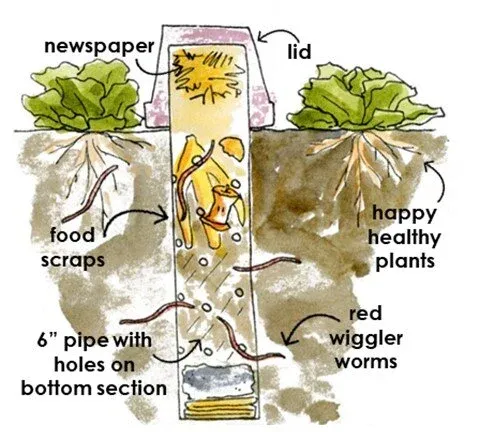
1) Install: Set the tube vertically so the lower portion is in contact with the soil and the top opening remains accessible above the surface. You just want to leave a few inches above ground.
2) Feed: Add small amounts of vegetable scraps (bury slightly if you want to reduce odors and pests).
3) Maintain: Keep the area moist (not soggy). Add scraps gradually and avoid overloading.
4) Harvest benefit: As worms process the material, nutrients and biology are returned to the surrounding soil as vermicast.
What to feed
Good: fruit and vegetable scraps, coffee grounds, tea leaves, crushed eggshells.
Avoid: meat, dairy, oily foods, heavily seasoned foods (these can attract pests and create odors).
Printing notes
Choose a material that fits your environment:
• PLA is fine for mild conditions.
• PETG is a better choice for moisture and outdoor exposure.
Scale is supported if you want a taller or shorter tube for your bed depth.
If you print and use this, I would love to see your makes and how you integrated it into your garden or worm system.
Boost Me (for free)
I'm new to CAD design but looking to improve. Please support me in this learning journey!
License

You shall not share, sub-license, sell, rent, host, transfer, or distribute in any way the digital or 3D printed versions of this object, nor any other derivative work of this object in its digital or physical format (including - but not limited to - remixes of this object, and hosting on other digital platforms). The objects may not be used without permission in any way whatsoever in which you charge money, or collect fees.


Comment & Rating (0)