
AC Insulation Panel Lock System (DIY Solution)
Print Profile(1)
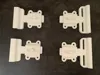
Description
🔧 Description (English, see below for French version)
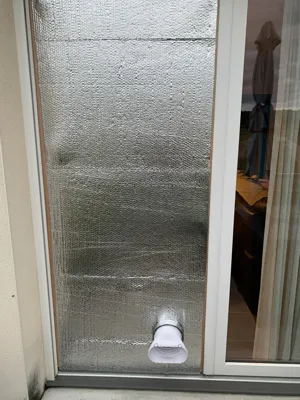
Do you own a portable air conditioner but the only place you can vent it is through a sliding glass door or window that you don’t want to permanently block? Then you probably ran into the same problem I did.
Commercial solutions didn’t work for me. The fabric window seals weren’t airtight enough, and the plastic panels felt flimsy and poorly insulated.
So I designed a complete DIY solution.
This project includes:
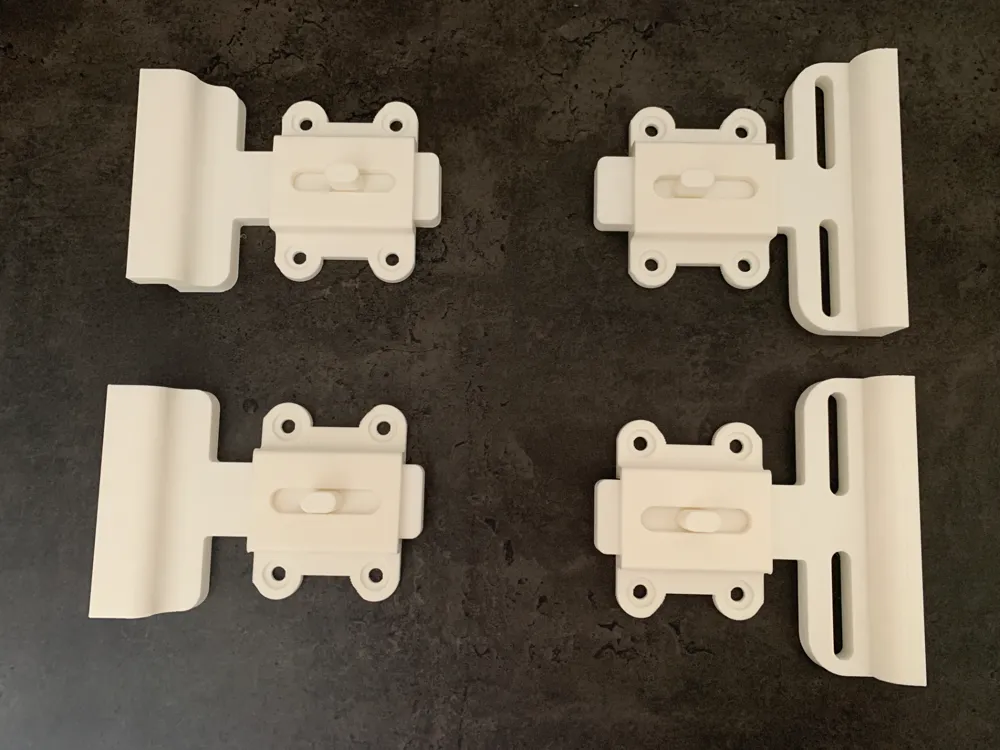
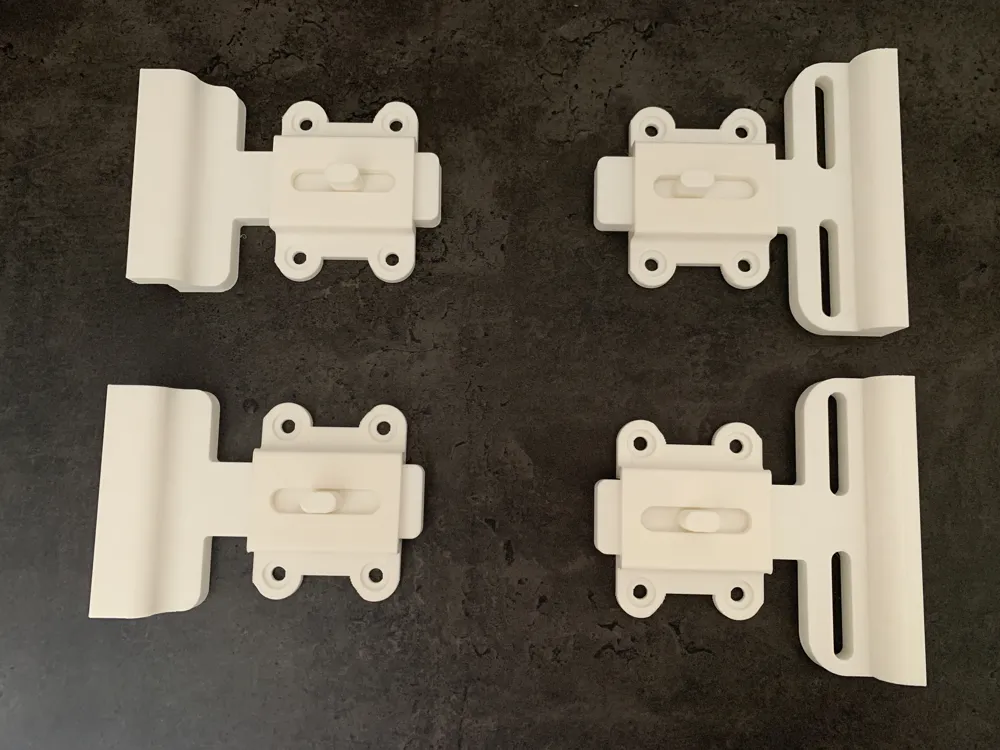
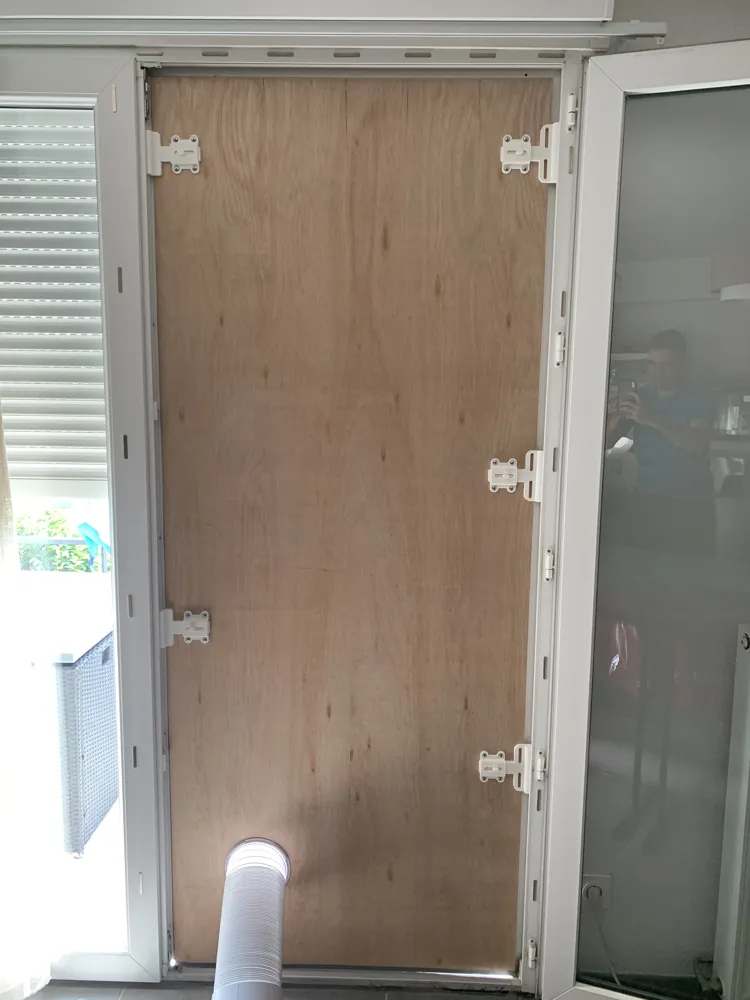
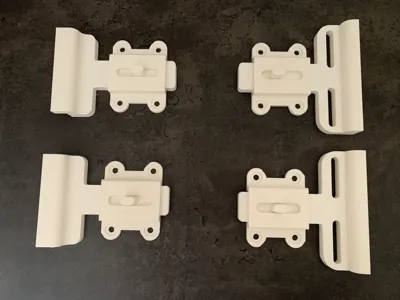
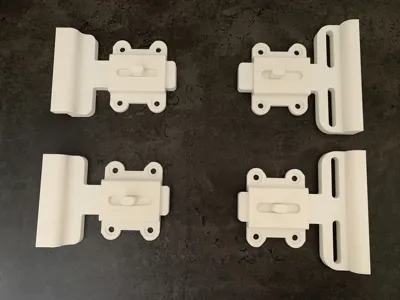
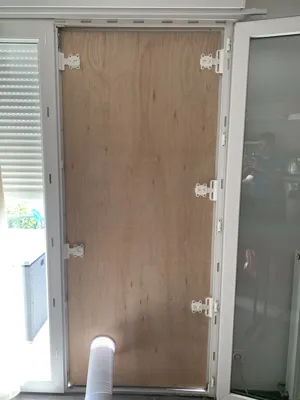
✔ A sliding lock system to securely hold your panel in place
✔ A full step-by-step PDF guide explaining how to build the entire insulated wooden panel system
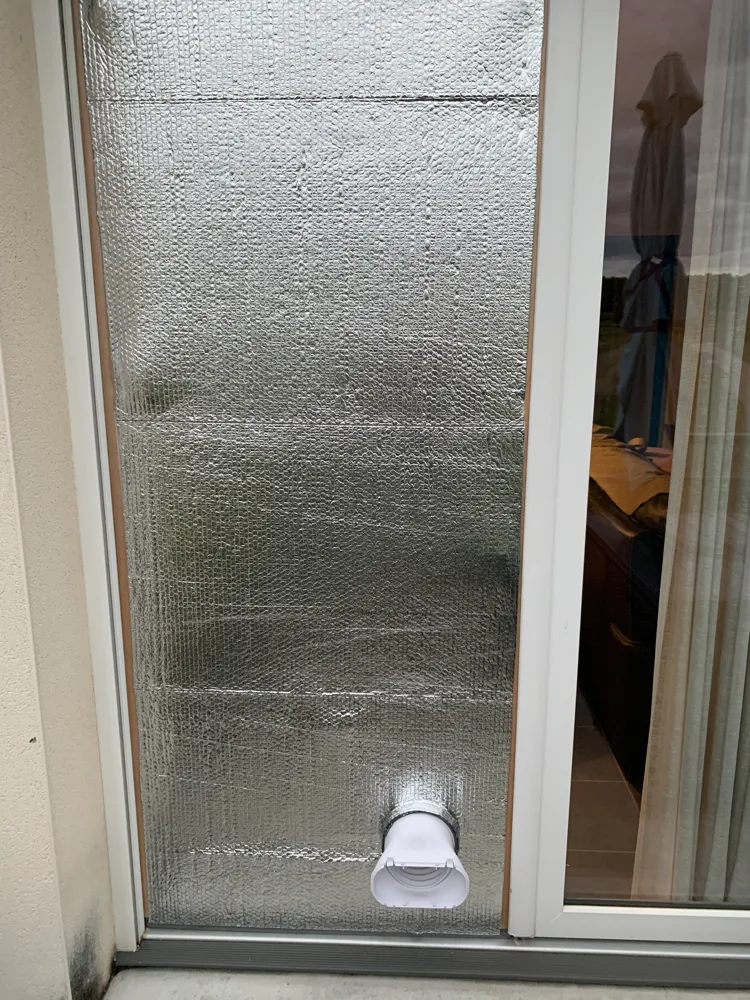
Instead of relying on fabric seals or weak plastic inserts, this system uses a properly insulated wooden panel that:
- Creates a solid thermal barrier
- Allows you to add weather stripping around the edges
- Can include additional thermal insulation on the back
- Lets you connect your AC exhaust hose cleanly
The sliding locks allow you to secure and remove the panel in seconds, making it practical for everyday use.
📐 Compatibility & Hardware Requirements
Please note: your windows may differ from mine.
My design was developed using standard French metric dimensions.
Compatible with:
Panel
- 10mm plywood panel
Hardware
- M5x20mm bolts (round, pan, or button head)
- M5 nuts
- M5 washers
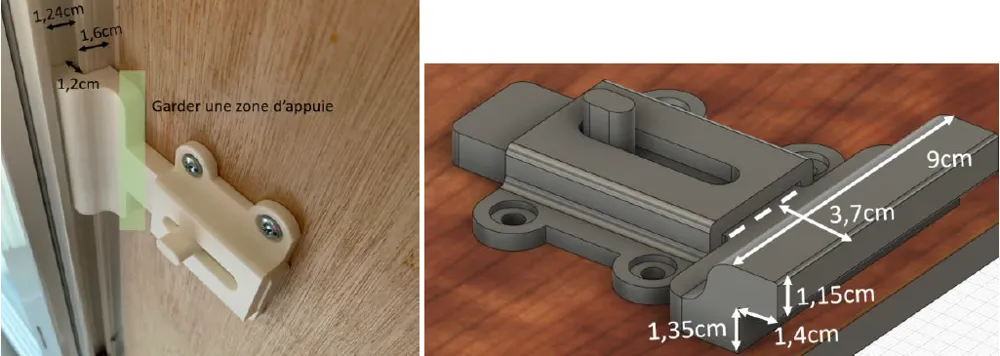
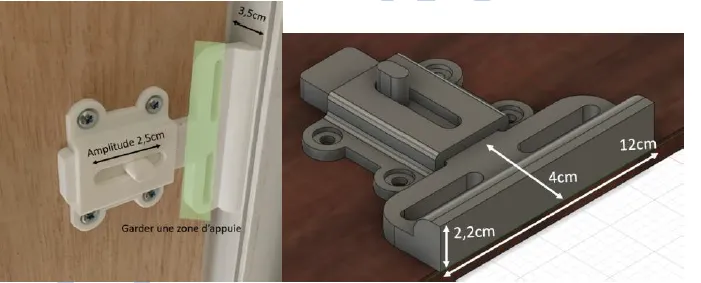
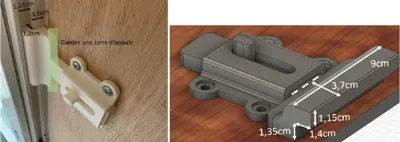
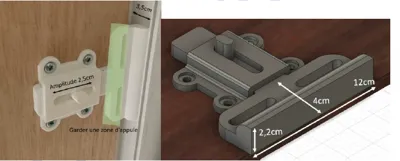
Windows (Folder: STL-Loquet3D-Frame)
- 3.5 cm notch
French Door (Folder: STL-Loquet3D-Door)
- 1.24 cm notch
- Max 1.2 cm recess depth
- 1.6 cm window clearance space
If your window dimensions differ, feel free to contact me.
The concept is simple and can be adapted to other formats.
⚠️ Installation Advice
Use a sufficient number of locks depending on the suction pressure of your air conditioner.
In my case:
- One lock approximately every 1 meter
- Portable AC rated for a 30m² room
Full placement recommendations and panel assembly details are included in the PDF guide.
🖨 Print Settings
- Prints perfectly with a 0.4mm nozzle
- PLA works great (the wooden panel acts as insulation; my parts have held for 4 years)
- Included .3MF profile optimized for textured build plate
Version Française
🔧 Description
Vous possédez une climatisation mobile mais le seul endroit où vous pouvez installer l’extraction est une baie vitrée ou une fenêtre que vous ne souhaitez pas condamner définitivement ? Alors vous avez probablement rencontré le même problème que moi.
Les solutions du commerce ne me convenaient pas. La chaussette de fenêtre n’était pas suffisamment étanche et les plaques en plastique manquaient de rigidité et d’isolation.
J’ai donc conçu une solution DIY complète.
Ce projet comprend :
✔ Un système de loquets coulissants pour maintenir solidement le panneau
✔ Un guide PDF complet expliquant étape par étape comment réaliser l’ensemble du panneau isolant en bois
Plutôt que d’utiliser des solutions textiles ou plastiques peu efficaces, ce système repose sur une plaque de bois correctement isolée qui :
- Crée une véritable barrière thermique
- Permet d’ajouter un joint d’étanchéité sur le pourtour
- Peut recevoir une protection thermique à l’arrière
- Permet de raccorder proprement le tuyau d’extraction
Les loquets coulissants permettent de fixer et retirer le panneau en quelques secondes pour un usage pratique au quotidien.
📐 Compatibilité & Matériel Nécessaire
Attention : vos fenêtres peuvent être différentes des mynes.
Le modèle a été conçu à partir de dimensions standards françaises (système métrique).
Compatible avec :
Panneau
- Contreplaqué de 10 mm d’épaisseur
Visserie
- Boulons M5x20mm (tête ronde, cylindrique ou bombée)
- Écrous M5
- Rondelles M5
Fenêtres (dossier STL-Loquet3D-Frame)
- Encoche de 3,5 cm
Portes-fenêtres (dossier STL-Loquet3D-Door)
- Encoche de 1,24 cm
- Profondeur maximale de 1,2 cm
- Espace fenêtre de 1,6 cm
Si vos dimensions sont différentes, n’hésitez pas à me contacter.
Le concept étant simple, il peut être adapté à d’autres configurations.
⚠️ Conseils d’installation
Utilisez un nombre suffisant de loquets en fonction de la pression d’aspiration exercée par votre climatiseur.
Dans mon cas :
- Un loquet environ tous les 1 mètre
- Climatisation mobile prévue pour une pièce de 30 m²
Le guide PDF inclut également les recommandations de positionnement et les étapes de montage du panneau complet.
🖨 Données d’impression
- Impression parfaite avec buse 0,4 mm
- Le PLA fonctionne très bien (la chaleur reste faible grâce au panneau bois ; mes pièces tiennent depuis 4 ans)
- Profil .3MF fourni optimisé pour plaque texturée
Documentation (2)
License

You shall not share, sub-license, sell, rent, host, transfer, or distribute in any way the digital or 3D printed versions of this object, nor any other derivative work of this object in its digital or physical format (including - but not limited to - remixes of this object, and hosting on other digital platforms). The objects may not be used without permission in any way whatsoever in which you charge money, or collect fees.


Comment & Rating (1)