
Modern Higonokami Folding Comb [Detent Edition]
Print Profile(1)
Description
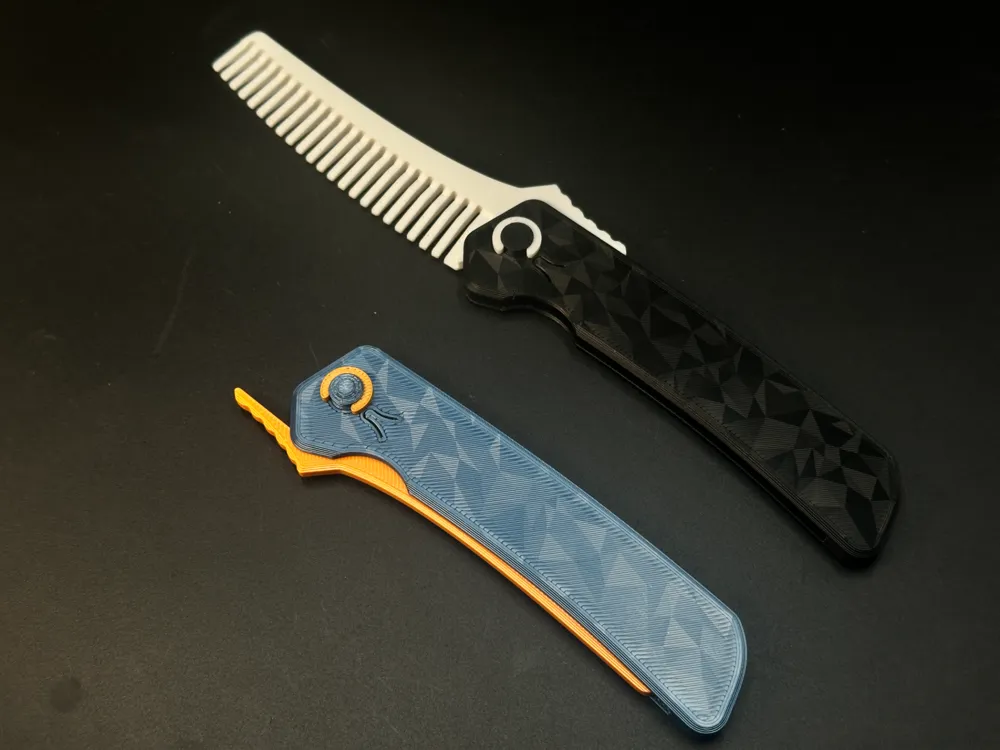
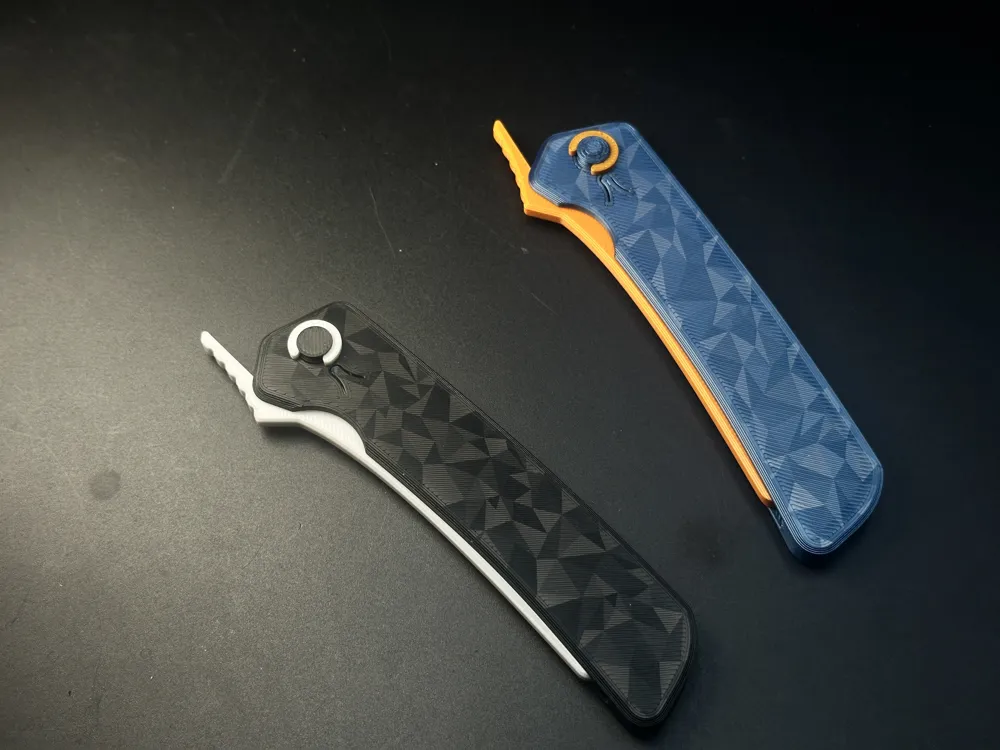
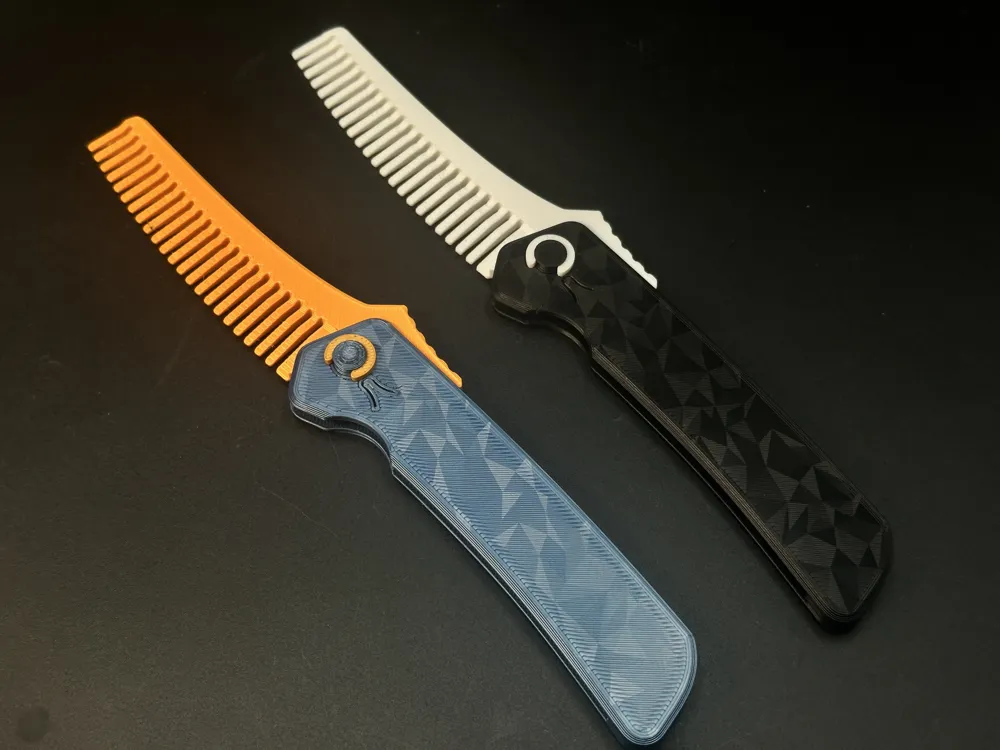
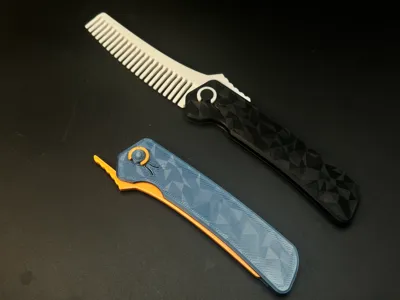
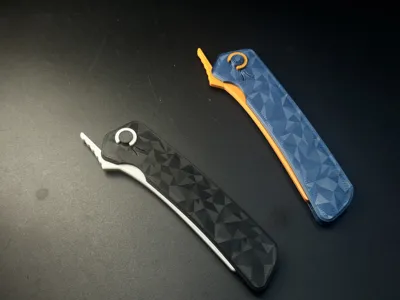
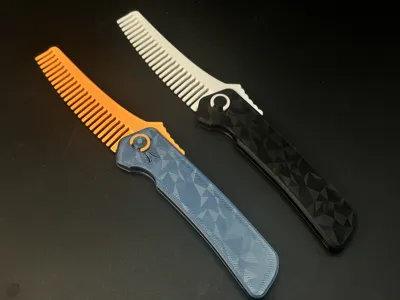
This project introduces a folding comb inspired by the traditional Japanese Higonokami architecture.
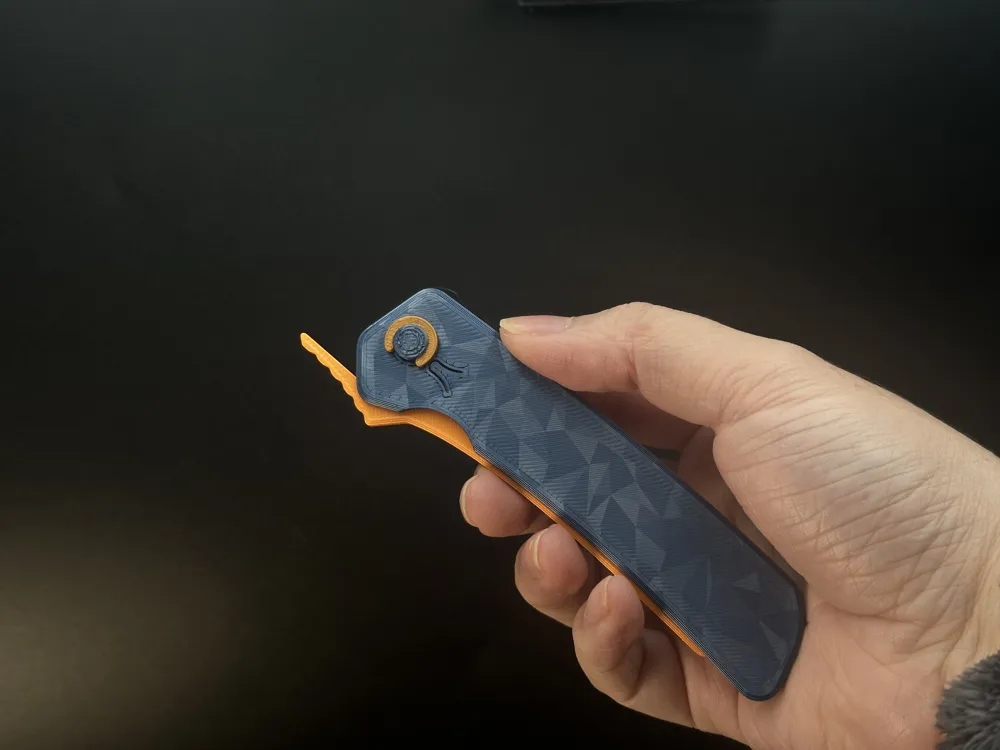
Mechanical Logic: Following the classic Higonokami design, this model features a non-locking friction structure. Safety during use is maintained through the "Chikiri" (front tang lever); by applying thumb pressure to the lever, the user prevents the comb from closing during operation.

Internal Enhancements: To improve tactile feedback, I have integrated an internal detent system (positioning bead). This structure provides calculated resistance during deployment and ensures precise tactile "clicks" to secure the comb in both the fully open and fully closed positions.
Engineering Specifications:
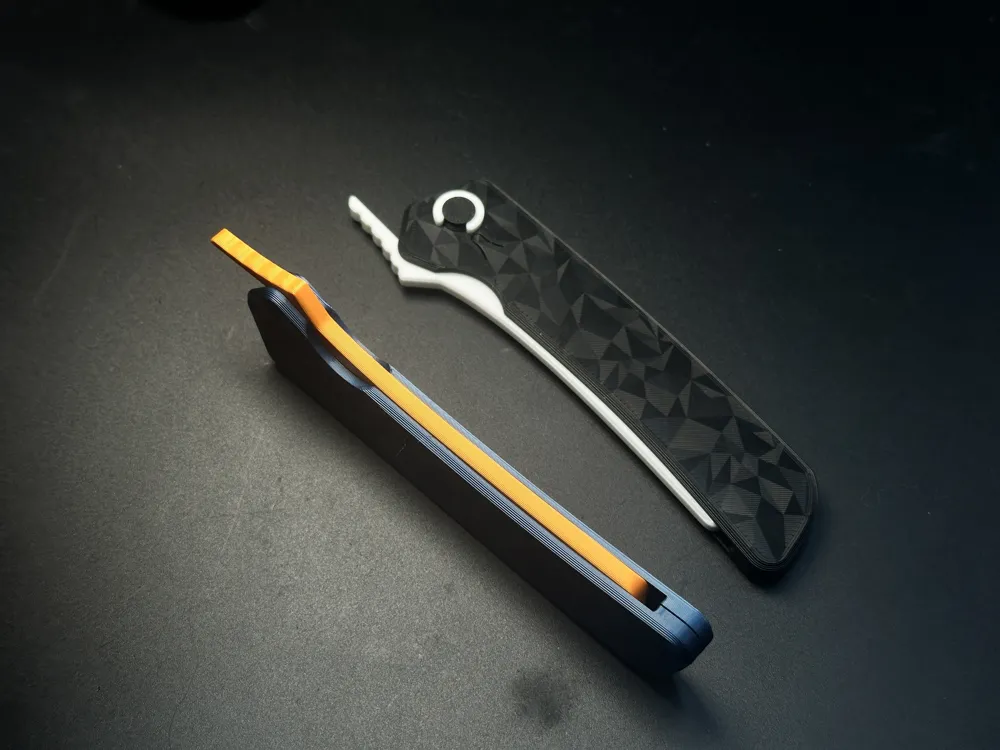
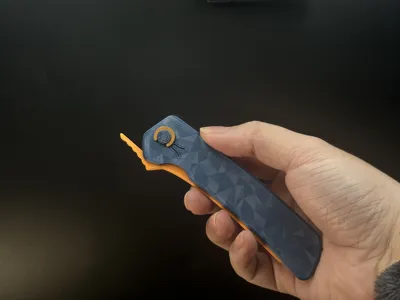
- Dimensions: Ultra-slim profile with a total thickness of approximately 8mm.
- Printability: Optimized for rapid printing with minimal material consumption.
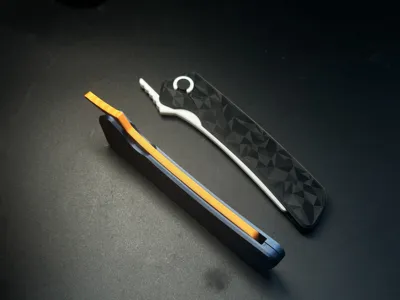
- Assembly: A completely hardware-free and glue-free design. The assembly process is purely mechanical and can be completed in approximately 15 seconds.
Assembly Instructions
Please refer to the GIF below for the step-by-step assembly sequence:

The objective of this design was to reinterpret the centuries-old Japanese Higonokami architecture through the lens of modern 3D printing possibilities.
The core challenge lay in balancing traditional minimalism with modern mechanical reliability. While the original friction-folder is celebrated for its simplicity, it often lacks the tactile security expected in contemporary EDC tools. By integrating an internal detent system into an ultra-slim 8mm profile, I’ve introduced a tactile feedback loop that secures the blade without the need for complex locking parts.
This project is a study in structural efficiency: reducing the assembly to its absolute minimum—zero hardware, zero glue—while utilizing geometric constraints and material elasticity to ensure a high-quality user experience.
The strength of 3D-printed knives cannot be guaranteed and they are suitable only for light-duty tasks, such as cutting paper or opening Amazon packages. Unless otherwise specified, all of my knife designs are intended for light-duty use only.
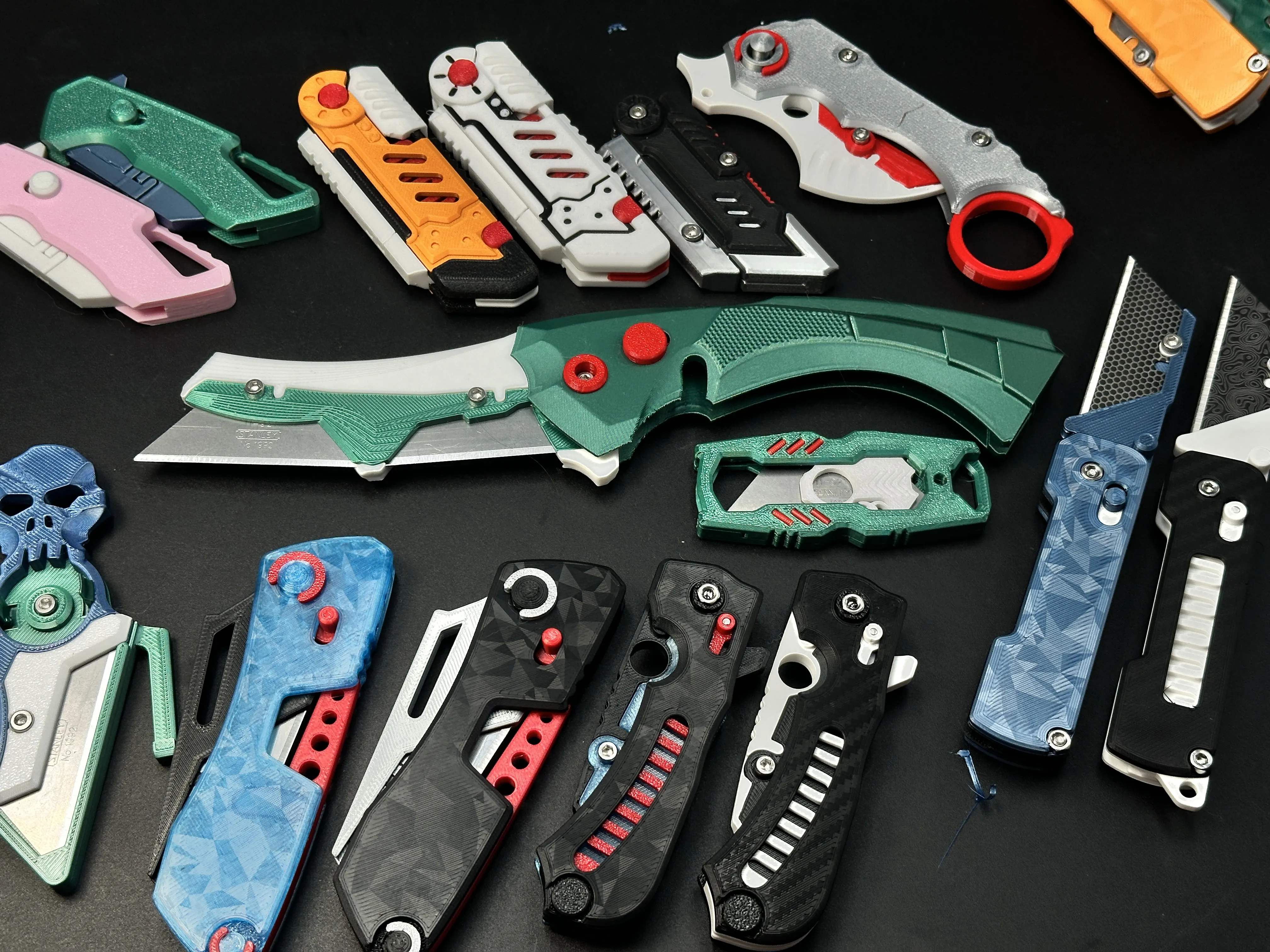
My similar projects, click on the picture
Membership
License

You shall not share, sub-license, sell, rent, host, transfer, or distribute in any way the digital or 3D printed versions of this object, nor any other derivative work of this object in its digital or physical format (including - but not limited to - remixes of this object, and hosting on other digital platforms). The objects may not be used without permission in any way whatsoever in which you charge money, or collect fees.


Comment & Rating (25)