
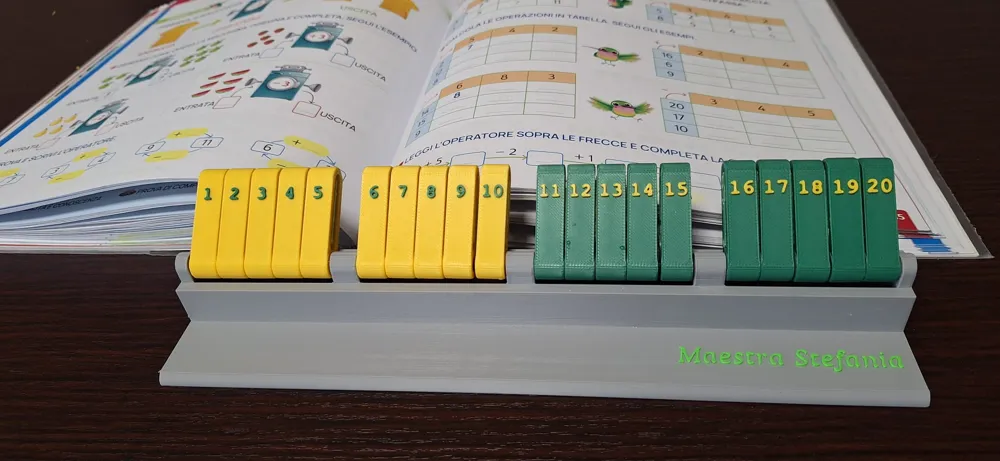
Line of 20 - easy counting
Print Profile(4)
Description
Boost Me (for free)
Please consider giving me a BOOST to help me continue creating free files ⛽ If you encounter any issues, please let me know and I will update the file as soon as possible
🧮 Educational Tool for Learning Numbers – Bortolato Method
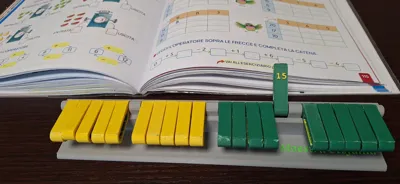
This project aims to support the learning of counting in preschool and primary school children, inspired by the principles of the Bortolato analog-intuitive method, which promotes immediate understanding of quantity without initially resorting to symbolic abstraction
The goal is to offer a simple, visual, and manipulable tool that allows children to “see” numbers and build the relationship between quantity and digit naturally, through concrete experience
🎯 Educational Aims
- Promote the immediate perception of quantities (subitizing)
- Develop number sense without resorting to mechanical counting
- Stimulate hand-eye coordination and multisensory learning
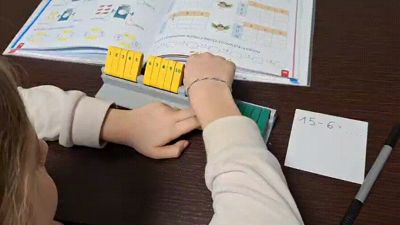
- Introduce initial operations (adding/subtracting) intuitively
- Usable both at school and at home, including for remedial or enrichment activities
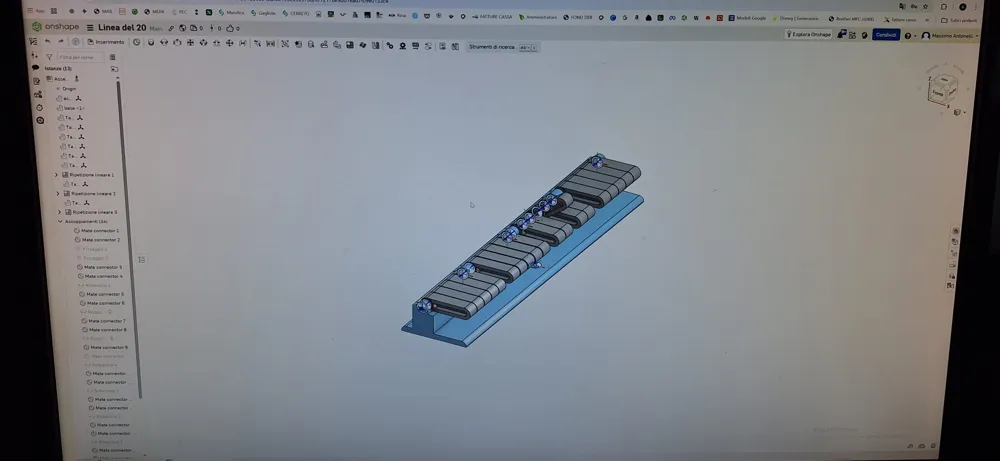
🧩 Tool Description
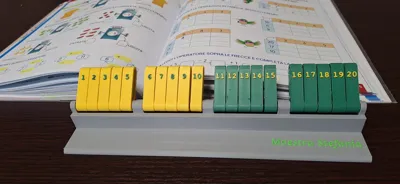
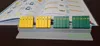
The device consists of:
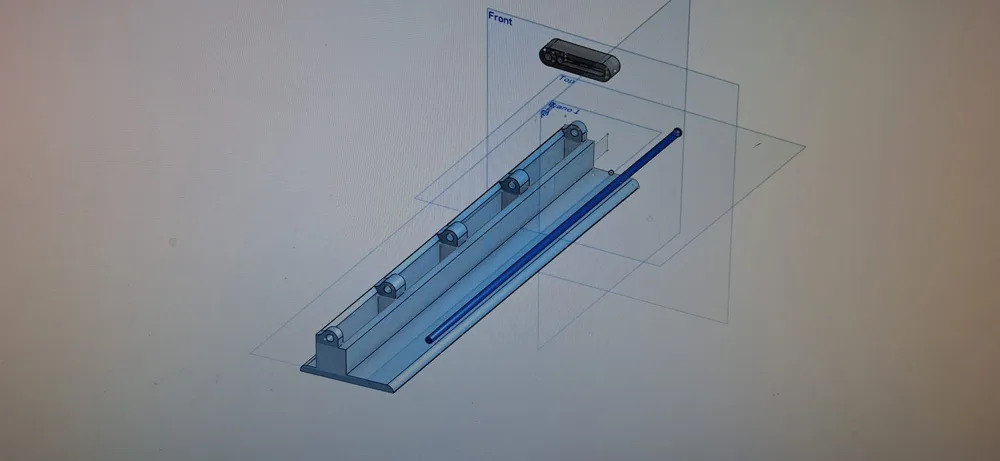
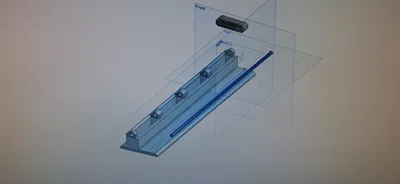
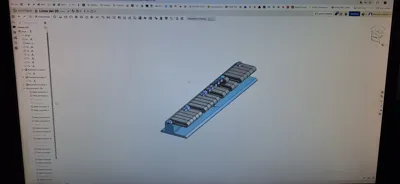
- Linear base with guides for housing the numerical elements
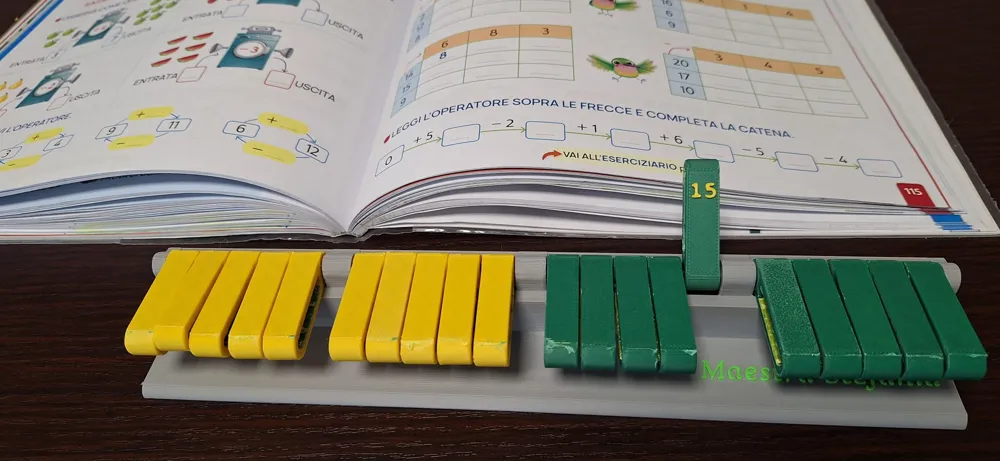
- Movable numbered modules (1–20) that visually represent the quantity
- Sliding rod that allows selecting and isolating numbers during the activity
- Structure designed to be sturdy, lightweight, and easily manipulated by children
The approach is intentionally essential: few clear elements, no visual distractions, maximum educational readability
🔧 Assembly
- Print all components
- Insert the numbered modules into their respective guides
- Position the side sliding rod
- Verify that the elements slide freely without force
No screws or glue are needed: the project is designed for immediate assembly
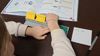
👩🏫 Methods of Educational Use
Some activity examples:
- Quantity Recognition
The teacher shows a module → the child associates the quantity with the number - Compose the Number
“Show me 7” → the child visually selects the correct quantity - First Intuitive Additions
By bringing two groups together, the sum is “seen” even before calculating it - Number Comparison
Greater/lesser becomes evident by observing the length of the modules
🛠️ Customization
The model can be easily adapted by:
- Scaling the dimensions for smaller or larger hands
- Printing the numbers in different colors to improve readability
- Inserting symbols or versions without numbers for inclusive activities
- Extending the series beyond 20
⚠️ Safety Notes
- Product intended for educational use with adult supervision
- Verify that there are no imperfections or sharp parts after printing
- Not suitable for children under 3 without supervision
📦 Download Content
- STL files of:
- Base
- Numbered Modules
- Sliding Rod
This project combines education and digital fabrication, allowing teachers, parents, and makers to create a concrete, replicable, and accessible educational tool
License



Comment & Rating (5)