
Traditional Mongolian Shagai (Anklebone Dice)
Print Profile(1)
Description
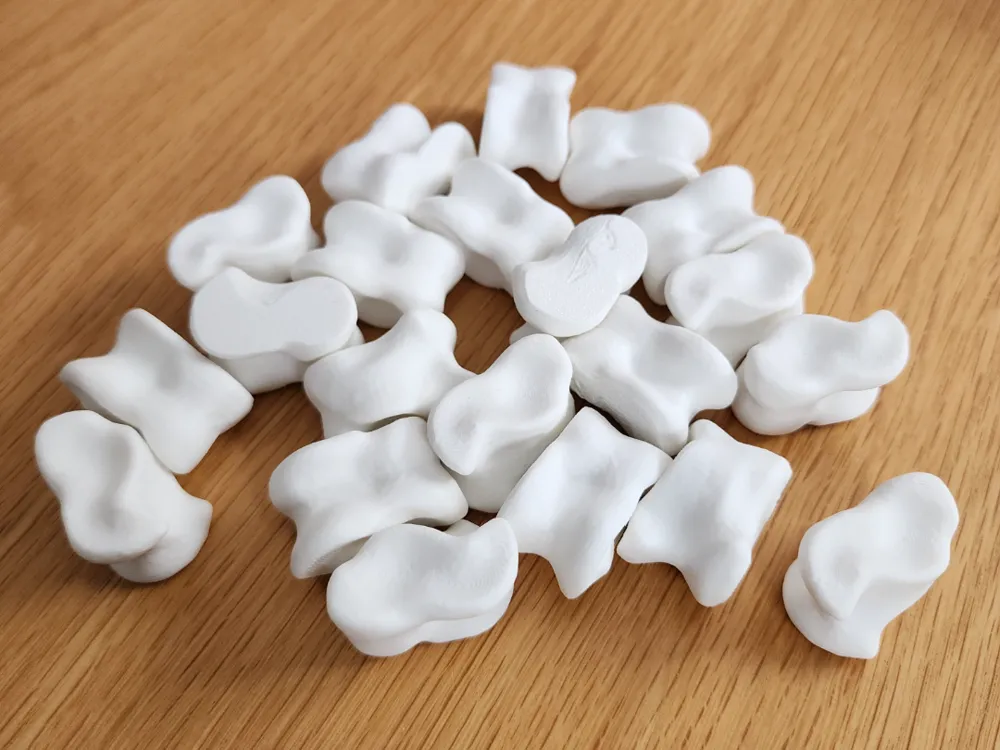
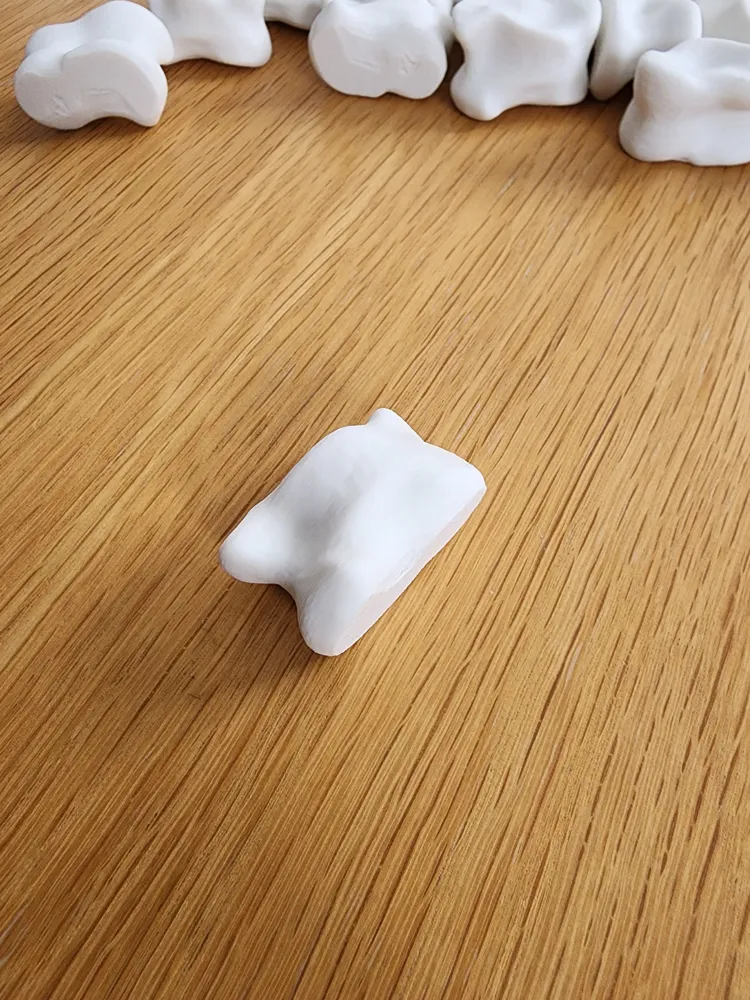
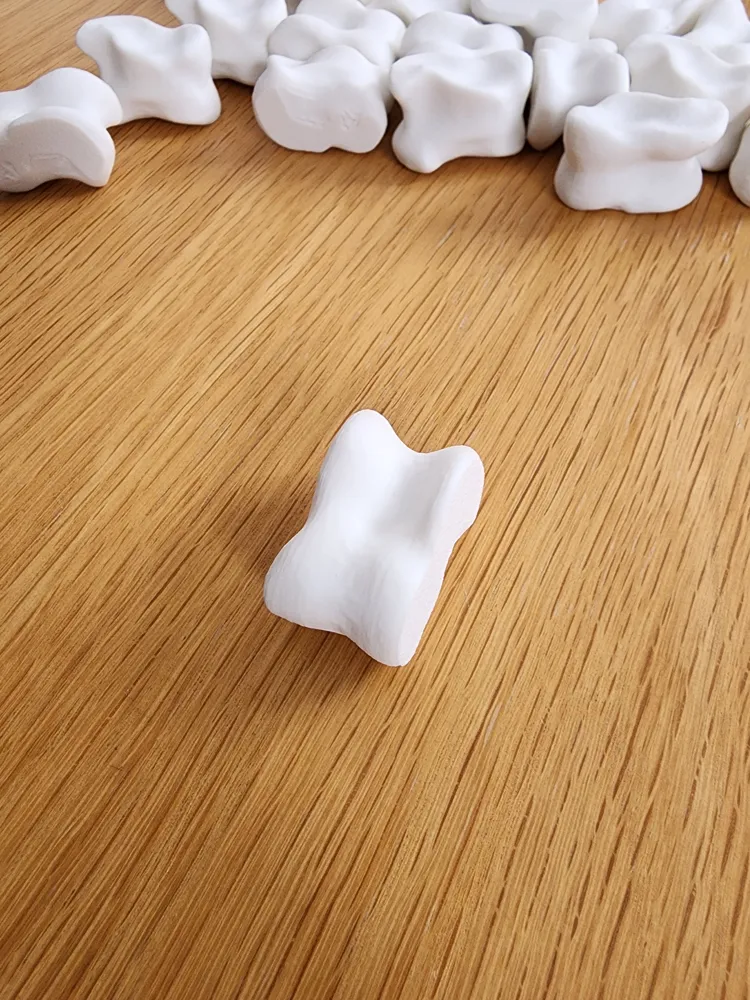
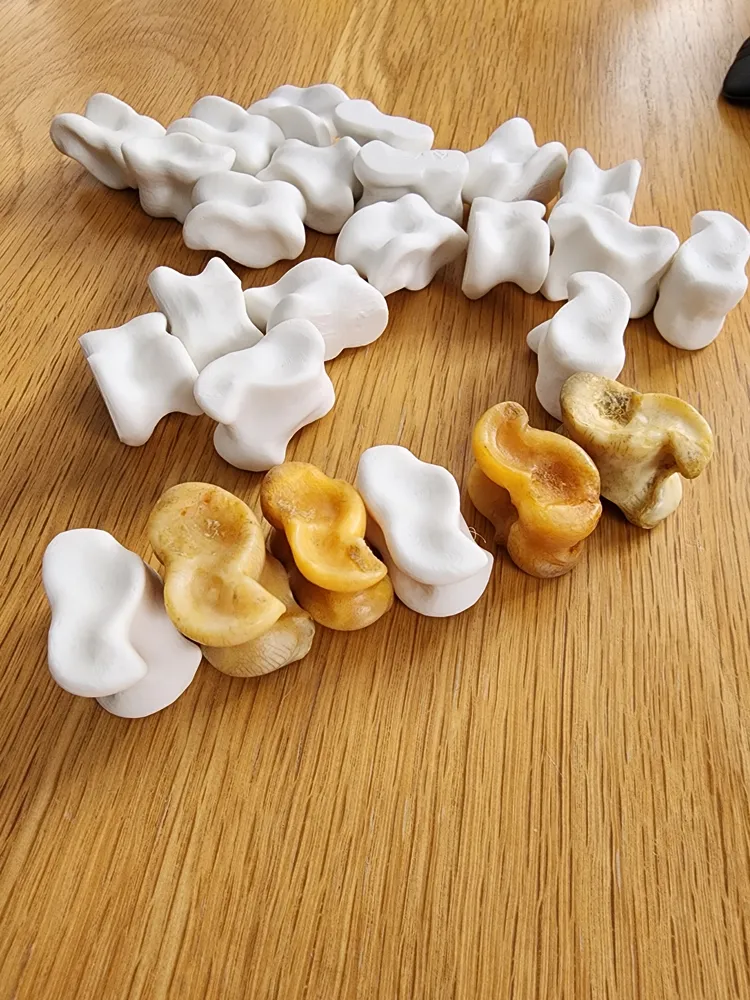
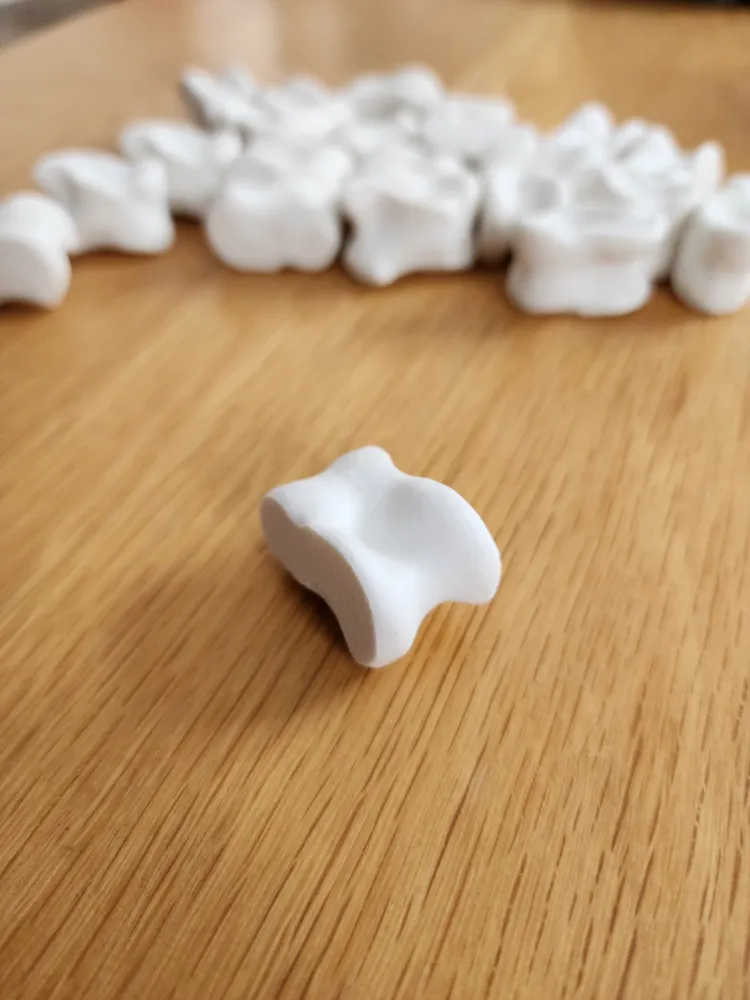
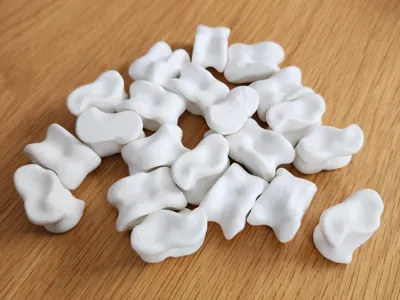
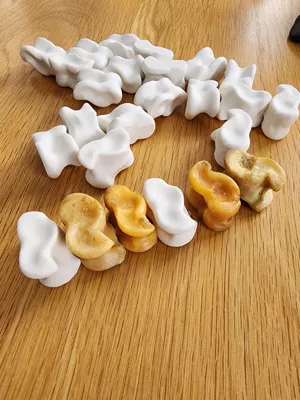
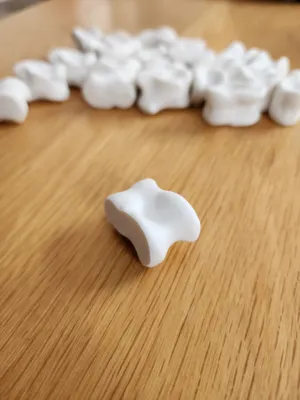
This model set provides a 3D-printable version of Shagai, the astragalus bones of sheep or goats used for centuries in Mongolian games. Unlike standard cubic dice, Shagai are four-sided and organic in shape. Each of the four landing positions represents a specific animal: Camel, Horse, Sheep, or Goat.
Design Variations
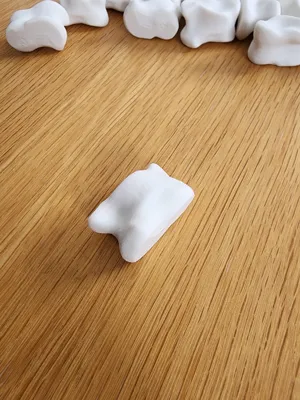
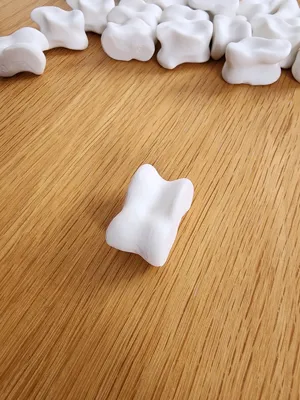
Because real bones are never identical, I have modified the original STL from MishaT to include three slightly different models. Two are the same size but sliced on slightly different angles and the third is a a different size and shape. In PLA I have found 85% to be the closest density to the real bones.
Cultural Context
While Shagai is the Mongolian term, these "knucklebones" are part of one of the oldest gaming traditions in human history. They are known by various names across different regions:
- Asyk: Central Asia (Kazakhstan, Kyrgyzstan).
- Astragaloi: Ancient Greece and Rome.
- Kab: Various Arabic-speaking regions.
- Knucklebones: Great Britain and Australia .
A Global Tradition
The use of anklebones for gaming isn't exclusive to Mongolia. You might recognize these by different names across various cultures:
| Culture | Name |
|---|---|
| Ancient Greece/Rome | Astragaloi / Talus |
| Central Asia | Asyk (Kazakhstan/Kyrgyzstan) |
| Middle East | Kab |
| Western Europe | Knucklebones (The precursor to modern Jacks) |
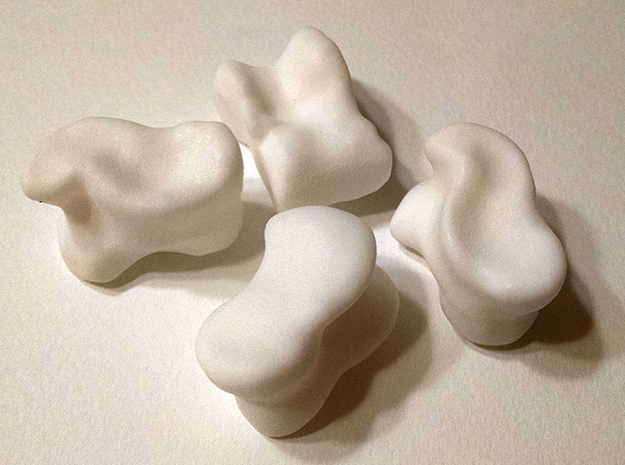
This remix is based on
License



Comment & Rating (1)