
Cast Iron Drain/Soil Pipe Connector 4" X 1 1/4"
Print Profile(1)
Description
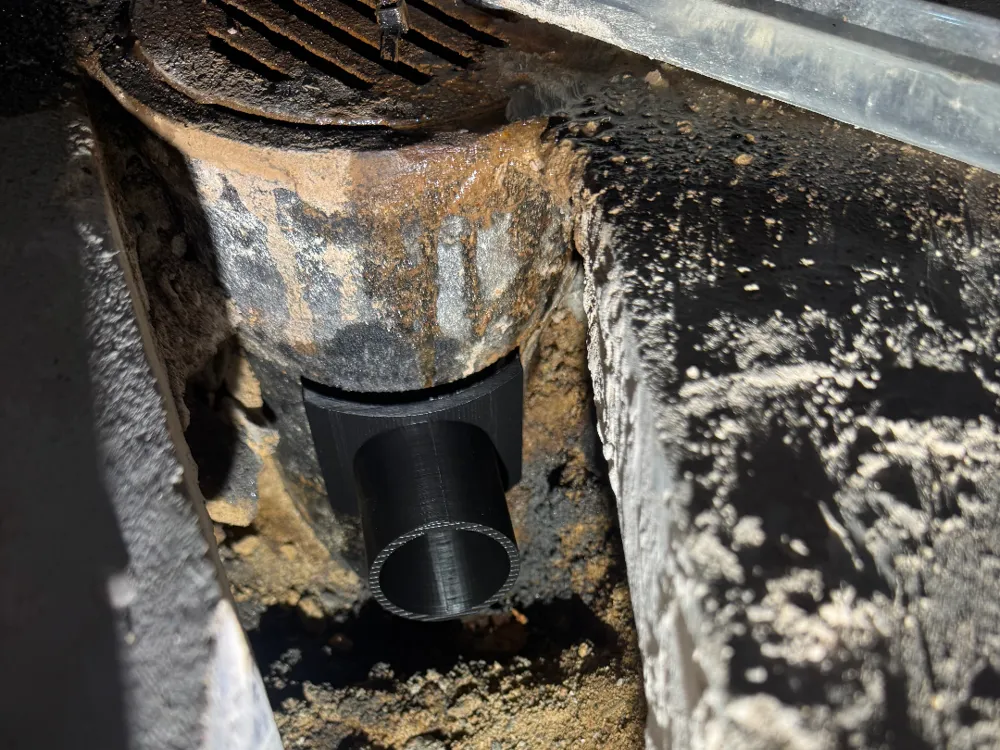
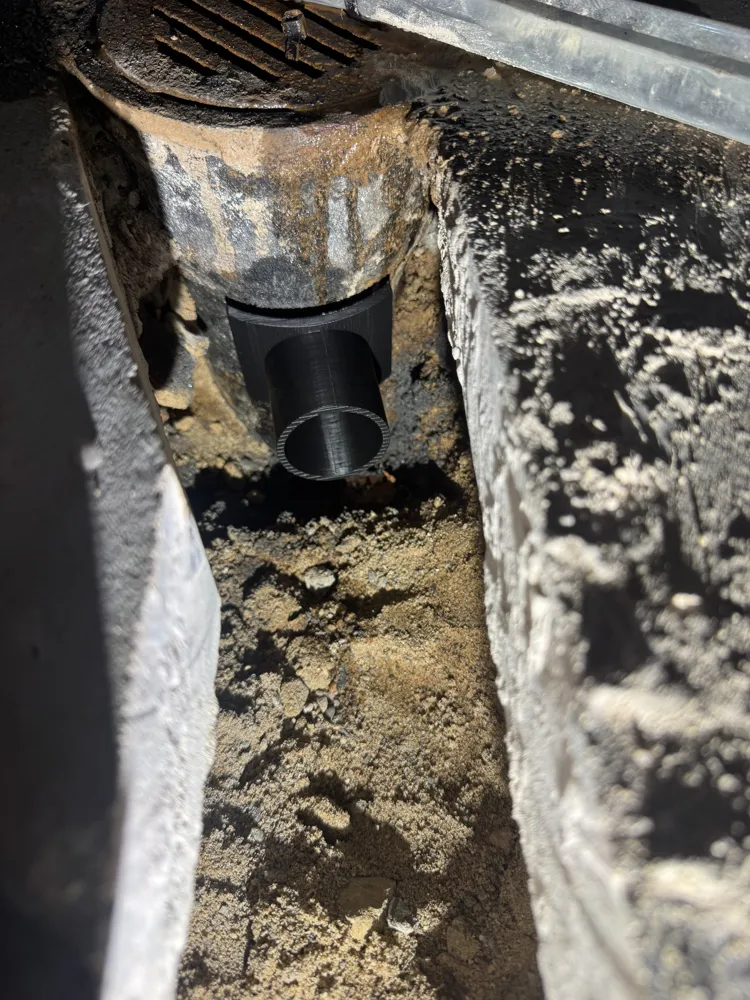
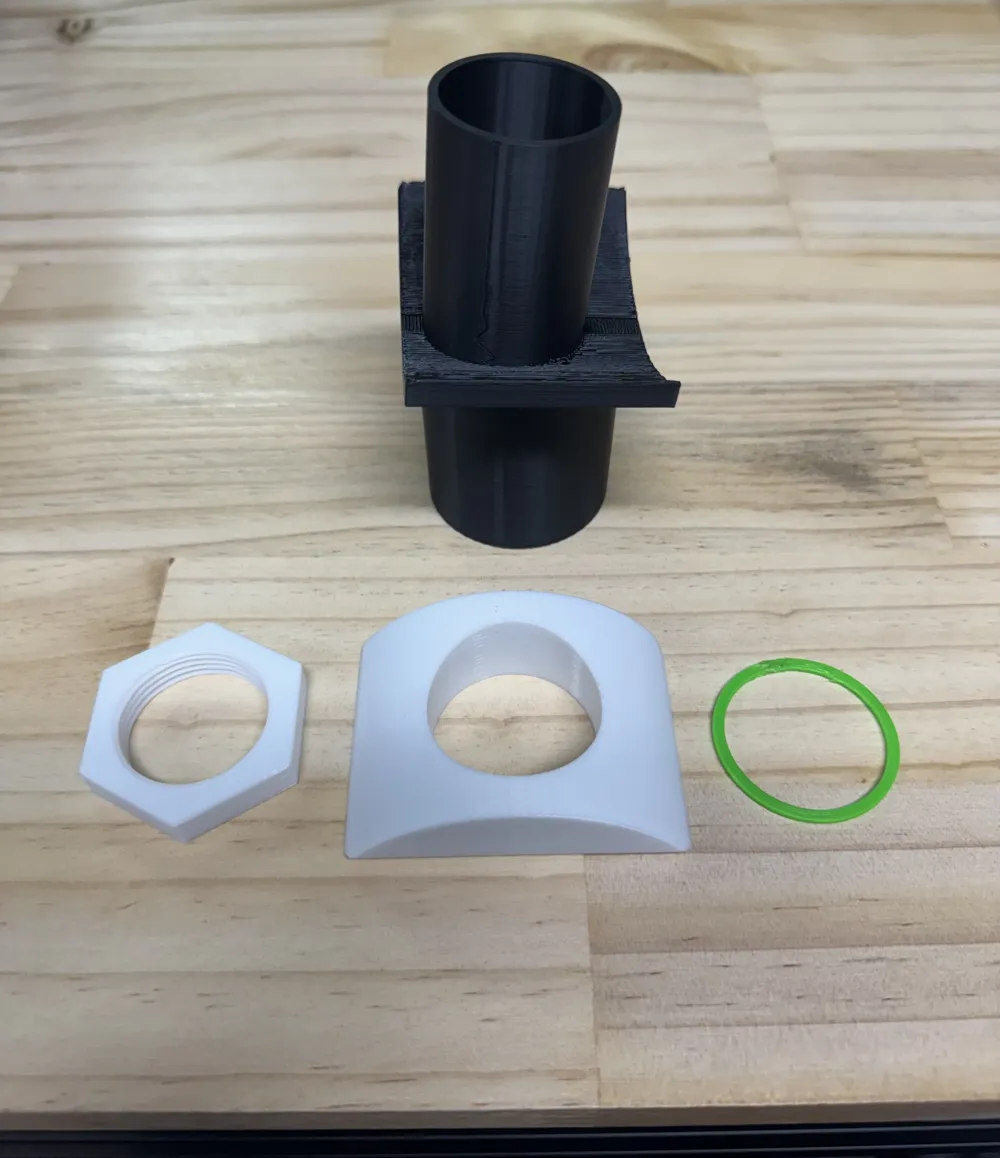
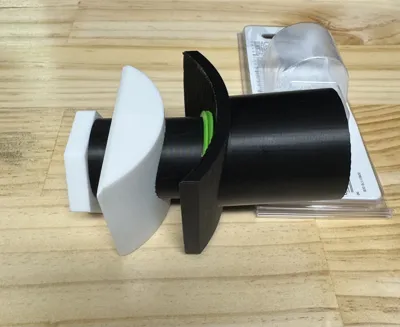
2° Slope Saddle Tap – 4" Pipe to 1-1/4" PVC (3D Printed)
This is a 2-degree sloped saddle tap fitting designed to add a 1-1/4" PVC drain connection into an existing 4" diameter pipe (cast iron or PVC) using a drilled access point.
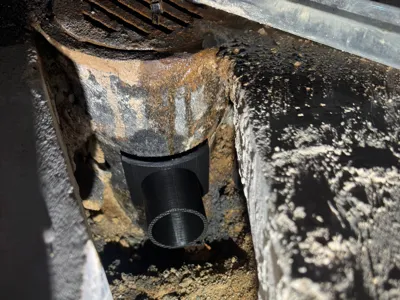
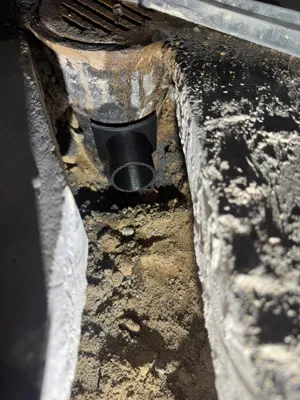
I used this fitting to tap a furnace condensate drain into a cast iron drain pipe beneath a concrete floor drain, with the tap located above the P-trap.
The slope is built into the model to promote proper drainage without needing additional fittings.
Design Specifications
- Pipe size: 4" nominal diameter pipe
- Access hole size: 1-3/8"
- Slope: 2 degrees (fixed, non-adjustable)
- PVC connection: 1-1/4" PVC (glued)
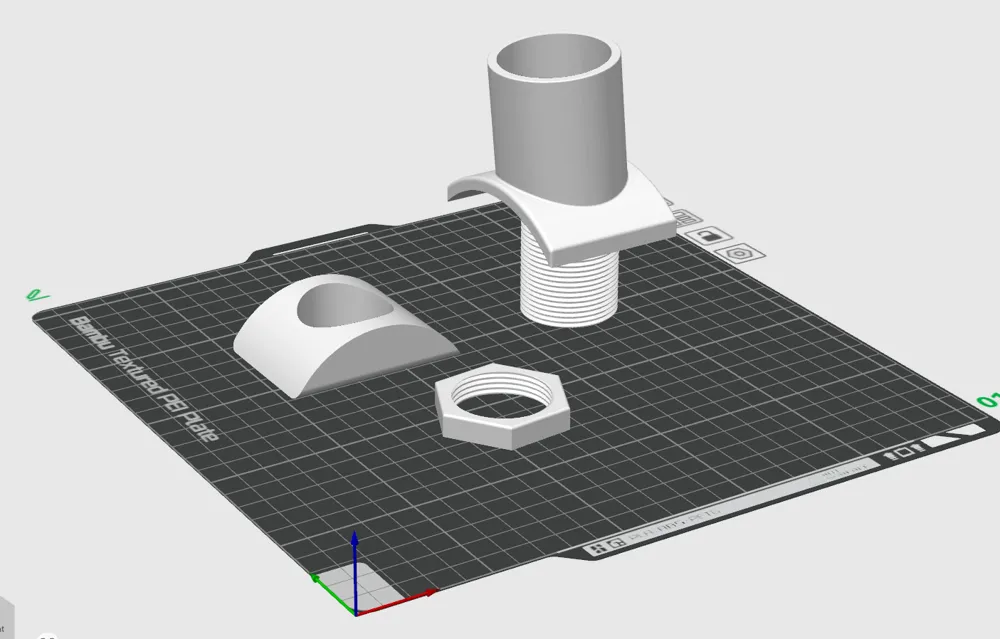
- Thread size (nut & fitting): 33 × 2 mm
- Clamp opening: 35.5 mm hole
- Indoor use only
Materials (By Component)
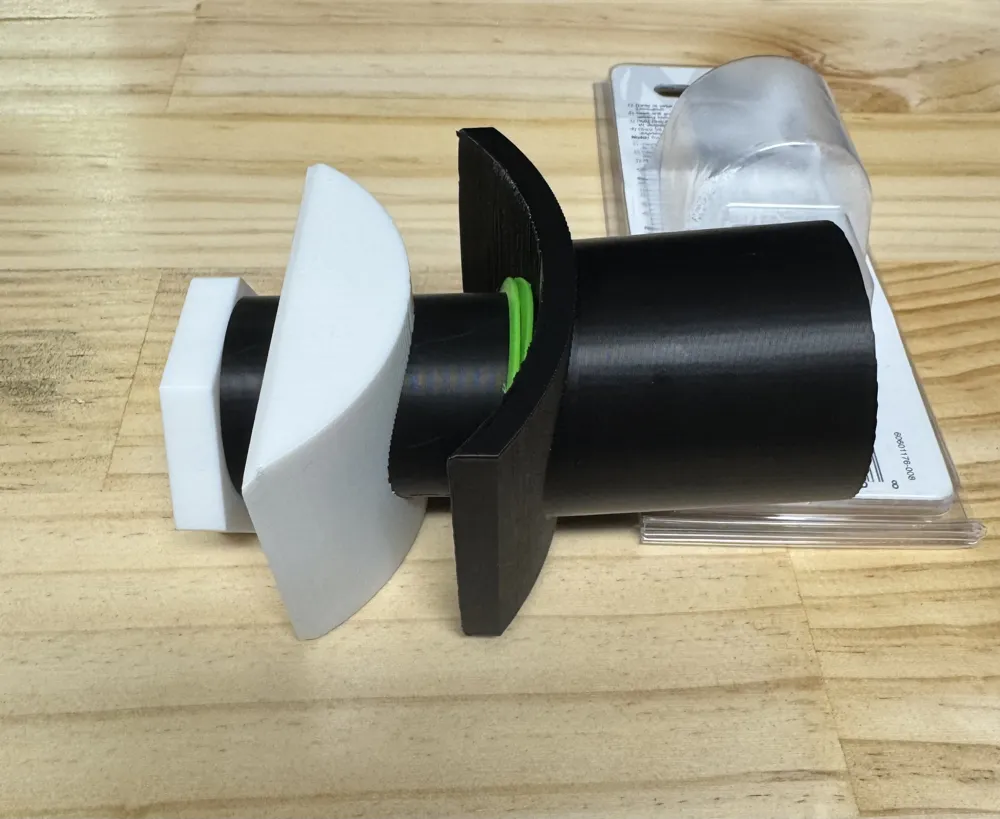
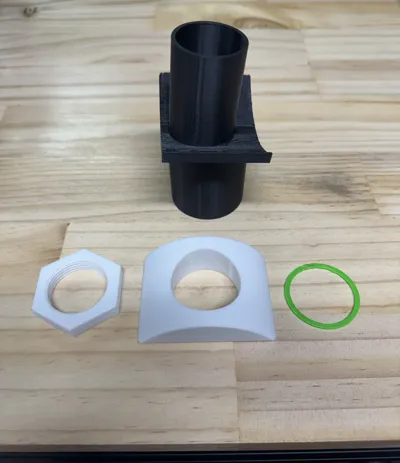
- Saddle fitting (rigid): PETG-CF
- Threaded nut (rigid): PETG-CF
- Seal (flexible): TPU
- Printed 1.6 mm thick
- Installed on the exterior side of the pipe
The materials were chosen based on what I had. You can change them to anything you think would work better. PETG-CF was chosen for stiffness, temperature resistance, and dimensional stability. TPU was chosen for flexibility as a seal..
Print Notes (Important)
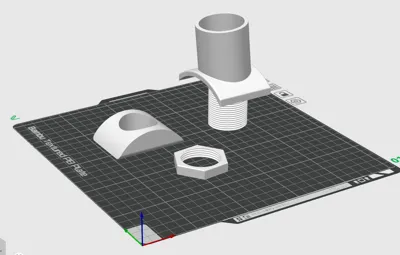
- The provided 3MF file has:
- Reduced print speed
- Layer height set specifically to ensure clean thread formation
- Do not increase speed or layer height for the threaded components
- Threads are designed to be snug-tight only
- Do not over-tighten the nut
Required Tools & Supplies
- 1-3/8" diamond drill bit for 4" cast iron pipe
- 1-3/8" standard hole saw for 4" PVC pipe
- Light sandpaper (for surface prep of 4" pipe)
- Silicone grease or Super Lube (for seal priming)
- PVC glue (for 1-1/4" PVC connection)
Installation Instructions (Step-by-Step)
- Mark the Hole Location
Confirm the tap location is above the P-trap
- Drill the Access Hole
- Cast iron: Use a 1-3/8" diamond drill bit
- PVC: Use a 1-3/8" standard hole saw
Deburr the hole edges
- Prepare the Pipe Surface
- Lightly sand the exterior surface of the 4" pipe around the hole
Wipe clean of dust and debris
- Prepare the Seal
- Print the TPU seal at 1.6 mm thickness
Apply a thin layer of silicone grease or Super Lube to the seal
- Install the Saddle Fitting
- Verify orientation so the 2° slope flows in the correct direction
- Insert the fitting into the drilled hole
- Place the TPU seal on the exterior side of the pipe
Thread the PETG-CF nut onto the fitting
- Tighten
- Tighten the nut by hand until snug
Do not over-tighten — excessive force may crack the fitting, damage the printed threads, or distort the seal
- Attach the PVC Drain
- Glue the 1-1/4" PVC pipe into the fitting using standard PVC cement
Allow a few minutes to full cure before introducing water
- Test
- Slowly introduce water and inspect for leaks
Verify proper drainage along the sloped outlet
Cut Excess Threading
Notes & Limitations
- Designed for indoor use only
- Not intended for pressurized systems
- Intended for gravity drainage applications
- Slope is fixed at 2°
License

You shall not share, sub-license, sell, rent, host, transfer, or distribute in any way the digital or 3D printed versions of this object, nor any other derivative work of this object in its digital or physical format (including - but not limited to - remixes of this object, and hosting on other digital platforms). The objects may not be used without permission in any way whatsoever in which you charge money, or collect fees.


Comment & Rating (2)