Search models, users, collections, and posts

Print Profile(1)

0.2mm layer, 2 walls, 15% infill
Designer
57 min
1 plate
Open in Bambu Studio
Boost
1
4
0
0
6
0
Released
Description
Content has been automatically translated.
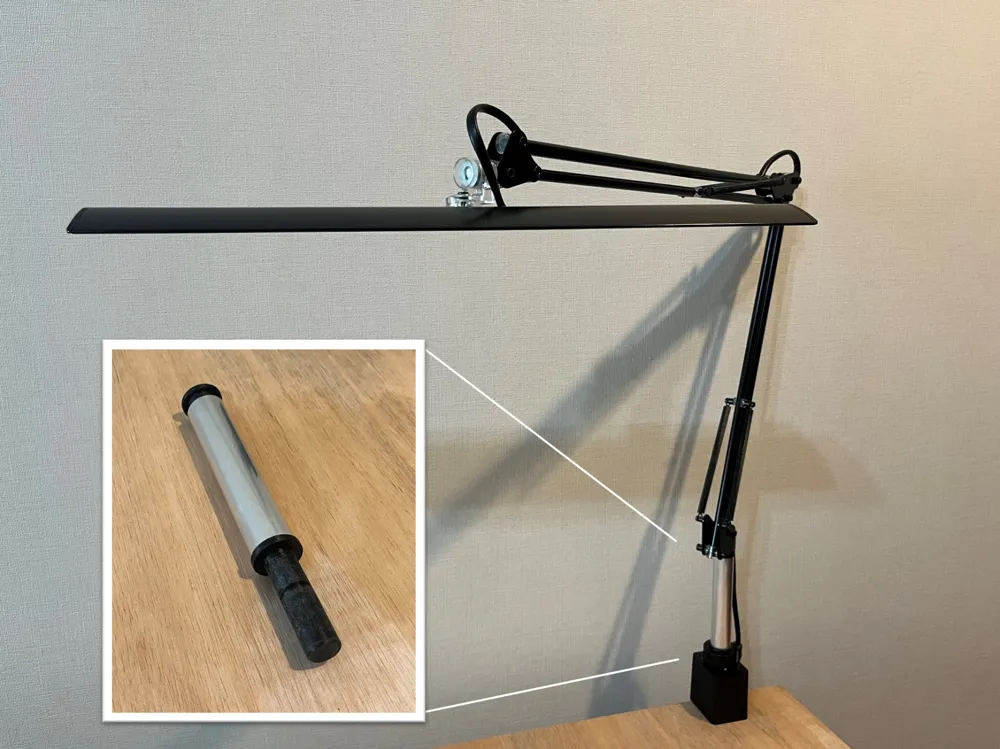
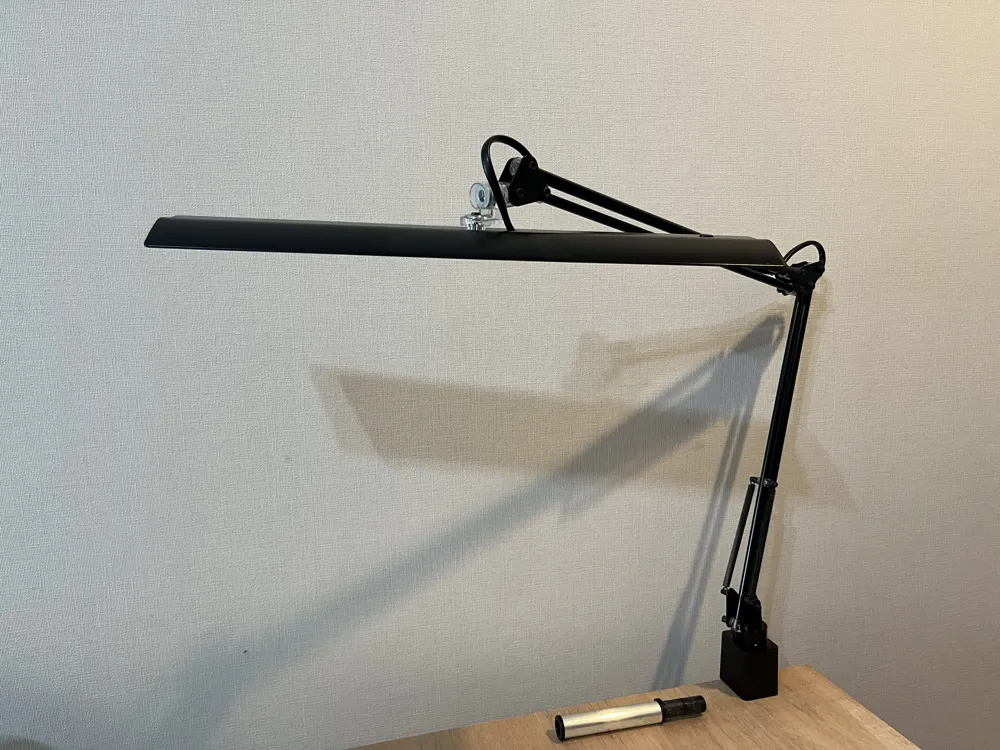
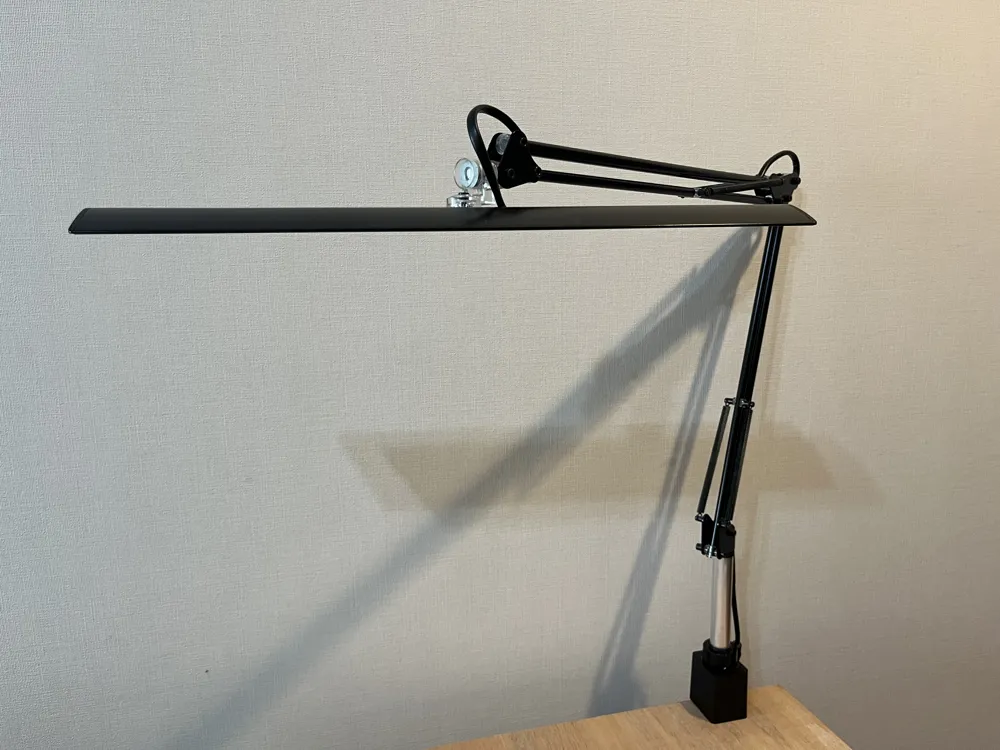
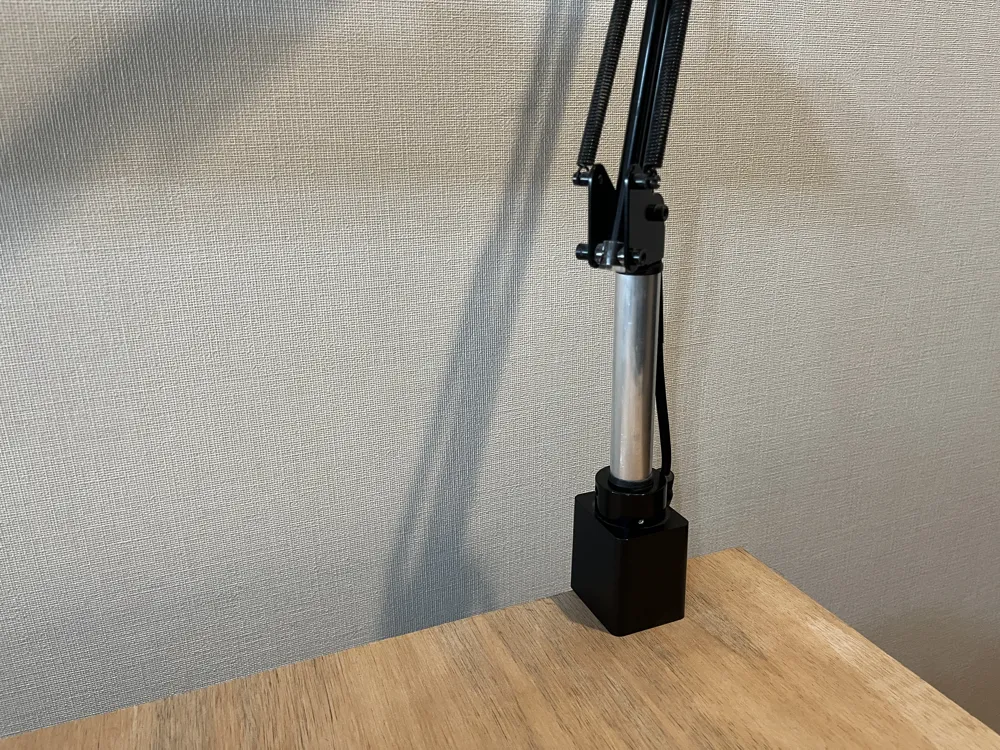
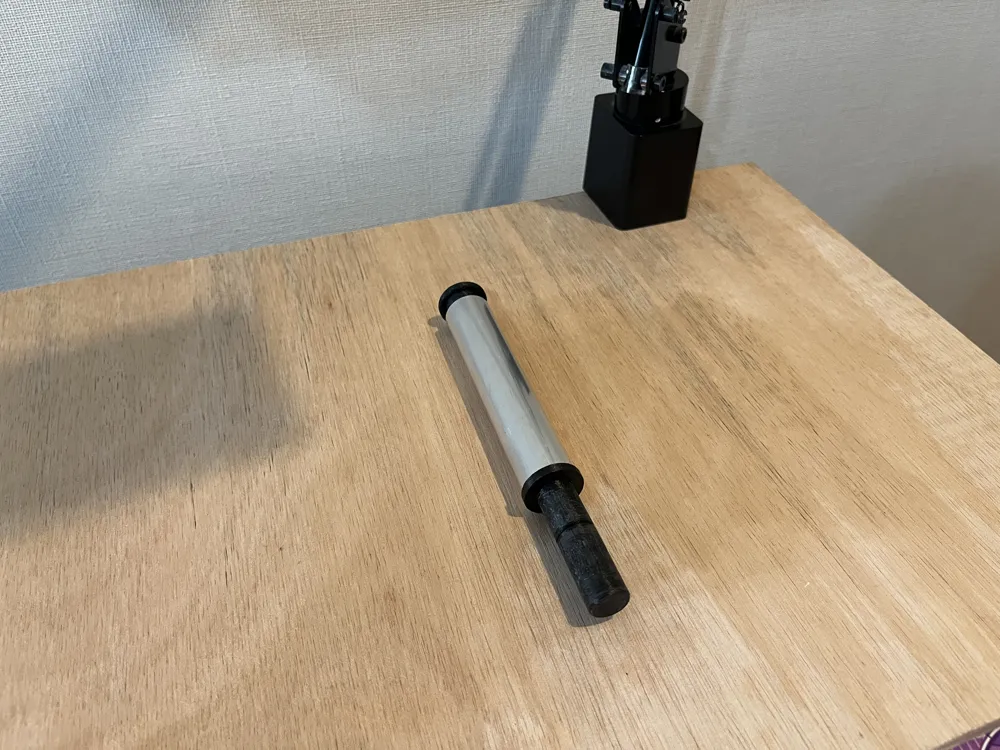
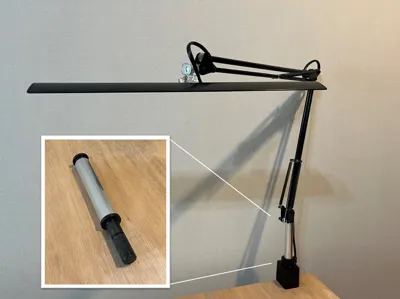
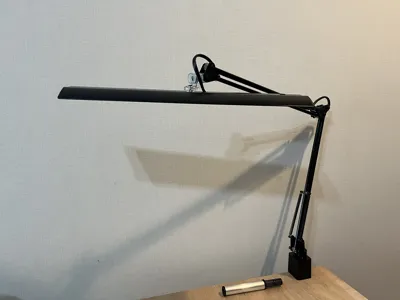
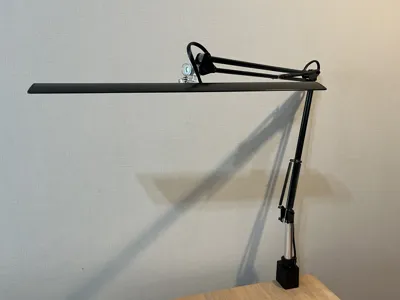
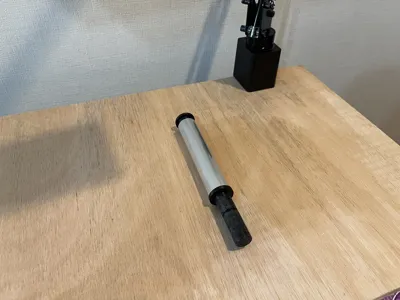
I wanted to extend the pole of my desk light (desk lamp) so it could illuminate from a higher position, using it like a monitor LED bar, so I created an extension pole
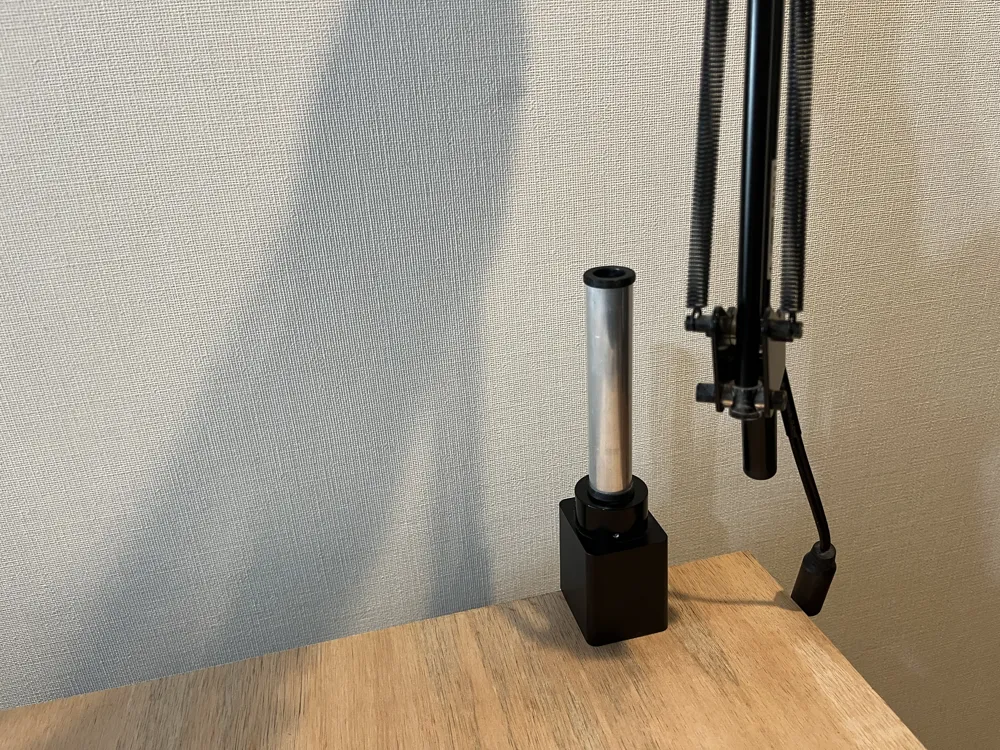
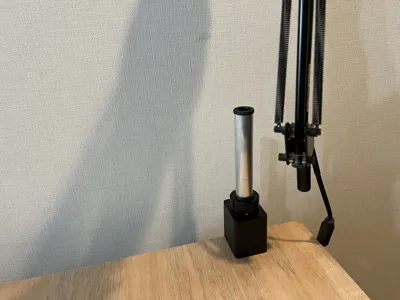
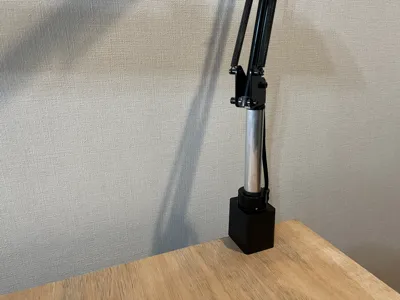
The original desk light pole had a rod protruding downwards, and was designed to be inserted and fixed into a base on the desk
Therefore, I decided to create an extension pole that could accommodate the desk light rod
The pole requires high strength, but since I use A1 mini, I cannot use high-strength filament
However, I came up with the idea of reinforcing the 3D printed pole by inserting a steel rod
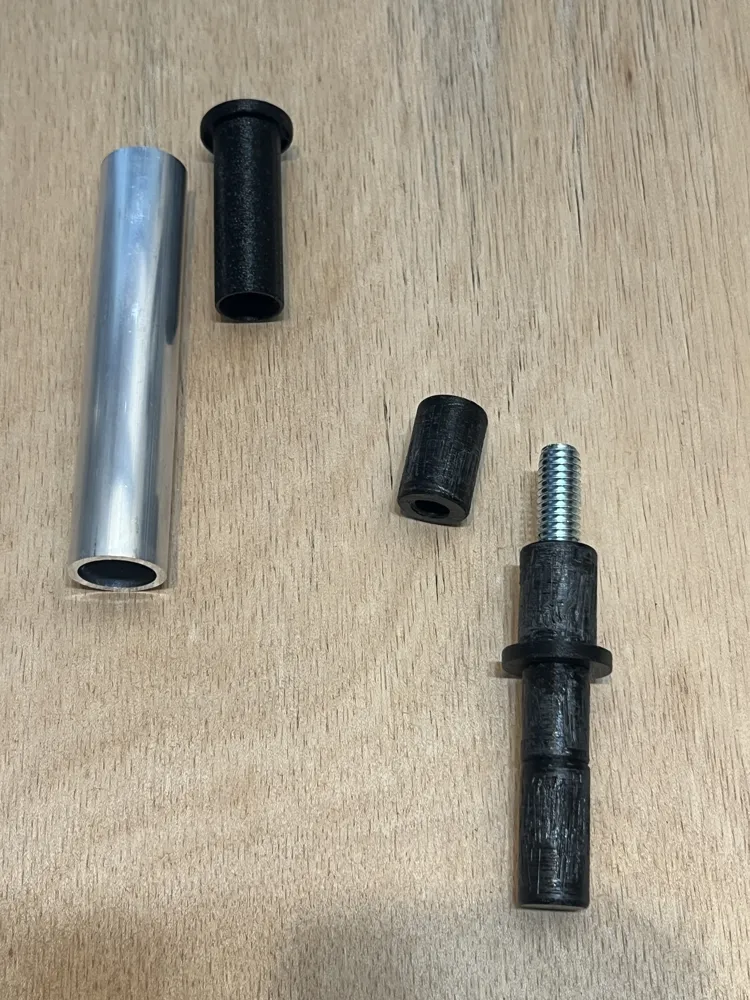
I used the following parts
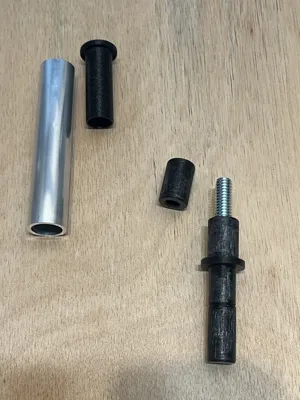
(Threaded part) W3/8, 90mm threaded steel rod, 1 piece
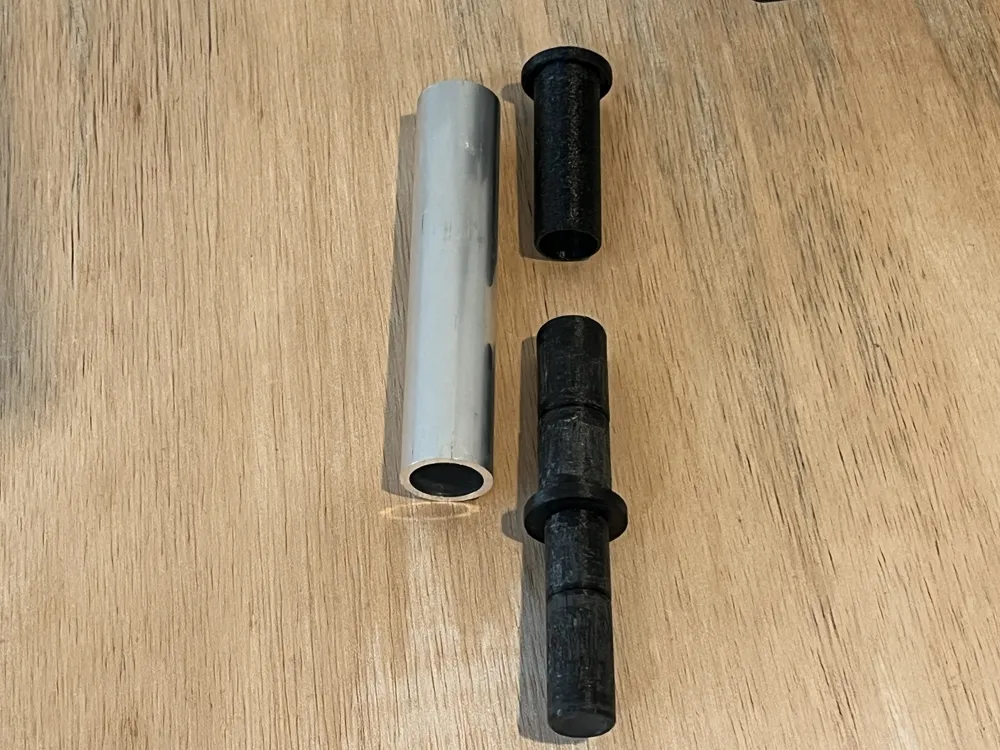
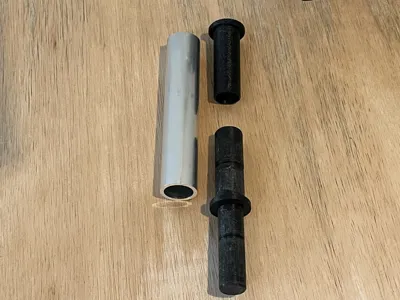
(Inner diameter) 16mm, (Outer diameter) 20mm, 100mm aluminum tube, 1 piece
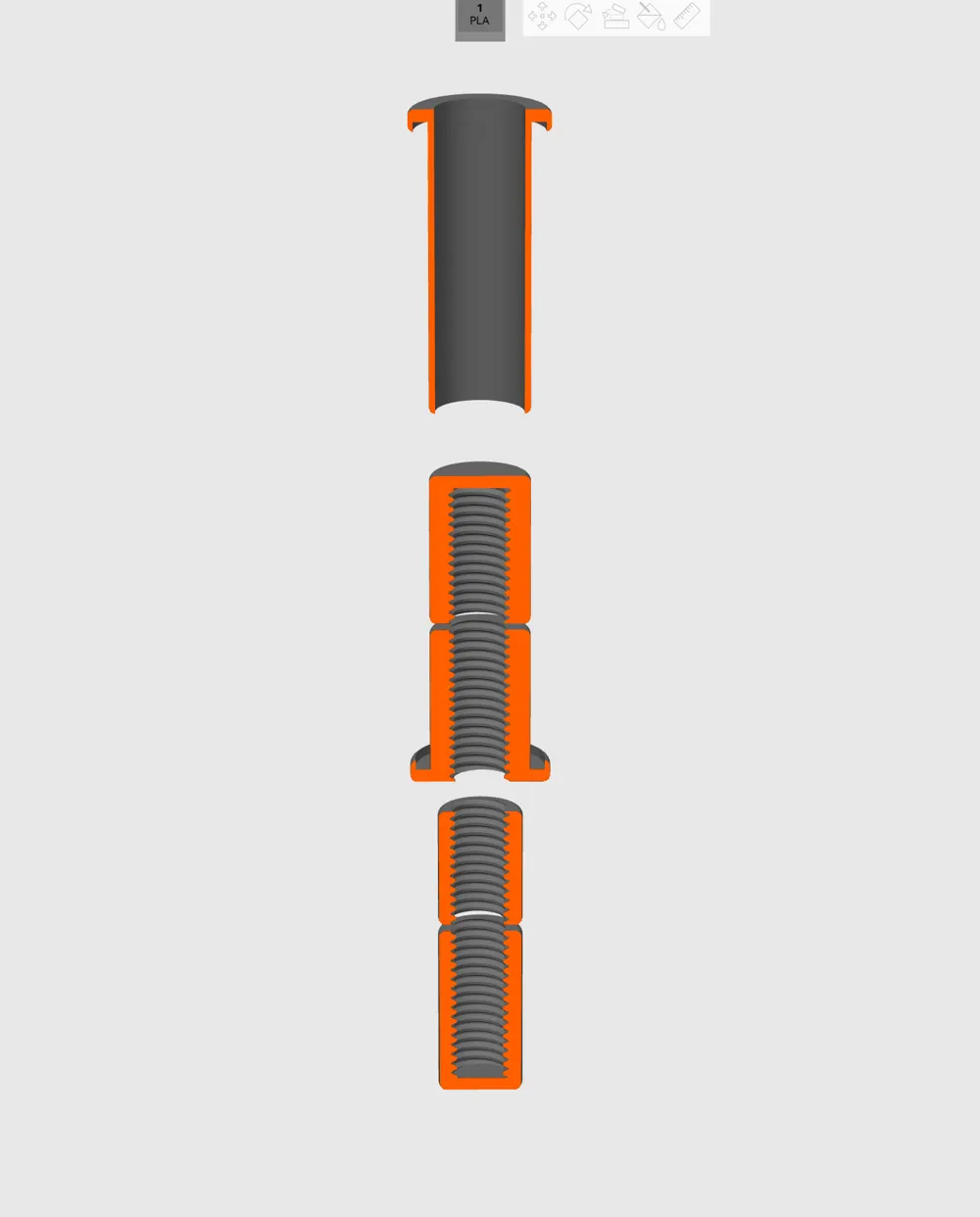
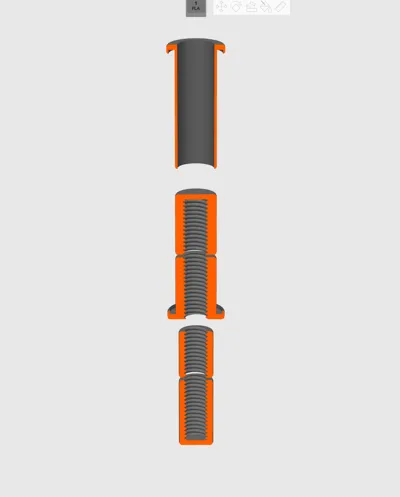
I 3D printed the part that inserts into the desk light base, and designed it so that a threaded steel rod would fit inside
For the upper part of the pole where the desk light rod inserts, I used an aluminum pipe. To prevent the desk light rod from tilting inside the aluminum pipe, I created a part to adjust the inner diameter of the aluminum pipe
By combining these, I was able to create a very strong extension pole
The rod part of the pole is divided into four pieces to facilitate assembly onto the threaded steel rod, and by dividing the threaded steel rod section into two upper and two lower parts, I wanted to prevent it from coming loose using a double nut mechanism
I believe this extension pole can be widely applied to structures where a rod is inserted into a base, similar to my desk light
For example, microphone stands also have a similar structure
For reference, the LED desk light in the photo is a Z-10 model from Yamada Lighting's Z-LIGHT (zlight.net)
Among the photos I posted, you might notice some unevenness on the surface of the black rod containing the threaded steel rod. These marks occurred when assembling the printed parts onto the threaded steel rod using pliers
The parts were printed with PETG
No supports needed
License

This user content is licensed under a
Creative Commons Attribution-Noncommercial


Comment & Rating (0)