
3I/ATLAS_SUiTHiNKModel_v1
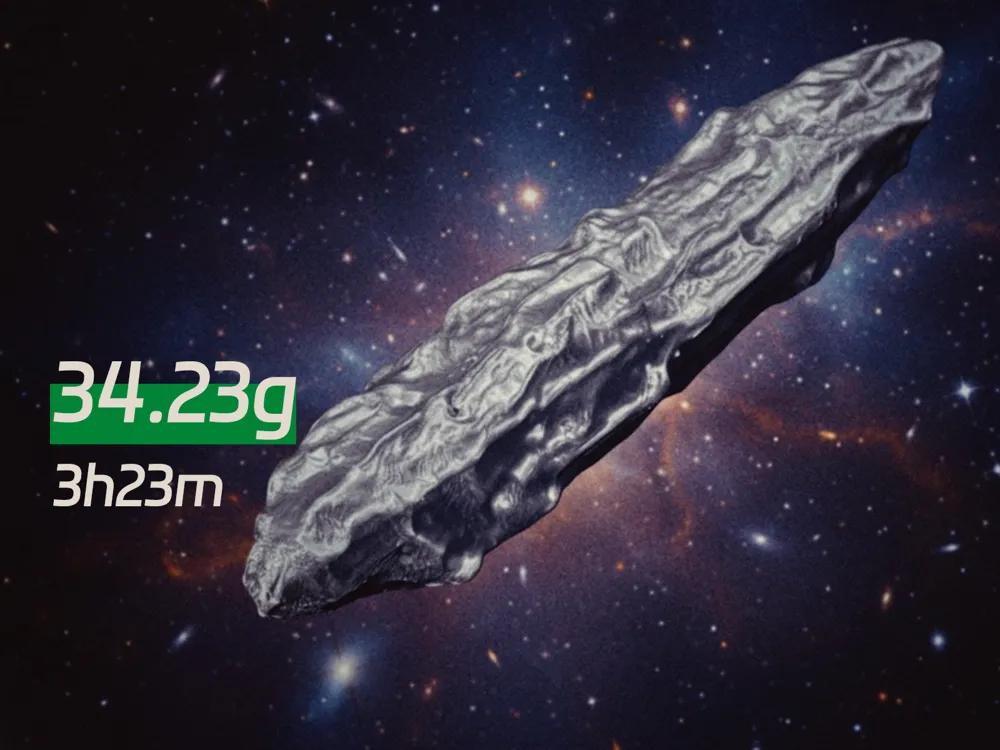
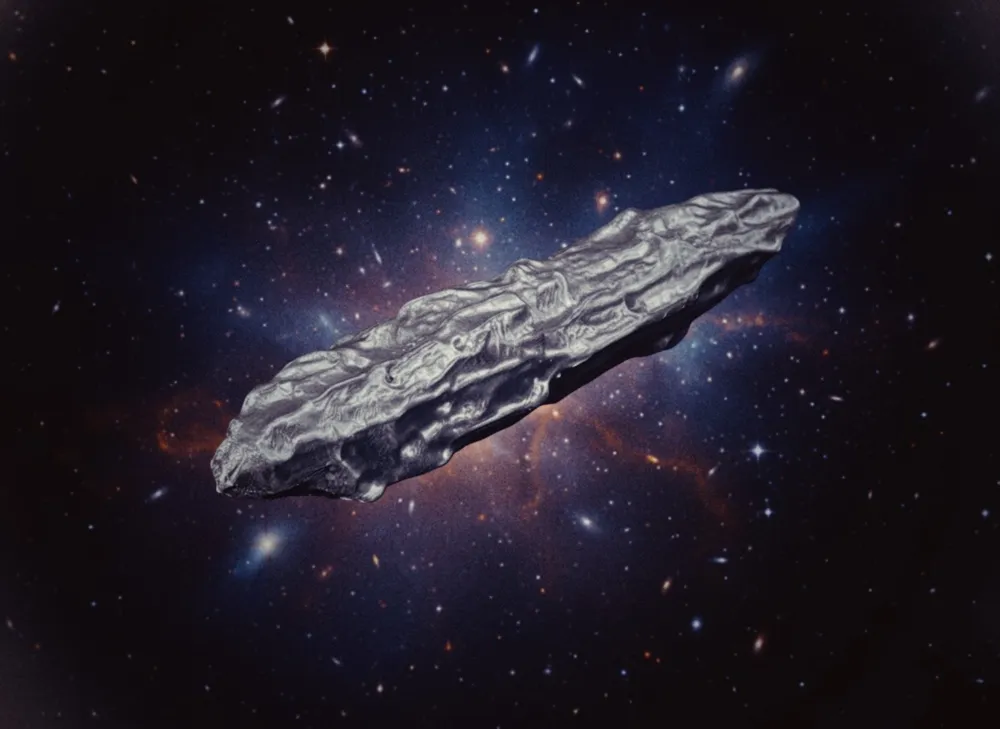
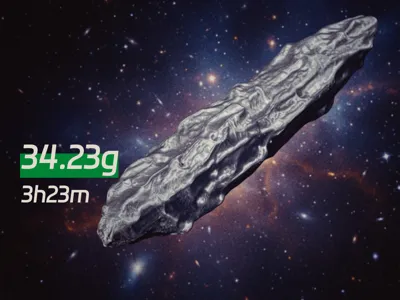
Print Profile(1)

Description
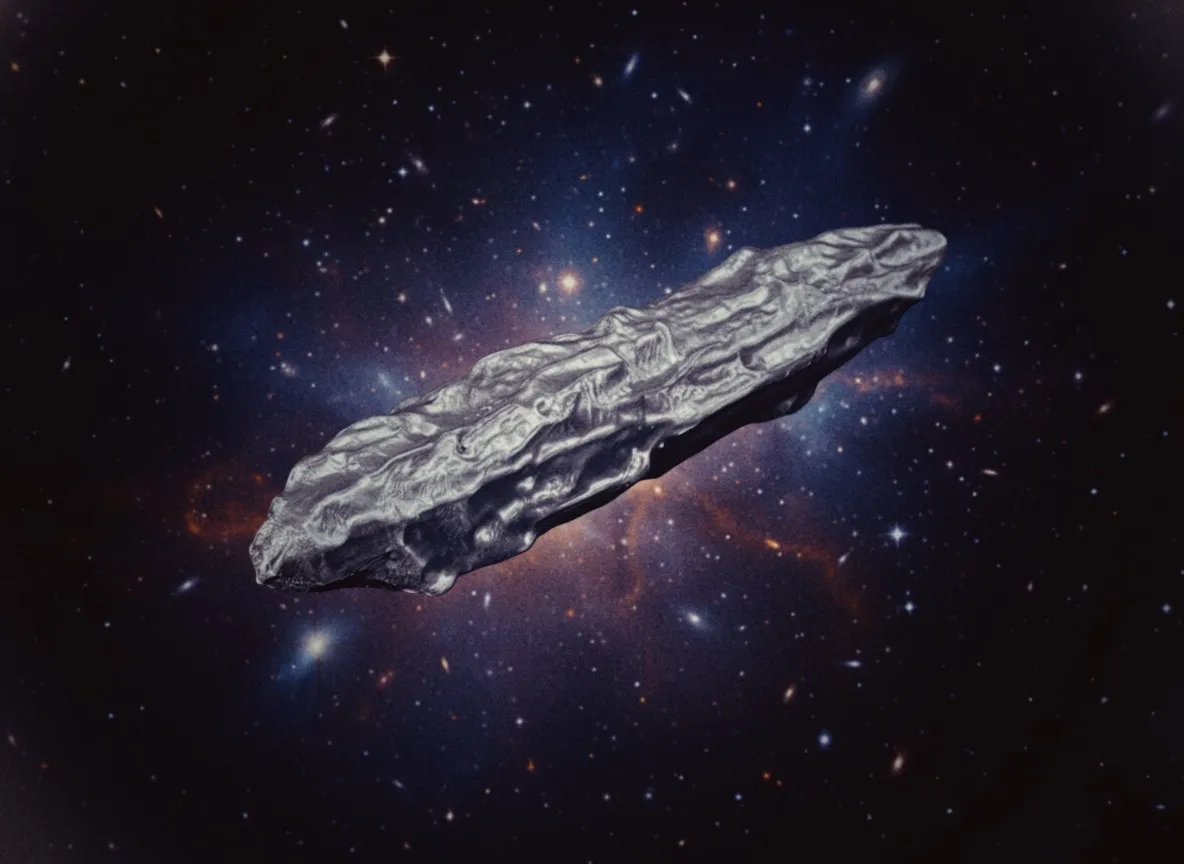
That winter, the International Astronomical Union Observation Network announced that humanity had once again captured an “interstellar visitor”.
Code name: 3I / ATLAS.
It was not metallic, nor did it resemble an ice body. All telescope data flickered, disordered, and jumped.
Some scientists proposed that its surface was not uniformly reflective, but rather a natural camouflage that scattered observation wavelengths.
This meant it was actively hiding itself.
Astronomers called it “The gazed object”.
1. The Model
Two months later, an industrial designer named Su Yi posted a photo on social media.
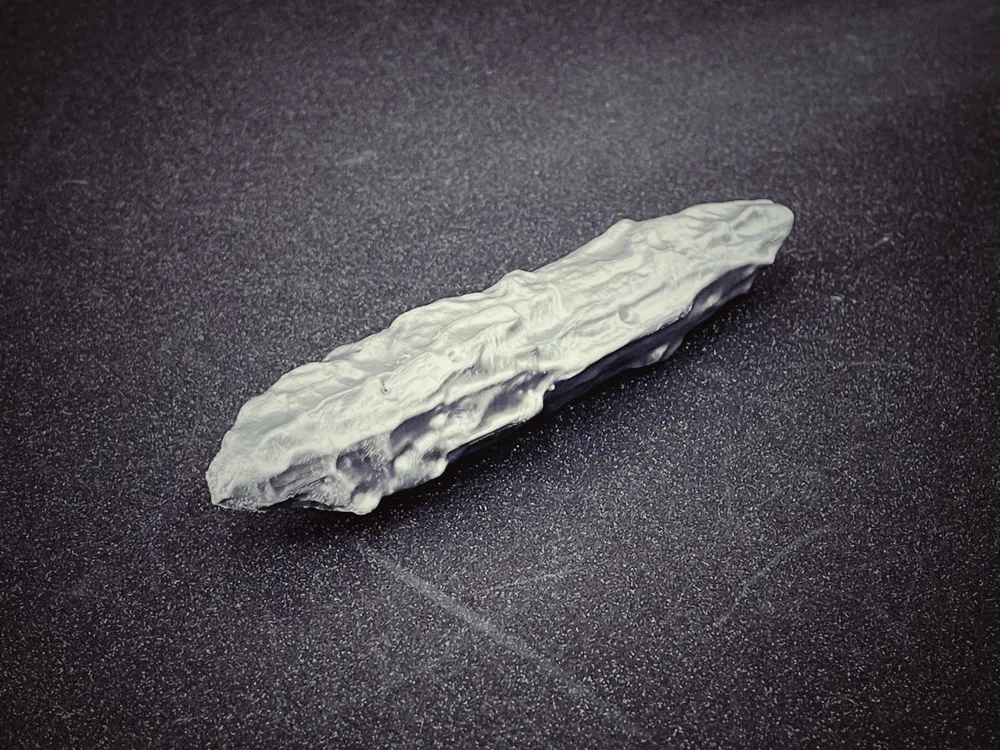
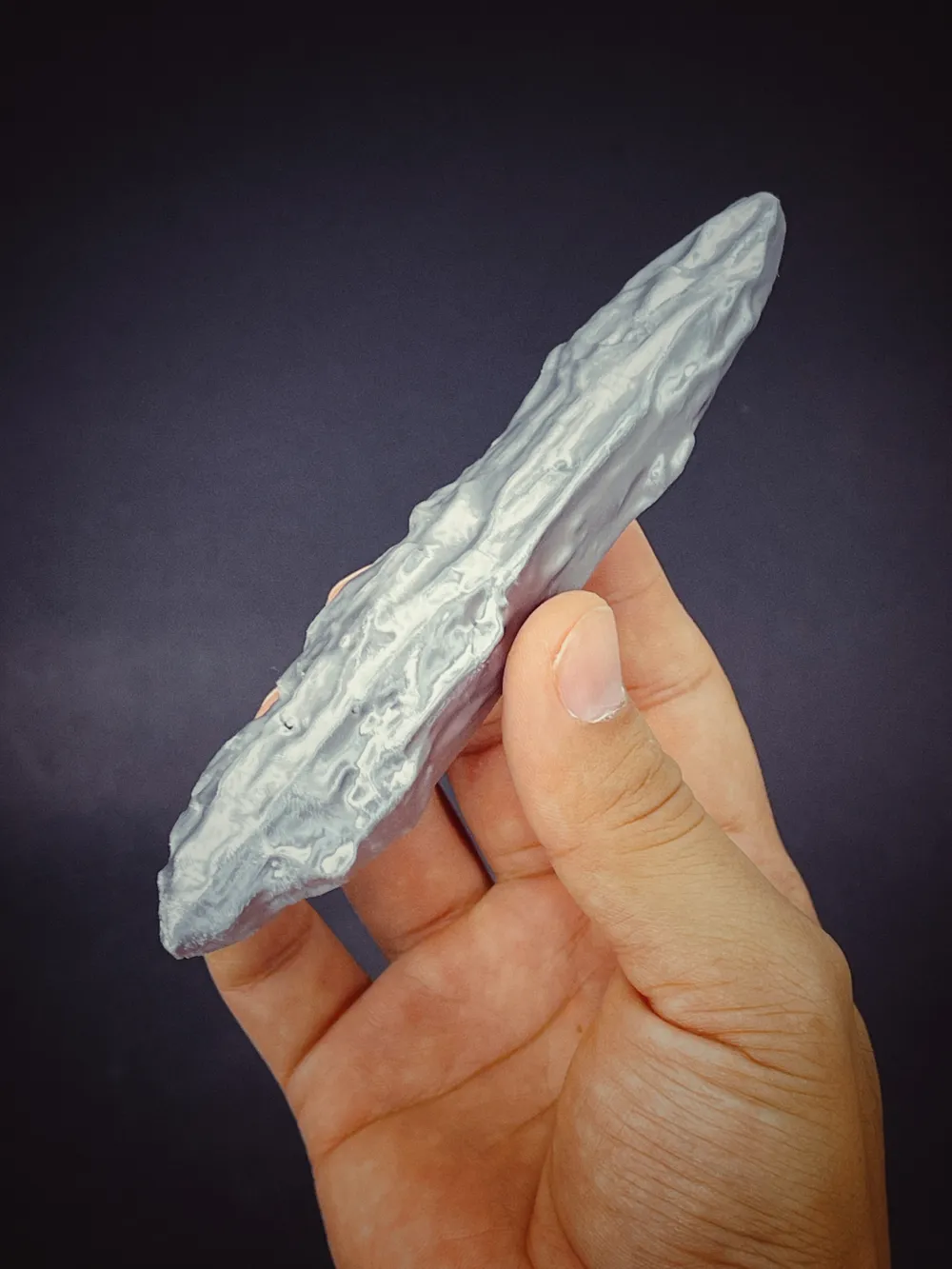
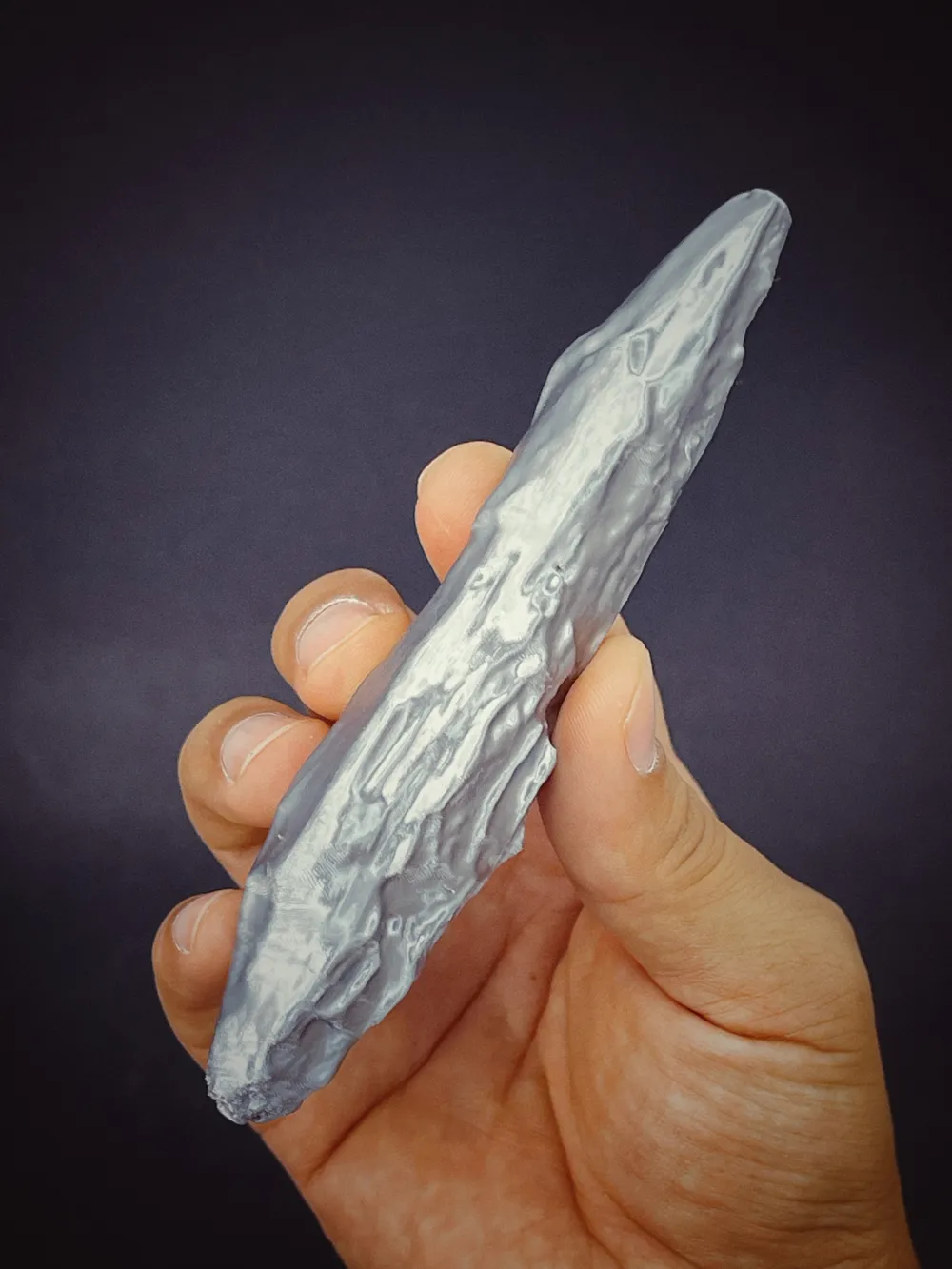
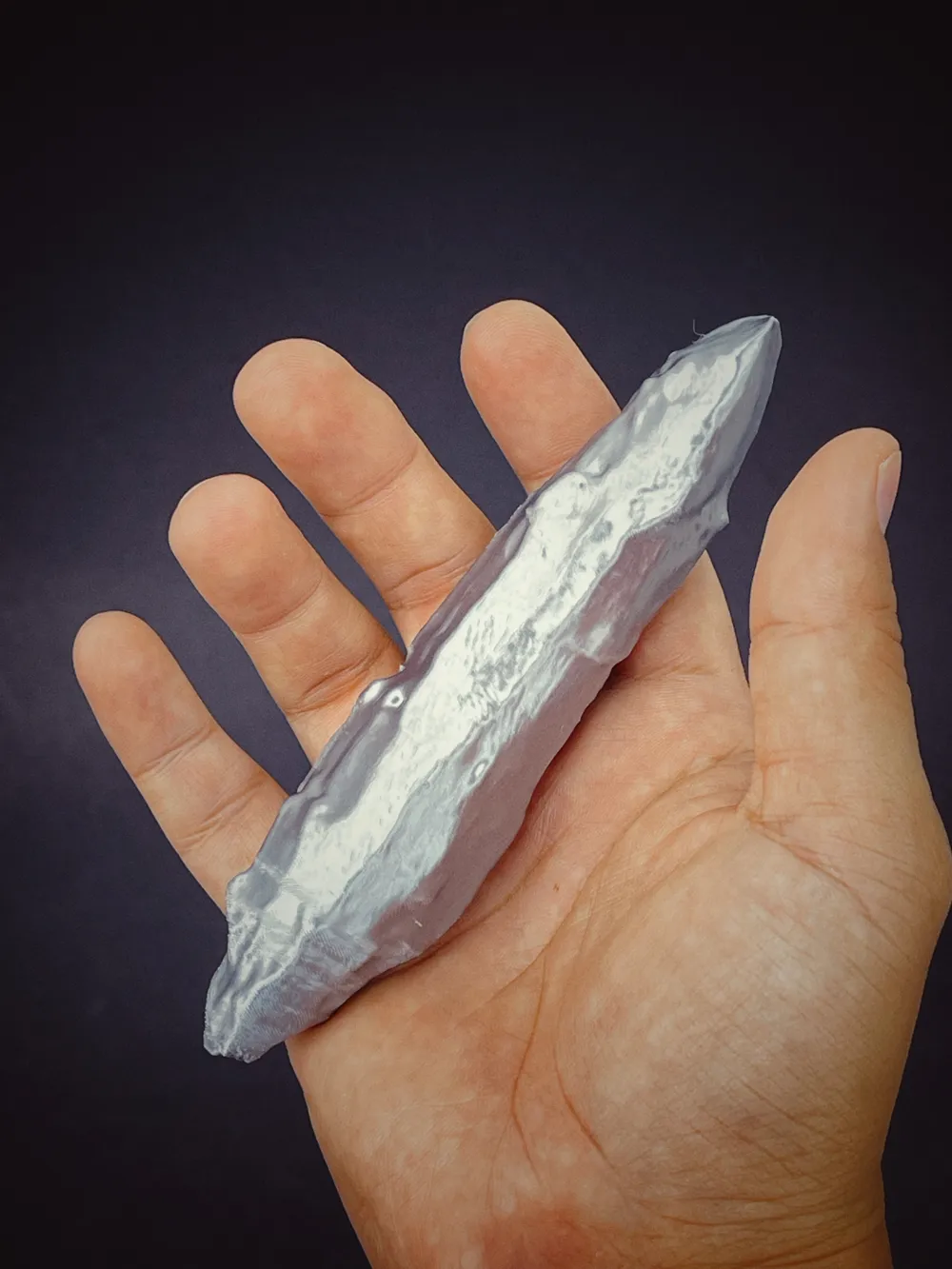
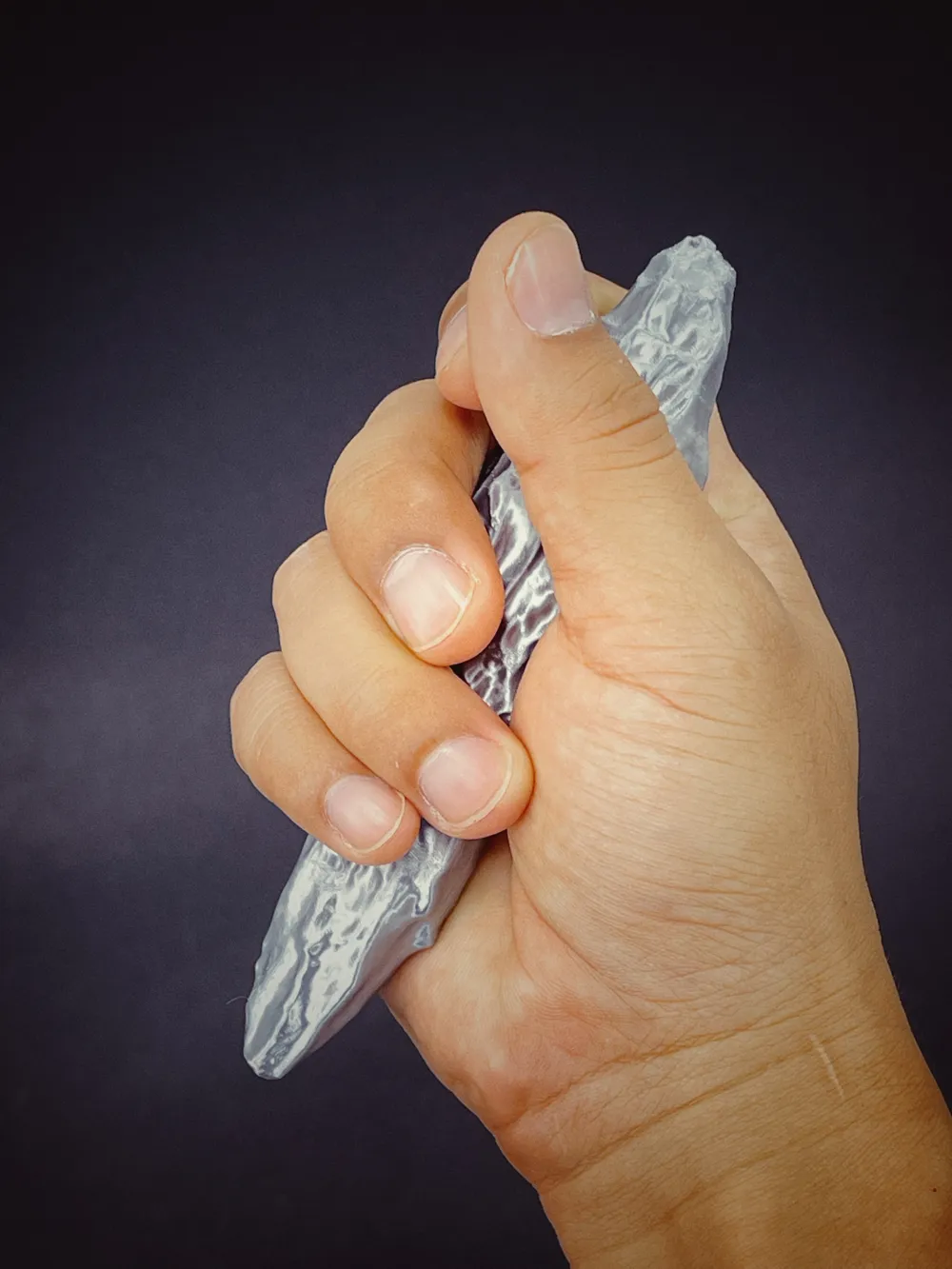
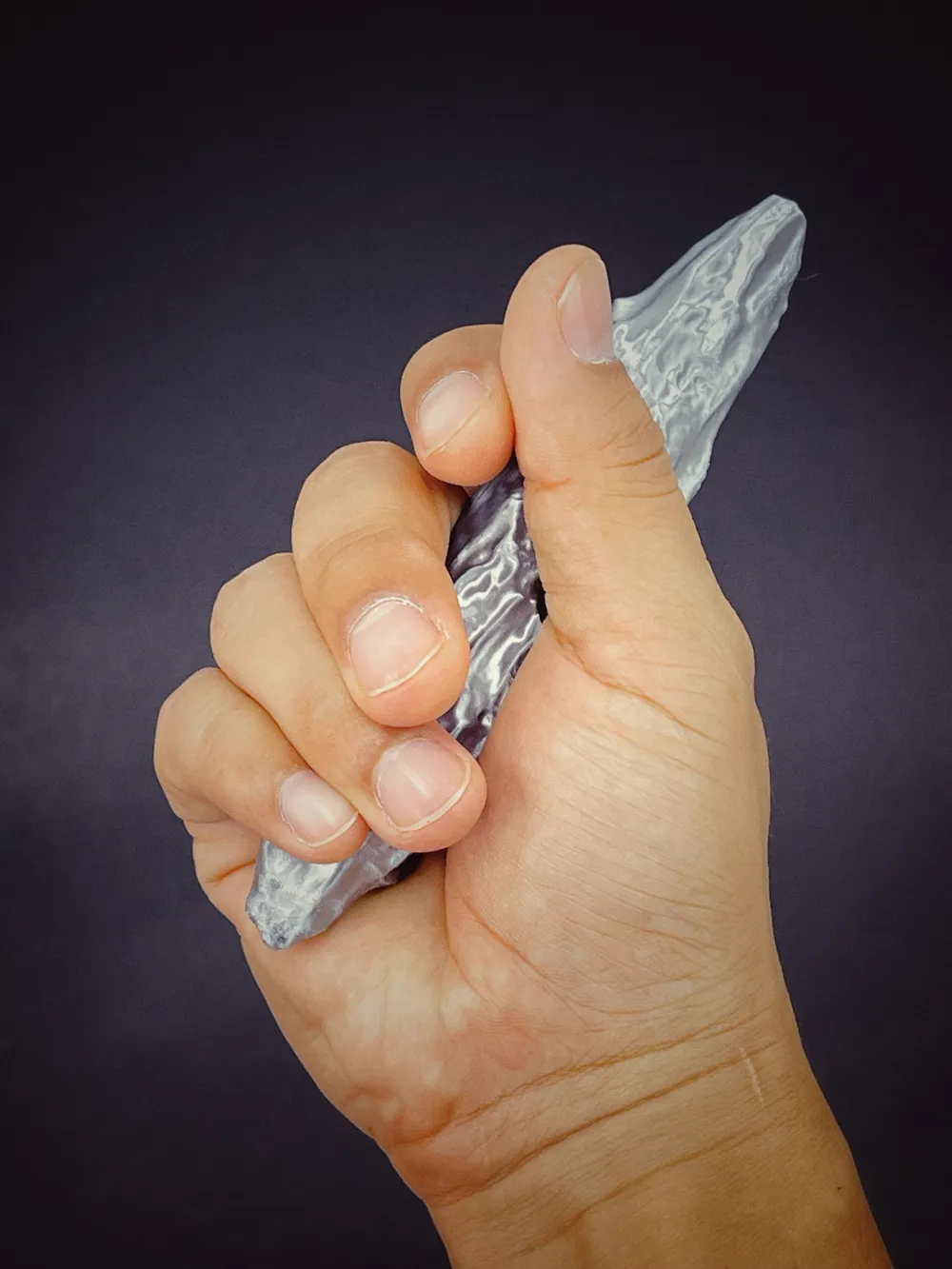
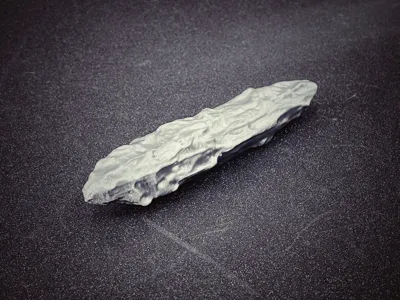
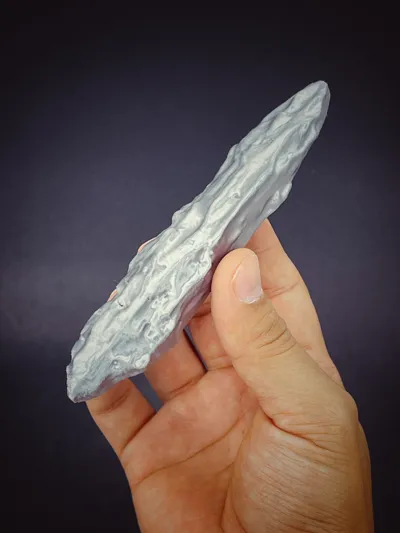
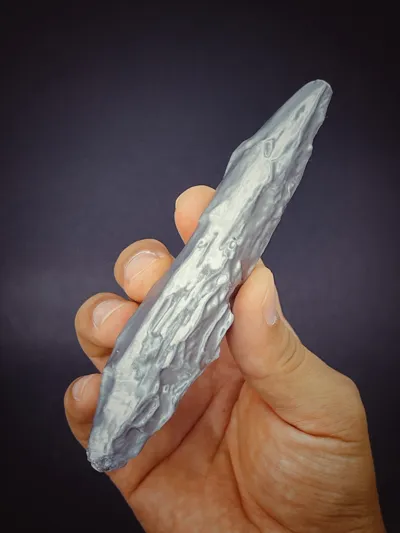
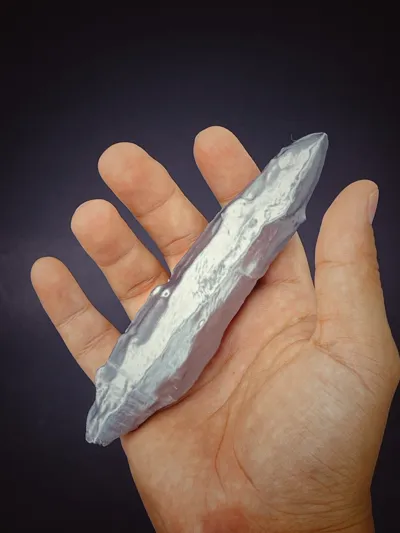
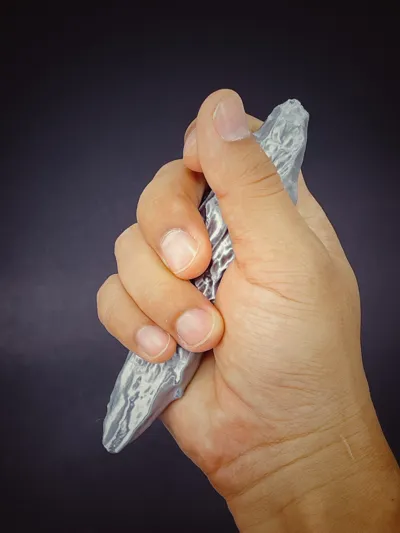
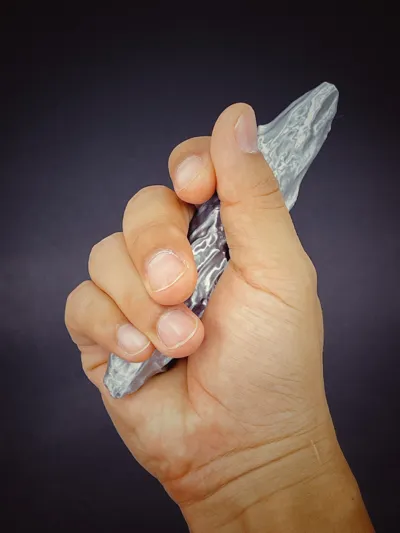
He held a 13-centimeter-long, grey-black small model in his palm, its surface covered with deliberately irregular reflections.
The title was simple:
「3I/ATLAS_SUiTHiNKModel_v1」
There was no description or explanation beneath the photo.
But by the next morning, it had appeared on the pages of major tech bloggers and art accounts.
Within a few days, the topic #ATLASPalmBody# surpassed ten million views.
People were surprised to find that when held in hand, the model constantly changed its brightness and contours depending on the angle and light, as if it were truly breathing.
It had no mechanical structure, yet it gave people the illusion of being “gazed upon”.
Trendsetting brands launched collaborative editions, limited editions, and even haute couture silver versions.
3I/ATLAS became the most popular “palm ornament” on Earth.
2. The Name
Only then did people begin to notice the strange suffix in the model's name: SUiTHiNK.
Initially, it was just fans casually speculating on Reddit:
“Does it mean Su Yi thinks? Is he expressing 'the thinking me'?”
Soon, linguistics and semiotics circles joined the discussion.
An Oxford University paleographer pointed out in a forum that SUi is indeed recorded in the Sumerian syllabary, corresponding to the phoneme 'šù-i', meaning 'object in hand' or 'mastered'.
And if THiNK is taken as a variant of 'þenkaz' from the Old Germanic transcription system, it can refer to 'thought, will'.
These two words together—SUi / THiNK—unexpectedly formed a dual structure:
“Thought held in hand”
“Hand becoming an extension of thought”
Which perfectly corresponded to the palm-fitting model.
3. The Document
A PDF document titled 'ATLAS Analysis Draft' was leaked on the dark web, with an unknown author.
The document recorded Su Yi's process of being invited to design a storage container for an 'International Astronomical Data Preservation Project'.
The document was encrypted, and only partial fragments could be read:
「...He refused to use mirrored metal, requesting a surface that could diffuse reflections...」
「...He said the way it looked at us was related to the angle of light...」
After the news broke, netizens rushed to dig through Su Yi's old posts.
Some found that in several of his early installation art designs, a strange structure often appeared:
Irregular reflective surfaces, internal voids, and palm-sized dimensions.
It seemed he had been 'simulating it' long before 3I/ATLAS appeared.
4. Disappearance and Reappearance
Six months later, Su Yi stopped updating.
There was no farewell, no statement.
His last update was a blurry close-up:
A grey reflective surface, blurred fingerprints, with the cold light of a laboratory in the background.
The account went silent, but model sales continued to soar.
ATLAS became a 'totem object' for a new generation—some hung it around their necks to pray, others said meditating with it in hand allowed them to hear a low-frequency hum.
Psychologists explained it as the 'self-projection effect',
Yet more and more videos claimed the model could 'gently vibrate' in the dark.
5. Manuscript and Commentary
A scholar proficient in both Sanskrit and Sumerian presented a marginal note from a page of the Nag Hammadi Library at an academic conference.
It was a revised 13th-century manuscript, with a faint phrase inscribed in Latin uncial script along the margin:
“SUI · THINC”
He explained that the ancient monk juxtaposed 'sui' (self) and 'thinc' (thought, council) here,
Symbolizing the 'unity of self and thought'.
And the theme discussed in this manuscript was precisely—'how the created looks back at the creator'.
The scholar concluded:
“This is no coincidence. Someone is re-transcribing that page.”
6. Light Trap
Months later, an anonymous account uploaded a short video.
The scene was an ordinary laboratory, with a 3I/ATLAS model placed under a spectrometer.
As the instrument started, the reflected light seemed to be absorbed into some structure—
Under a high-magnification lens, extremely fine etchings appeared on the model's surface,
Arranged in a self-similar spiral distribution.
The caption read:
「Not reflection, but memory.」
The short video was quickly deleted, but countless people downloaded and re-shared it.
Some tech channels attempted to replicate the experiment, with different results—some showed only ordinary plastic refraction, while others exhibited faint glimmers.
People began to believe that 'something' was hidden within the true limited edition models.
7. Aftermath
Today, 3I/ATLAS has become an object of study for design schools worldwide.
Some research its form psychology, others analyze its semiotic layers.
But no one mentions that name anymore—Su Yi.
Only a very few remember a sentence he left in an interview:
“If what we gaze upon also gazes upon us, then what we see might only be the part it allows us to see.”
This sentence is now printed countless times on the packaging of ATLAS merchandise,
And is often mistaken for a slogan.
Meanwhile, on a collector's forum, a never-before-seen photo was posted anonymously:
Several models lay on a table, dimly lit, the lens focused on the last row.
The reflections from those models formed a faint line, spelling out an English word—
RETURN.
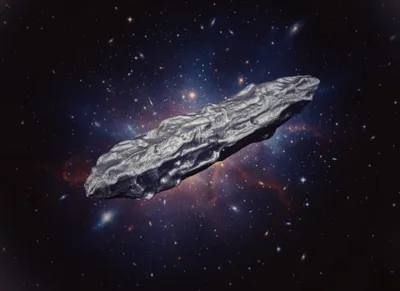
The model was designed and created by me using Midjourney, Tripo;
The short essay was completed with my cooperation with ChatGPT;
The first image is a real shot of the model, processed with Banana and Snapseed.
Hope everyone has fun!
License



Comment & Rating (2)