
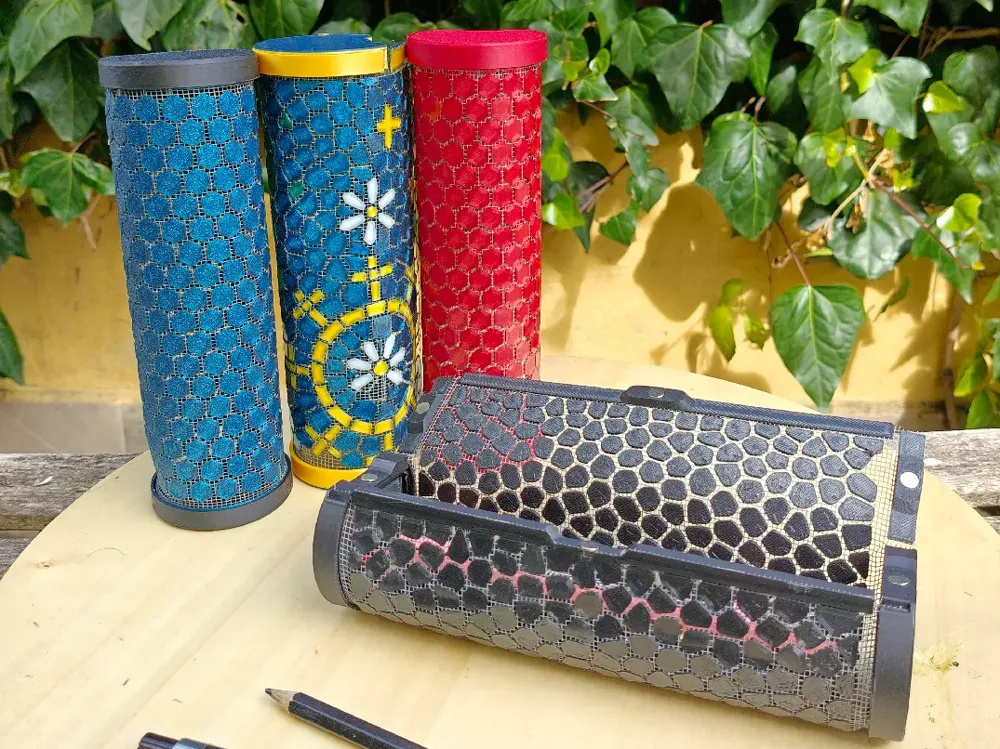
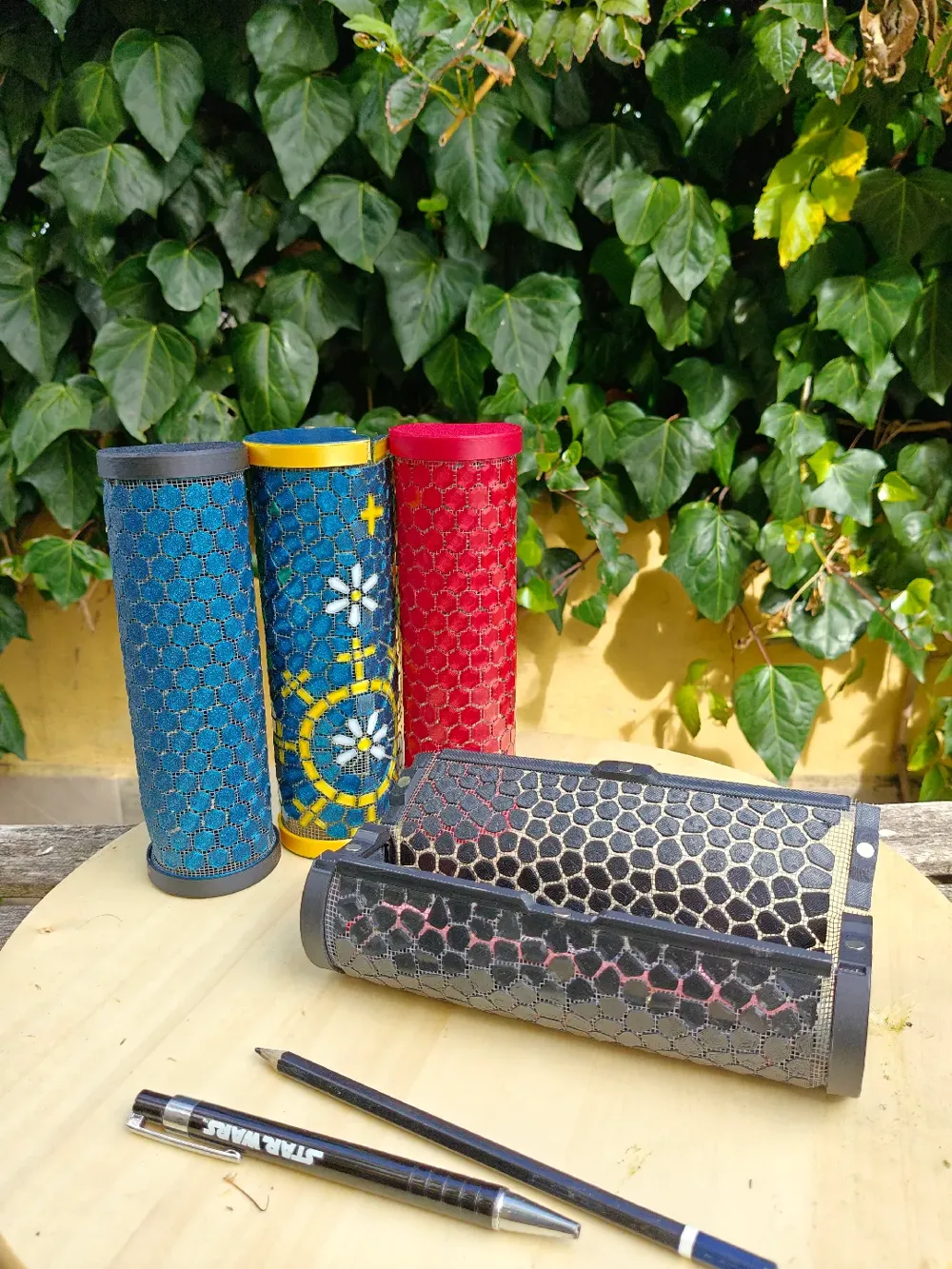
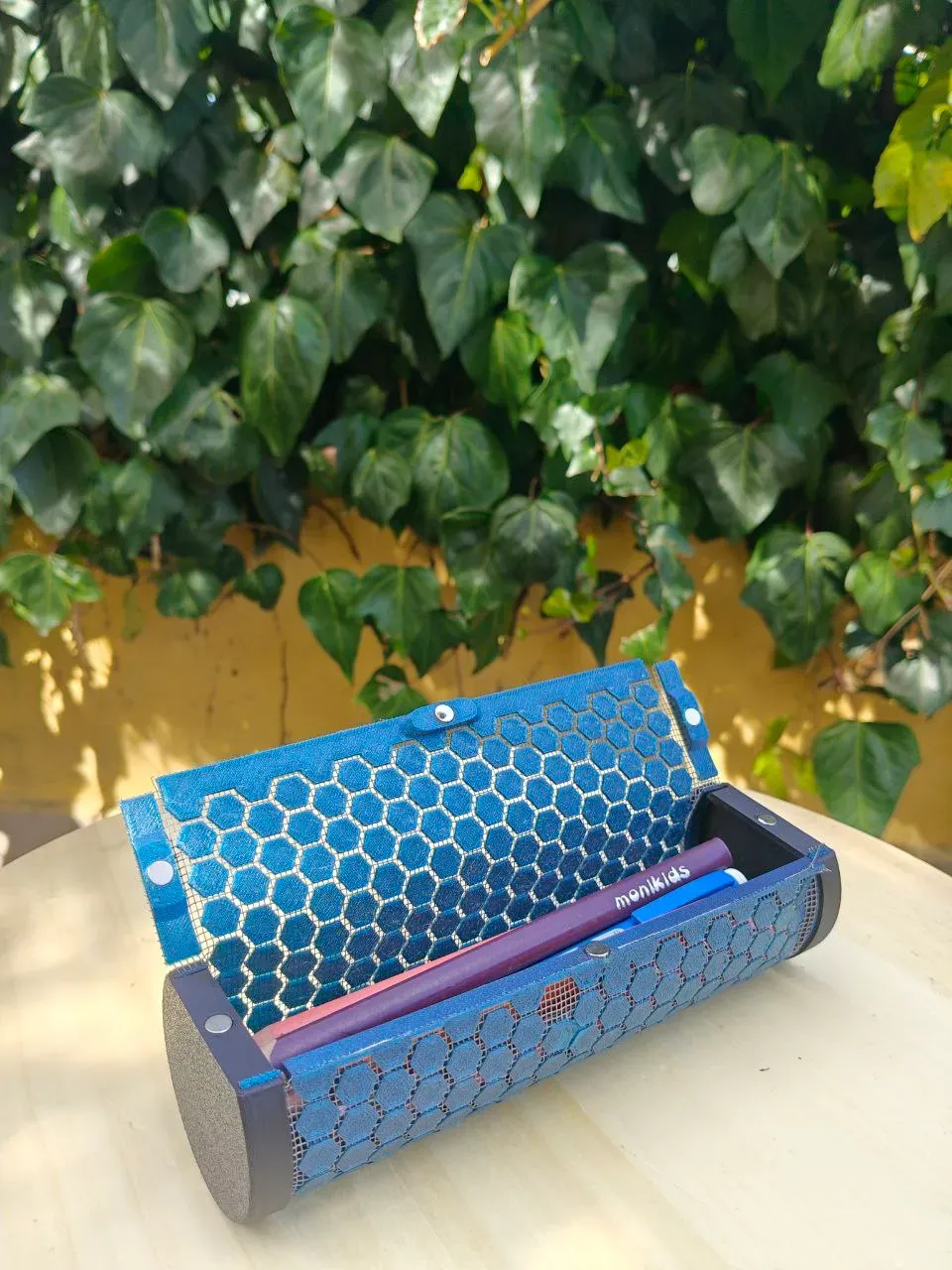

Pencil case
Print Profile(1)

Bill of Materials
- Fabric mesh x 1: 220x220mm
Description
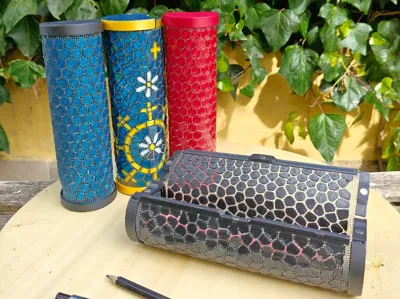
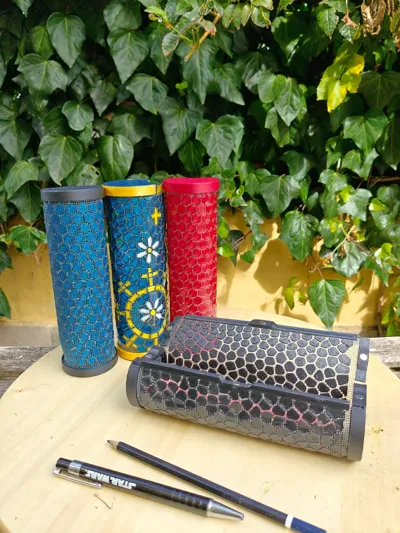
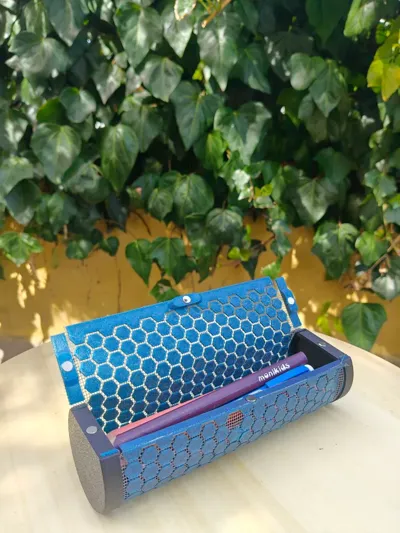
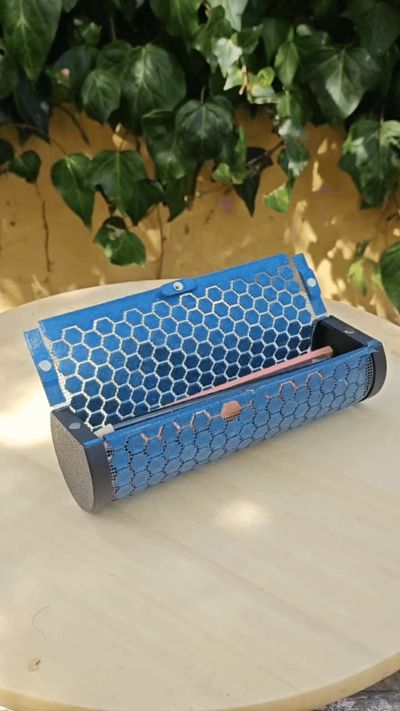
The case is made of two 3D-printed parts (PLA or any rigid filament) and a mosquito net insert, which is integrated directly during the printing process.
📦 Materials Needed
Mosquito net (or any thin, strong fabric)
Small magnets for closure 6x3mm (This one)
Super glue (optional, for reinforcement)
🖨 Printing
Slice the STL files in your slicer of choice.
Start the print and pause at layer 3 (if printing at 0.2 mm layer height), where the net should be embedded.
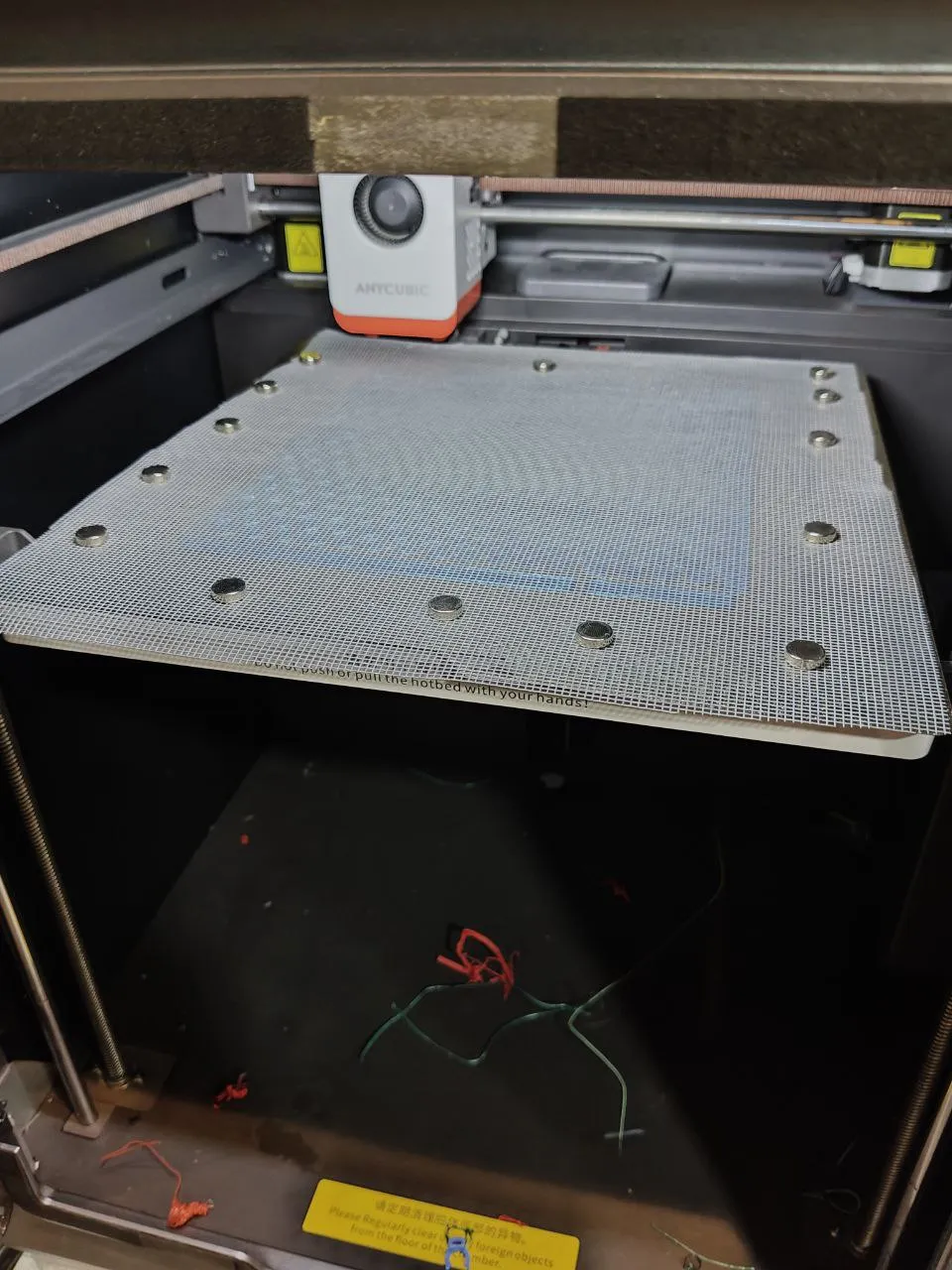
Place the cut mosquito net onto the build plate and use magnets to keep it flush against the printed layer.
Resume the print – the following layers will trap the fabric inside.
🛠 Assembly
Trim off any excess fabric around the printed edges.
Insert the net into the side slots. If printing with PLA, you can use a hairdryer to gently soften the print.
Attach magnets for the closing system.
(Optional) Apply a thin line of glue to secure the fabric more firmly.
✅ Tips
Use PLA or PETG for better adhesion to the fabric.
Thinner mesh works best, as it fuses more easily with the filament.
You can experiment with alternative fabrics (tulle, synthetic mesh, technical textiles).
License



Comment & Rating (0)