
Boom Supersonic XB-1 "Baby Boom" (Scale Model)
Print Profile(1)

Description
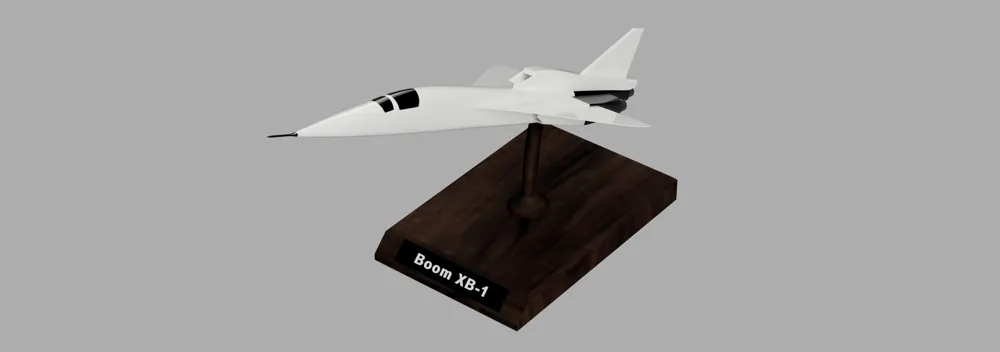
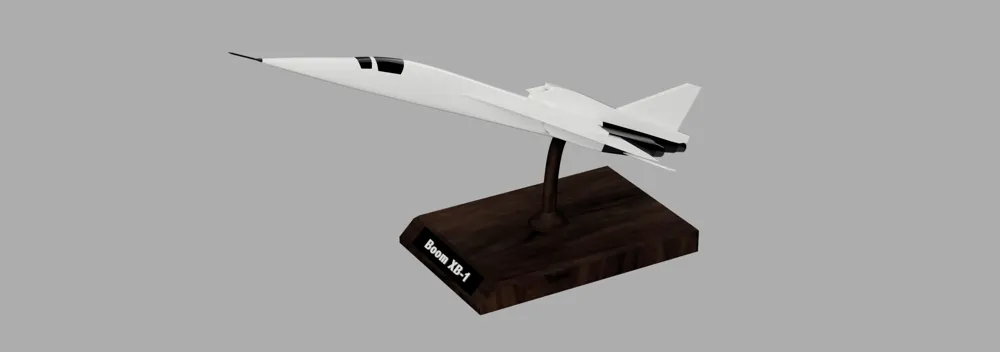
Boom Supersonic XB-1 "Baby Boom" (Scale Model)
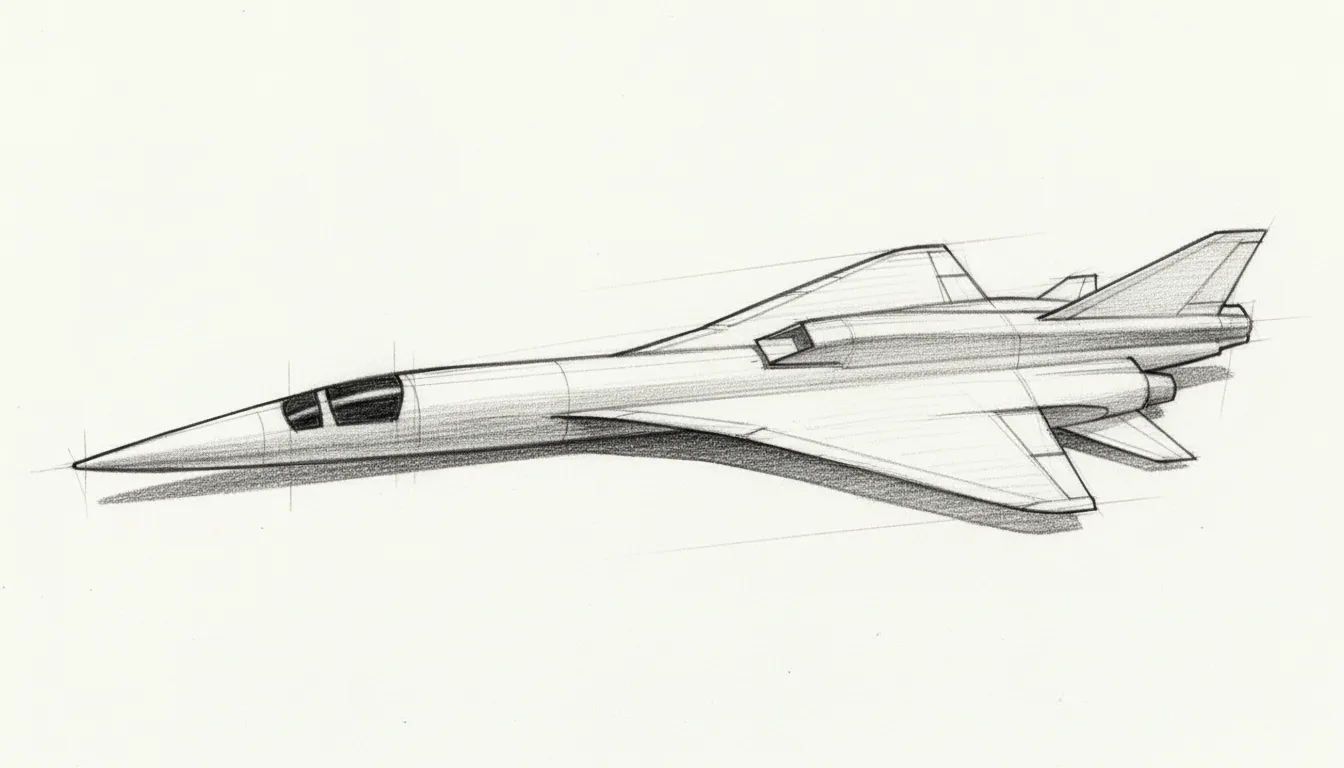
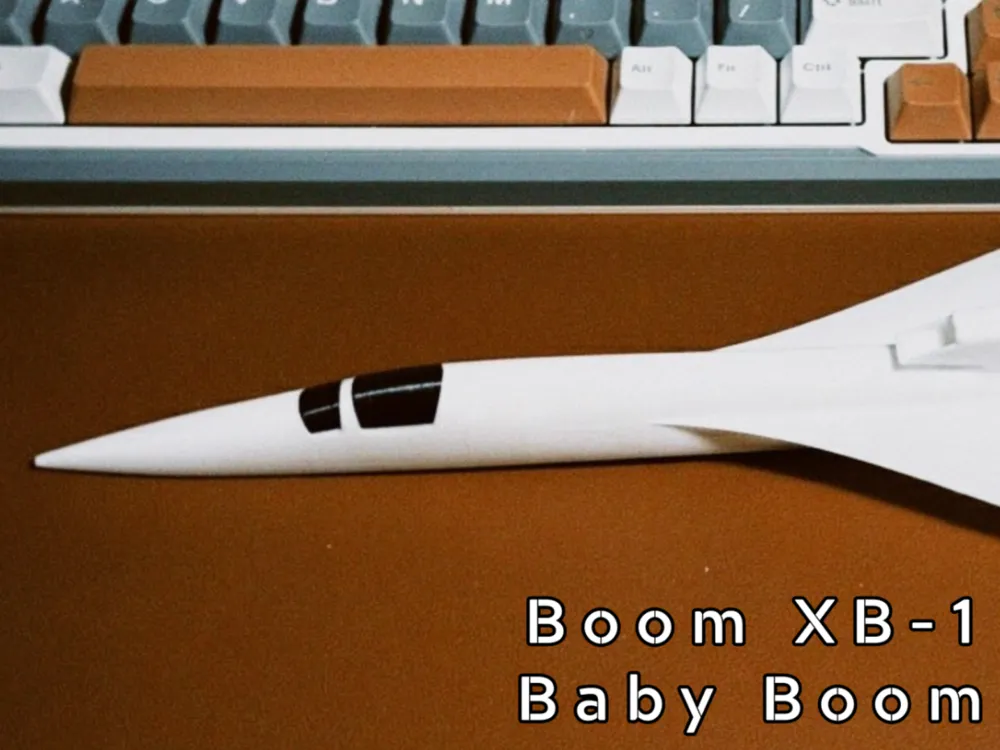
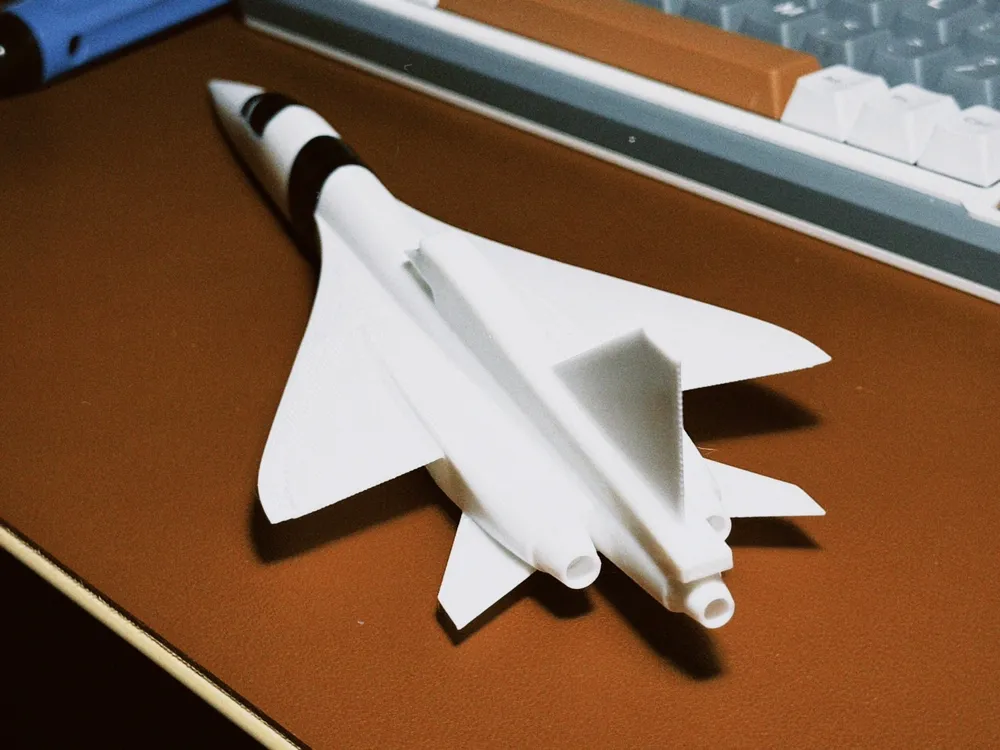
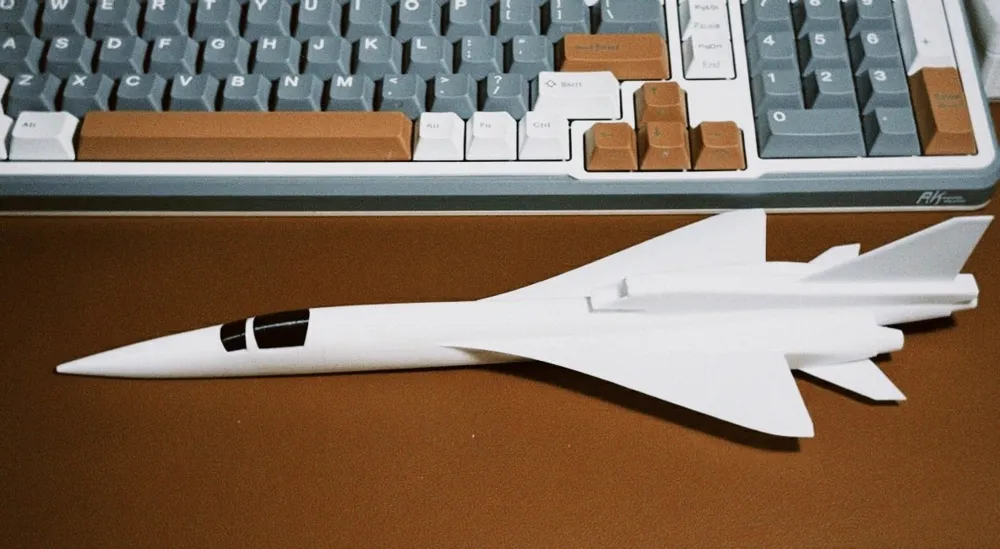
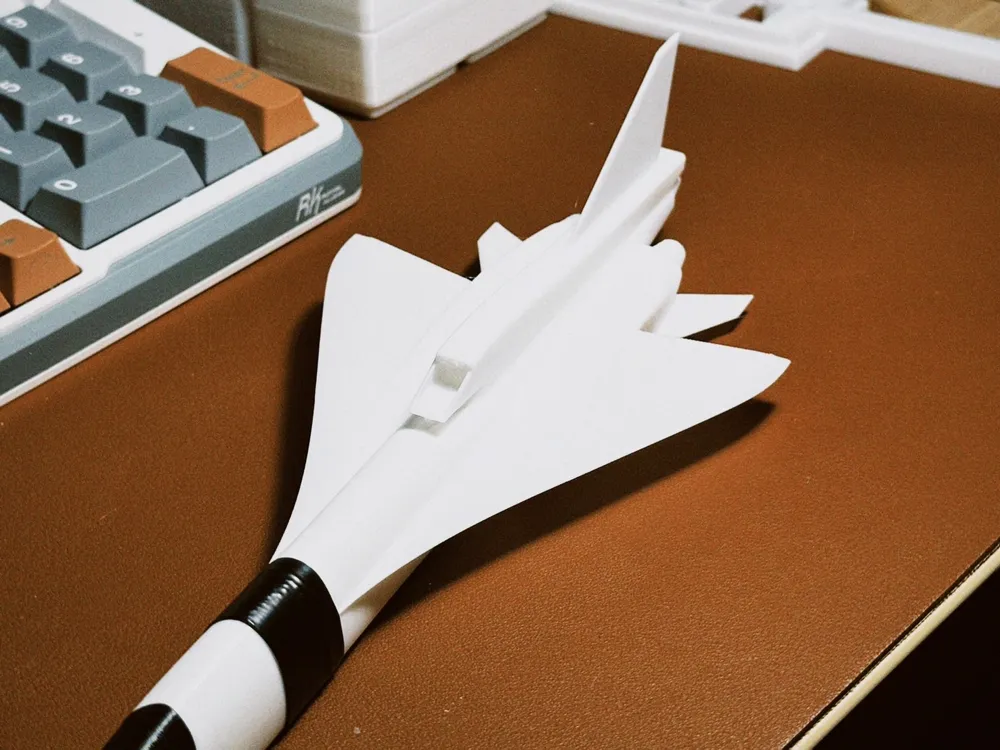
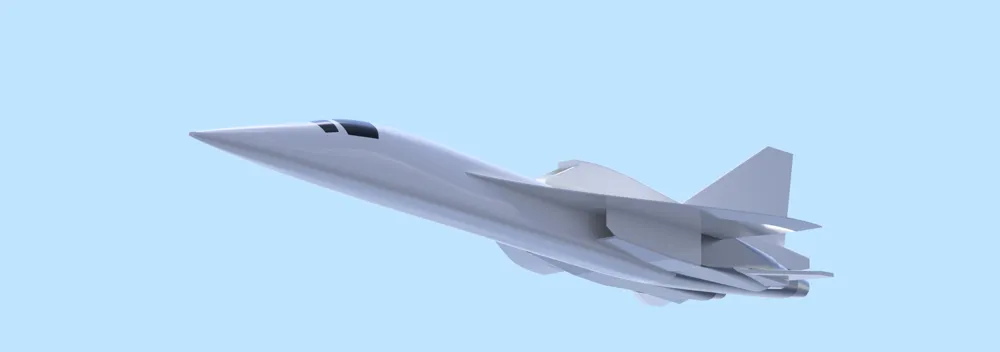
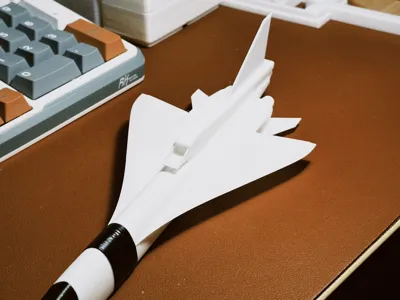
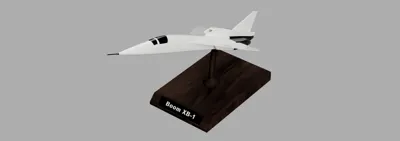
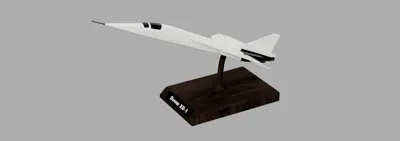
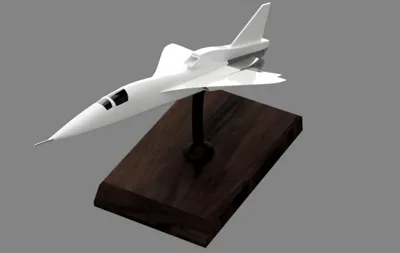
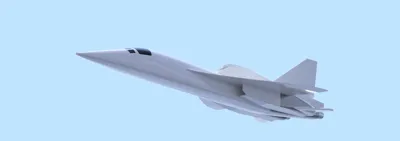
This is a scale model of the Boom Supersonic XB-1 technology demonstrator aircraft, affectionately known as the "Baby Boom." The XB-1 was built to test and validate the critical technologies required for the future Overture supersonic transport airliner.
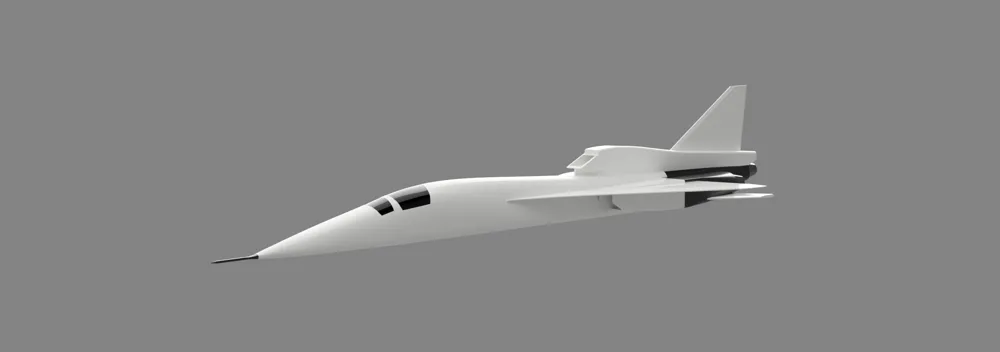
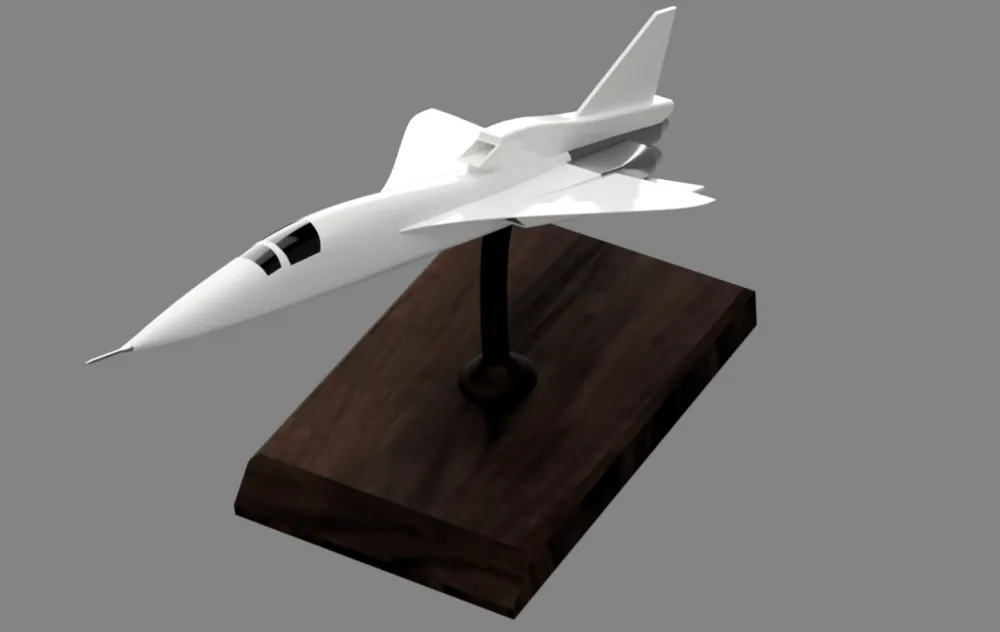
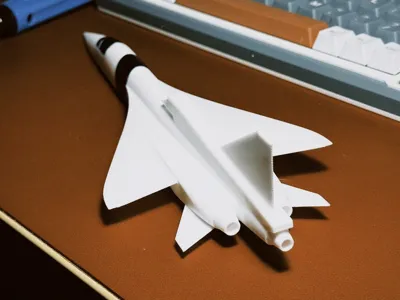
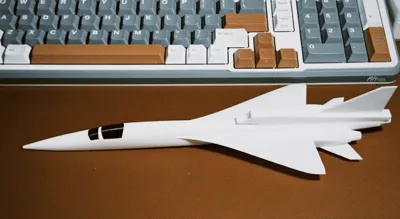
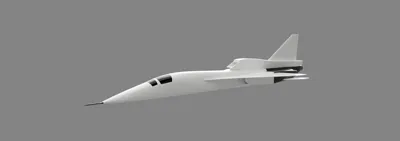
This multi-part model is designed for easy printing and assembly, capturing the aircraft's distinctive slender fuselage, highly-swept delta wing, and trijet engine configuration (three General Electric J85 engines). It is an excellent addition for aviation enthusiasts, aerospace students, and collectors of pioneering test aircraft.
Background Information
The Boom XB-1 is a retired trijet supersonic demonstrator developed by Boom Technology in the United States. Its primary purpose was to prove the feasibility of key innovations such as advanced aerodynamic design and composite airframe.
Development and Key Milestones
The XB-1 program was a multi-year effort that culminated in several significant achievements:
- Unveiling: The original design was unveiled in Denver, Colorado, on November 15, 2016.
- First Flight: The aircraft conducted its maiden flight on March 22, 2024, flown from the Mojave Air and Space Port.
- Supersonic Breakthrough: On January 28, 2025, the XB-1 made history by becoming the first privately developed jet aircraft to break the sound barrier, reaching a top speed of Mach 1.1 over the Black Mountain Supersonic Corridor.
- Program Conclusion: The flight test program concluded on February 10, 2025, after a second supersonic flight, marking the successful retirement of the demonstrator.
Design and Capabilities
The XB-1's design was entirely optimized for high-speed, efficient supersonic cruise:
- Propulsion: It was powered by three General Electric J85-15 afterburning turbojet engines.
- Aerodynamics: The aircraft features an extremely slender fuselage (high fineness ratio) and a sharp, swept-back delta wing to minimize drag at Mach 1.1 and beyond.
- Materials: To withstand the high aerodynamic heating generated at supersonic speeds—with nose temperatures up to 307∘F (153∘C)—the aircraft was constructed primarily from carbon-fiber composites, titanium, and stainless steel.
- Augmented Vision: Due to the long, sharp nose, the XB-1 utilized a Forward-Looking Vision System (FLVS)—an augmented reality view—to provide the pilot with clear runway visibility during low-speed operations, avoiding the need for a complex, heavy drooping nose cone like the Concorde's.
Specifications (XB-1 Demonstrator)
| Characteristic | Detail |
|---|---|
| Type | Supersonic Technology Demonstrator |
| Length | 62.6 ft (19.1 m) |
| Wingspan | 21 ft (6.4 m) |
| Max Takeoff Weight | 13,500 lb (6,123 kg) |
| Maximum Speed Reached | Mach 1.1 |
Printing Notes and File Versions
This model is designed for straightforward printing and assembly. The print profile has the fuselage divided into sections for optimal quality.
Components & Assembly
- Fuselage: The main body is split into two sections: Front and Aft, allowing for easier printing.
- For those with a larger printer, you can download the provided .STEP file and printed as a whole.
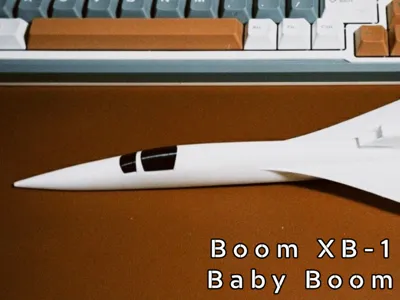
- Cockpit: The cockpit is a separate piece that should be printed in a contrasting color (e.g., black) and inserted into the front fuselage section.
- Adhesive: Use a strong adhesive, such as CA glue (also known as super glue), for permanent assembly.
Display Options
- With Stand: A separate stand is included for those who prefer an elevated display.
- No Stand (Plug Option): If you prefer a clean, gear-down look without a stand, a plug can be printed and inserted into the hole at the bottom of the fuselage, providing a flat display surface.
File Versions & Scaling
- File Versions: Both a traditional STL and a STEP file are provided, including two versions of the nose: one Pitot version (with the nose-mounted pitot tube) and one Non-Pitot version (without the tube).
- Pitot Tube Guidance: The Pitot tube is a very fine detail. For the best printing results, we recommend printing the Non-Pitot version first. If you use the Pitot version, you will need to scale the model up significantly to ensure the fine tube prints accurately and is not too fragile.
Disclaimers
This model is a personal hobby project based entirely on publicly available imagery and general information; no proprietary, sensitive, or classified technical data was used in its creation. It is not affiliated with, nor endorsed by, any defense organization, manufacturer, or the creator's professional or academic work. This is a static, non-functional scale model intended for display and educational purposes only. It is not a weapon and cannot be made to function as one.
Disclaimer
This model is a personal hobby project based entirely on publicly available imagery and general information; no proprietary, sensitive, or classified technical data was used in its creation. It is not affiliated with, nor endorsed by, any defense organization, manufacturer, or the creator's professional or academic work. This is a static, non-functional scale model intended solely for display and educational purposes. It is not a weapon and cannot be made to function as one.
License

You shall not share, sub-license, sell, rent, host, transfer, or distribute in any way the digital or 3D printed versions of this object, nor any other derivative work of this object in its digital or physical format (including - but not limited to - remixes of this object, and hosting on other digital platforms). The objects may not be used without permission in any way whatsoever in which you charge money, or collect fees.


Comment & Rating (0)