
Daylight Lithophane (Auto-dimming)
Print Profile(2)


Description
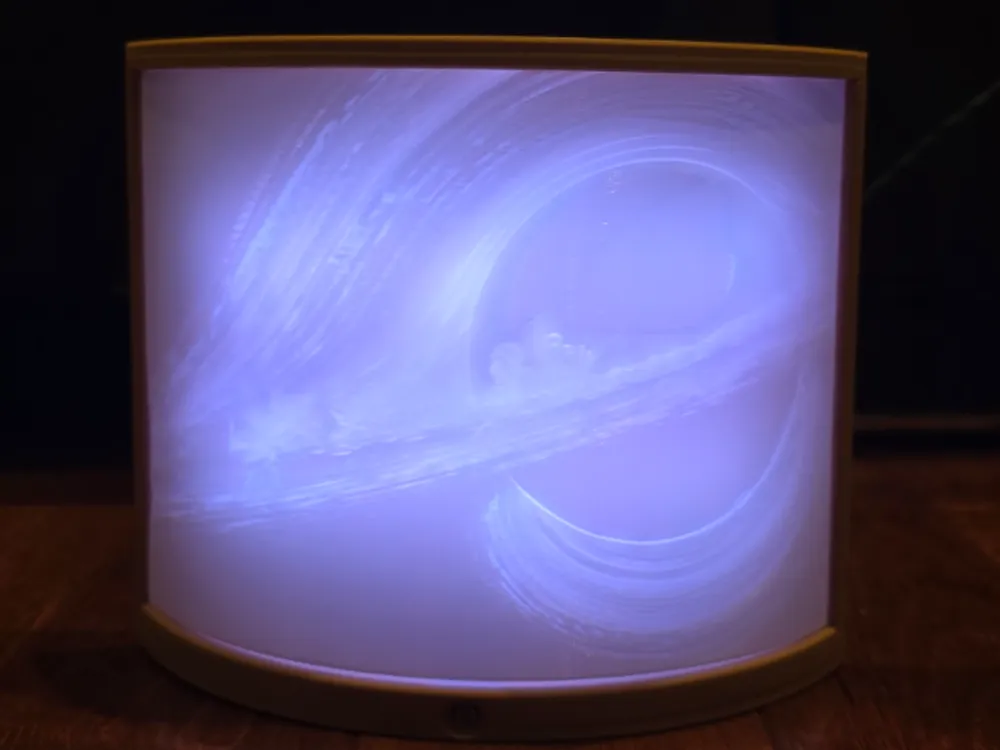
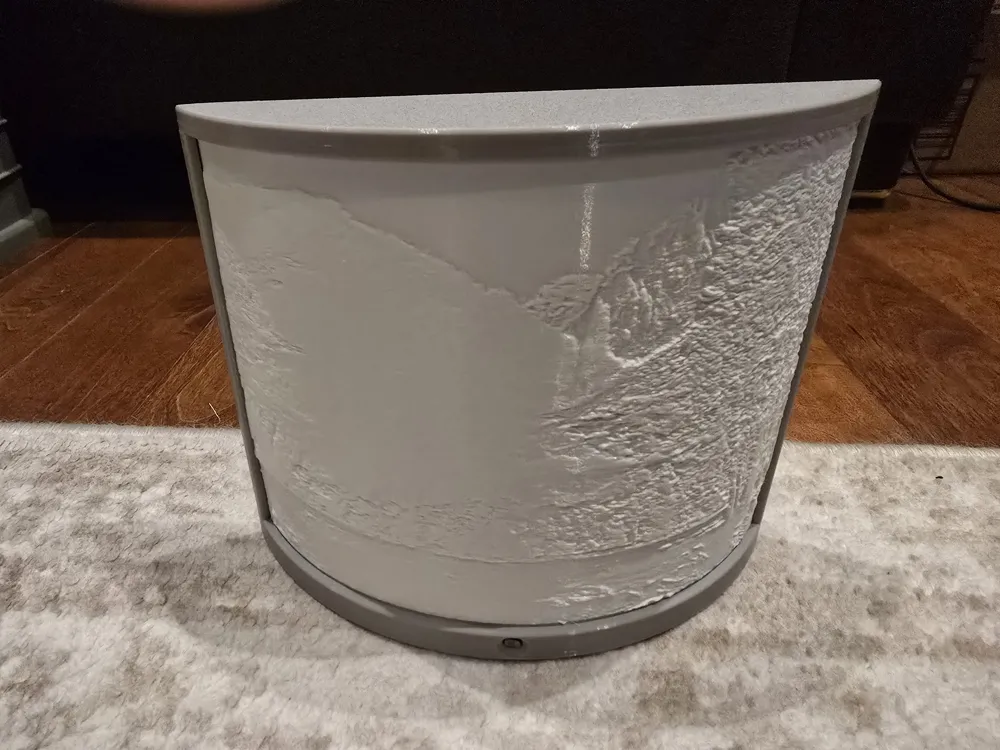
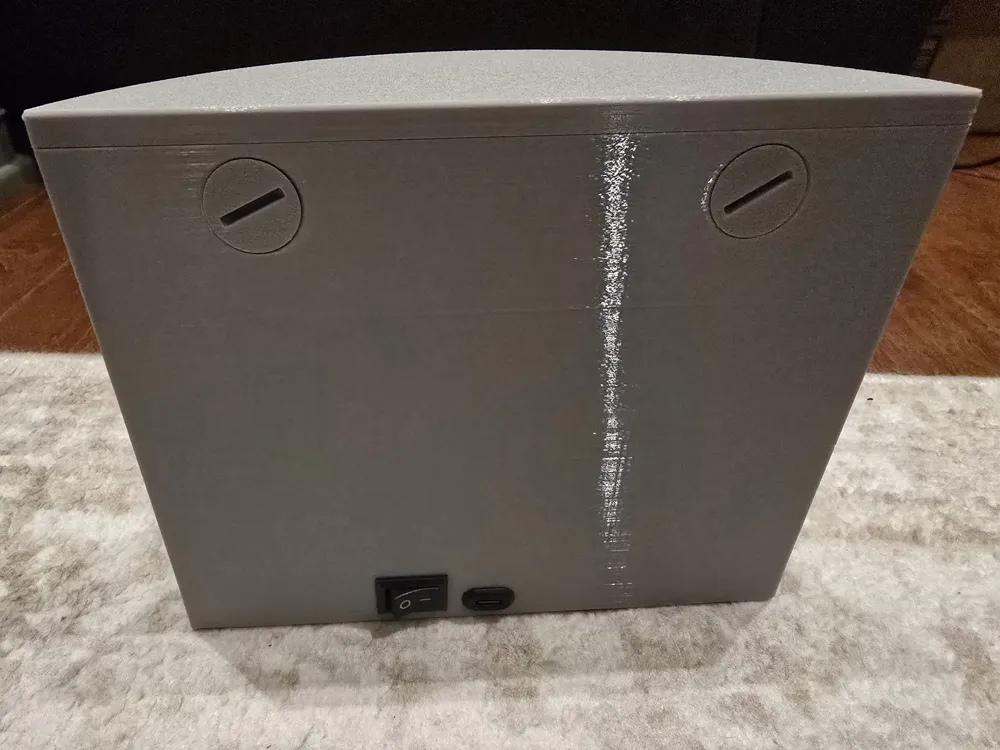
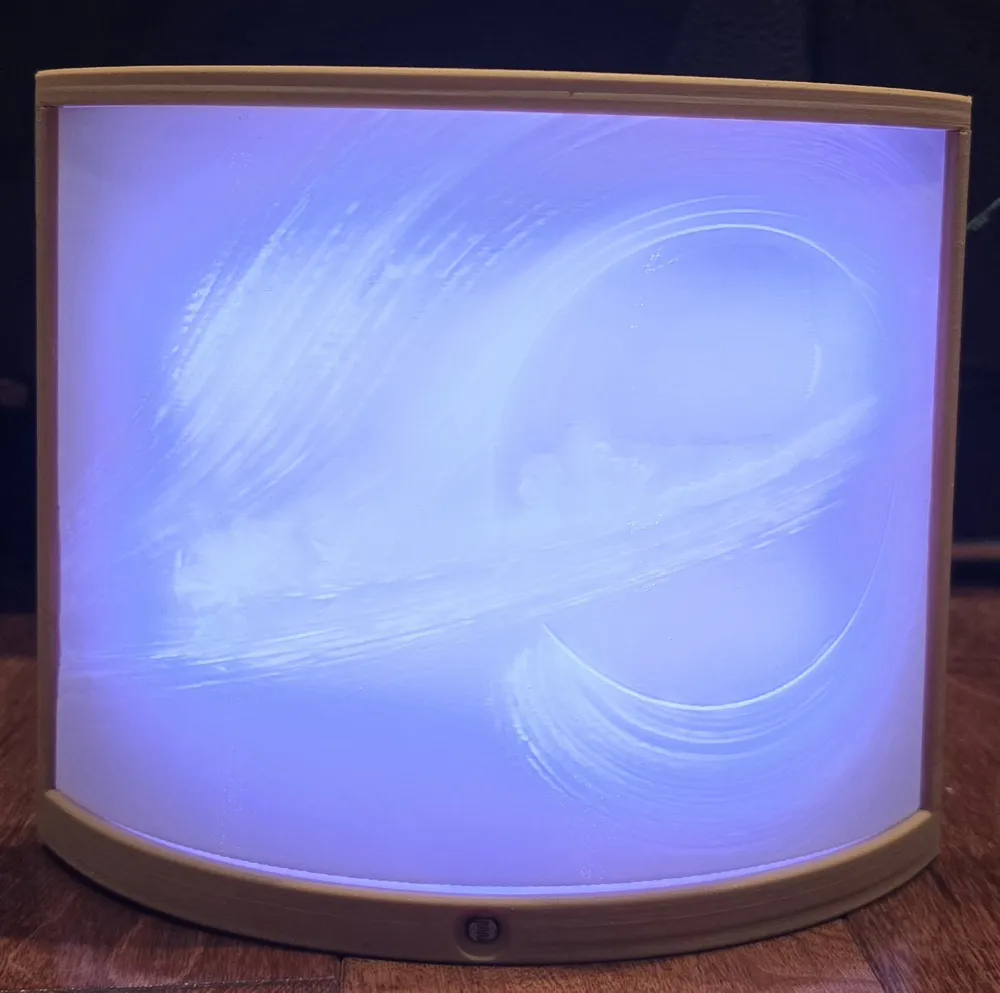
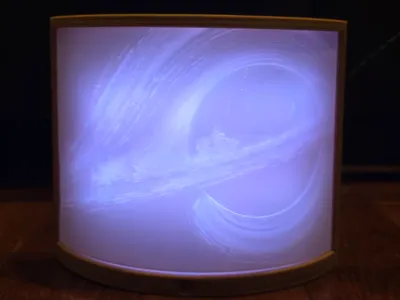
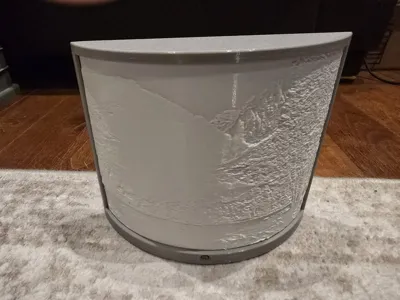
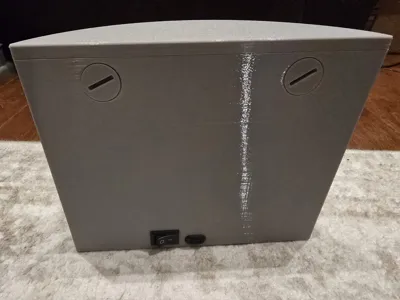
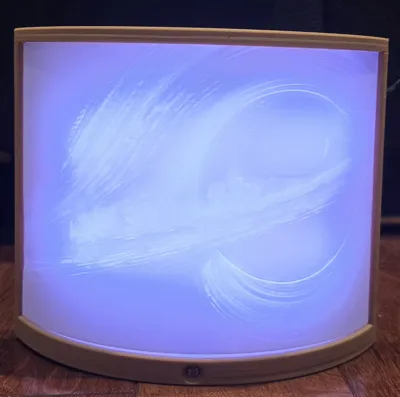
This is a auto-dimming lithophane with a 120 degree arc, the light brightness is controlled via an Arduino Nano with a light sensor module. It can be built without any soldering, though I have included a build plate where LEDs can be soldered for a better connection. You only need to print one plate version of the case and then replace the lithophane plate with your customized STL.
Please follow the instructions provided in the pdf file and please find the necessary components below. I don't like giving product links as I cannot vouch for specific sellers, and also AliExpress links don't go to the specific options, you can search for the names as-is on AliExpress and it would show up, pick one that is cheapest. I usually buy bulk to build a few of these boxes.
Components needed:
WS2812B 60 leds/m IP30, 1x8 and 1x7 led pieces needed (total 15 LEDs), if soldering then you need 12 LEDS
1x Arduino Nano 3.0 please pick a welded version to avoid soldering, type c is a good choice as well but doesn't matter.
1x LM393 4pin Optical Sensitive Resistance Light Detection Photosensitive Sensor Module for Arduino (important note: pick 4pin ones containing analog pin, not the 3pin version)
1x 300-470 ohm resistor
5cm 5mm-diameter shrink tubing
3x 3Pin 10mm Solderless Quick Connectors Strip to Wire For Led - this is not needed if solder version is printed
1x 2Pin Pre-Wiring Swing Switch - not needed if no_switch version is printed, personally I don't prefer switches, you could always remove from the USB or maybe just put a smart plug behind it.
20cm 3x 22AWG stranded wire
10cm 1x 22AWG solid wire (it can be 20awg as well)
3x grey wire nut (smallest version to allow 18-22 AWG)
2x 10cm female to female Dupont cable
3x 30cm female to female Dupont cable (we cut these into half having 6 in total making female dupont to bare cables)
1x Type-C Chassis 2 Pin Type-C Socket Connector Jack Female Charging Port - please note that this does not conform to the USB-C standard (it is missing resistors to tell the USB-C charger that it needs 5V), you would have to use a USB-A to USB-C cable. There is a better version but it is a cutout without soldered pins, I might remix the model later on but this improvement does not warrant spending any more time on this model.
Documentation (1)
License



Comment & Rating (0)