
MINI R56 small engine mount insert filling
Print Profile(1)

Description
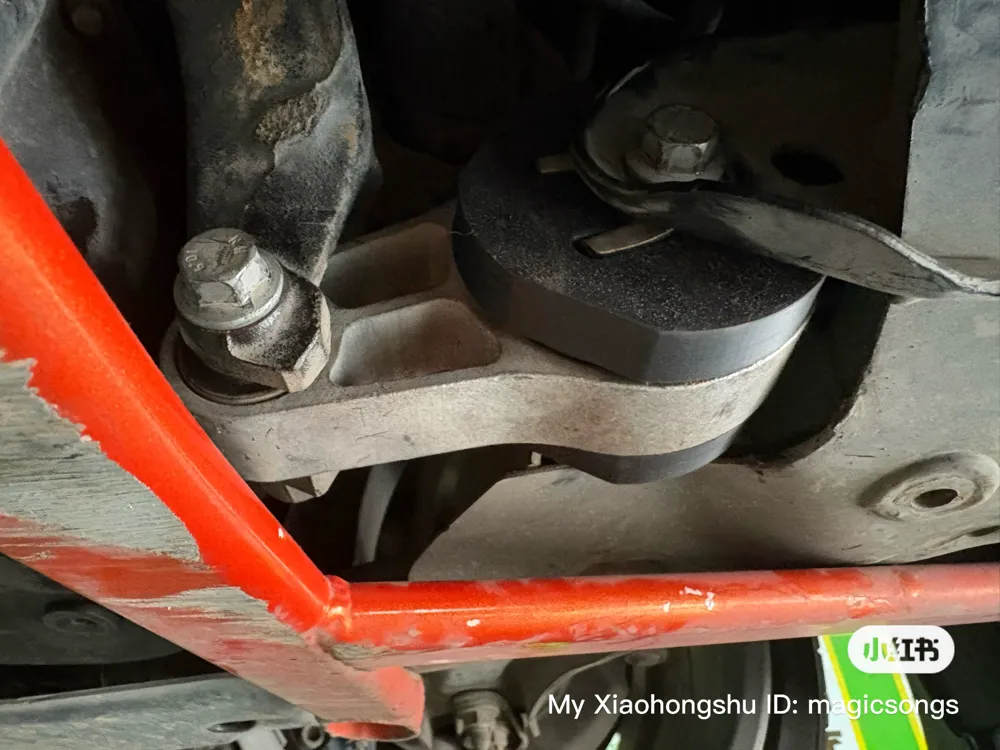
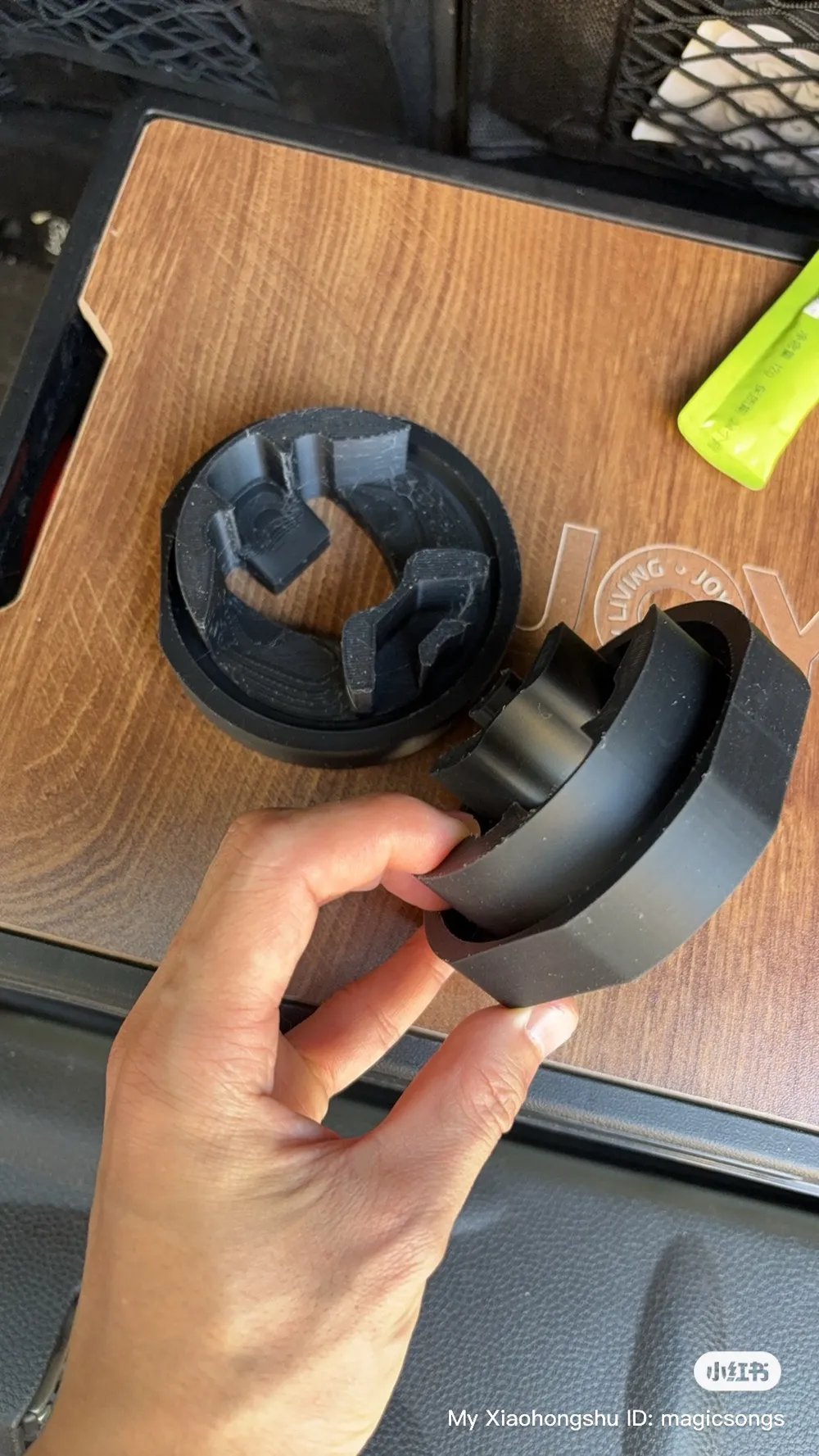
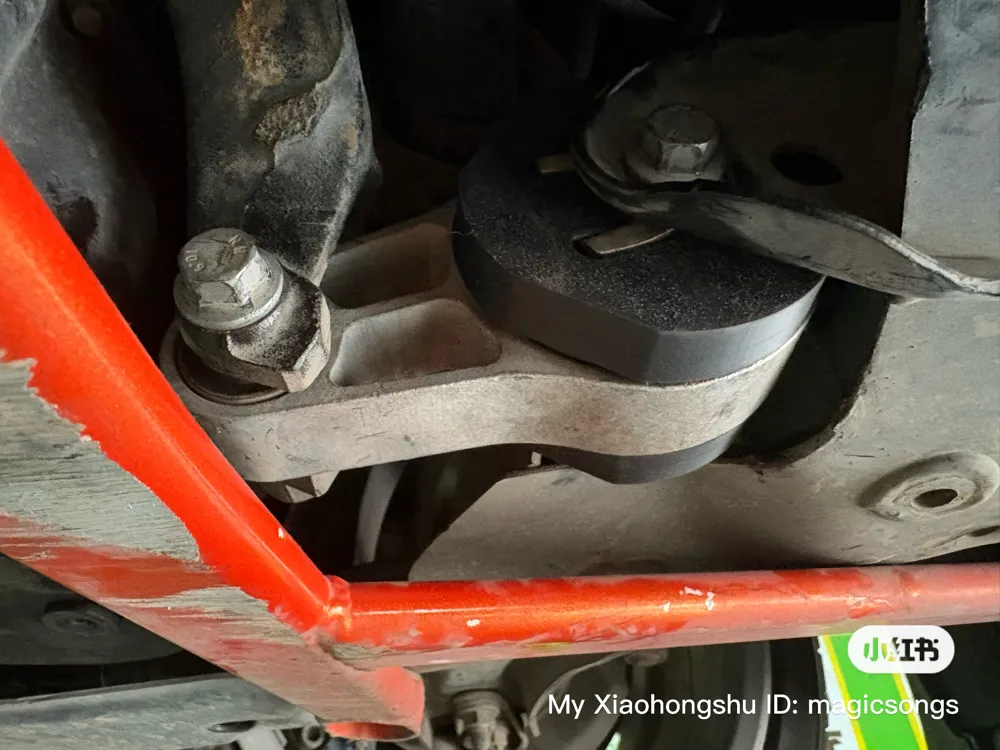
MINI R56 small engine mount insert testing completed
After countless iterations and testing 4 versions on the car, there is finally a verified result.
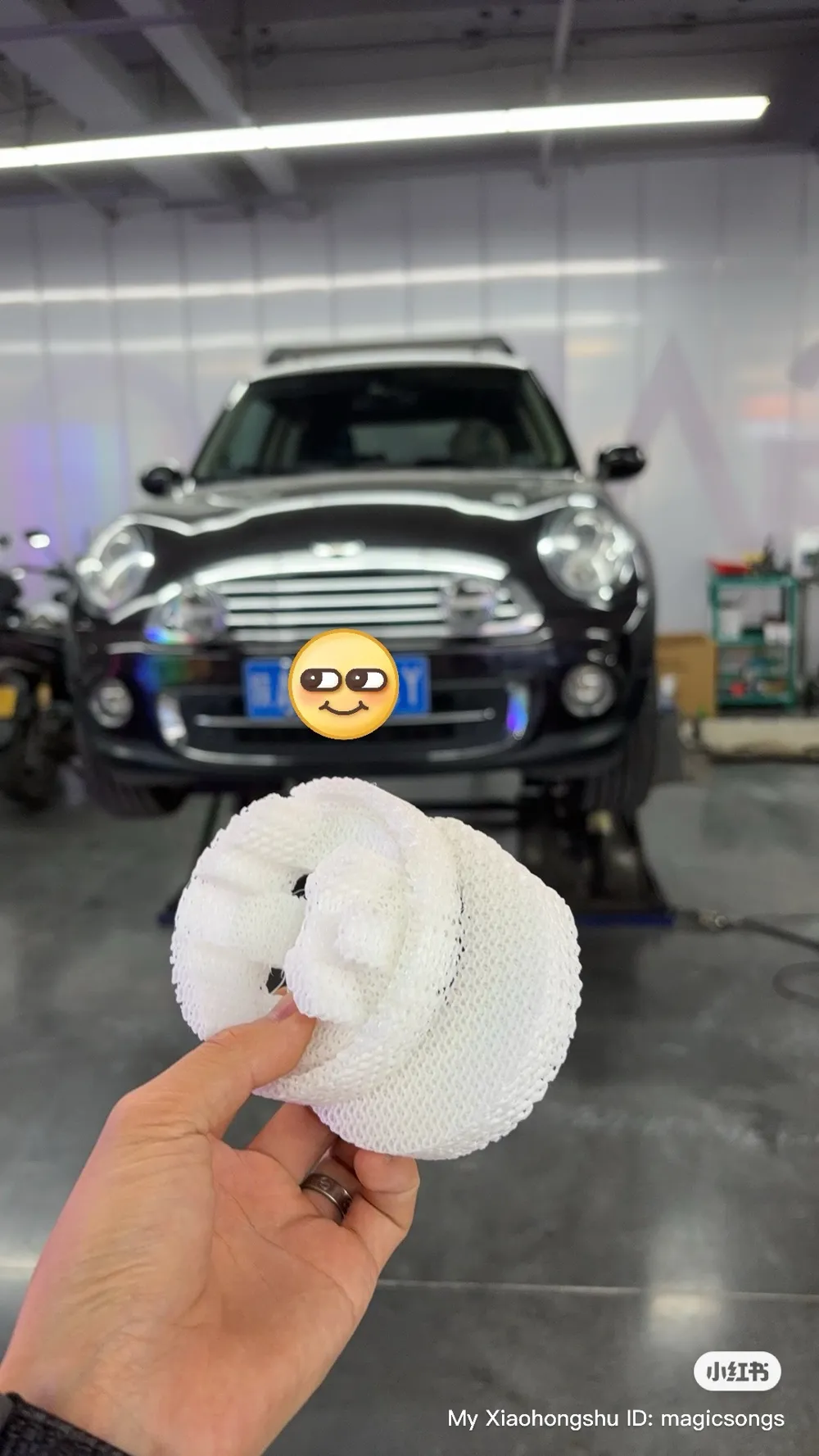
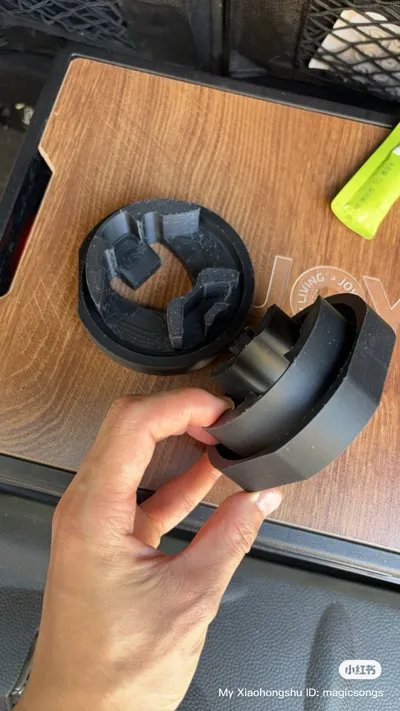
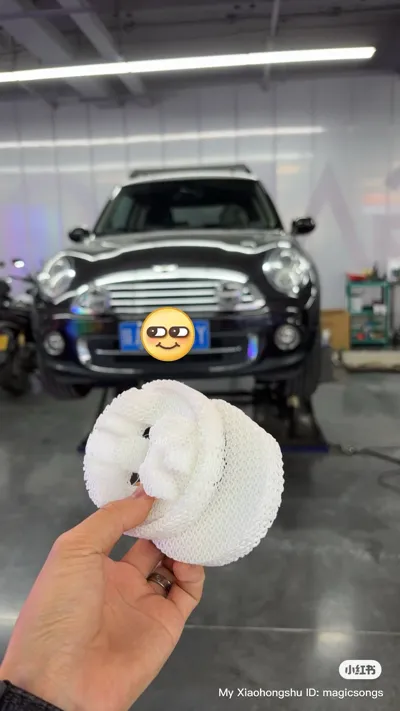
The final recommendation is to print using TPU95A with 2 walls and 20% gyroid infill. I didn't add walls here mainly for aesthetics...
The effect is comparable to Powerflex yellow insert, but with absolutely no resonance.
Background:
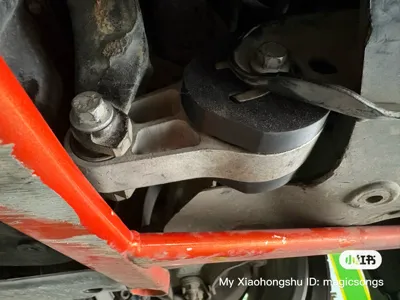
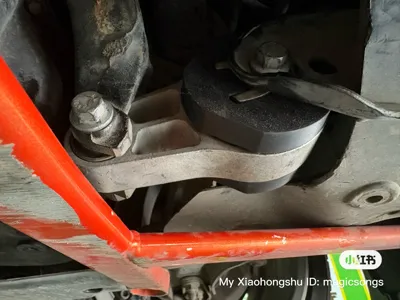
The bottom transverse engine mount of the R-series MINI does not support the engine and transmission; it only acts as a buffer for the engine's lateral movement. The original design uses a hollow rubber bushing for connection and damping, but it is actually too soft. During daily driving, you can feel the engine's displacement and drag when accelerating or braking. Powerflex's TPU insert solves this problem, but after installation, it completely loses its damping effect, and resonance during braking and acceleration is very exaggerated.
The simplest way to improve this is to vertically drill some irregular holes in the Powerflex insert.
However, I decided to improve it structurally. Gyroid infill is a very advanced and perfect support + damping structure. This type of structure was difficult to achieve in previous industrial production, but now that 3D printing has entered countless homes, I have tried various densities and materials to find a more perfect balance point.
I will organize the model and upload it to MakerWorld. At the same time, I will provide casting molds, so those who want to replicate it can also try casting with different hardness two-component TPU (this is how Powerflex is produced). However, no matter how soft a solid TPU is, it cannot solve high-frequency damping; a foamed or hollow structure is needed.
License

You shall not share, sub-license, sell, rent, host, transfer, or distribute in any way the digital or 3D printed versions of this object, nor any other derivative work of this object in its digital or physical format (including - but not limited to - remixes of this object, and hosting on other digital platforms). The objects may not be used without permission in any way whatsoever in which you charge money, or collect fees.


Comment & Rating (0)