
Glue Box 2
Print Profile(1)






Description
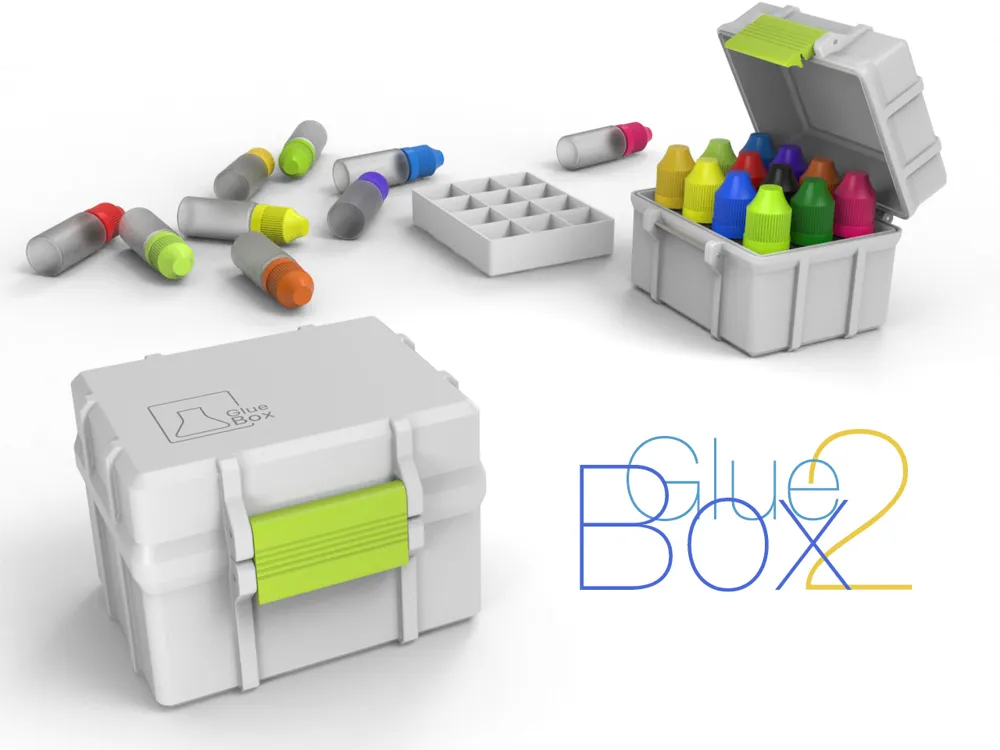
Glue Box 2— about gray, yellow-green, and order in life
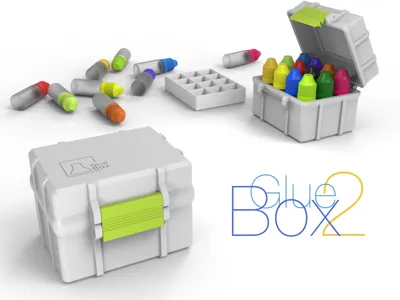
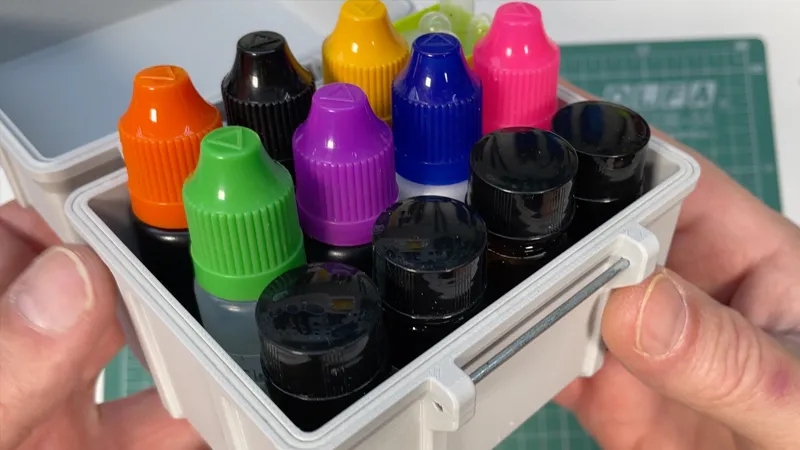
The other day, I finally decided to remake my box for all sorts of adhesive supplies—resins, oils, solvents. You know, those little bottles that usually end up scattered all over the place: one in this drawer, another in that one, and a third you only find when you no longer need it. This box is an attempt to put an end to that mess. Or rather, a second attempt. The first one was already out there—many of you probably remember it. But now there’s a new version, with improvements, changes, and a couple of experiments.
Modifications
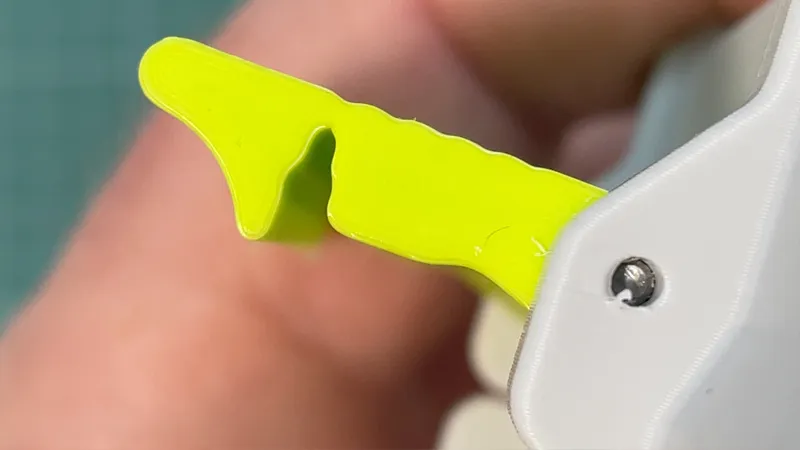
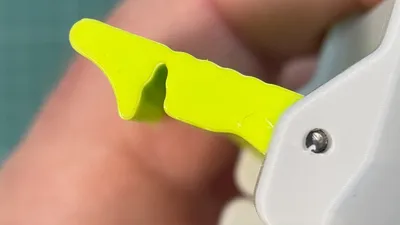
I tweaked the model a bit. It’s still the same parametric box that you’ll likely recognize at first glance, but now it’s a bit more refined. I reworked the latch: it now features a slot that creates a spring effect when snapping shut. A simple idea, but it works reliably. And yes—the whole design is now fully optimized for PLA. No compromises.
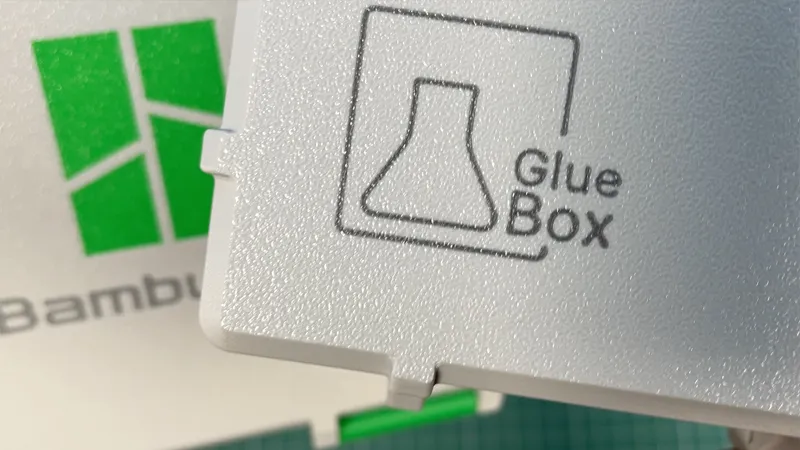
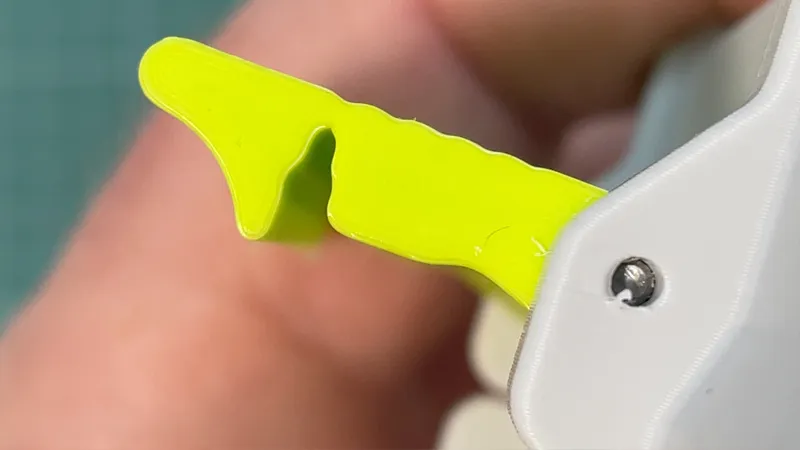
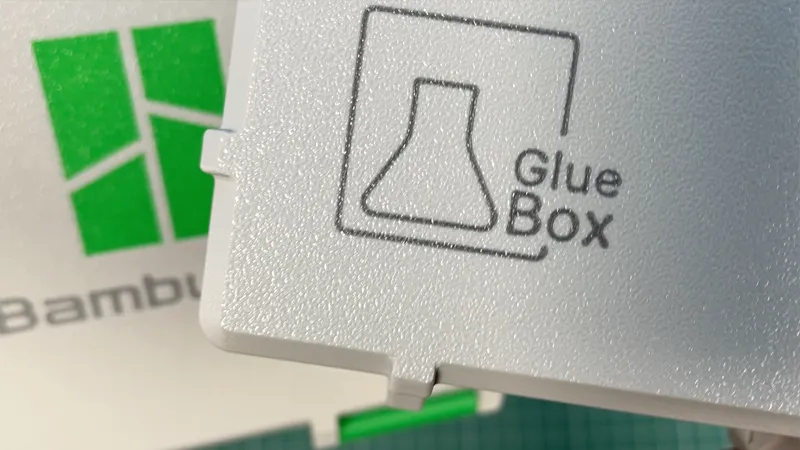
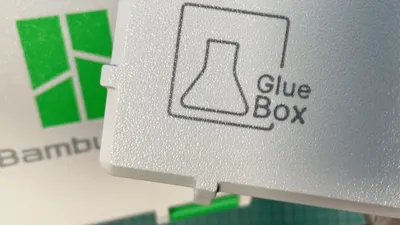
Color is a separate story. I finally found the right gray. That light gray. Contrasty, clean. Perfect for boxes. And the contrast works great for visible lettering. I got it from Bambu Lab, and it turned out to be a perfect fit. The dark gray came from Anycubic—because believe me, not all grays are the same. Some are colder, some warmer, some with a blue or beige tint. And this particular combo of light and dark gray just works—beautifully.
And of course, my favorite yellow-green is here too. I use it wherever I can, because it’s like an accent, a highlight. Also from Bambu Lab.
Inside
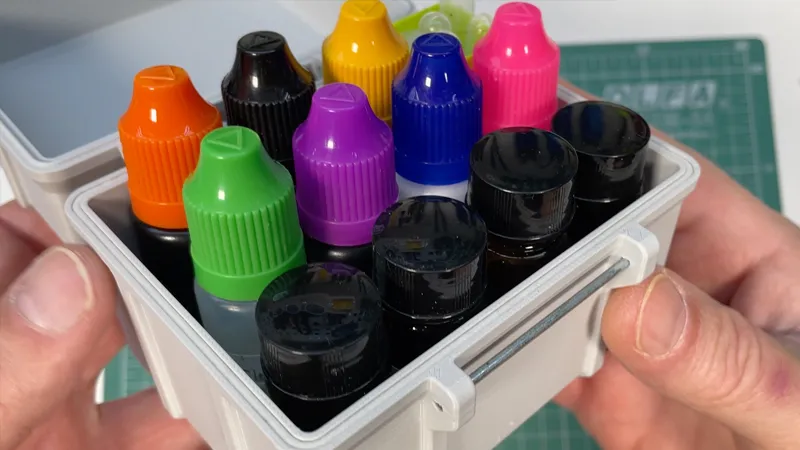
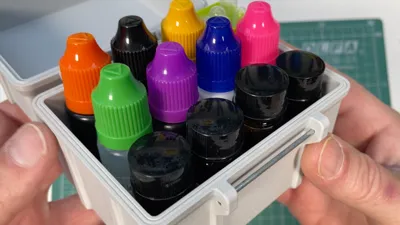
If anyone happened to miss the first post and doesn’t know what’s inside: there’s a grid made of white PLA—this time I used a spool from eSUN in the AMS and didn’t want to switch it. The grid keeps the bottles in place and prevents them from rattling around. Everything’s neat, tidy, right where it should be. This time, I also added a small box for Pasteur pipettes and tip caps—for precise dispensing without getting liquids all over your hands.
Printing was done at a 0.16 mm layer height. Why? Because that’s the sweet spot. Smaller—takes forever. Bigger—quality suffers. And if you decide to use different plastic, a different slicer, or you’re just too lazy to calibrate your printer—I can’t guarantee the same results. In my case—everything aligned perfectly.
Little things no one thinks about—but then they thank you
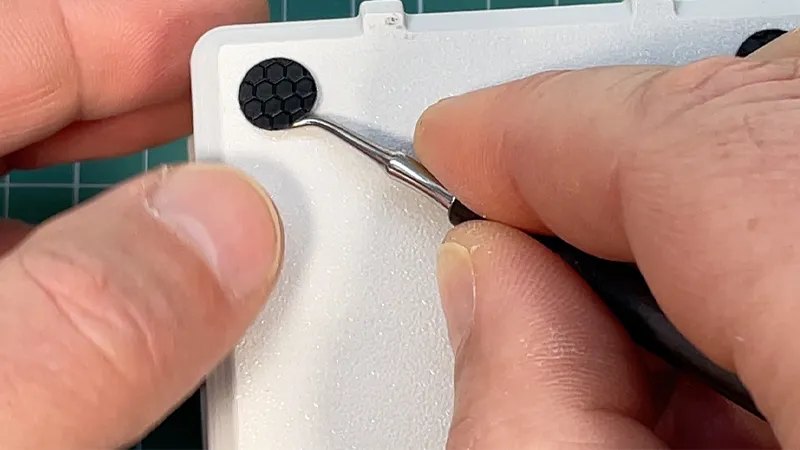
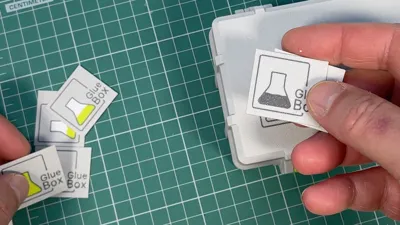
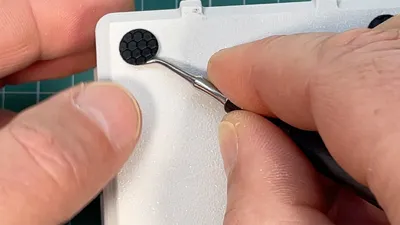
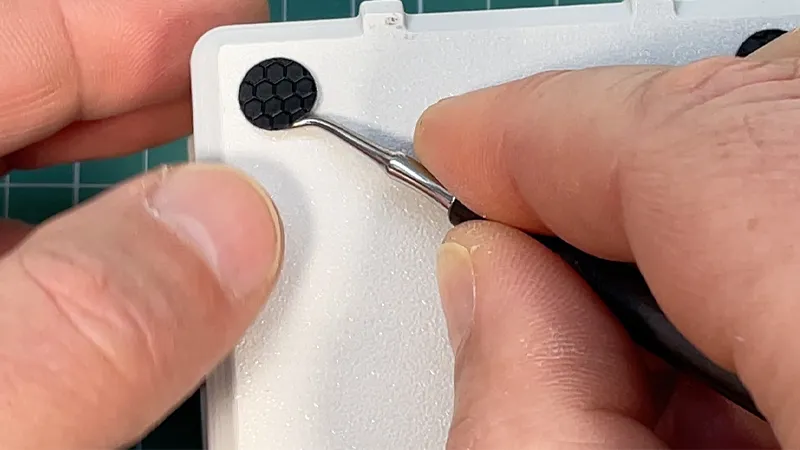
One neat touch—rubber pads. I stick anti-slip rubber pads on all my boxes, which I punch out myself using a special tool. A small detail, but it makes the box stable. It doesn’t slide around on the table or when stacked. Convenient? Absolutely.
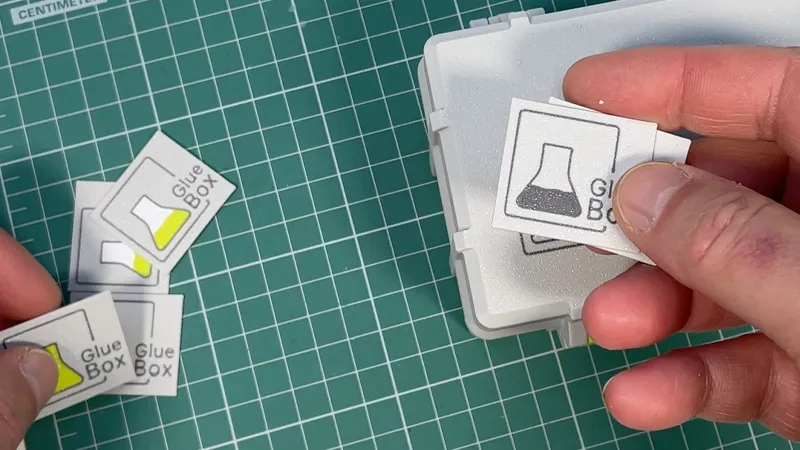
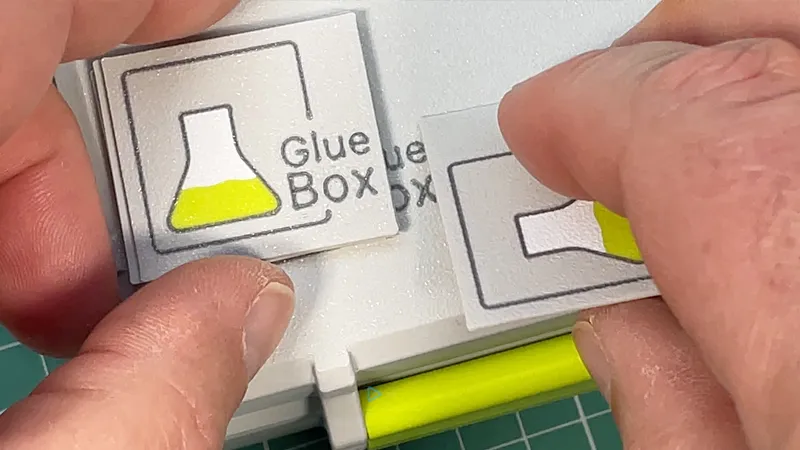
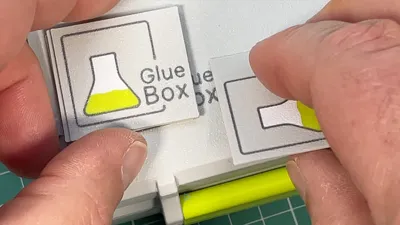
And yes, the logo. I made it simple, minimalist. But the .3mf file includes several paint options. Why? Because I wasn’t just thinking about myself. I was thinking about beginners. I showed how to print the outline first, then the fill—so the letters come out sharp. It’s especially important to reduce the first layer line width to 0.3 mm if you’re using a 0.4 mm nozzle. Otherwise, the letter corners will come out rounded.
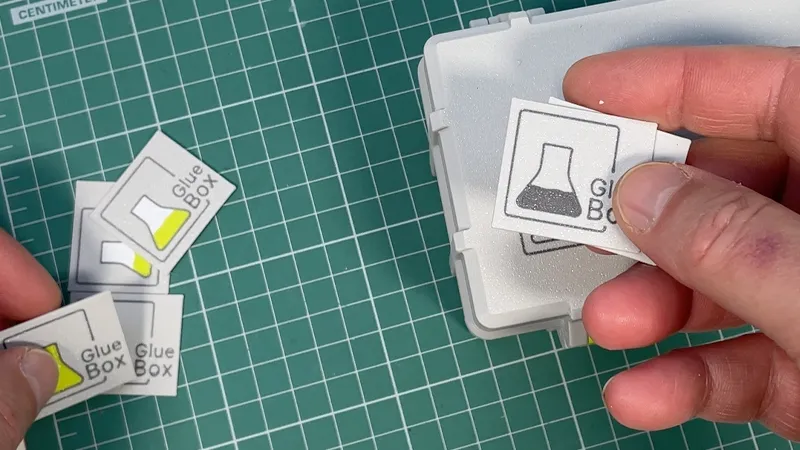
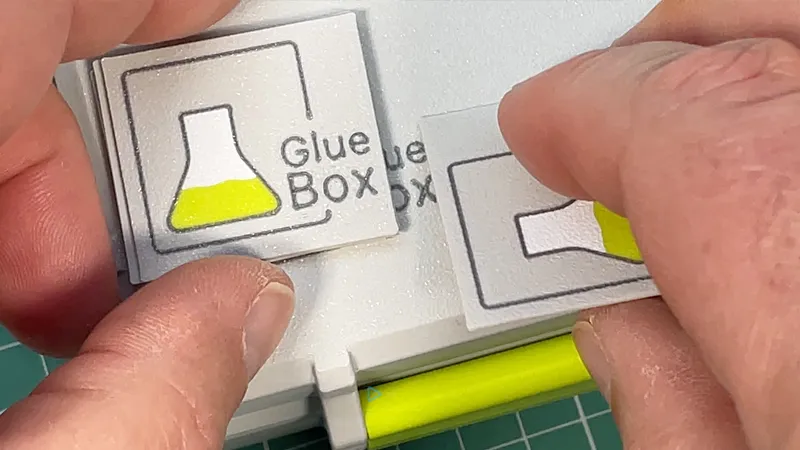
Also, in the video, I showed the results on different build plates: smooth matte and textured. A 0.2 mm nozzle will give the best results on either. But it takes time. With a 0.4 mm nozzle, imperfections are more noticeable, and a textured surface helps mask them. So—the choice is yours.
Hinges, pins, and common sense
I assemble the hinges and latches using bicycle spokes, cut to the needed length. Because it’s cheap, convenient, and universal. Sure, you could buy factory pins, but they cost money and aren’t always the right size for different boxes. A spoke—you cut it, insert it, and you’re done. The only thing to watch for is diameter. It can vary: 2.0, 2.1, 2.2 mm. So I calibrate the holes with a reamer. Not a drill—a reamer. It gives a clean result.
Sealing
Sealing gasket? Of course. I used to print it from TPU—looked nice, worked well. But then I discovered foam rubber cord. And you know what? It’s better. Just easier and more reliable. No printing needed—just insert it and done.
What’s next
If you like this model, if you hit the like button, leave a comment, or boost it—I have a next-gen box project in the works. Fully parametric. You’ll be able to change not just width, depth, height. Everything is adjustable: wall thickness, lid height, rib sizes, lid shape, offsets—you name it. Total control. And if there’s interest—I’ll make a web interface so you can order a box to your custom dimensions, just like the original project everyone knows. And of course—free of charge.
Boost Me (for free)
So follow, like, and boost — that really speeds up my development process. When I see interest, I move faster.
So—it’s all up to you. And this box? It’s just a stop along the way, a small break between bigger projects. But I wanted to share it.
Thanks for reading. Video and links are in the description.
If you liked this thing - let me know by putting like!
Parts links below:
- Bicycle Spokes
- Cylindrical Pin
- Sealing foam rubber 1.8mm
- Non-Slip DIY Pad
- Self-Adhesive Magnetic Sheets Rubber
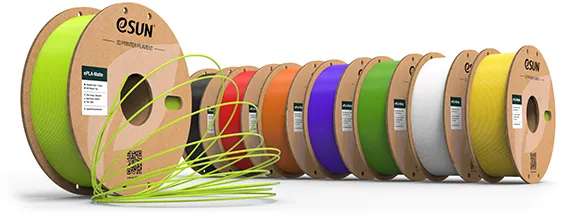
- ESUN Filament PLA
- Empty LDPE Plastic Dropper Bottle 10ml
Links to used tools:
My new machine:

My favorites:
Thank you for every tip or donation,
it means great recognition for me and helps a lot to keep going!

BTC: bc1qplpzq36ghw84hty4nn2zzu4ps4sdh4th0v93j8
ETH: 0xc766ebbeAa76aaf629788c8F99C33A8d80d48977
My some other things:


License

You shall not share, sub-license, sell, rent, host, transfer, or distribute in any way the digital or 3D printed versions of this object, nor any other derivative work of this object in its digital or physical format (including - but not limited to - remixes of this object, and hosting on other digital platforms). The objects may not be used without permission in any way whatsoever in which you charge money, or collect fees.


Comment & Rating (0)