
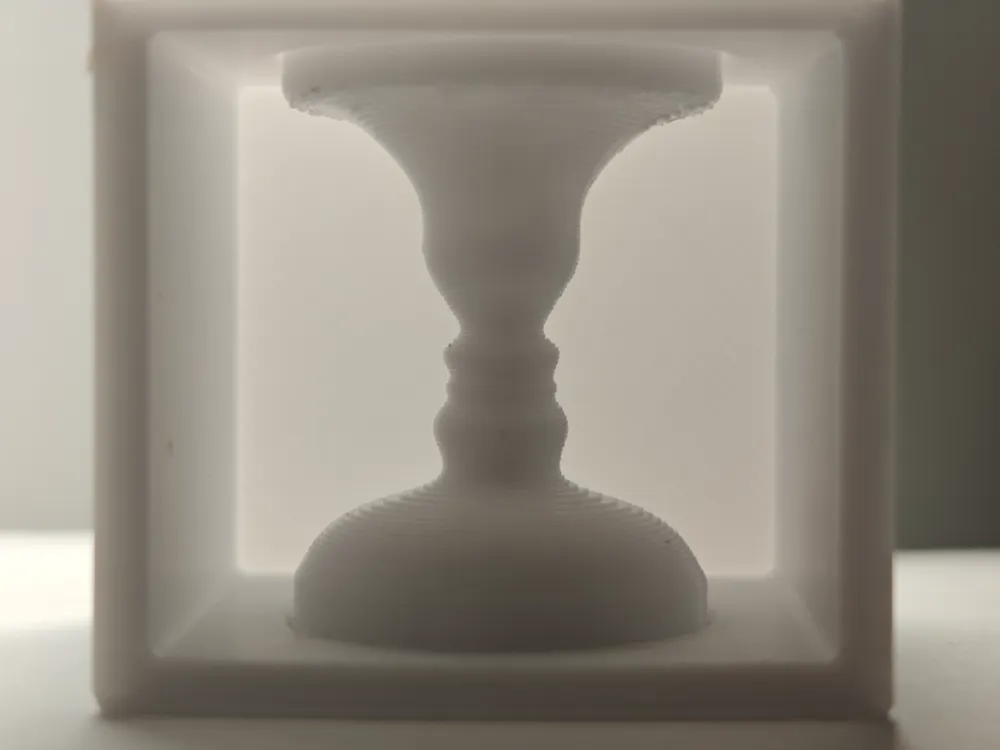
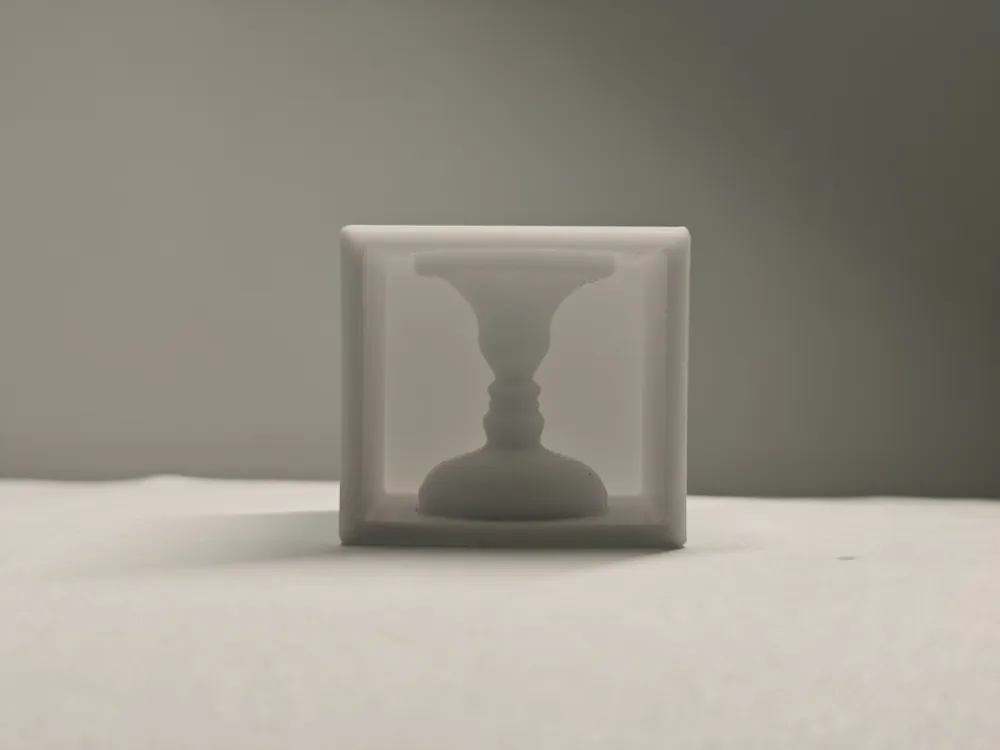
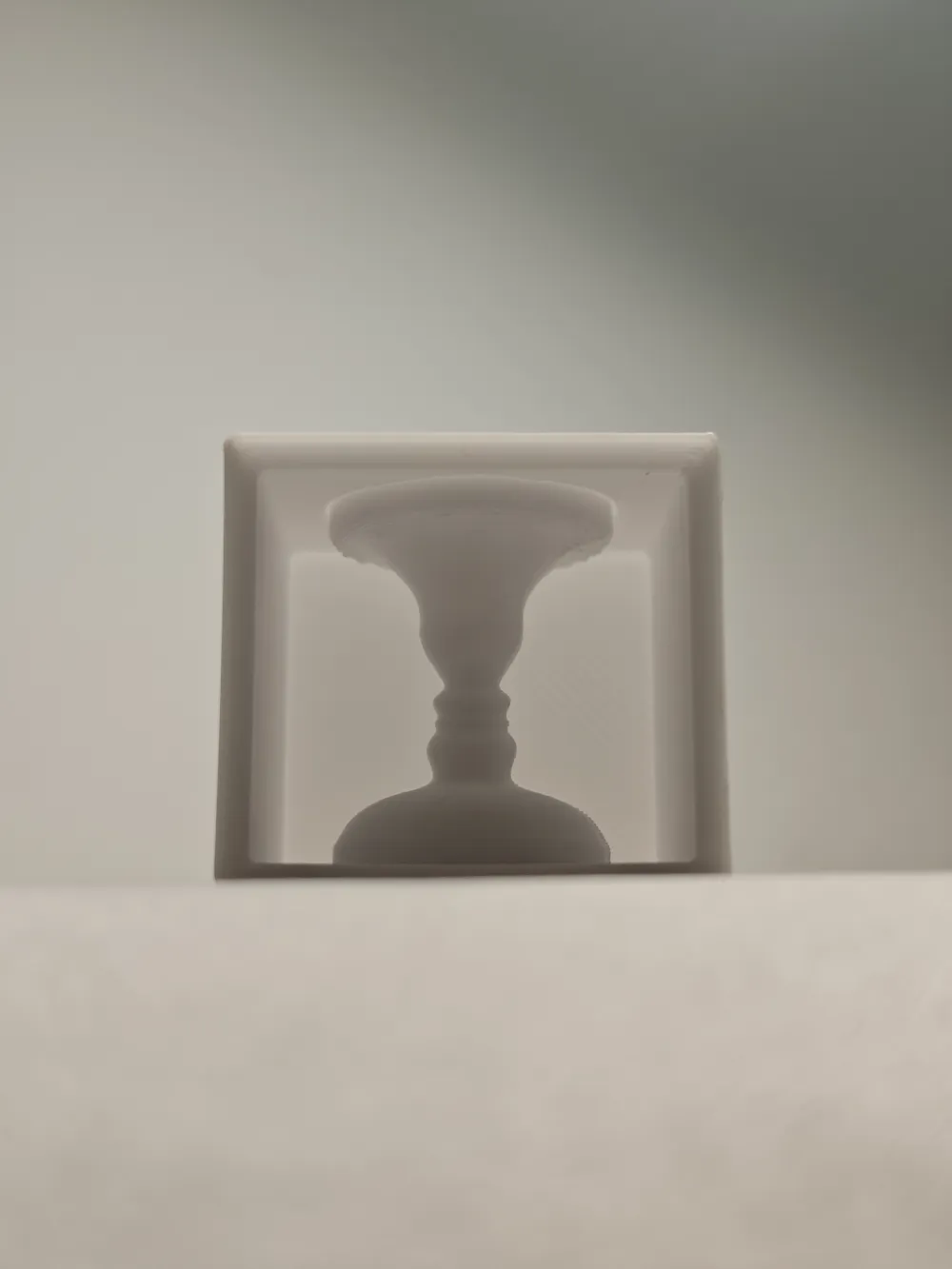
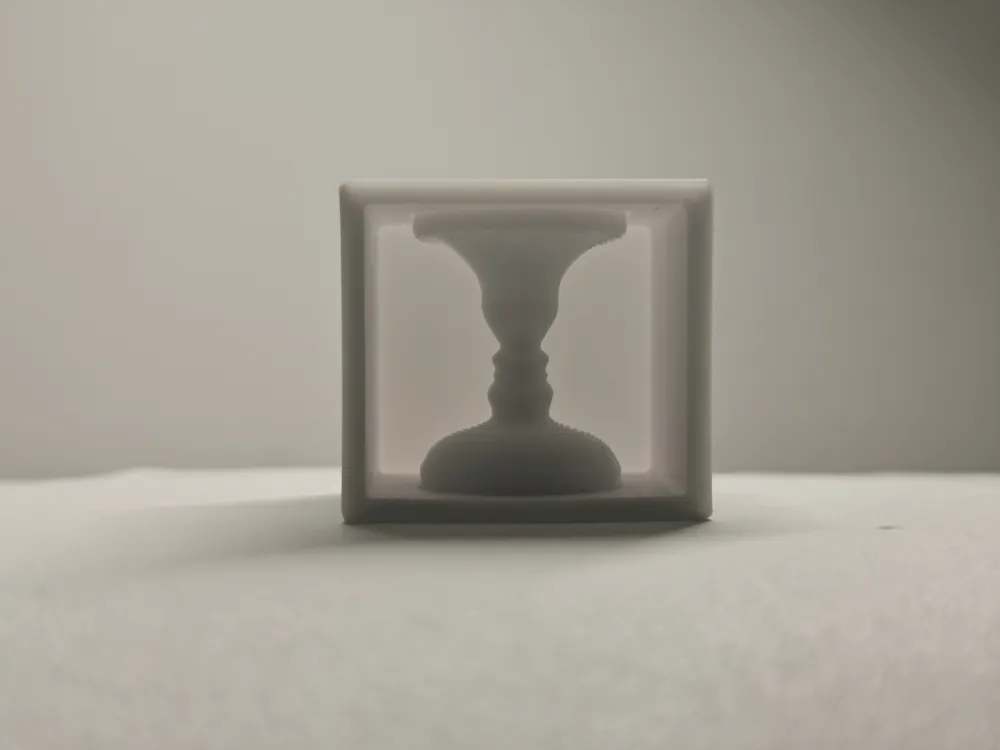
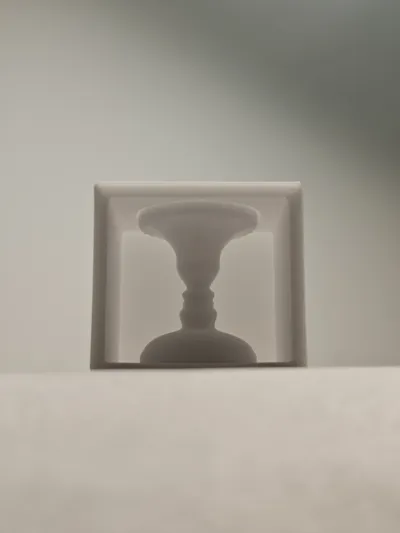
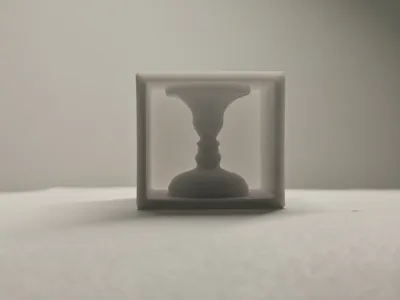
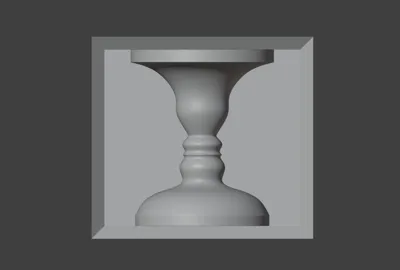
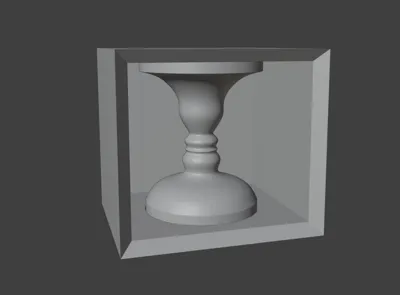
One of the visual illusions, the Rubin vase: a vase or a face? Less than 10g, try printing it
Print Profile(1)

Description

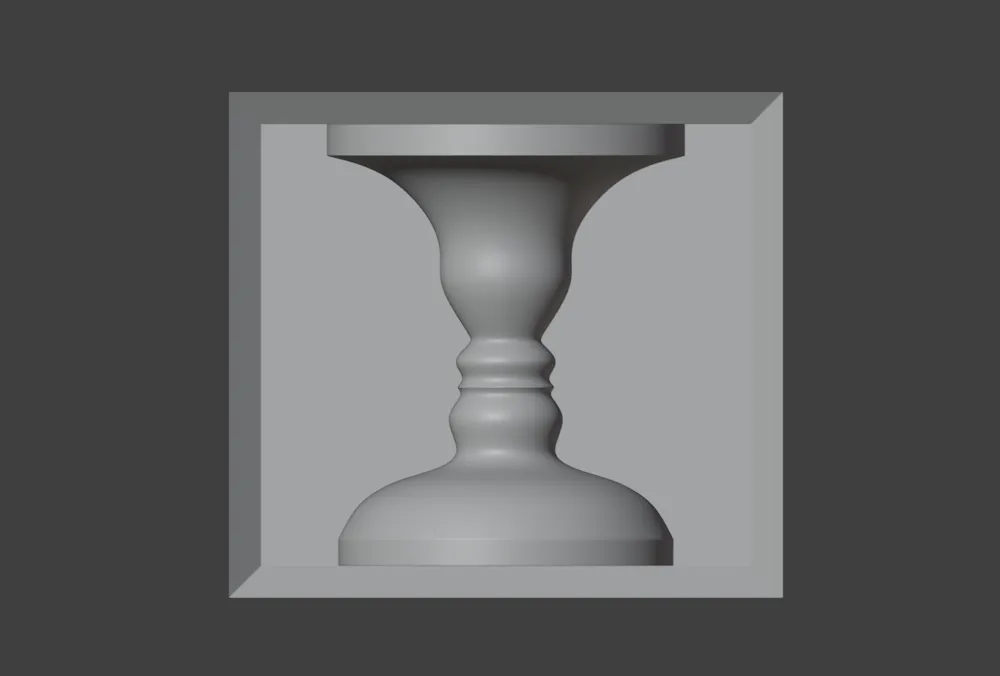
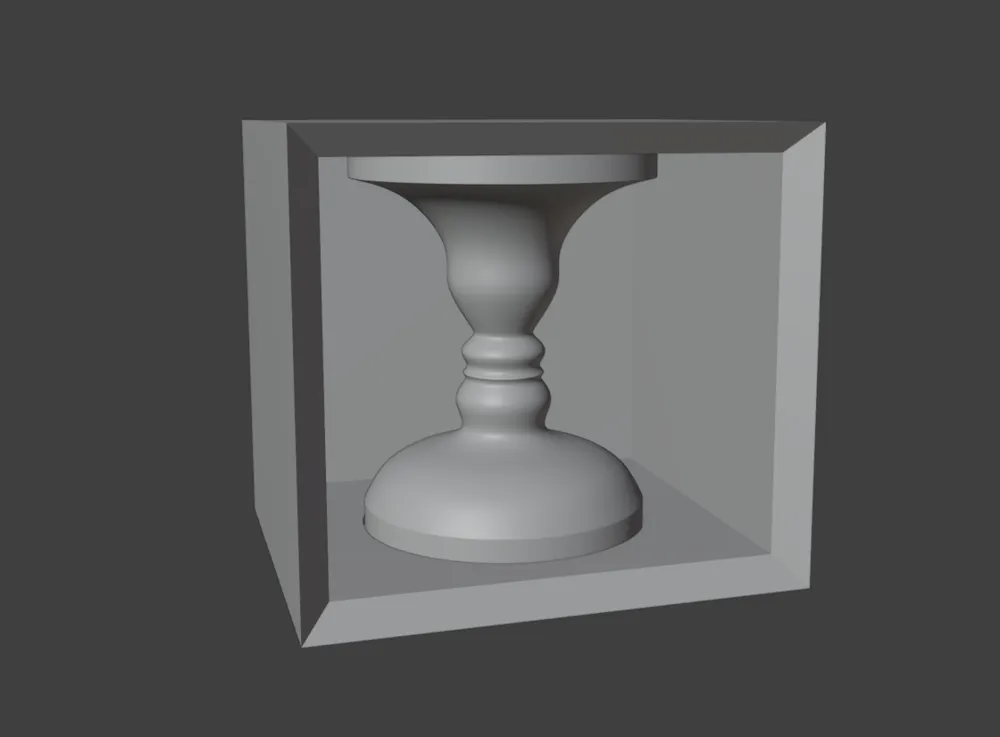
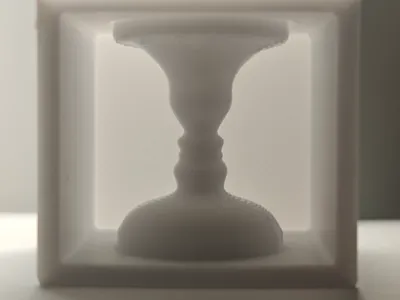
A visual illusion model, less than 10g, composed of a frame and a vase. Whether people see a face or a vase in the image completely depends on their focus: on the figure, the background, the whole, or the parts. Different perspectives yield different meanings—a double image. The white area in the middle is a vase. If the gaze concentrates on the black negative space, the two black areas are seen as two faces, while the white becomes the "ground," the "space." The figure and ground are interchangeable. This is "figure-ground reversal." This phenomenon of figure-ground relationships is known as the Rubin vase. The Rubin vase is also used in Gestalt psychology, which posits that people do not perceive all aspects of sensory input; perception is selective.
The Rubin vase is a staple in graphic design courses. Its study of visual illusion and visual perception in graphic design offers significant inspiration and guidance.
License



Comment & Rating (0)