
Print Profile(2)


Description
Description
A small, daisy-chainable mini vacuum manifold for your plasmid purification needs.
Overview and usage instructions
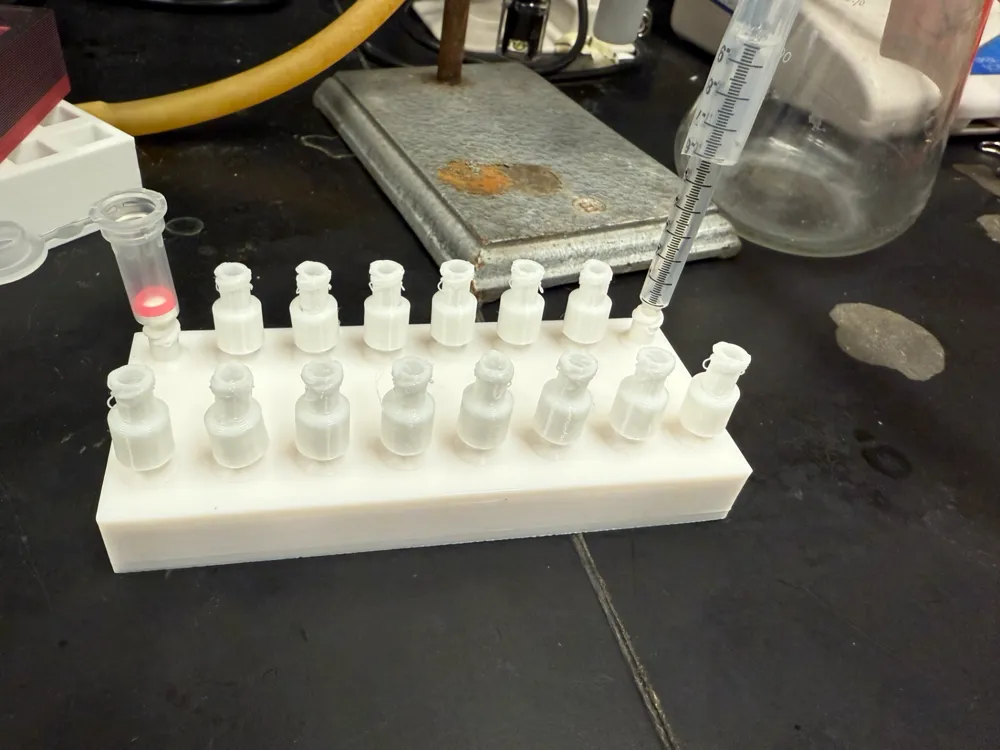
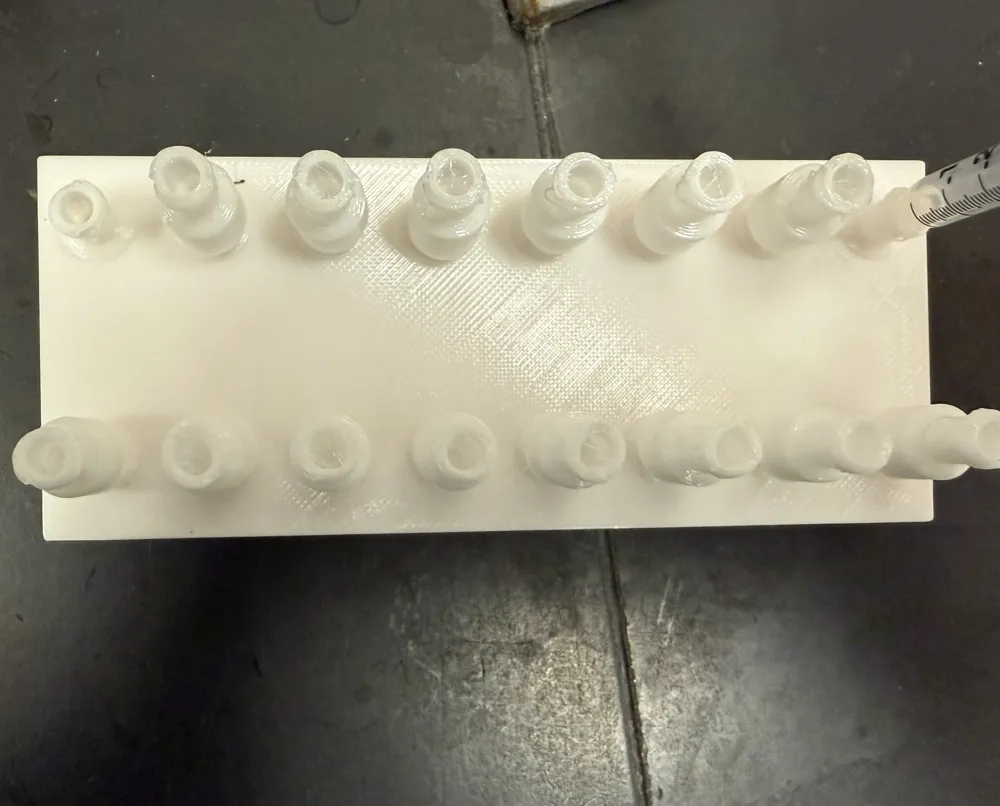
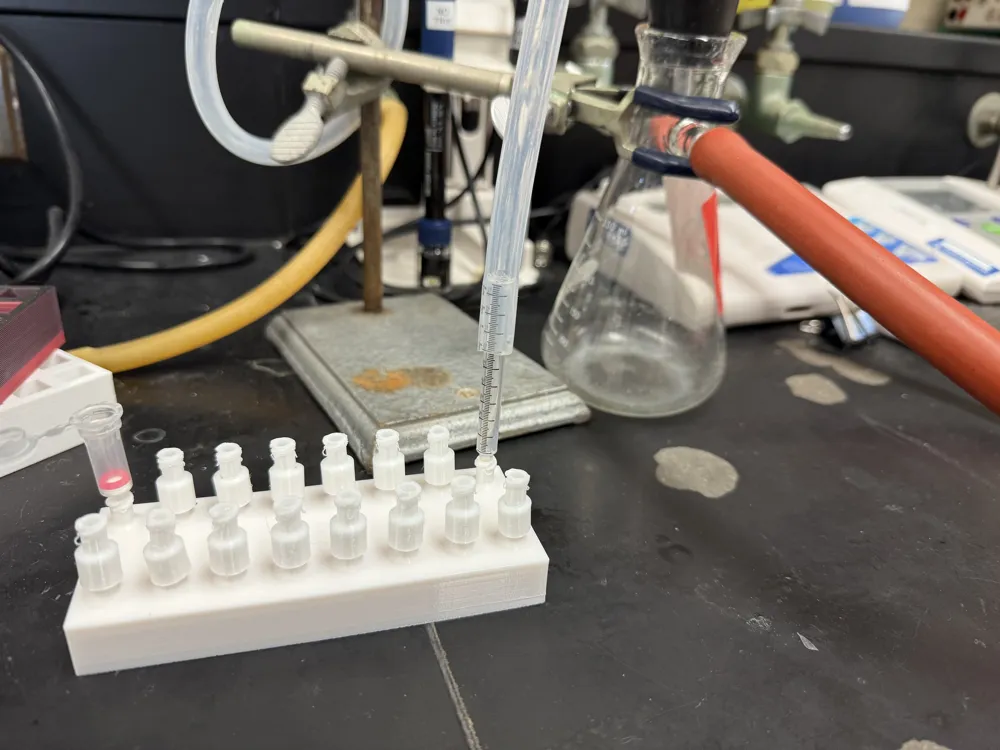
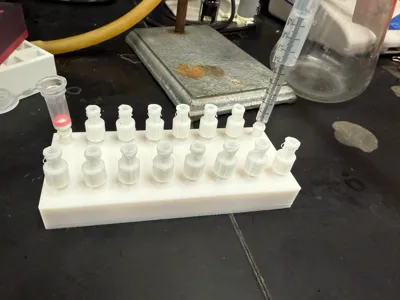
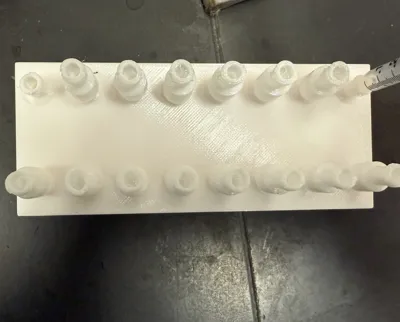
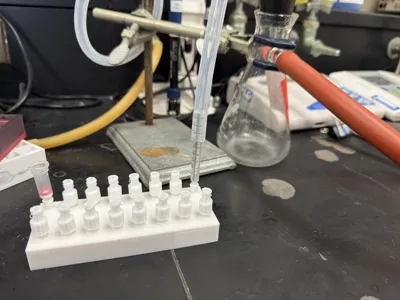
I was frustrated with the cost of a commercially available version and the need for additional non-3D printed parts or the design choices of existing 3D printable versions. This vacuum manifold uses the standard luer lock from https://www.printables.com/model/144785-luer-lock-mf-cap to provide the same interface as commercially available vacuum manifolds while being significantly smaller overall. To attach to a vacuum use tubing to a 1 mL luer lock/slip syringe with the end cut off (see photos). It can be placed in any port in the manifold for convenience. Multiple ones can be connected by using tubing and cut 1 mL syringes in the same manner. A trap must be used between the vacuum source and the manifold to collect the solutions as the volume the manifold can hold is purposely small and does not have a built in reservoir. Any closed male luer cap can work to close the unused ports. Pictured are the caps from https://www.printables.com/model/144785-luer-lock-mf-cap unmodified. Printing the caps in PLA can create an okay seal that should be suitable but best results were with them printed in TPU.
Printing Instructions
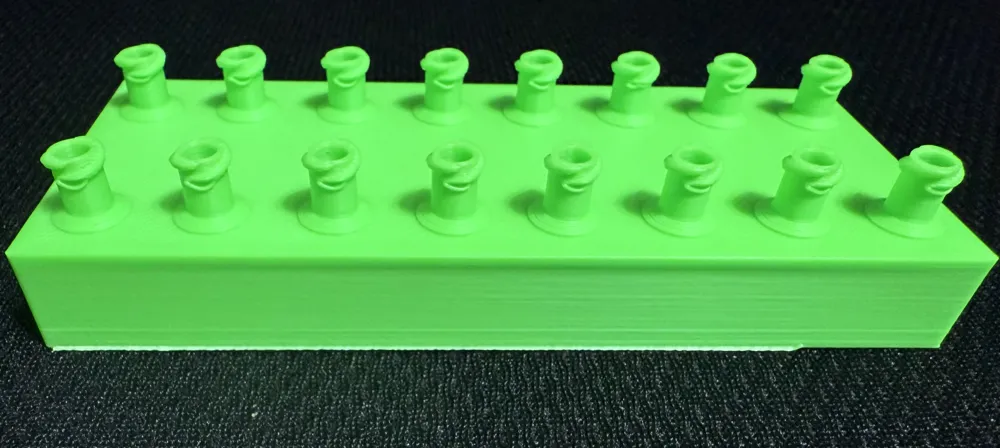
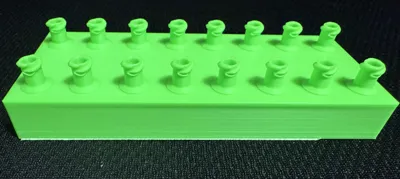
Printing with 100% infill is recommended to provide strength against implosion from the vacuum and to help seal the manifold. If it leaks too much you can seal it with clear coat paint as described at https://pipettejockey.com/2020/06/20/making-and-using-a-vacuum-manifold/ for a different manifold design, but using it as printed has been fine for us. I have only printed it in PLA, but should work in other materials. Printing using thick bridges and no supports is recommended. In early prototypes some lifting from the build plate was observed, the use of a brim seemed to solve this issue, but it could also have been a dirty build plate. As you can see in some pictures the lock spirals can be deformed when printing. Experimenting with supports for those may help, but they are not needed for most miniprep columns and seem to work okay with the midiprep columns we have that do have luer locks.
Safety
Standard lab PPE including eye protection recommended. Depending on vacuum pressure and strength/quality of your print there is a risk of implosion. Use at your own risk.
Boost Me (for free)
We make useful designs for our research lab paying for our 3D print materials out of pocket. Please Boost if you print this and find it useful!
This remix is based on

License



Comment & Rating (3)