
Heavy Duty 4040 Gusset Collection
Print Profile(2)


Description
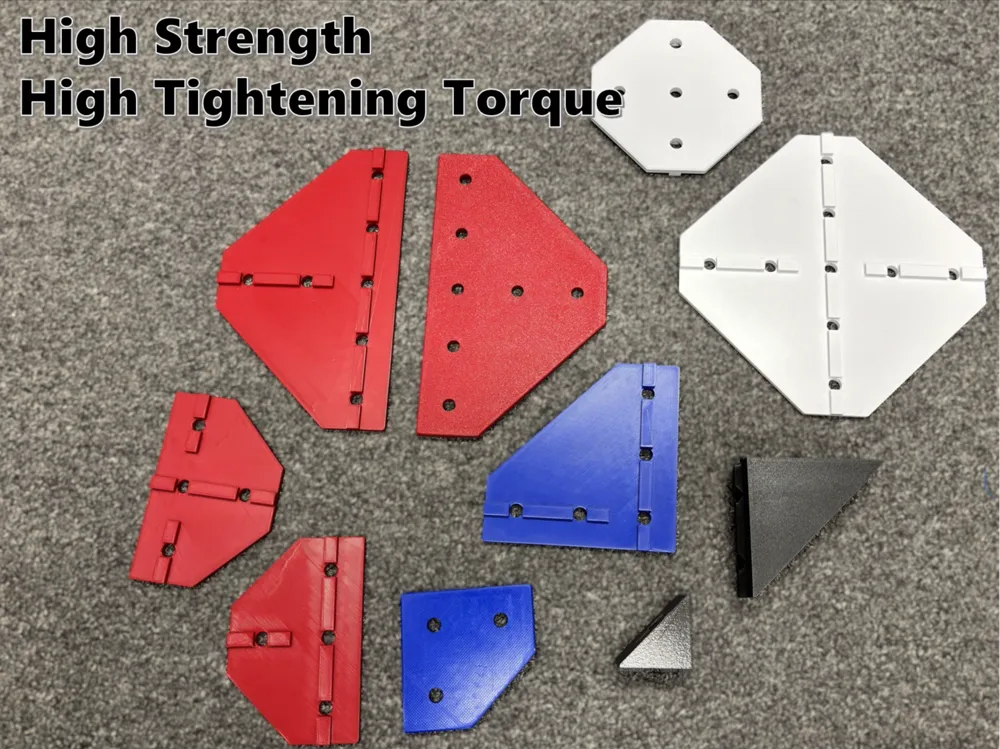
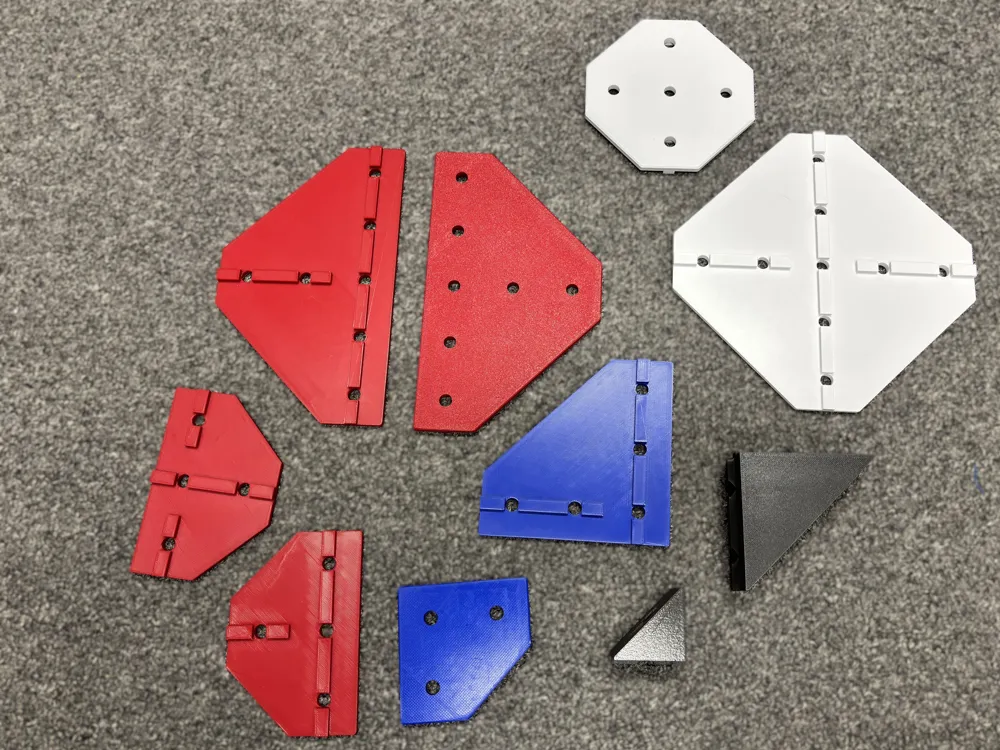
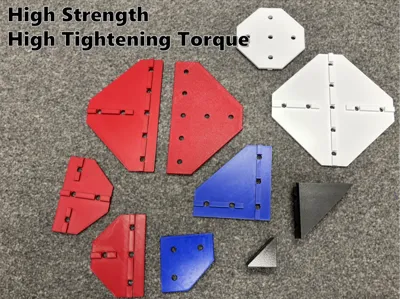
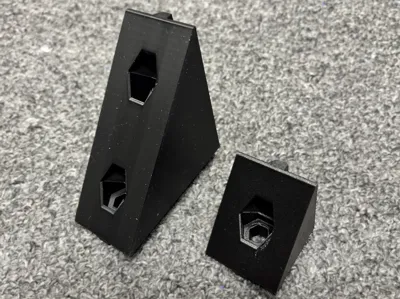
Heavy Duty High Tightening Torque Gussets for 4040 T-Slot Aluminum Extrusion
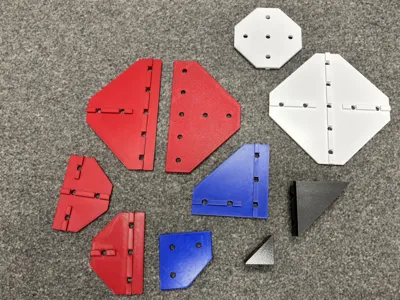
This is a set of gusset plates and corner gussets I have designed specifically to help overcome some of the weaknesses of 3D printed gussets and at the same time help with squaring up the extrusions.
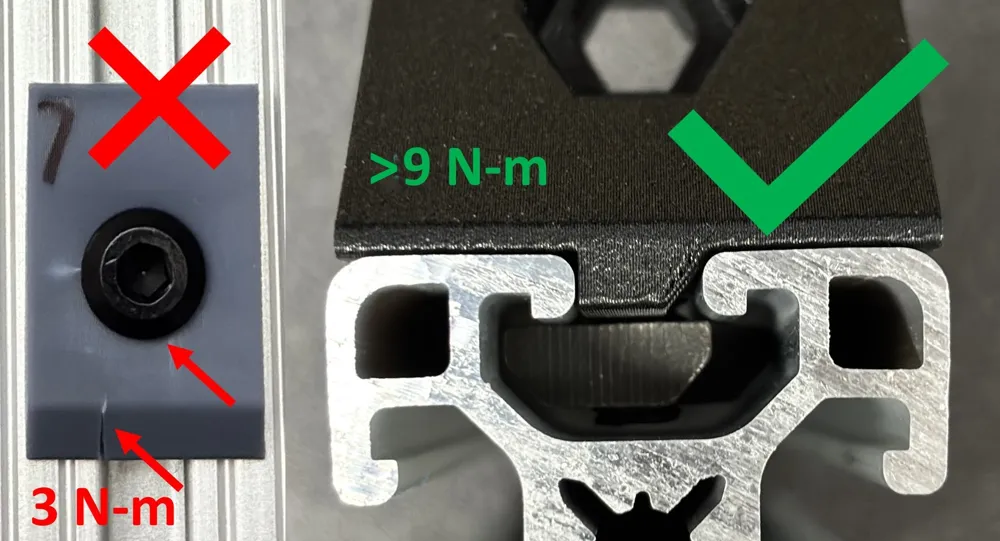
I use aluminum extrusion in many things I design and the biggest difference between purchased or fabricated metal gussets and most 3D printed plastic gussets is their overall strength (obviously) and strength when tightening the screws down. This is due to the tightening force being applied over an unsupported portion of the gusset. Because it is a plastic, if you over-tighten the screws, most likely it will split at the opening due to bending.
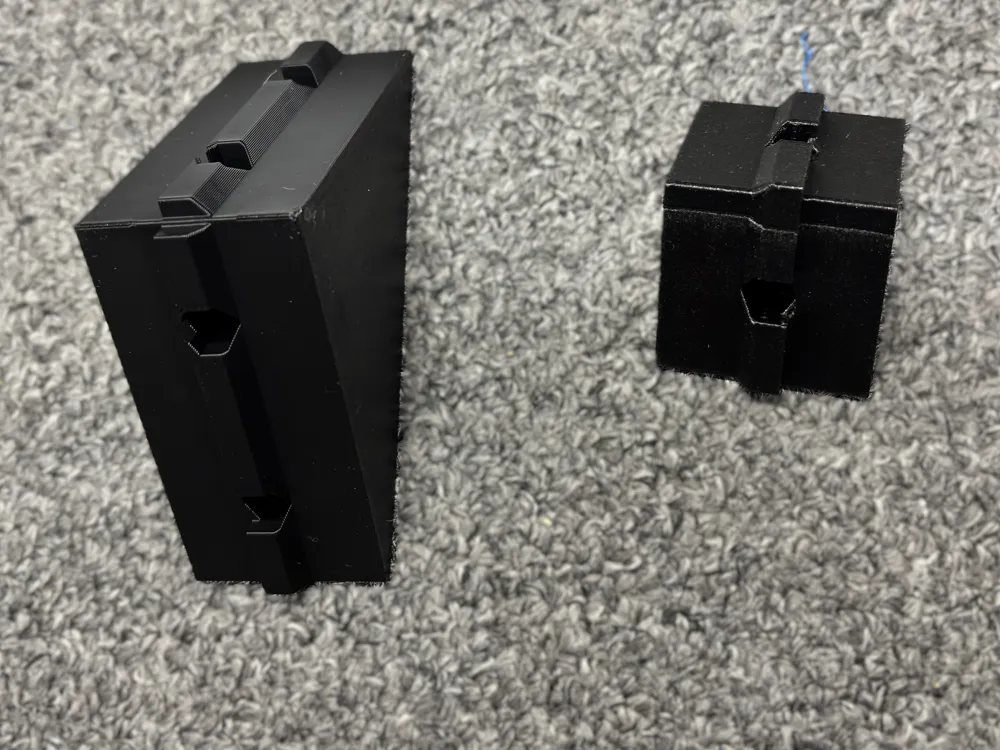
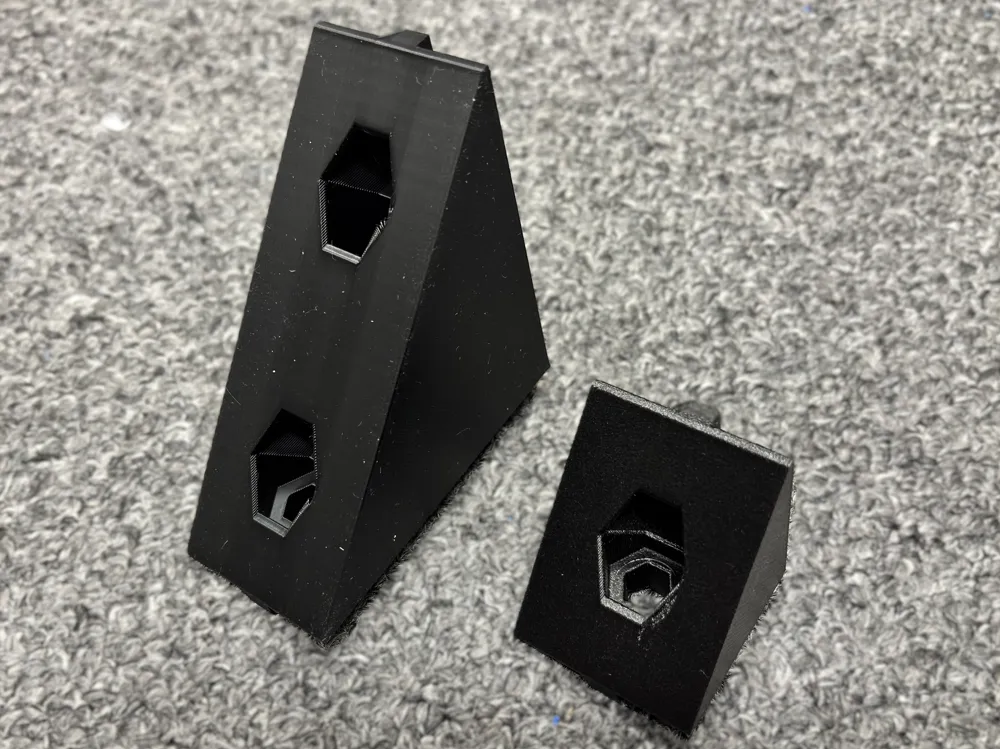
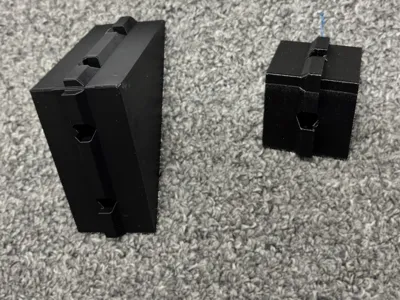
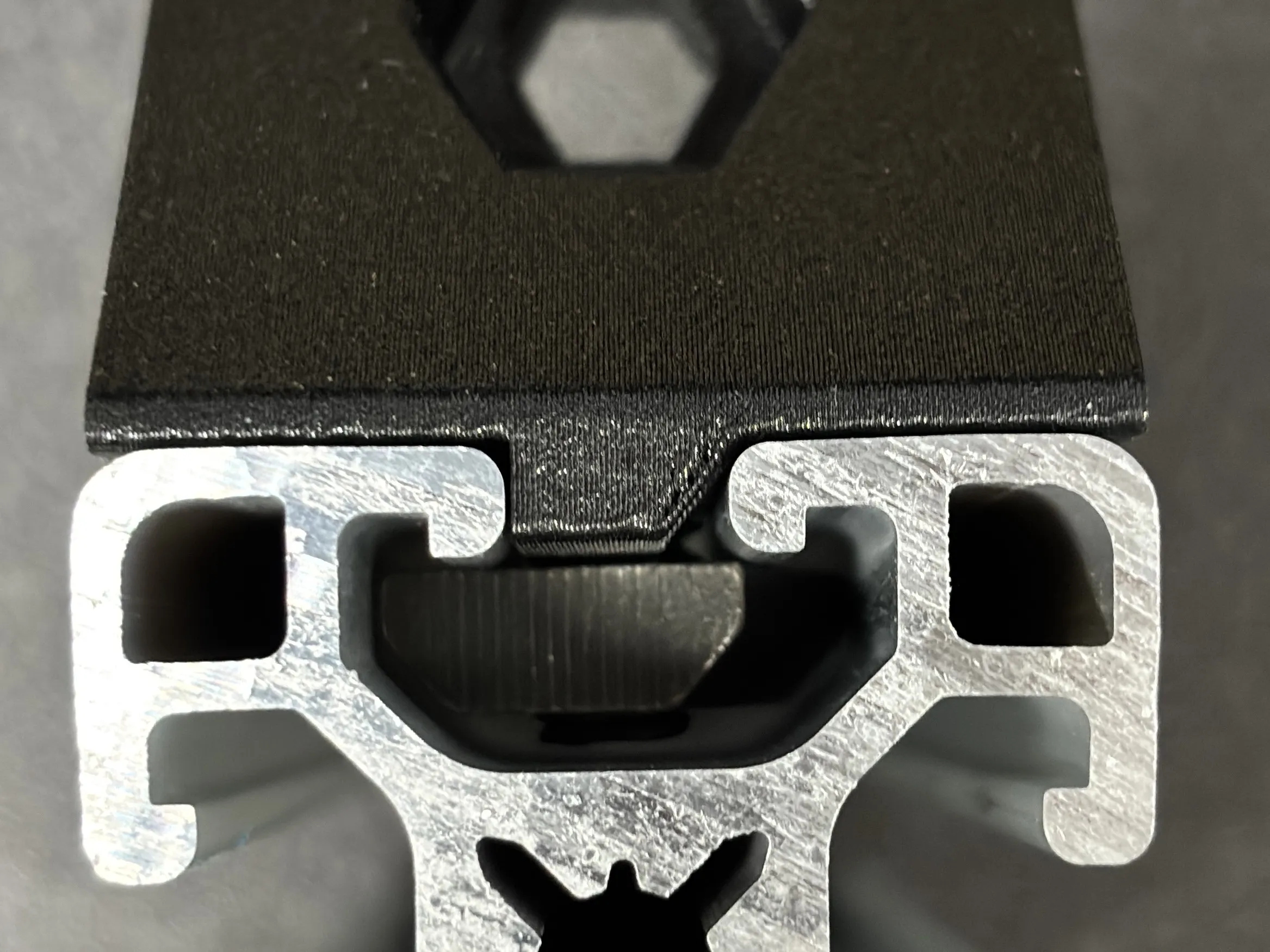
I started by making sure they can be printed with the X-Y plane in the correct orientation for max overall strength. Unfortunately, this orientation is not ideal for stresses from screw tightening. To combat that issue, I added “blocks” to the gussets to fill most of the space between the gusset face and the T-nut face. It isn’t completely filled because you want a tiny gap to start to allow tightening. Also, not every extrusion is made to the exact same dimensions. These “blocks” also fit tight against at least one side of the opening – making it easier to square up the extrusions to one another.
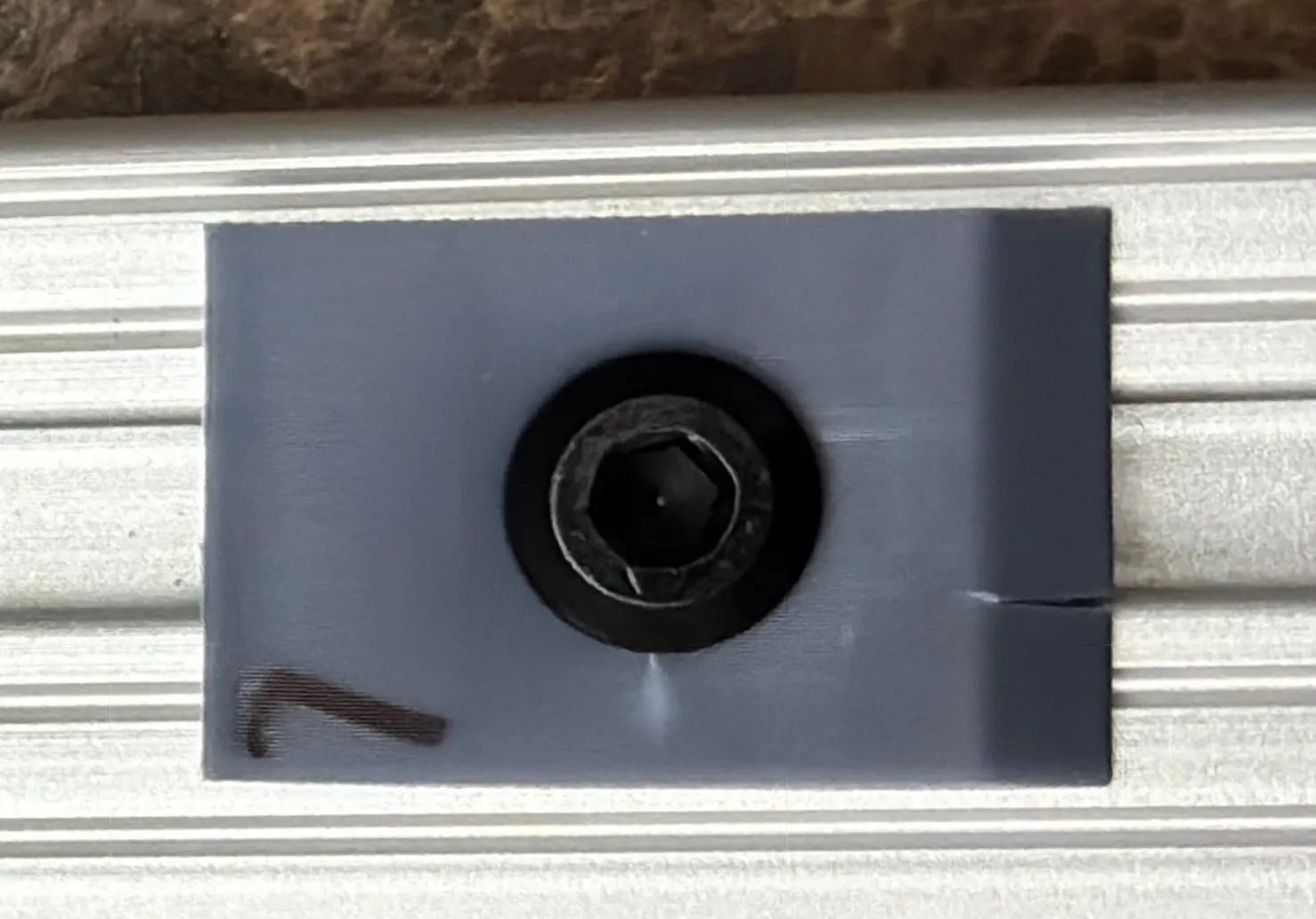
Also, as long as you don’t reduce the walls or top/bottom layers in the print profile, I have set them so there is enough to provide solid support under the entire screw head. This helps prevent crushing of the hole itself when tightened to a high torque.
All gussets have been designed with holes large enough for 8mm / 5/16” screws to keep as much of the head supported by extrusion as possible.
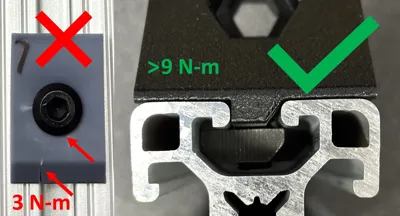
I ran material comparison tests both with and without the blocks added and there was a significant increase in the tightening torque capacity with the blocks added. Some materials without blocks would crack during only a 3N-m comparison test. My go-to choice of PETG-CF on the final design was still holding strong at over 9 N-m when I reached the end of my small torque gauge. Removing the screw after shows barely a dent where the head was.
For material I recommend the highest strength, highest stiffness material you can use. The tests I did ranged from basic PLA up to ASA-CF. I did not have the more expensive engineering materials to test. However, the best results were achieved by PETG-CF and high strength PLA+. I would NOT recommend basic ABS or ASA for this application.
Boost Me (for free)
If you like my design and it works well for you, boosts are sincerely appreciated.
License

You shall not share, sub-license, sell, rent, host, transfer, or distribute in any way the digital or 3D printed versions of this object, nor any other derivative work of this object in its digital or physical format (including - but not limited to - remixes of this object, and hosting on other digital platforms). The objects may not be used without permission in any way whatsoever in which you charge money, or collect fees.


Comment & Rating (4)