Search models, users, collections, and posts

Wind-up Swimming Fish
GIF
GIF

Print Profile(3)

All
X1 Carbon
A1
P1P
X1E
H2D
A1 mini
X1
P1S
H2D Pro
H2S
P2S
H2C
X2D
A2L

Fish: 0.2mm layer, 2 walls, 15% infill
Designer
2.6 h
2 plates
4.5(112)

with support material, 0.2mm layer, 2 walls, 15% infill
2.6 h
1 plate
4.3(6)

Tail Only PETG Support Interface 0.2mm layer, 2 walls
37 min
1 plate
4.3(6)

Open in Bambu Studio
Boost
2126
4478
193
74
2.4 k
1.2 k
Released 

Bill of Materials

Maker's Supply Kits and Parts
Select all
1.4x60mm Basic (100PCS) - RA008

Description


Update 1 - 06.06.2025

There were some painting errors in the print profile that could cause the print to fail. I fixed it.

Update 2 - 08.06.2025

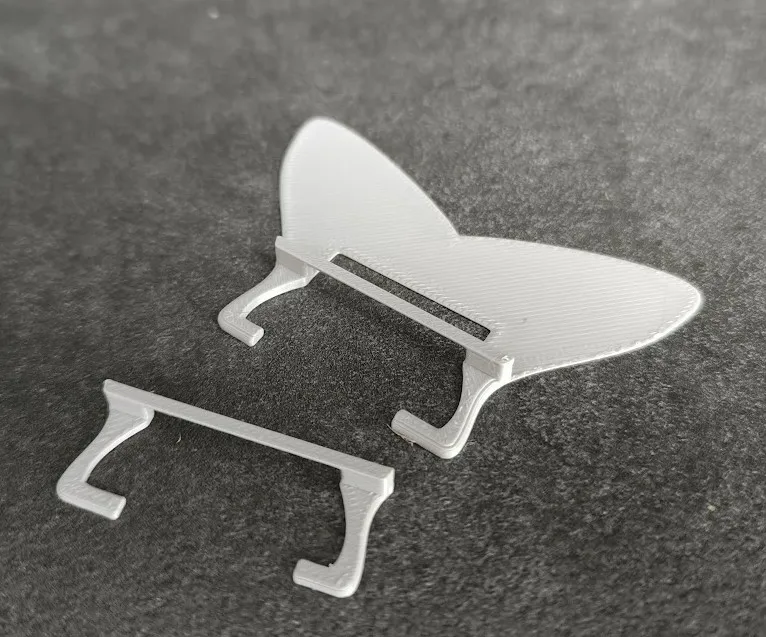
I added a new way of printing a fish tail. I cut it almost in half. After printing, you will receive two parts to glue together with super glue. This way it is easier to remove the supports and the quality of the tail is better. I tested it and the tail performance is very good.

Update 3 - 03.07.2025

I tested Basic Rubber Bands from Maker's Supply . I printed fresh fish and use 3 pieces 1.4x60 mm. Mechanism worked very well.


Overview


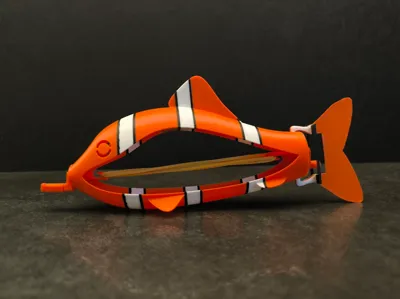
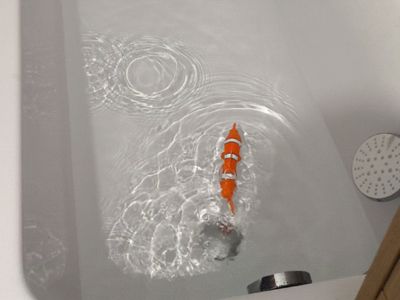
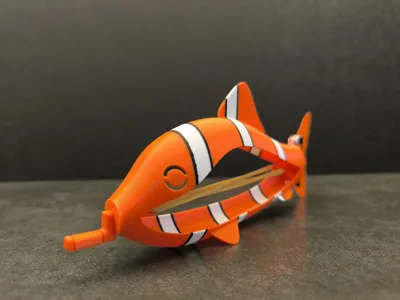
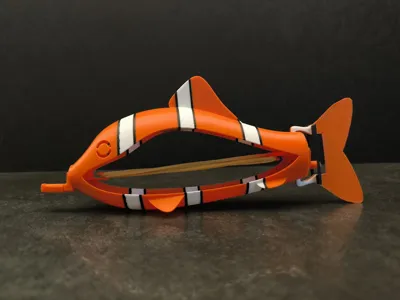
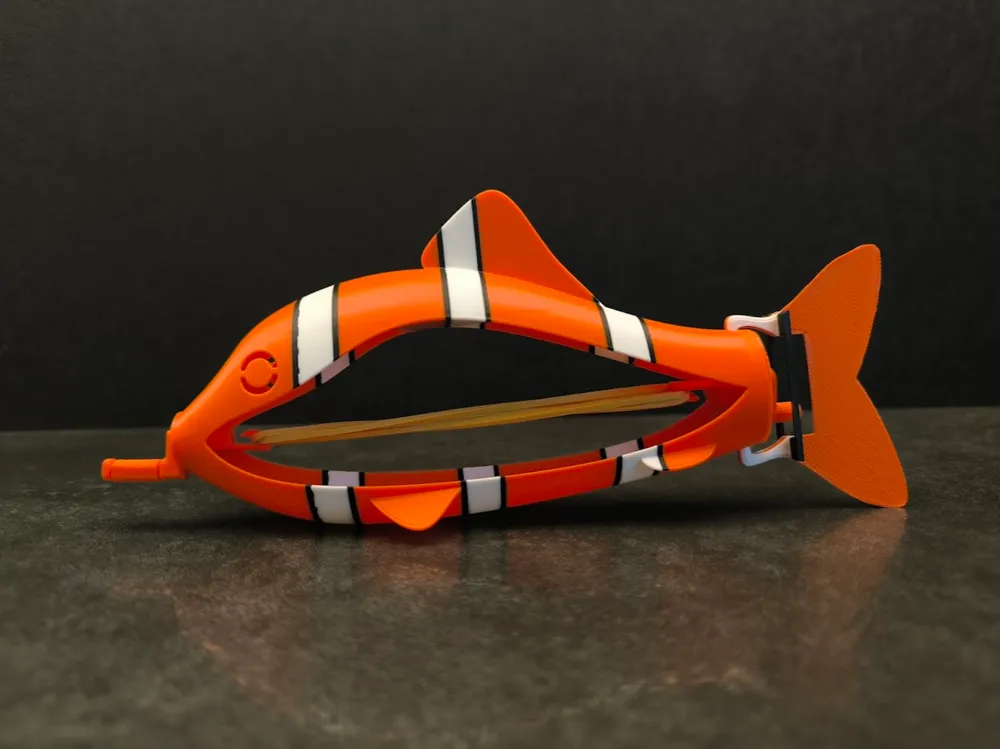
Wind-up swimming fish - a great companion for bathing in the bathtub and pool.


This project was a bit of a challenge.

I had to turn the rotation into a flapping tail fin.

At first, I designed this mechanism with a bendable wire and after a few attempts it even worked.
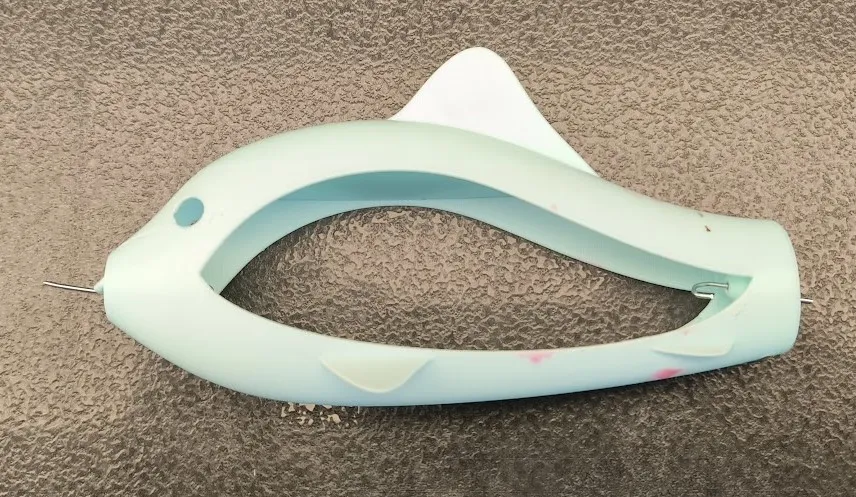
However, bending the wires was too difficult and time-consuming. I had to try with filament and surprisingly after a few more attempts the mechanism started working perfectly. And the filament withstood the load.


The next problem was the tail fin.
At first I designed it quite thick and unfortunately it didn't work. The fish swam backwards :) I tested different shapes and thicknesses. Ultimately, the solution turned out to be a 0.4 mm thick fin made of two 0.2 mm layers. Only such thickness provided the necessary flexibility and efficiency. Interestingly, a fin the size of a real fish provides the best propulsion. Bigger and smaller fins had worse performance. In the end, the fish worked as I imagined. 

I love moments like this when the project works properly :)

Here most of my testing prints
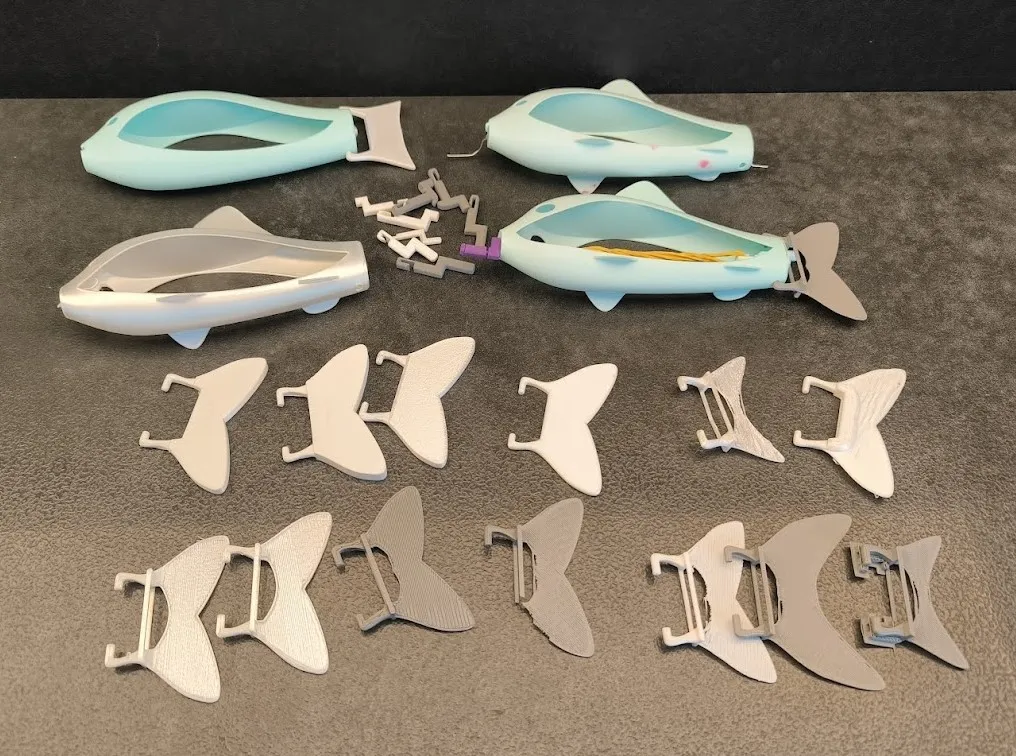
Instructions.


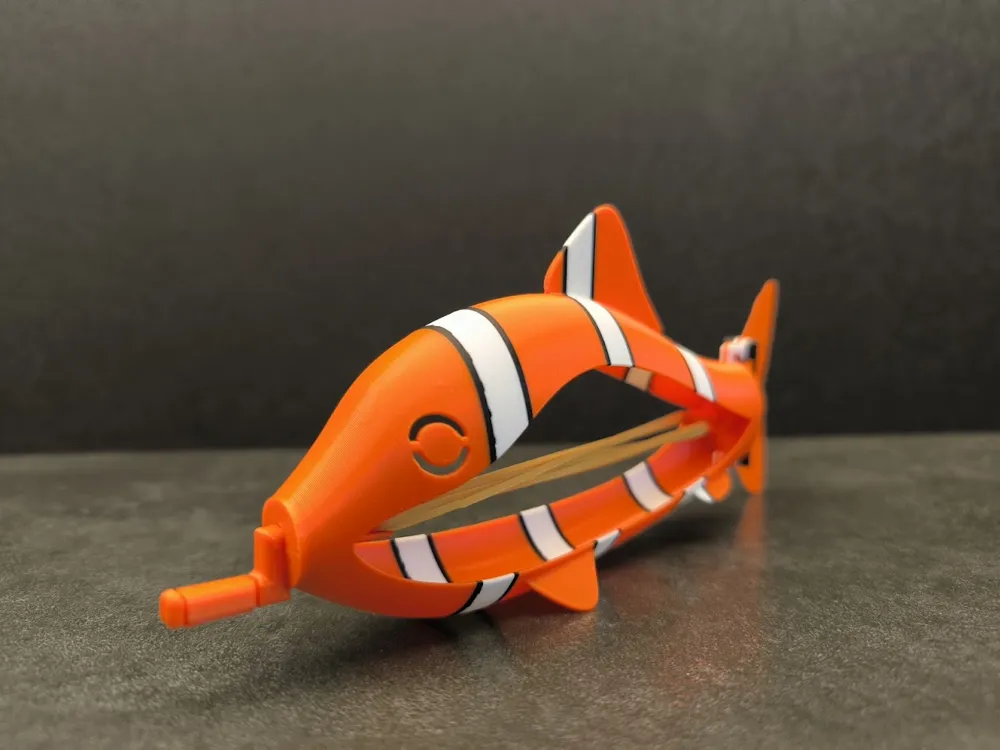
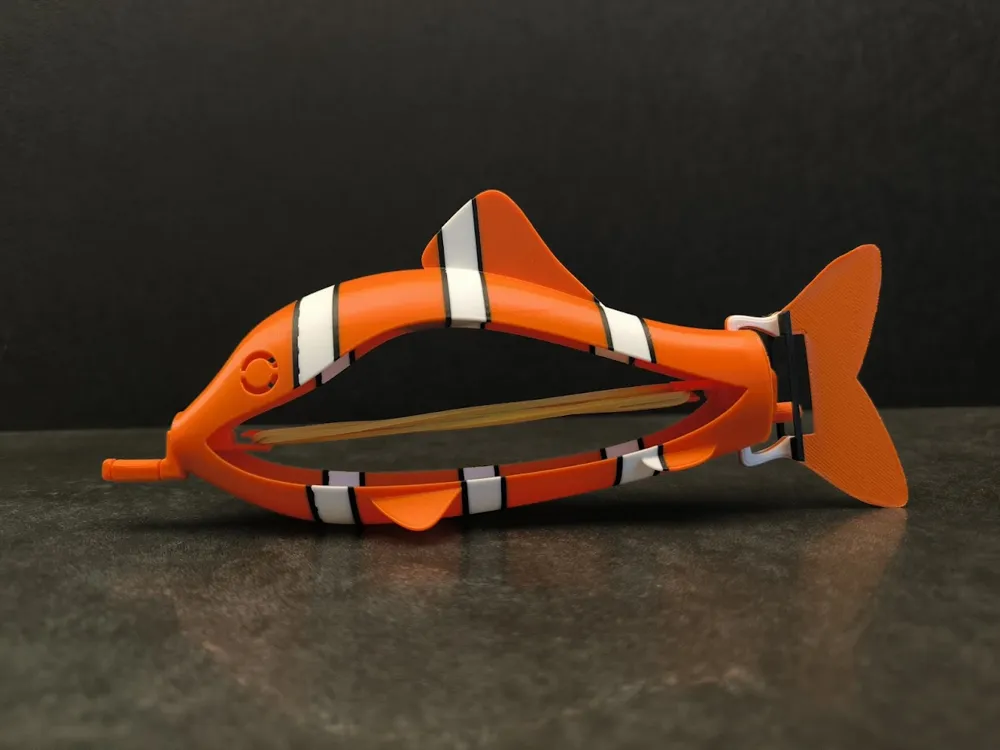
The fish is printed vertically, starting from the head. For better stability, I added a brim. You can play with colors and print the fish in colorful stripes. There is a float in the dorsal part of the fish that provides buoyancy to the fish.


The fin is the most difficult part to print. It has a complicated and delicate shape and at the same time has to be printed on supports. The biggest problem is removing the supports. I recommend gently prying it with a knife as in the picture.
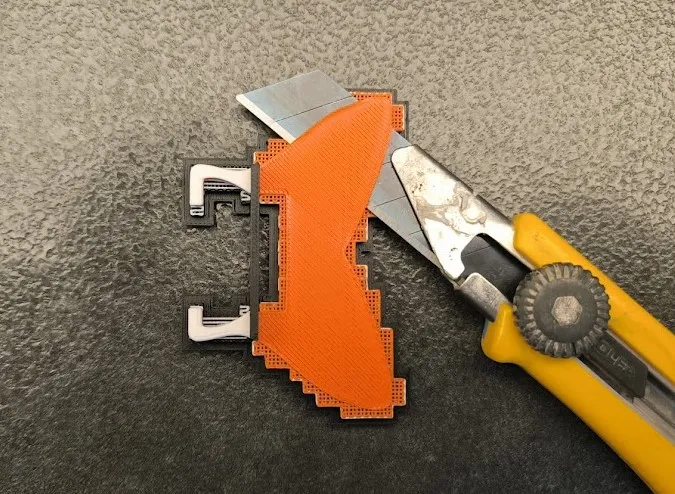
I also added a second way of printing a fish tail. I cut it almost in half. After printing, you will receive two parts to glue together with super glue. This way it is easier to remove the supports and the quality of the tail is better. I tested it and the tail performance is very good.
 

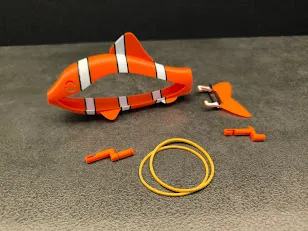
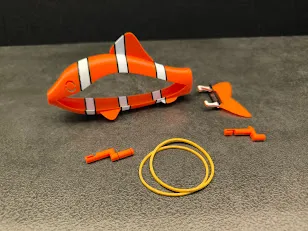
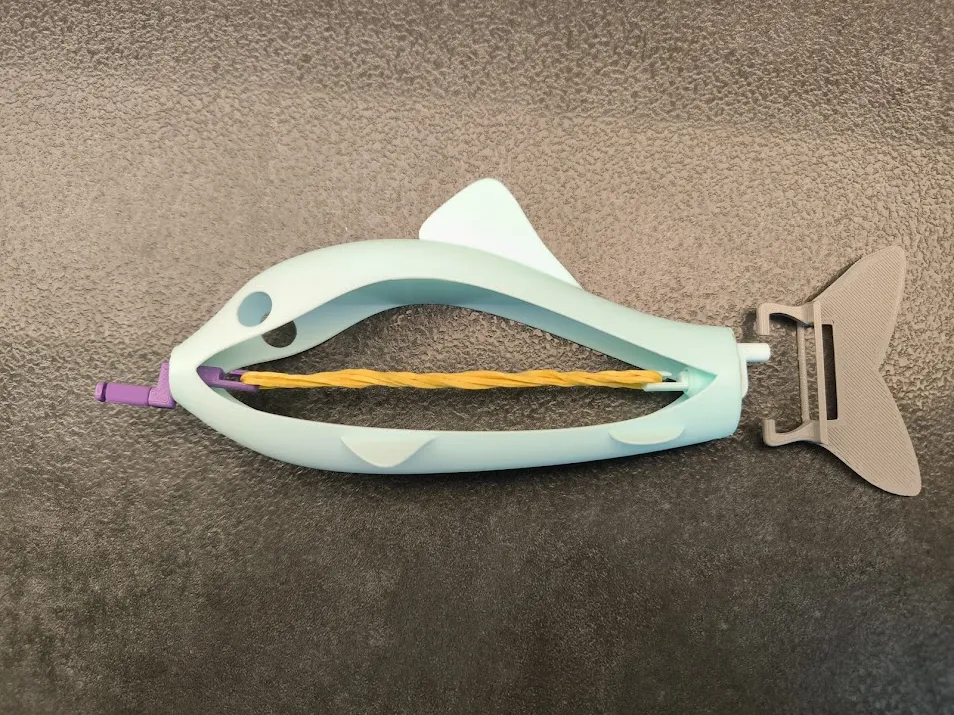
After printing, assemble the elements as in the picture. First insert the tail with the longer pin from the top and at the same time the rear connecting rod has to be in the middle of the tail.
 

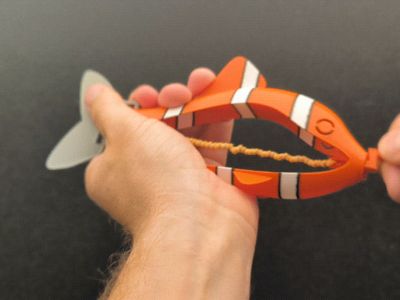

Use two rubber bands for the drive. To insert them, you need a little dexterity. It is best to help yourself with small pliers.
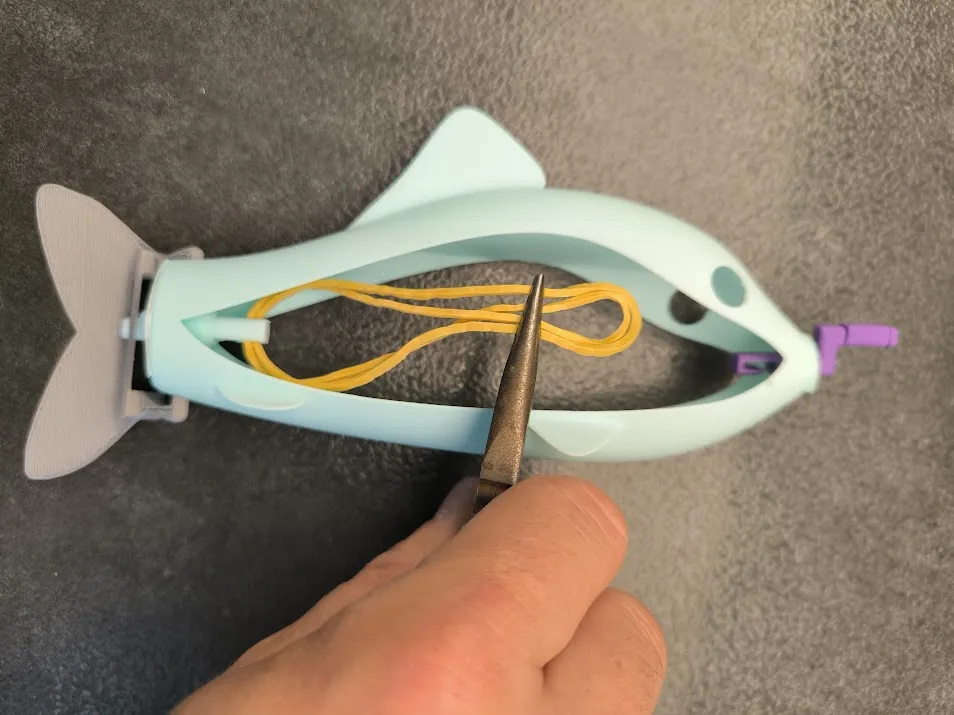
Two rubber bands should easily allow you to wind 50 times. This allows you to swim to both sides of the bathtub :) About 3 meters.

I used rubber band with about 55 mm initial diameter and 1,5 mm thick. But after a few windings their diameter increases to 80 mm. And only when they stretch, does the mechanism start to work properly. If they are too short, they press the elements too much and the drive has too much resistance.
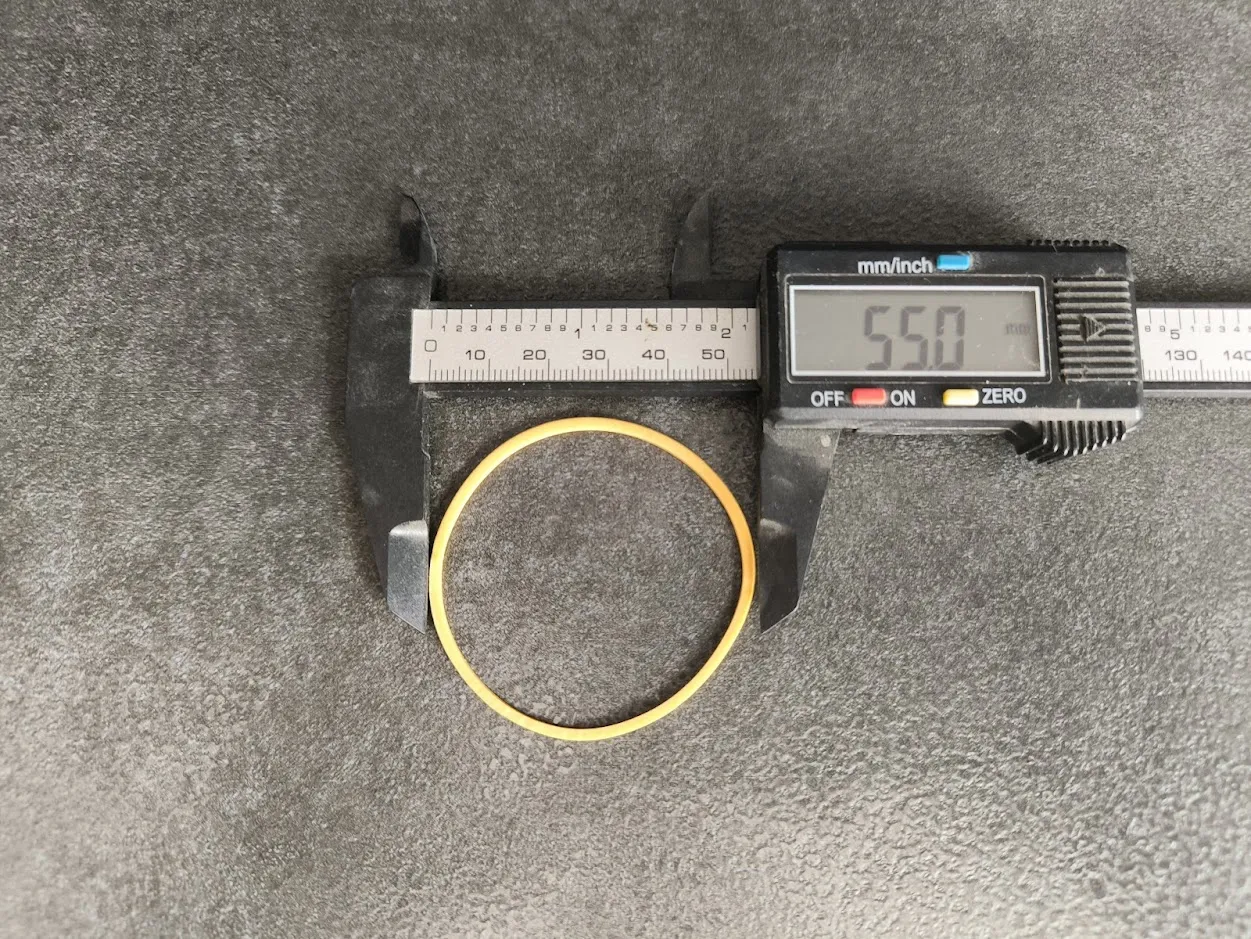


Update: (I also tested Basic Rubber Bands from Maker's Supply . I printed fresh fish and use 3 pieces 1.4x60 mm. Mechanism worked very well.)

At the beginning, the mechanism works quite hard and may jam. You need to wind up the fish several times and release it under water. The rubber bands must loosen slightly and the mechanism elements must adjust.

 However, do the above operation in water or not too hard, otherwise the tail may fall off :)

If the model is still difficult to operate, try adding a small drop of e.g. silicone oil to the back. This helps a lot.


Have fun :)


Media:


Comment & Rating (193)

(0/1000)

Boosted
I printed in PETG, with 3 walls, 0 infill, and set the wipe amount to almost 0. To make the tail move more easily, I added an M6 washer between the two. Then I warmed up the lever that extends into the fin a bit and pressed it flat. This compensates for the thickness of the washer. Now it really rotates much more easily. A super well-thought-out design. I'm excited to see how it works in the water.
(Edited)
The designer has replied
designer
4
Reply
Interesting upgrade :)
1
Reply
Print Profile
Fish: 0.2mm layer, 2 walls, 15% infill
Important: Use a rubber band with a diameter of at least 80mm! I tried without any success with smaller ones (1-3x), but I did not spin at all. Larger (=longer) rubber bands are better. The print profile itself was fine and the design work is great, thanks for sharing! I have uploaded an alternative print profile using support material. It only is required at one layer height and therefore neither material nor time expensive.
profile
4
Reply
Unfortunately it does not spin at all. It seems like the achses don't turn, why ever. I can turn it manually and see in general it should work, but it doesn't do it automatically. You can see on the second photo, that there are even spaces on both sides of th achses and still just doesn't move. Any idea?
The designer has replied
0
Reply
First, the mechanism must run in. Launch the fish in the water. Water acts as a lubricant. After a few starts, everything should work smoothly. Additionally, for better power, add a second rubber band.
1
Reply
Replying to @Sevro :
I already tried both, underwater and with 1-3 rubber bands. After it is dry again I will try with some oil, but don't expect any change.
1
Reply
Replying to @Sevro :
The size of the rubber band matters. You may add to your description the size of rubber band you are using.
1
Reply
Boosted
Print Profile
Fish: 0.2mm layer, 2 walls, 15% infill
nice quality
The profile uploader has replied
profile
2
Reply
Good to see in a natural environment :)
0
Reply
Print Profile
Fish: 0.2mm layer, 2 walls, 15% infill
What an absolute impressive design! Printed perfectly and I am amazed by the smart design choices like the ratchet at the front or the small contact points in the rear. Thank you so much, my friend's three year old daughter will love this!
The profile uploader has replied
profile
1
Reply
Thanks for the kind words. It's obvious that you are an engineer because you notice these small and inconspicuous elements that are crucial for something to work as it should :)
0
Reply
Replying to @Sevro :
Guilty as charged =D
0
Reply
Print Profile
Fish: 0.2mm layer, 2 walls, 15% infill
Great design! I printed the basic fish part in PLA. The tail fin and other two rotating parts in ASA. I had to search a bit for the rubber bands until I found the right ones that worked. It definitely works better in the water, I think the drive needs some fine tuning to make it work better. Still a great model, thanks for sharing!
The profile uploader has replied
1
Reply
I added a new tail printing method to the print profile. Prints better and easier, but requires gluing
0
Reply
Replying to @Sevro :
I had no problems with the printing itself. I just think that the rubber band drive mechanism could perhaps be optimized. For example, by using a gear transmission which could better transfer the force of the rubber band to the fish fin.
(Edited)
2
Reply
Unfortunately it printed with a bunch of support i can't remove lol. the fin also printed broken and it's HUGE. i expected a much smaller toy
The designer has replied
0
Reply
You are printing in the wrong orientation. Print as set in the printing profile
0
Reply
Replying to @Sevro :
i 'll try to find some rubber bands before hand. printed 4 fins. last one i did the glue version, works way better. the other 3 broke as i was removing the huge amount of support
0
Reply
Print Profile
Fish: 0.2mm layer, 2 walls, 15% infill
nice
The profile uploader has replied
profile
1
Reply
Cool :D
0
Reply
Print Profile
with support material, 0.2mm layer, 2 walls, 15% infill
No issues with Deeplee filaments. Exceptionally smooth surfaces.
Show original
profile
2
Reply
i tried 3 times but it always failed at the same spot 👎
The designer has replied
0
Reply
I noticed that there were some errors in the painting. I fixed it. Besides, you can turn on the prime tower. This should also help with changing colors if you have any problems with that.
(Edited)
0
Reply
Replying to @Sevro :
I was printing via bambu handy app without changing any settings etc, i will try your updated version with prime tower and increasing de brim width, hope it prints this time
0
Reply

License

This user content is licensed under a Standard Digital File License.

You shall not share, sub-license, sell, rent, host, transfer, or distribute in any way the digital or 3D printed versions of this object, nor any other derivative work of this object in its digital or physical format (including - but not limited to - remixes of this object, and hosting on other digital platforms). The objects may not be used without permission in any way whatsoever in which you charge money, or collect fees.