
Print Profile(6)
![Size M [~1,2 L]](https://makerworld.bblmw.com/makerworld/model/USf508b95158ebfd/302654166/instance/2025-05-16_c71a99c7001f28.jpg?x-oss-process=image%2Fresize%2Cw_100%2Fformat%2Cwebp)
![Size L [~3,85 L]](https://makerworld.bblmw.com/makerworld/model/USf508b95158ebfd/302683497/instance/2025-05-16_a4b30626f05a78.jpg?x-oss-process=image%2Fresize%2Cw_100%2Fformat%2Cwebp)
![[Extras] Connector Cutting Jig](https://makerworld.bblmw.com/makerworld/model/USf508b95158ebfd/303514805/instance/2025-05-17_be2c68e9040818.jpg?x-oss-process=image%2Fresize%2Cw_100%2Fformat%2Cwebp)
![[Extra] Square Plates](https://makerworld.bblmw.com/makerworld/model/USf508b95158ebfd/303515433/instance/2025-05-17_e234ae8f688418.jpg?x-oss-process=image%2Fresize%2Cw_100%2Fformat%2Cwebp)


Description
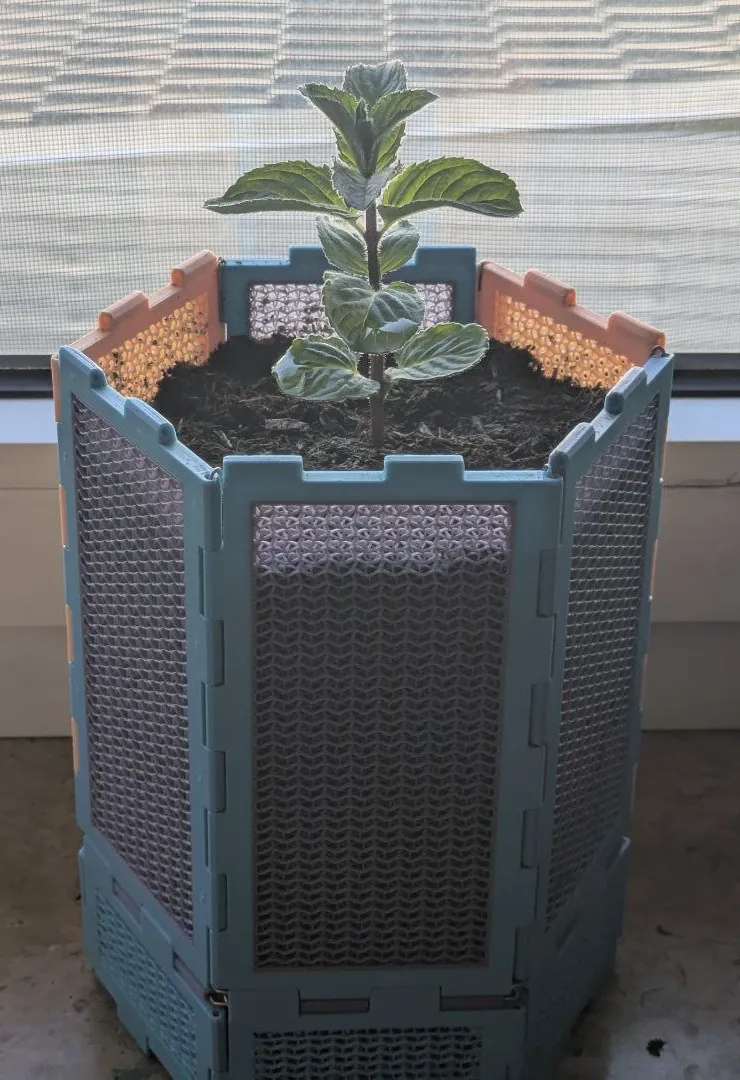
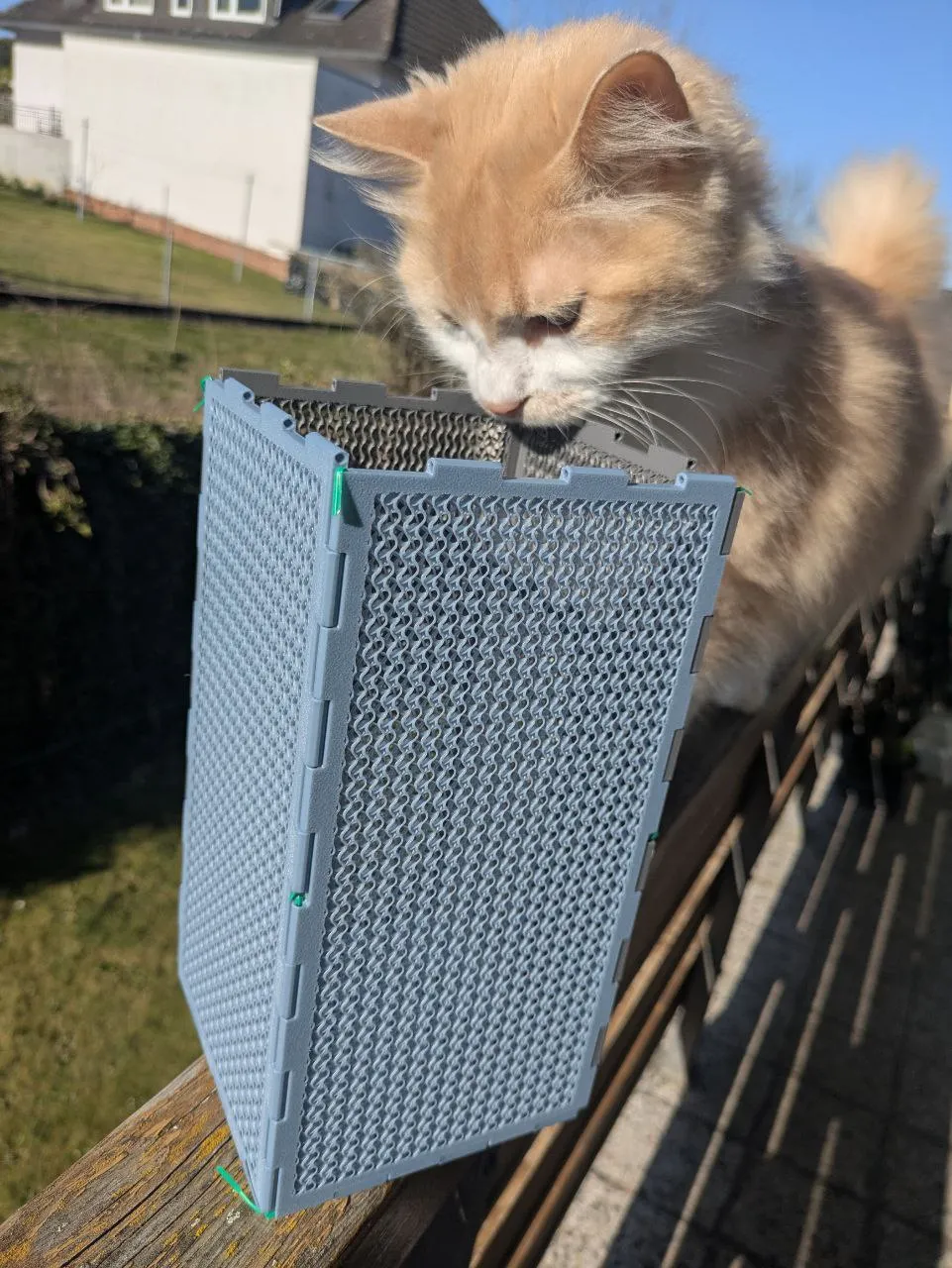
Just as my other two pots, this one is all about root health!
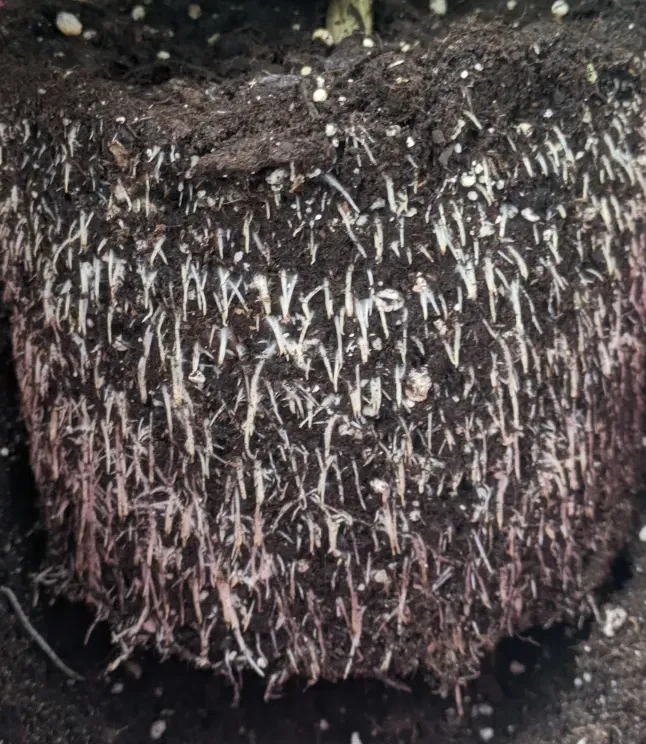
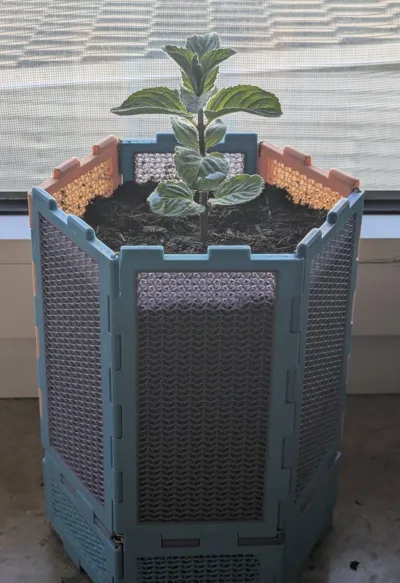
We all want the best for our plants - but did you know that poor root health is one of the main reasons they struggle or die? This pot is designed to change that. It offers better aeration of soil which leads to:
- Less waterlogging
- Healthier growth through air pruning of type C roots
- Reduced salt buildup from fertilizers
Often all we want is simply the best for our plants. But the main cause for plants to die is bad root health! And one of the main cause for this are standard pots that don't fit the very needs of your individual plants.
This pot achieves the following
- Better aeration of soil which in turn causes:
- reduced waterlogging
- prevents builtup of excess salts from fertilizer
- Improved growth by air pruning type C roots
“Alright, but what the heck is air pruning?”
-You, probably
Air pruning happens when roots reach the edge of a pot with good air exposure (like mesh or fabric pots). The root tips dry out (prune) when they hit the air. This stops them from circling inside the pot and triggers the plant to grow more lateral roots (branching out instead of spiraling). Type C roots" are the fine feeder roots, and air pruning them encourages more root branching, which leads to better nutrient uptake and healthier plants.
Source: ChatGPT “as an expert for gardening, explain ‘air pruning’”
See also: https://depts.washington.edu/propplnt/Chapters/air-pruning.htm
But wait - there's more!
This pot is not only great for your plants, but also for your workflow:
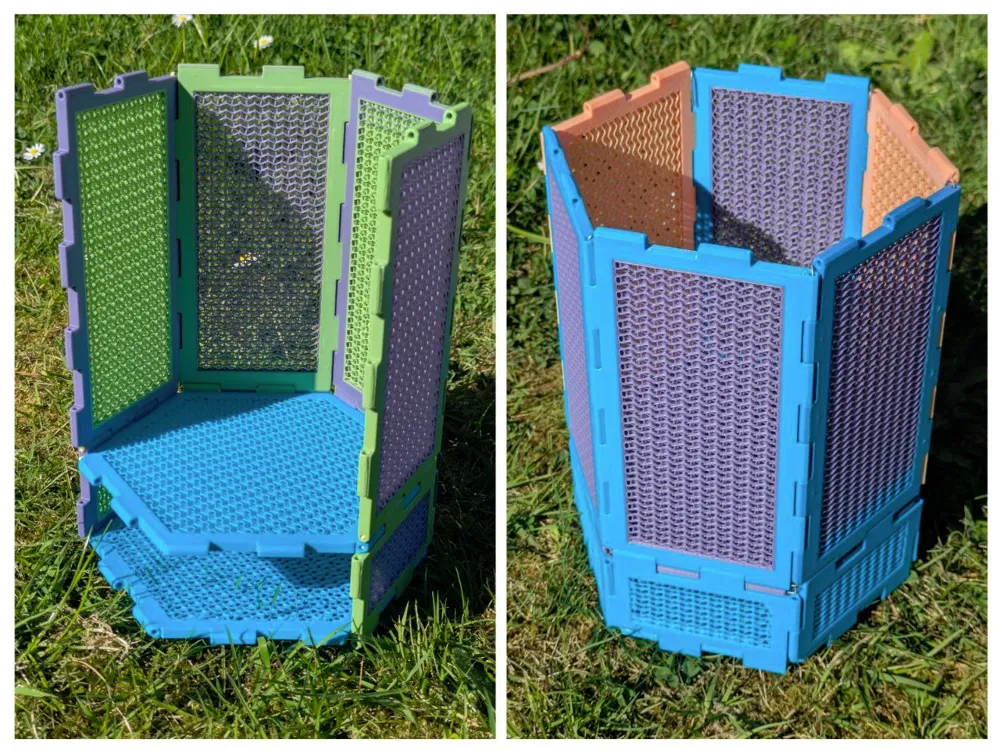
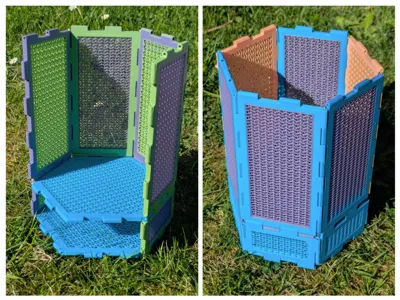
- Modular and disassemblable: Stores flat once the plant is harvested
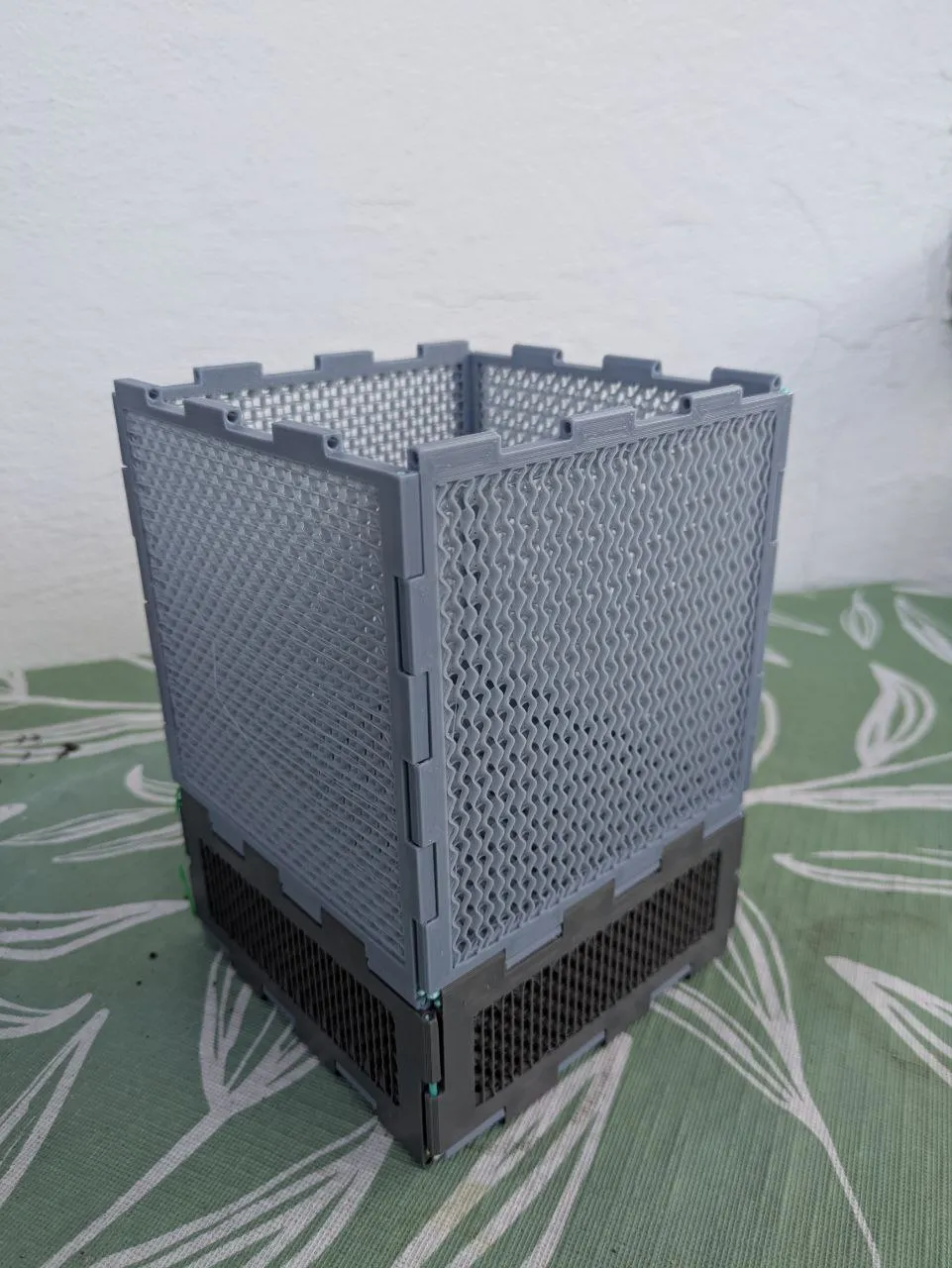
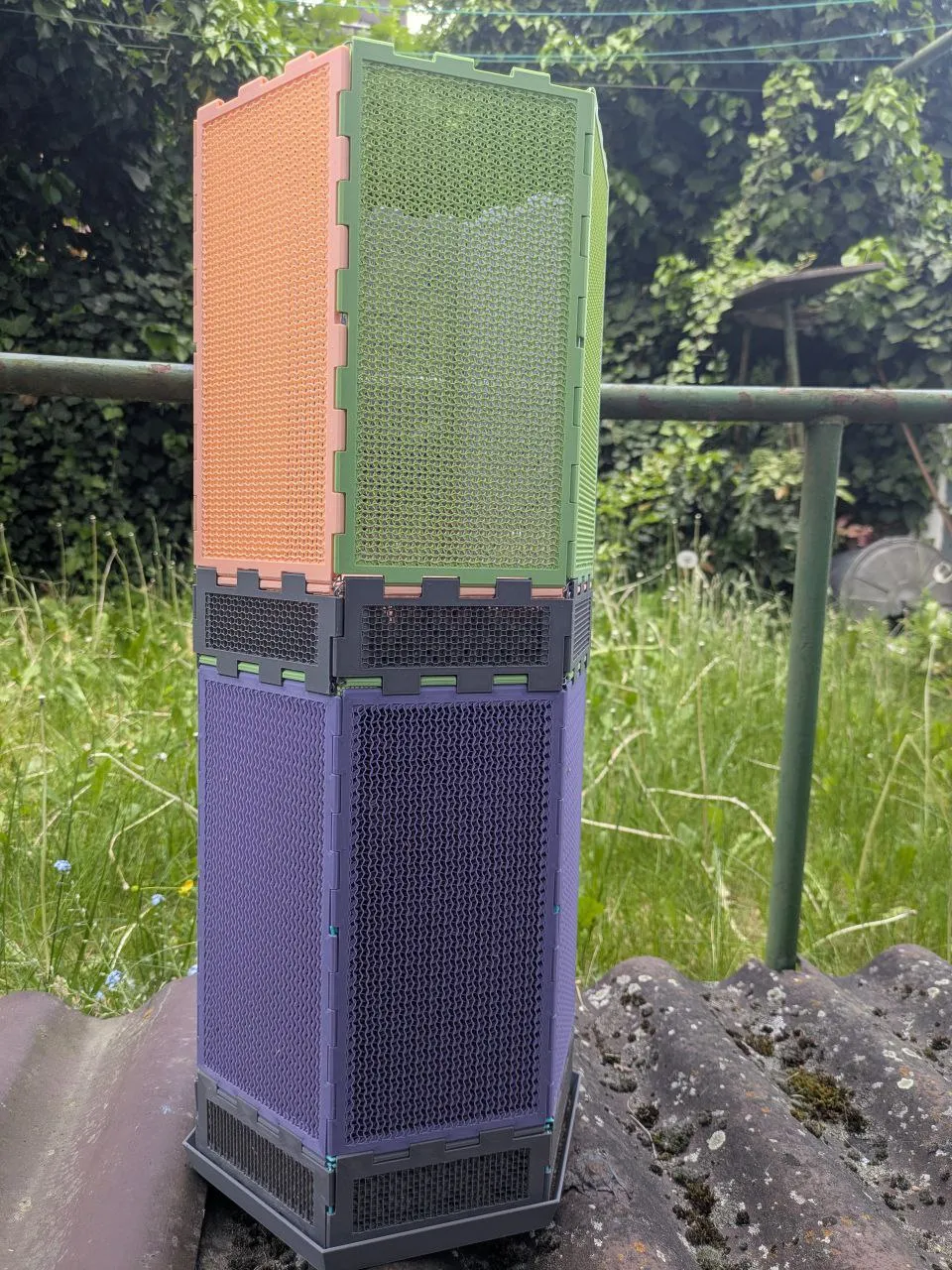
- Stackable and customizable: Combine, reassemble, and reuse in various configurations
- Tool-free assembly: Use standard 3D printing filament or gardening wire
- Customizable permeability: Adjust density of mesh in Bambu Studio to your needs
- LST-friendly: Built-in holes make low stress training (LST) easy
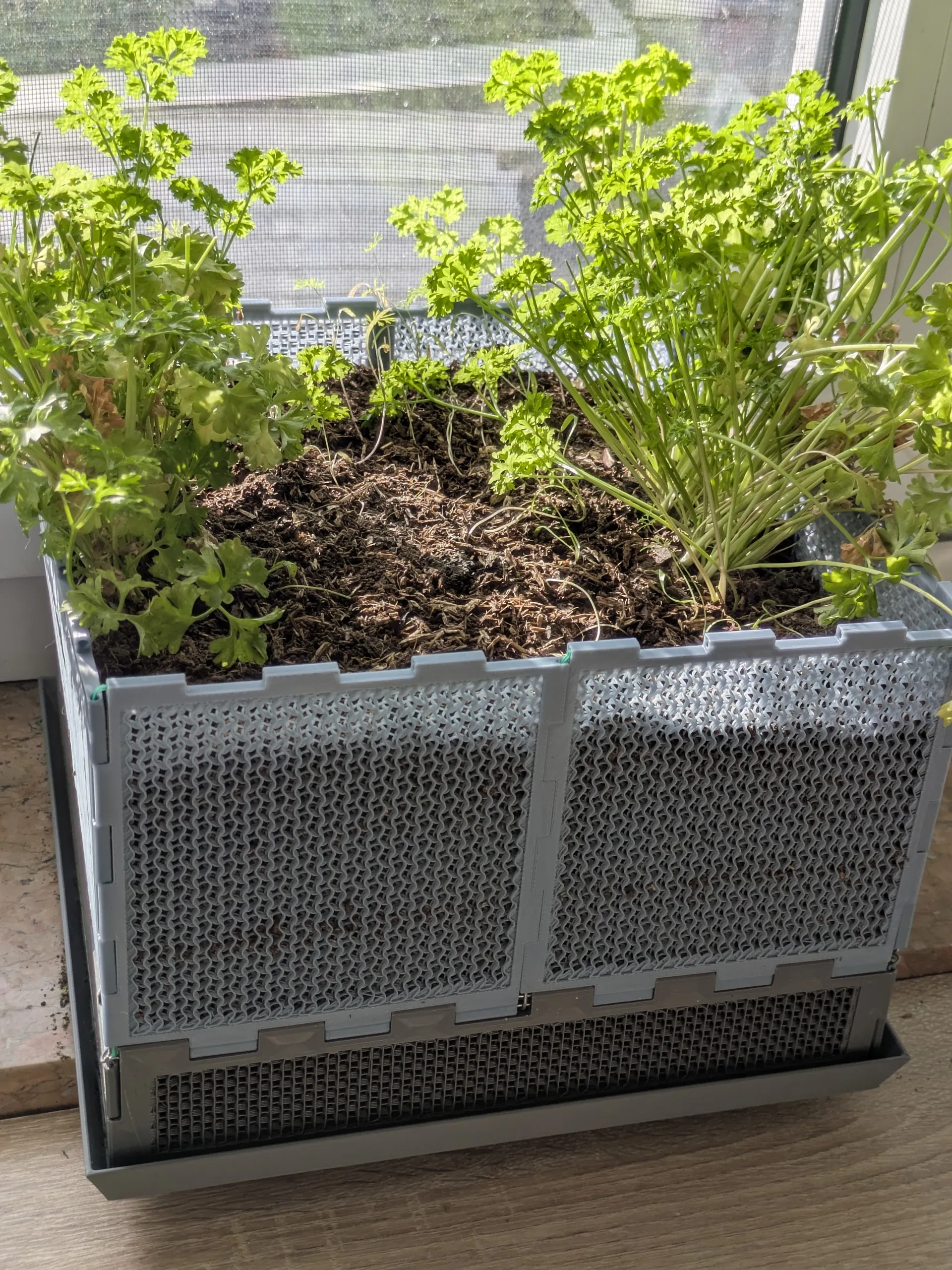
- Multizone planting: Create separate compartments for different soils or plants
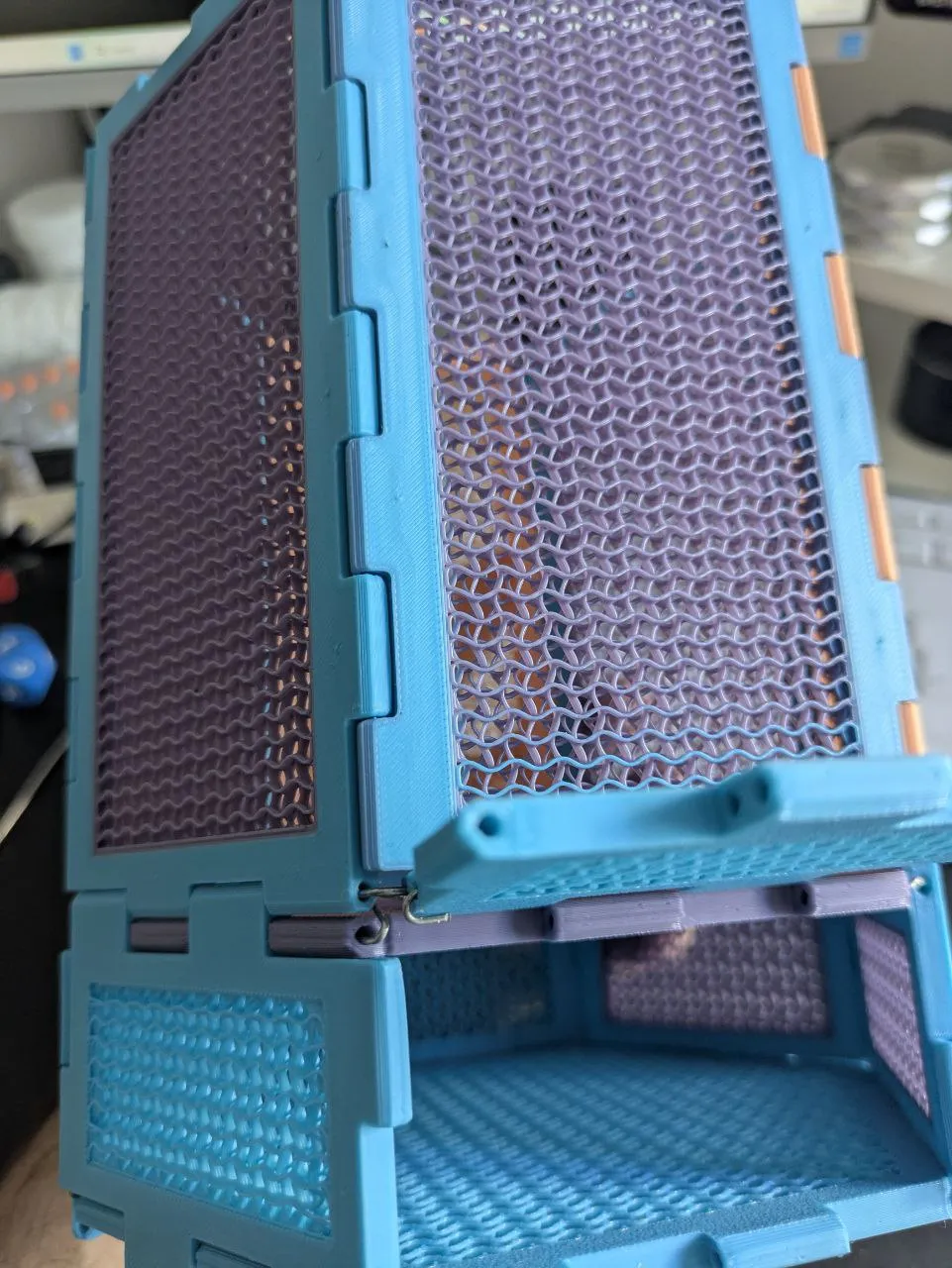
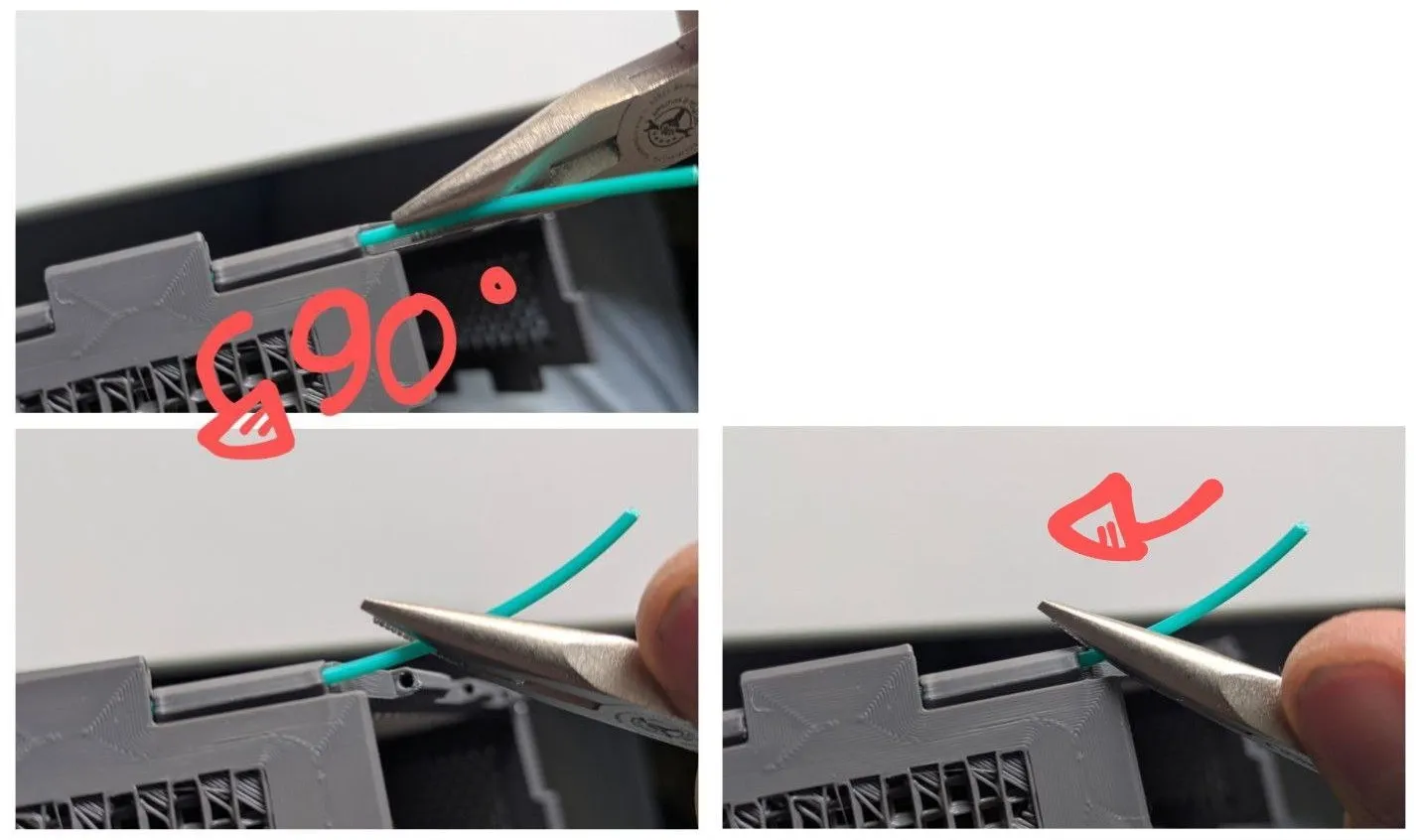
Assembly using Filament
When inserting filament, rotate it ~90° every other connector. This compensates for the filament's curve and prevents jamming. Don’t force it - lest the filament might snap.
Assembly using Wire
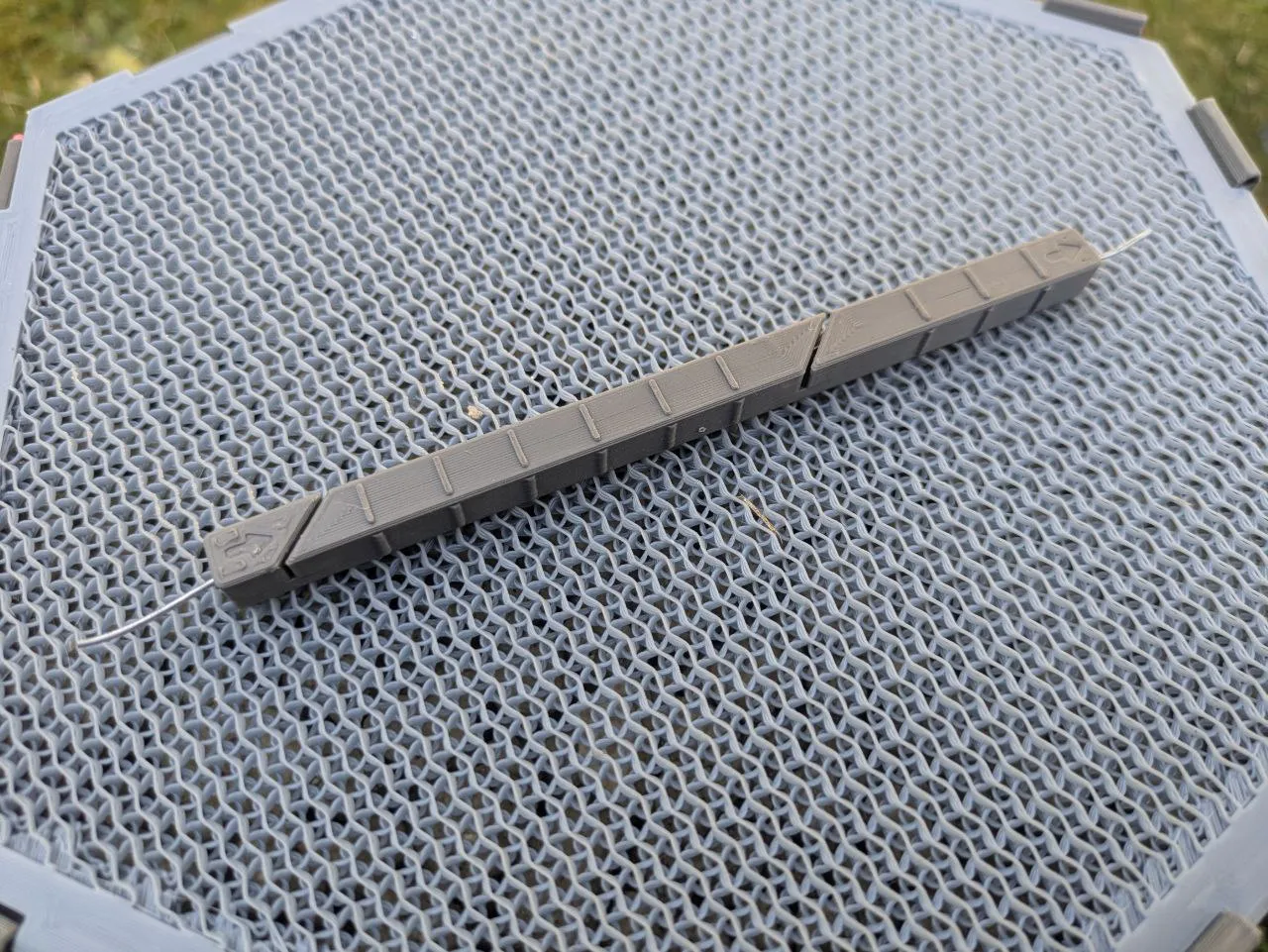
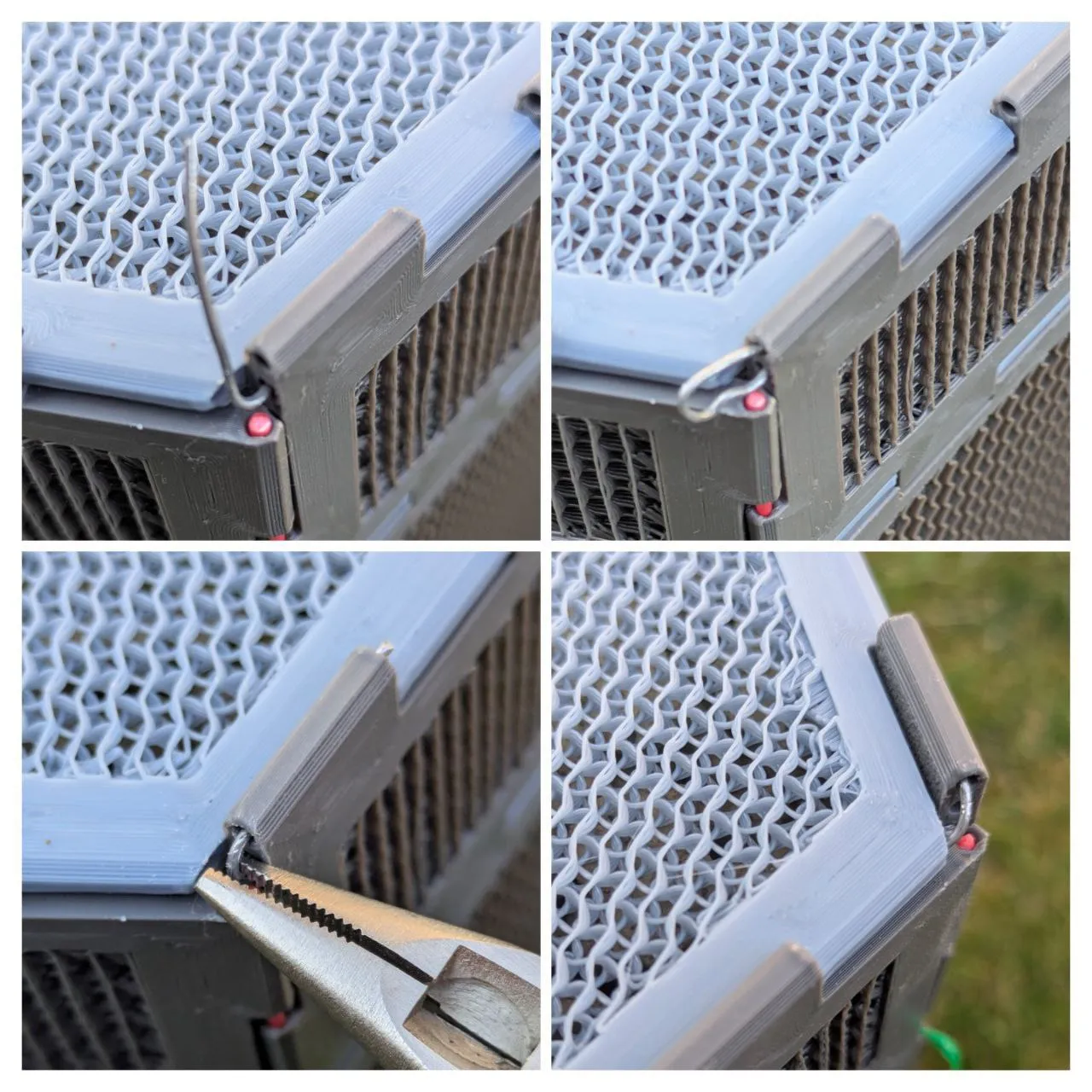
(Better safe than sorry - cut wire ends can be sharp!)
Examples of Usage
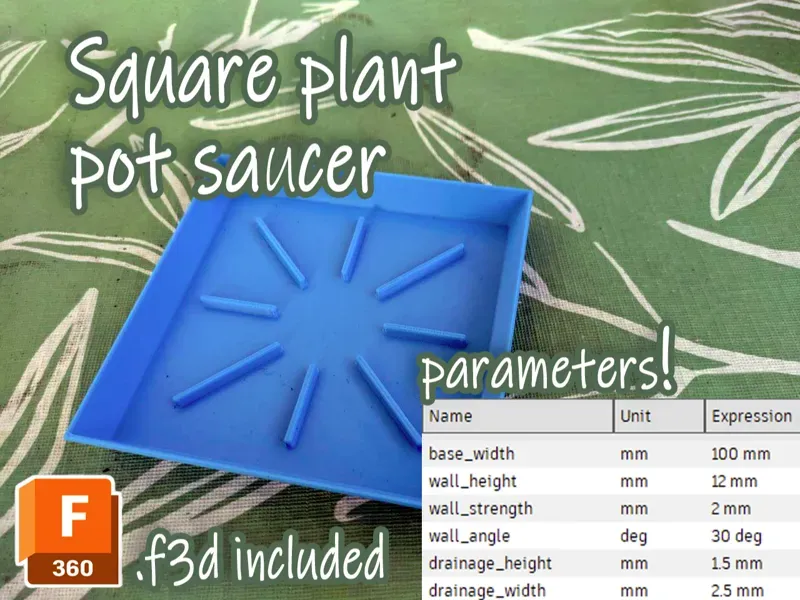
Can be square as well
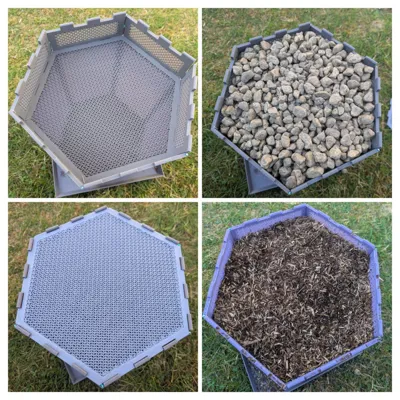
I recommend this square saucer if you choose to go down this route.
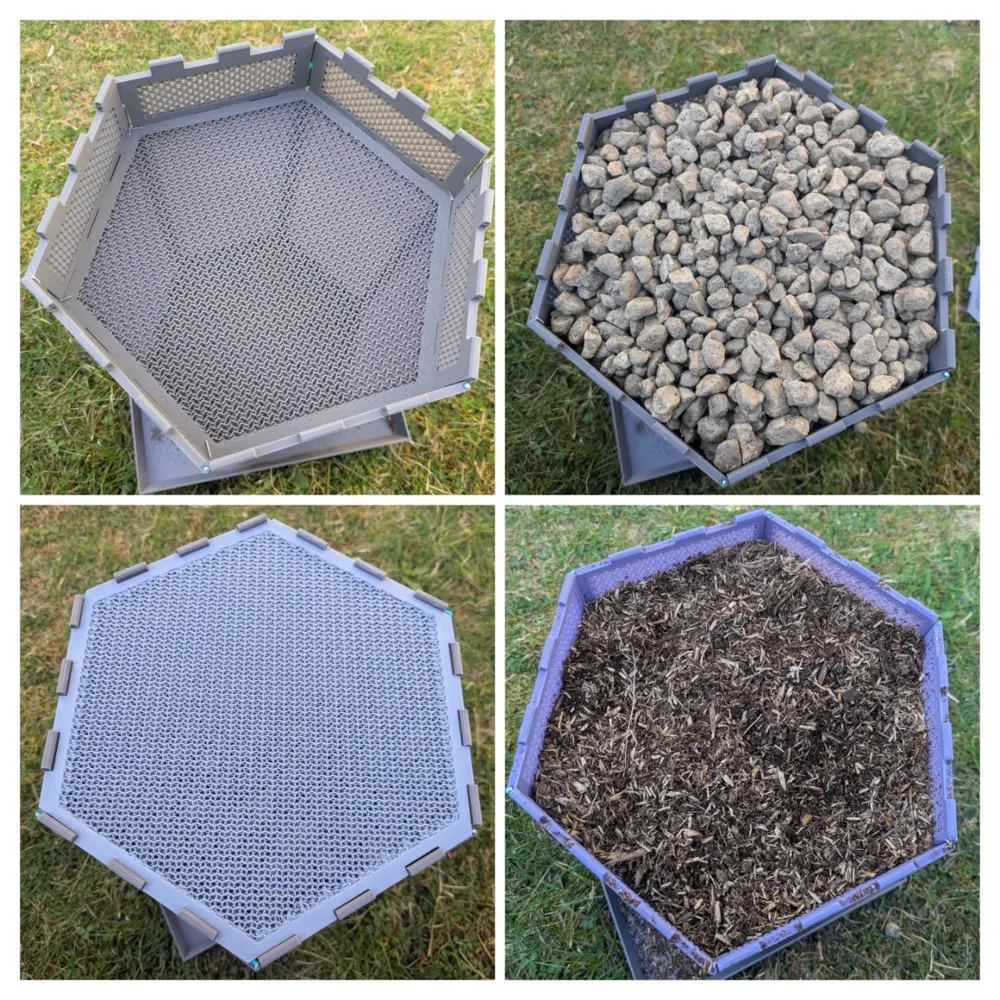
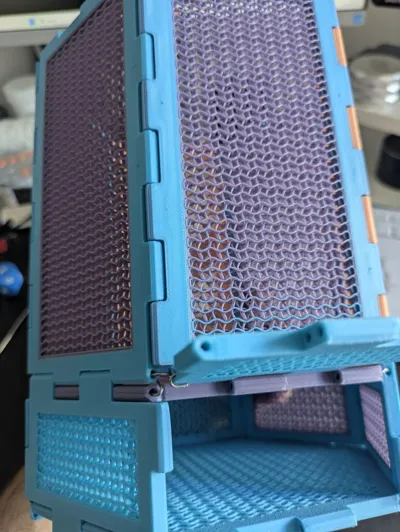
Separate compartment for drainage
Add a water reservoir using spacers and a second base plate.
Bonus Tip: Add a watering wick between the layers to improve water-uptake.
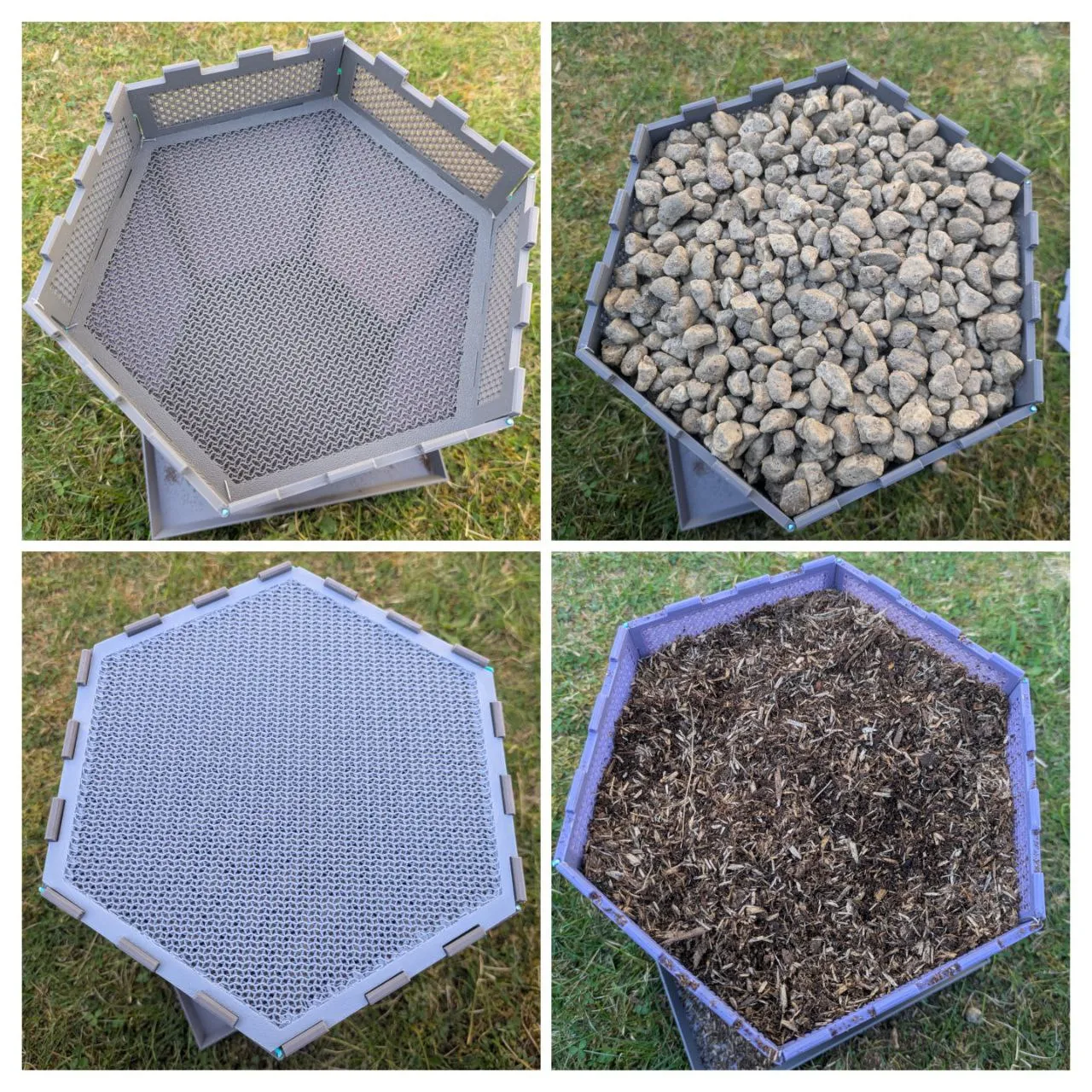
Customizing
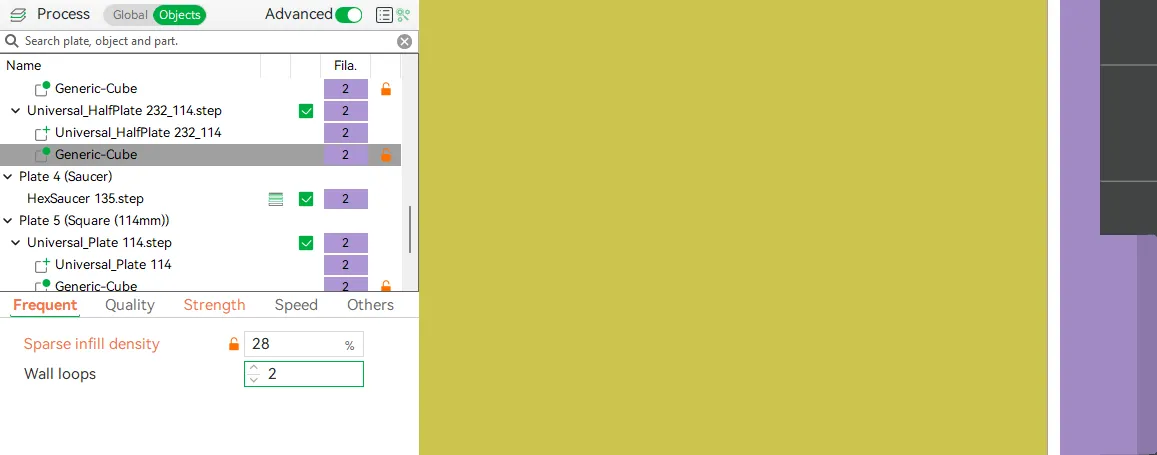
Mesh Permeability
Need tighter or looser mesh? Just tweak the parameters in Bambu Studio to match your plant's needs.

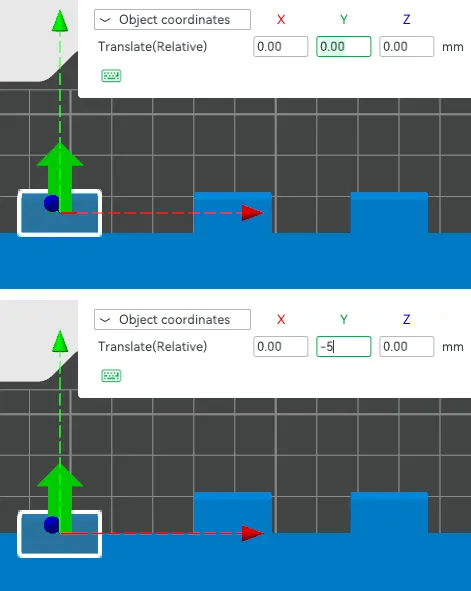
Customizable Spacers
Don't need the additional height? Want to connect into another direction? Just use the extra profile and adapt the connectors inside the slicer!
Before you print …
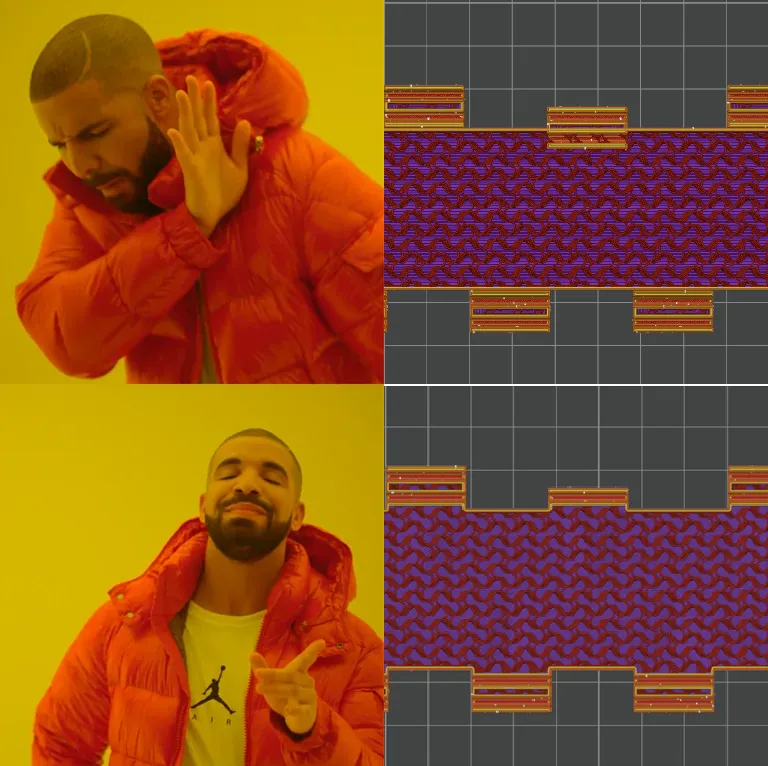
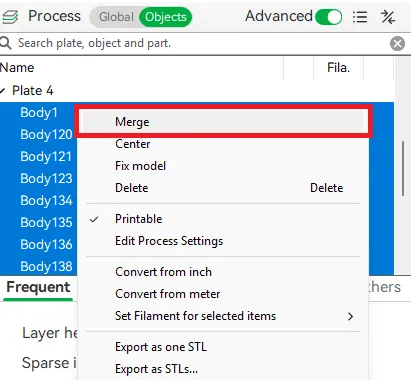
Last but not least …
… wash your build plate! And only use high quality filament!!
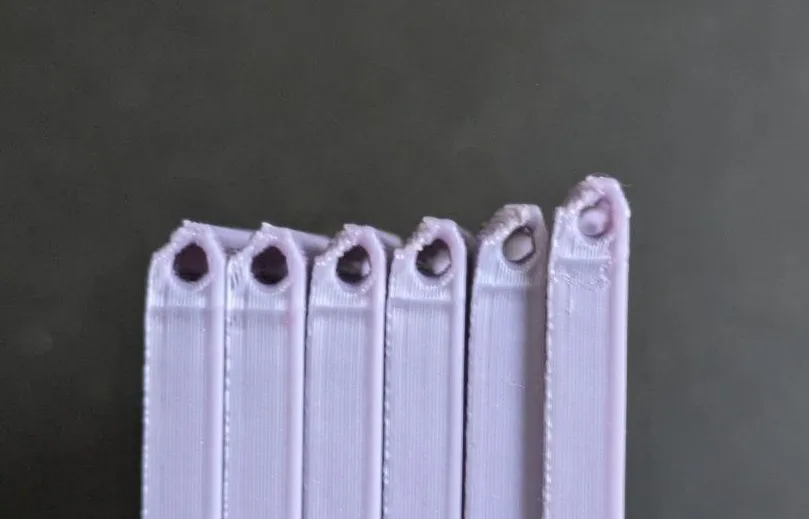
Use warm water and normal dishwashing detergent.
And no, ISO does not suffice.
Updates
- More coming soon
17.05.2025
- Re-organized print-profiles for better usability, feedback very much appreciated!
- Added square parts and customizable spacers as profile as well as their fixed raw model files (copy modifier from other parts if necessary)
Why are you still here?
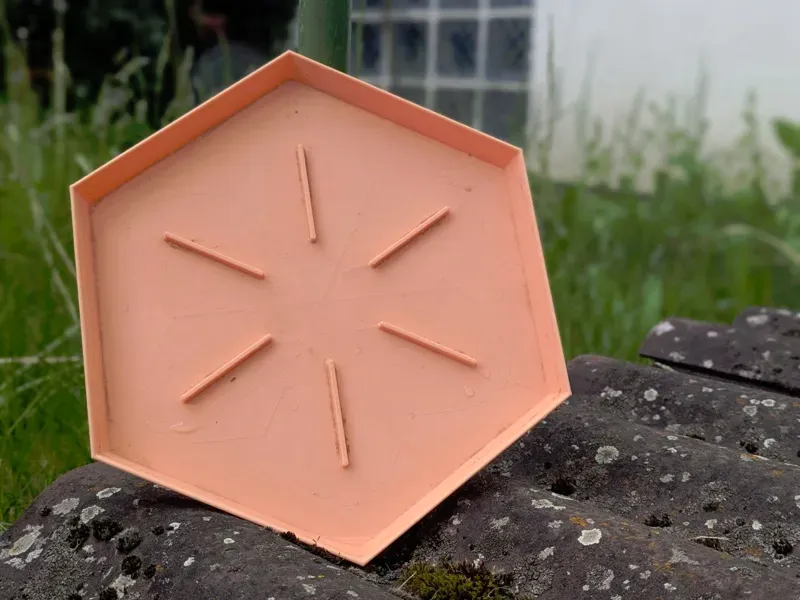
If you're looking for some saucers, look no further!
Boost Me (for free)
To give me a boost? Oh why, thank you!
License

You shall not share, sub-license, sell, rent, host, transfer, or distribute in any way the digital or 3D printed versions of this object, nor any other derivative work of this object in its digital or physical format (including - but not limited to - remixes of this object, and hosting on other digital platforms). The objects may not be used without permission in any way whatsoever in which you charge money, or collect fees.


Comment & Rating (8)