
Bambu Spool - desiccant drying
Print Profile(2)


Description



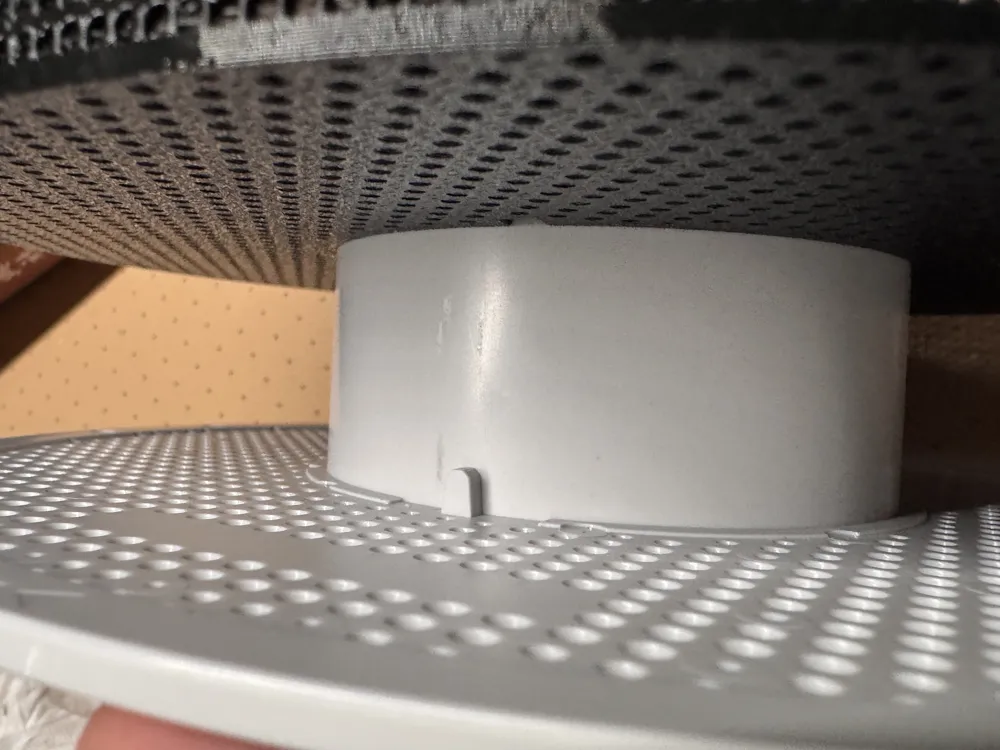
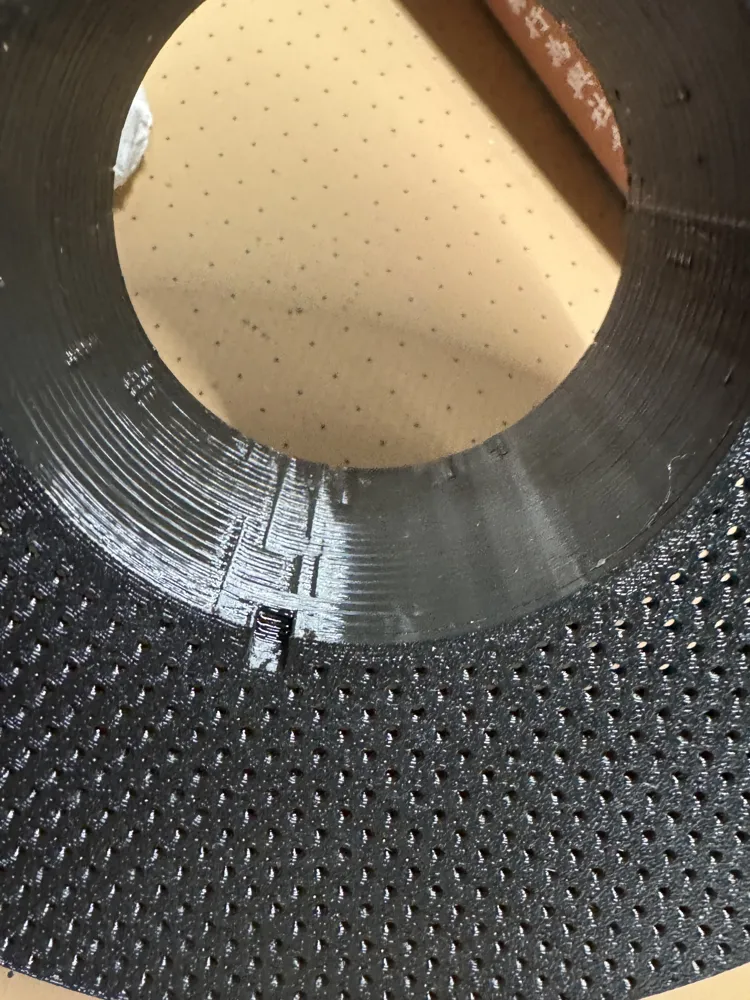
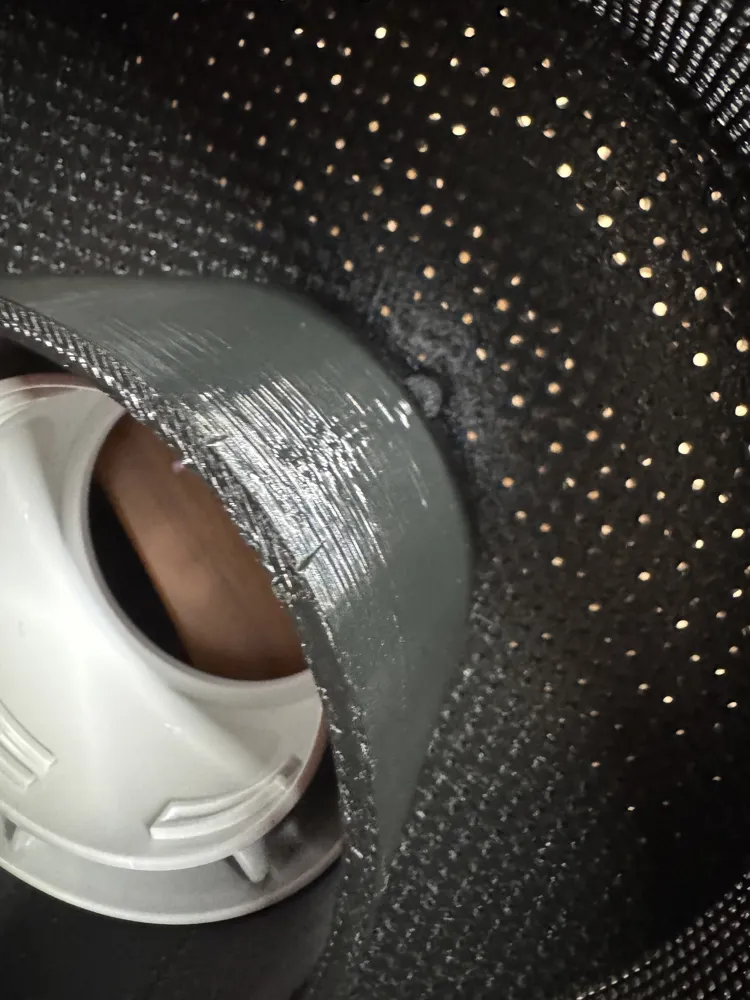
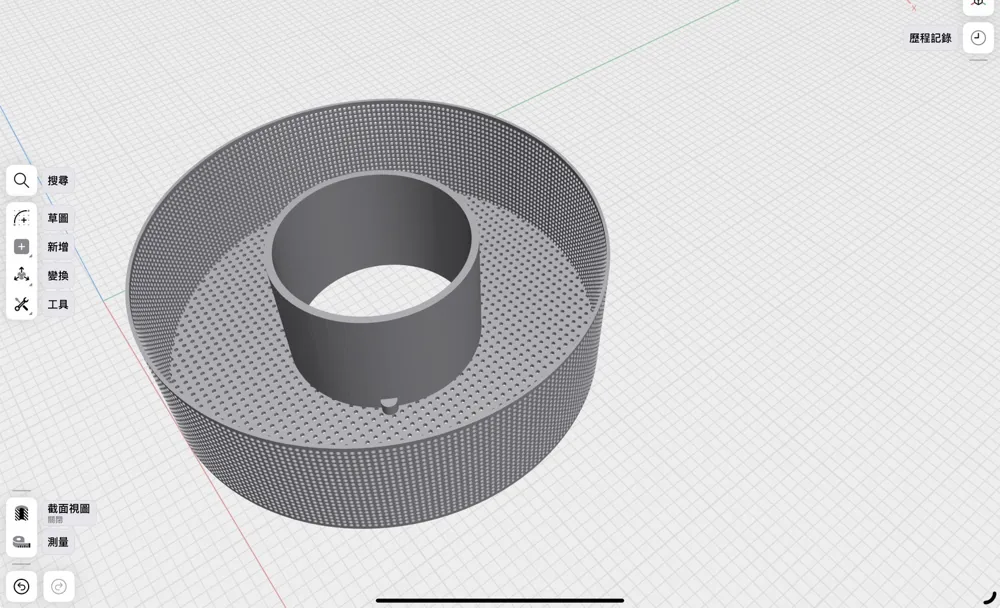
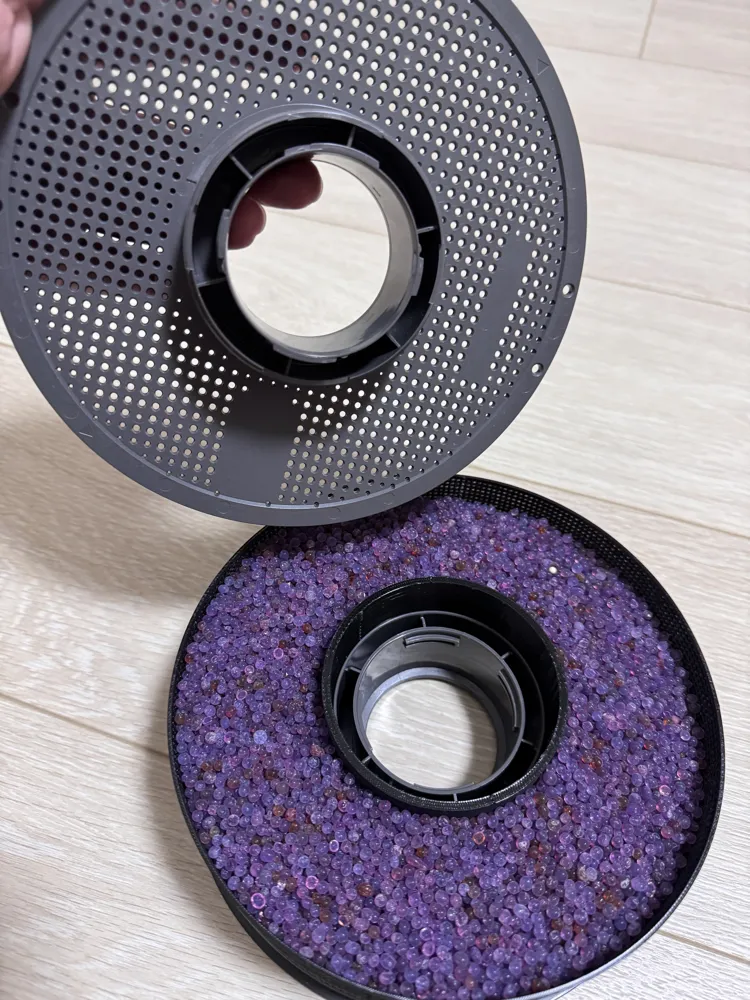
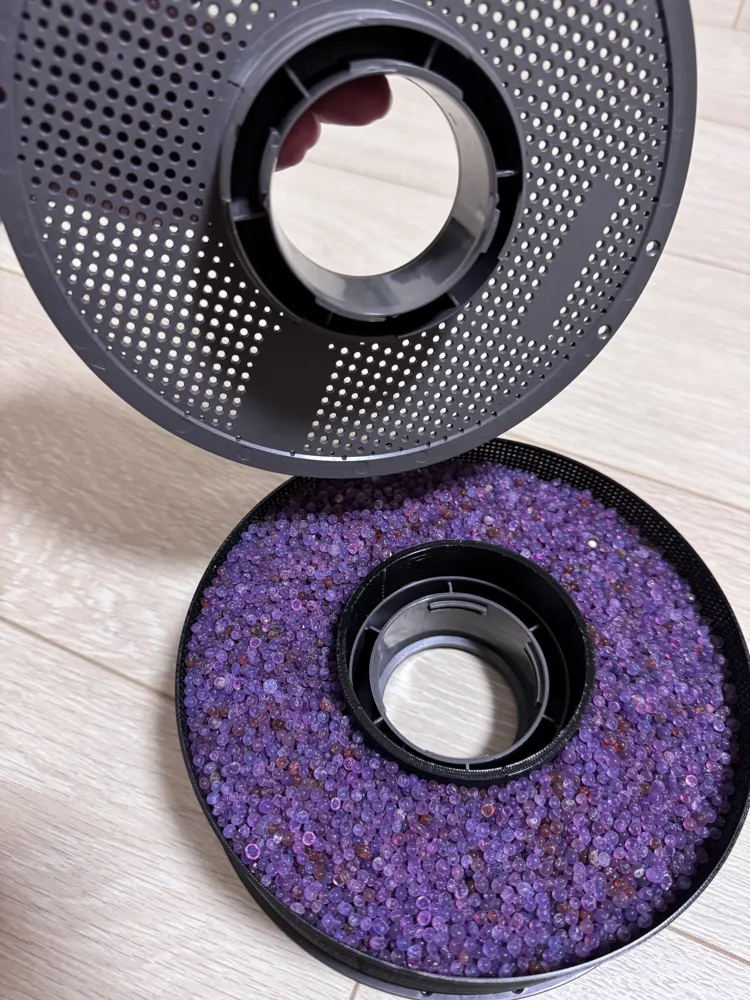
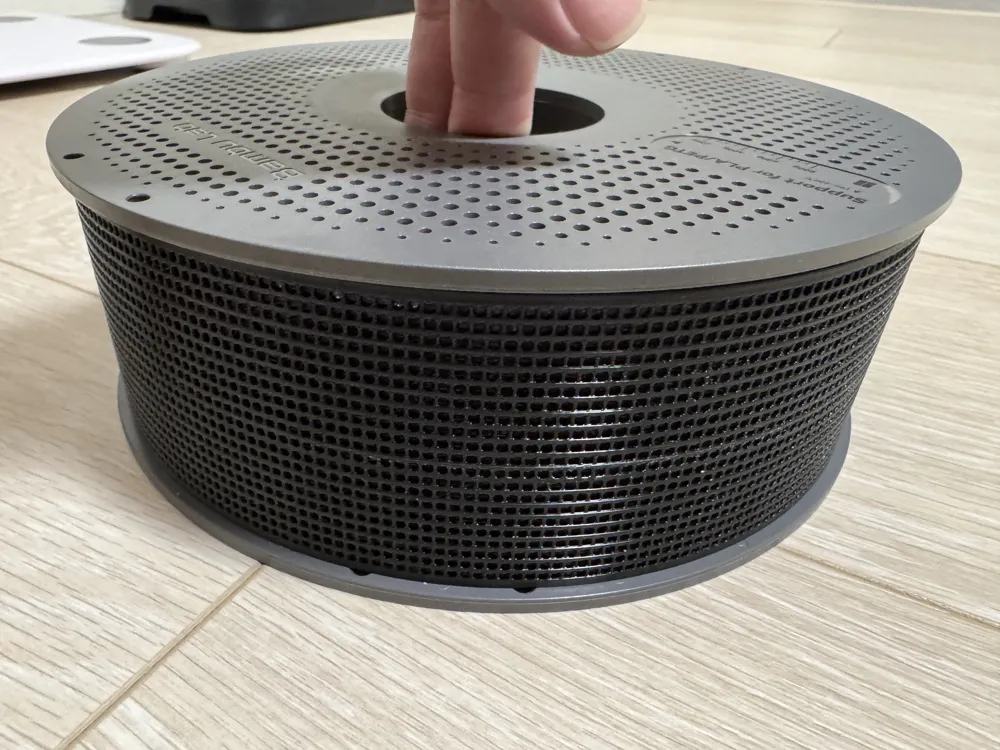
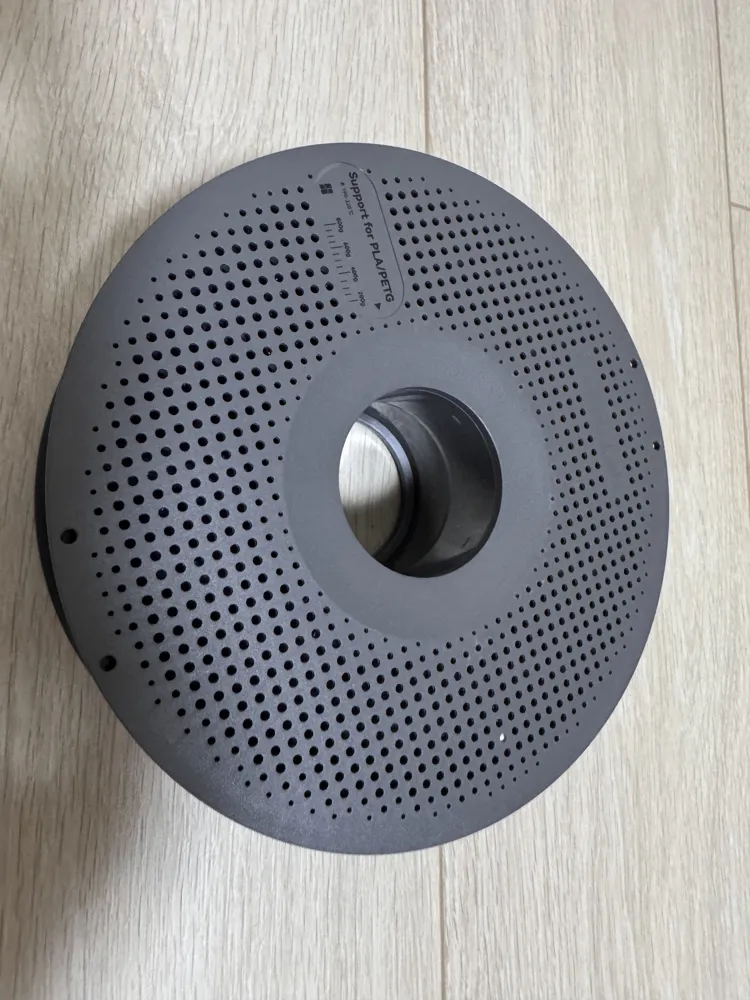
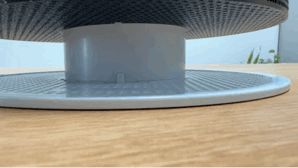
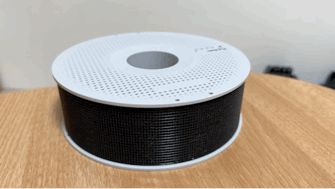
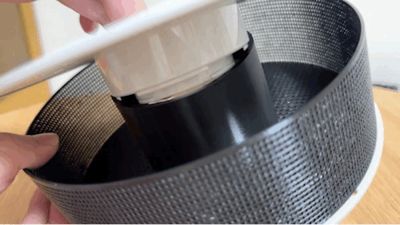
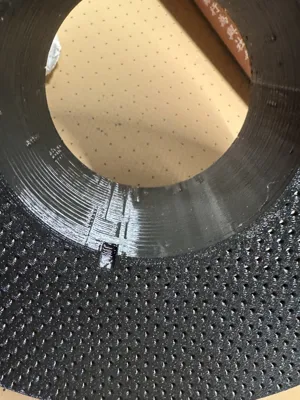
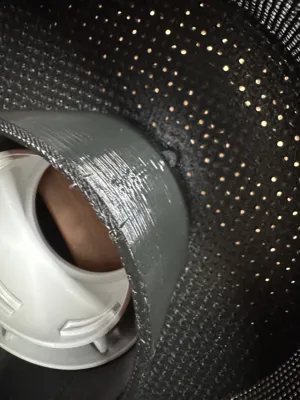
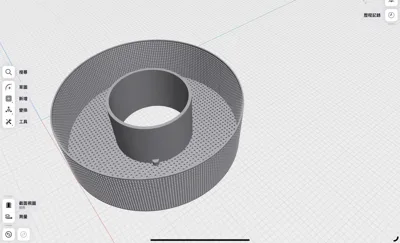
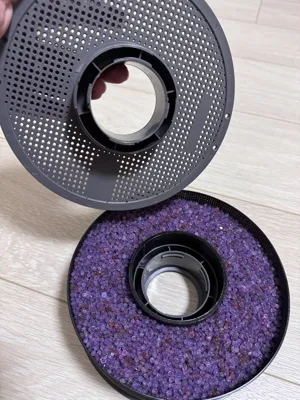
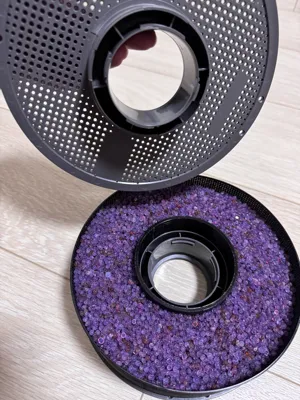
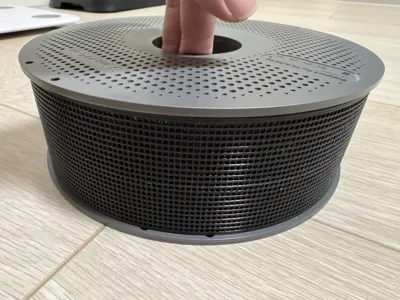
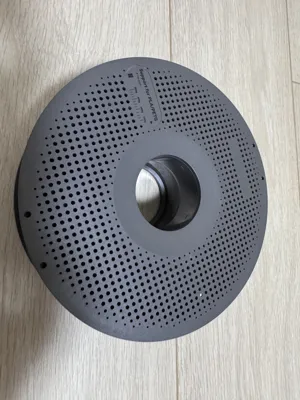
Bambu Spool – PETG Drying Container for Desiccant After finishing an original Bambu spool, I designed an air-circulating container for drying desiccant. I modeled it using SHAPR3D, and its interior features dedicated clips that securely hold the spool's original protrusions, ensuring stable and non-detachable operation
Design Explanation:
My design primarily reuses a Bambu 3D printer spool, converting it into a desiccant drying container to ensure the desiccant remains effective for an extended period and prevents moisture from affecting print quality
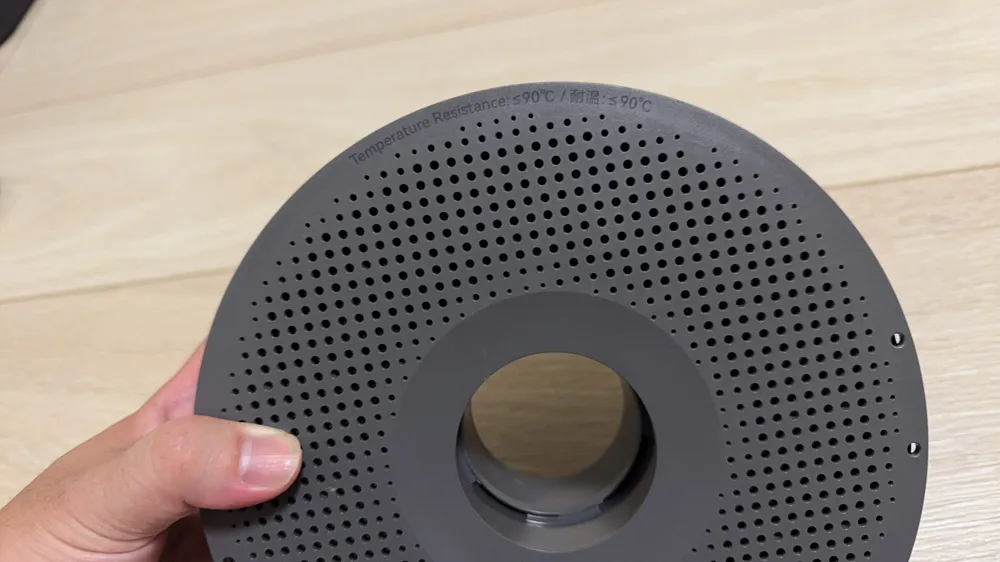
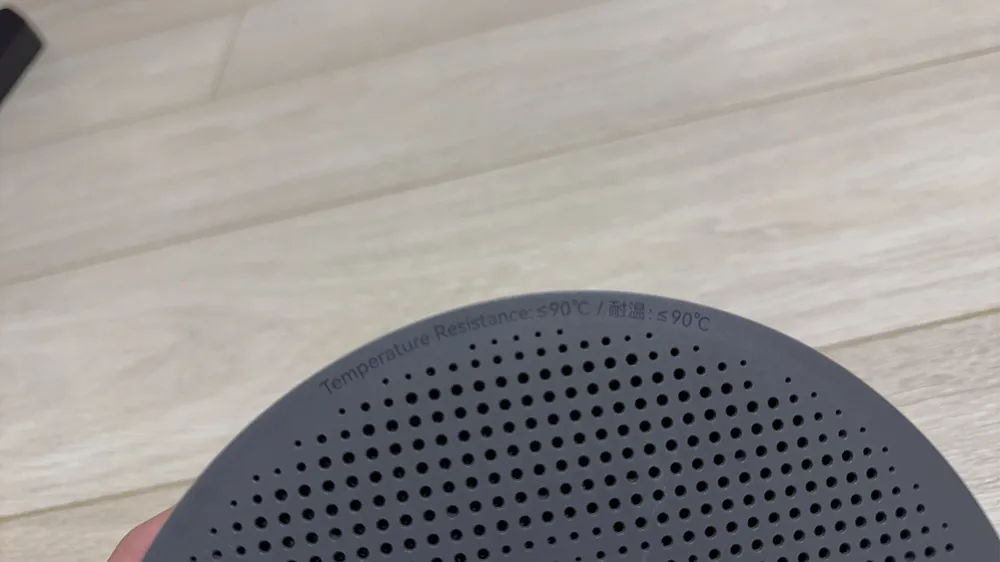
Important Update: Original Bambu spools have varying temperature resistances. It is recommended to use the gray-black original Bambu spool to withstand higher temperatures
Key Features:
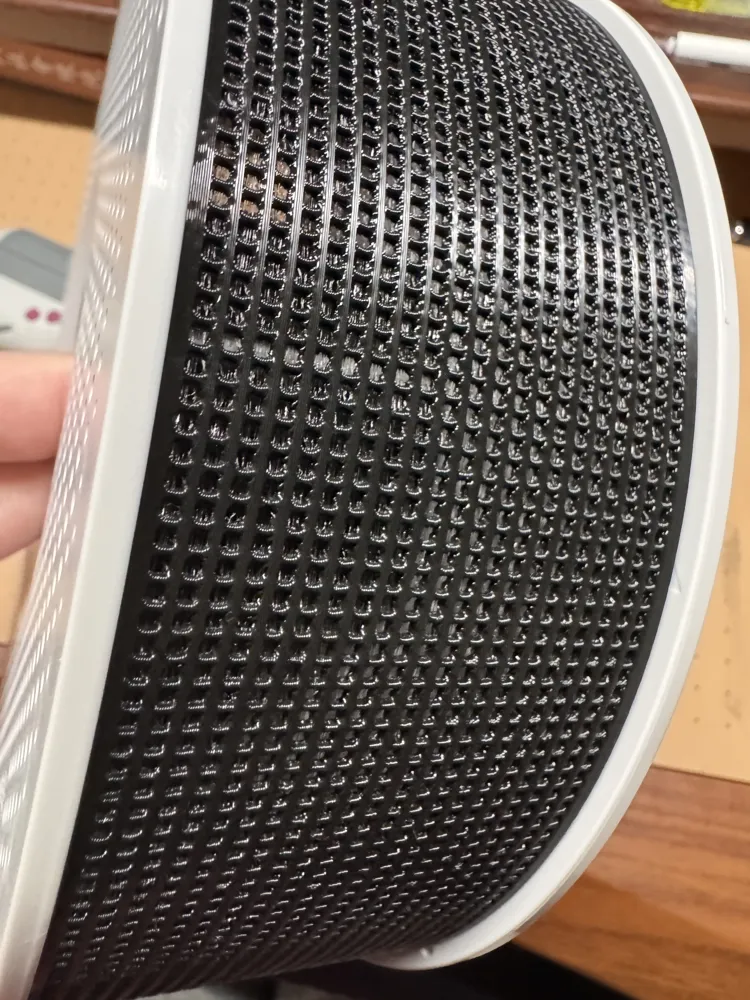
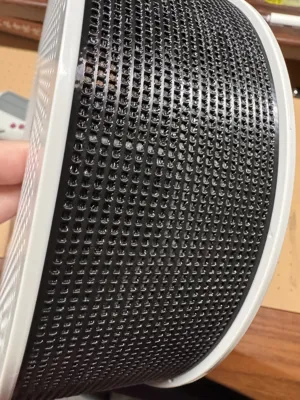
Airflow Design – Allows hot air or natural airflow to dry the desiccant, improving drying efficiency Custom Clip Structure – The internal design securely fixes onto the spool's original engagement points, preventing slipping or falling off Material Choice (PETG or ABS) – PETG is highly suitable for creating this container due to its high-temperature and moisture resistance This design is not only eco-friendly (by reusing spools) but also extends the desiccant's lifespan, ensuring 3D printing materials remain in optimal condition It is a practical and innovative DIY solution! 🎯
Printing Process:

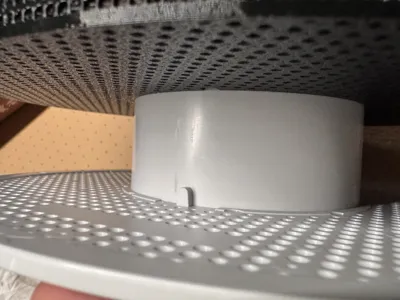
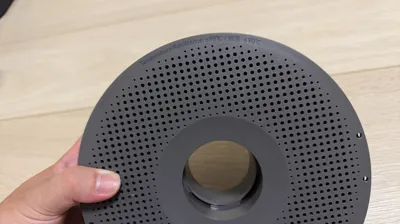
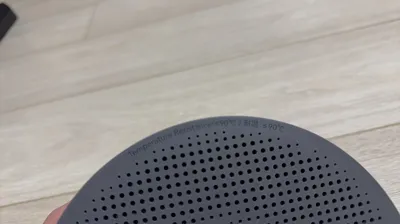
The base, due to its complex mesh, will take approximately three hours to print. The remaining parts are the outer walls and the central support. I designed the central support to be thicker for enhanced durability. Please be patient, as the results will surely make you happy
Unsure about the shrinkage rates of different materials, I tested multiple clip designs and printed them, finally finding the perfectly fitting core size!!!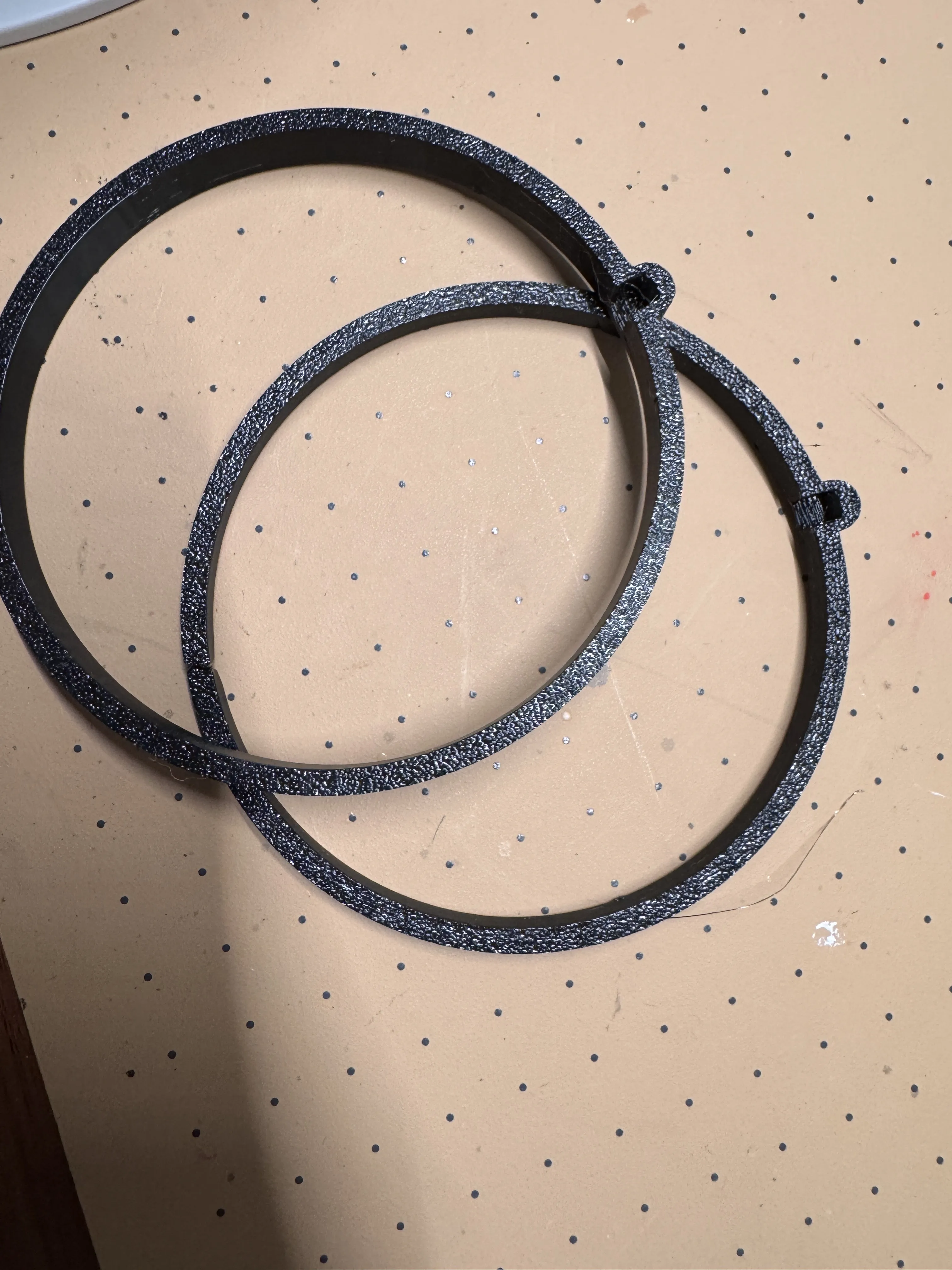
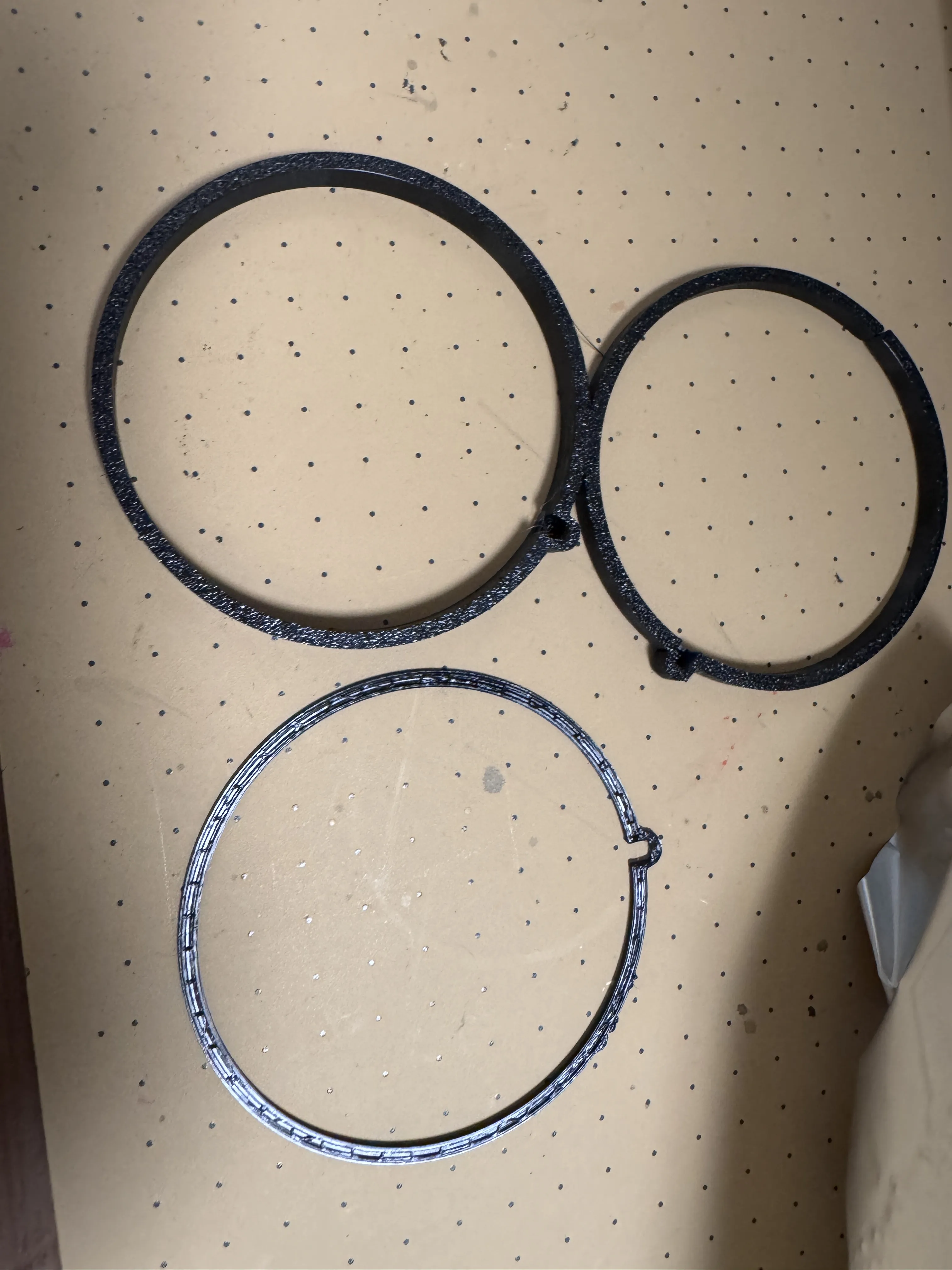
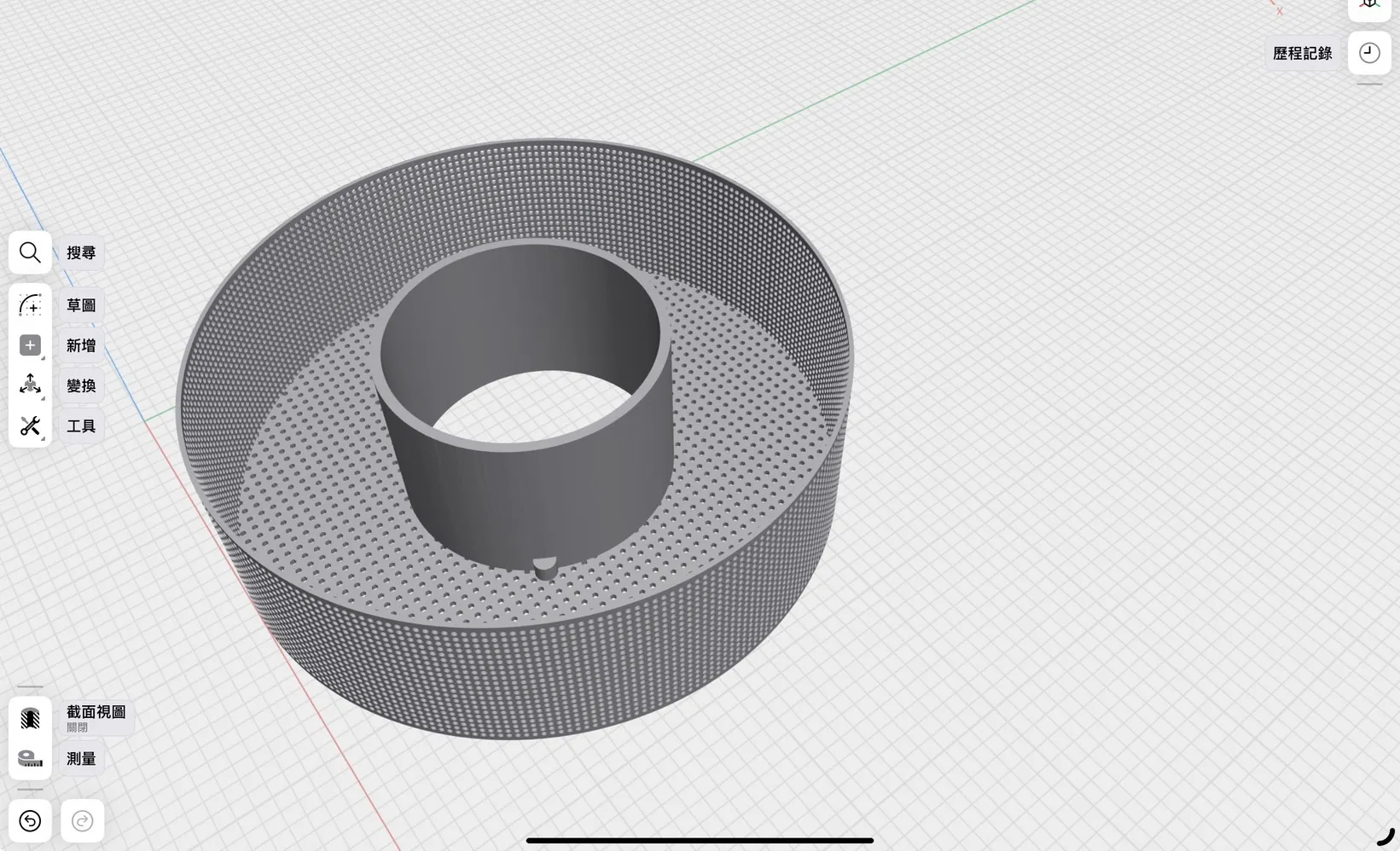
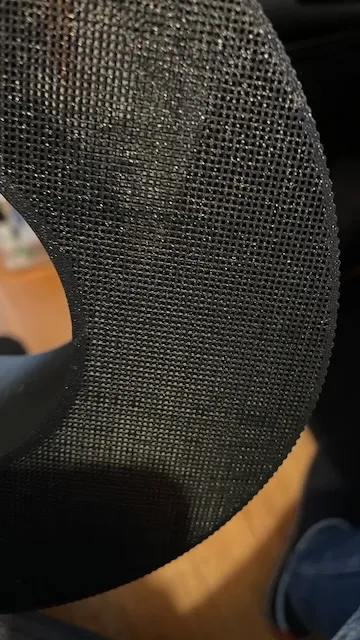
Thanks to@orangehead911 for the new idea, which inspired me to design a version where everyone can adjust the grid themselves. So I created a second version—a customizable infill grid that prints faster and slices more quickly. Feel free to give this version a try (To ensure stability and strength, I slightly thickened the grid areas in this version, so grids with different densities maintain good durability)
Boost Me (for free)
If you like this design, feel free to download and print it
A like or a small rocket is like buying me a coffee! ☕❤️
Bambu Spool – PETG Drying Container for Desiccant
After using up the original Bambu spool, I designed an airflow container specifically for drying desiccant. I used SHAPR3D for modeling, and the interior features custom clips that securely fasten to the original protrusions on the spool, ensuring stable operation without any risk of detachment.
Design Explanation:
My design mainly repurposes the Bambu 3D printer spool, turning it into a drying container for desiccant to ensure that the desiccant works effectively for a long time and prevents moisture from affecting print quality.
Key Update:
The original Bambu spools have different temperature resistance. It is recommended to use the gray-black original Bambu spool, as it can withstand higher temperatures.
Key Features:
- Airflow Design: Allows hot air or natural wind to dry the desiccant, improving drying efficiency.
- Custom Clip Structure: The internal design securely fixes onto the original spool’s protrusions, preventing slipping or falling off.
- Material Choice (PETG or ABS): PETG is highly suitable for this container due to its high-temperature and moisture resistance.
- Eco-friendly: Reuses old spools, extending the life of desiccant and ensuring 3D printing materials stay in optimal condition. This is a practical and innovative DIY solution! 🎯
Printing Process:
Due to the complexity of the base mesh, printing the base takes about three hours. The remaining time is for the outer walls and central support. The central support is designed to be thicker for increased durability. Please be patient—the results will definitely make you happy!
Because I was unsure about the shrinkage rates of different materials, I tested several clip designs and printed them out, eventually finding the perfect core size for a snug fit.
Thanks to @orangehead911 for the new idea, which inspired me to design a version where everyone can adjust the grid themselves. So I created a second version — a customizable infill grid that prints faster and slices more quickly. Feel free to give this version a try!(To ensure stability and strength, I slightly thickened the areas of the grid version so that grids with different densities still maintain good durability.)
License

You shall not share, sub-license, sell, rent, host, transfer, or distribute in any way the digital or 3D printed versions of this object, nor any other derivative work of this object in its digital or physical format (including - but not limited to - remixes of this object, and hosting on other digital platforms). The objects may not be used without permission in any way whatsoever in which you charge money, or collect fees.


Comment & Rating (42)