
Binary Tetrahedral Dice
Print Profile(3)
Description
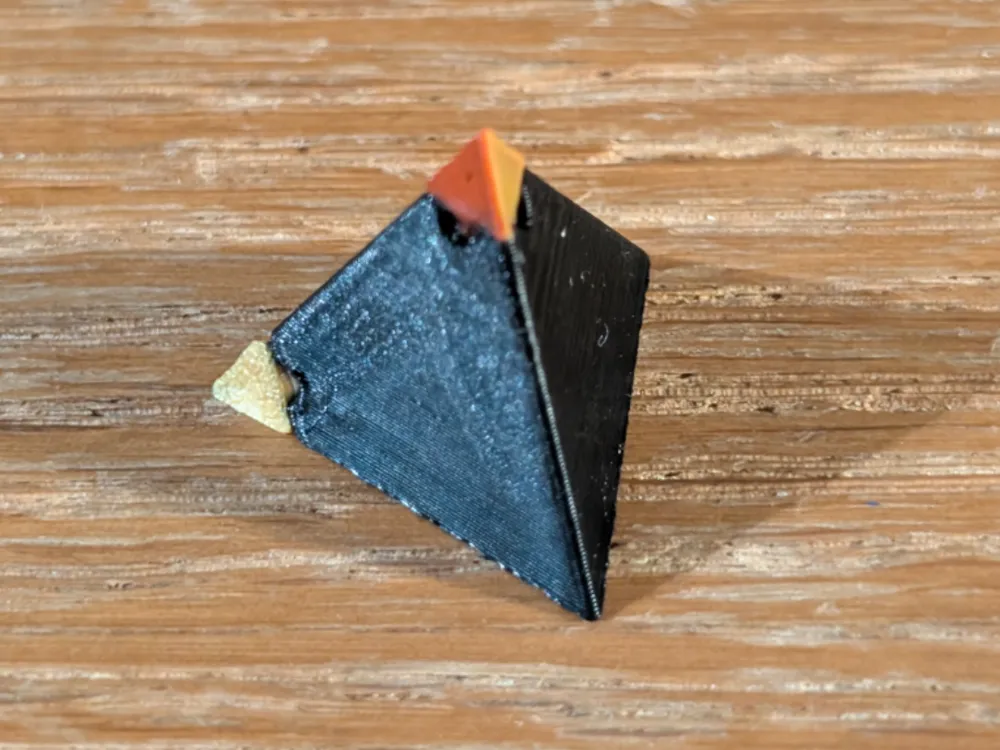

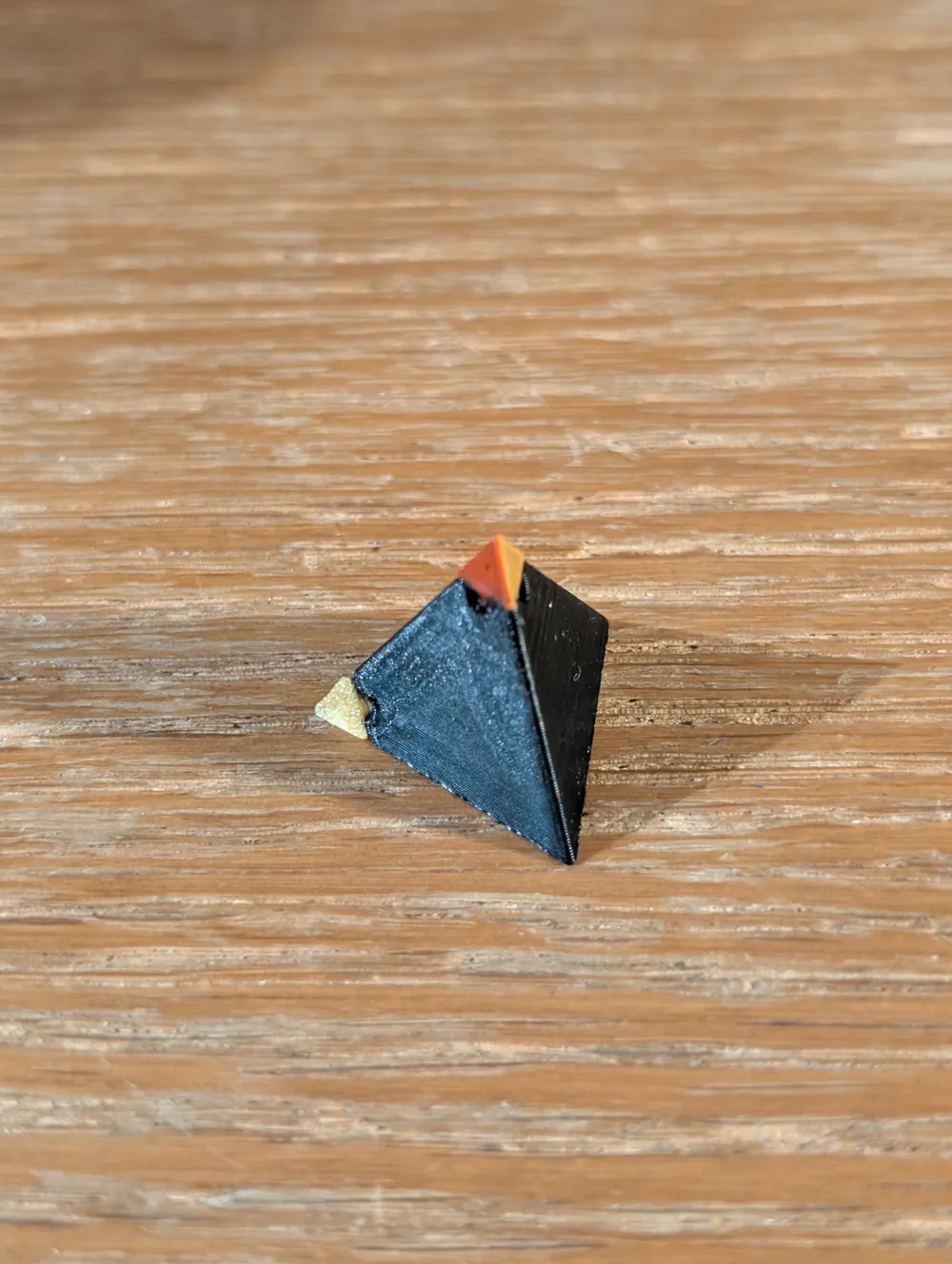
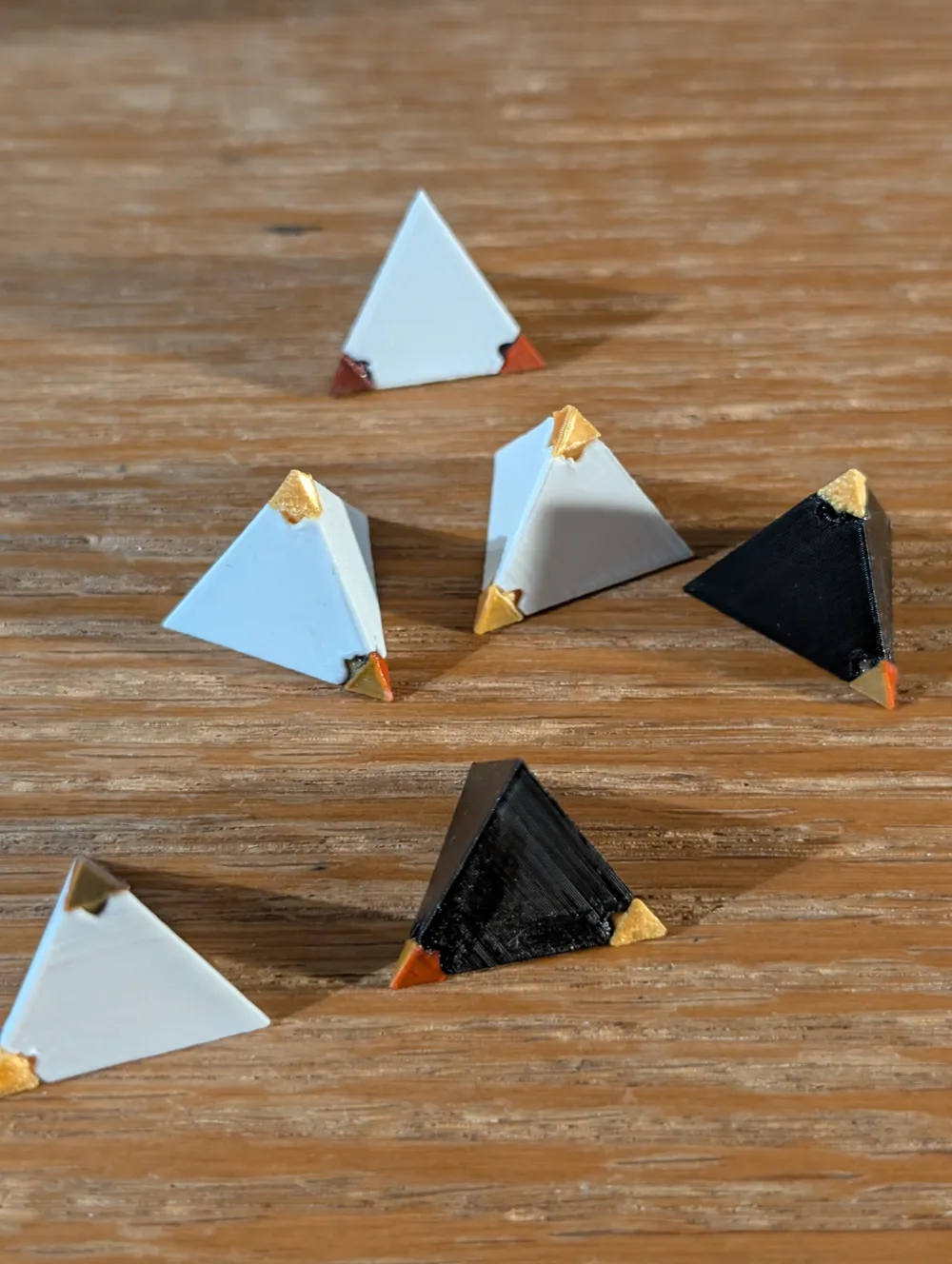
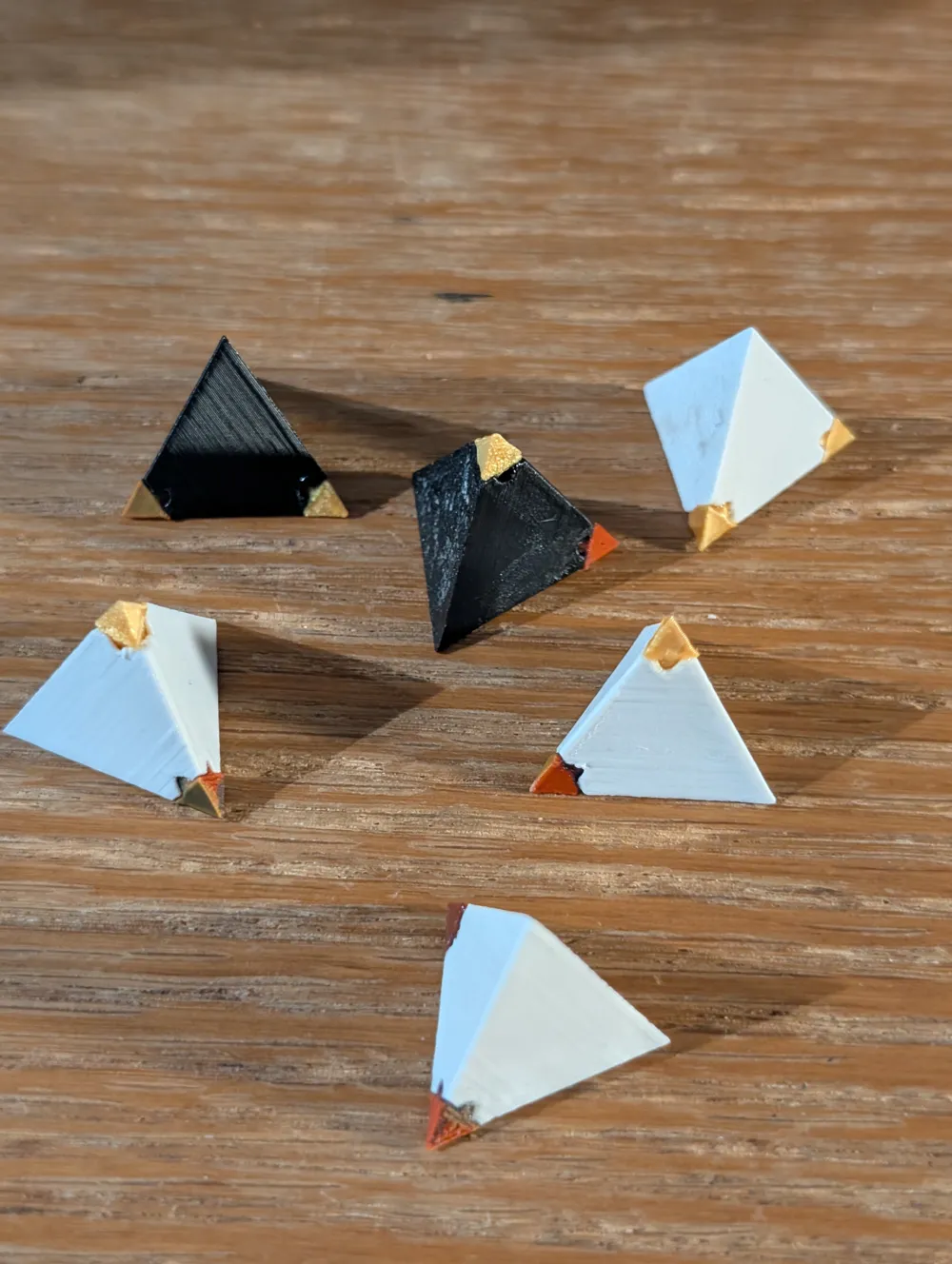
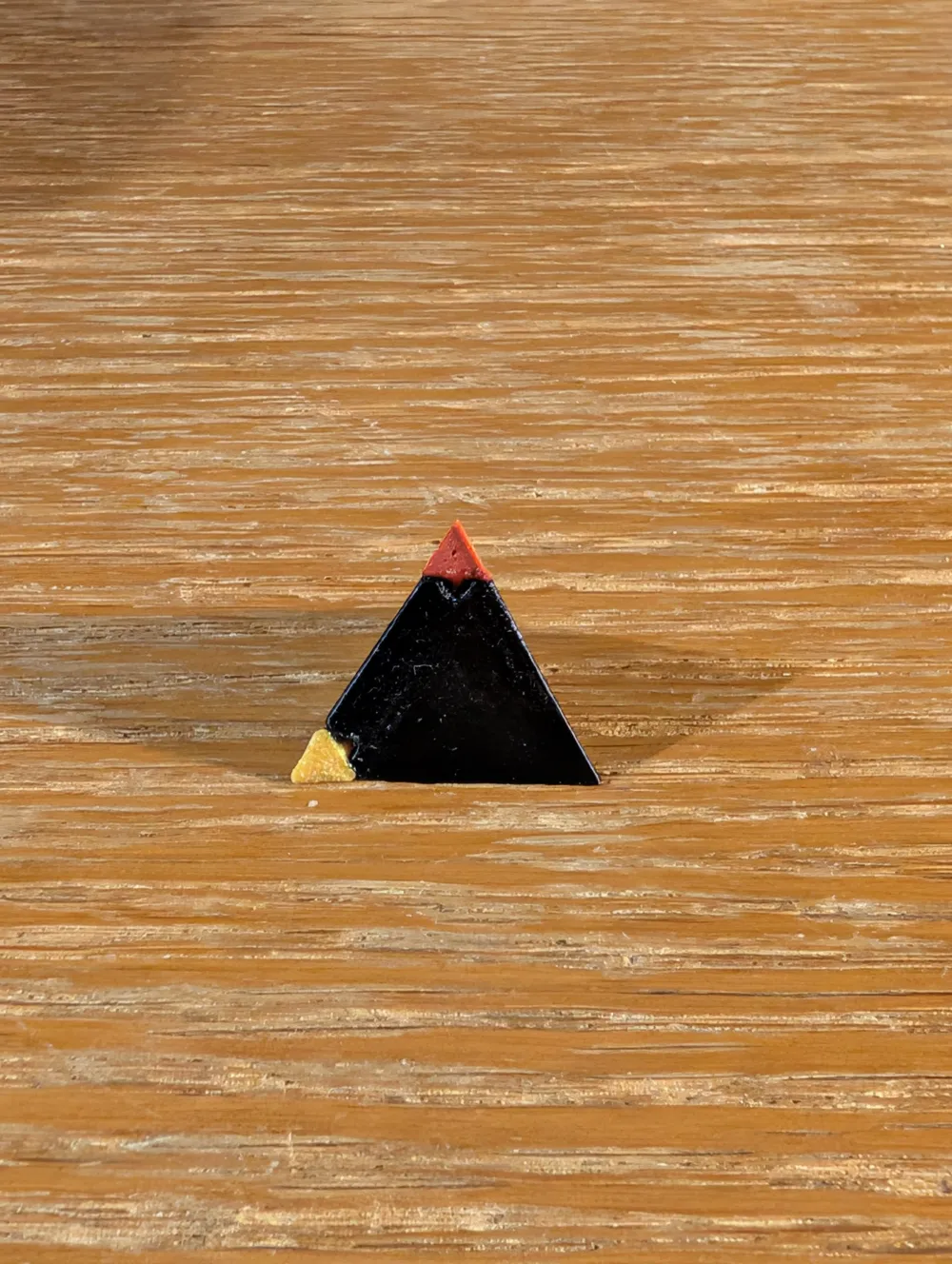
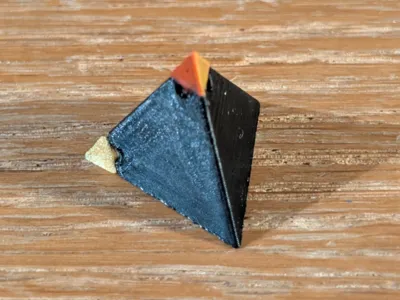

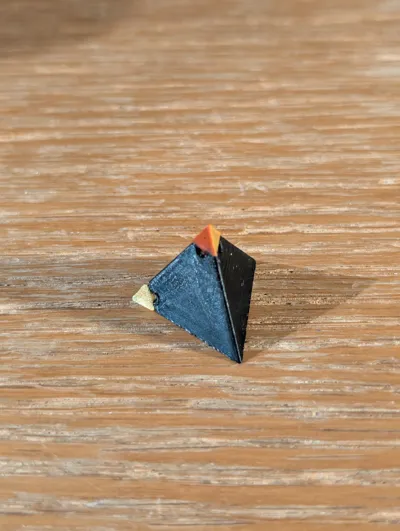
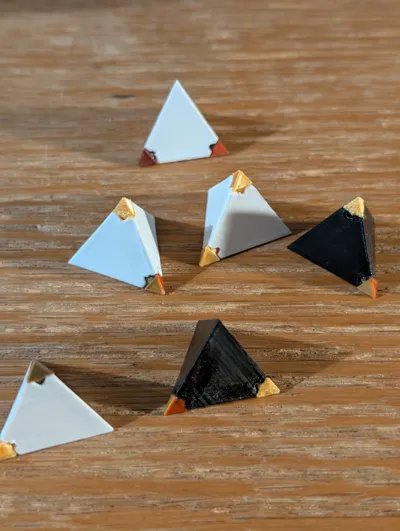
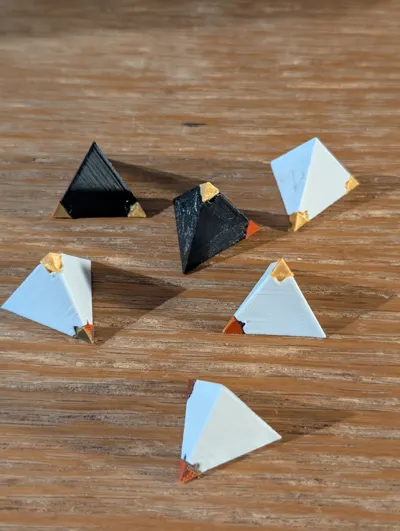
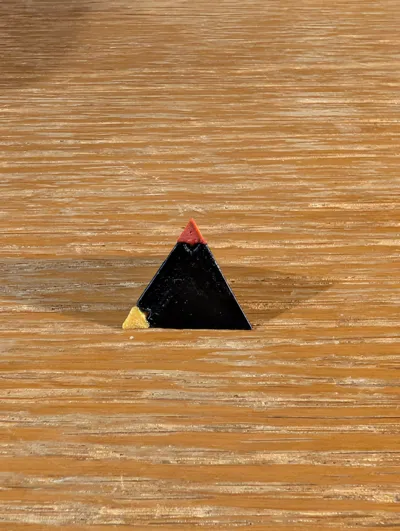
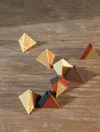
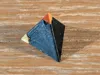
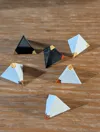
Tetrahedral binary dice for old board games. Avoid AMS waste by printing the corners separately and glueing them together. Uses and scoring of this kind of dice vary by game, but for the Royal Game of Ur, here is the standard way to use binary dice:
The Royal Game of Ur uses four binary tetrahedral (4-sided, pyramid-shaped) dice. Each die has exactly two marked corners and two unmarked corners. When rolled, a die lands with one apex pointing straight up; you count the number of marked tips facing upward to determine your total move value, which ranges from 0 to 4.
3 Different options.
- Multi-colour AMS - print by object;
- Multi-colour NO AMS - print by layer; and
- Single colour - holes identifying the binary vertices.
License

You may create derivative works based on this object, provided that all such derivative works are published exclusively on the MakerWorld platform and include proper attribution to the original creator. You may not share, upload, host, distribute, or publish this object—or any derivative work of this object—on any other digital platform, marketplace, or distribution channel. Commercial use of this object and any derivative works is strictly prohibited. This includes, but is not limited to, selling, renting, sublicensing, or using the object in any context in which you receive monetary compensation or other financial benefits.


Comment & Rating (1)