
Earwig Trap
Print Profile(1)

Description
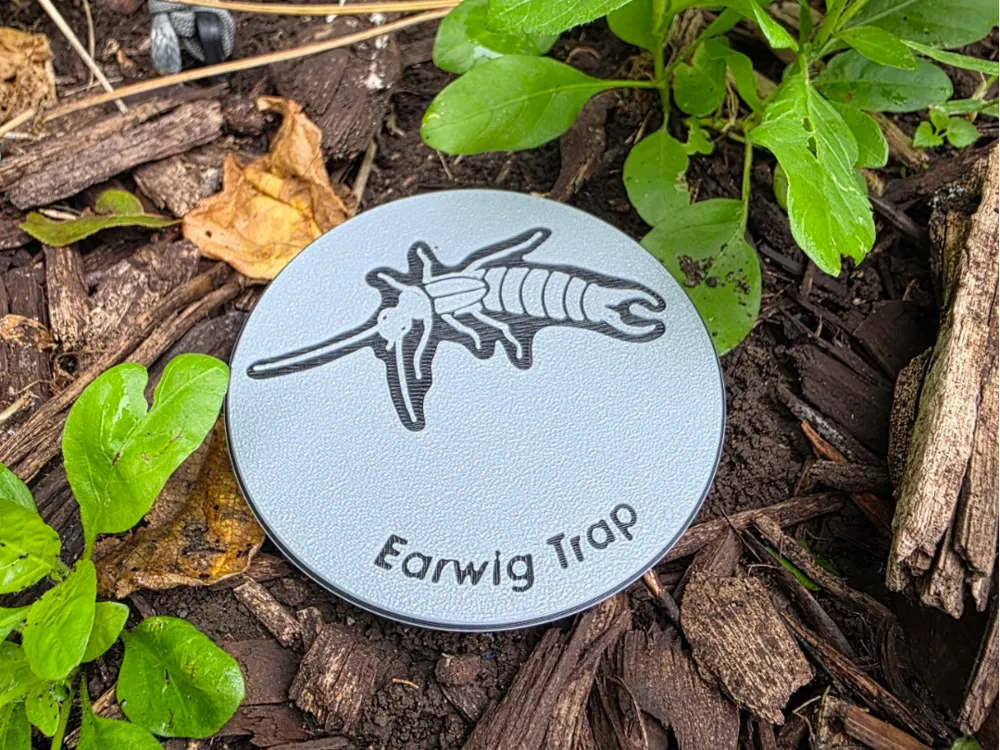
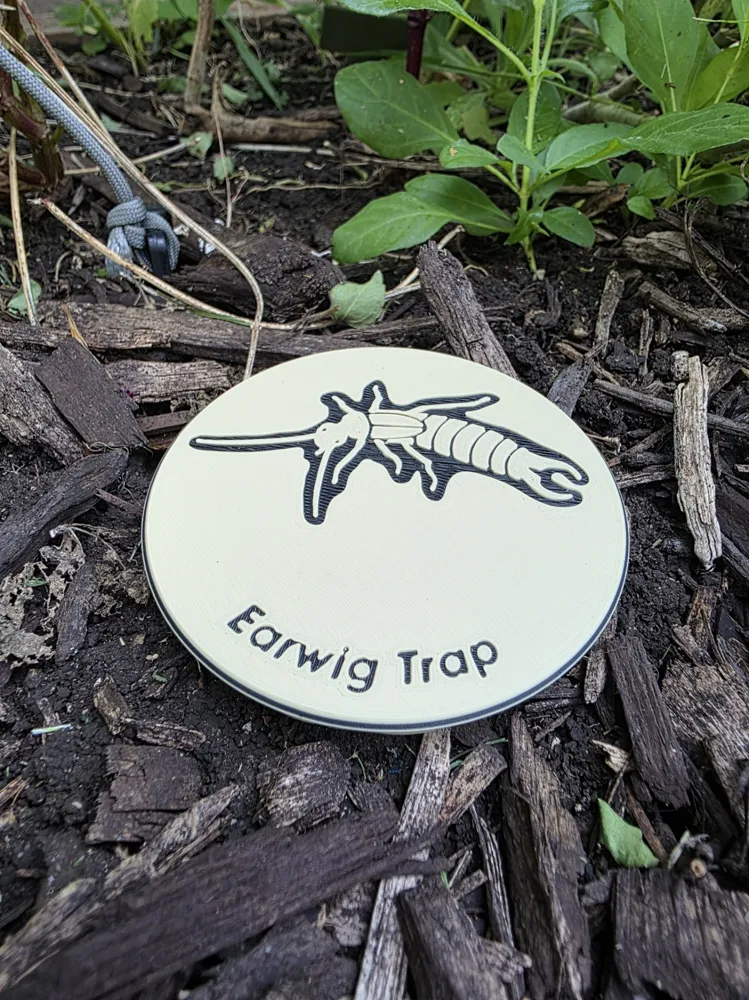
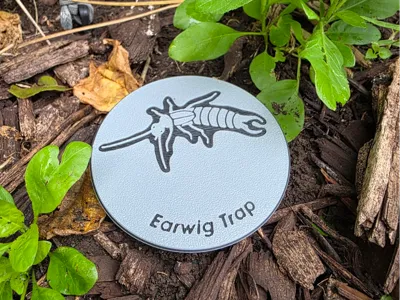
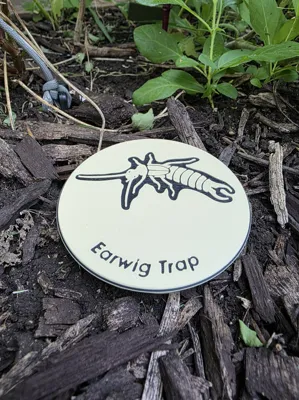
Earwig Trap
I've been seeing more earwig damage than usual lately in my small garden, so I set out to make (or rather, modify) a trap to see if it could fill the role of an apex, garden earwig predator, stepping in to cull the herd just enough to restore equilibrium in my garden. I know earwigs play a beneficial role in the ecosystem, and I’m not trying to wipe them out completely, just keep the population in check.
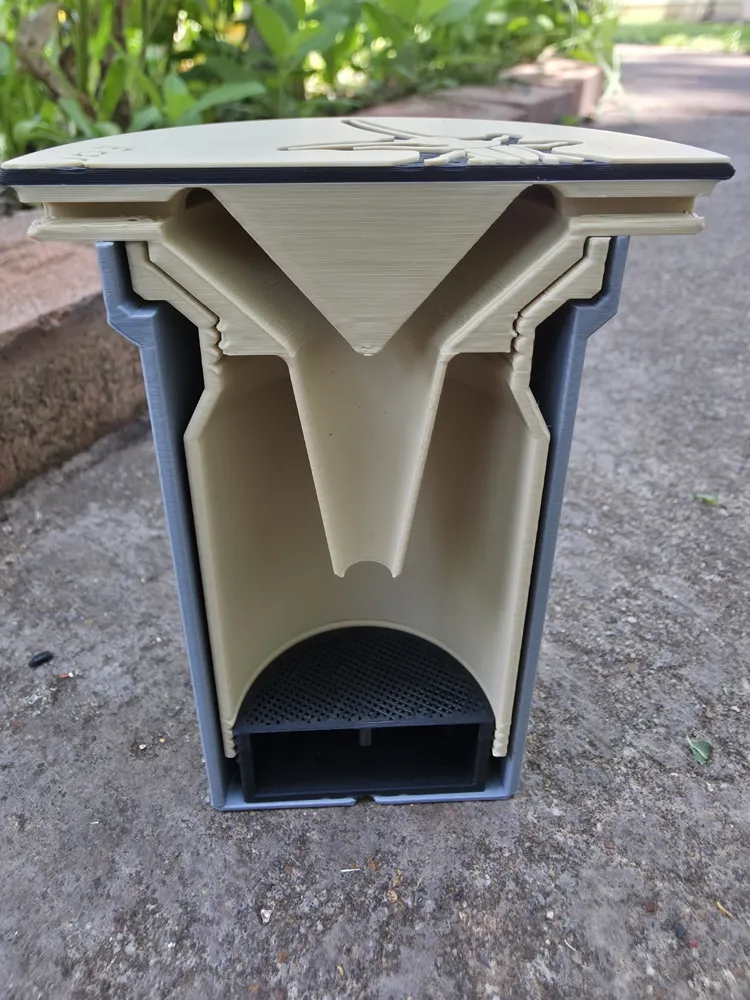
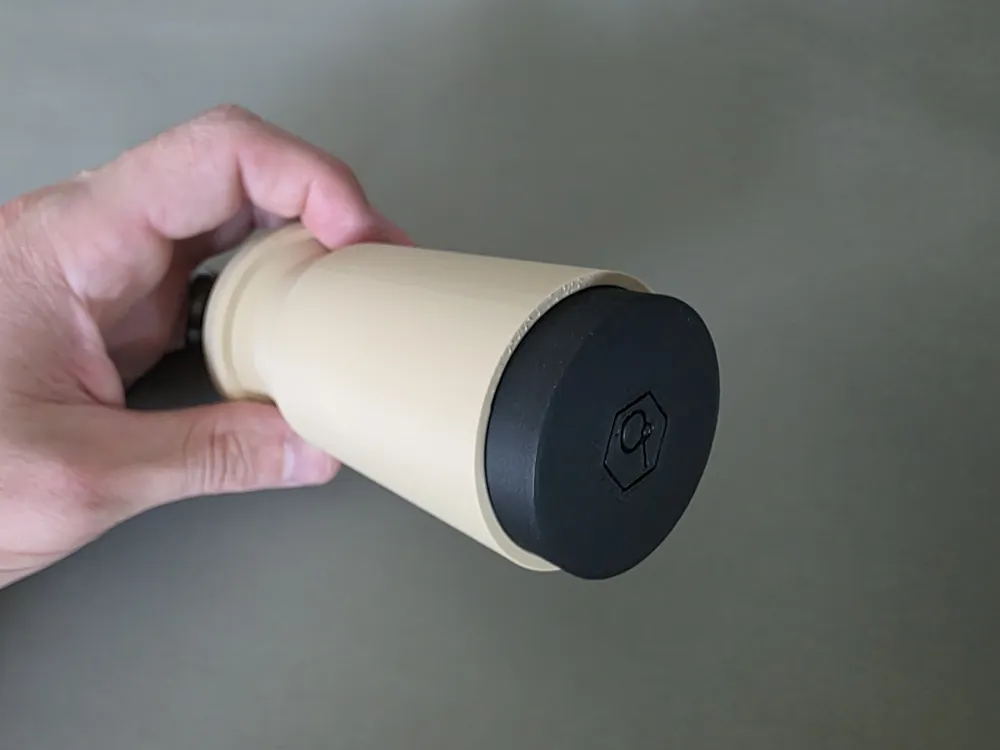
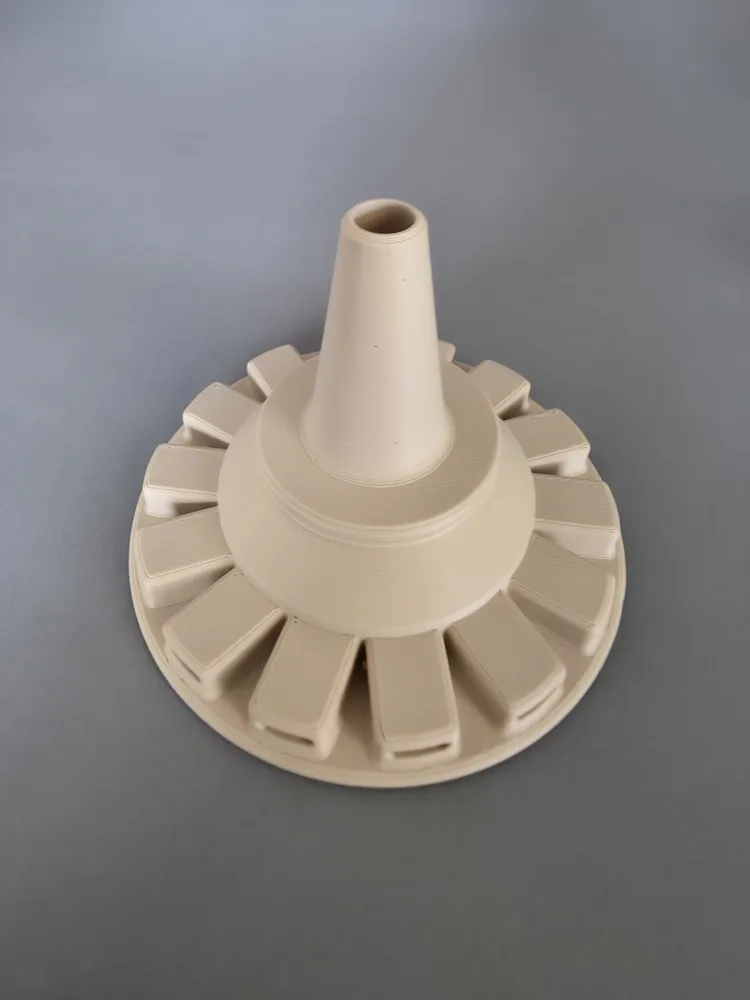
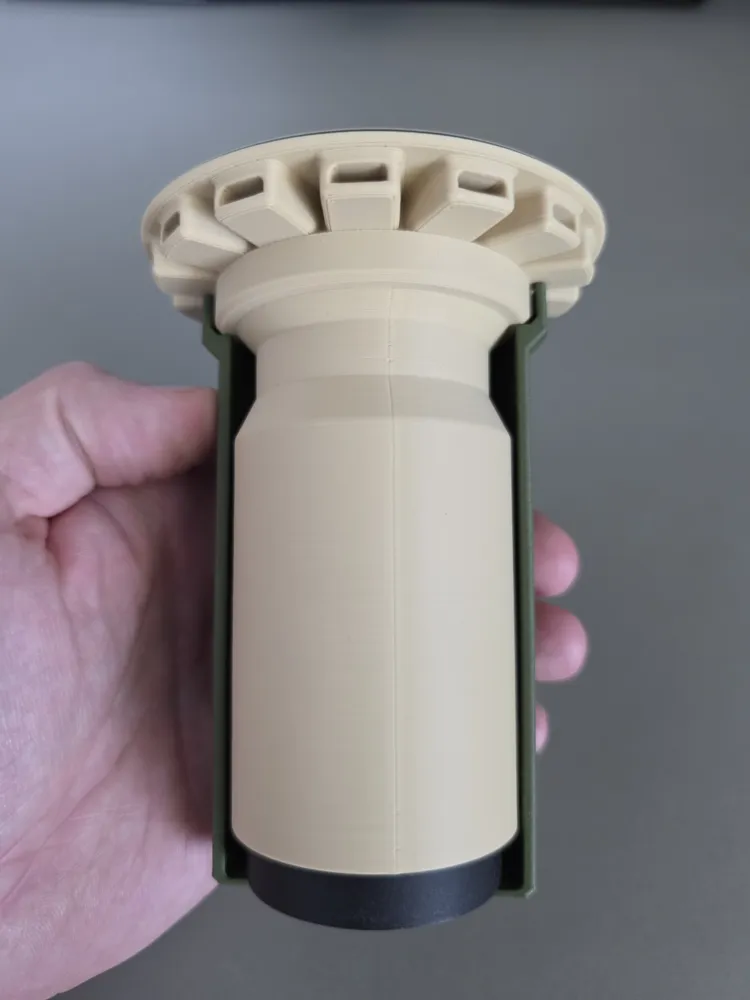
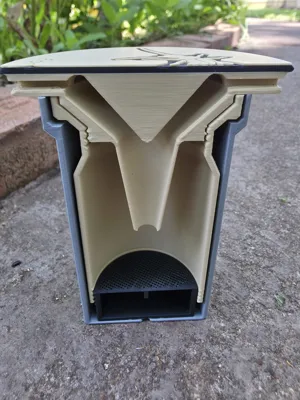
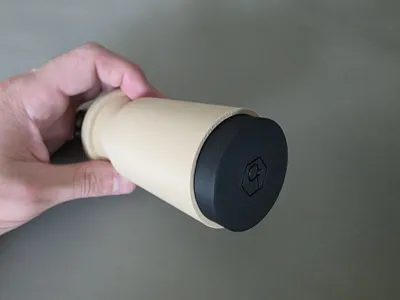
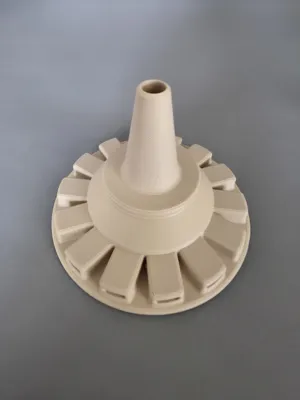
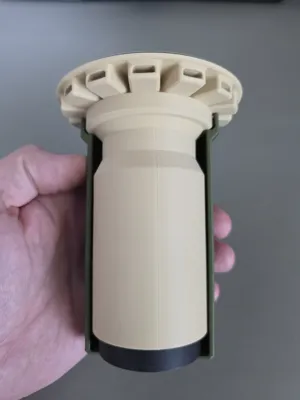
The trap is pretty simple: it’s a small, buried container with tight, tunnel-like entrances (since earwigs love long narrow, spaces), and a bait chamber below. I’ve been using soy sauce or tuna oil. The whole thing drops into a sleeve I buried once, so I don’t have to dig it up each time to empty or clean a trap.
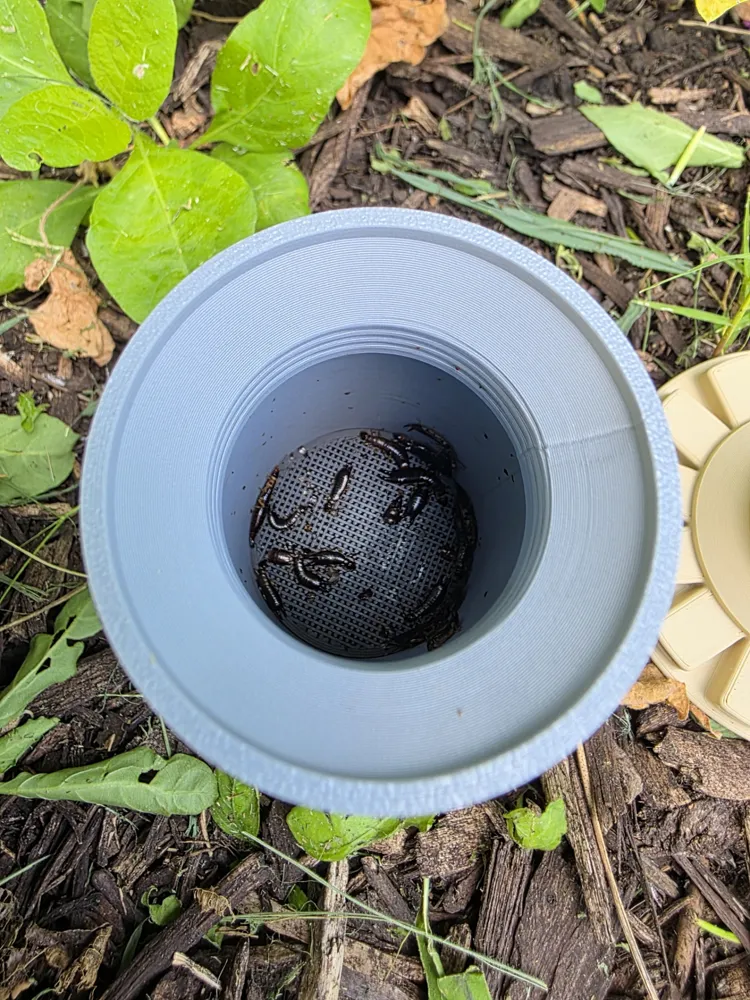
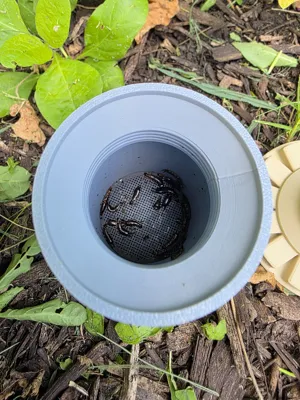
I added a mesh screen above the bait to keep them from drowning in it but still let the scent through. Additionally, I’ve read that earwigs release aggregation pheromones when they congregate, which can encourage others to join them. So keeping them alive, at least temporarily, might (in theory) help attract more inside.
I ran a side-by-side test with a similar trap I’d made to catch pill bugs, and this one pulled in nearly 7× more earwigs (3 vs. 20-ish) in a single night. Honestly surprising. I mean, that was the goal… but I didn’t expect the design changes to be that effective. I’m still a little suspicious. I’ll keep testing.
The Trap:
- Trap housing – buried flush with the ground.
- Trap body – drops in and lifts out of the trap housing easily for bait changes or emptying.
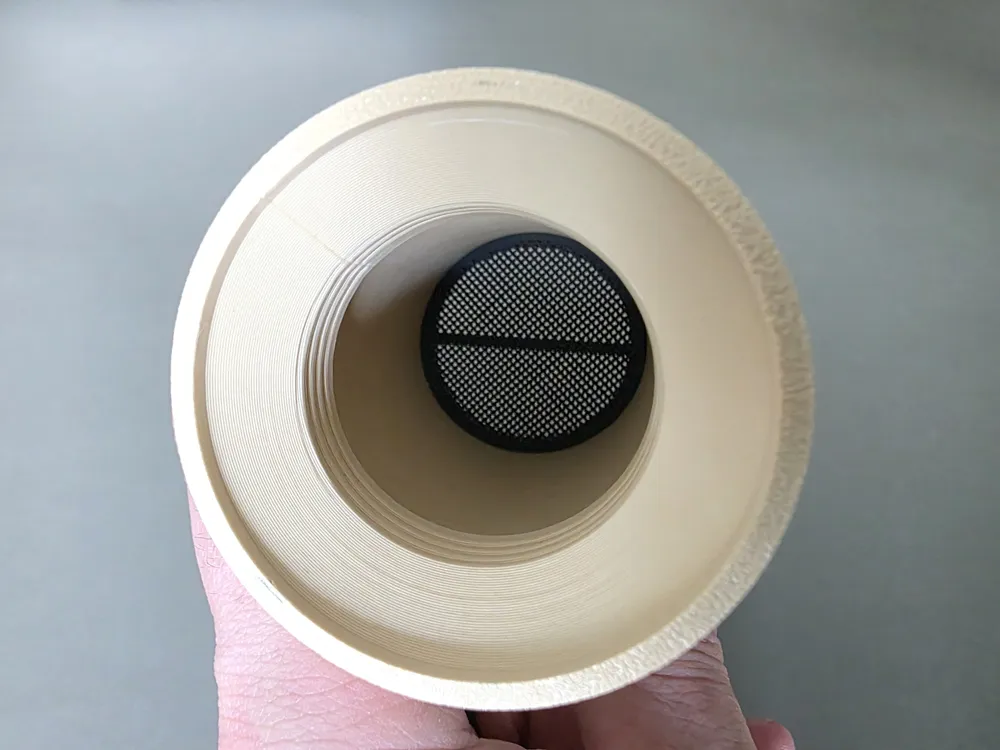
- Funnel lid – draws earwigs in through narrow, sloping tunnels into a central pitfall.
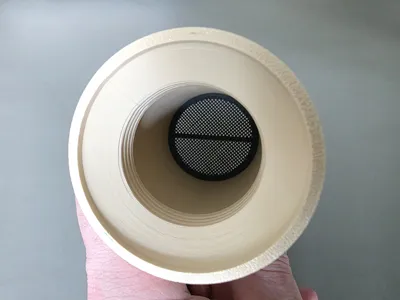
- Mesh screen – threads into the base to keep insects from drowning in liquid bait (optional if you’re not aiming for live capture).
- Bait bowl – sits right behind the screen and can be swapped out without opening the trap chamber.
- Top Mesh Cap - This is an optional part that can be used to replace the funnel lid for transport.
Print Settings
- Nozzle size: 0.4mm
- Layer Height : 0.8 for mesh parts, 0.2mm for all other parts
- Special settings: For both mesh screen parts set the top and bottom layers to 0 and the sparse infill density to 70% and the sparse infill pattern to grid. (If printing from my print profile these settings are already set.)
License



Comment & Rating (25)