Search models, users, collections, and posts
TheAllegededEngineer
@TheAllegededEng
371
5.5 k
12.8 k
6.8 k
Bio
I look to print functional items that are well thought out.
Achievements
MakerWorld Guardian
This badge has expired
Recent Article
Crafting a Customizable Extruder Cover for the A1
GIF
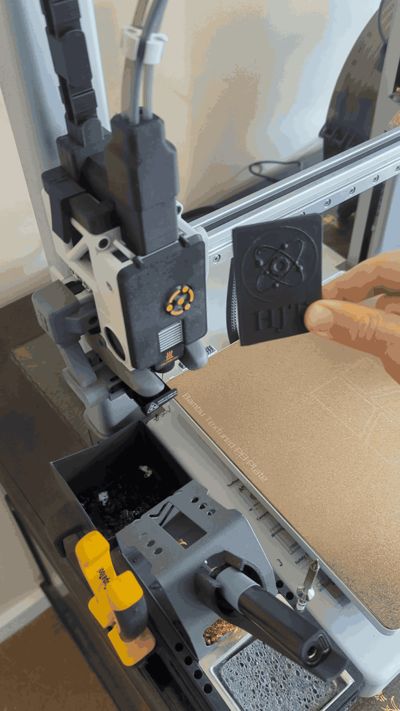
Crafting a Customizable Extruder Cover for the A1From Concept to Creation: Designing a Customizable Extruder Cover for the Bambu A1Recently, I embarked on a project focused on enhancing the personalization aspect of the Bambu A1 3D printer. The aim was to develop an extruder cover that not only served its functional purpose but also empowered users to easily express their individuality. This led to the design of a magnetic relief extruder cover, a process that involved thoughtful design in Fusion 360, an insightful look into the workings of MakerLab's sculpture maker, and the practical application of the Bambu Slicer's merging capabilities.    The initial idea stemmed from a desire to inject more dynamic customization into the A1. While numerous excellent extruder covers are available, I identified an opportunity for a design that seamlessly integrated user-generated creative content. The concept of utilizing magnetic attachments for relief sculptures emerged as a promising avenue. My design journey began within Fusion 360, a versatile platform for bringing digital concepts to fruition. I started by carefully modeling a cover intended for smooth integration with the Bambu A1's extruder assembly, prioritizing unobstructed airflow and easy access. The first iteration provided a foundational shell, primarily focused on achieving a secure fit. However, the core concept of magnetic attachment necessitated a more nuanced approach.This led to the second design phase, where I strategically incorporated precise recesses to accommodate small neodymium magnets. Accurate dimensioning was crucial to ensure the magnets would sit flush and provide sufficient retention force without interfering with the extruder's operation. Considerations regarding the cover's thickness were also paramount to provide adequate structural support around the embedded magnets. Concurrently, I dedicated time to understanding the mechanics of MakerLab's relief sculpture maker. This user-friendly tool enables the generation of 3D models from 2D images, resulting in raised or recessed patterns. Comprehending its functionalities – including compatible image formats, achievable detail levels, and output model types – was essential for a successful integration with my extruder cover design. Experimentation with various images and settings within MakerLab allowed me to grasp its practical limitations and creative potential.    The true synergy of the project lay in the seamless interaction between the physical extruder cover and the user-created relief sculptures. This required careful consideration of the attachment method. The size and placement of the magnets on the cover needed to correspond with a printable size for the MakerLab-generated reliefs. The vision was to enable users to effortlessly swap these magnetic elements, providing a quick and dynamic way to personalize their printer's appearance. The final stage involved leveraging the less than user friendly merging functionality within the Bambu Slicer. After exporting both the extruder cover model from Fusion 360 and a sample relief sculpture from MakerLab as separate files, I imported them into the slicer. The "merge" feature allowed for a virtual assembly of the relief sculpture onto the designated magnetic areas of the relief connector. The final design offers a protective and aesthetically pleasing cover enhanced by the effortless personalization afforded by magnetic attachments. Users can now harness the simplicity of MakerLab to create their own unique relief sculptures and magnetically display them on their printer, adding a personal touch that truly reflects their creative spirit. This project underscores the exciting possibilities that emerge when combining intuitive design tools like Fusion 360 with accessible creative platforms like MakerLab and the practical utility of modern slicing software. It highlights the value of an iterative approach and the importance of considering the entire workflow – from initial concept to final physical realization – in bringing innovative ideas to life within the dynamic landscape of 3D printing. Check out the now released model here.  Number of iterations, demonstrating that refinement takes time.
Recent Makes (Ratings with High Scores and Photos)