
The Stack - Modular Raspberry Pi Case
Print Profile(1)
Bill of Materials
Description
A modular case for Raspberry Pi. Print the modules you want, and click them together to make a customized case. This is mostly intended for headless home server or NAS type usage of Raspberry Pi; none of the cases have holes for HDMI cables!
Supports pretty much all Raspberry Pi modules you might want to use as a server.
Available Modules
- Raspberry Pi 4 holder
- Raspberry Pi 3B holder
- Raspberry Pi 2 holder
- Raspberry Pi 1B holder
- SDD / HDD holder (2.5")
- SDD / HDD holder (2.5") - with ventilation holes
- Fan enclosure (60mm fan)
- Fan enclosure (40mm fan)
- Vent hole module
- Spacer (tiny)
- Spacer (medium)
- Bottom lid
- Top Lid
- Top Lid with Pi 4 fan holder
- Top Lid with Pi 5 Active Cooler air funnel
Raspberry Pi holder assembly
(Similar for all Raspberry Pi types)
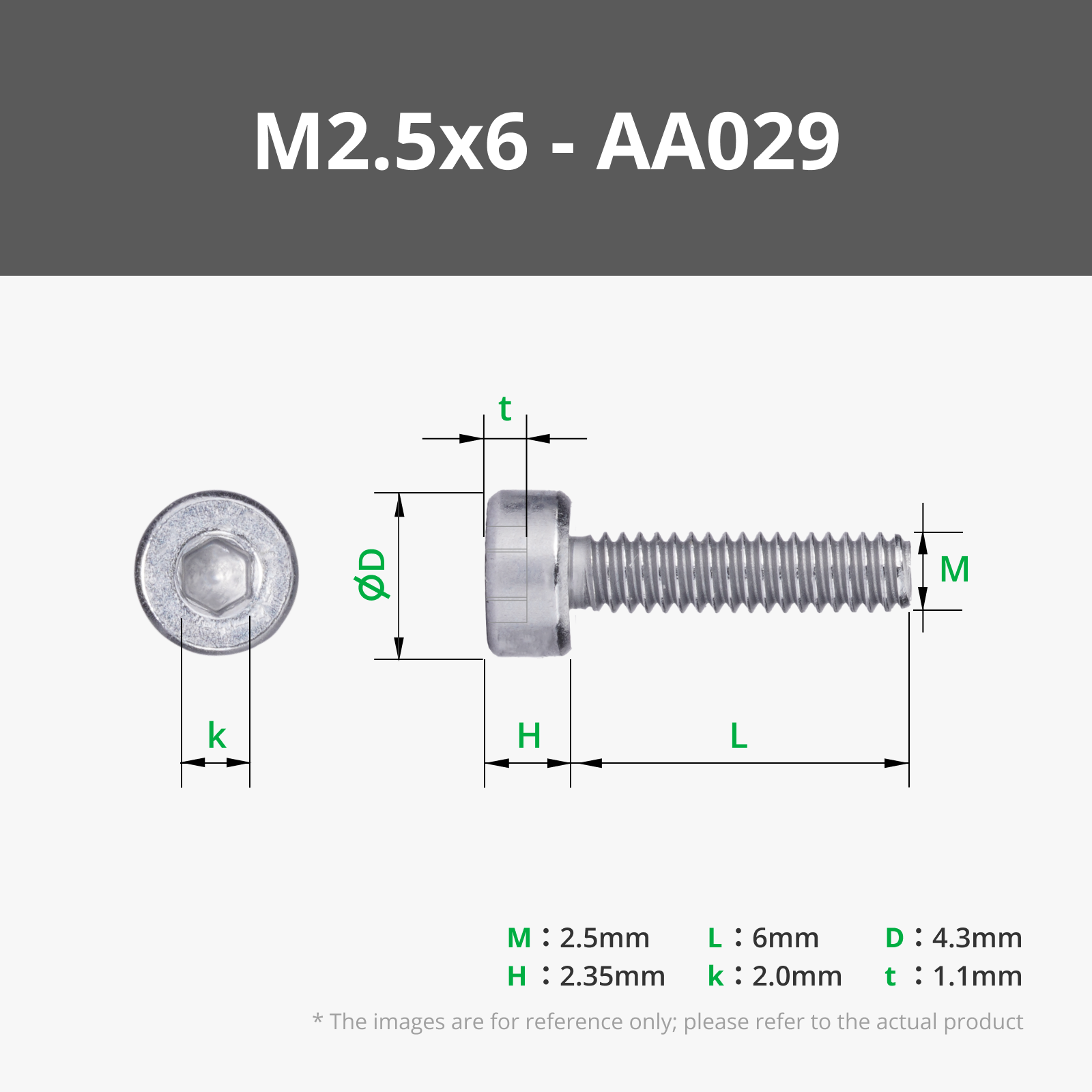
The Pi slides into the case from the top. There are grooves inside the case walls to hold the "flanges" on the usb ports. Make sure these go in the correct place. It's best if you have M2.5 screws for mounting the Pi. I don't, so i used M3 screws. I drilled out the holes on the Pi to 3mm, and drilled out the holes on the Pi holder to 2.5mm. Make sure you don't use screws with large heads; they might make contact with the Pi and short something out.
Note on fans
As of Pi4 and Pi5, there are official cooling accessories from the Raspberry Pi company. For a small stack, these are great options for cooling. Look at the specialized Top Lid variants to find something to match your cooling solution (the official Pi4/Pi5 fan or the Active Cooler). For a larger stack you might want to use a larger fan as described below.
Fan holder assembly
If all else fails, you can use a 12V fan, and using a boost converter to power it. This means we take 5V from the GPIO pins on the Raspberry Pi, "boost" it to maybe 9-10V, and power the fan from this. This will make the fan run slower and more quietly. It's also possible to run a 5V fan directly from the GPIO pins, but then the fan will be running at full speed = loudly.
UPDATE: I've had some stability problems when running a large fan directly from the Pi GPIO pins. If possible, set the fan up with a separate power supply.
Notes:
Most modules have thin circular pads on the inside corners, to help with adhesion. Use a hobby knife to cut these away after printing.
License



Comment & Rating (0)