
Falcon 9 Rocket

Print Profile(2)





Description
Boost Me (for free)
Every like, collection, follow, and boost from you is a great encouragement for me to persevere in creating original models, thank you!
For more interesting models, please visit my homepage: CuriousAnt | Home - MakerWorld
♦ ♦ ♦ ♦ ♦ ♦ ♦ ♦ ♦ ♦ ♦ ♦ ♦ ♦ ♦ ♦ ♦ ♦ ♦ ♦
My SpaceX model series:
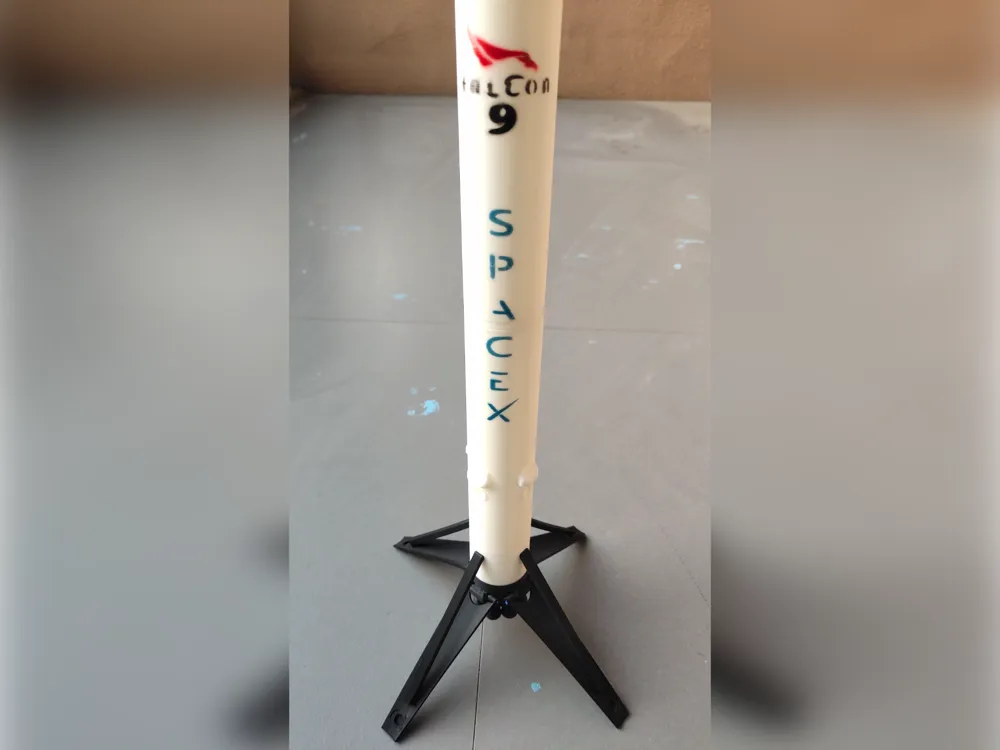
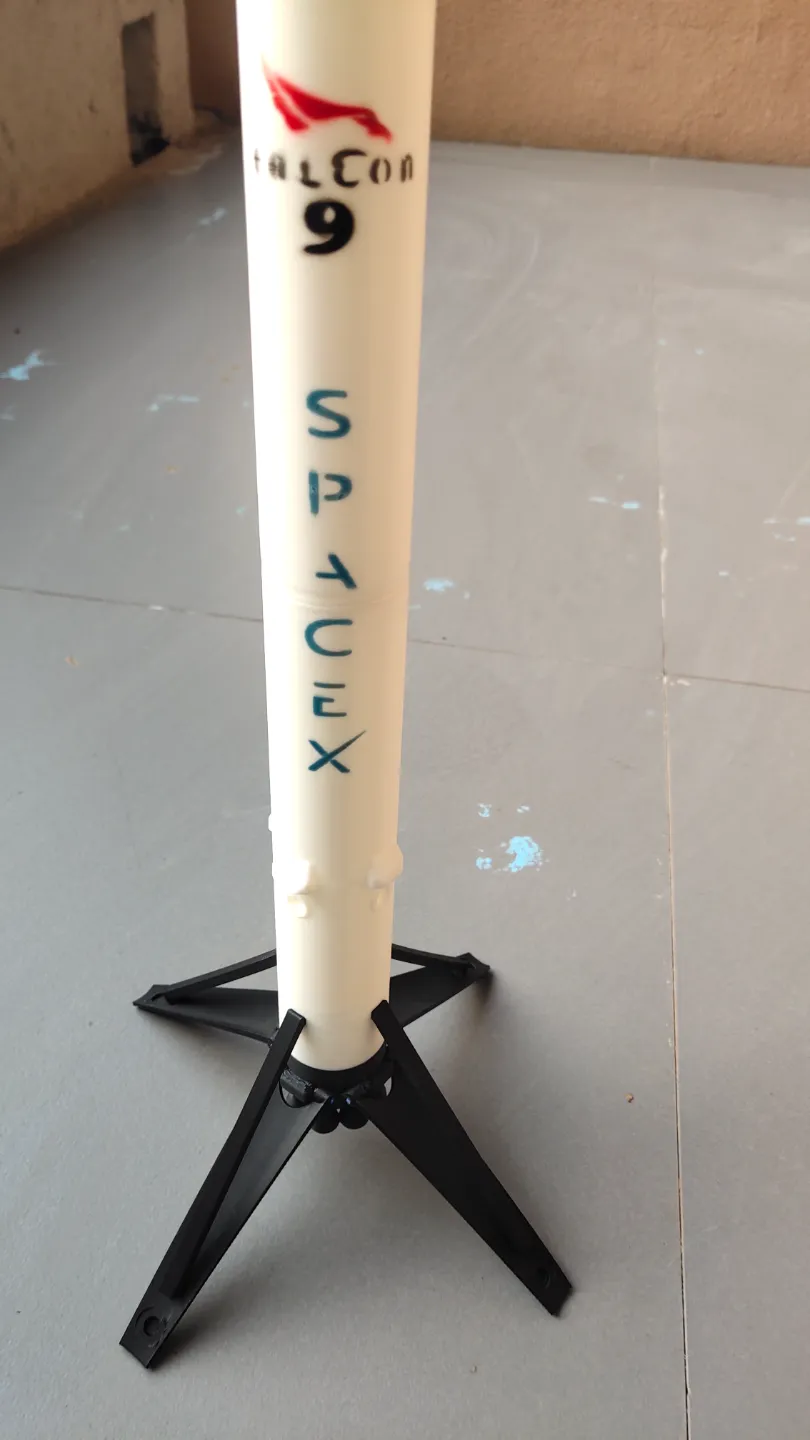
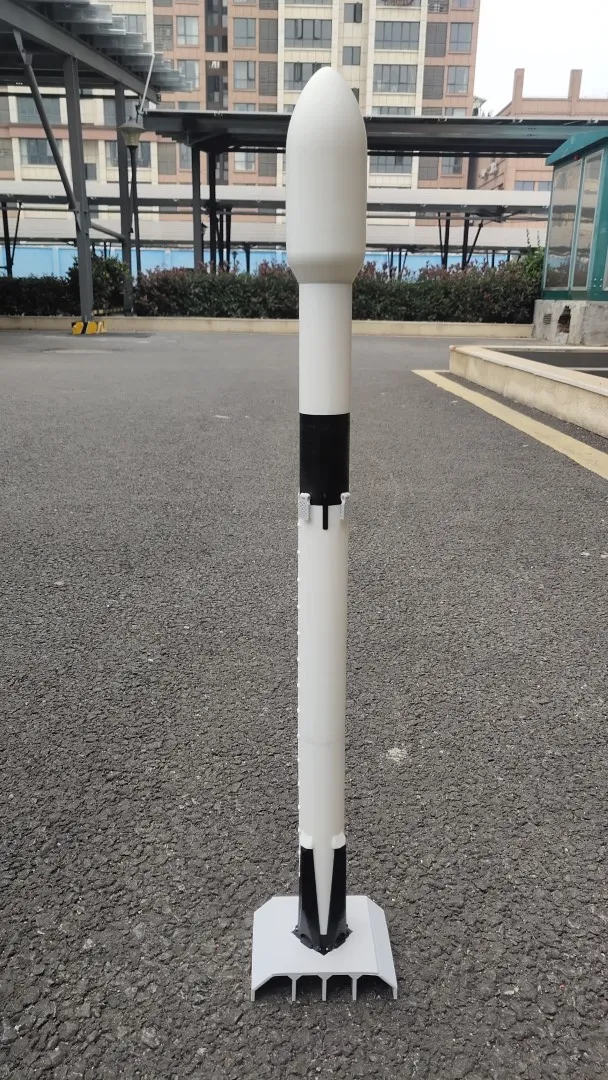
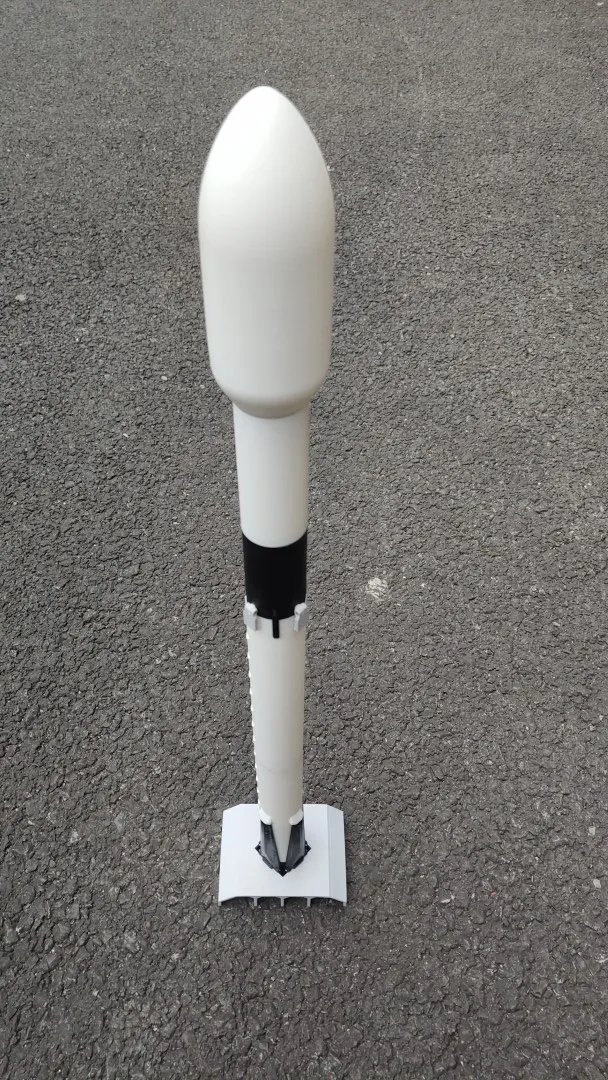
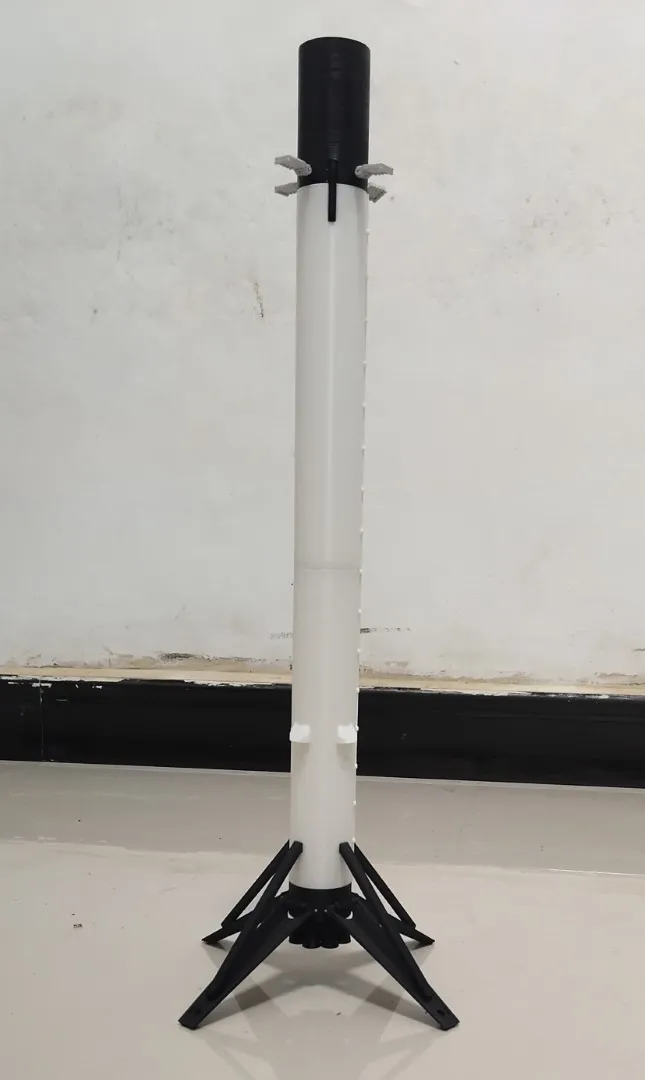
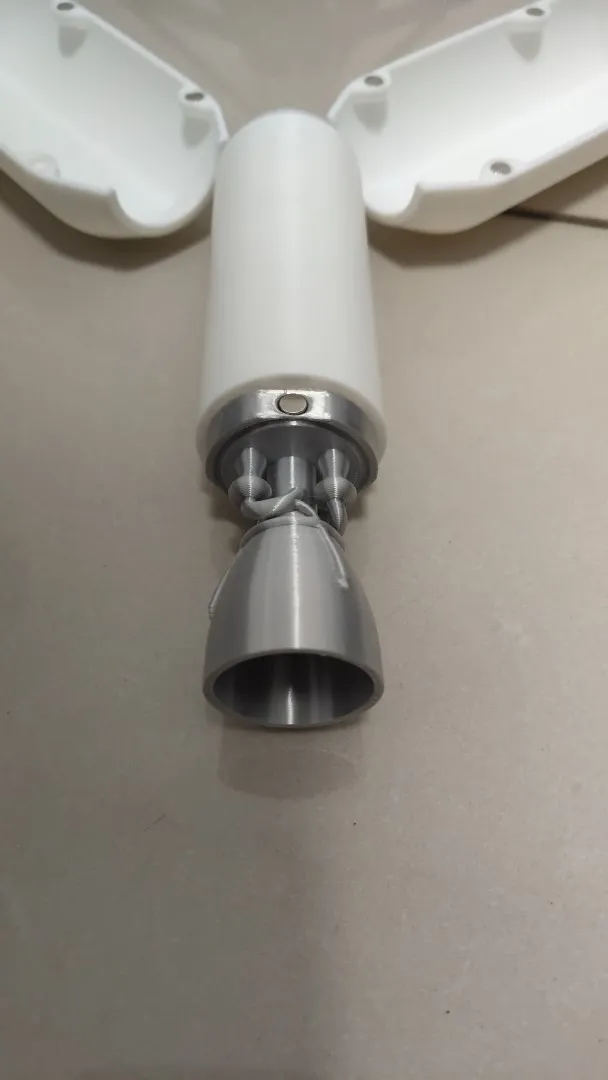
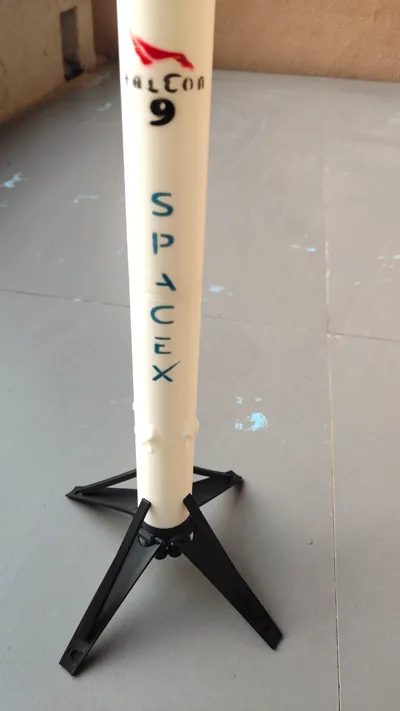
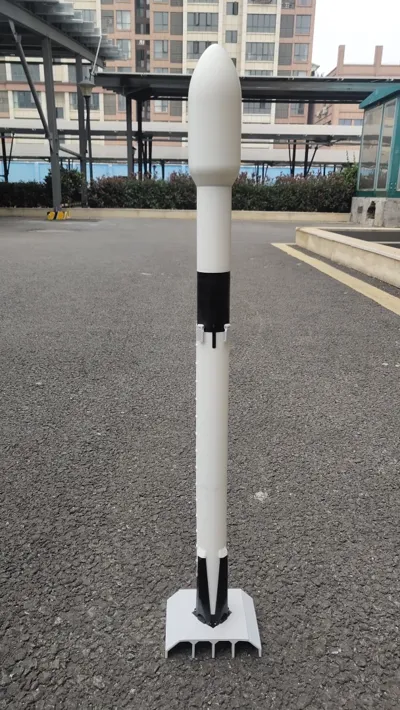
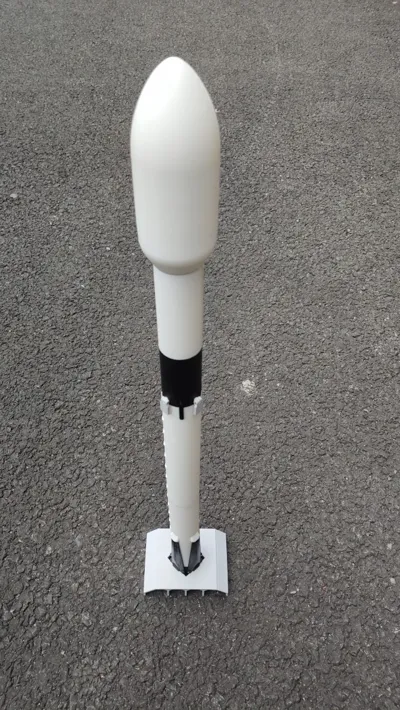
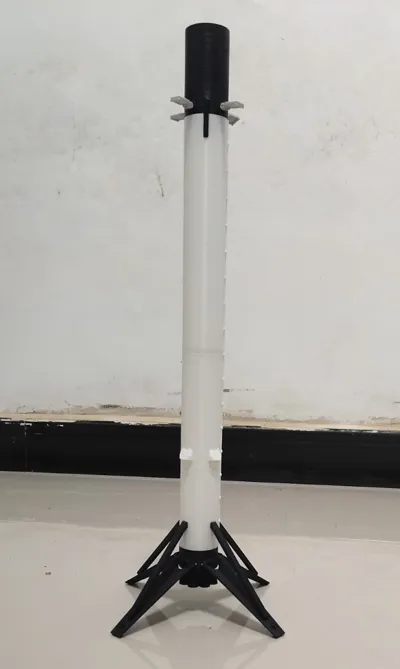
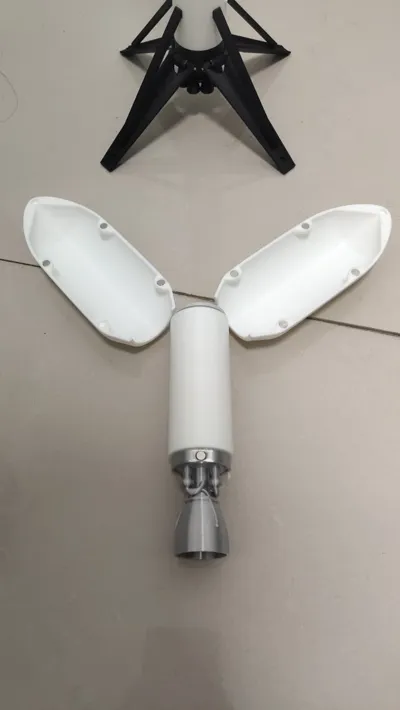
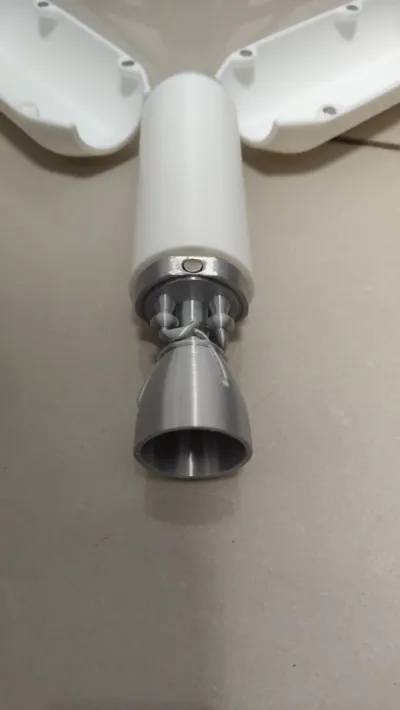
This is SpaceX's reusable Falcon 9 rocket.
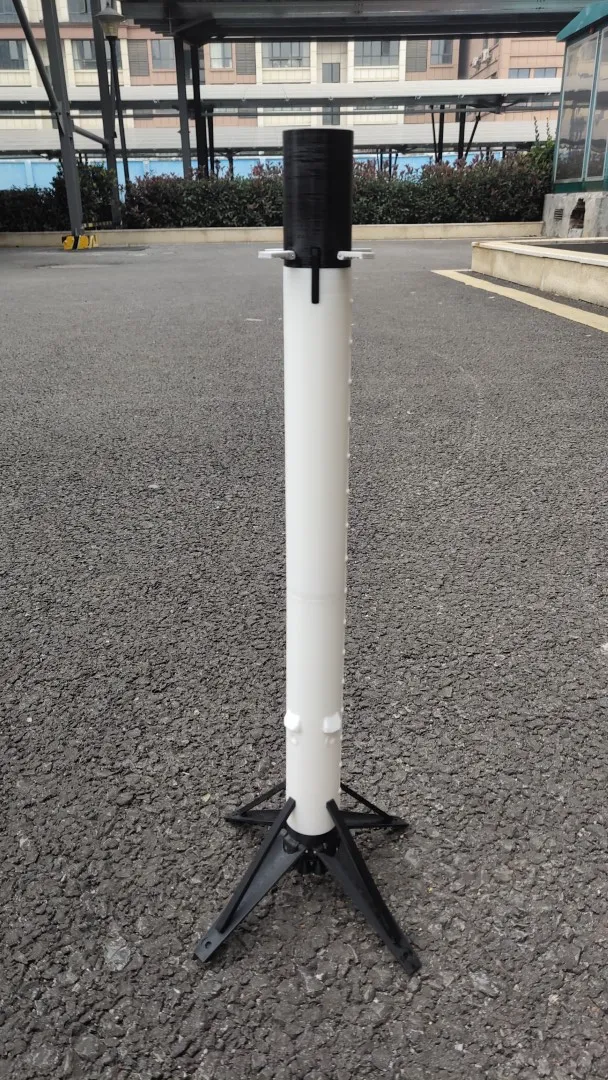
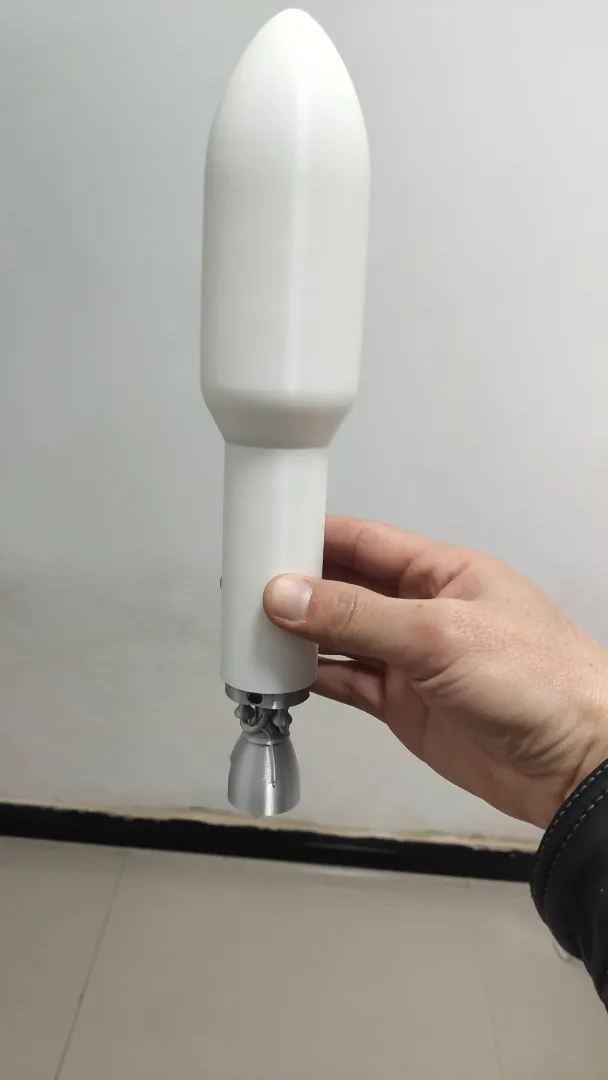
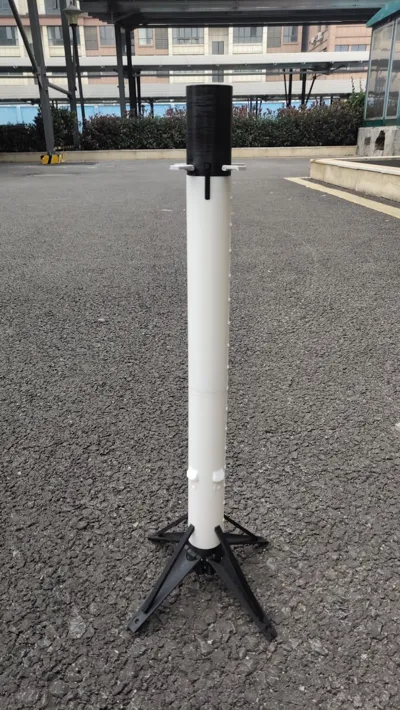
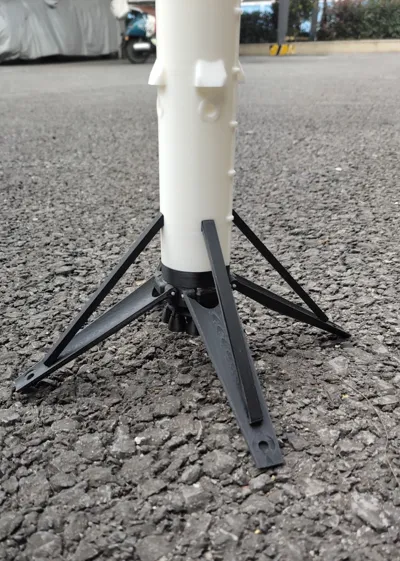
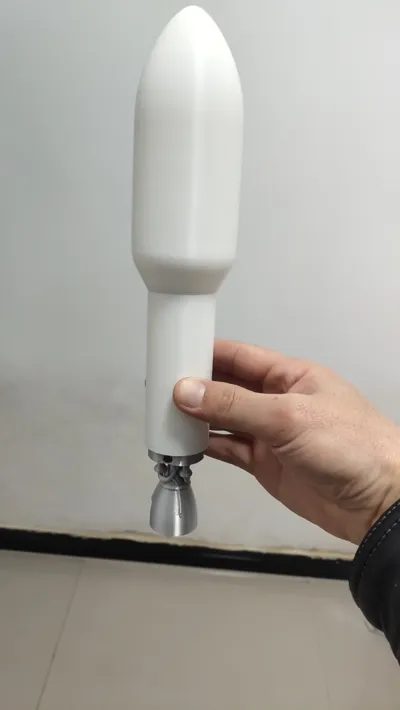
The model is designed and crafted at a 1:100 scale, with a total height of 700mm (excluding the base and landing legs), and a total height of 726mm with the landing legs deployed. The body diameter is 37mm, and the fairing diameter is 54mm.
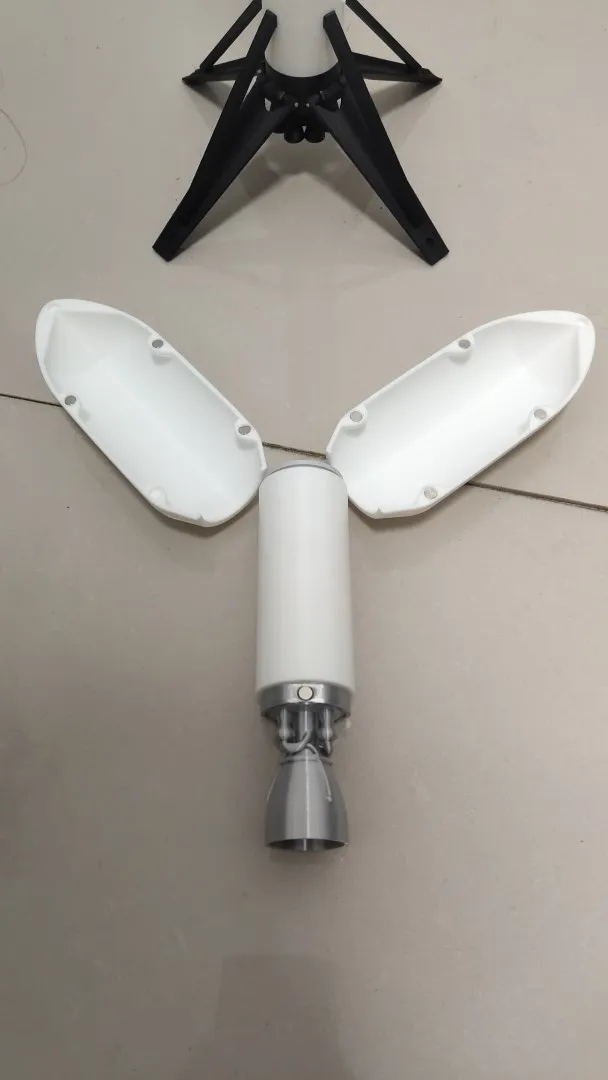
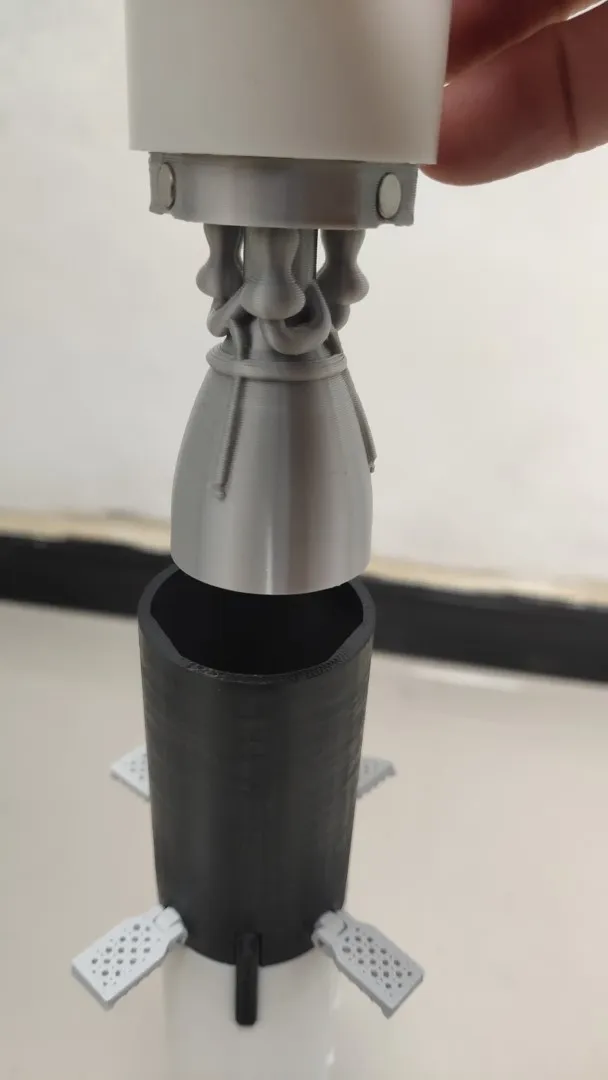
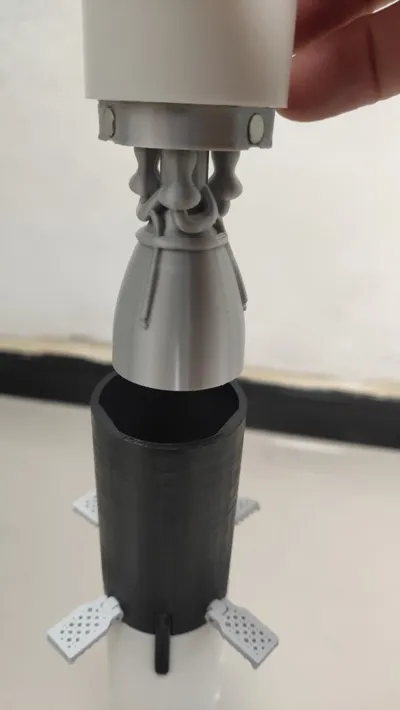
The first and second stages are connected using magnets; the two fairing halves are detachable and connected using magnets. All magnets are 5mm in diameter and 2mm thick.
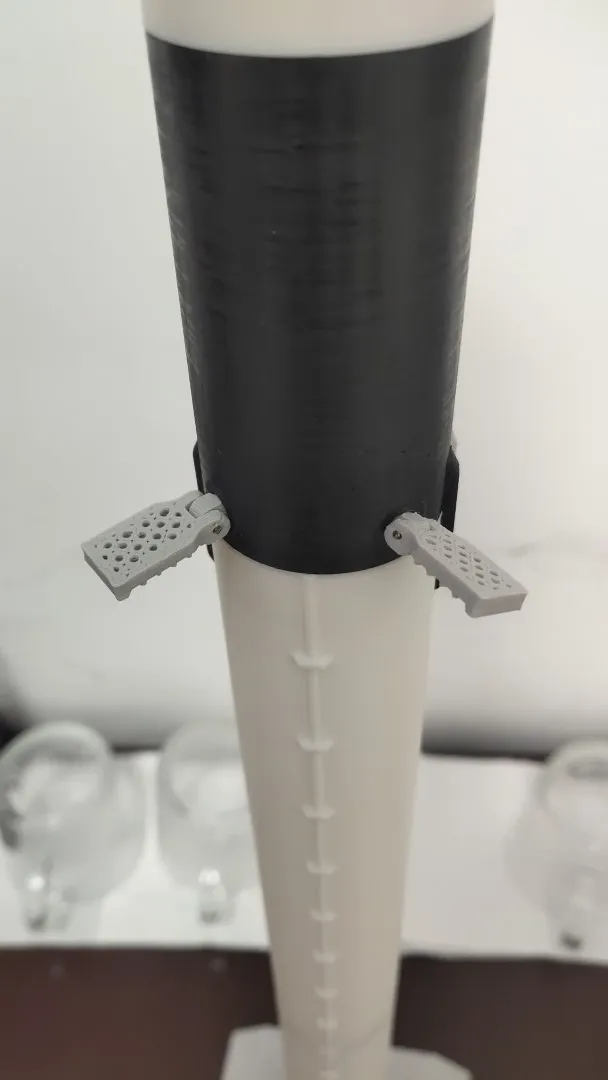
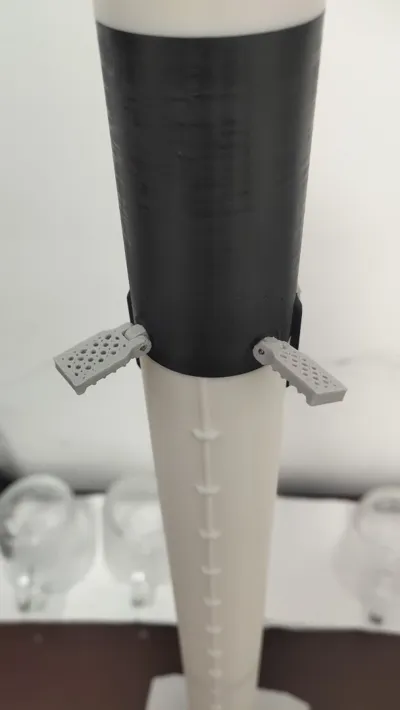
The top of the first stage features four grid fins, all of which are rotatable and foldable, faithfully replicating the real rocket. The grid fins and rotary shafts are connected using a 1mm diameter shaft—too slender for 3D printing. I thus utilize a common stationery item—a paperclip—cutting four 72mm lengths. Naturally, any suitably sized readily available material will suffice.
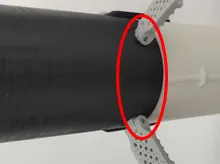
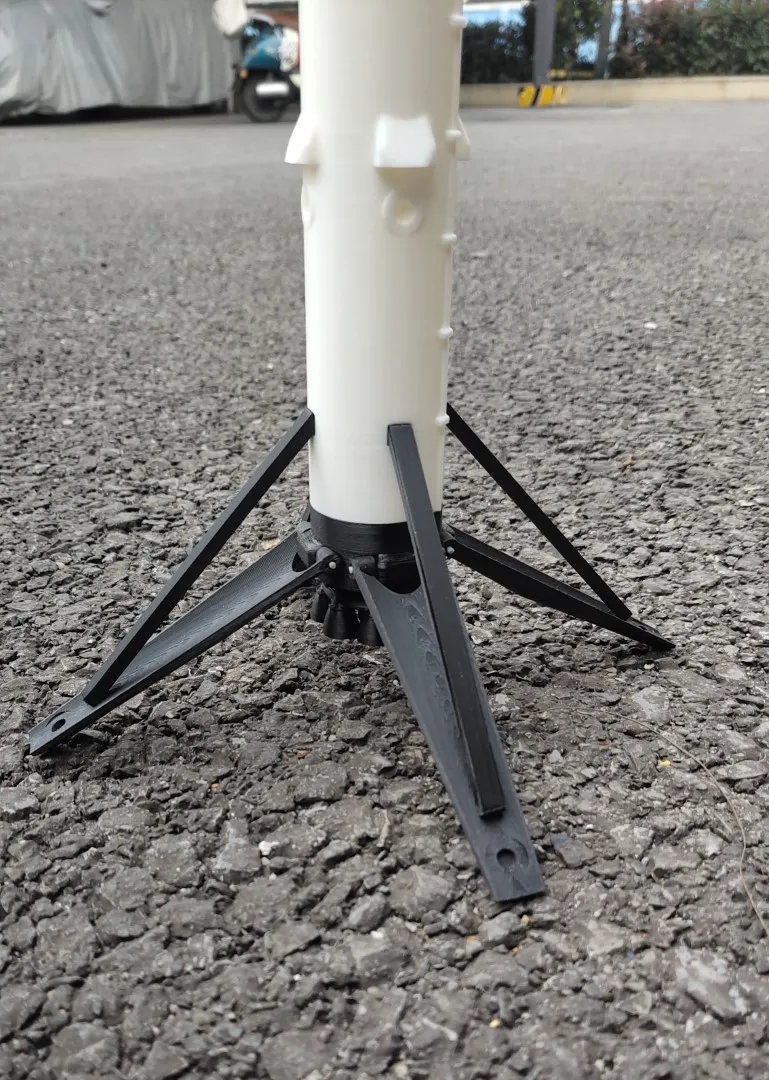
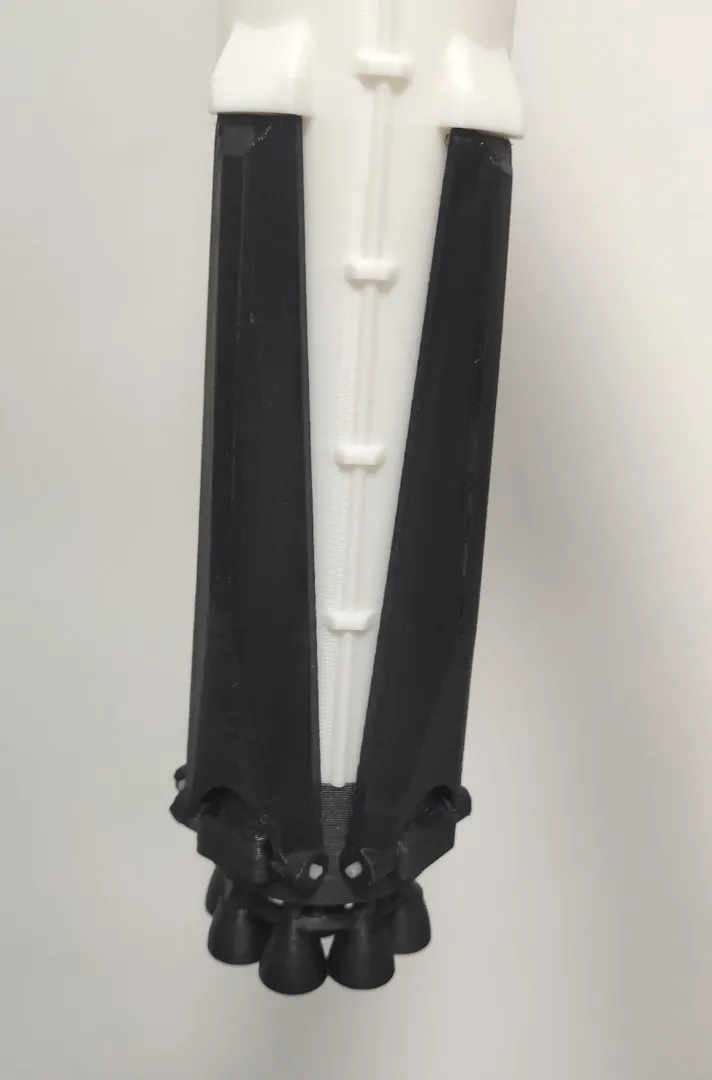
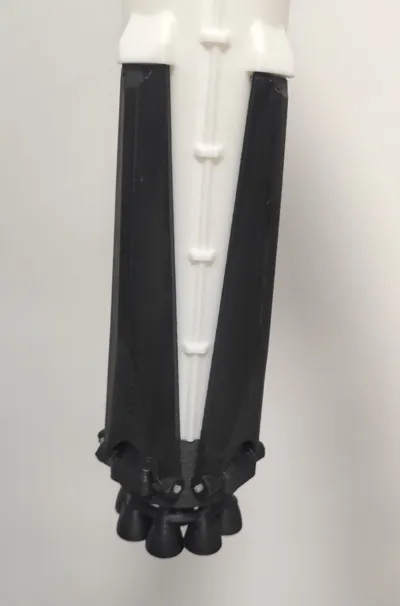
I have not designed a connecting shaft between the landing legs and the first stage, instead employing a suitably sized length of 3D printing filament which provides a perfect fit and superior strength compared to a printed alternative. If possible, the shaft ends can protrude from the shaft holes by approximately 1mm, softened with a soldering iron and then flattened to prevent dislodgement. Glue is another option, but be mindful not to fully adhere the entire shaft. The image below depicts the preparation for the former method, before softening and flattening.
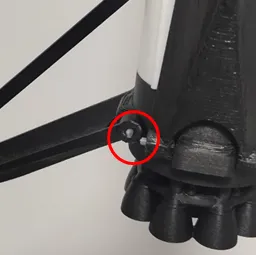
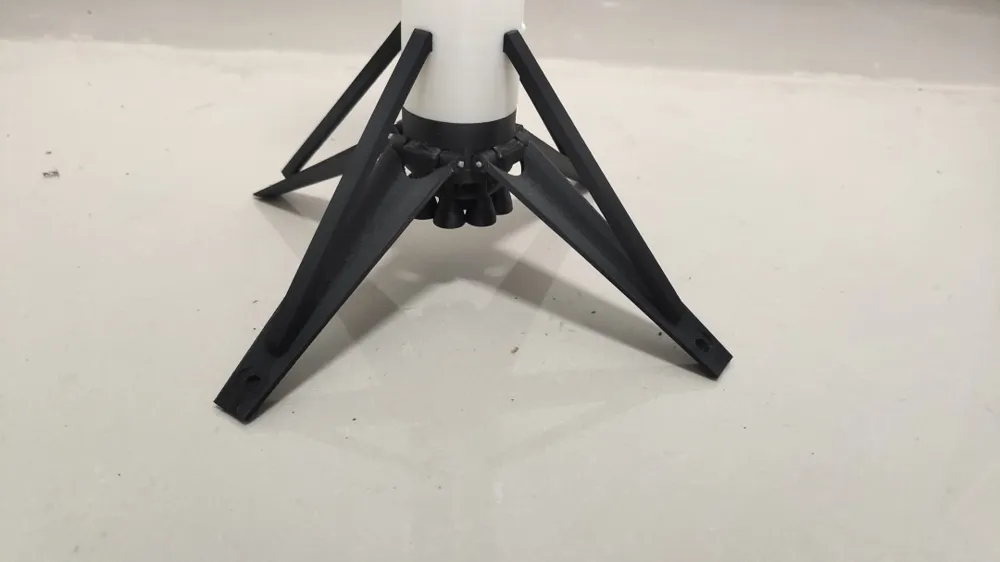
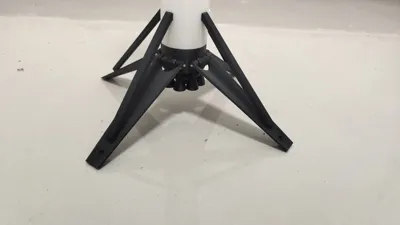
The real Falcon 9 rocket's landing legs utilize hydraulic struts for folding, but at this reduced scale, the strut would be too thin to 3D print with sufficient strength in a three-layer sleeve; if made too thick, it would not retract into the landing leg when folded. As a compromise, a removable strut has been incorporated.
When displaying this model, the landing legs can be retracted and placed on the accompanying launch base; alternatively, they can be deployed, allowing the model to stand on its landing legs. Both methods provide stable placement.
This model lacks surface detailing on the rocket; this should be added using custom artwork or purchased decals.
Boost Me (for free)
Every like, save, follow, and boost is a tremendous encouragement to my commitment to original creations. Thank you!
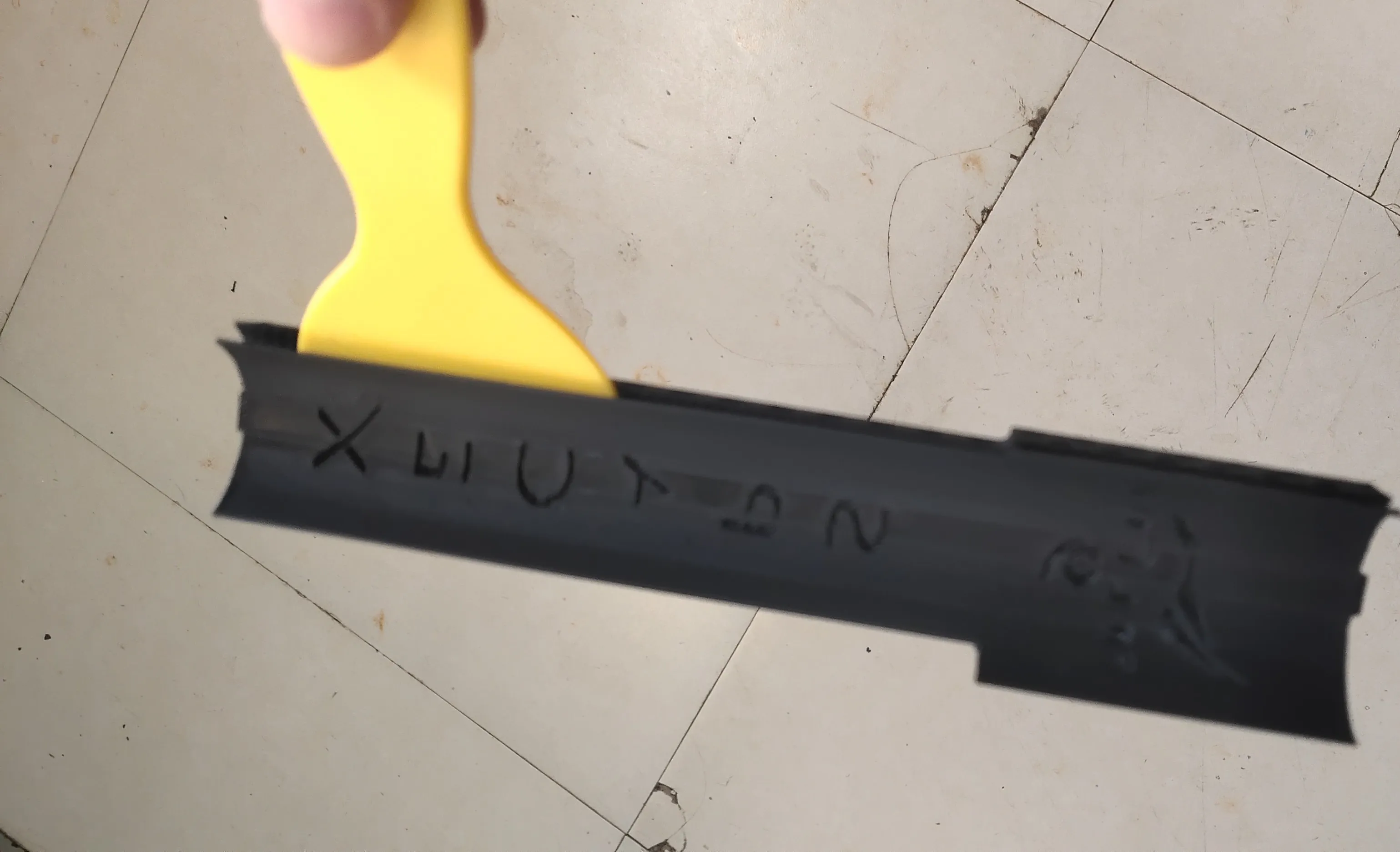
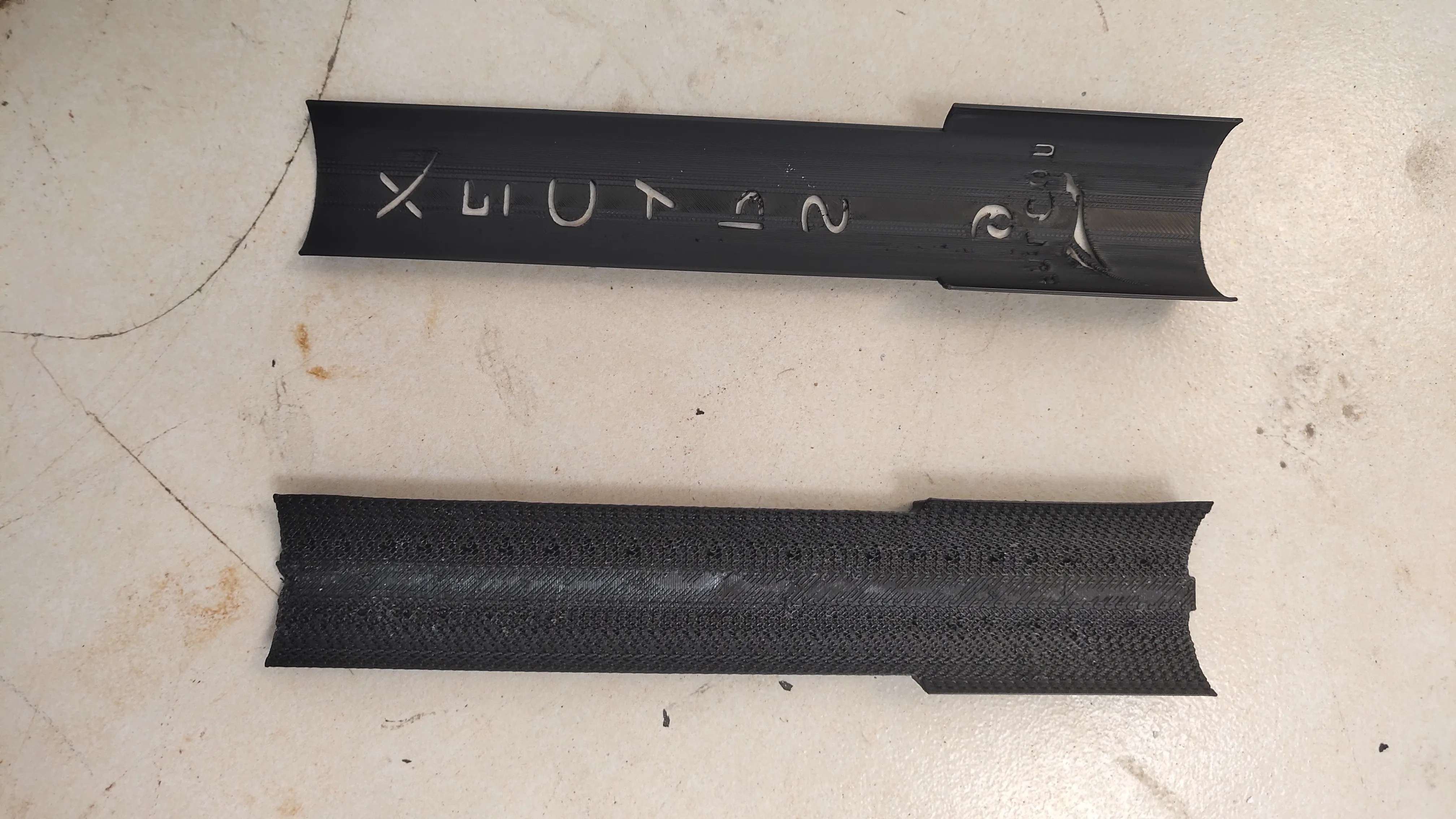
Regarding circular arc coloring assistance: Due to the tool's shape, and for ease of printing and adequate strength, a significant amount of support material is employed; PLA filament is recommended for printing, as its supports are easier to remove; when removing supports, use a thin tool to gently insert into a corner between the model and the support structure, gently levering them apart to completely remove the supports without damaging the model.
Documentation (1)
License

You shall not share, sub-license, sell, rent, host, transfer, or distribute in any way the digital or 3D printed versions of this object, nor any other derivative work of this object in its digital or physical format (including - but not limited to - remixes of this object, and hosting on other digital platforms). The objects may not be used without permission in any way whatsoever in which you charge money, or collect fees.


Comment & Rating (16)