
Raspi Arcade works with Powerbank
Print Profile(4)



Bill of Materials







Description
Check out the version for the A1 mini: https://makerworld.com/de/models/1666089
I had to shorten the side panels so they would fit on the A1 mini build plate
Therefore, the bottom plate must be pressed against it when gluing
UPDATE 10/2025 (alternative print profile with the 3 replaced parts for a display with screw eyelets)
In this version, there is a notch where the bottom plate fits precisely
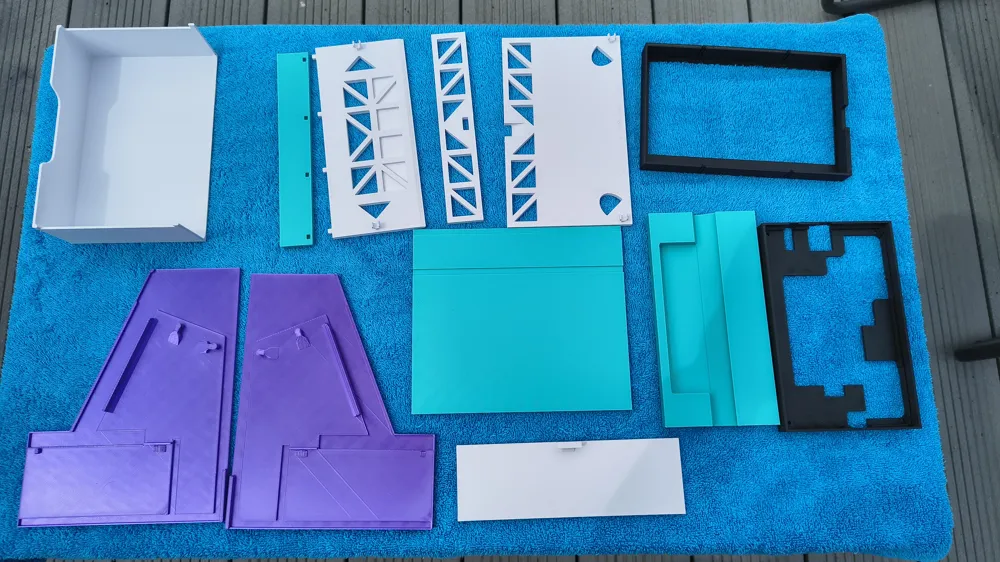
10 print plates, select the top cover with or without fan holder in the profile! Both do not need to be printed
Model Summary:
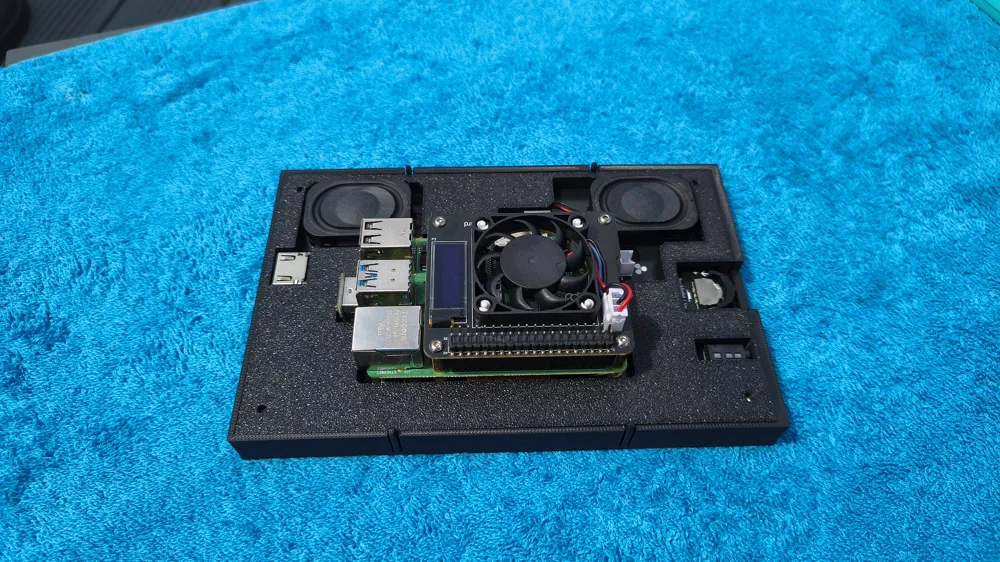
Mini Arcade with Raspberry Pi 4 (Raspberry Pi 3/4/5 possible)
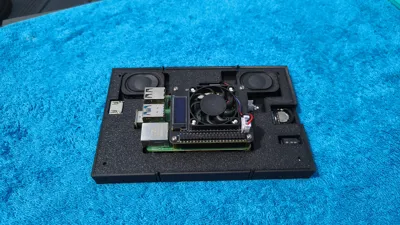
7-inch display, 1024x600 pixels, built-in speakers
Space for standard power bank, 2 controllers
Top panel with space for 40mm fan will follow, still in progress
No screws or magnets needed, no soldering
Top and rear panels as well as display removable at any time without tools
Short video of the large model on Instagram: (all printed parts are visible there)
https://www.instagram.com/reel/DMVwTVqod0t/?utm_source=ig_web_copy_link&igsh=Nmdmb2Jjem5mcnZu
Assembly instructions below also as text, as photos in the PDF, and now as
Video on YouTube: (Assembly of the A1 mini version)
Boost Me (for free)
Remember to leave a like, comment, photo, or even a boost to support me. I would be very happy.
Thank you very much!
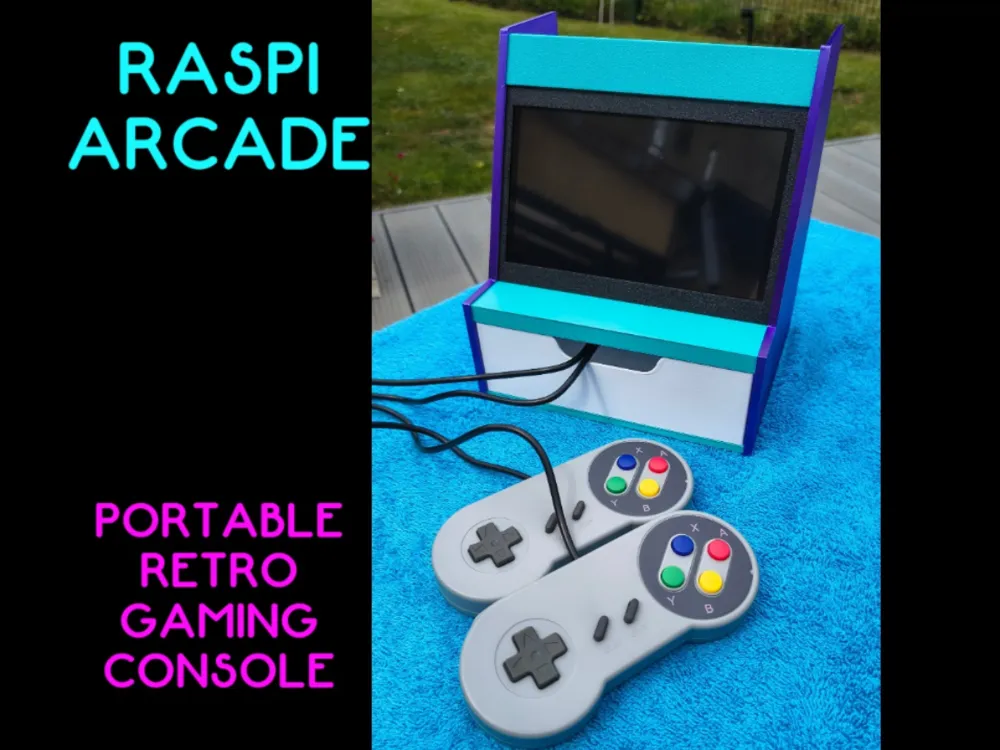
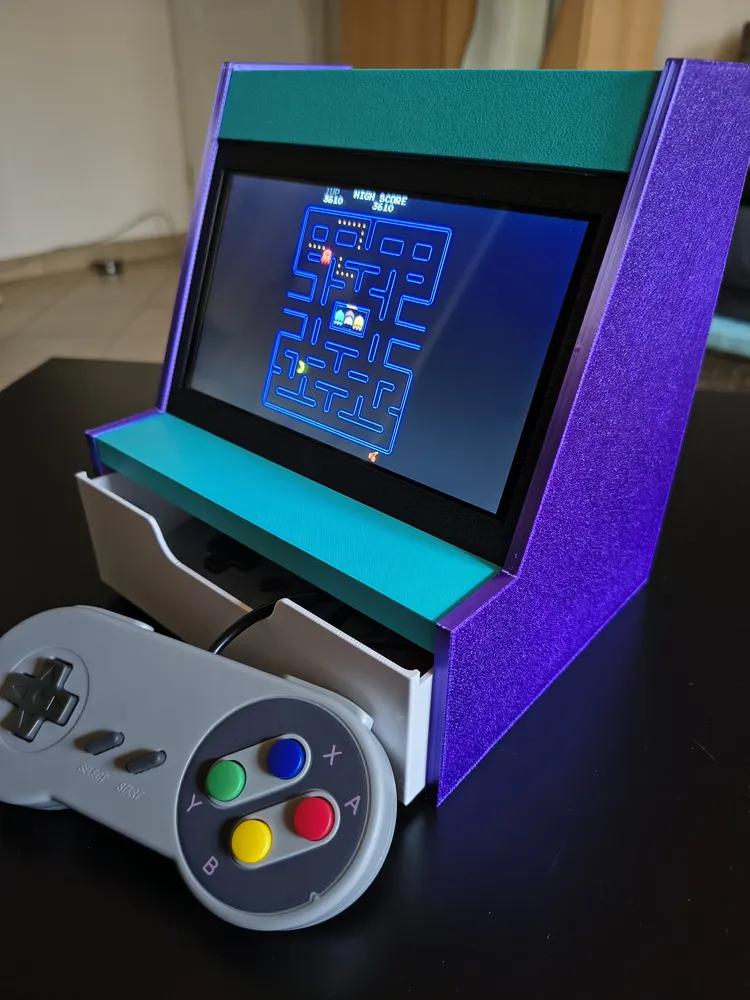
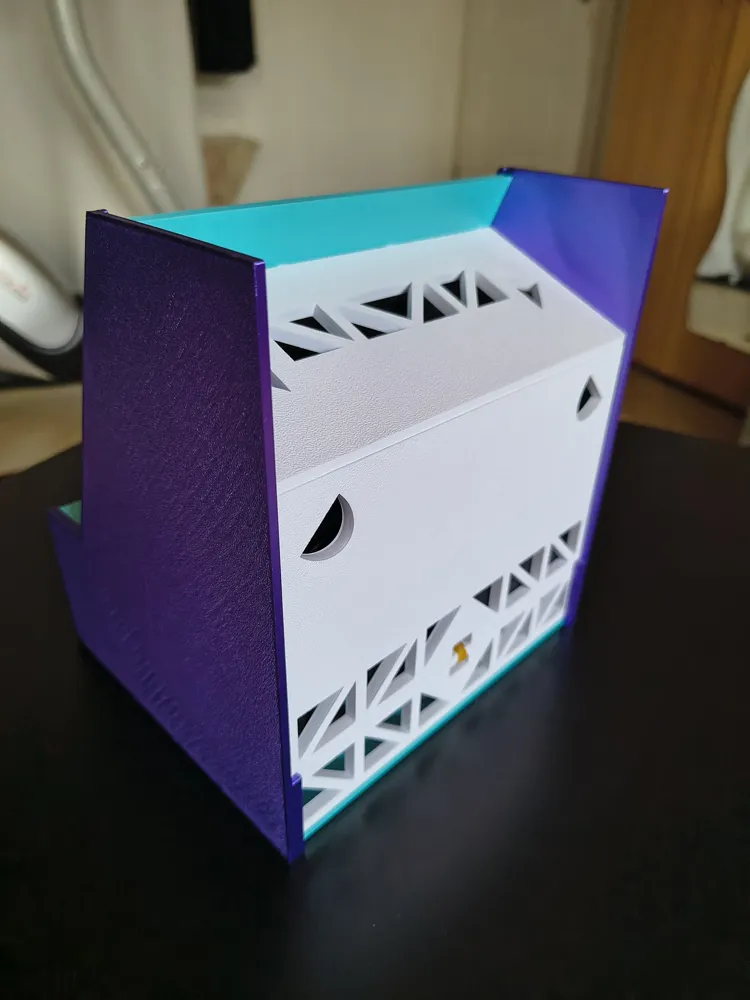
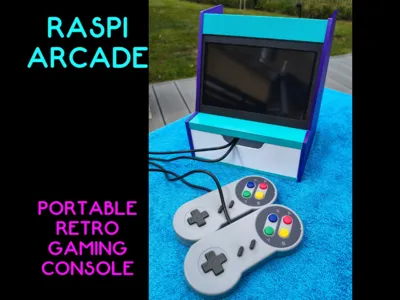
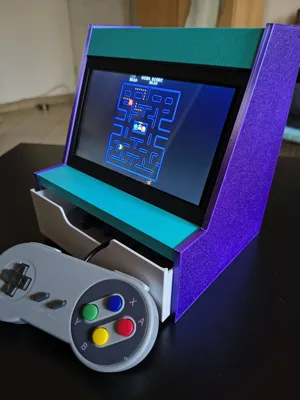
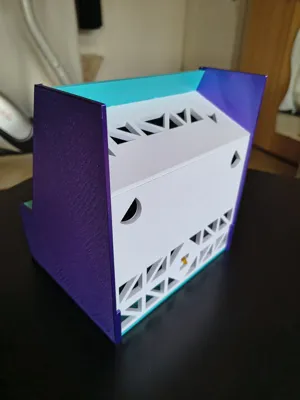
Mini Arcade with built-in speakers and space for a power bank, so you have everything in one device and can take it anywhere to play, even if there is no power outlet nearby
No electronics knowledge is needed, everything is plug and play. Adapters are included with the display, everything else is connected with standard USB cables and adapters
Introducing:
The +++"RASPI ARCADE"+++,
perfect for reliving games from days gone by, whenever and wherever you want
The power bank powers the Raspberry, which in turn provides enough power for the monitor and speakers.
The USB controllers never need to be charged
This way you can re-experience all sorts of games from earlier days, be it NES, SNES, Sega, NeoGeo, or others
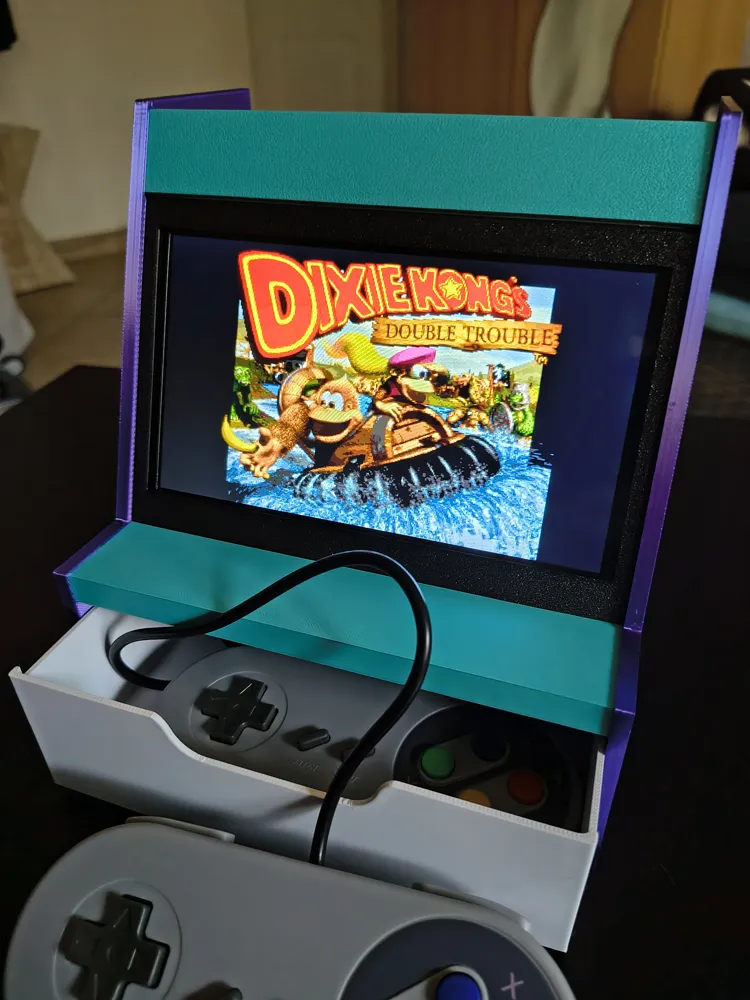
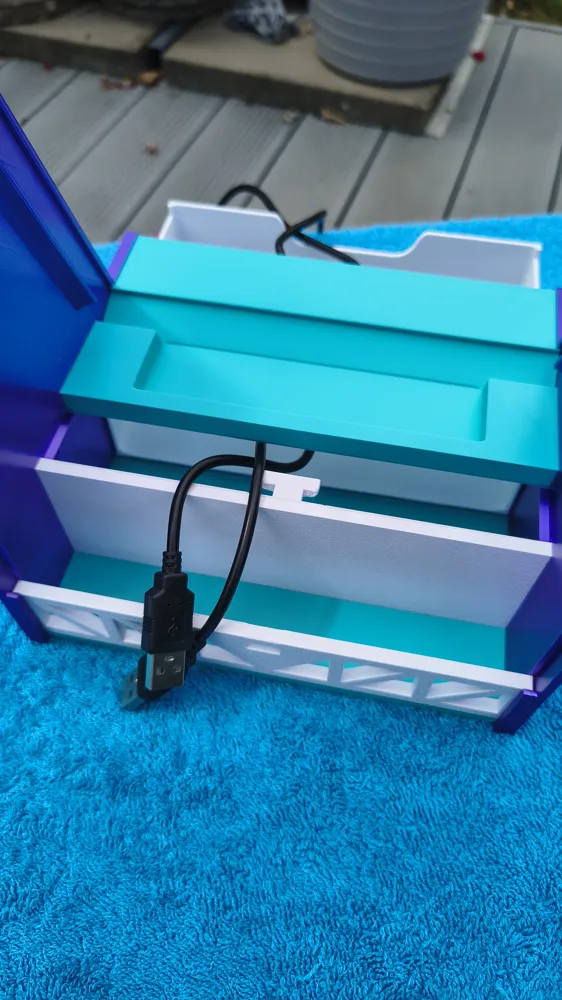
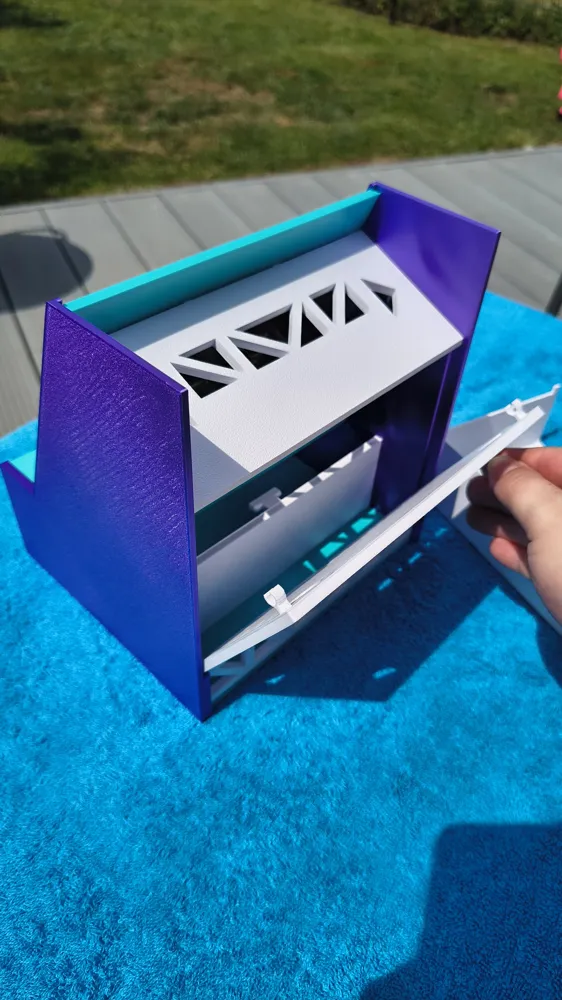
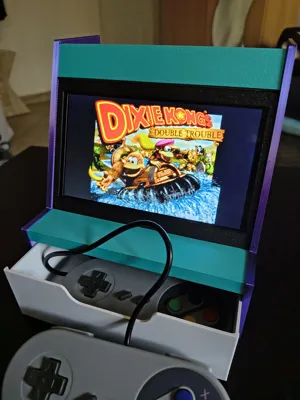
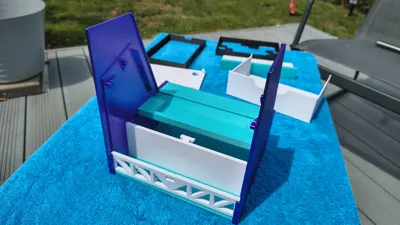
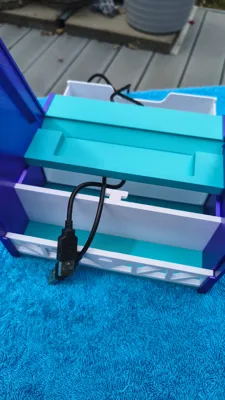
2 controllers can be stored in the drawer, and the power bank is stowed inside
As mentioned above, the "Raspi Arcade" is powered by a Raspberry Pi 4 B which is directly mounted to a 7" monitor with integrated speakers, running Retropie or other systems if you prefer.
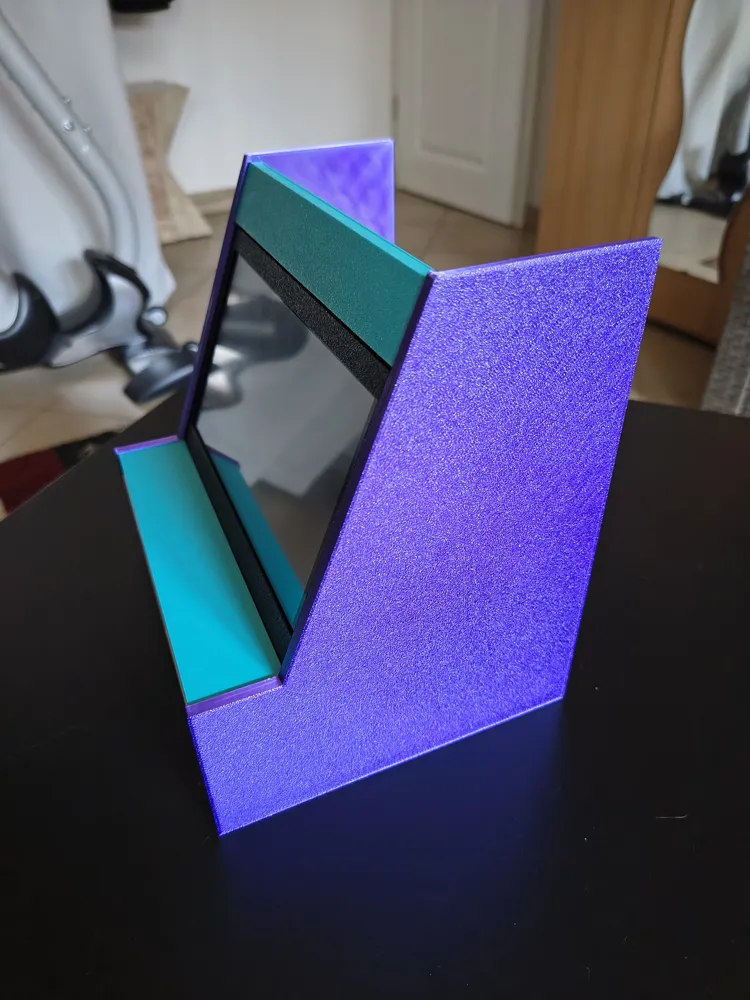
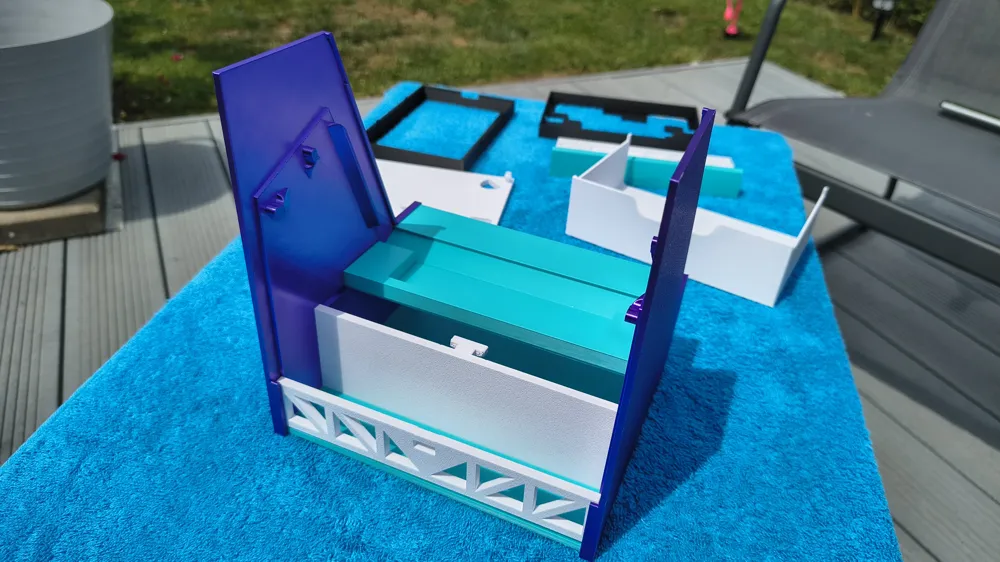
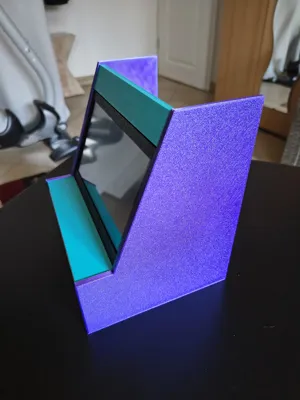
No screws or magnets are needed. The base and middle section are glued to the side panels, while the rear panel and top cover are clipped into place, ensuring that the internal components (Raspberry, screen, power bank, and cables) remain easily accessible and removable.
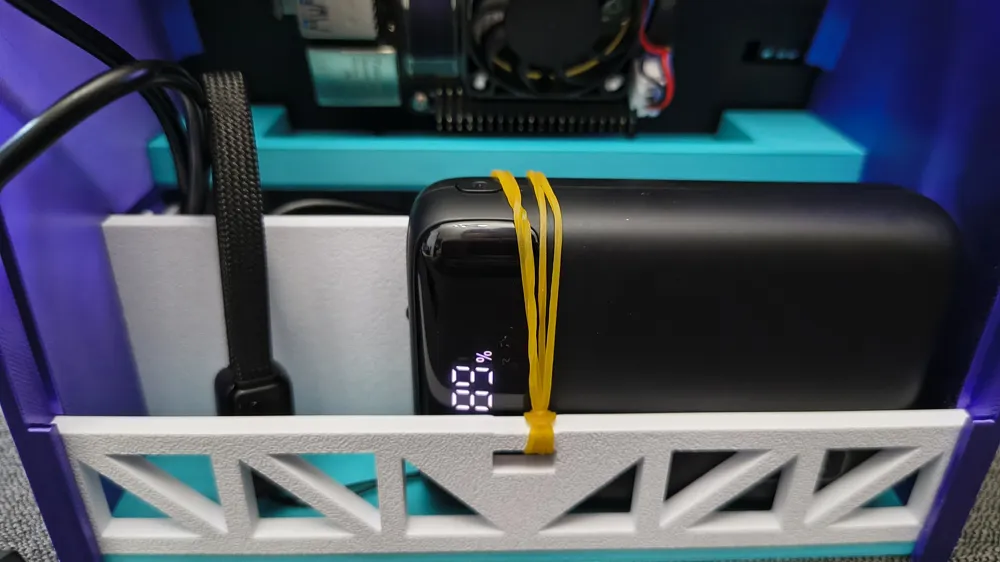
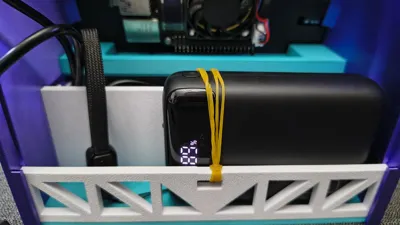
I have built in a holder for an elastic band to secure the power bank, keeping it firmly in place
List of all additionally required or optional parts:
- Raspberry Pi 4 B (2GB or 4GB RAM), starting from approximately 50€
The 2GB RAM version is sufficient for simple games. For PSX, Dreamcast, or newer consoles, I would recommend the 4GB version
- 7-inch monitor with 1024 x 600 pixels
Examples: available on Amazon, depending on offers 35 - 65€
*Cuqi 7-inch IPS LCD Touchscreen 1024 x 600 (Amazon ASIN: B0D1C4XLNY )
*Elecrow Raspberry Pi Screen 1024 x 600 (Amazon ASIN: B08FWZWKHF )
*Lafvin 7 inch HDMI IPS display Raspberry (Amazon ASIN: B0CP939DZ2 )
(ensure it is a monitor where the Raspberry can be screwed to the back and that includes speakers)
- microSD card 32 - 256GB depending on how many games you want on it
from approximately 5€ in online retail
- Power bank or power supply with USB-C cable with at least 5V 3A
(the compartment for the power bank in the Raspi Arcade is approximately 30x175x120mm) Power banks up to 30mm thick will fit
- USB SNES controller, from approximately 10€
in my case from the brand Rii on Amazon, 2-pack bought on offer for 7€
- 2x USB 90-degree angles
- Elastic band or similar, for securing the power bank
- Retropie * is available for free on their website: https://retropie.org.uk/download/
*for those who are unfamiliar, there are pre-made versions with games that you can simply transfer to the microSD, insert into the Raspberry, and start playing immediately.
A reliable source for this is arcadepunks.com. There are countless versions with varying numbers of retro games.
Here is the link for the Raspberry Pi 4 versions: https://www.arcadepunks.com/category/raspberry-pi-images/raspberry-pi-4-images/
There are also many videos about it on YouTube
It is possible to use a different Raspberry with some modifications, for example, the Pi Zero 2 W, which is powerful enough for NES, SNES, NeoGeo, Sega Master System, Genesis. Once I have finished my other models, I will try to create a suitable printable version for it if anyone is interested. (For the Pi 3 Model B, there are also such plug-and-play monitors with the same dimensions)
+++ASSEMBLY INSTRUCTIONS+++
Assembly is very simple. You can also refer to my photos in the assembly instructions PDF
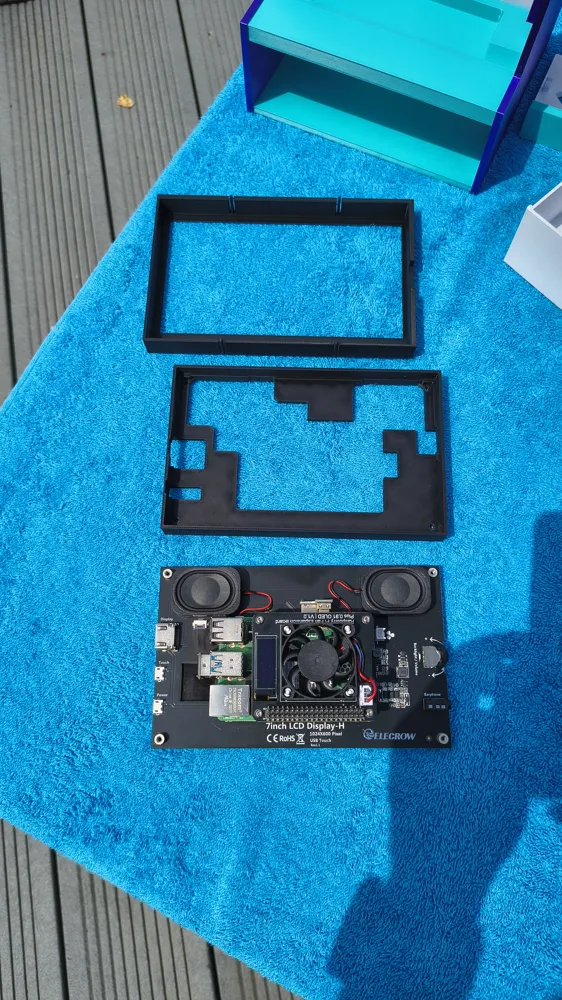
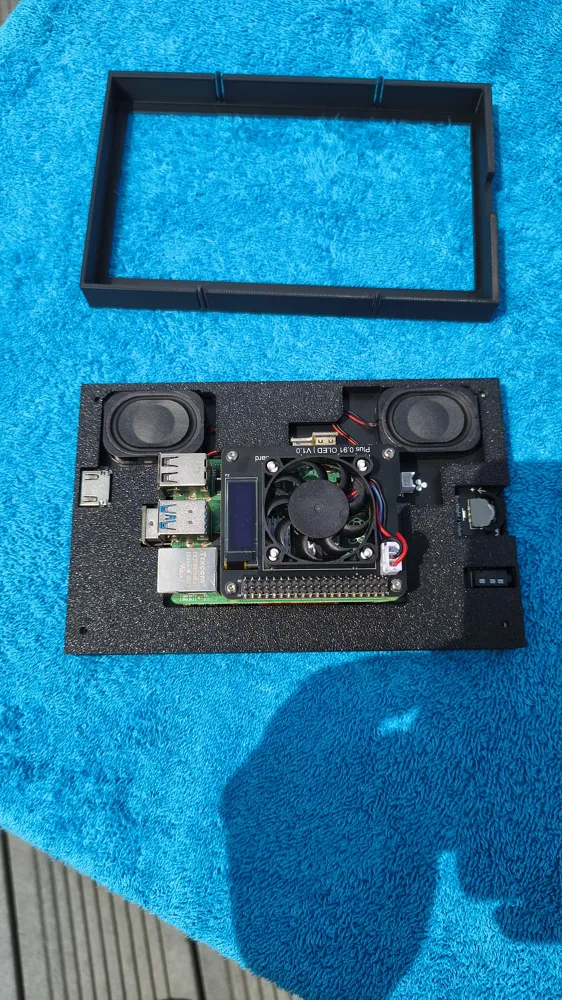
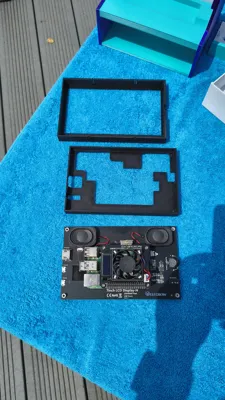
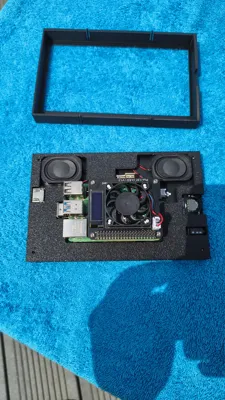
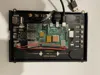
1. First, attach the Raspberry to the back of the monitor (matching USB adapters are included with the monitor, and everything is simply plugged together, description in the monitor's manual)
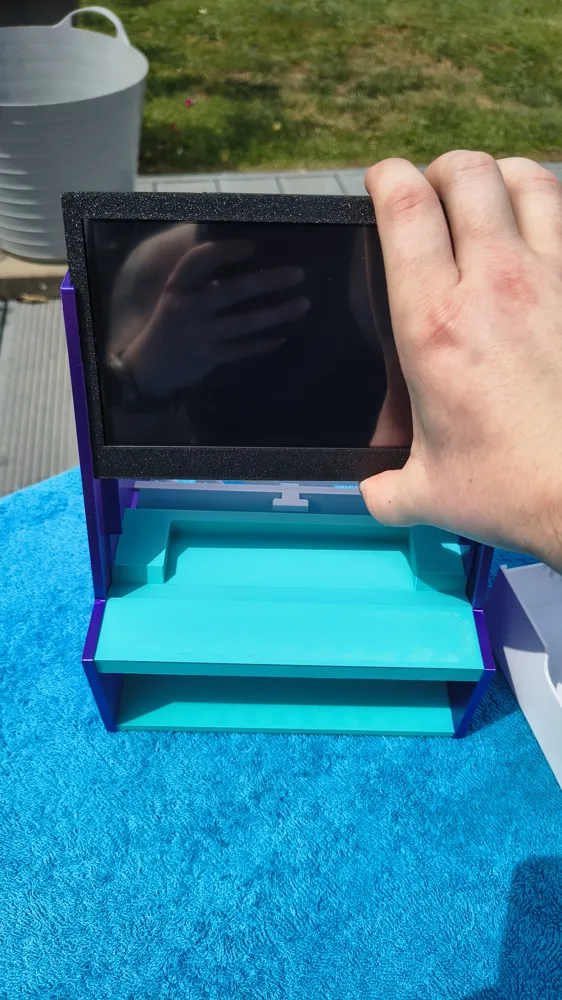
2. Place the rear monitor cover onto the Raspberry with the monitor, then slide both parts into the monitor frame, you do not need screws, the Raspi Arcade has rails designed to hold everything together
3. Set this aside, it will simply be slid into the housing later
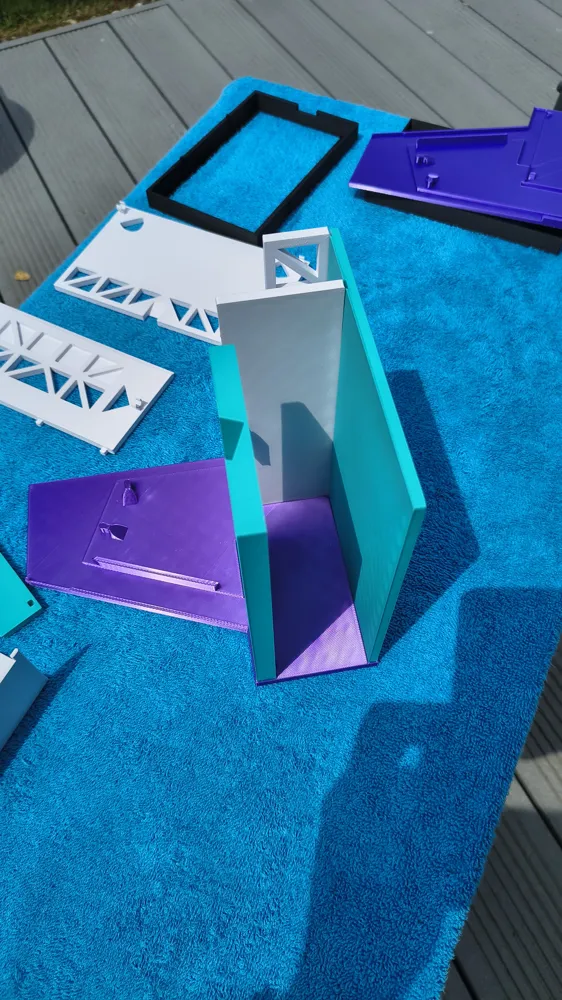
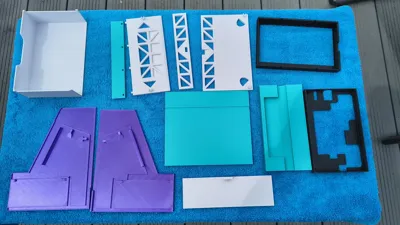
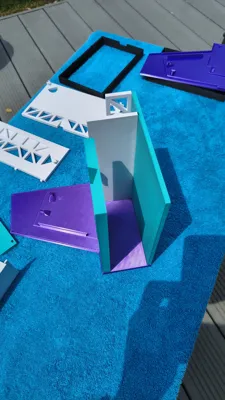
4. Take one of the two sides and glue the 4 bottom parts into the designated recesses, starting with the bottom plate, then the two smaller vertical parts that lie directly against the bottom plate, and fourthly the plate above the drawer. (There are extra recesses on the side walls, and these are the only parts that are glued.)
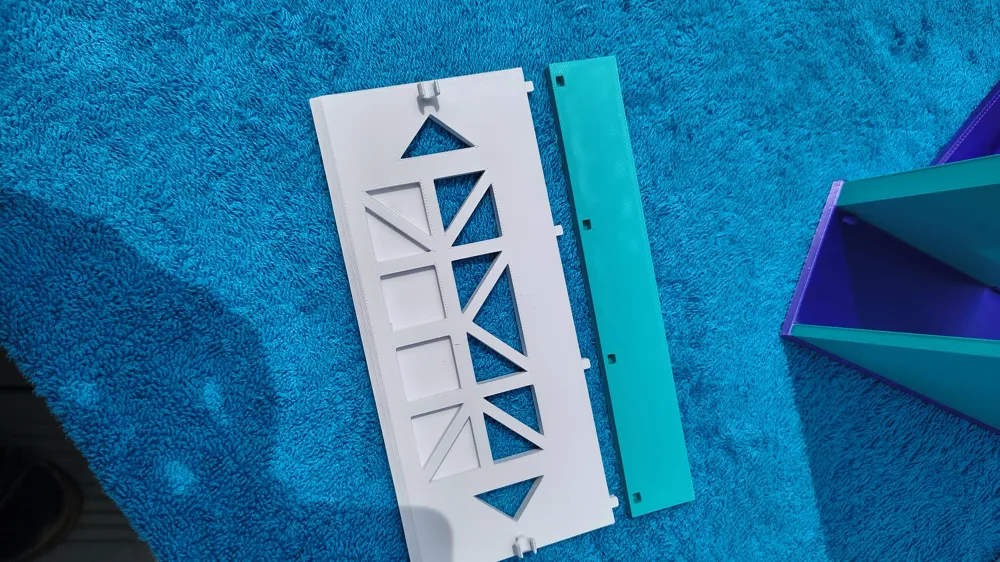
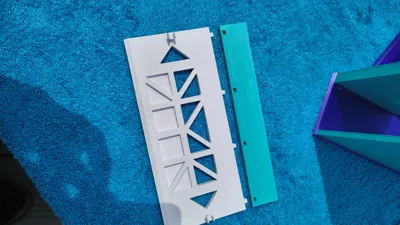
Pay attention to the correct alignment, especially for the part where the screen will rest later; I have added an image with the parts so you can orient yourself
5. Then you can glue the other side to match it
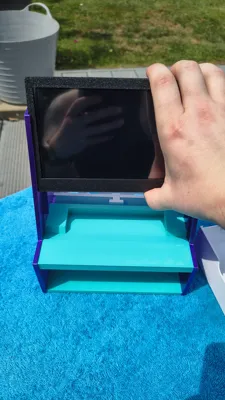
6. Now the monitor can be inserted from the top
7. Now take both parts for the top cover and fit them into each other (top cover and marquee), paying attention to correct alignment (if the hooks on one part are pointing downwards, the marquee must be pointing upwards from that perspective)
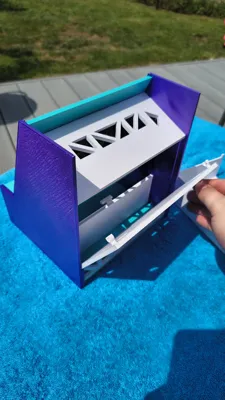
The assembled part is now placed from above so that the hooks engage in the designated clips
8. Insert the cables from the controllers from the front into the hole where the drawer will later go, and inside, upwards through to the Raspberry. Connect them to the Raspberry using the USB 90-degree angles
9. Now the drawer can be pushed in with the open side facing backward. The initial resistance is normal; there are small hooks in the walls so the drawer does not simply fall out later. If you wish to remove it later, simply pull out the drawer and tilt it upwards, then it will easily come out. The controllers can now be stored in it with their cables
10. Place your power bank into the rear compartment and connect the Raspberry to it.
The power bank can be secured with an elastic band or a thin hair tie. Simply thread the band through the designated recess at the bottom, loop the band through itself once, then place it over the power bank to the T-shaped part at the front, slipping it over, thus securing the power bank. There is a slot in the rear panel so that the band does not obstruct the closing of the panel
11. Now insert the rear panel from the top into the slot provided at the bottom and click the panel into place at the top.
It can then be easily removed again through the two upper side openings
And voilà, your Mini Arcade is complete. Ready to play whenever and wherever you want, whether a power outlet is available or not
For questions or suggestions for improvement, please feel free to contact me
The model was created entirely in Tinkercad with many test prints
I hope you like the model and I would be happy to see photos
Have fun printing and playing
Thank you for any support
Documentation (1)
License

You shall not share, sub-license, sell, rent, host, transfer, or distribute in any way the digital or 3D printed versions of this object, nor any other derivative work of this object in its digital or physical format (including - but not limited to - remixes of this object, and hosting on other digital platforms). The objects may not be used without permission in any way whatsoever in which you charge money, or collect fees.


Comment & Rating (19)