Search models, users, collections, and posts

Northeast 3D design
@Northeast3Dd
Social Media Links
Bio
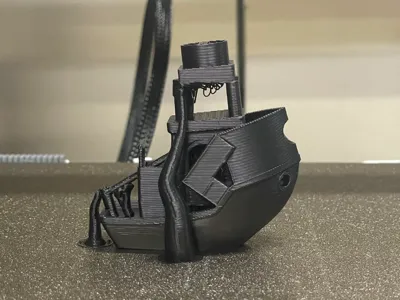
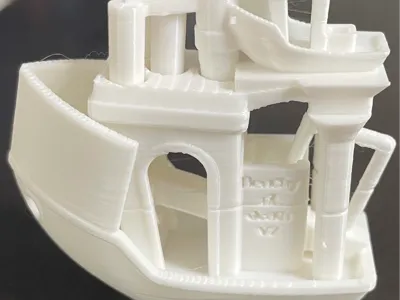
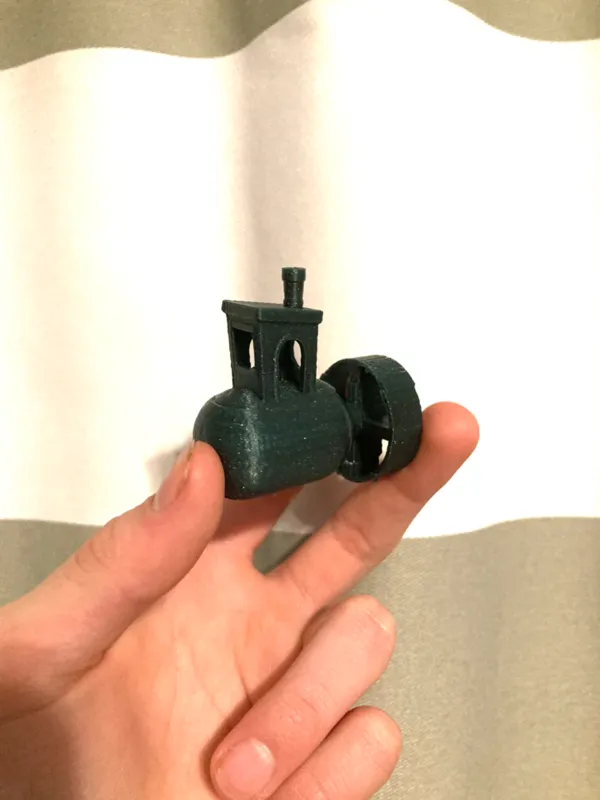
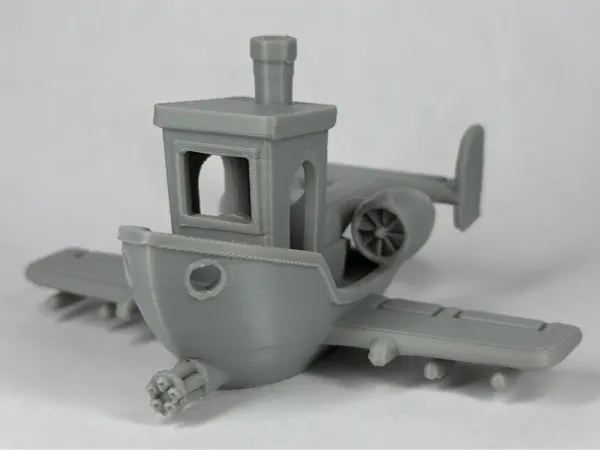
Hello and welcome to my profile! here I design models that accomplish something! btw i have a benchy nation. The united benchys of manufacturing!
Achievements

MakerWorld Guardian
Active more than 20 days out of last 30 days UTC time

Stellar Reviewer
Rate or Comment 321 different models
Recent Article
The history of the great benchy nations.
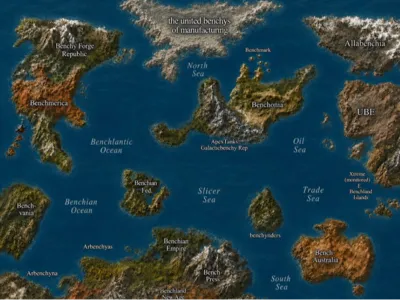
The history of the great benchy nations.The History of the Great Benchy Nations (GBN)Chapter 1: The FoundingThe history of the Great Benchy Nations began with a simple community post that invited MakerWorld users to create something entirely new.The founding announcement established the basic rules that would shape the community:Anyone with a Benchy army could establish their own nation.No two nations could share the same name.Real-world countries could not be used.Members were encouraged to share photographs of their Benchy armies.The community would gather under the #The Great Benchy Nations hashtag.Although these rules were straightforward, they sparked an idea that quickly grew beyond a single post. Instead of simply showing collections of Benchys, members began imagining governments, borders, alliances, flags, and national identities for their armies.Unlike many online communities, the Great Benchy Nations were built around creativity and participation rather than competition alone. Every new nation expanded the shared world. Every new Benchy army represented another community joining the growing collection of fictional countries.This founding post established the principles that would define the GBN:Creativity through worldbuilding.Friendly interaction between nations.Original nation names.Community participation.Celebration of the Benchy as the symbol uniting every nation.Looking back, this post marked the beginning of one of MakerWorld's most distinctive community projects. What started as an invitation to invent fictional Benchy countries would eventually grow into a network of nations, maps, diplomacy, lore, and community events that became known collectively as the Great Benchy Nations (GBN).The first declaration did not describe future wars, alliances, or diplomacy. It simply challenged the community to imagine a world where every Benchy army could become a nation. Everything that followed grew from that single idea. Chapter 2: The First Benchy WarAs more nations joined the Great Benchy Nations, interactions between them became increasingly ambitious. What had begun as a project to create fictional countries soon expanded into diplomacy, alliances, and military roleplay.One of the earliest major conflicts occurred when a coalition announced a campaign against @xreme. The declaration stated that @WV4AM, @GabeTechInd, and the rest of the Benchy army were advancing and demanded an unconditional surrender.The announcement read:"Me and @WV4AM and @GabeTechInd and the rest of the army are coming with our army. You must surrender. Surrender now."According to community recollections, the campaign concluded with the defeat of @xreme. This became one of the earliest recorded victories in GBN history and demonstrated that alliances between nations could dramatically influence the outcome of conflicts.Although the conflict remained entirely within the spirit of community roleplay, it marked an important turning point. The Great Benchy Nations were no longer simply a collection of independent countries. Organized coalitions had emerged, military campaigns had become part of the shared storyline, and victories and defeats were beginning to shape the developing history of the GBN.Many members later looked back on this period as the beginning of the First Benchy War era, when diplomacy, alliances, and friendly rivalry transformed the Great Benchy Nations into a living, evolving world created by its community. And I added myself into it of course  Chapter 3: The Rise of the Benchys of ManufacturingAs the Great Benchy Nations continued to expand, new powers emerged with increasingly specialized identities. One of the most significant developments came on June 9, when @Northeast3Dd officially announced the creation of the Benchys of Manufacturing.The founding declaration emphasized industrial capability above all else. Unlike many earlier nations, which focused primarily on armies or territory, the Benchys of Manufacturing based their strength on production and engineering.The founding announcement declared:"New nation! The Benchys of Manufacturing! We have enough equipment to make Benchys in metal so we can blow any attackers out of the water (literally). We have a very large continent for our nation. I will join the UBN."The announcement introduced several defining characteristics that would shape the nation's identity:A focus on manufacturing and industrial production.The ability to produce Benchys from metal, representing advanced manufacturing capabilities.Control of a large continental territory.A commitment to joining the UBN alliance.Cooperation with other established members of the Great Benchy Nations community.The decision to join the UBN strengthened one of the GBN's largest alliances and expanded its industrial capacity. The addition of the Benchys of Manufacturing demonstrated that nations were becoming increasingly specialized, with each developing unique strengths rather than simply maintaining large Benchy armies.The founding of the Benchys of Manufacturing also reflected the growing ambition of the Great Benchy Nations. Communities were no longer creating only fictional countries; they were building detailed national identities complete with industries, economies, technology, and strategic alliances.Many community members viewed the Benchys of Manufacturing as an important industrial power whose emphasis on engineering represented the creative spirit that had inspired the Great Benchy Nations from the beginning. Chapter 3: The Silver Era of PeaceFollowing the first great rivalries, the Great Benchy Nations entered what many members would later remember as the Silver Era of Peace. Although it never reached the explosive growth of the founding period, it became one of the most productive and collaborative chapters in GBN history.The Silver Era was characterized by stability. New nations continued to appear across the expanding maps, but they were welcomed through diplomacy, friendly introductions, and cooperation rather than constant rivalry. The community shifted its attention toward building lore, designing flags, creating governments, and imagining how each nation contributed to the growing world.During this period, several new nations joined the GBN, each bringing its own identity, traditions, and strengths. Some focused on engineering and manufacturing, others emphasized scientific research, exploration, trade, or technological development. Every new nation added another piece to the shared history of the Great Benchy Nations.One of the defining moments of the Silver Era was the community's united response to a fictional threat that became known within GBN lore as the War on Terror. Rather than representing conflict between member nations, it symbolized a rare moment when rivals set aside their differences to confront a common enemy within the shared storyline. The event reinforced the idea that, despite political disagreements and friendly competition, the nations of the GBN could cooperate when faced with a larger challenge.The period also saw major improvements in diplomacy. Alliances became stronger, communication between nations became more frequent, and many disputes that might once have grown into larger storylines were instead resolved through negotiations and mutual agreements. This cooperative atmosphere encouraged more members to participate and helped the community continue expanding.Industrial development flourished throughout the Silver Era. Nations proudly displayed their growing Benchy fleets, improved manufacturing capabilities, and increasingly creative projects. Advances in lore were often matched by impressive model showcases and imaginative presentations that reflected each nation's unique character.Maps also became more detailed during this time. Borders were refined, continents expanded, and previously unexplored regions gradually filled with new countries. The world of the Great Benchy Nations became richer and more interconnected than ever before.Many longtime participants remember the Silver Era as a time when nearly every day brought a new announcement, a new nation, or another creative contribution to the growing world. While friendly rivalries never completely disappeared, they were balanced by a strong sense of community and shared purpose.By the end of the Silver Era, the Great Benchy Nations had evolved from a simple idea into a thriving collaborative universe. The foundations laid during this peaceful period would influence every chapter of GBN history that followed, proving that cooperation and imagination were just as important as competition in shaping the community's legacy. Chapter 4: Rising Tensions Within the GBNAs the Great Benchy Nations continued to grow, periods of peace were occasionally interrupted by new storylines that reignited community participation. One of the most notable began when concerns were raised about renewed tensions involving @xreme.A public announcement called on members of the UBN to remain alert, stating that @xreme had returned to the ongoing roleplay with a rebuilt Benchy force and was making challenges toward members of the alliance. The announcement encouraged UBN members to stand together and support one another while specifically mentioning @GabeTechInd and @WV4AM as members who had been challenged.The post concluded by directly inviting @xreme to continue the ongoing storyline, encouraging further community participation.The announcement quickly became a focal point for the Great Benchy Nations, drawing responses from members and demonstrating how collaborative storytelling had become one of the defining features of the GBN. Rather than existing as isolated posts, events increasingly unfolded over multiple announcements as different nations contributed to the developing narrative.This period highlighted the strength of the community's worldbuilding. Members responded to one another's ideas, expanded existing stories, and helped create a shared universe that continued to grow with every new contribution. Chapter 5: The Layerforge CrisisThe Silver Era of Peace was briefly interrupted by what would later become known throughout GBN lore as the Layerforge Crisis.Without warning, the fictional nation of Layerforge published a dramatic announcement claiming it possessed a devastating superweapon capable of changing the balance of power across the Great Benchy Nations. The declaration spread rapidly, with nations holding emergency discussions, strengthening their alliances, and preparing for the possibility that the long period of stability might be coming to an end.For several days, uncertainty dominated community discussions. Some nations believed the announcement represented a genuine escalation within the GBN storyline, while others suspected it was simply an attempt to attract attention and provoke reactions.As more responses appeared, it became increasingly clear that the announcement had never represented an actual change in the GBN world. Instead, it had been intended as a provocative piece of roleplay designed to spark discussion and community engagement.Once the misunderstanding was resolved, tensions quickly subsided. Nations returned to diplomacy, manufacturing, exploration, and collaborative storytelling. Although the crisis ended without lasting consequences, it became one of the most talked-about episodes of the era.In later years, the Layerforge Crisis was remembered as a reminder that not every dramatic announcement would reshape GBN history. Sometimes, the biggest headlines became little more than memorable moments in the community's ongoing story, demonstrating both the creativity and the humor that characterized the Great Benchy Nations. Chapter 6: The Printer Tribes CrisisDuring what many remember as the Silver Era of Peace, one of the greatest diplomatic crises in GBN history unexpectedly emerged. Unlike previous disputes, the crisis did not begin with a declaration from the Printer Tribes themselves. Instead, it began when an anonymous community member publicly proposed launching an attack against the Printer Tribes despite there being no known hostile action from them.The proposal quickly spread throughout the Great Benchy Nations and created widespread concern. Many members questioned whether such an attack would violate the principles upon which the GBN had been founded. Others worried that a preemptive strike would inevitably provoke a much larger conflict that neither side truly wanted.As discussions intensified, tensions between the Great Benchy Nations and the Printer Tribes reached their highest point. Rumors circulated throughout the community, and many feared that a full-scale conflict was becoming unavoidable. Several nations began preparing for the possibility that diplomacy had failed.The situation escalated further when the leader of the Printer Tribes responded by declaring war upon the United Benchys of Manufacturing (UBN) and the wider Great Benchy Nations. What had begun as a proposal from a single anonymous participant had grown into the largest international crisis the GBN had yet experienced.In response, the President of the UBN issued an emergency address calling upon every Benchy nation to stand together. Nations across the GBN pledged support, reaffirmed their alliances, and prepared to defend the community if necessary. For the first time in GBN history, nearly every major nation found itself united behind a common cause.Fortunately, before the fictional conflict could progress further, diplomatic discussions began between representatives of the GBN and the Printer Tribes. Through negotiation and mutual understanding, both sides agreed that continued escalation would benefit neither community. A peace agreement was reached, bringing the crisis to an end before a prolonged conflict could unfold.The Printer Tribes Crisis became one of the defining diplomatic moments in GBN history. It demonstrated how quickly misunderstandings could grow into international disputes, but it also proved that communication and cooperation could prevent even the most serious disagreements from becoming lasting divisions.Many historians of the Great Benchy Nations regard the peaceful resolution of the Printer Tribes Crisis as one of the alliance's greatest achievements. Rather than being remembered for destruction, the event became a lasting symbol of diplomacy, restraint, and the willingness of independent nations to choose peace when the future of the community was at stake. Chapter 6: A New Partnership – The GBN and MakerWorld CollaborationAs the Great Benchy Nations continued to grow in size and recognition, the community reached a milestone that many members had never imagined during its early days. What had begun as a simple idea—creating fictional nations centered around Benchys—had developed into one of MakerWorld's most recognizable community projects.According to GBN community records, representatives from MakerWorld reached out to members of the Great Benchy Nations to discuss the possibility of working together on a collaborative project. The invitation marked the first time that the GBN had the opportunity to directly cooperate with MakerWorld on a larger initiative.To coordinate ideas more effectively, discussions moved to Discord, where members of the Great Benchy Nations and MakerWorld representatives began exchanging concepts for the future of the project. The conversations focused on expanding the GBN beyond community posts and maps into a more interactive experience.Among the ideas discussed were the creation of a dedicated GBN website, which would serve as a central location for the history of the nations, official maps, member nations, alliances, flags, and important announcements. Such a website would preserve the growing lore of the GBN while making it easier for new members to join and understand the community.Perhaps the most ambitious proposal was the development of a Great Benchy Nations game. Community members imagined a world where players could establish nations, build industries, manage diplomacy, expand their territories, participate in community events, and explore the ever-growing universe of the Great Benchy Nations in an interactive format. The idea reflected how far the GBN had evolved from its humble beginnings as a single community post.For many longtime members, these discussions represented a defining moment in GBN history. The collaboration demonstrated that the creativity, enthusiasm, and dedication of the community had grown into something capable of inspiring projects beyond MakerWorld itself.Although much work still remained ahead, the collaboration symbolized a new era for the Great Benchy Nations. What had once existed only through posts, maps, and imagination was now being considered for dedicated platforms that could preserve its history and expand its future.Many members remember this period as the beginning of a new chapter in GBN history—one in which the community's ideas reached beyond the MakerWorld feed and toward building a lasting home for the Great Benchy Nations. This was a history of great benchy nations up to the present
Laws of the benchy nations
Laws of the benchy nationshead of UBN please review. This is partially AI generated and may not be perfectly accurate. This is subject to change  Official Constitution, Territorial Law, and Code of Conduct for the 17 Benchy NationsSECTION I: SOVEREIGN FACTORING & REGISTRATIONArticle 1: Recognition of the High CouncilThe global map of the Great Benchy Nations is split into exactly 17 recognized community factions managed by designated Creator-Generals. The official roster, as recorded in the MakerWorld registry, stands as follows:Benchonia (Managed by ItzMpower) – The central seat of traditional maritime power.United Benchys of Engineering / UBE (Managed by Gabe Tech Industries) – The industrial and mechanical engineering wing.BenchyForge Republic (Managed by Spectraforge) – Master armorers and high-temp alloy experts.Benchpress (Managed by Flexi Fin Studios) – Specialty wing focused on articulated and flexible naval assets.Benchian Empire (Managed by Romans1x16) – Roman-inspired classic conquest and strict naval layout.Benchmerica (Managed by Cyber Maker) – High-tech electronic warfare and cyber-enhanced fleets.Benchial Federation (Managed by Pocket Armour CO) – Specialists in micro-scale and ultra-portable pocket defenses.Allabenchia (Managed by 3D Print Wizard) – Magic-infused aesthetic variations and high-resolution models.The Benchynaders (Managed by Grey_Nade316) – Demolition experts and structural fragmentation units.Arbenchyna (Managed by Wacheal) – Territorial guards of the southern maritime shelf.Eastern Benchland Islands (Managed by HC3DPrinting) – High-volume multi-color fleet production units.The Benchys of Manufacturing / BOM (Managed by northeast 3d design ) – The core logistics, mass-production, and raw filament refinery wing.Remaining Slots (unlimited for limited time.You must have one benchy to make a nationArticle 2: The Fallen Factions ProtocolClause 2.1 (The Case of Xtremebenchys): The faction formerly known as Xtremebenchys (Managed by Xreme) is officially declared Fallen. Their design cycle is legally closed following a decisive loss in the MakerWorld community territory war.Clause 2.2 (Salvage Rights): Models belonging to a fallen faction may be downloaded and remixed into active factions, provided appropriate attribution is awarded to the original fallen creator.SECTION II: THE UNITED BENCHY NATIONS (UBN) DIRECTIVE                +---------------------------------------+                |    THE UNITED BENCHY NATIONS (UBN)    |                +-------------------+-------------------+                                    |            +-----------------------+-----------------------+            |                                               |            v                                               v +-----------------------+                       +-----------------------+ |  TERRITORIAL COURT    |                       | RESOURCE LOGISTICS    | |   Resolves Border     |                       |  Managed by Benchys   | |   Hashtag Disputes    |                       |   of Manufacturing    | +-----------------------+                       +-----------------------+ Article 3: Supreme Authority and PeacekeepingSection 3.1 (The UBN Council): The United Benchy Nations (UBN) serves as the supreme legislative and peacekeeping body governing all factions. No single faction may declare total dominance over the MakerWorld feed without a formal UBN resolution.Section 3.2 (The Blue Hull Accords): In times of catastrophic community server lag or mass design plagiarism, the UBN can deploy "Blue Hull Peacekeepers"—neutral, un-remixed standard 3D Benchys—to occupy disputed comment sections and stabilize the trend.SECTION III: LAND DISPUTES & TERRITORIAL SEIZUREThe warfare between nations does not use real violence; it is waged entirely via social engagement, print metrics, and digital cartography within the MakerWorld Community Feed.Article 4: Border Skirmishes and Digital Land GrabsSection 4.1 (The Grid System): The global Benchy map is divided into print grids. A faction may launch a "Land Dispute" against a neighboring nation by publishing a targeted remix model designed to counter the neighbor's specific fleet defense.Section 4.2 (The 48-Hour Engagement): Once a Land Dispute is formally declared via community post, both factions have exactly 48 hours to gather user prints.Section 4.3 (Arbitration): If a dispute ends in a stalemate, the UBN Territorial Court will step in. The land will either be partitioned based on total download metrics or handed entirely to the creator with the cleanest print quality (determined by a total absence of stringing or ghosting).SECTION IV: THE BENCHYS OF MANUFACTURING (BOM) ENGINESArticle 5: Supply Chain and Industrial HegemonySection 5.1 (The Factory Floor): The Benchys of Manufacturing (BOM) control the means of production. While other nations design weapon systems, BOM regulates the print profiles, high-speed acceleration settings (G-code overrides), and standardized filament spools.Section 5.2 (The Raw Material Monopoly): No Heavy Dreadnought or Scout fleet may be deployed without being approved by the UBN SECTION V: NAVAL SHIPBUILDING STANDARDS (3D PRINTING SPECS)To keep combat fair, all 3D printed battleships, aircraft carriers, and defense fleets must strictly respect material capabilities and printer boundaries.Article 6: Structural Integrity and OverhangsSection 6.1: All uploaded naval assets must pass basic slicing geometry checks. No model shall feature unsupported horizontal overhangs exceeding standard tolerances, ensuring it remains an authentic "torture test".Section 6.2: Bridge roofs must measure exactly 23.00 mm parallel, and chimneys must maintain a circular diameter of 7.00 mm to ensure modular armor plating swaps seamlessly between allied factions.Article 7: Weaponization and RemixingSection 7.1: Standard Benchy hulls can be heavily modified into military classifications (e.g., Battleship Benchy, Benchy Carrier, Apache Benchy Helicopter).Section 7.2: Weapon attachments (such as artillery turrets or AMS multi-color missile pods) must utilize friction-fit joints, interlocking tabs, or modular peg systems. Using PETG for high-stress articulated components is highly recommended over brittle PLA.SECTION VI: MATERIAL ECONOMY & ANTI-WASTE DIRECTIVES+---------------------------+---------------------------------------+ |  Economic Asset Class     |  Regulatory / Consumption Limit       | +---------------------------+---------------------------------------+ |  Light Scout (Standard)   |  ~10g Filament, Under 45 Min Print    | |  Heavy Dreadnought        |  Multi-color AMS, High Purge Volume   | |  Eco-Crimson Restriction  |  Strictly Prohibits Excessive Purges  | +---------------------------+---------------------------------------+ Article 8: Resource ManagementSection 8.1 (Scout Class): Standard scouting craft must use roughly 10 grams of filament and take less than one hour to produce. This permits rapid deployment of large scout fleets.Section 8.2 (The Wasteful-Benchy Monitored Asset): Models designated as "Absolute Monstrosities" (e.g., massive multi-color files requiring over 24 hours of print time and excessive filament waste due to purge towers) are labeled as Heavy Dreadnoughts.Section 8.3 (The Purge Bounty): Any maker who successfully prints a Heavy Dreadnought must upload photo evidence of the finished warship