
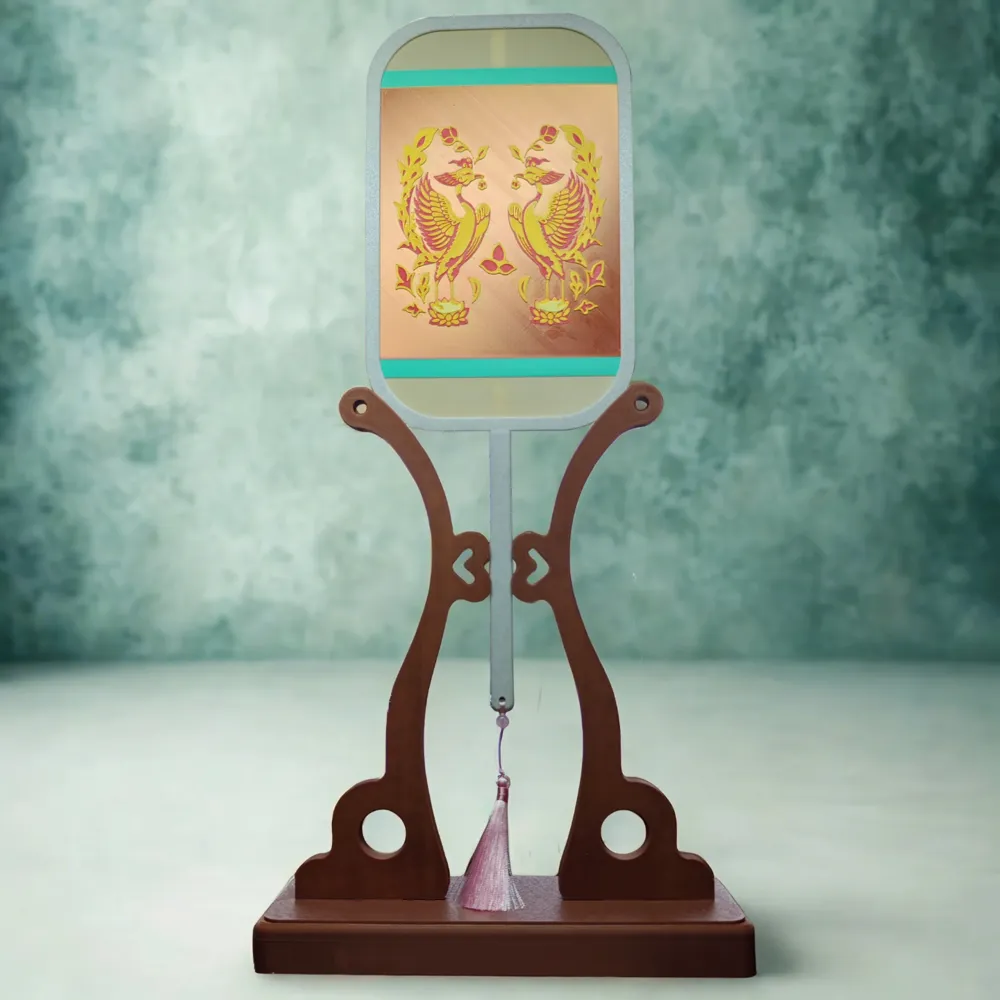
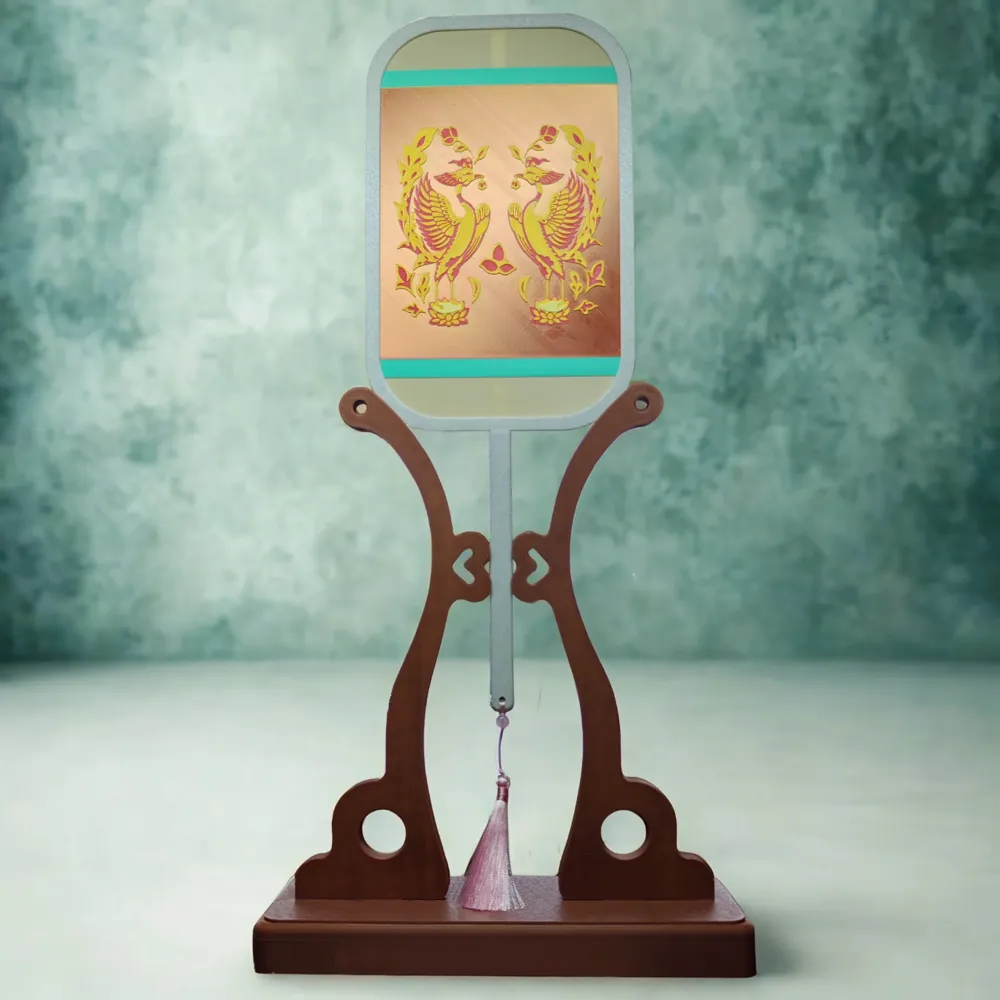
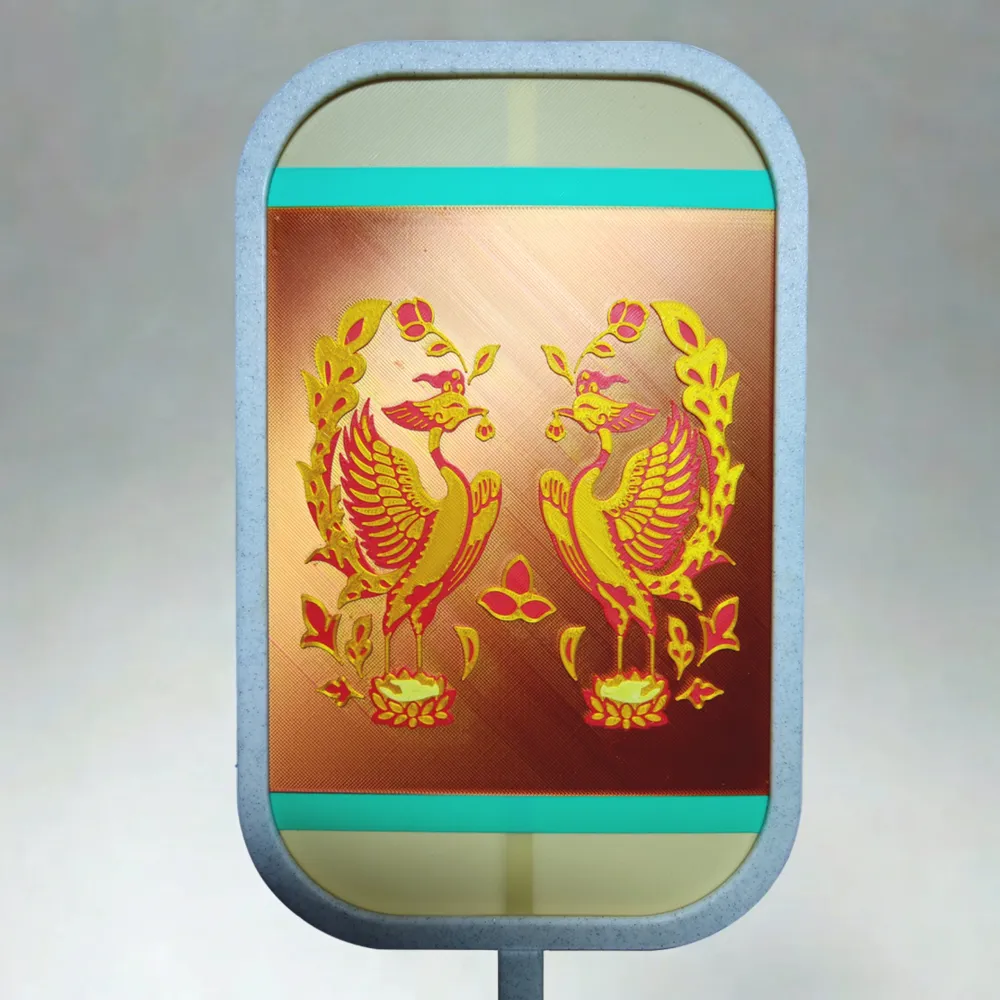
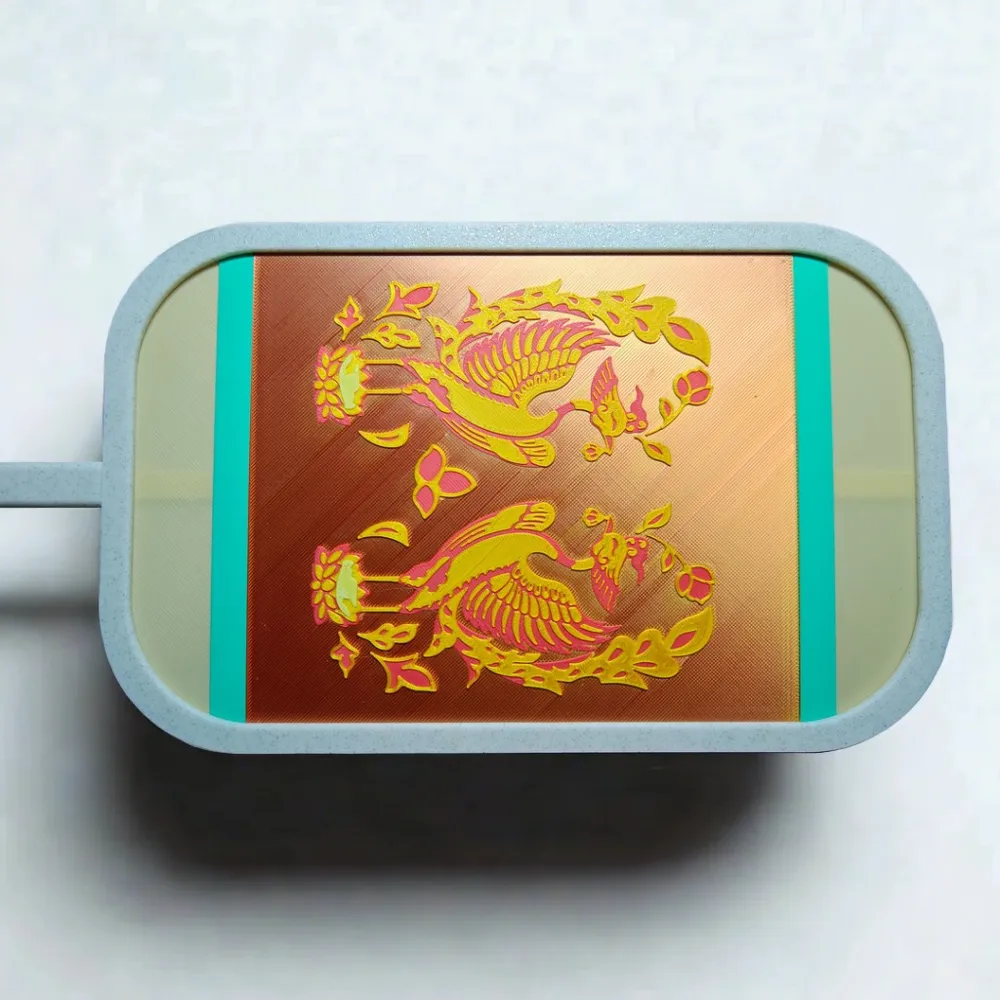
Dunhuang Peacock Offering Lotus Treasures Round Fan
Print Profile(1)

Description
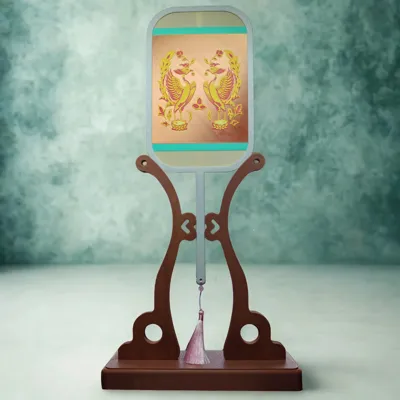
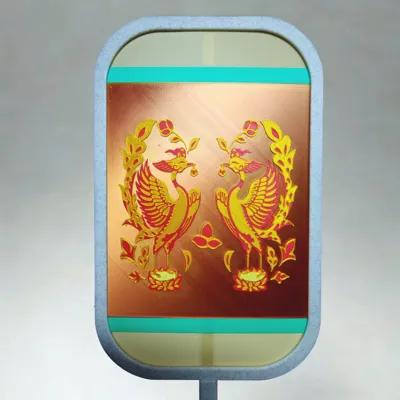
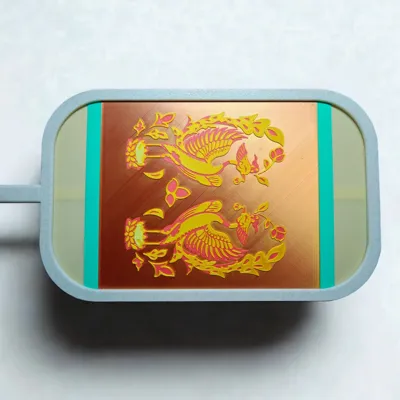
Inspired by Dunhuang murals, I designed a round fan, complete with a desktop stand. The round fan, also known as a palace fan or silk fan, is a traditional Chinese Han ethnic handicraft and artwork, symbolizing reunion, friendship, auspiciousness, and good fortune.
Fans first appeared in the Yin Dynasty, crafted from vibrantly colored wild chicken feathers, called 'blocking fans,' hence the character for 'fan' incorporating the character for 'feather'. Initially, they weren't used for cooling, but served as sunshades and windbreaks for emperors during their travels. Their use for cooling began after the Western Han Dynasty. During the Three Kingdoms period, Zhuge Liang's deft use of a goose feather fan became legendary, symbolizing strategic brilliance. Feather fans provided a gentle breeze without discomfort. During the Eastern Han Dynasty, silk, satin, and other fine fabrics replaced feathers, allowing for elaborate embroidery and embellishments. Round fans, resembling a full moon, were known as 'wan fans' or 'tuan fans,' also called 'huai fans'. A variety of shapes existed, including long oval, sunflower, plum blossom, hexagonal, and round plaque designs, made with wood, bamboo, or bone handles, often adorned with pendants, tassels, or jade. Fan surfaces frequently featured embroidered landscapes and flowers, each design vying for elegance. Ladies would gracefully wave these fans, exuding both refinement and vivacity.
I designed a round fan inspired by Dunhuang murals, which includes a desktop stand for placing the fan. Tuan Fan, also known as Gong Fan or Wan Fan, is a traditional handicraft and artwork of the Han ethnic group in China. It represents reunion, friendliness, auspiciousness, and good fortune.
Fan first appeared in the Yin Dynasty, made of colorful wild chicken feathers, known as the "blocking fan", hence the character for "fan" contains the character for "feather". At that time, fans were not used to cool down, but as a way for emperors to protect themselves from the sun, wind, and sand during their patrols. After the Western Han Dynasty, fans began to be used for cooling. During the Three Kingdoms period, Zhuge Liang lightly waved his goose feather fan, devising clever plans and strategizing effectively. The feather fan blows gently and does not enter the pores. During the Eastern Han Dynasty, most feather fans were replaced with fabrics such as silk, satin, and silk to embellish embroidered paintings. A fan shaped like a bright moon is called a 'wan fan' or a 'tuan fan', also known as a 'huai fan'. At that time, fans came in the shapes of long oval, sunflower, plum blossom, hexagonal, and round plaque; There are also handles made of wood, bamboo, bone and other materials; There are also pendants, tassels, and jade ornaments. The fan surface is often embroidered with landscape flowers, and the styles compete with each other. The ladies in the boudoir hand crank the round fan, and the gentle breeze blows gently, not only adding to the owner's elegant and quiet demeanor, but also reflecting the innocent and lively personality of women.
Boost Me (for free)
License

You shall not share, sub-license, sell, rent, host, transfer, or distribute in any way the digital or 3D printed versions of this object, nor any other derivative work of this object in its digital or physical format (including - but not limited to - remixes of this object, and hosting on other digital platforms). The objects may not be used without permission in any way whatsoever in which you charge money, or collect fees.


Comment & Rating (0)