Around this time last year, the platform was buzzing with activity. MW had just launched its mobile app, opened servers in China, and started hosting local tournaments. During the mid-year holidays, people began setting up fun booths, and there was a small surge of interest in farm-related models. But now, the community doesn’t feel as lively as before. Many seem to have lost the desire to share models and modeling techniques—some have moved on, while others have left the hobby entirely.
This might be because the platform updated its rules, weeding out many creators who relied on buying models from Taobao, reposting, AI-generated content, head-swaps, kitbashing, or split parts. For them, it’s no longer profitable or worth the effort.
It could also be that skilled practitioners are feeling less motivated as incentives shrink, leading them to shift focus to higher-value projects.
Some hobbyists might have simply lost interest and naturally drifted away.
Recently, MW has begun another round of “zone shrinkage”—like in battle royale games—and many are complaining. But we all know that MW’s point and boost systems, though idealistic on the surface, are fundamentally commercial. This isn’t charity, so it wouldn’t be surprising if these incentives eventually become a thing of the past.
I, too, went through a slump not long ago—I didn’t feel like printing or designing, my skills stagnated, and the less I practiced, the rustier I became. But deep down, I didn’t want to give up on this hobby. So, how can we maintain our passion and keep going in this new environment? Here are my thoughts. (As of August 2025, I’ve been into this for exactly a year. I’m not highly skilled yet and still have a lot to learn, but I’d like to share my beginner’s perspective in hopes it might help others.)
Small Tips for Maintaining Your 3D Printing Hobby:
- Learn basic modeling.
- Practice and publish consistently—take on small projects and celebrate incremental progress.
- Pay attention to presentation and strategy when sharing your work.
- Join group chats, seek knowledge, practice, and help others with their questions.
- Print and study outstanding models by other creators.
1. Learn Basic Modeling
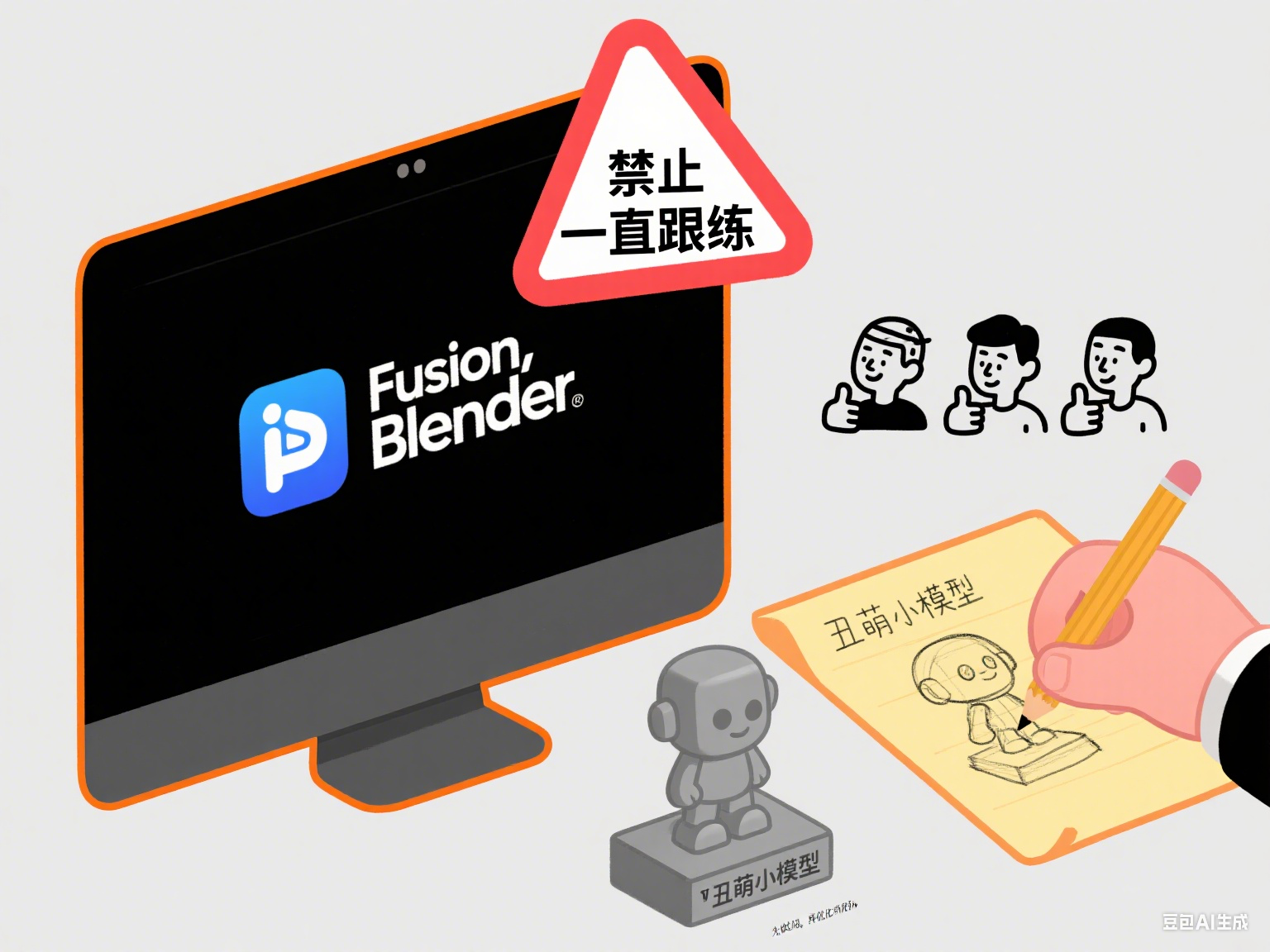
Learning modeling can significantly extend your enjoyment of this hobby and give you more freedom to bring your ideas to life. You may have noticed on my model page that I often recommend excellent video tutorials for Fusion 360, Nomad, and Plasticity—feel free to check them out if you’re interested.
My general advice for beginners is to watch introductory videos and spend some time familiarizing yourself with the software. You can follow along with tutorials at first, but don’t get stuck in that mode. A common mistake is treating software mastery as the end goal, when what really matters is creating what you envision. I recommend jumping into practical projects quickly—start tinkering, make something small, and look up techniques as you need them. Don’t worry about advanced skills initially; use basic tools to create something, even if it’s rough, and then think about how to improve it.
Good starter projects often solve everyday problems or bring a bit of joy—like designing a custom drain cover or a cute accessory. This naturally leads you toward two broad types of modeling software: precision-oriented tools like Fusion 360 (free), Shapr3D, or SolidWorks for functional parts; and sculpting tools like Blender (free) or Nomad for artistic models like figurines or toys. You can even learn both!
Start with quick, practical projects that impress people around you—family, friends, or colleagues—or meet a real-life need. Positive feedback from others can fuel your motivation. For example, one of my first projects was a simple hairdryer mount for my wife, which she still uses today. When others see and benefit from your creations, they’re more likely to support your hobby.
As you advance, study case studies. I often watch timelapse modeling videos during my commute—it helps me learn new techniques and stay familiar with the workflow even when I’m not actively practicing (though nothing replaces hands-on experience).
2. Practice and Publish Consistently—Small Projects, Small Wins
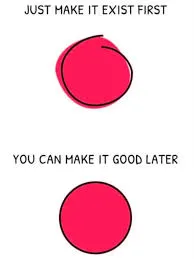
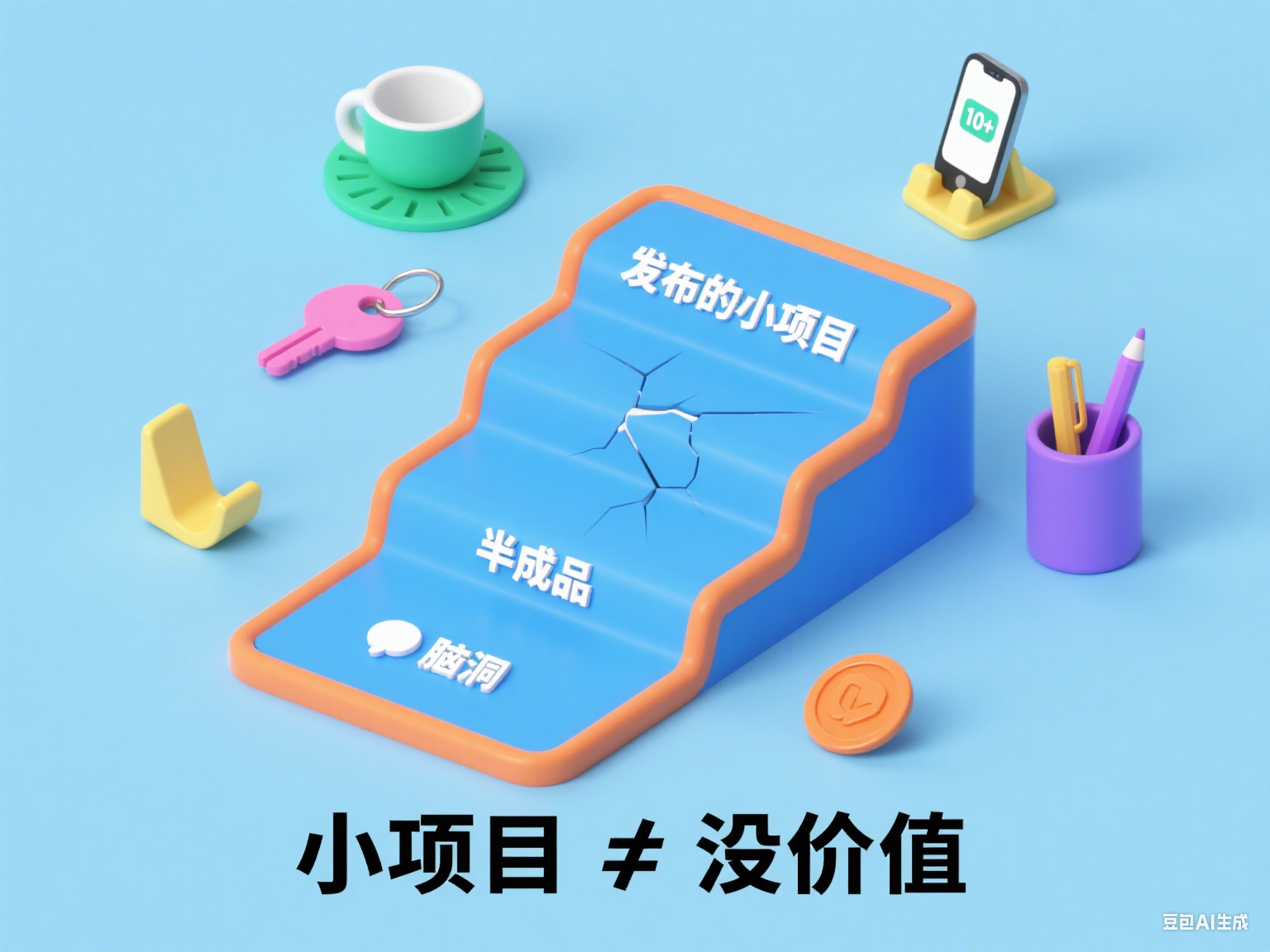
Beginners often fall into the trap of thinking they need to create something groundbreaking to be worthy of praise. But that’s rarely the case. You might spend too much time on an ambitious project only to see it stall, or publish it to little attention—which can be discouraging. Or you might overthink which idea to start and never begin at all. My advice is to relax and start small. Just make something and share it. Don’t fear failure or overanalyze—just pick the idea you most want to realize and make it happen. An unfinished project is nothing; a finished one, no matter how simple, is a success.
I set low expectations for myself—if a model gets 10 downloads, I’m happy. If not, I might delete it later. If the numbers are good, it’s junk that pleased the internet; if not, it’s junk that pleased me.
When facing unfamiliar techniques, it’s easy to feel anxious and want to quit. I’ve always believed: "What I can’t do today doesn’t mean I can’t do it tomorrow; what I can’t do tomorrow doesn’t mean I’ll never learn."
I also often feel lazy and skip practice. But I remind myself: "If I don’t practice today, I won’t tomorrow either—and if I never practice, I’ll never improve." It’s like training for a marathon—success isn’t just about race day, but the daily of effort. Every day counts.
Consistent practice and sharing aren’t easy. After a year of printing and modeling, I’ve gained more respect for skilled creators. It’s rare to find someone with both creative energy and high output—and even rarer to find those willing to share generously. So when you see accounts with hundreds of elaborate models posted in just a few months, you might wonder where they really come from.
3. Presentation and Strategy Matters
The platform is flooded with reposts, AI-generated content, and low-effort models. At first, people might be fooled, but now many see through it. This erosion of trust hurts community engagement. I recommend building a cohesive series of models or developing a recognizable style to establish credibility for your account.
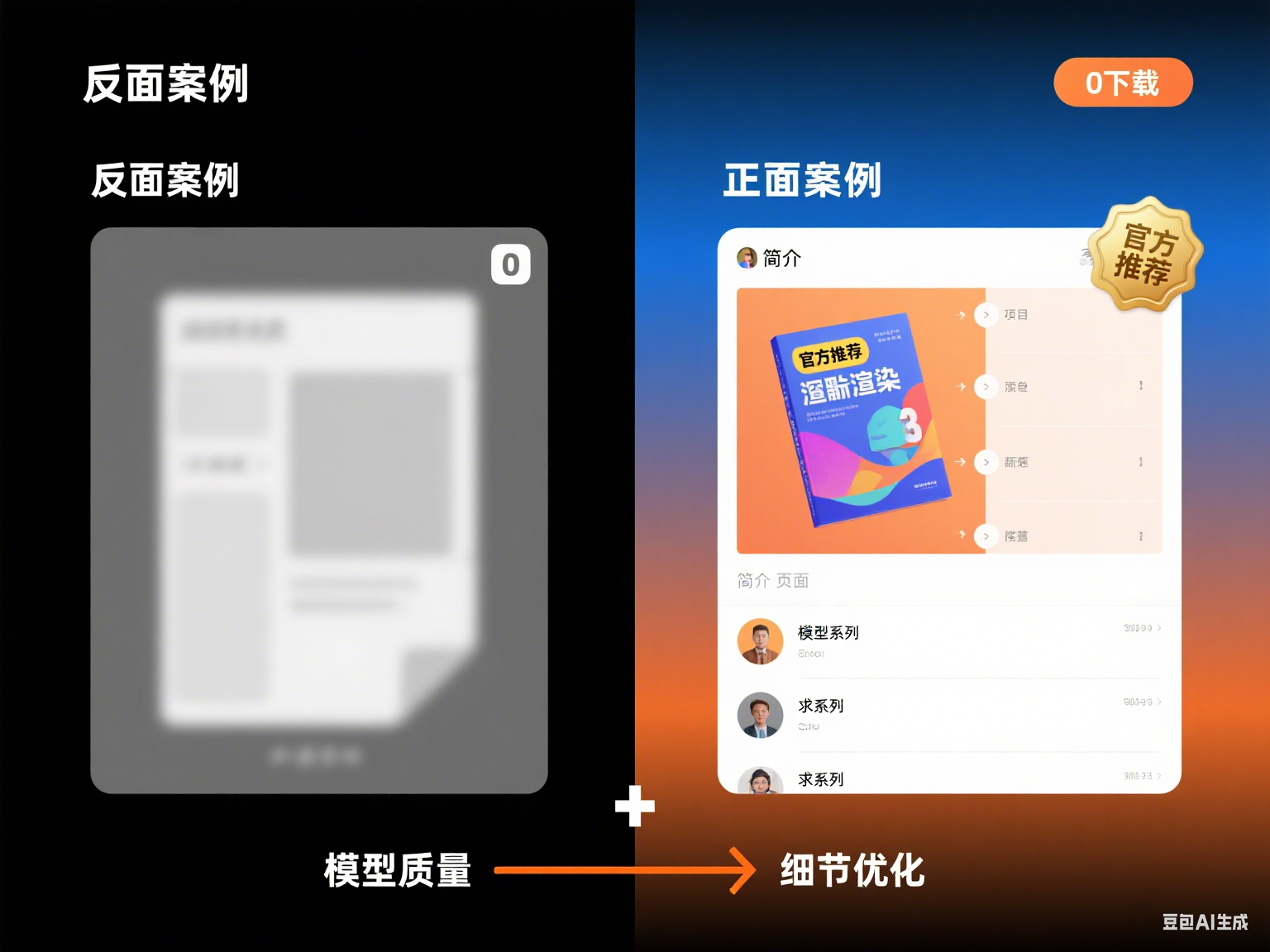
Your cover image, additional photos, description, and engagement in comments all contribute to the user experience. Some might say this is superficial, but I believe that while improving modeling skills, we can also enhance how we present our work. These details are part of your personal expression and style—and they’re not useless. Well-presented models might even get featured by the platform’s curators or chosen as competition highlights—provided the quality is there.
However, if the model itself is poor, flashy presentation can backfire—like rendering or AI images that don’t match the actual print. It brings to mind instant noodle ads where the product looks nothing like what you get, which only frustrates users. So, aim to make both your models and their presentation outstanding, but stay ethical.
Creating a series of related models with consistent style can quickly grow your followers. Once you have enough models, users may stop saving individual ones and just follow you instead. Follower counts and download numbers can serve as social proof, creating a positive feedback loop—as long as the data is genuine, not bought or faked. So, if one model does well, expand it into a series, or plan from the start to develop ideas with series potential. This approach is cost-effective for creators and meets market expectations.
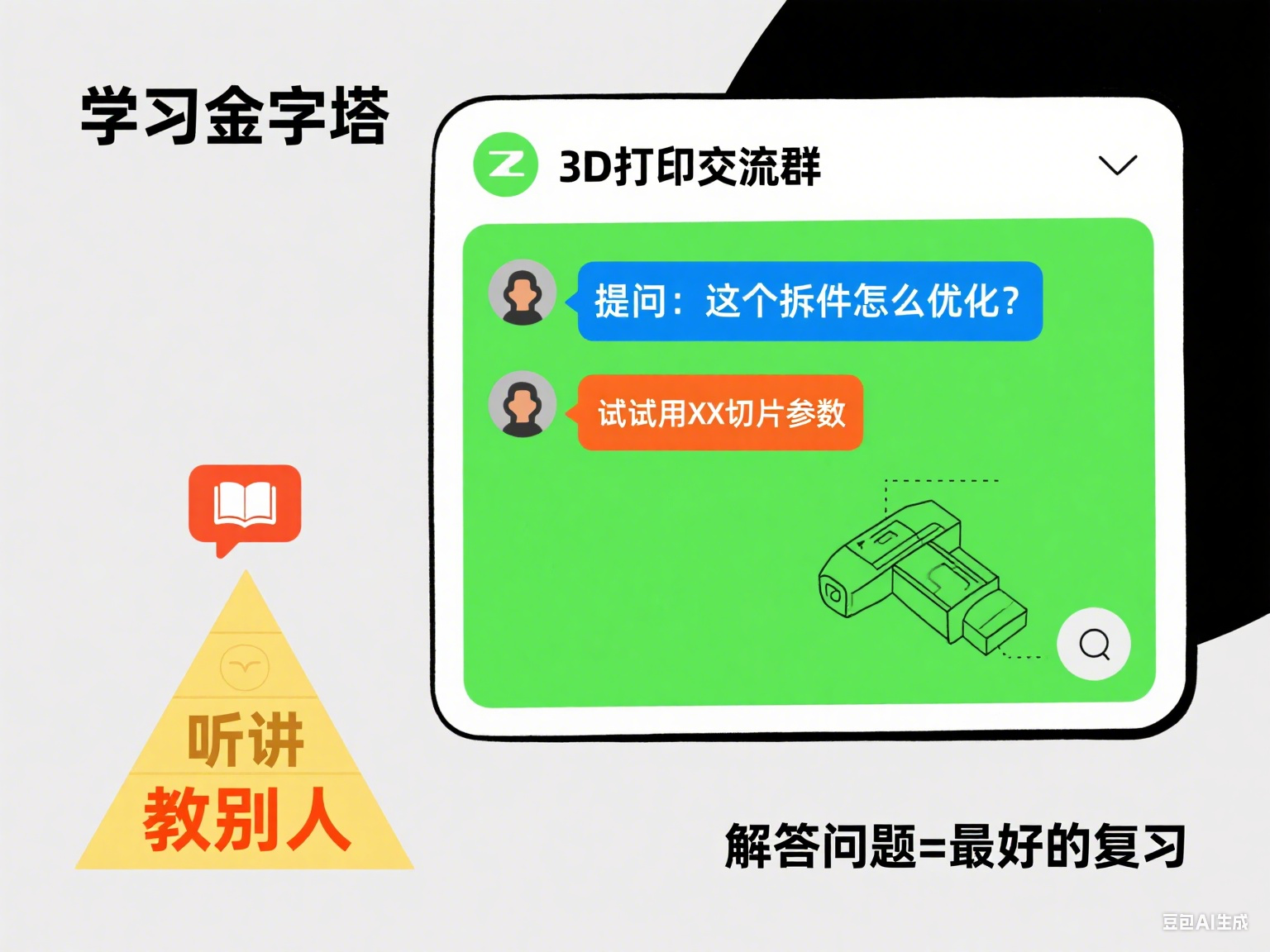
4. Join Groups, Seek Knowledge, Practice, Help Others
Join groups where people actively create, share, and discuss—not just casual chats or boost-exchange groups. Engaging in communities where questions are asked and answered can sustain your motivation. Explaining what you’ve learned to others is one of the most effective ways to master a skill—it forces you to organize your knowledge. I’m not someone who loves teaching, but I value these opportunities to revisit and reinforce what I know. Even if I don’t have the answer, I’ll try tinkering—I might learn something new in the process. And being able to explain something clearly is its own reward.
Don’t be afraid to ask questions—you have nothing to lose. Worst case, no one answers; best case, someone helpful replies.
If you can’t find a active learning community, try starting one yourself. I’m sure others will join and support each other.
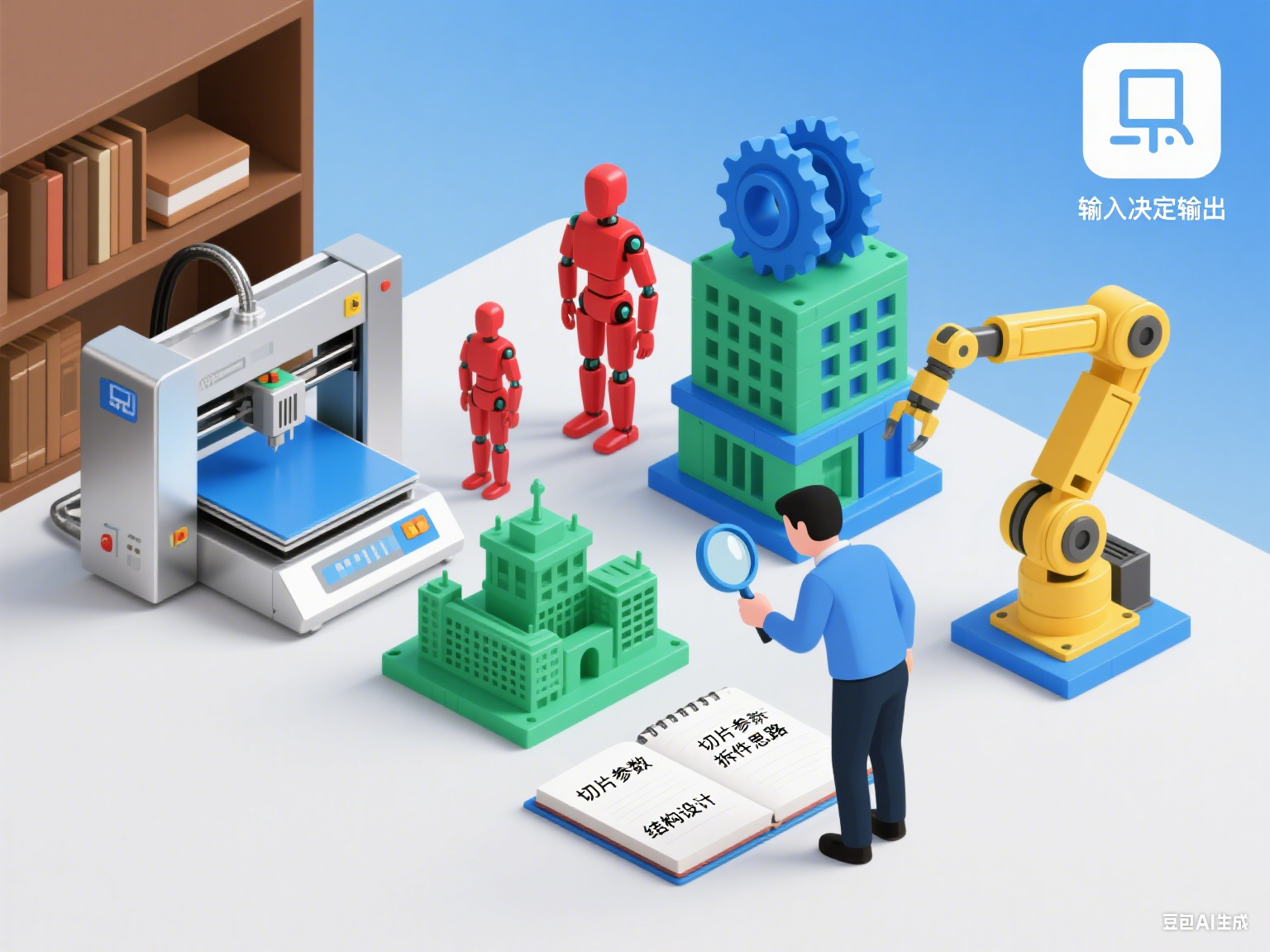
5. Print Outstanding Models to Learn From
After the initial excitement wears off, many people—myself included—experience a loss of motivation to print. Everything starts to feel samey, and nothing seems worth printing. To avoid becoming both ignorant and arrogant, print excellent works by others. Study the details—support placement, slicing settings, split-part design, structural mechanics, moving parts. It’s like reading to gain knowledge—without good input, there’s no good output. Look closely, print often, and don’t get trapped in your own bubble. Don’t just glance at pictures—download, slice, print, assemble, and analyze from a designer’s perspective. You’ll discover subtle techniques you might otherwise miss.
The above is just my personal opinion, for reference only. I hope it helps. Feel free to share your thoughts in the comments—thanks!
(The image is generated by Doubao AI, but the text was typed by me—AI would have trouble writing something this long-winded and uneven!)