
Vasos
Print Profile(0)
Description
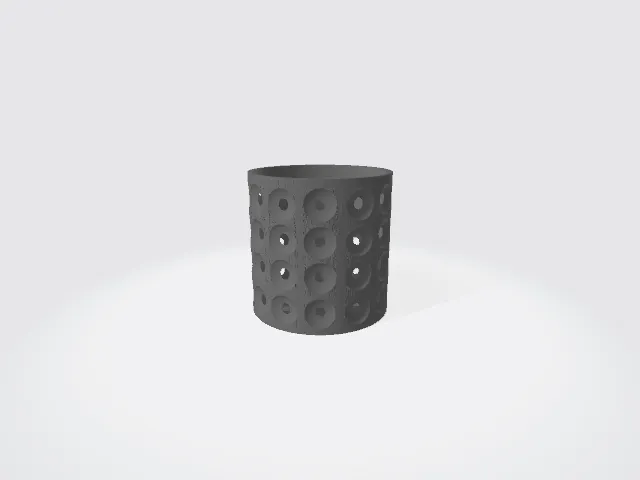
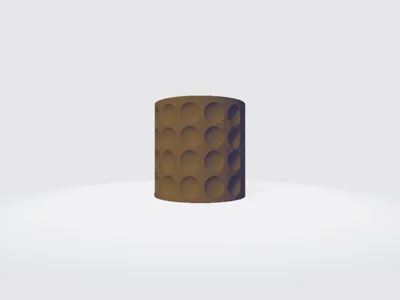
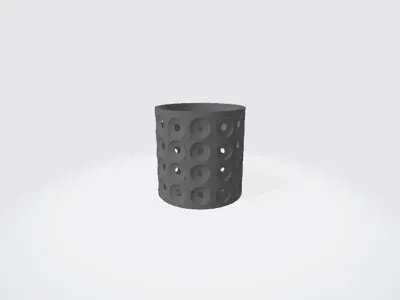
3D printing planters is an excellent way to explore creativity and personalize designs for décor, gardening, or other practical purposes. When designing a planter for 3D printing, several key considerations must be addressed. Here are some observations and tips:
- Material Selection:
- PLA (Polylactic Acid): One of the most common materials for 3D printing. It is biodegradable, easy to print, and aesthetically pleasing. Ideal for decorative planters, but not the best choice for planters needing constant moisture resistance (such as for plants).
- PETG: More resistant to wear and water, making it more suitable for plant containers needing to withstand moisture and constant use.
- ABS: A strong and durable material, but more prone to warping during printing unless a heated bed is used.
- Resins: For planters with fine details and a smoother finish, resin 3D printers are a good option; however, water resistance can be an issue, and post-processing (curing the resin) is necessary.
- Planter Design:
- Structure: It is crucial to ensure the planter design has sufficiently thick walls to support the weight of the soil and plant. Thin-walled planters may fracture over time or with use.
- Drainage: Ensure drainage holes are incorporated into the planter's base to prevent water accumulation, which can harm plant roots.
- Finish: For a smoother finish, sanding or even applying varnish may be required. Additionally, techniques such as printing textures or custom patterns can be employed to create unique designs.
- Size and Scale:
- Planter size depends on the type of plant you intend to cultivate. Small succulent planters can be more compact, while larger planters may be needed for larger plants.
- When designing, consider the need for a robust base to ensure planter stability.
- Temperature and Environment:
- If the planter is directly exposed to sunlight, materials like PLA may not be ideal, as they tend to warp under high temperatures. In such cases, PETG or ABS may be more appropriate.
- For indoor planters, aesthetics and design may be paramount, while for outdoor planters, durability and weather resistance are crucial.
- Printing and Support:
- Depending on the design, support structures may be needed during printing to ensure parts of the planter remain stable while printing, especially if the design has overhanging angles or complex shapes.
- Personalization:
- 3D printing allows for the creation of unique planters with custom shapes and colors, making it an excellent way to produce exclusive planters for décor, events, or gifts.
- Furthermore, elements such as hanging plant supports, integrated lighting, or even automated irrigation systems can be integrated for an innovative touch.
In summary, 3D printing offers incredible flexibility for creating personalized planters tailored to the specific needs of each project. By choosing the appropriate material, design, and characteristics, it is possible to create planters that are not only functional but also aesthetically pleasing.
License

You shall not share, sub-license, sell, rent, host, transfer, or distribute in any way the digital or 3D printed versions of this object, nor any other derivative work of this object in its digital or physical format (including - but not limited to - remixes of this object, and hosting on other digital platforms). The objects may not be used without permission in any way whatsoever in which you charge money, or collect fees.


Comment & Rating (0)