
Microscope Extender
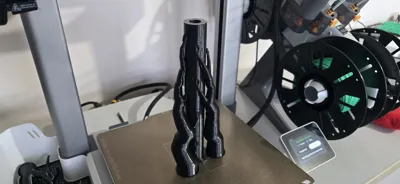
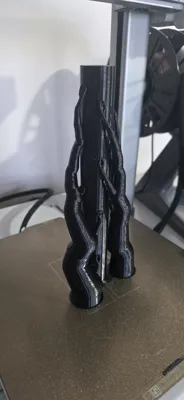
Print Profile(1)
Description
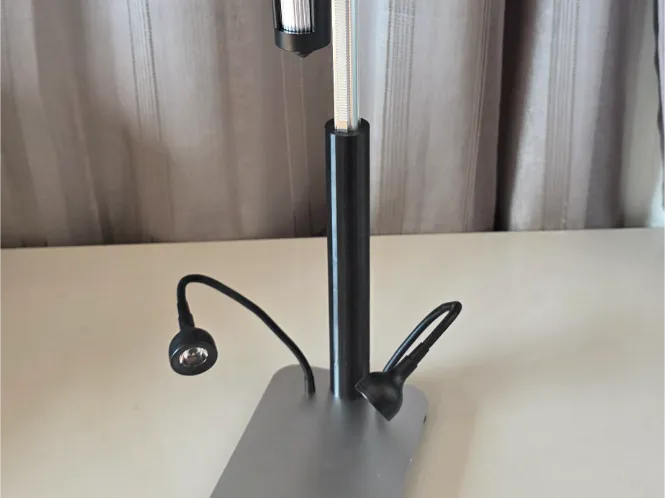
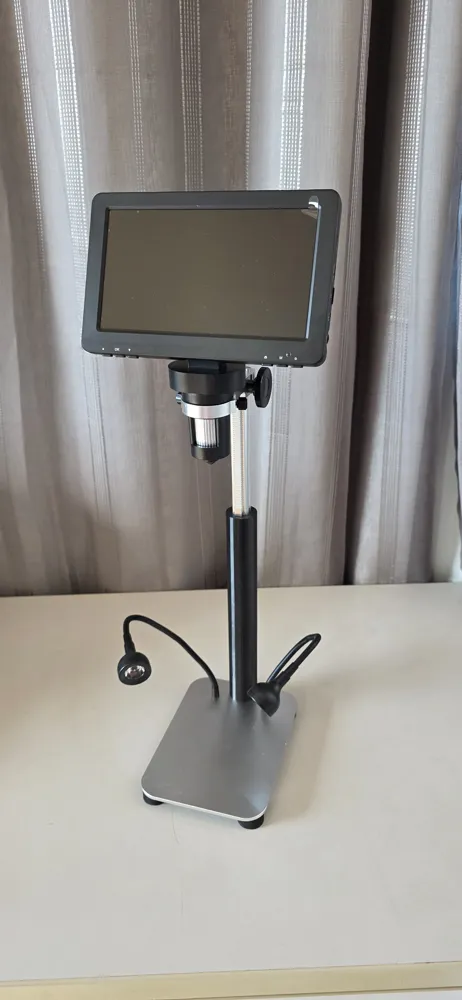
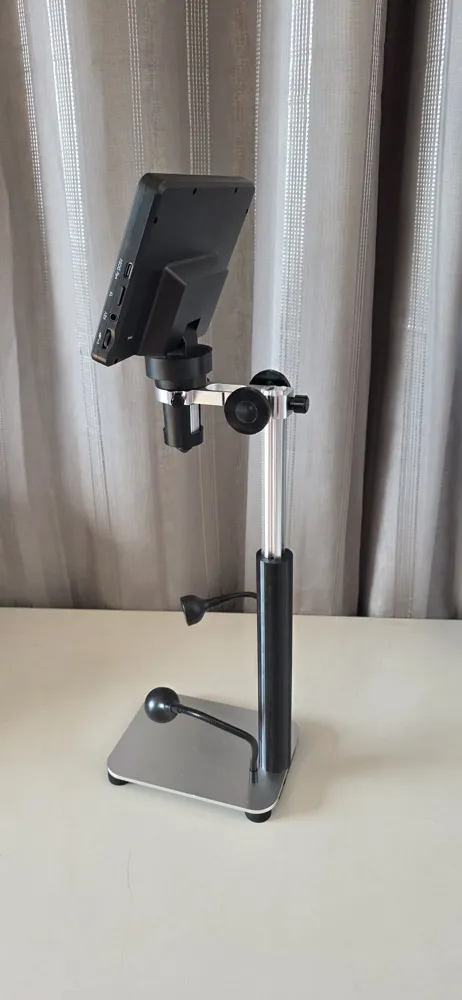
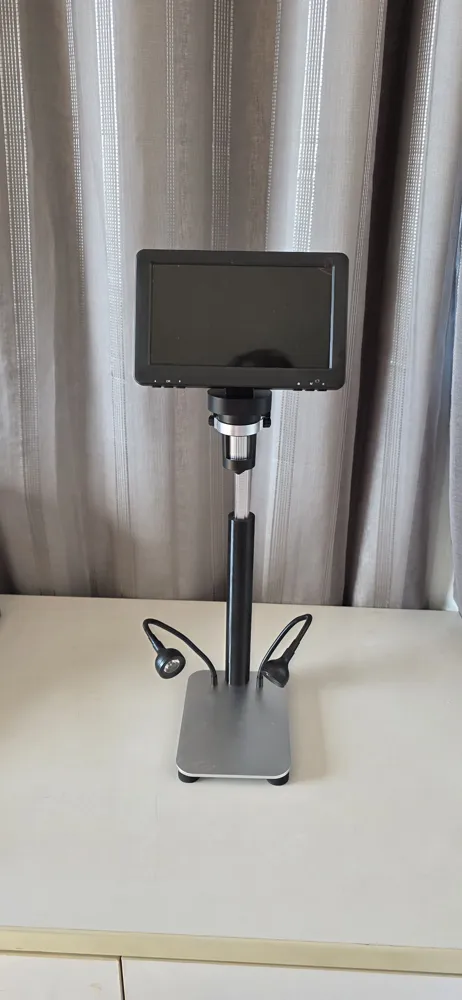
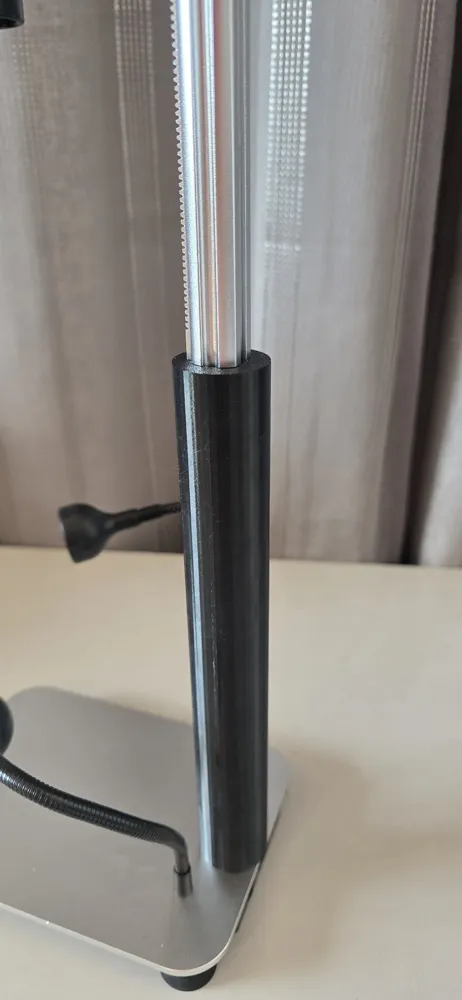
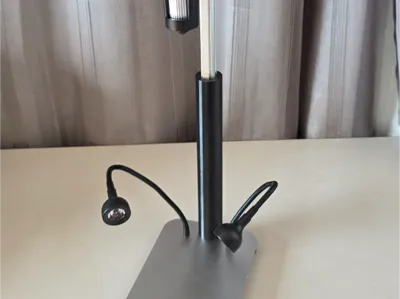
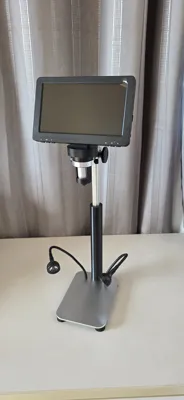
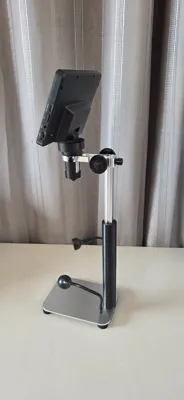
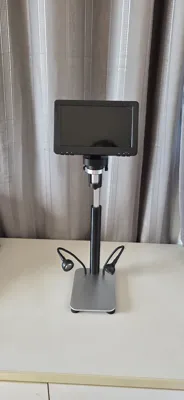
I bought a microscope to view electronic circuit boards. However, its stand is too short, placing it too close to the work area. Furthermore, this proximity results in excessive magnification for most of the cases I use it for.
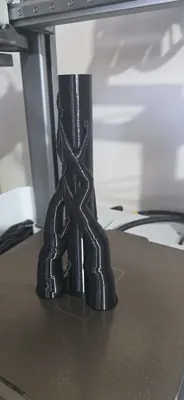
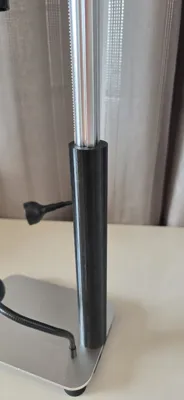
Therefore, I developed this microscope stand extender so I can get a closer view of the boards, but without excessive magnification.
PRINTING CONSIDERATIONS:
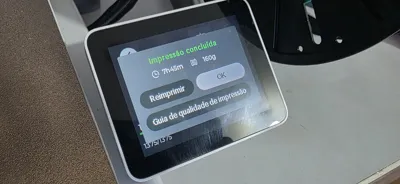
I printed it in PET-G to ensure greater strength and rigidity.
In the first test, with only 15% infill and a Gyroid pattern, I didn't get the desired result. The model was too light, unstable, and the connection point broke (the first model had a male threaded end).
Thus, I designed another model that, instead of having a male threaded end, I opted for two female ends. In this design, instead of having a single fixing point, it now had the entire thread wall, which increased the strength of the design.
I kept the print in PET-G but increased the infill density to 75%. I also changed the infill pattern from Gyroid to Cubic.
With these changes, the model became much heavier and more robust, ensuring greater rigidity and stability to the assembly.
So, in summary, I suggest checking the print to ensure that:^
- It is printed in PET-G;
- The Cubic internal infill pattern is used;
- An infill density of 75% is used.
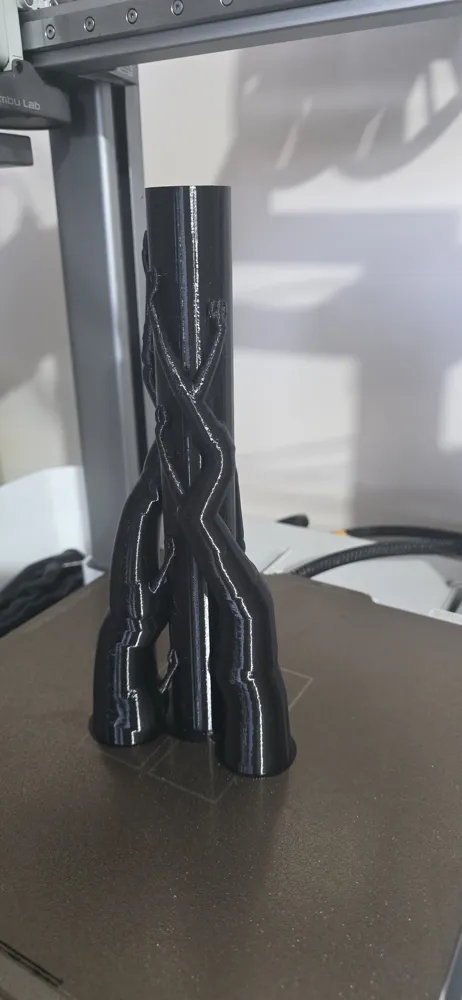
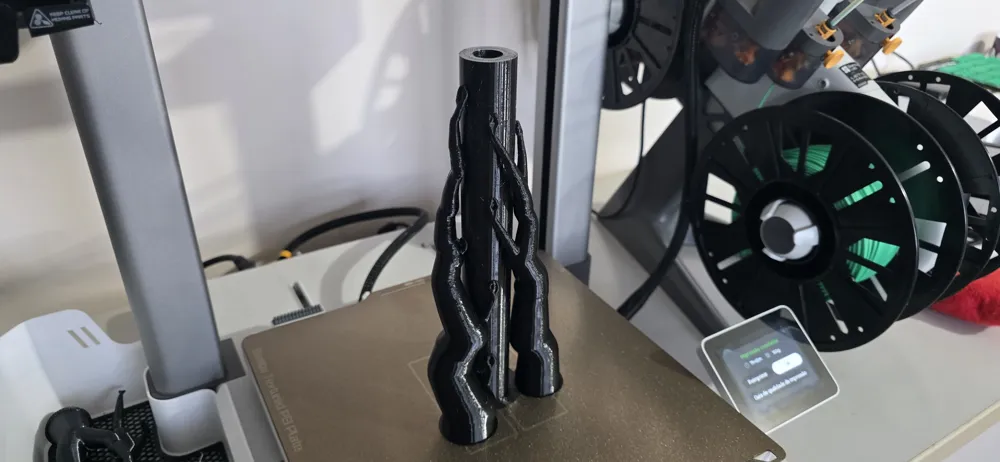
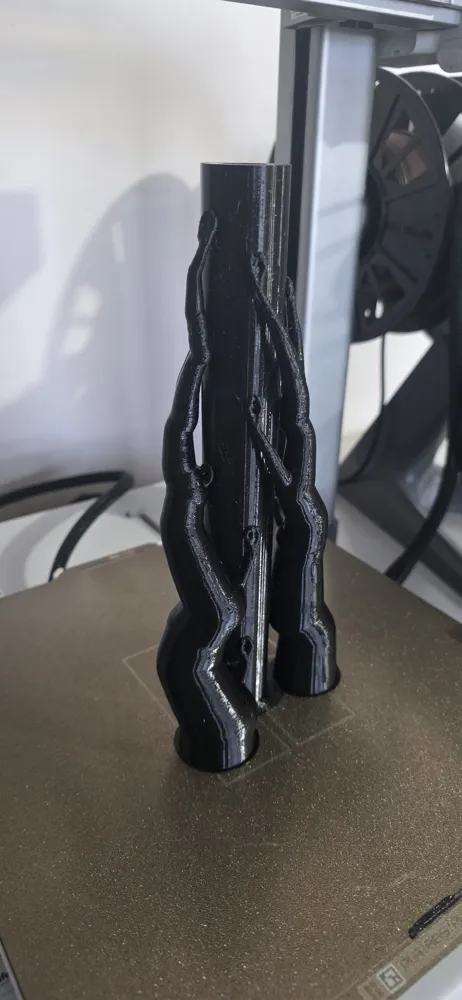
Additionally, I added many supports around it.
In the past, I had a terrible experience printing tall towers for extensions. When they reached a certain height, they lost base firmness, detached, fell, and I lost all my time and material.
Therefore, to do the job once and do it well, I adopted the policy of adding as many supports as possible.
My recommendation is to place automatic tree supports on the four corners of the tower (0º, 90º, 180º, and 270º) using the Support Painting tool.
I usually alternate the supports on each axis, placing several contact points. On a tower like this, I painted about 5 to 6 contact points per tree location.
The result: Yes, some filament was spent on supports, but by morning, I was sure the tower was ready and firmly in place. I always say that saving on supports is sometimes a “bargain that costs a lot”!
Regarding the connection plug on the second table:
Well… It's an atypical case.
Its measurement is exactly the same as the tower's connections. However, I encountered some difficulty in the first connection. I believe this was due to the filament's own retraction.
Therefore, I recommend not forcing it too much, as this could destroy the tower's connection, and in this case, the damage is greater. How did I solve it?
Well… Since retraction altered the dimensions of the printed measurement on the tower, I made a small adjustment to the width of the second tray's connector, using the Bambu Lab slicer itself.
For me, it was easily solved with the following resizing measurements:
X Scale: 98%
Y Scale: 98%
Z Scale: 100%
With these X and Y scale values, I altered the diameter of the connector's circumference, without changing the thread spacing (Z scale). The connection was very snug and tight, but it went in well.
If you find it too tight, gradually reduce the X and Y scale values until you find one that fits firmly but doesn't break the structure. And if it's too loose, just increase the X and Y values.
Well… This publication is about something that served my personal need, I didn't find it here on MakerWorld, and I hope it helps someone.
License

You shall not share, sub-license, sell, rent, host, transfer, or distribute in any way the digital or 3D printed versions of this object, nor any other derivative work of this object in its digital or physical format (including, but not limited to, publishing derivative works outside the Makerworld platform or hosting on other digital platforms). The objects may not be used without permission in any way whatsoever in which you charge money or collect fees. Subject to the above restrictions, derivative works may be published only within the Makerworld platform, and all such derivative works must be licensed under the same SDFL‑C license, without modification or additional terms. You may download the digital versions of this object, 3D print it, and display images, videos, or usage demonstrations of 3D printed versions of the object on personal social media platforms or Makerworld official channels, provided that no digital versions of the object are shared or distributed.


Comment & Rating (0)