
IMPORTANT VERTICAL Tolerance Test
Print Profile(1)

Description

Hello friends!
Although very simple, this test is what you need to test and therefore possibly calibrate the vertical tolerance in view of an in-place print. ( you should be interested also in downloading THE GREAT CALIBRATOR to test and adjust other printer's parameters for optimal performances)
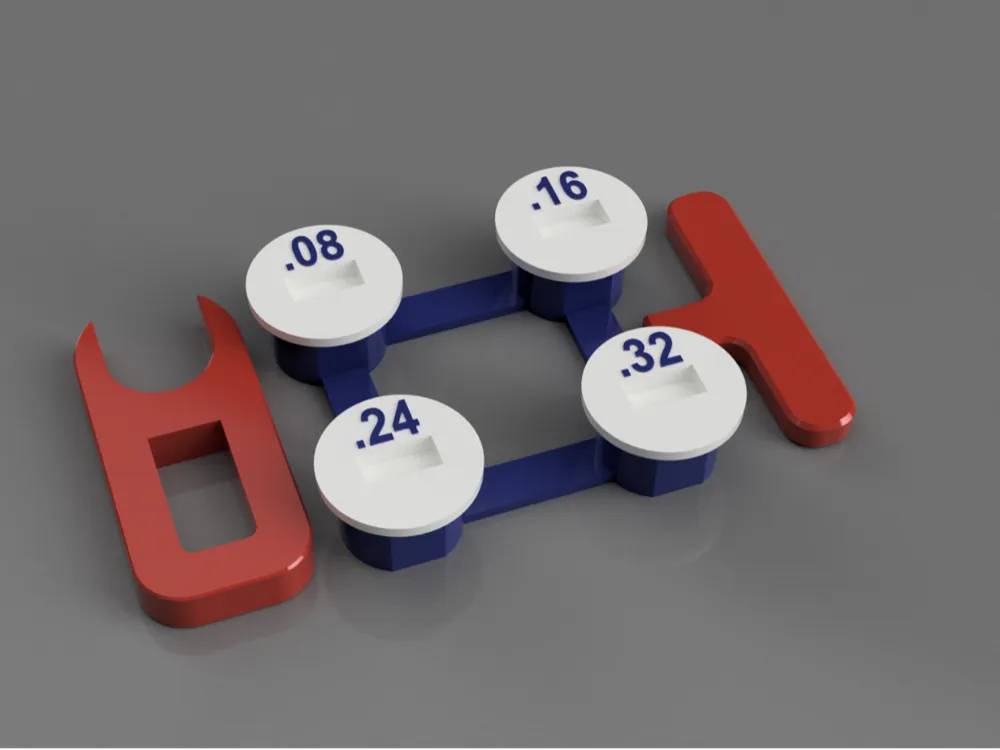
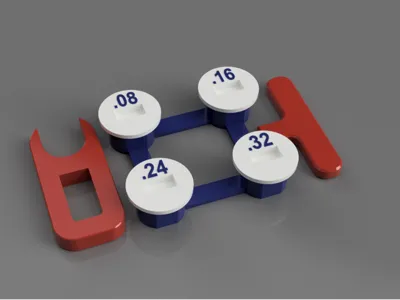
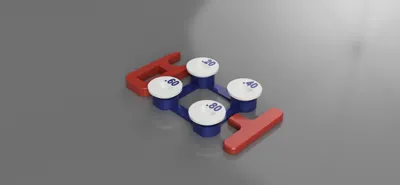
The model consists of the test base with the relative pegs to be removed from their housing and a sort of screwdriver and a wrench which have the exact dimensions to respectively fit into the pegs and their bases to force their detachment.
The good tolerance must be calculated precisely on the basis of these tools and not thanks to the use of external tools.
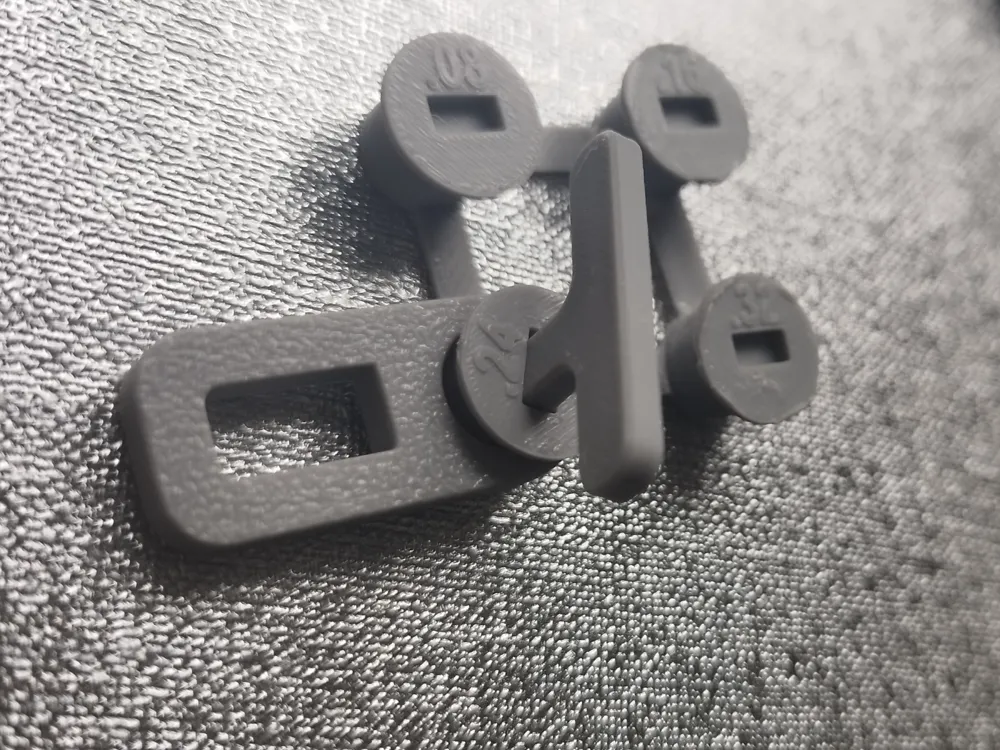
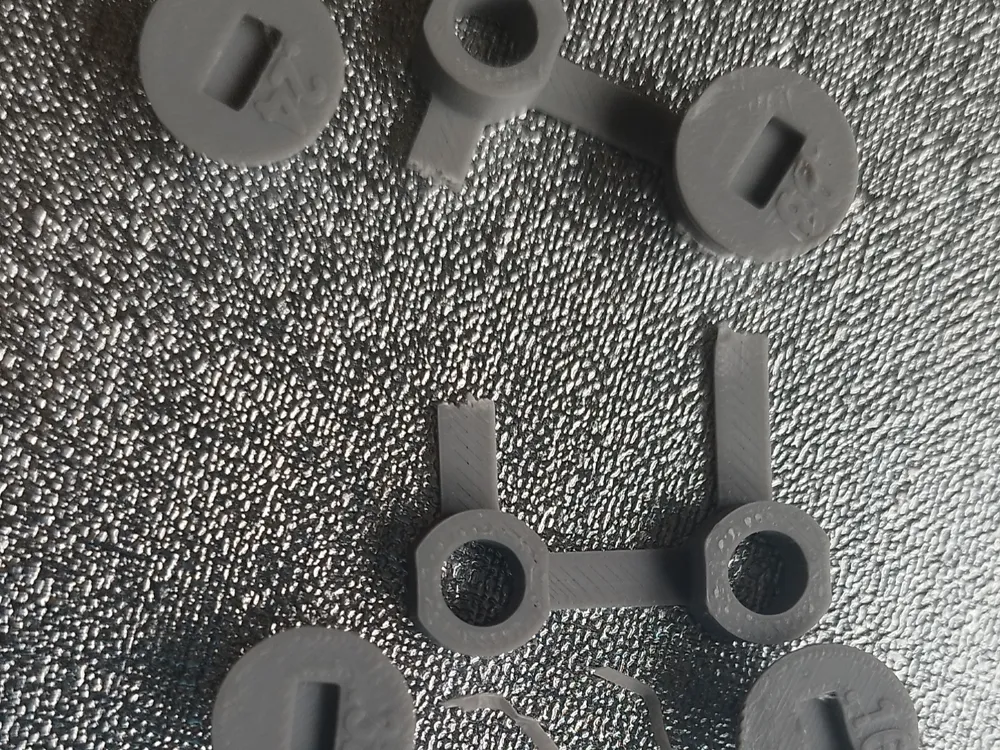
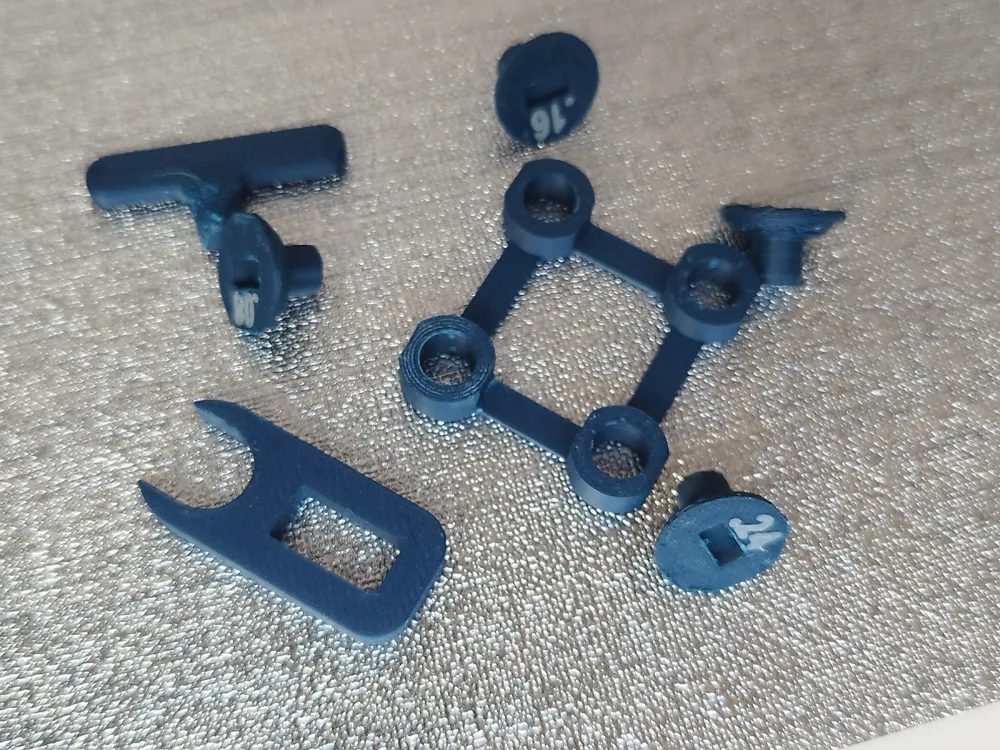
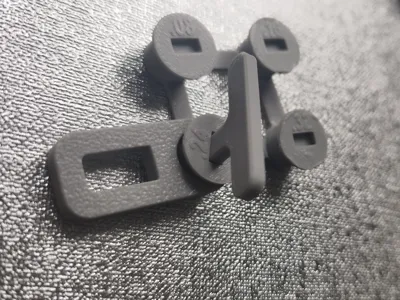
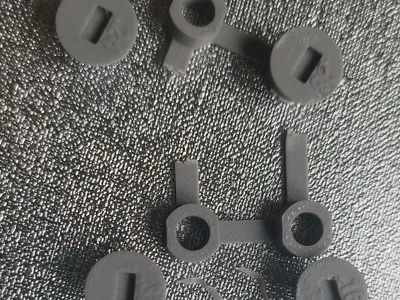
In the photos that accompany this project I show you various things:
I used simple PLA for the tests but from two different brands.
The GRAY one (Creality HS) gave me an easy tolerance at 0.32, slightly more forced at 0.24 while for the 0.16 I had to use pliers to unlock it. The 0.08 was impossible to unlock and I destroyed the entire base with the pliers...
So the correct tolerance is 0.24.
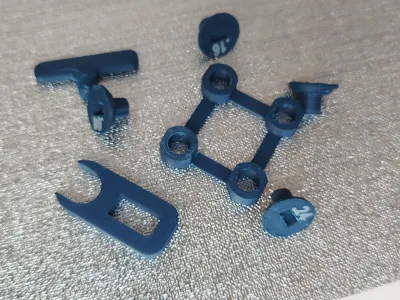
The DARKBLUE model is a PLA Matte Bambulab. When I removed the plate from the printer, the 0.32 pin came off on its own, the 0.24 pin came off very easily (it was enough to give it a little twist with my fingers), the 0.16 pin I forced with the printed tools while the 0.08 I had to free it with the use of pliers but it is still out of the housing and without destroying the base.
The tolerance, in this case is 0.16.
The profiles used (which for bambulab studio/Orca slicer users are included in the project) are slightly modified in speed (made a little lower to allow better quality even with non-HS filaments) and in the use of walls to avoid the use of fillings and therefore give greater structural strength to mechanical elements.
The bars that join the four accommodations are deliberately thin and flexible. In fact, if to force a peg from its base the structure had to undergo greater deformations, then it would mean that that tolerance (despite the peg coming out) should not be considered suitable.
Many elements can be considered for the calibration of a filament for vertical tolerance, which is much more difficult than horizontal tolerance:
The flow, the pressure, the steps of the Z axis and, not to be underestimated, the adhesion to the plate (a bad adhesion could create curling and therefore impact functionality) as well as the ability to perform overhanging on a detached base and here, I can assure you that a lot depends on the air flow, the temperature and the very quality of the filament used.
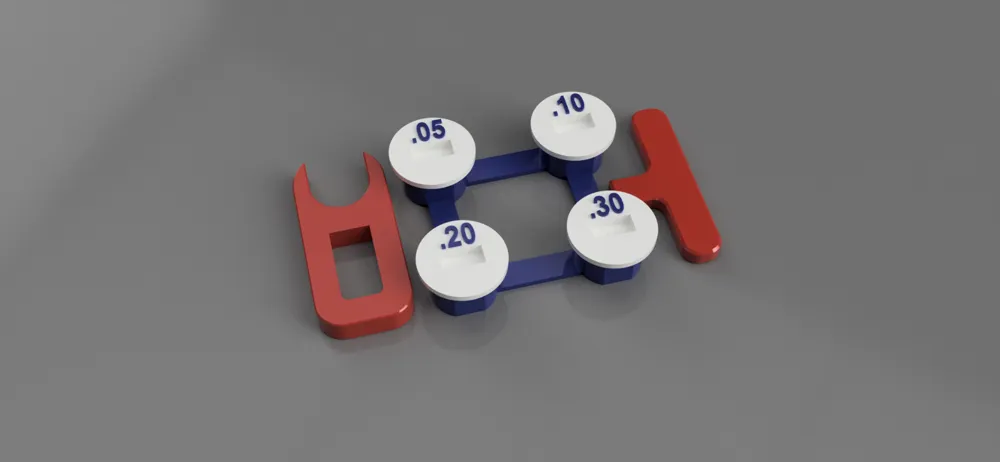
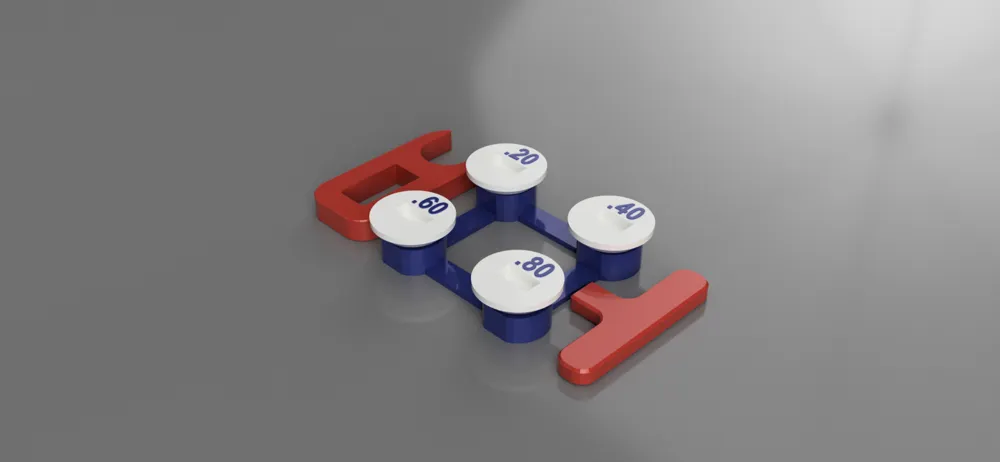
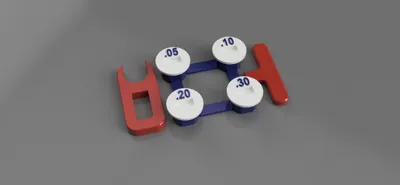
The project is available also with a model foreseen for multiple layer tolerances of 0.20. You therefore only have to choose which plate to print (studio/orca project version) and paying attention in choosing the correct printing profile , or choose the right model in the STL section of the downloads.
I'm very curious to see how your printers behave so, once you've printed the model and then worked on the unlocking, send your photos and don't forget to mention the printer used and the filament used.
Very important: if you make changes to the profile for a specific brand and your results are excellent (unlocking at least the second rung) don't forget to share the profile specifying its use (printer, filament brand etc.).
Who will be the first to clear the 0.08 peg?? Let the challenge begin!!!
Happy printing!
What about offering me a coffee ?
https://buymeacoffee.com/menkheperra
Don't hesitate to subscribe to my patreon ...
https://www.patreon.com/claudiogirolami
License

You shall not share, sub-license, sell, rent, host, transfer, or distribute in any way the digital or 3D printed versions of this object, nor any other derivative work of this object in its digital or physical format (including - but not limited to - remixes of this object, and hosting on other digital platforms). The objects may not be used without permission in any way whatsoever in which you charge money, or collect fees.


Comment & Rating (0)