
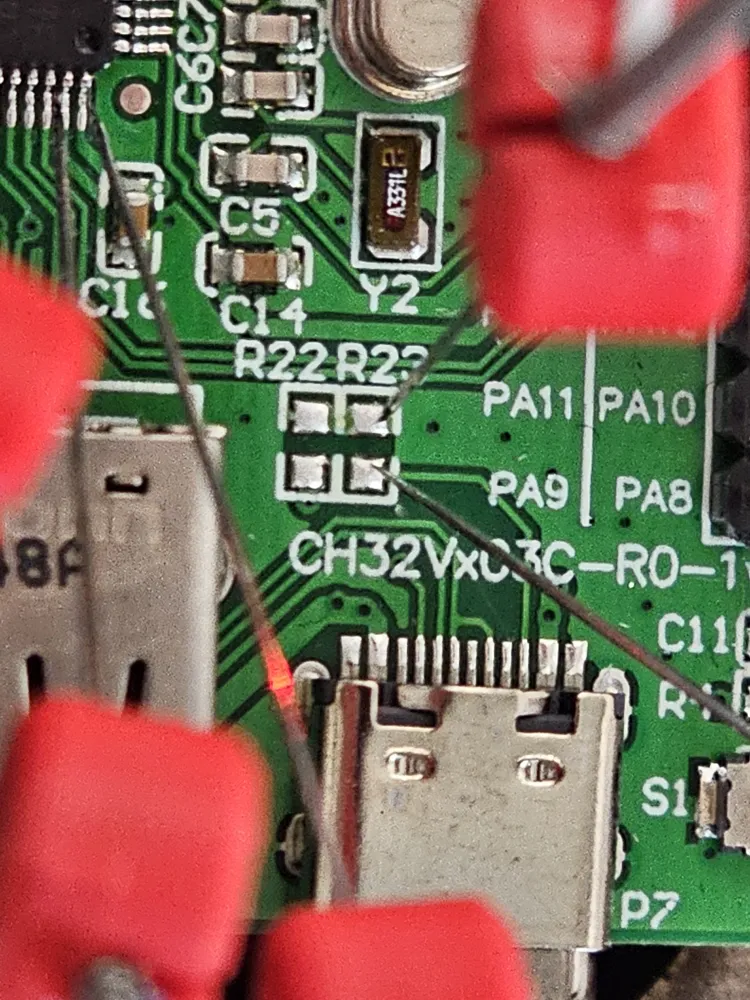
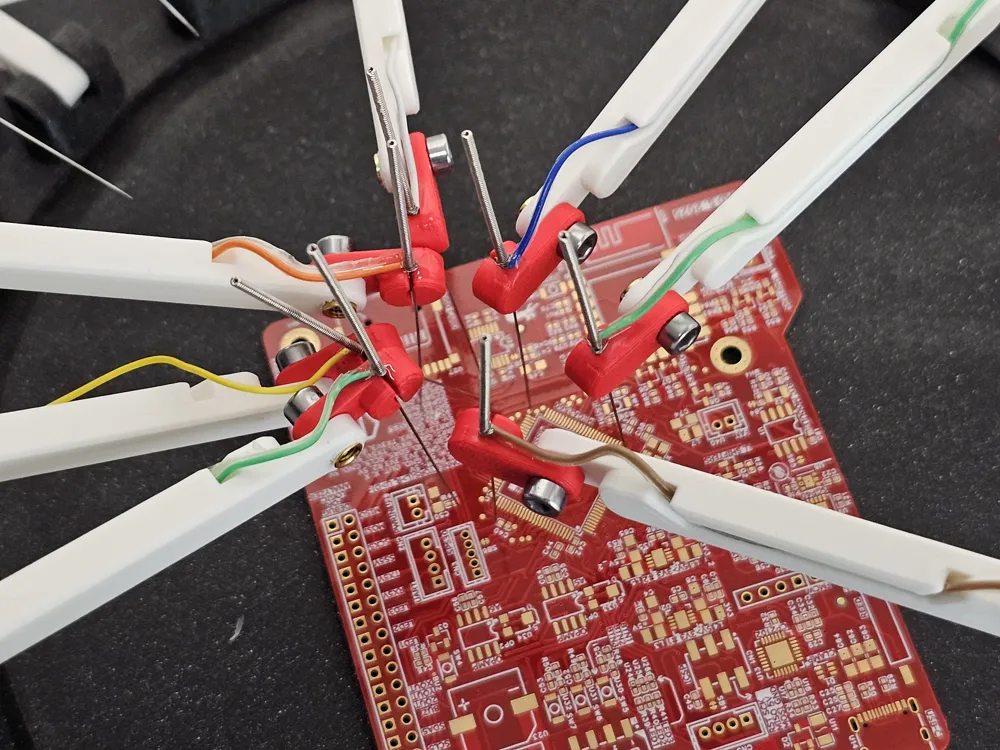
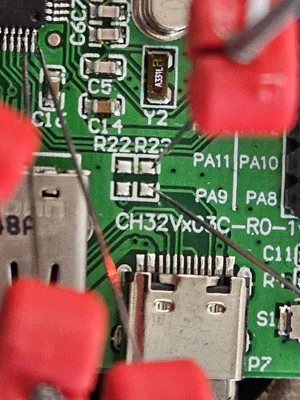
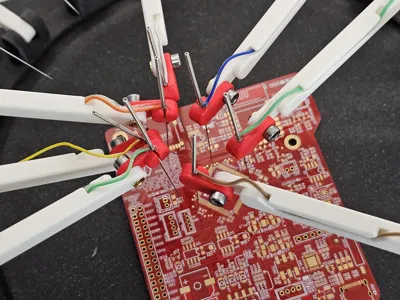
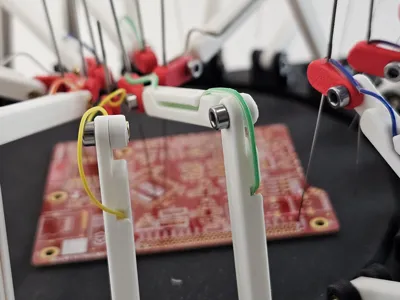
Flywire Probing Tool
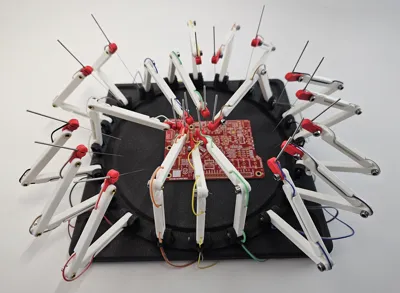
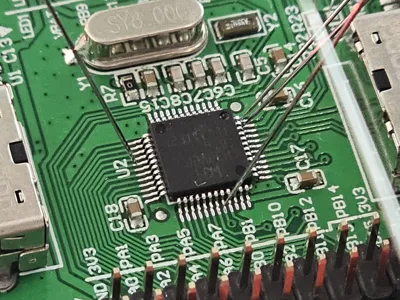
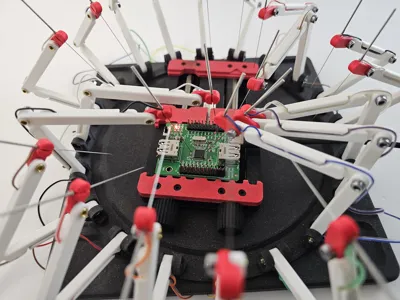
Print Profile(1)


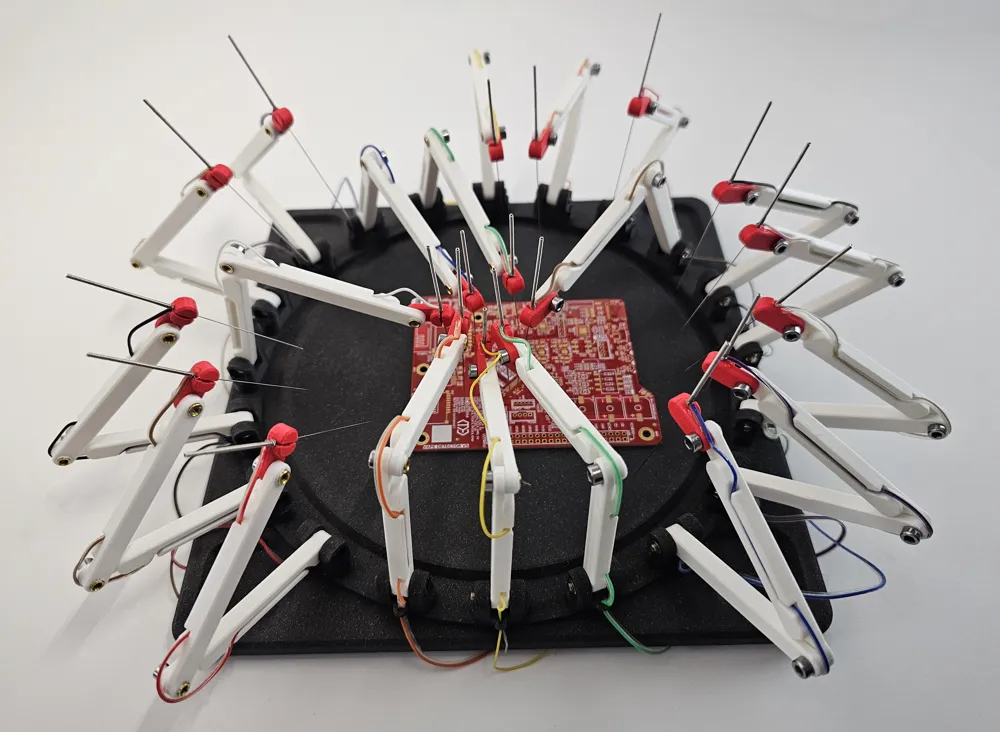
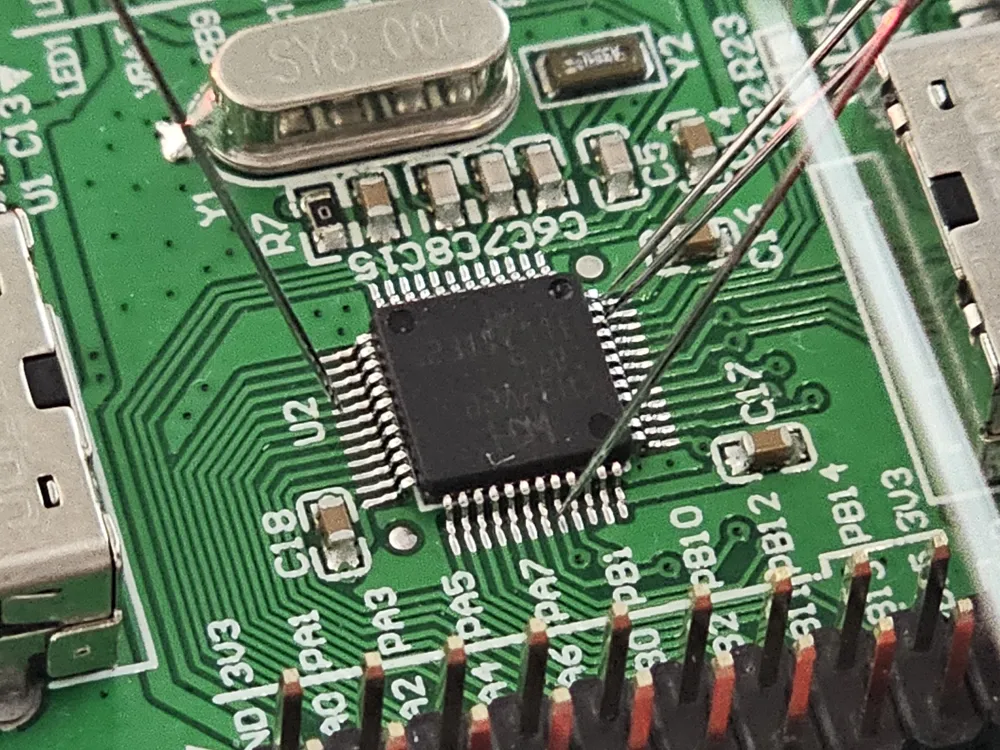
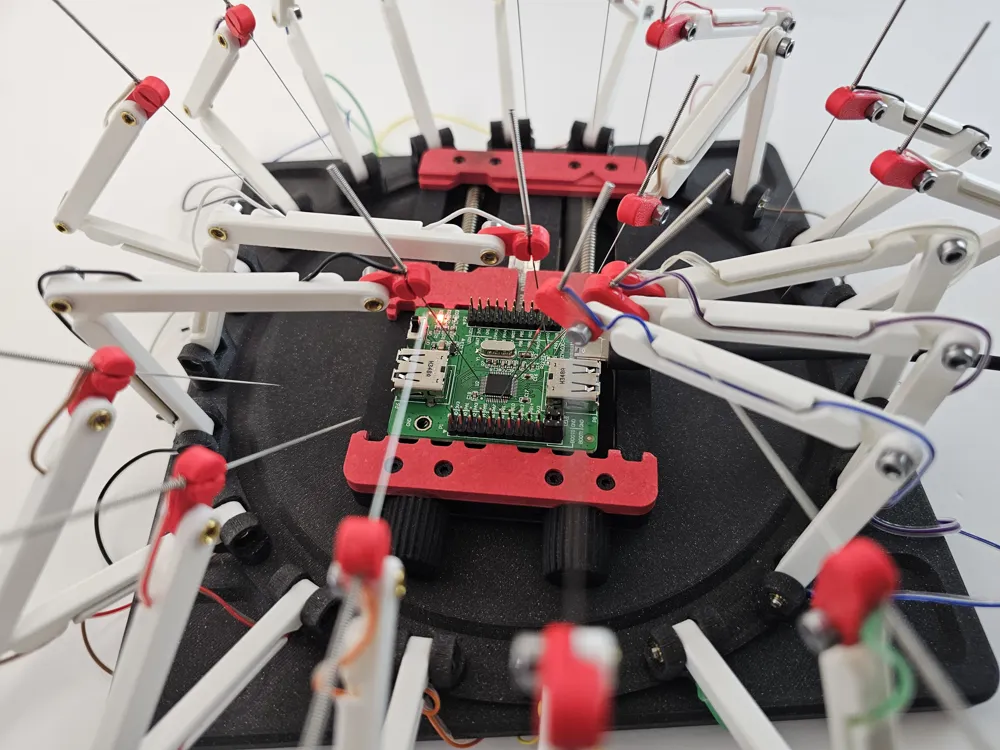
Description
Hardware:
If you are using all 20 probing arms:
M3 Heatset insert x80
M3*6 hex socket machine screw x60
M3*10 hex socket machine screw x20
0.4mm accupuncture needles (8mm) x20 - same ones you'd find for cleaning 3d printer nozzles
Otherwise, 1 Arm requires:
M3 Heatset insert x3
M3*6 hex socket machine screw x2
M3*10 hex socket machine screw x1
0.4mm accupuncture needles (8mm) x1
(and the base requires 20 heatset inserts)
Assembly:
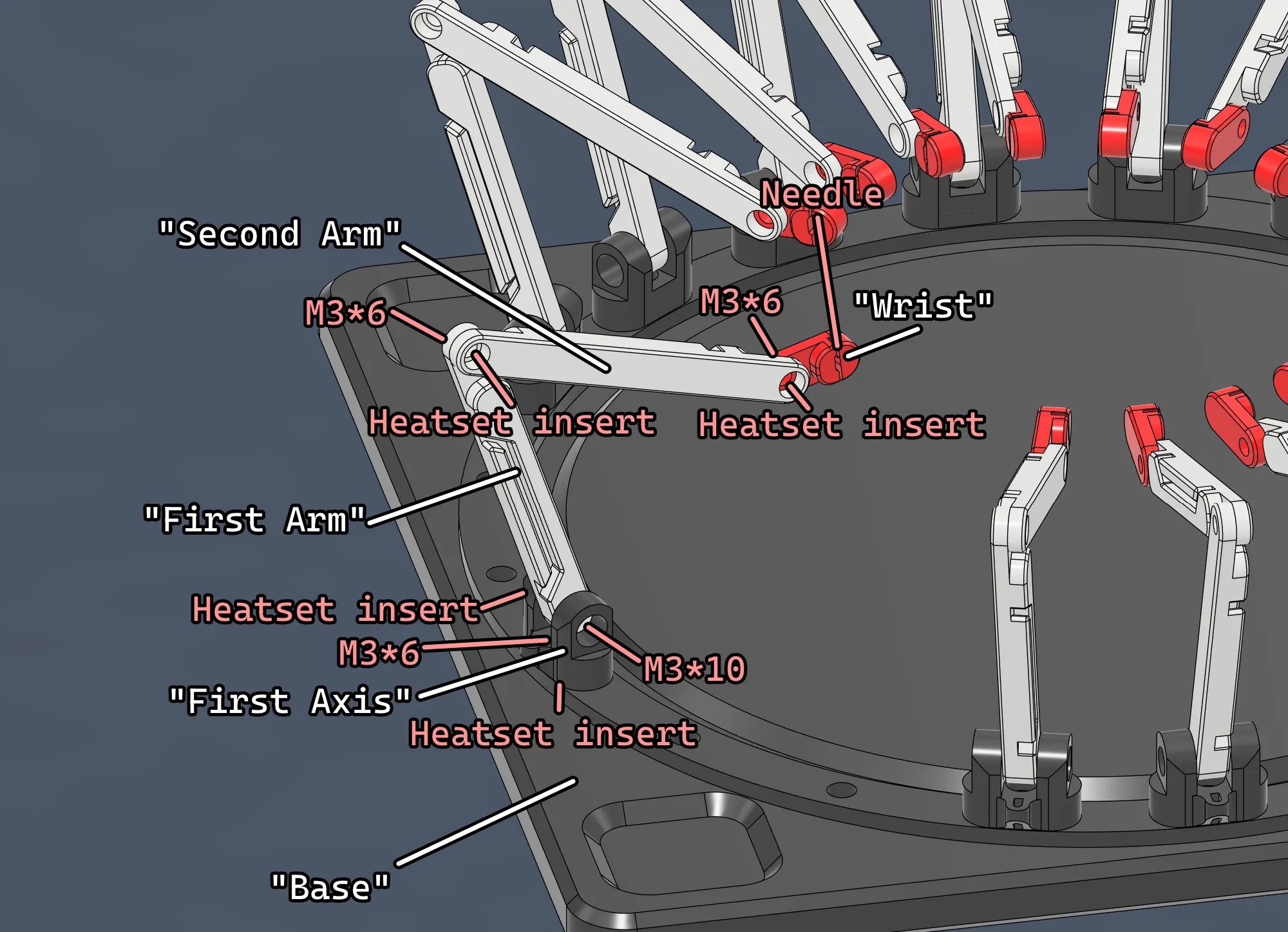
- insert 20x m3 heatset inserts in to the base.
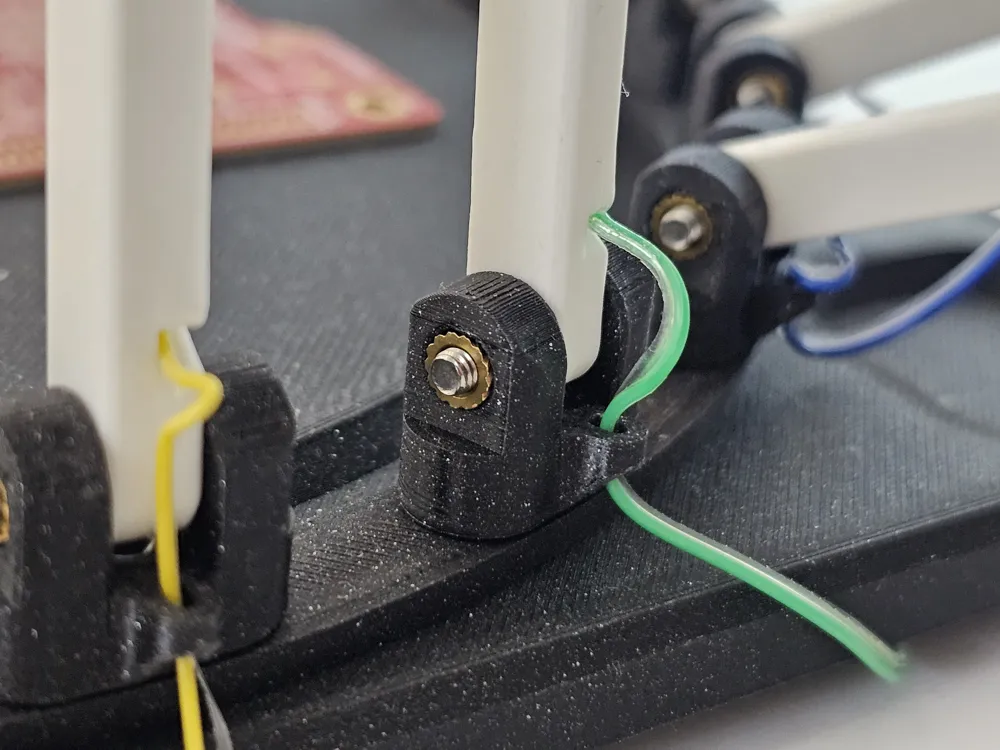
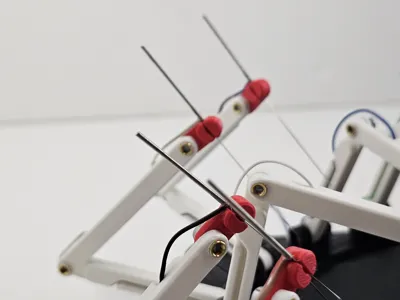
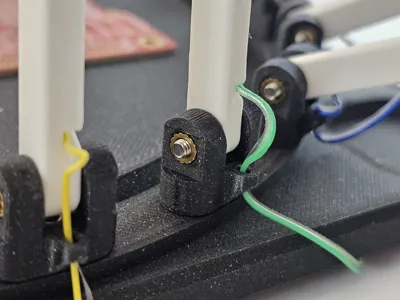
- Insert two heatset inserts in to the “Second Arm”. make sure the inserts stick out in the same direction as shown in the images
- Use an M3*6, screw to connect the “First axis” in to the base
- Using an M3*10 screw, attach the “First arm” to the “Second axis”
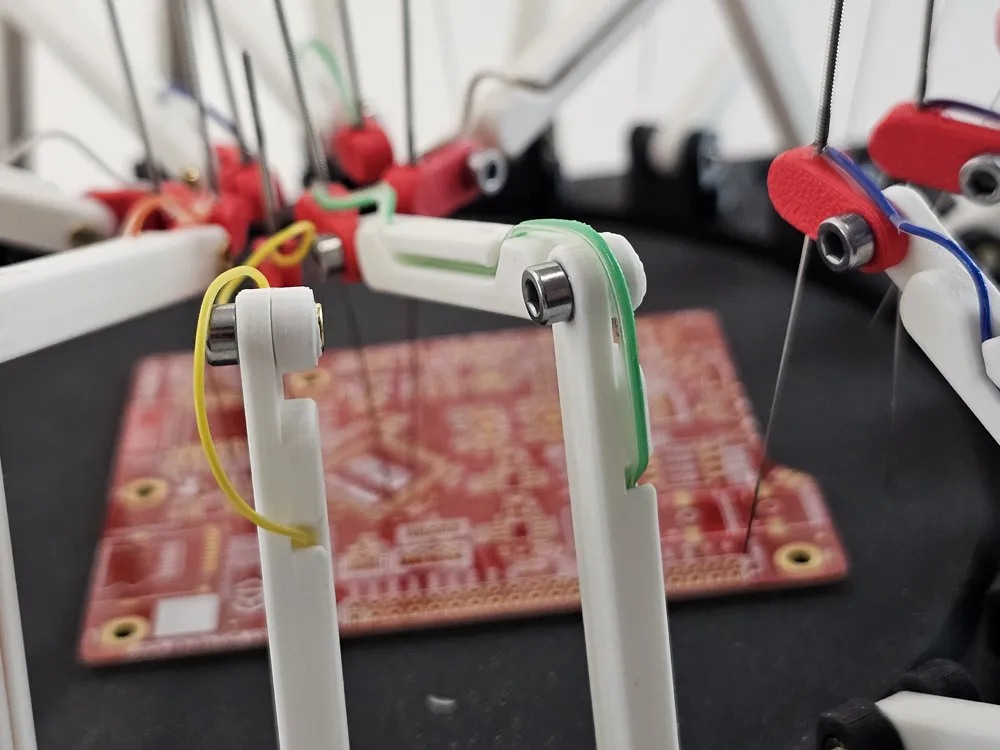
- Use two M3*6 to connect the “Second arm” to the “First arm”, and the “Wrist” to the “Second arm”. “Second arm” has one orientation. the cable channel should be facing up
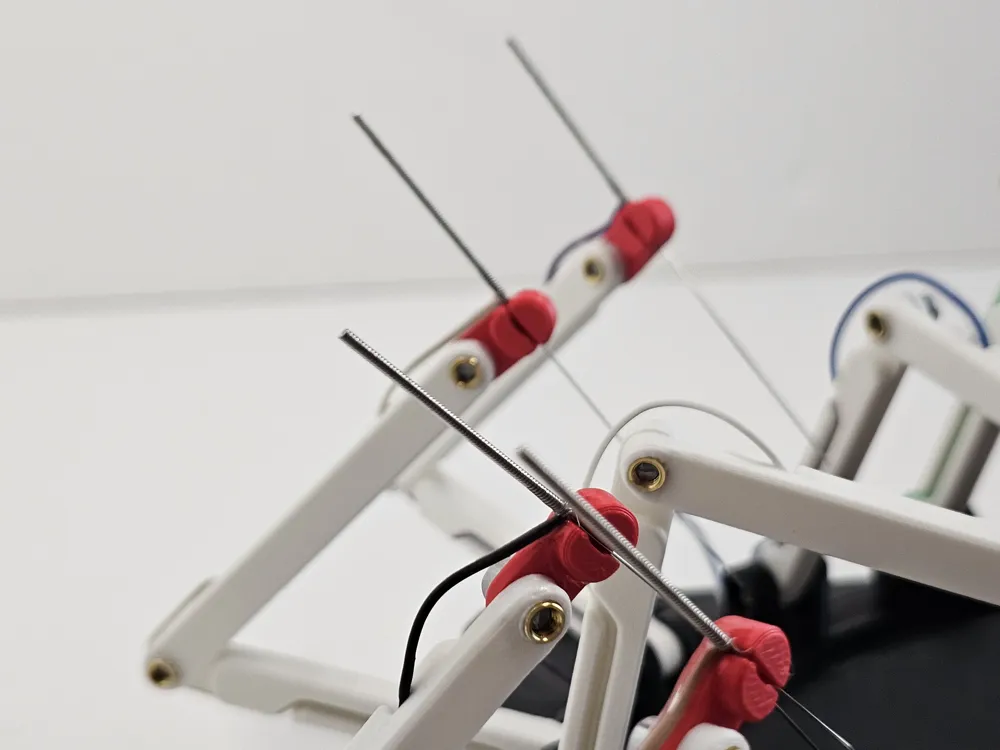
- press the accupuncture needle in to the wrist. It should click in place. Use glue if needed. The needle could bend when inserting. Bend it back if needed.
Assembly Tips (read before assembling)
- Refer to image above for assembly
- Use removable threadlocker to prevent screws from unscrewing during bending
- Make sure the force of each screw is the same. Don't make it too tight, otherwise the arm will seize.
- When inserting the needle, be careful (duh), also press as close to the wrist as possible to prevent bending
- Make sure your wire has enough slack in the joints. Glue in wire if needed. I used a ribbon cable as it has 10 colours. With 20 probes, the colours can be nicely layed out. I suggest a length of 30cm per wire (or more) depending on your needs.
- If you have enough colours, you could make the wrists match the color of the wires!
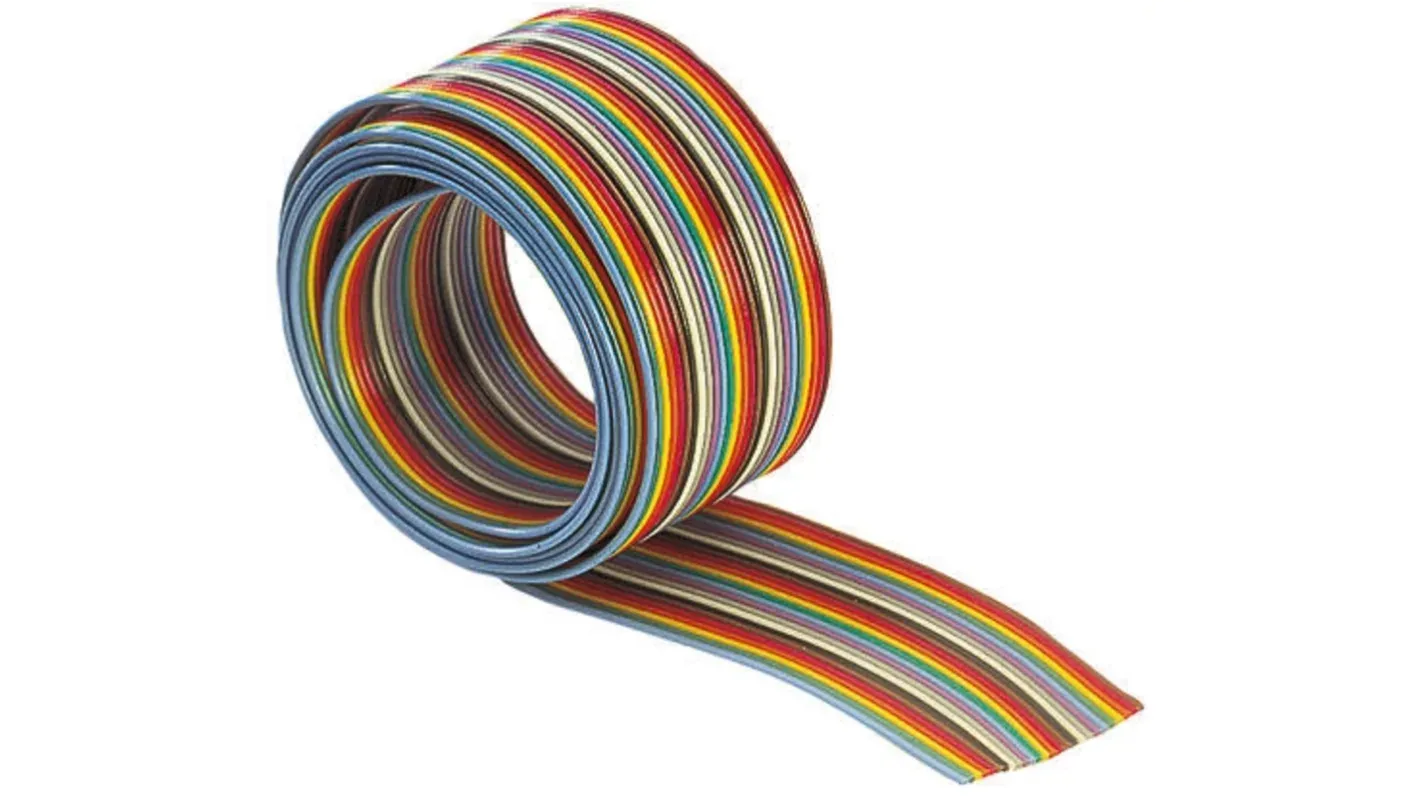
(no, not a medieval tourture device)
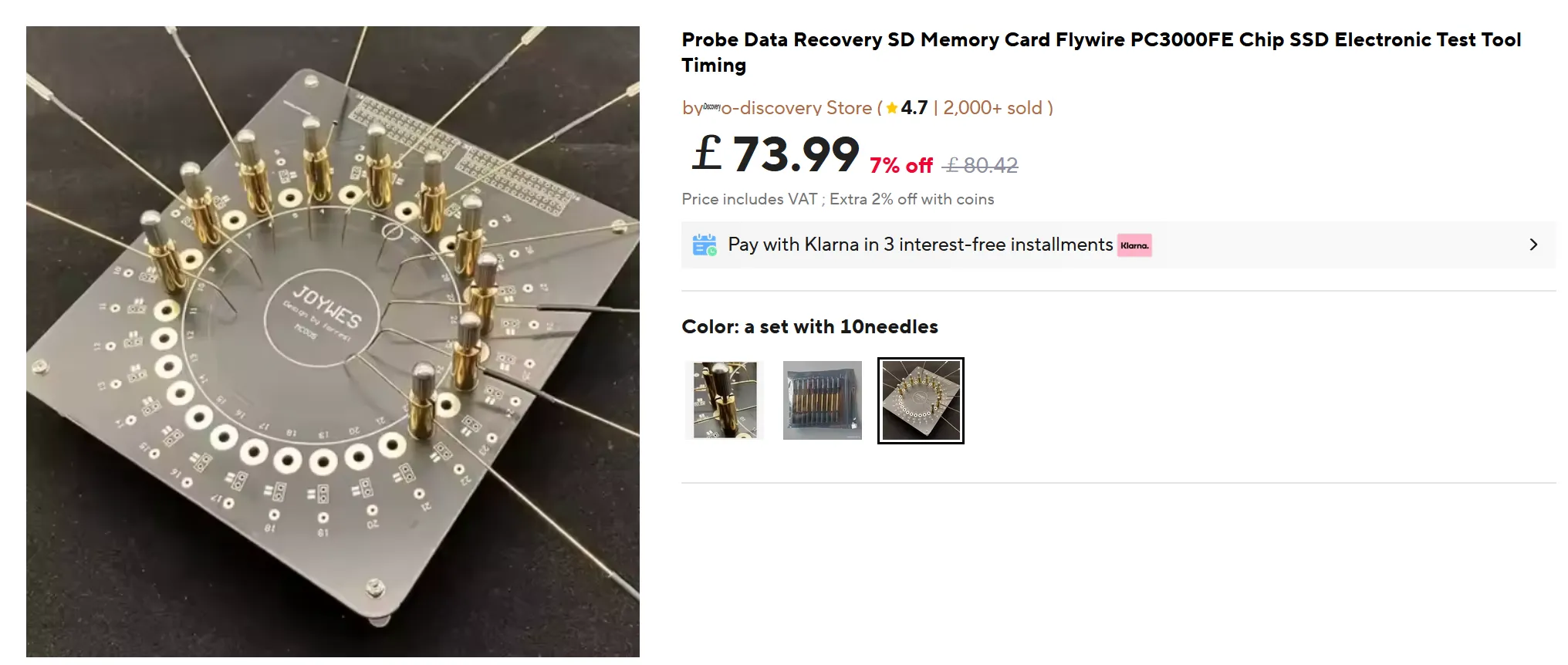
Inspired by this, and made significantly cheaper, and with more articulation points for easier access
License

You shall not share, sub-license, sell, rent, host, transfer, or distribute in any way the digital or 3D printed versions of this object, nor any other derivative work of this object in its digital or physical format (including - but not limited to - remixes of this object, and hosting on other digital platforms). The objects may not be used without permission in any way whatsoever in which you charge money, or collect fees.


Comment & Rating (4)