
Stirling Engine Newton's Law of Thermo Generator!

Print Profile(0)
Description
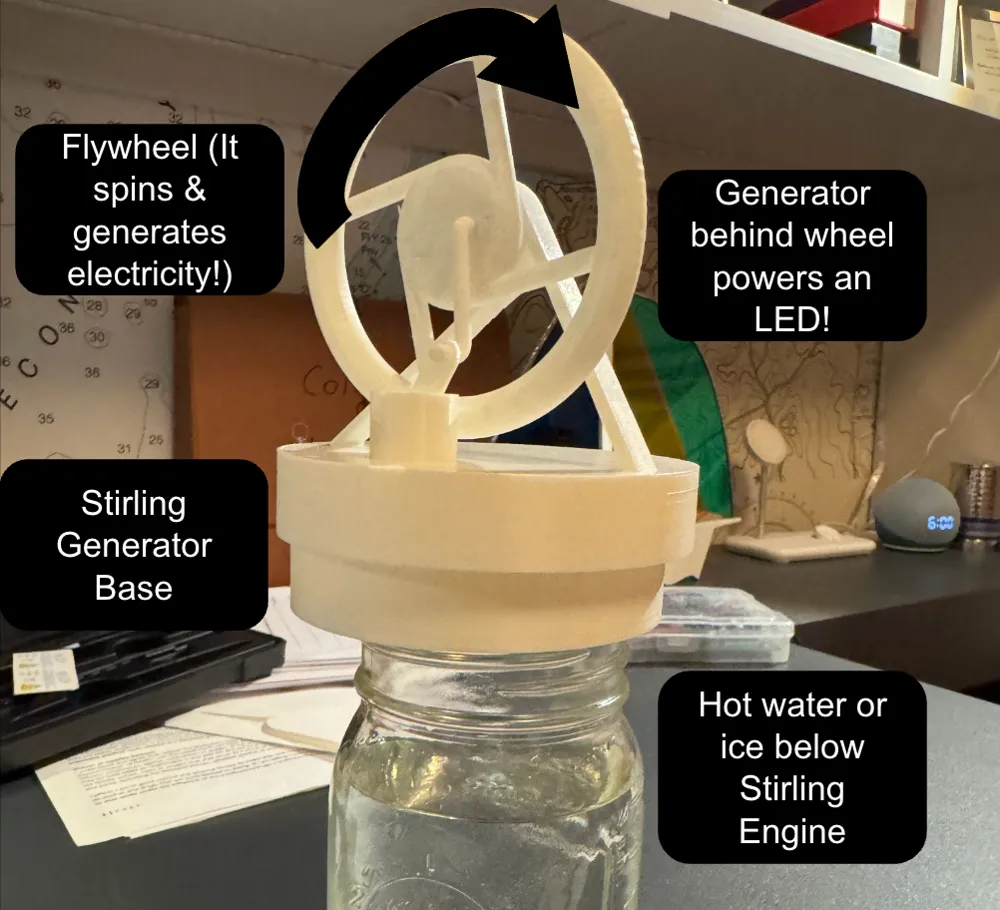
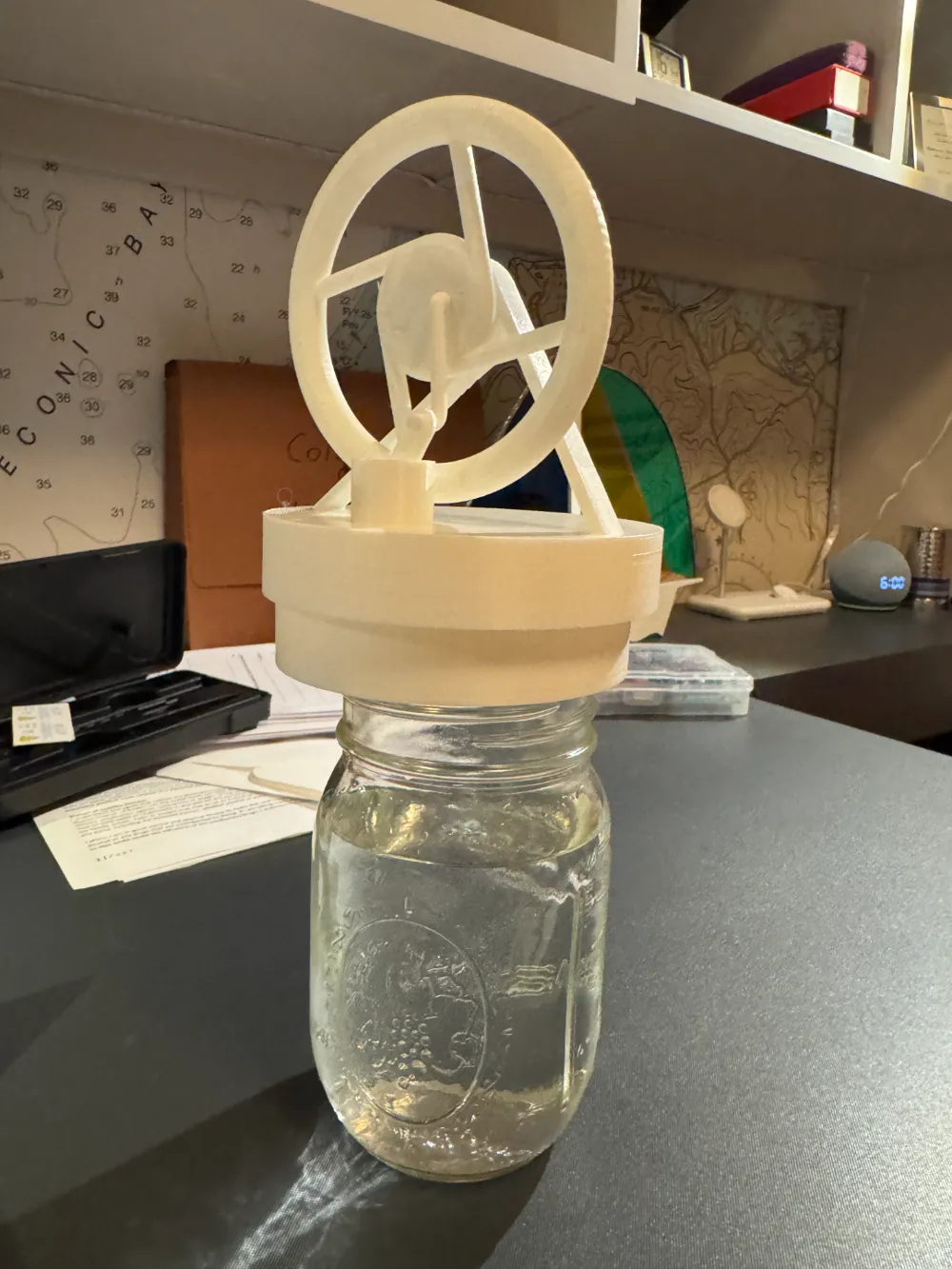
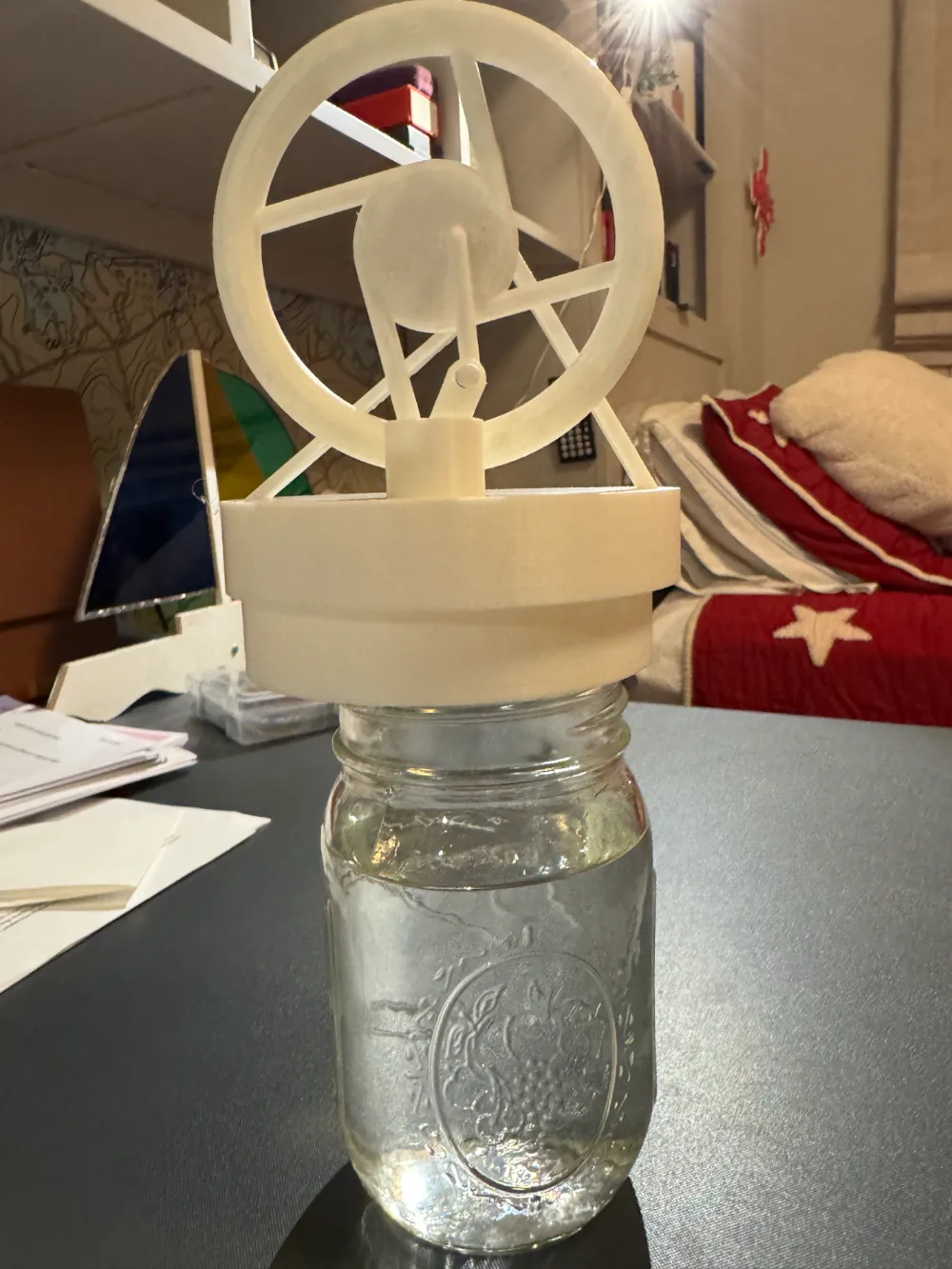
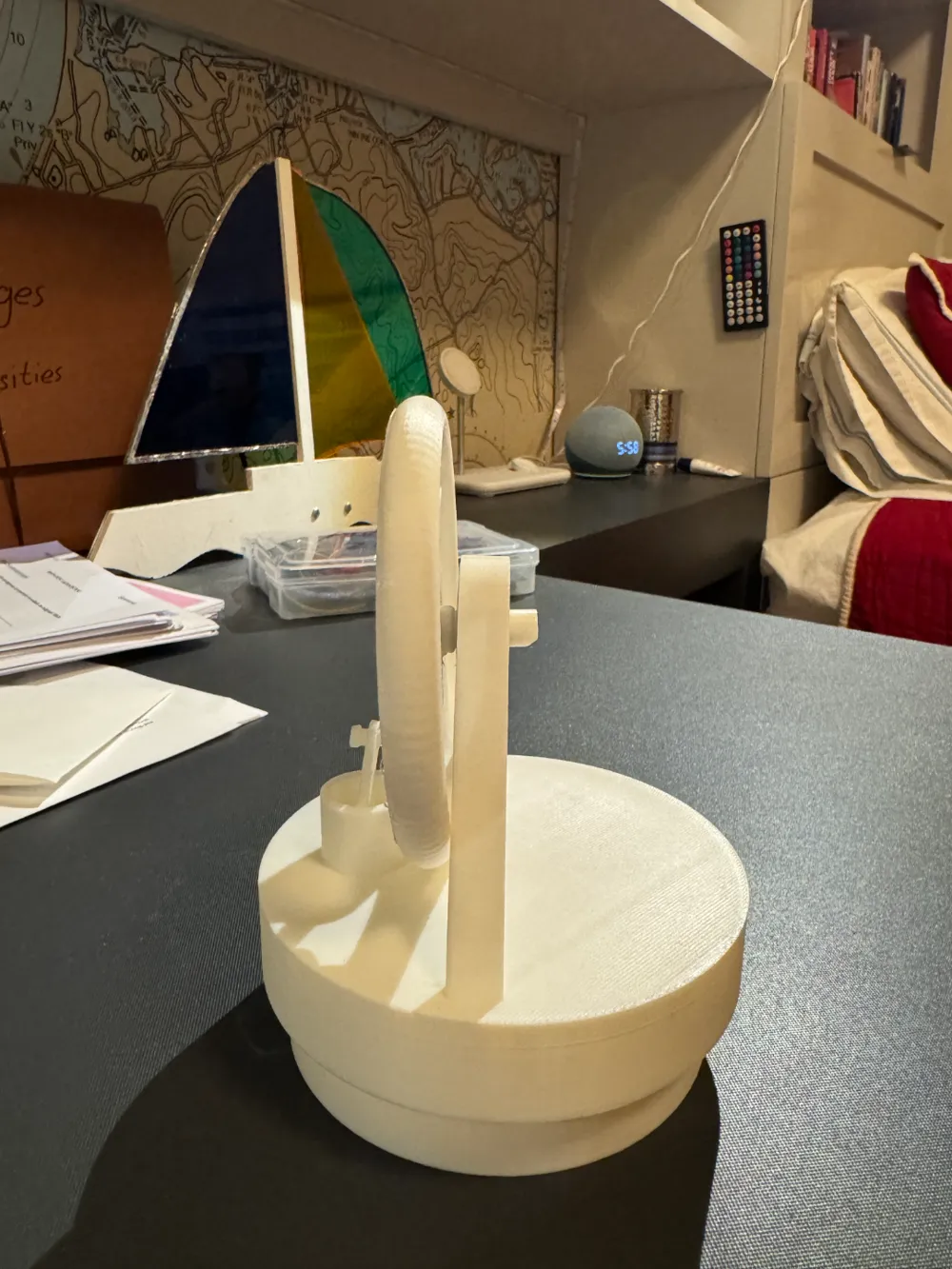
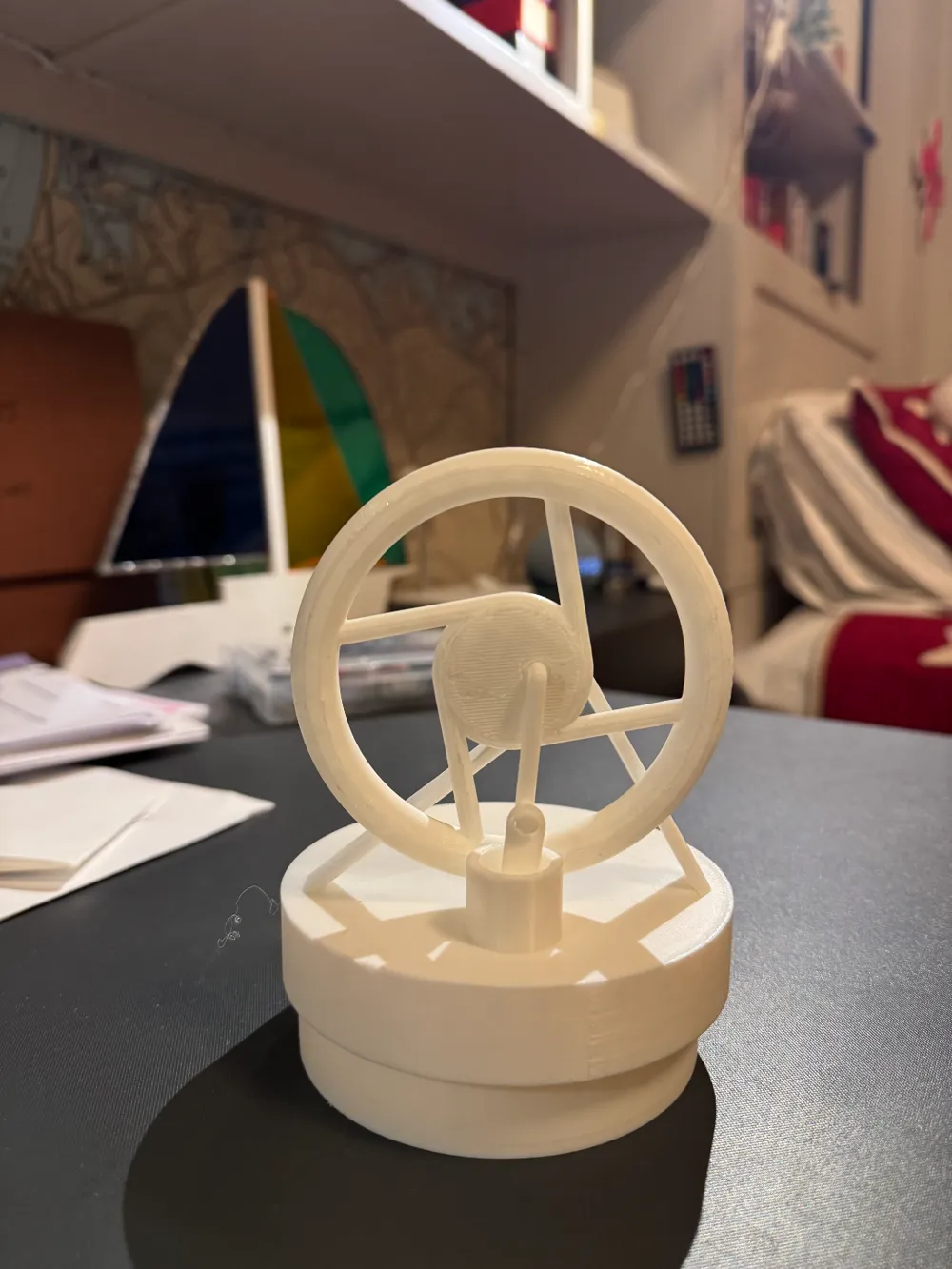
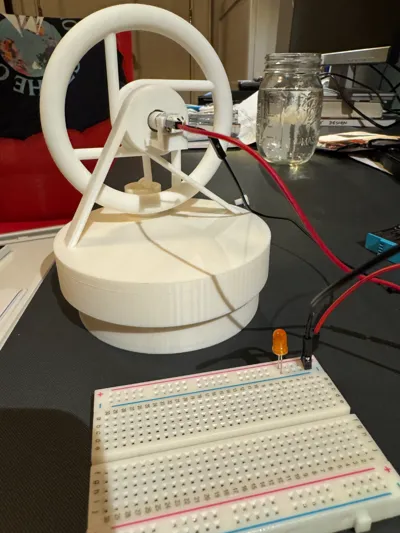
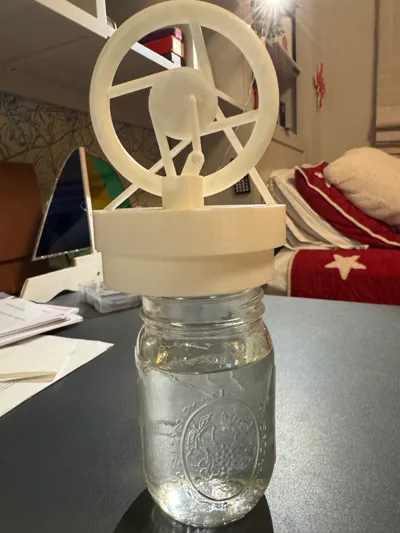
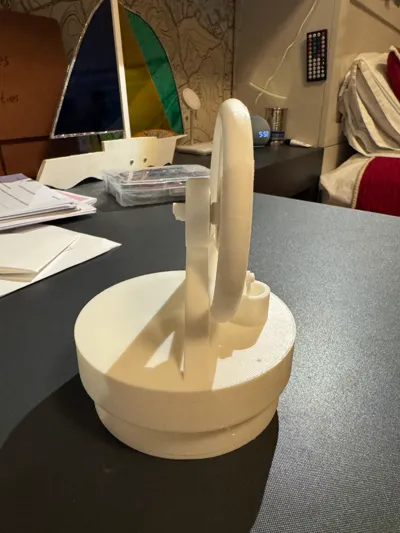
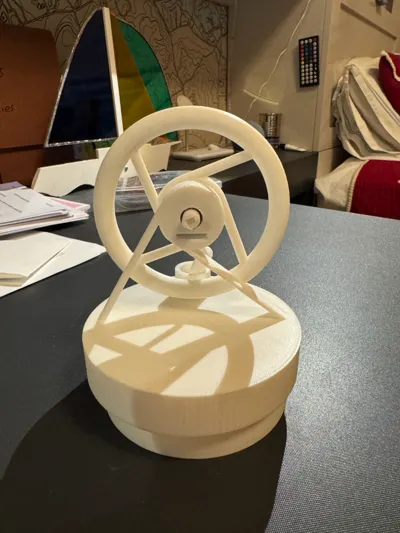
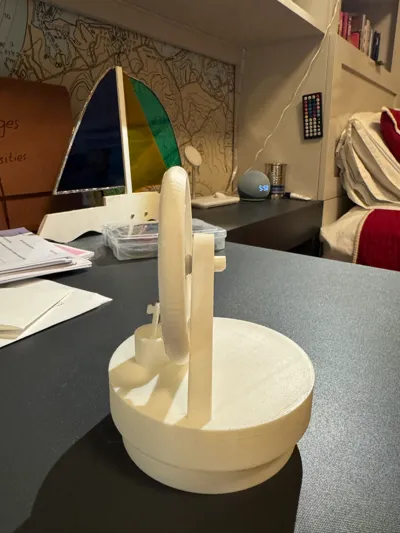
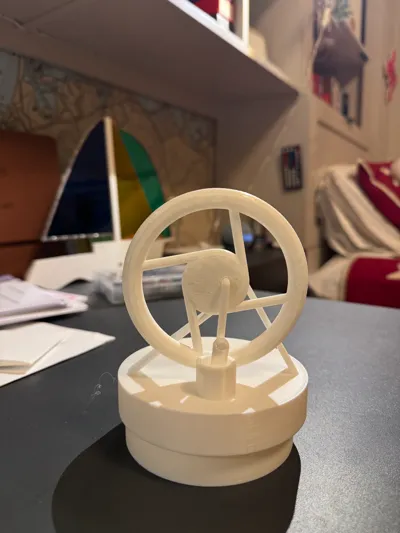
Fully functional Stirling Engine!!! Simple moving engine and possibility for electricity generation and can power an LED!
Steps:
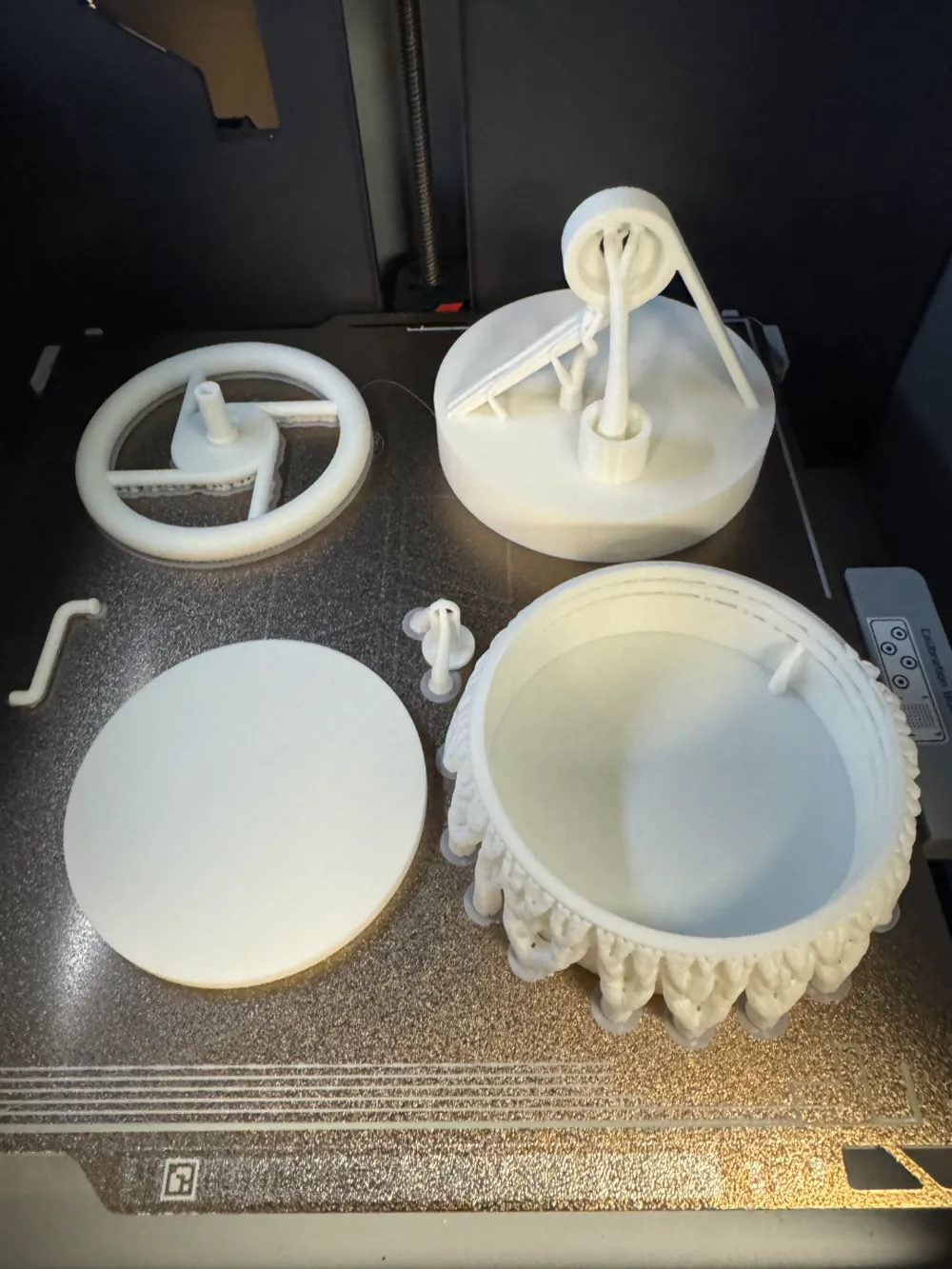
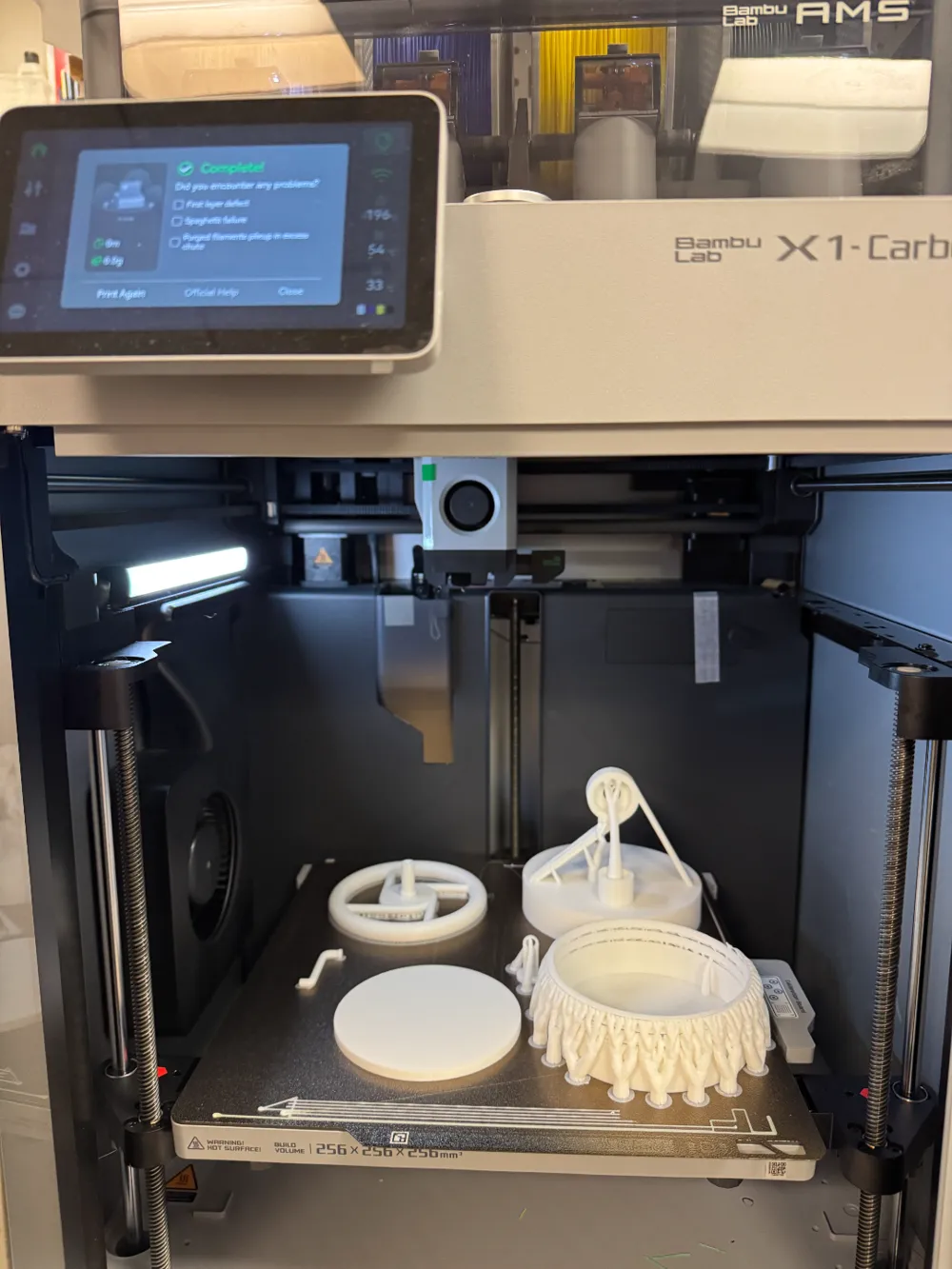
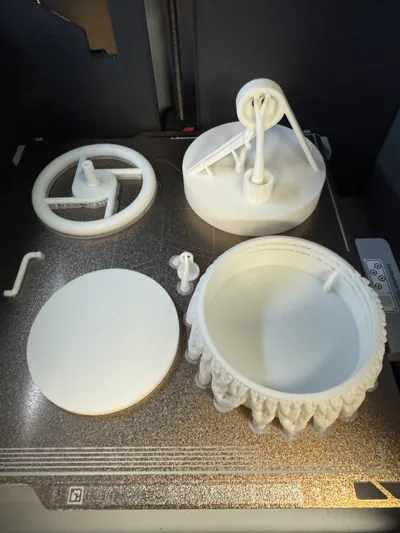
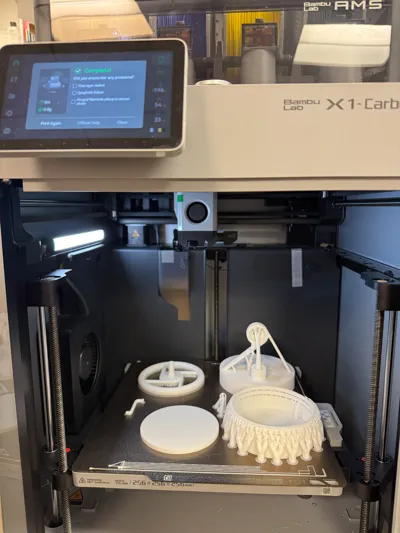
- Download and print files (all on one build plate!)
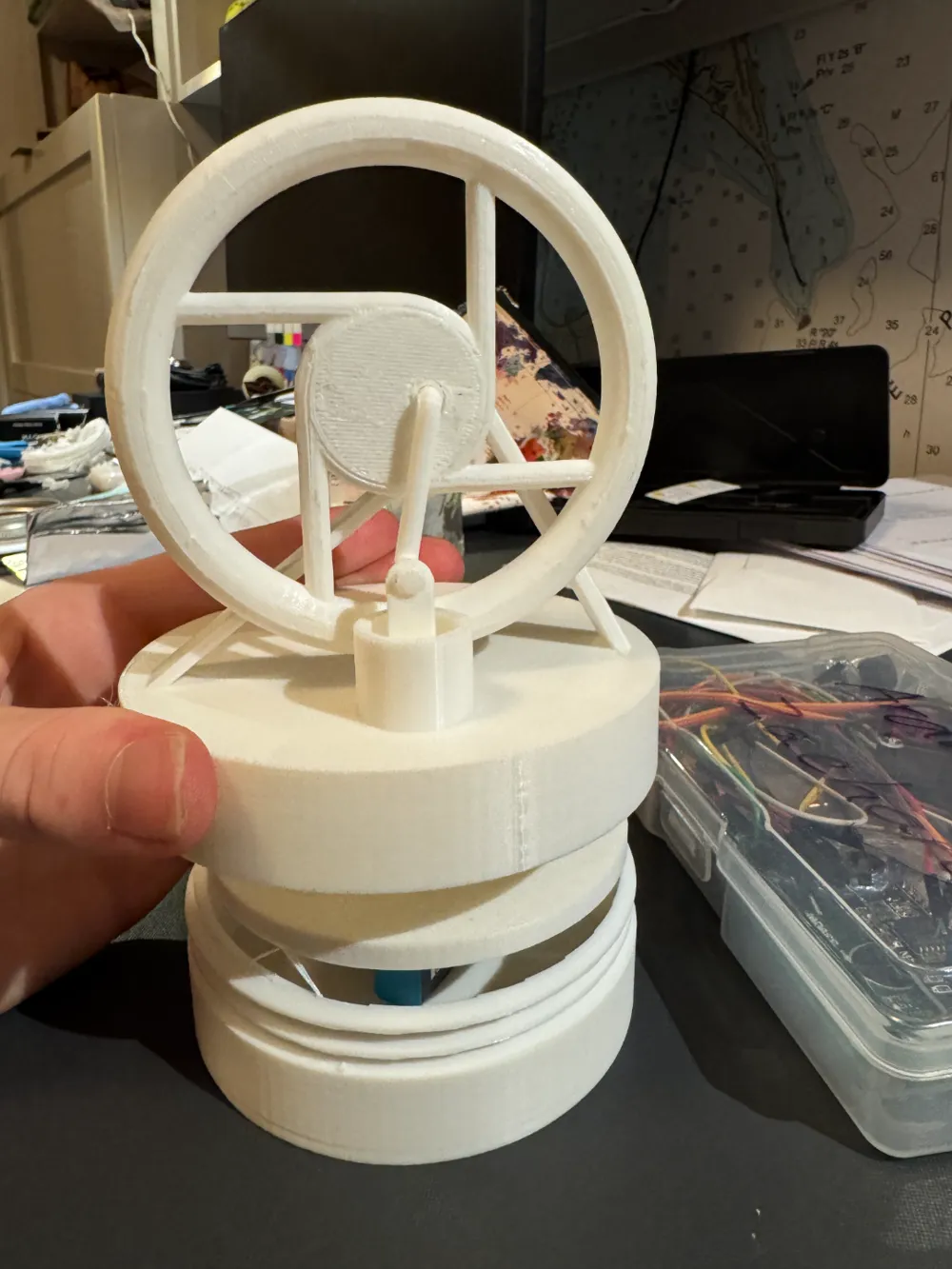
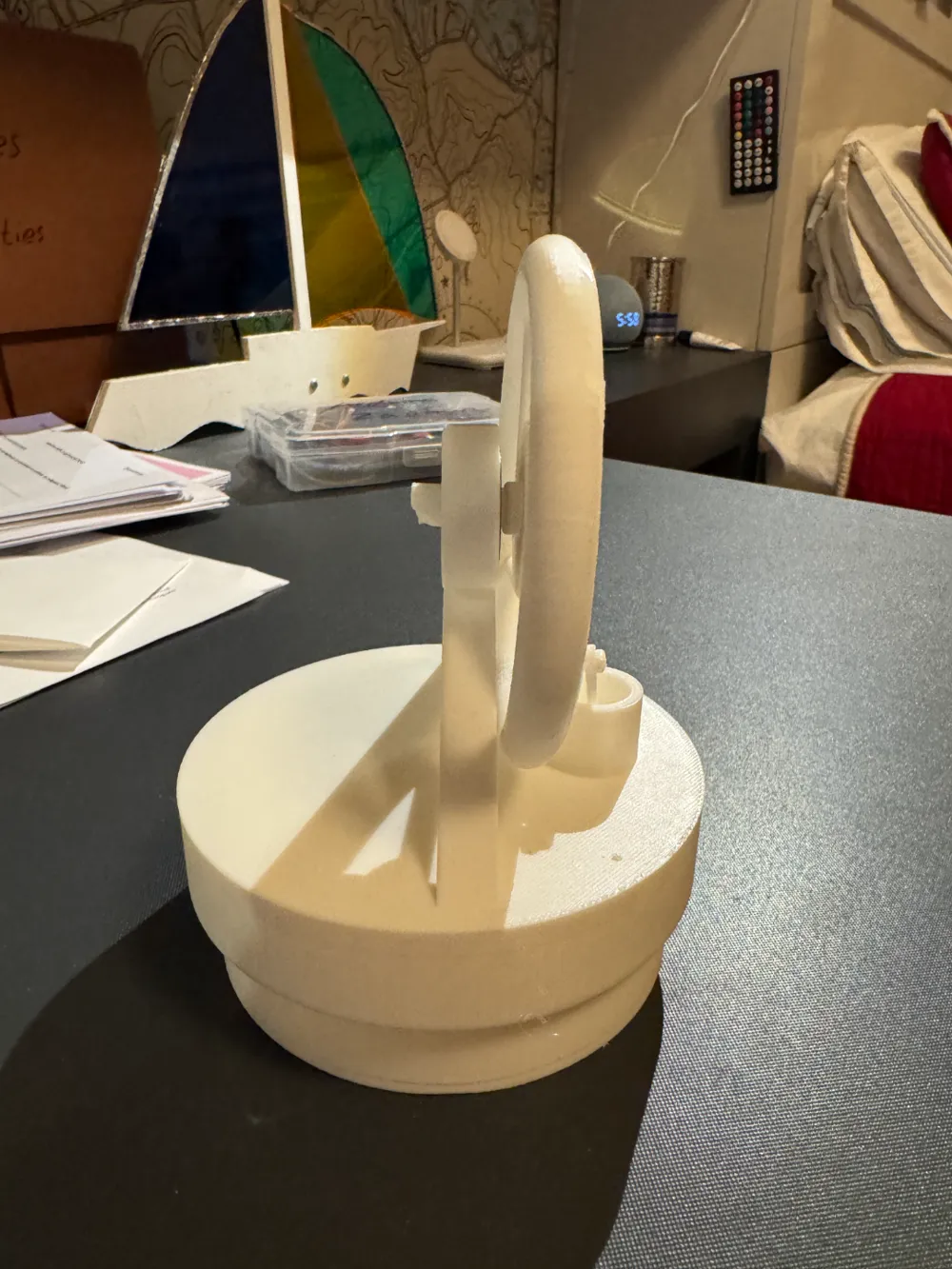
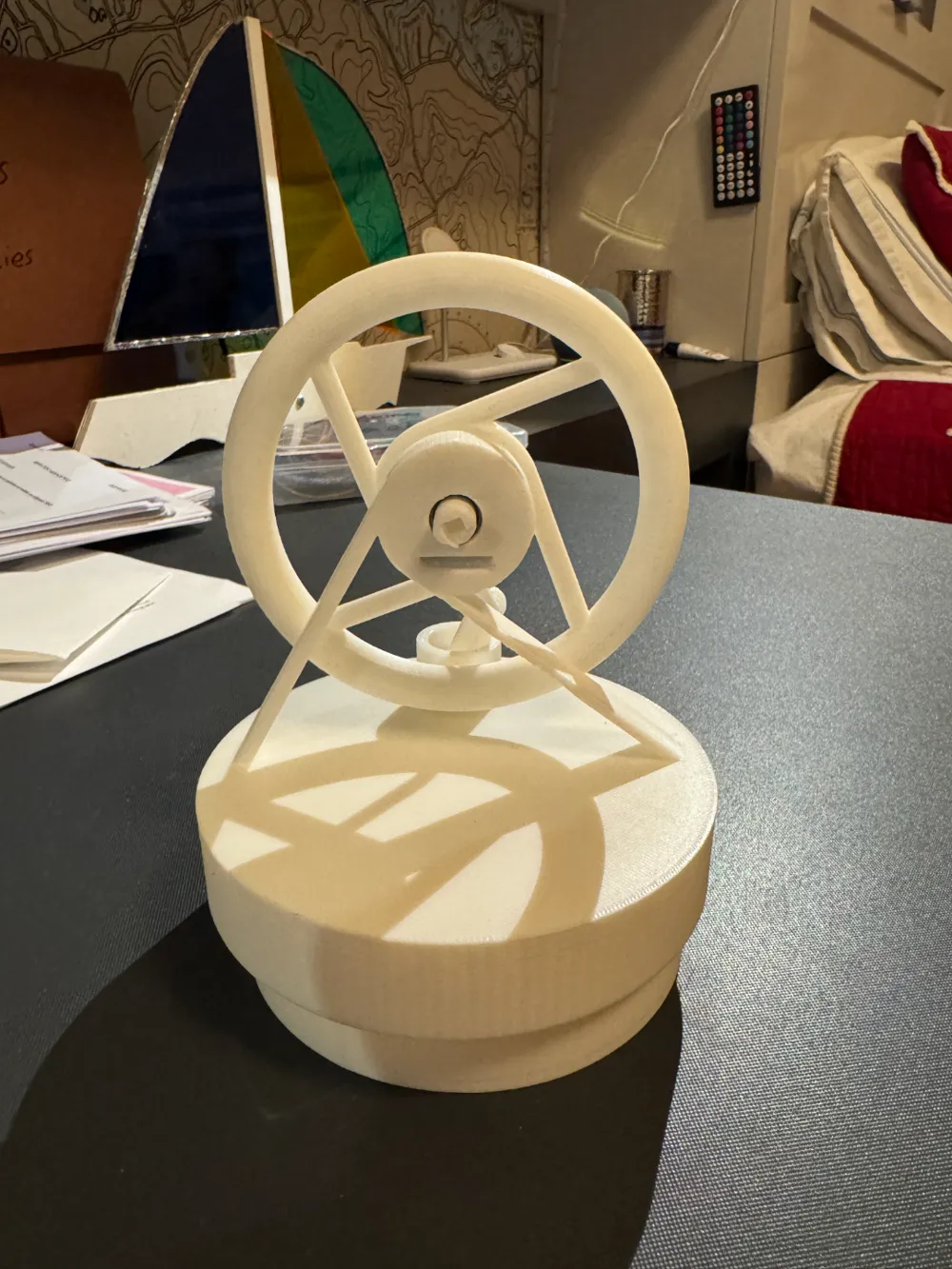
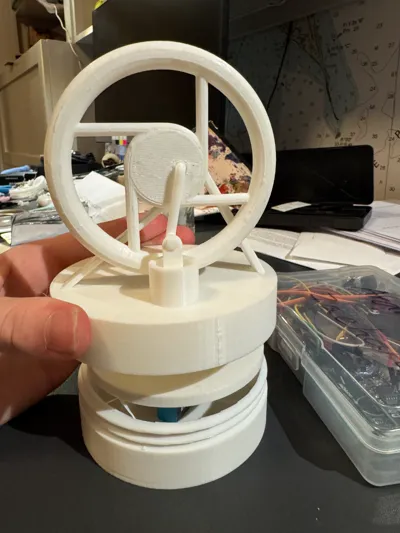
- Put the printed disk into the bottom of the base and screw on top of the base
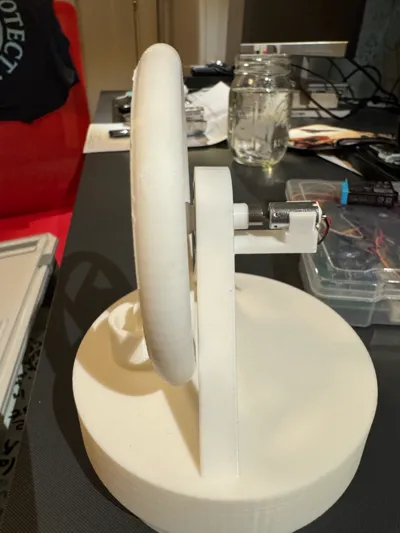
- Attach the flywheel to the mount with a bearing (either print or purchase for best results) and attach the small plunger and rod
- ***Optional:***
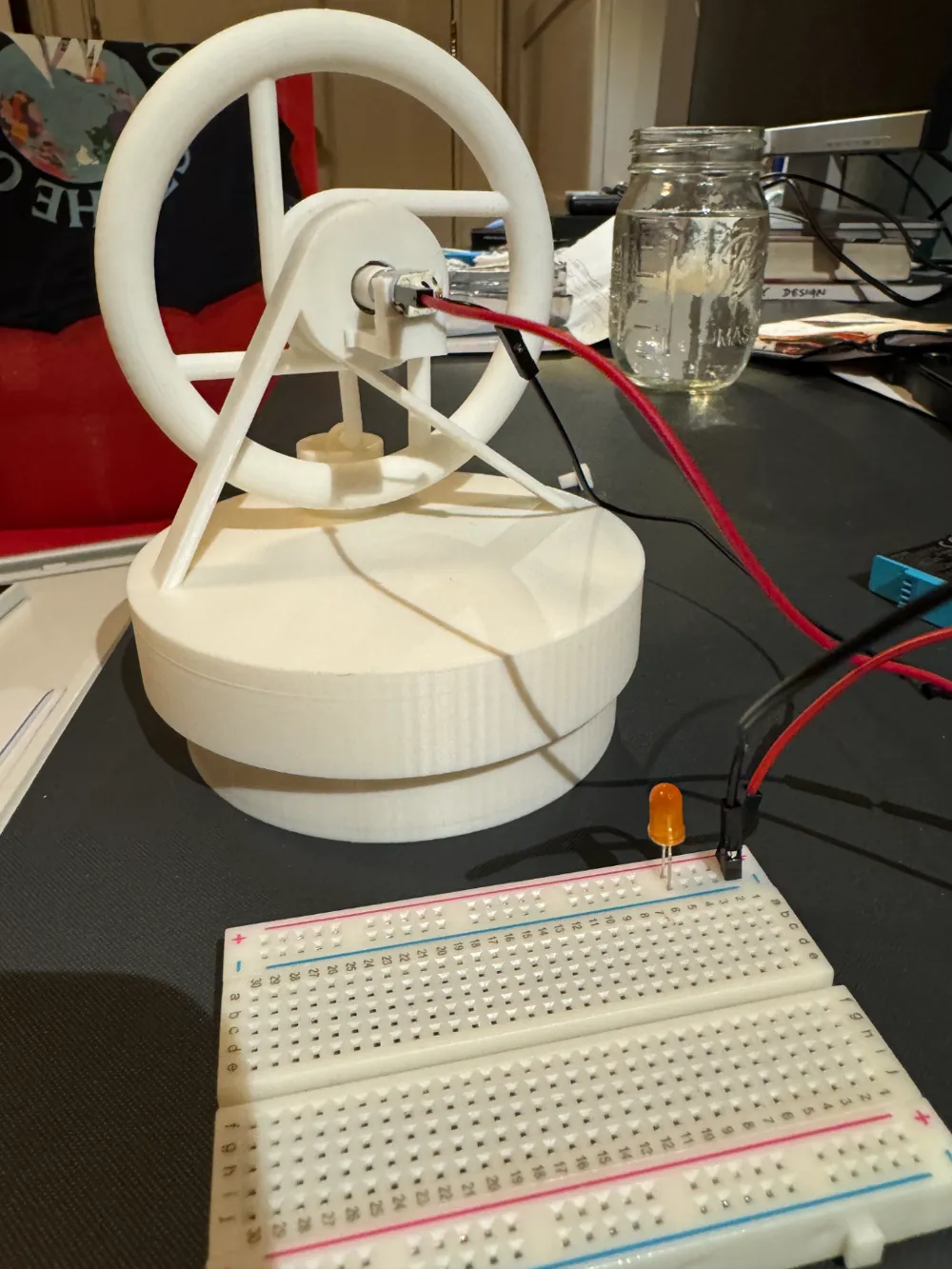
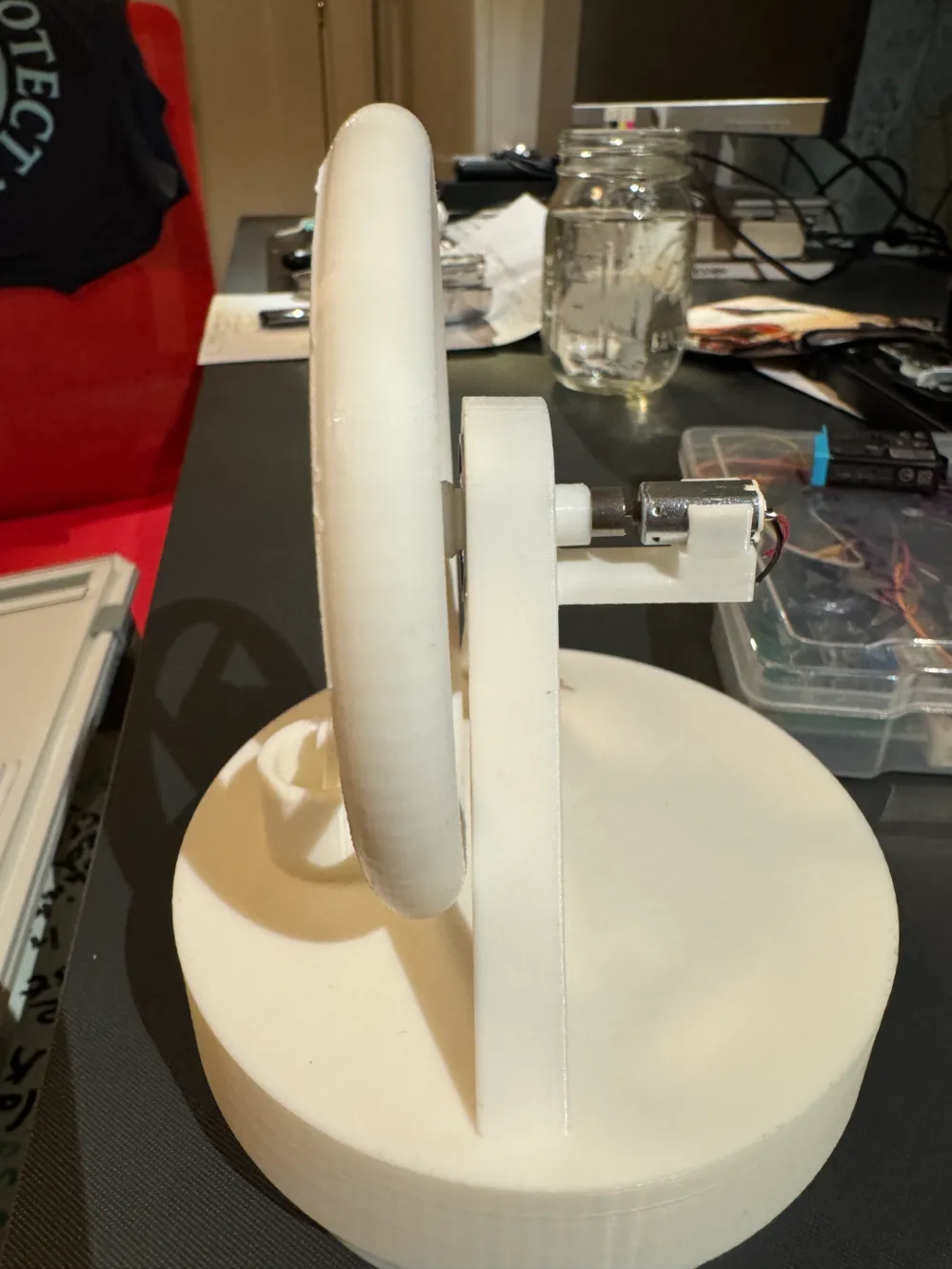
- Attach motor mount and add a motor
- Connect the motor input / output to an LED and watch it turn on
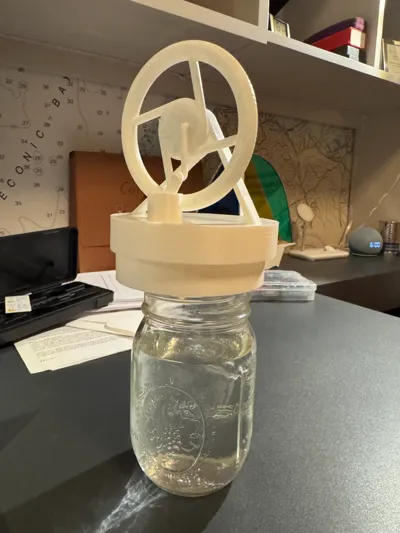
- Place the engine above hot or cold water
- Wait 15 seconds
- Spin the flywheel and watch as it continues to spin for minutes (and power a light with the electricity it makes)
Materials:
- Filament - Any filament works, including PLA. Current print file is set up for PLA, so be sure to adjust temperatures accordingly.
- Bearing - 1 standard 15 mm ball bearing
- ***Optional:***
- 3 Volt DC hobby motor
- Sodder
- LED Light
Science:
A Stirling engine is a type of heat engine that operates by cyclic compression and expansion of a working fluid (typically a gas like air, helium, or hydrogen) at different temperature levels to convert thermal energy into mechanical work. Named after its inventor, Robert Stirling, in 1816, it is notable for its efficiency and quiet operation.
The engine works based on the Stirling cycle, which consists of four distinct processes: isothermal expansion, isochoric (constant volume) heat addition, isothermal compression, and isochoric heat rejection. These processes occur within a sealed system.
- Heat Addition: A heat source (like solar energy, a flame, or waste heat) heats the working fluid in a hot chamber. As the gas expands under high temperature, it pushes a piston, producing mechanical work.
- Cooling and Compression: The expanded gas is then moved to a cooler chamber, where it is cooled by a heat sink (such as ambient air or water). Cooling reduces the gas's pressure, allowing it to be compressed with less effort.
- Regeneration: Some Stirling engines use a regenerator, a thermal storage device that absorbs heat from the working fluid during cooling and releases it back during heating. This enhances efficiency by recycling energy.
The Stirling engine operates smoothly due to the use of pistons and displacers that ensure the gas cycles efficiently between hot and cold regions. It is highly efficient because it uses external combustion, allowing nearly complete fuel combustion with lower emissions.
While the engine has applications in niche areas like solar power systems, submarines, and cryocoolers, its commercial adoption has been limited due to the cost and complexity of manufacturing. However, it remains a model of energy efficiency and sustainability in engineering.
License

You shall not share, sub-license, sell, rent, host, transfer, or distribute in any way the digital or 3D printed versions of this object, nor any other derivative work of this object in its digital or physical format (including - but not limited to - remixes of this object, and hosting on other digital platforms). The objects may not be used without permission in any way whatsoever in which you charge money, or collect fees.


Comment & Rating (53)