
Trisquel Earrings
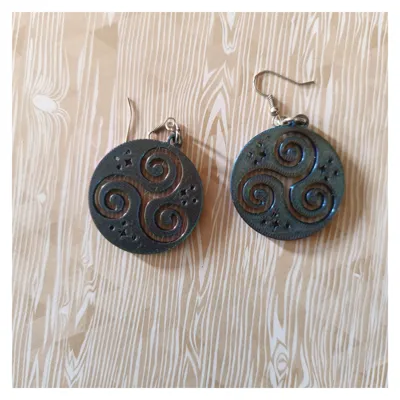
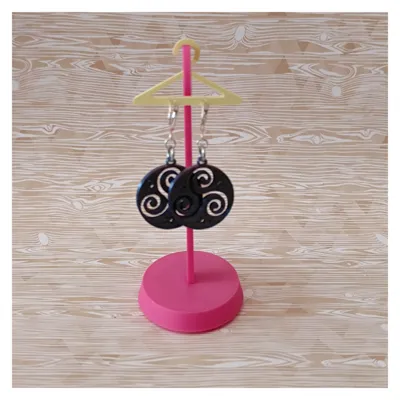
Print Profile(2)


Description
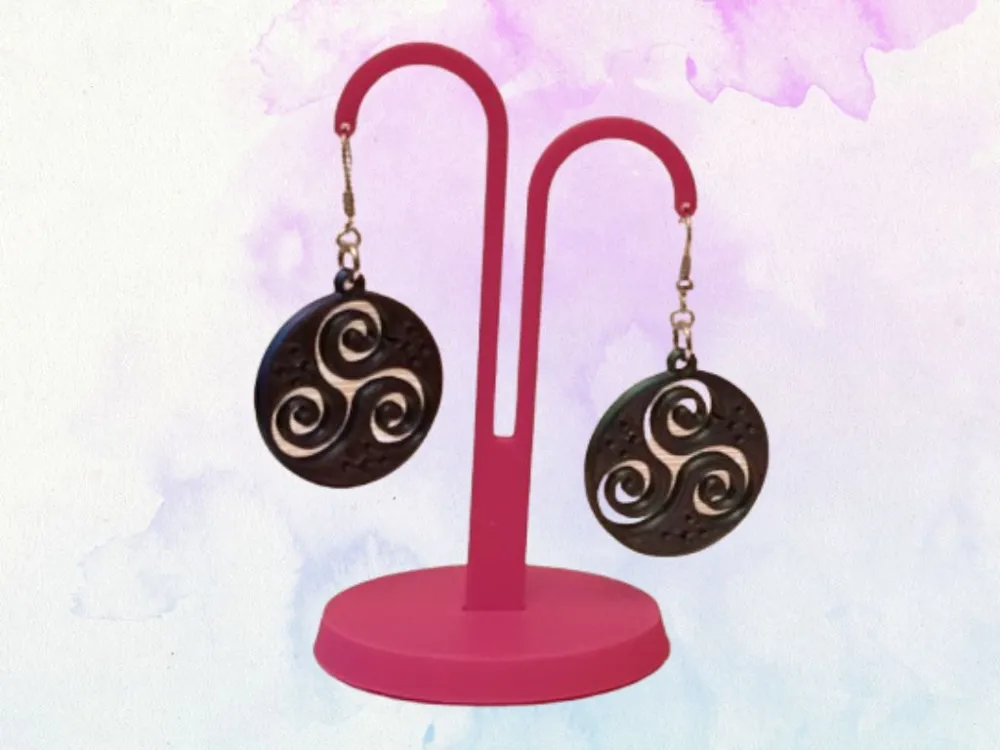
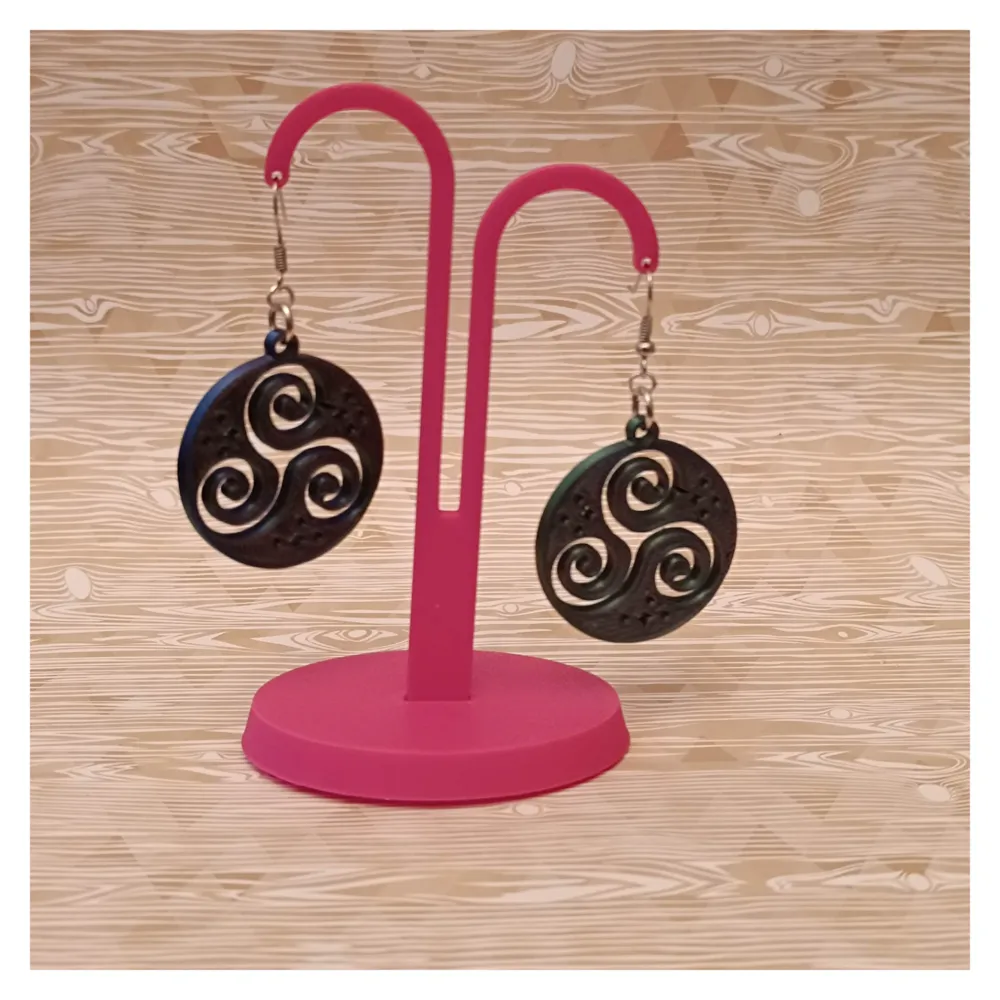
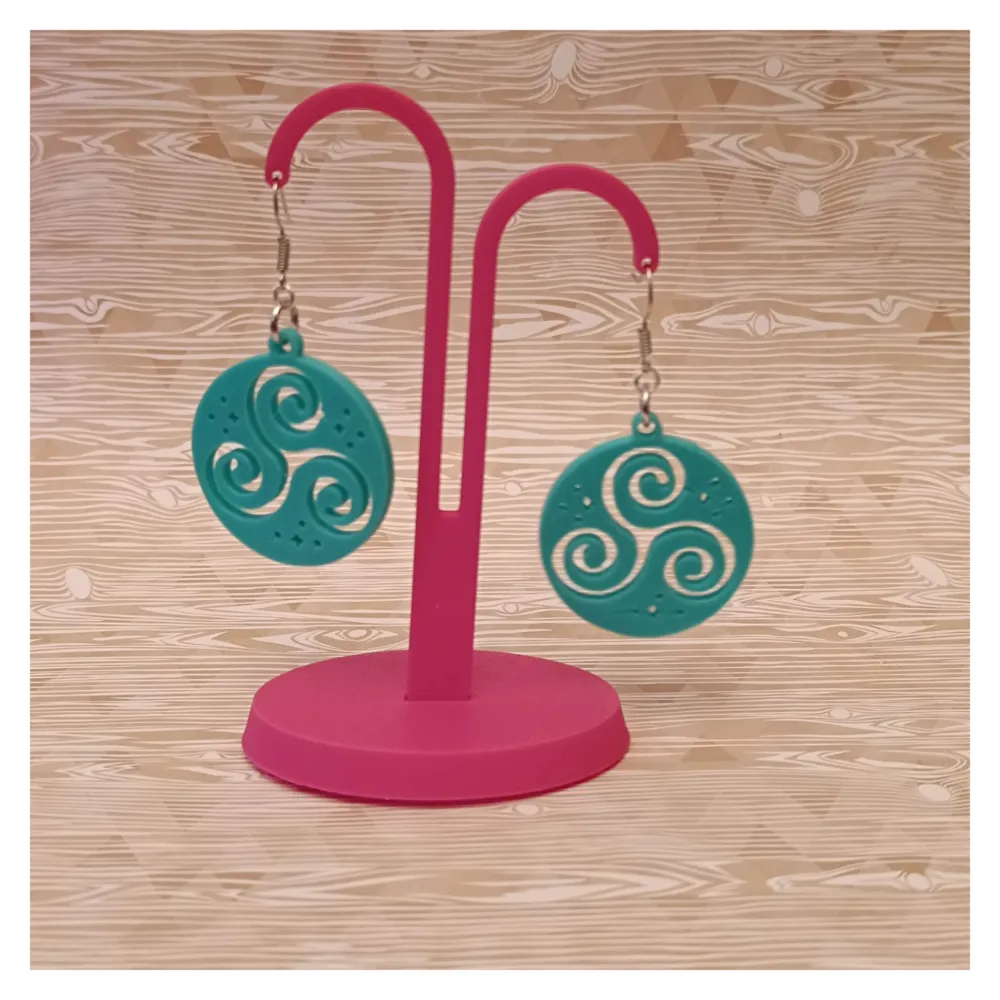
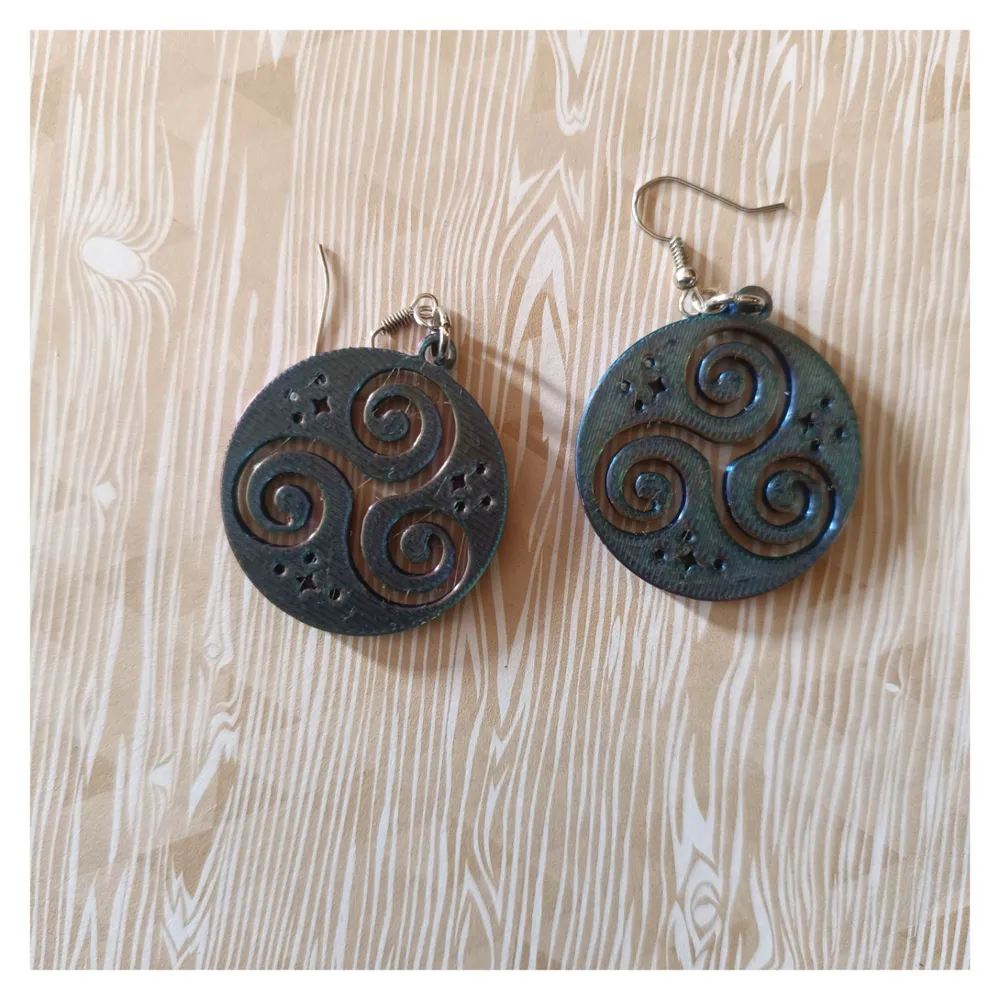
The trisquel, also known as trikele or trinacria, is an ancient Celtic symbol formed by three spiral arms joined at a central point, creating a figure reminiscent of a helix. Its design reflects the importance of the number three in Celtic culture, considered sacred for representing balance, perfection, and harmony.
This symbol holds profound meanings related to evolution and the connection between body, mind, and spirit. It also represents concepts such as the cycle of life—birth, death, and rebirth—as well as continuous learning and personal growth. Traditionally, it was attributed with healing properties, used to heal, alleviate fevers, and protect against negative energies.
Each of the three spirals has a specific meaning: the first alludes to the senses and physical capabilities; the second symbolizes consciousness and rational thought; and the third reflects the path of the soul and its connection to the divine. This interpretation is also linked to the number three, central in the Celtic universe, which comprises three worlds: Ceugant (the absolute), Gwenved (the spiritual), and Abred (the human). Furthermore, this symbolism connects the trisquel to the idea of balance between the three planes of existence.
In Celtic tradition, the trisquel is associated with the Druids, who considered it a powerful magical amulet. It represented the connection with the universe and was seen as a tool to strengthen spirituality, protect against negative influences, and foster eternal love. Due to its association with the Druids, it is also known as the "Druid symbol."
This emblem has deep roots in the Celtic cultures of regions such as Galicia, Asturias, Cantabria, and the Basque Country. Its design has also transcended to other civilizations. In Tibet, for example, it is known as Mitsudomoe and is associated with the solar and cosmic wheel, while the Greeks used it extensively in their artistic creations.
Layer height: 0.16 mm
2 walls
Infill: 15%
Ironing type: Top surface
Wall generator: Arachne
Other earring models on my profile: https://makerworld.com/es/@user_1398653290
License



Comment & Rating (4)