
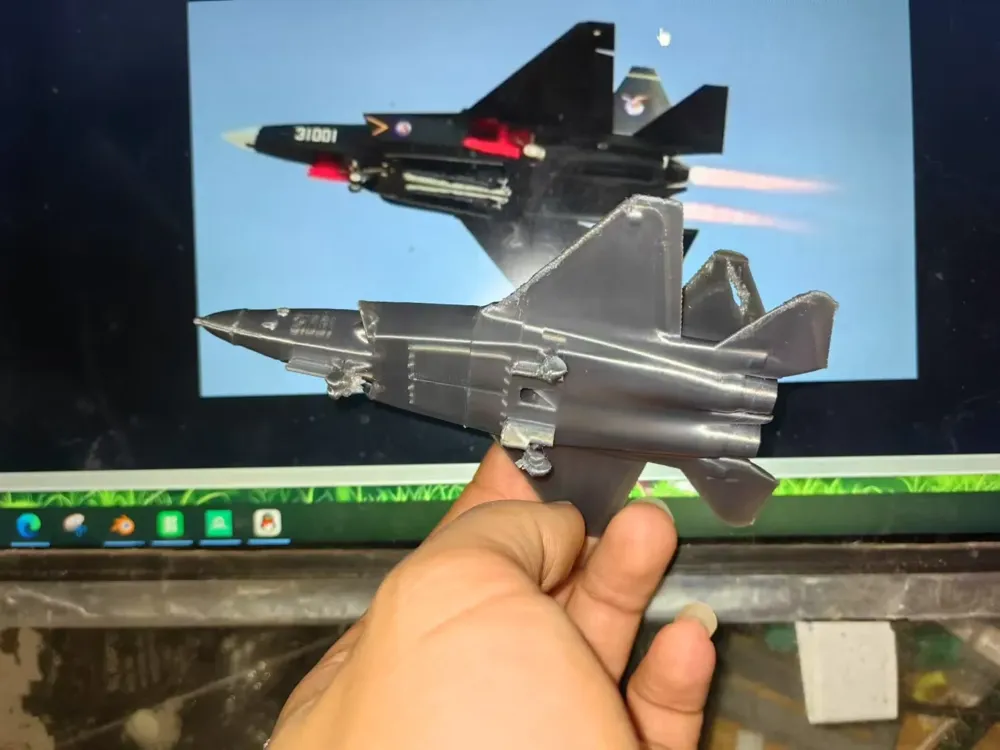
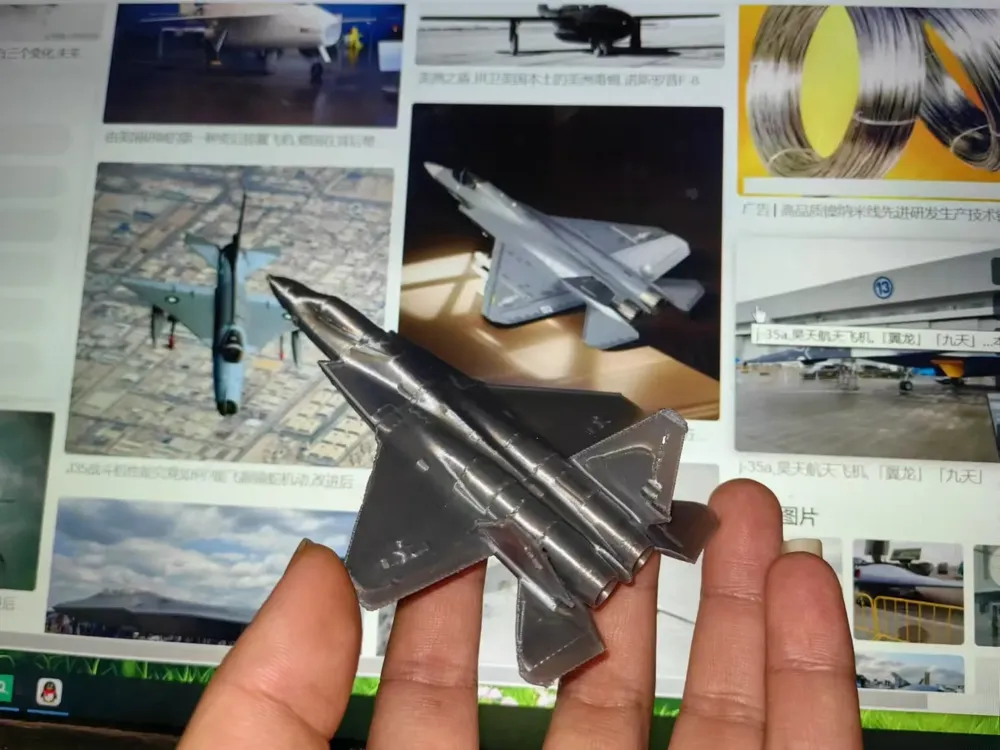
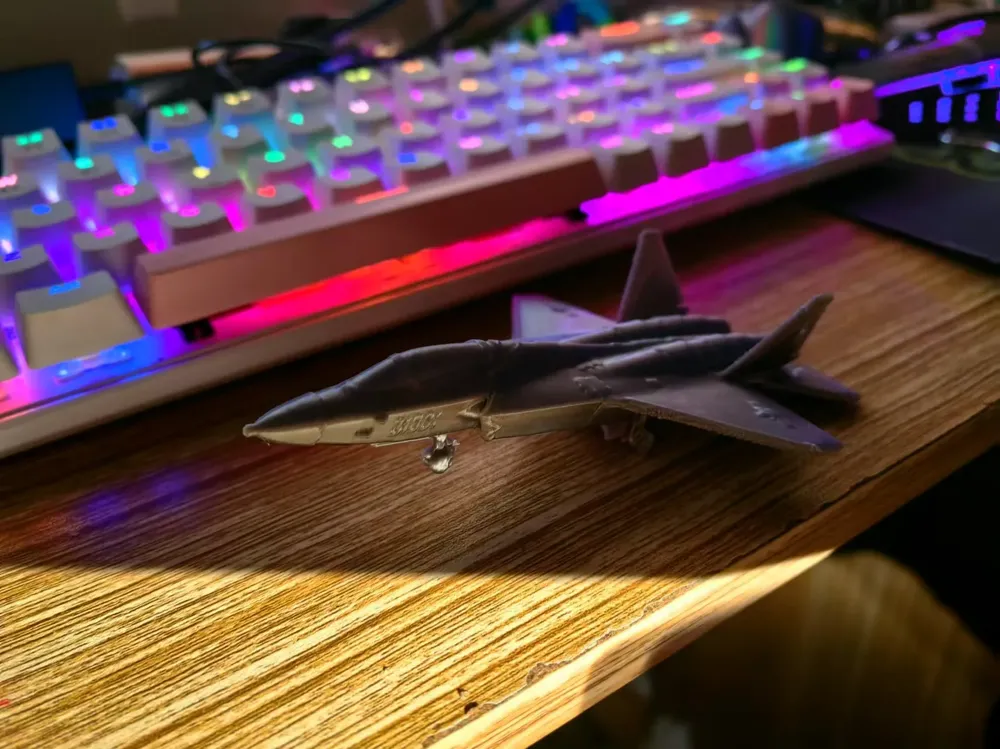
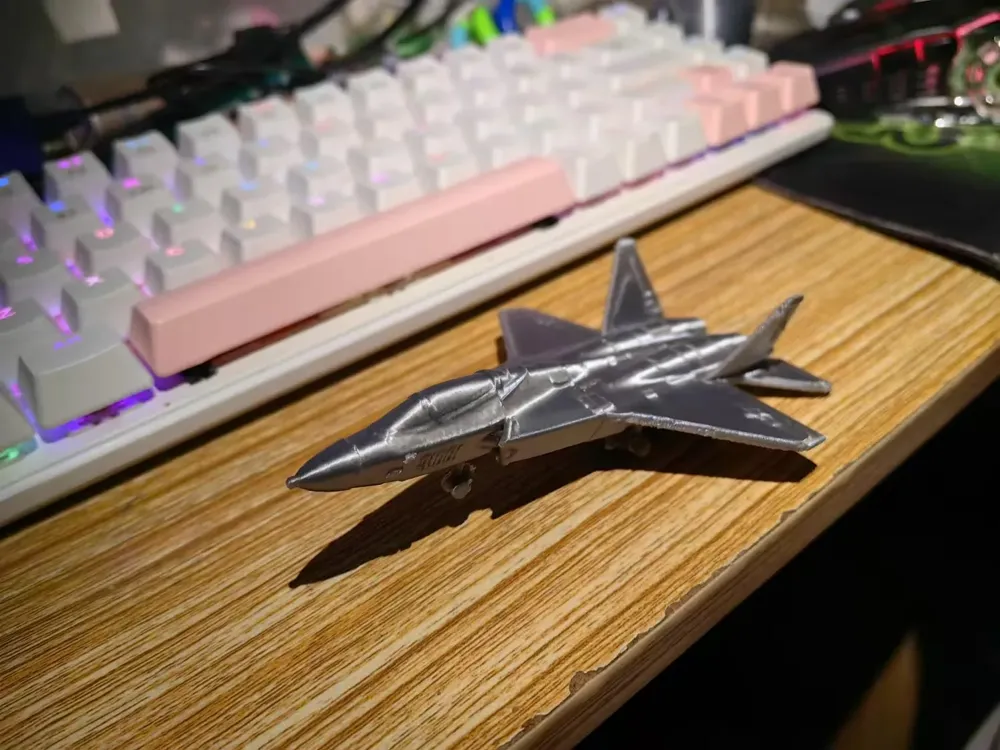
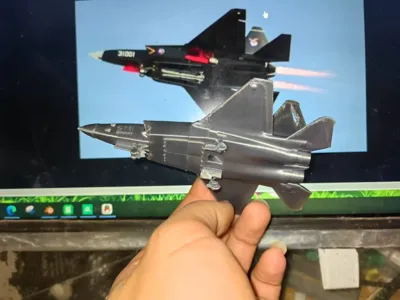
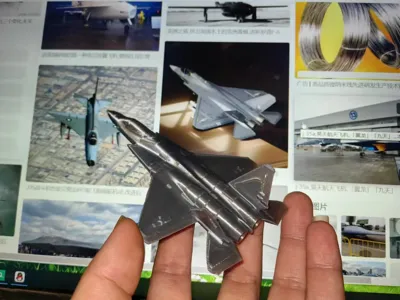
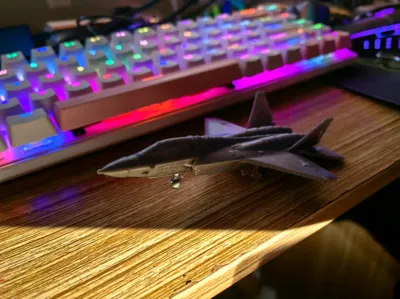
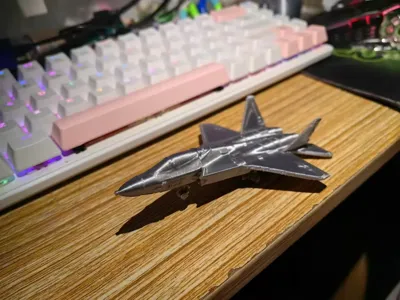
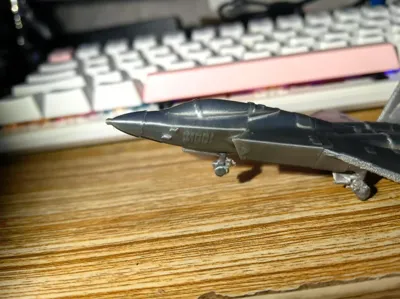
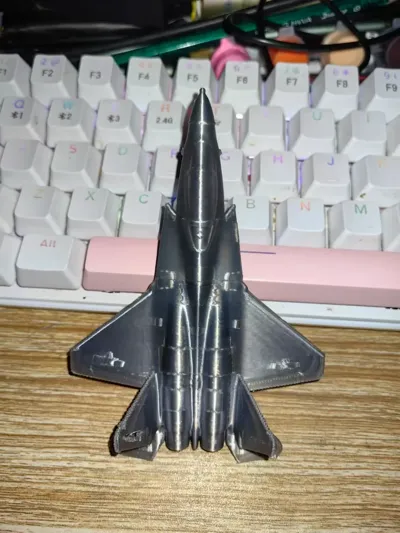
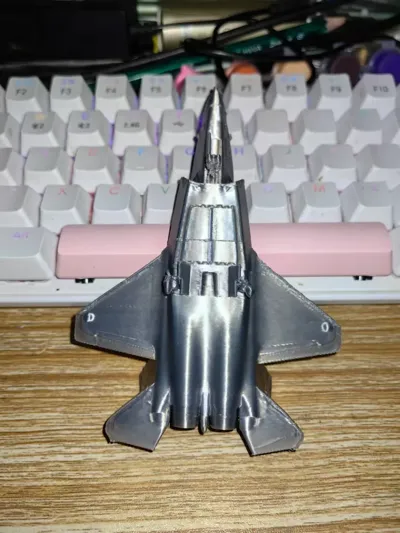
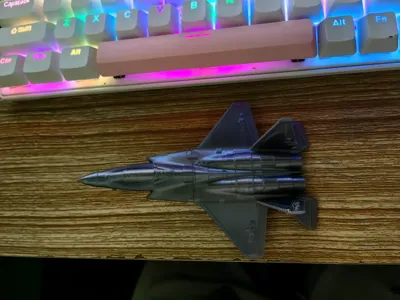
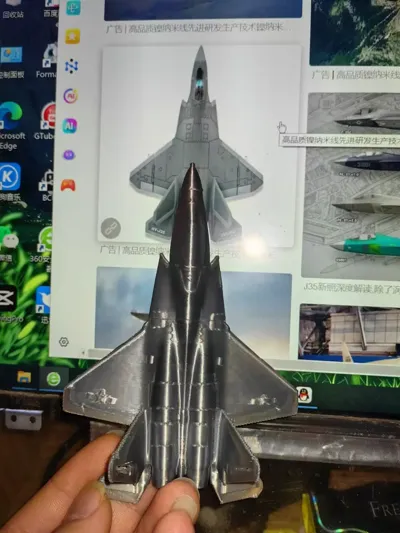
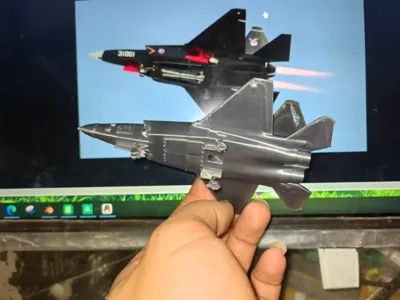
J-35/FC31 prototype, fighter jet number 31001, ultra-detailed engraved version, with numbered wheel support
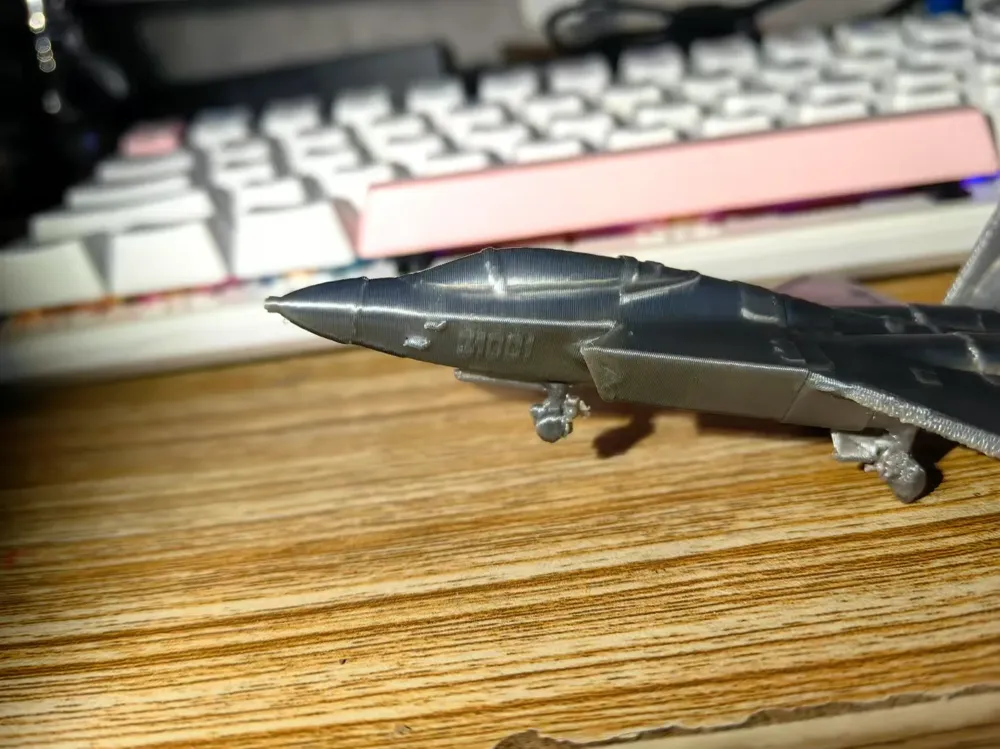
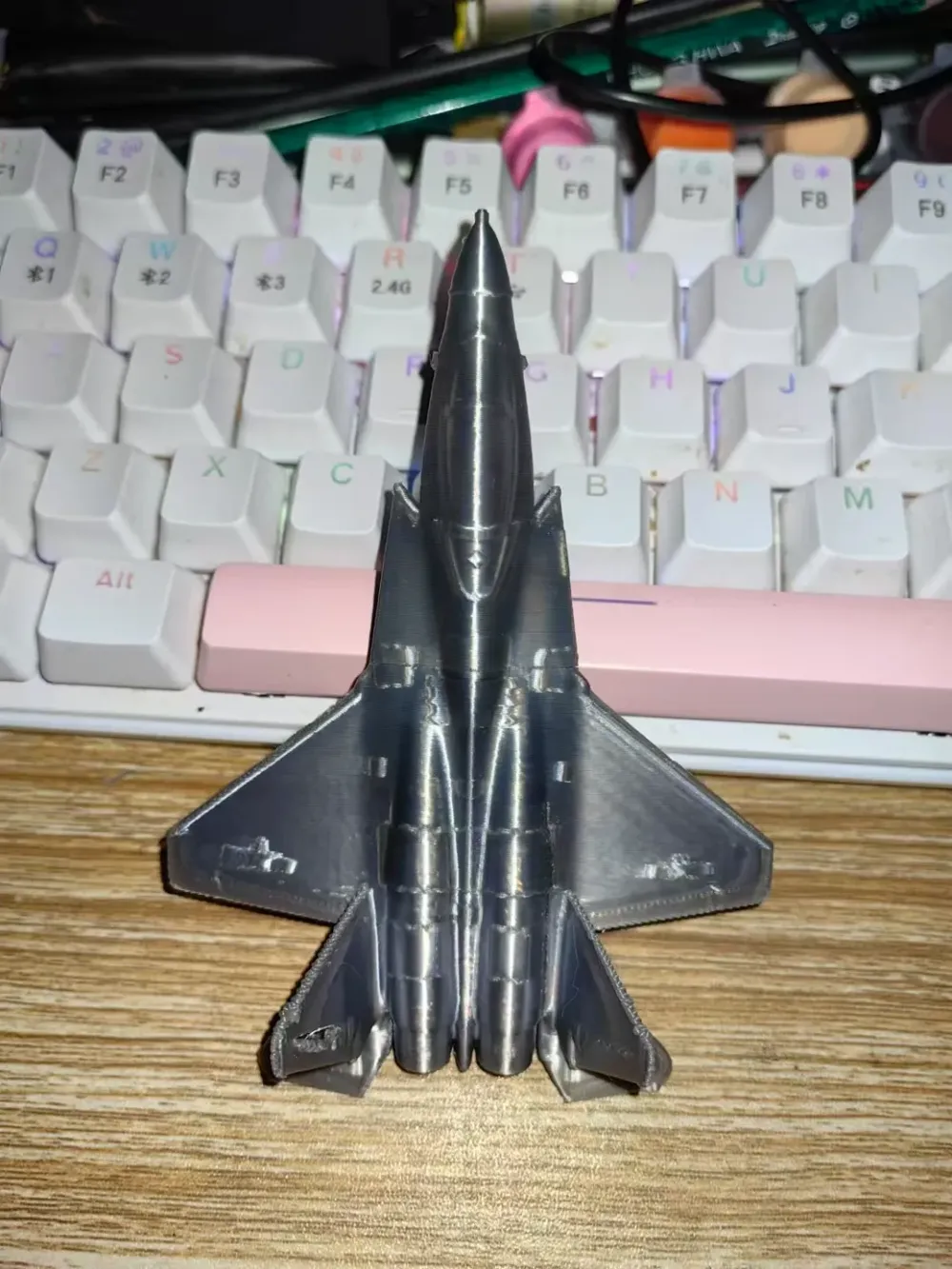
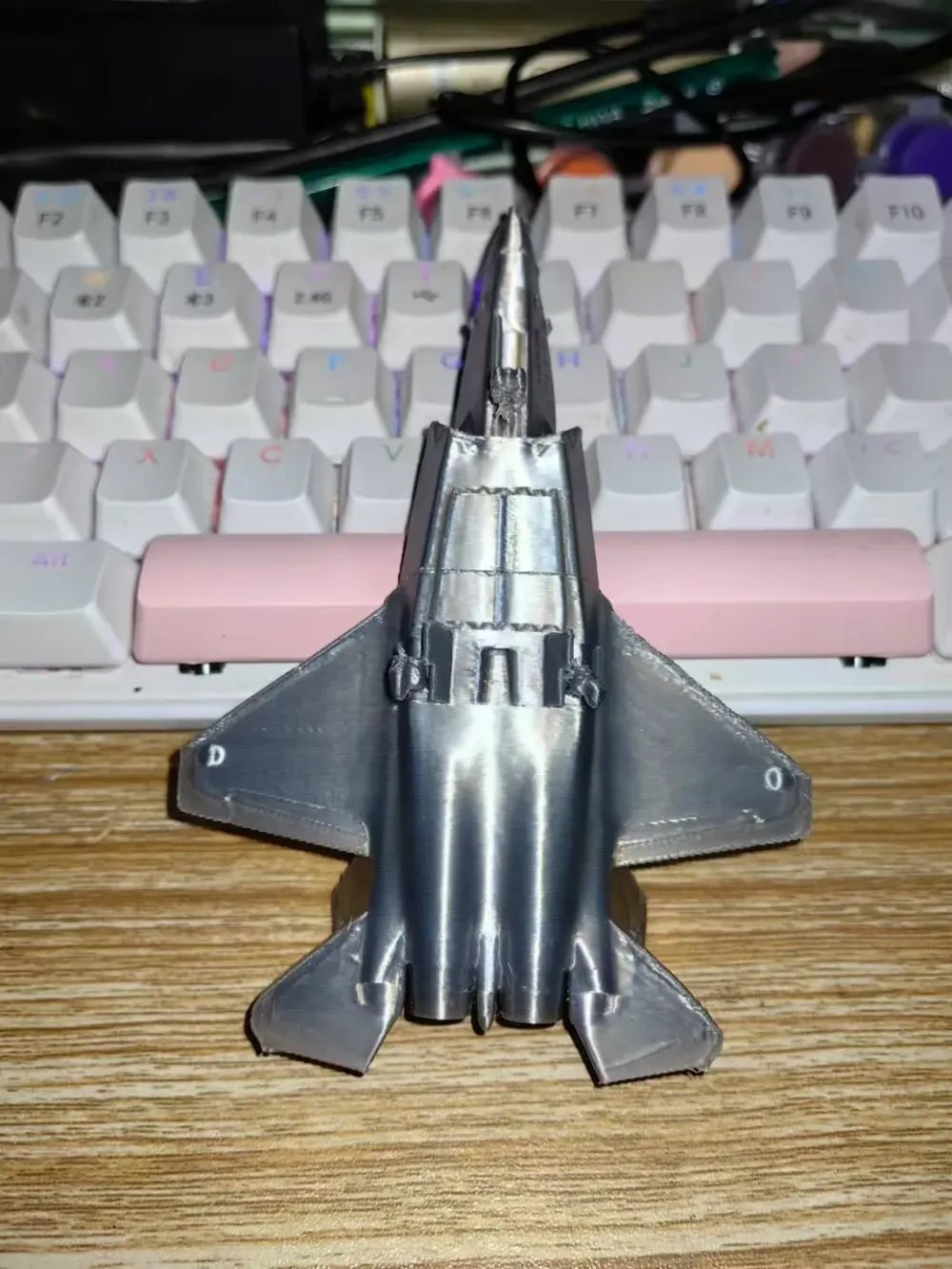
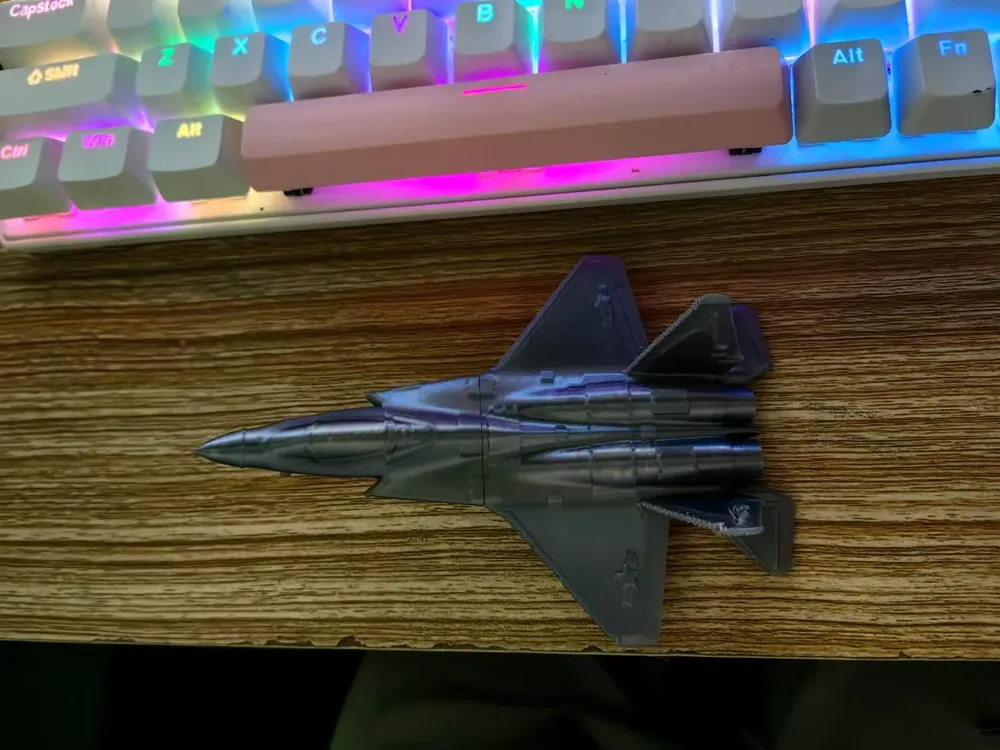
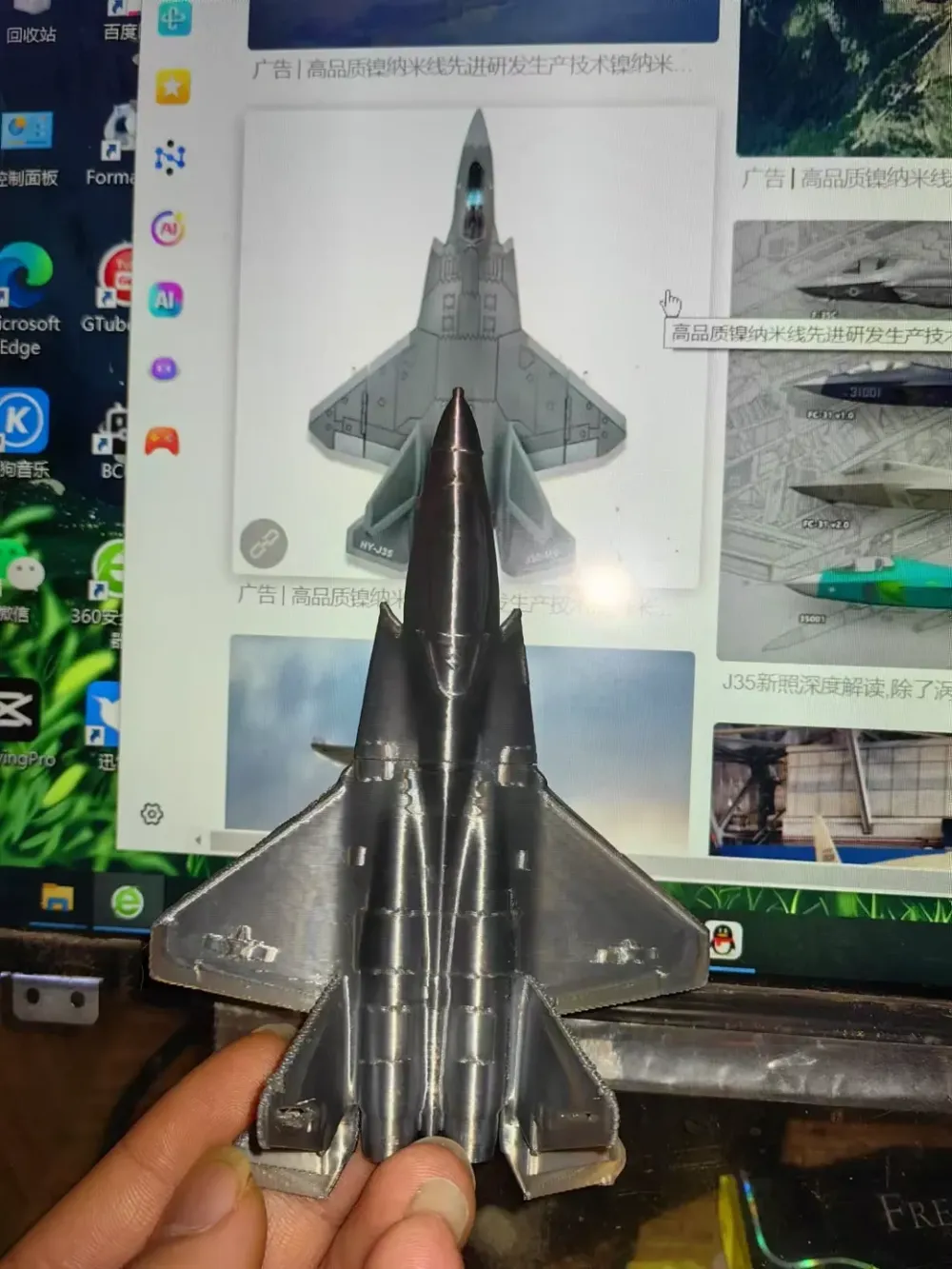
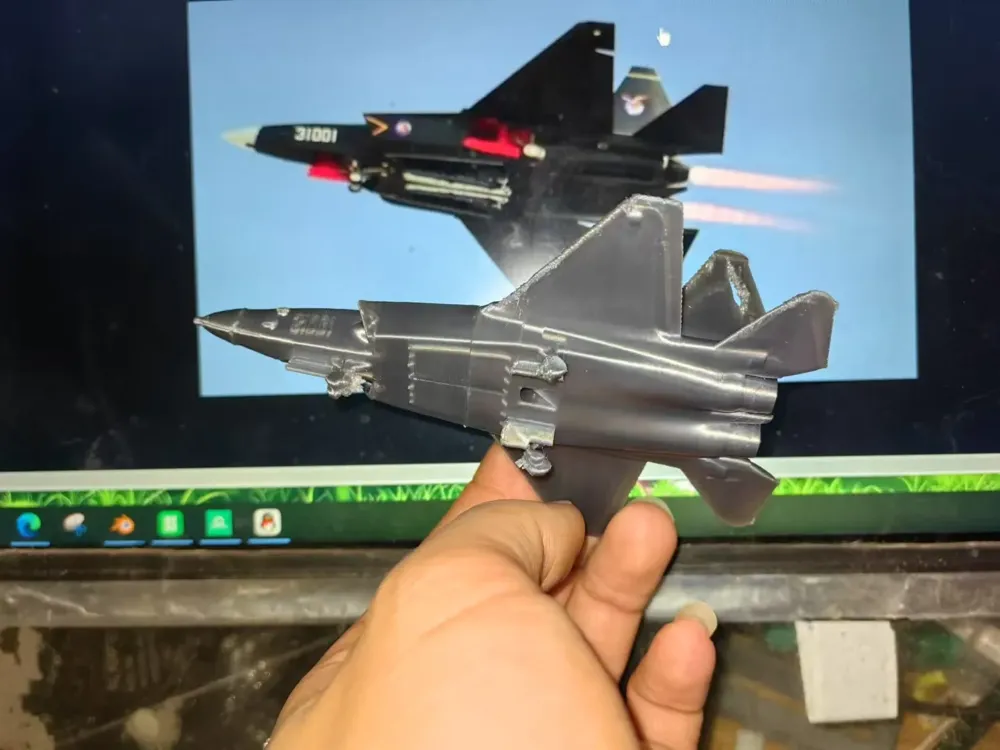
Print Profile(1)
Description
Configured for both Print-in-Place and separate printing, separate printing is recommended; fewer supports result in faster printing but require glue
Among the models officially showcased, the J-35A was prominently featured, belonging to the People's Liberation Army Air Force, and scheduled for a dynamic flight demonstration. This revelation is significant; it signifies that Shenyang's FC-31 'Gyrfalcon' has officially 'graduated', receiving the J-35A designation. A fighter jet must be in service with the PLA to receive a designation beginning with 'J', unlike the 'Fierce Dragon' fighter; although Chinese-developed, it is not in PLA service, hence its designation as FC-1 'Fierce Dragon' in China and JF-17 'Thunder' in Pakistan.
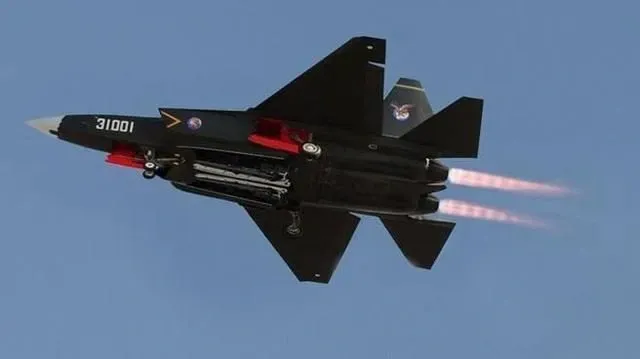
Previously known as the FC-31, commonly called 'Lucky 31', and later unofficially as the J-31 (a designation never officially acknowledged), the FC-31 has finally been officially designated the J-35, marking the Shenyang-developed fifth-generation fighter's official entry into service.
Furthermore, the FC-31 'Gyrfalcon' is not only in service but also exists in four variants: the J-35A for the Air Force, a carrier-borne J-35 with folding wings and reinforced landing gear. With the imminent launch of the Type 076 amphibious assault ship, a short-takeoff-and-landing J-35 is likely under development. Additionally, a dedicated export variant of the J-35 is also in development; the Pakistani military has announced its intention to evaluate the J-35.
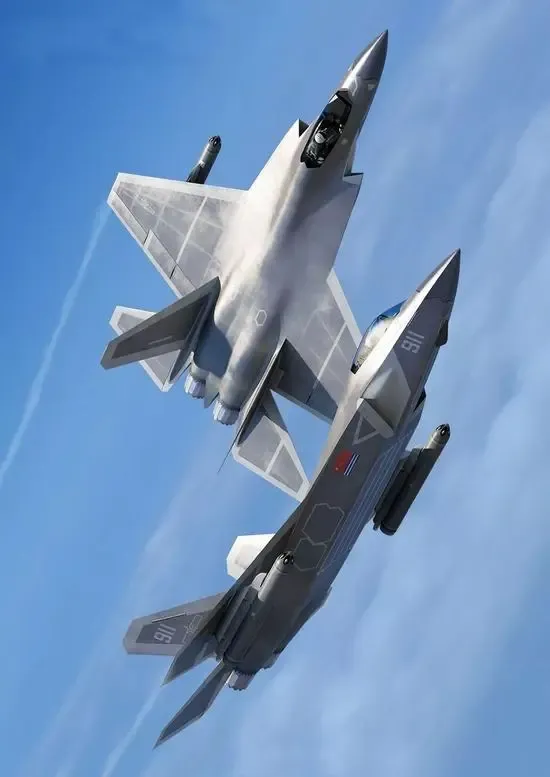
China will become the second country globally, after the United States, to simultaneously operate two stealth fighter jets, underscoring China's formidable aviation capabilities. The journey from FC-31 to J-35 has been challenging for Shenyang. After losing the heavy fifth-generation fighter bid to Chengdu, Shenyang did not give up; instead, it crowdfunded the FC-31 project, initially intended for export. Due to limited funding, the project progressed slowly; its first flight was only a year later than the J-20, but the J-20 entered service in 2017, while the FC-31 only gained official military acceptance in 2024.
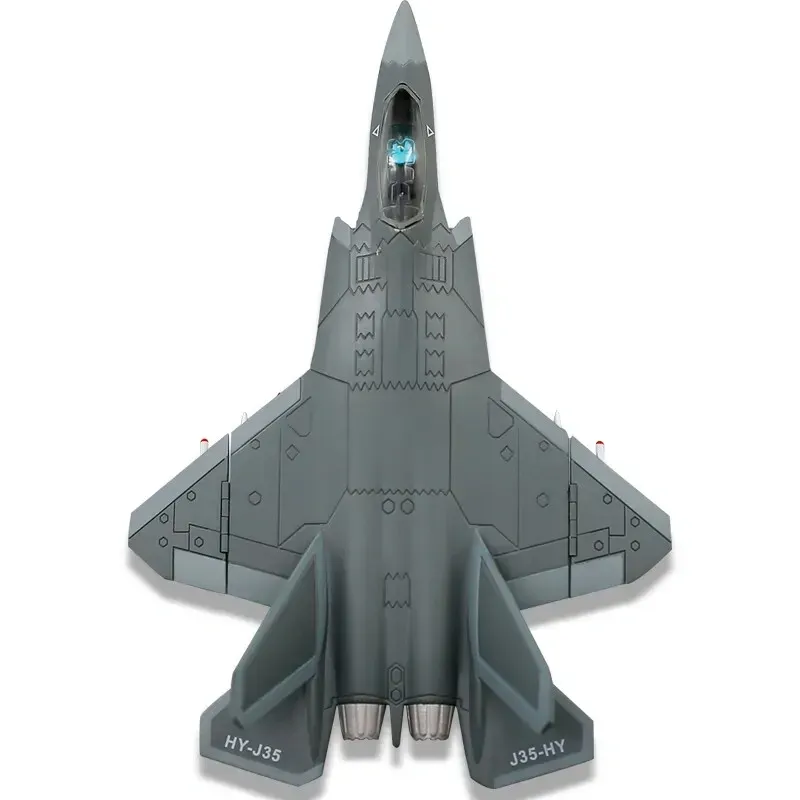
In terms of technical capabilities, the J-35, with its conventional aerodynamic layout, lacks the supersonic performance and range of the J-20. However, the J-35 benefits from a later development, possessing advantages in stealth and low-subsonic performance. While the J-20 boasts impressive capabilities, it is more expensive and its performance leans toward supersonic flight, potentially limiting its effectiveness in low-altitude, subsonic ground attack missions. The J-35, with its carrier-borne origins, demonstrates superior low-speed maneuverability, making it more suitable as a multi-role fighter. In the future, the J-35 and J-20 will not be a 'high-low mix' but rather a 'complementary pairing', each excelling in its respective domain.
License

You shall not share, sub-license, sell, rent, host, transfer, or distribute in any way the digital or 3D printed versions of this object, nor any other derivative work of this object in its digital or physical format (including - but not limited to - remixes of this object, and hosting on other digital platforms). The objects may not be used without permission in any way whatsoever in which you charge money, or collect fees.


Comment & Rating (0)