
Busch-Jaeger Reflex Supportless plates: 1-2-3-way
Print Profile(2)

![[0.4mm nozzle] - 0.2mm layer - 4 walls - 15% infill](https://makerworld.bblmw.com/makerworld/model/US1eb6e92c1a62e/257557522/instance/2025-03-22_97fcde4c2fa81.webp?x-oss-process=image%2Fresize%2Cw_100%2Fformat%2Cwebp)
Description
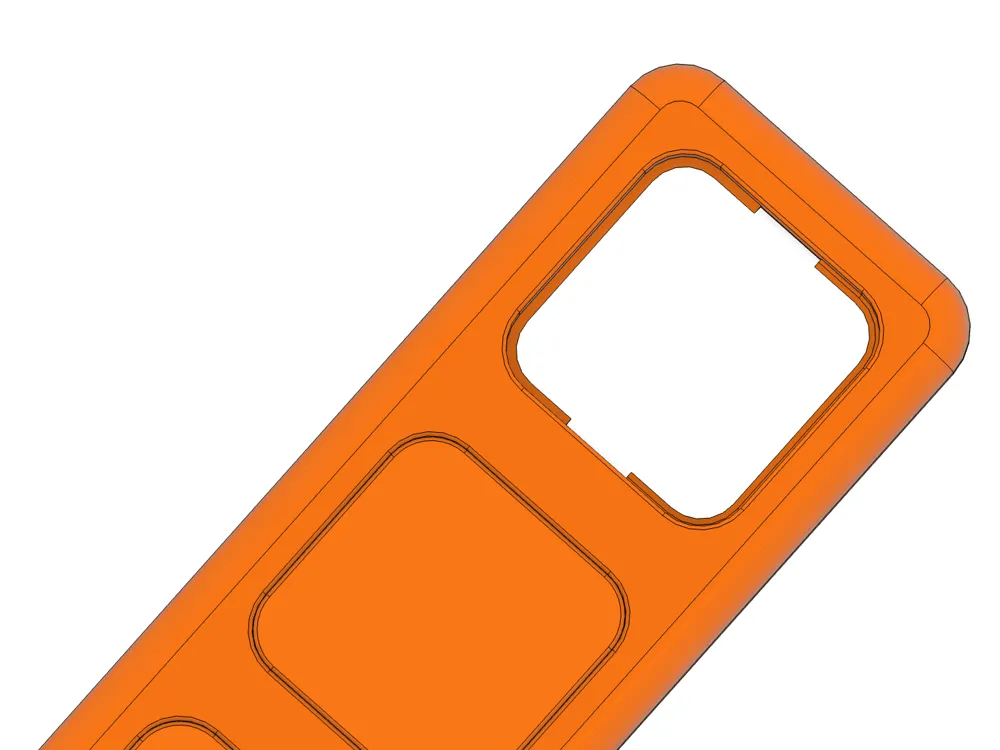
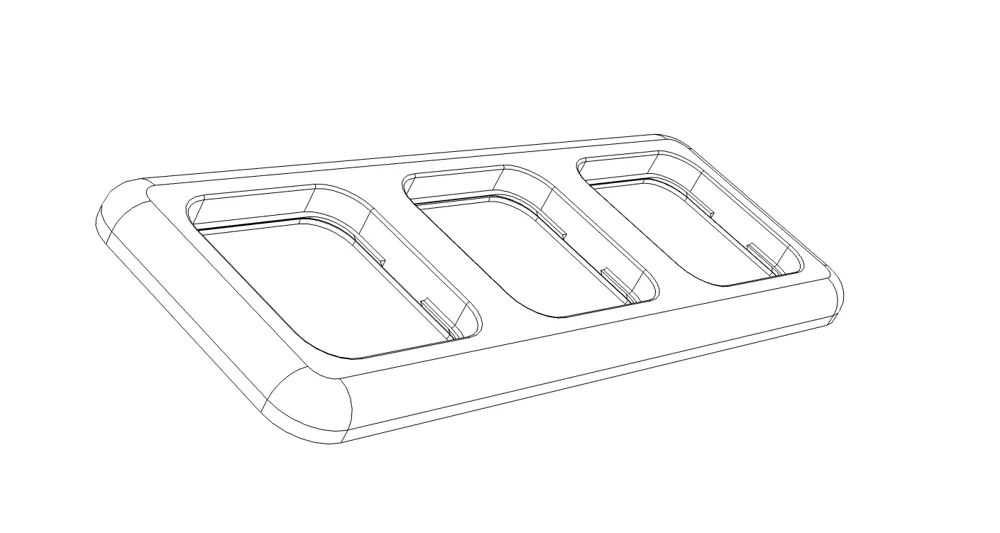
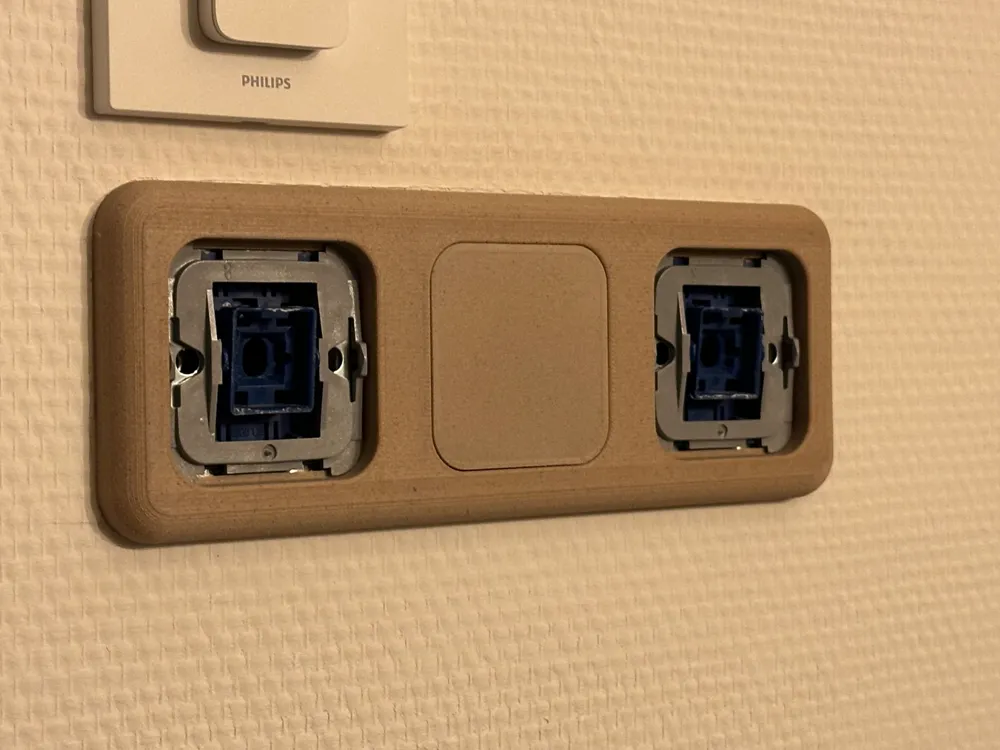
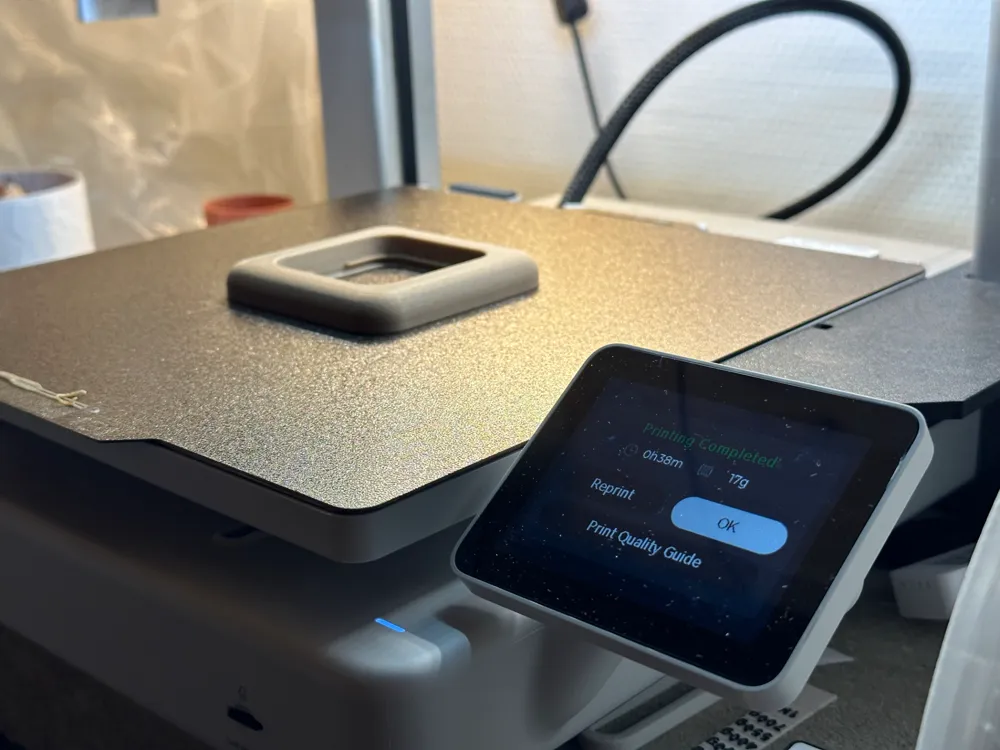
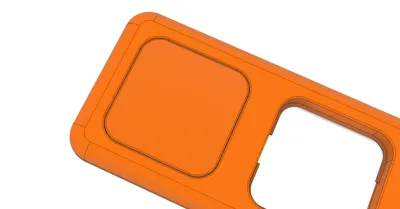
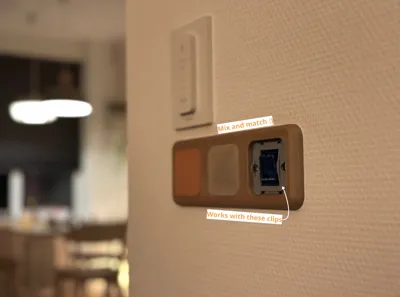
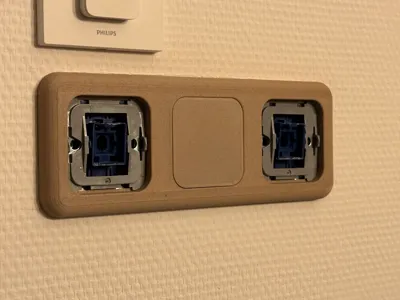
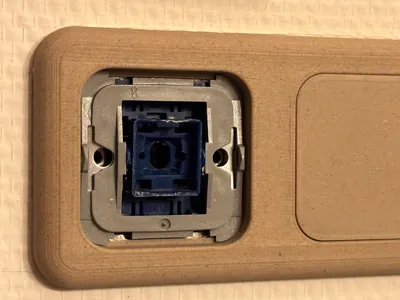
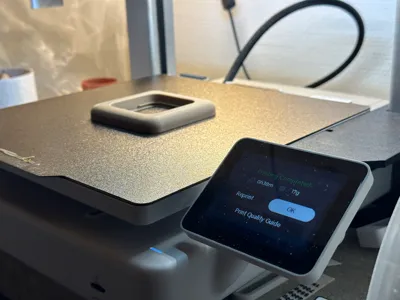
I recently worked on something that I’m really happy with and would love to share: a set of 3D-printable cover plates for Busch Jaeger Reflex switches. My goal was to create an efficient, supportless design that’s easy to print, looks great, and solves a few challenges I came across with other models.
Why I Made This
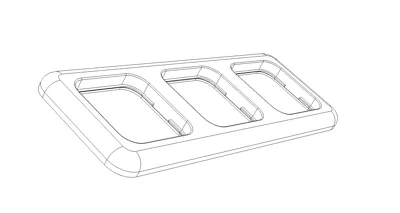
At home, we have a lot of smart lights that I don’t want to accidentally power off. While searching for existing cover plate models, I noticed that none fit perfectly, especially for a 3-way switch. Many designs also required supports, which felt like an unnecessary use of material. So, I decided to create my own models for 1-way, 2-way, and 3-way switches.
Key Features
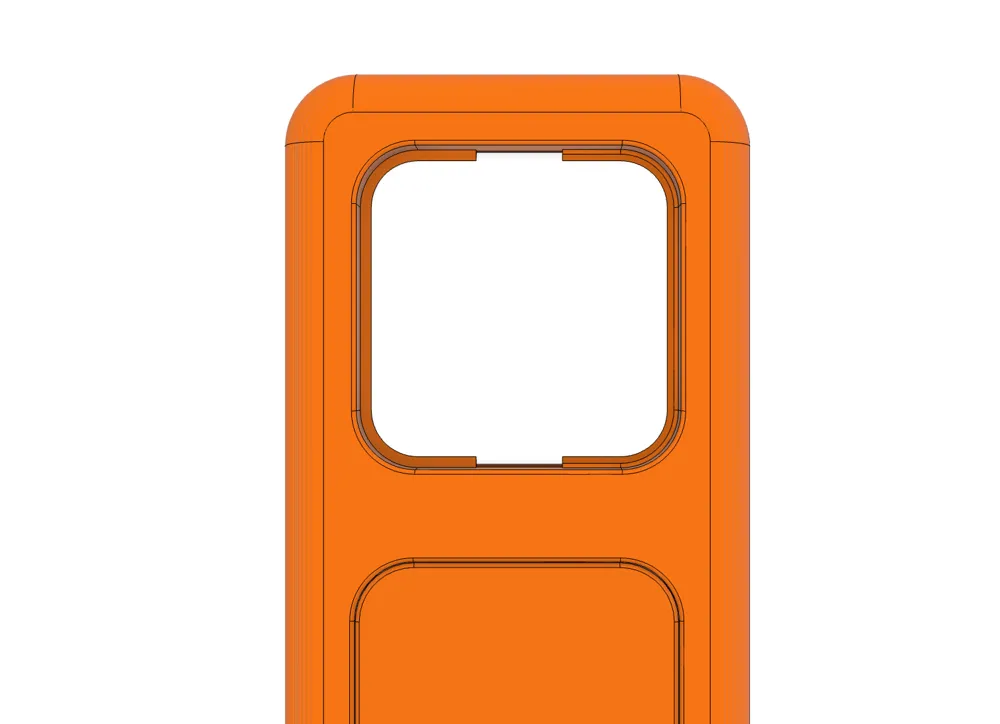
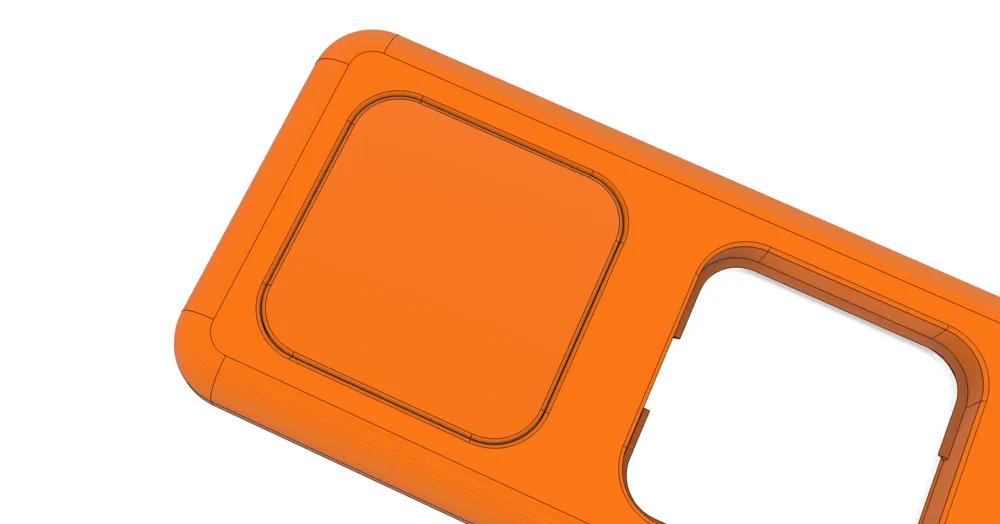
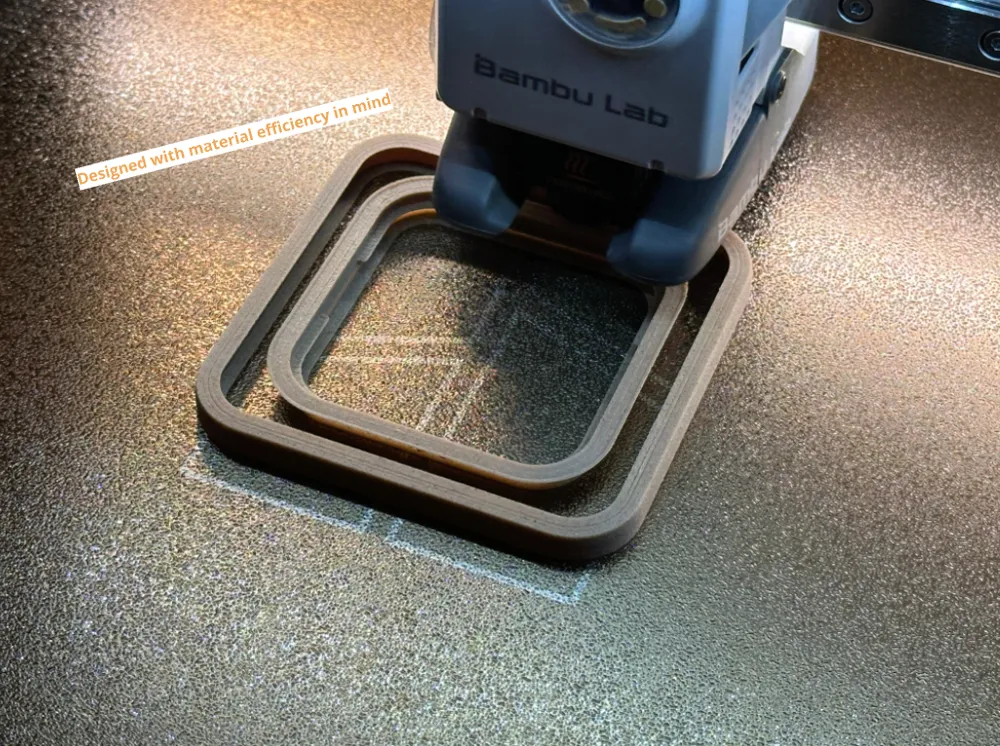
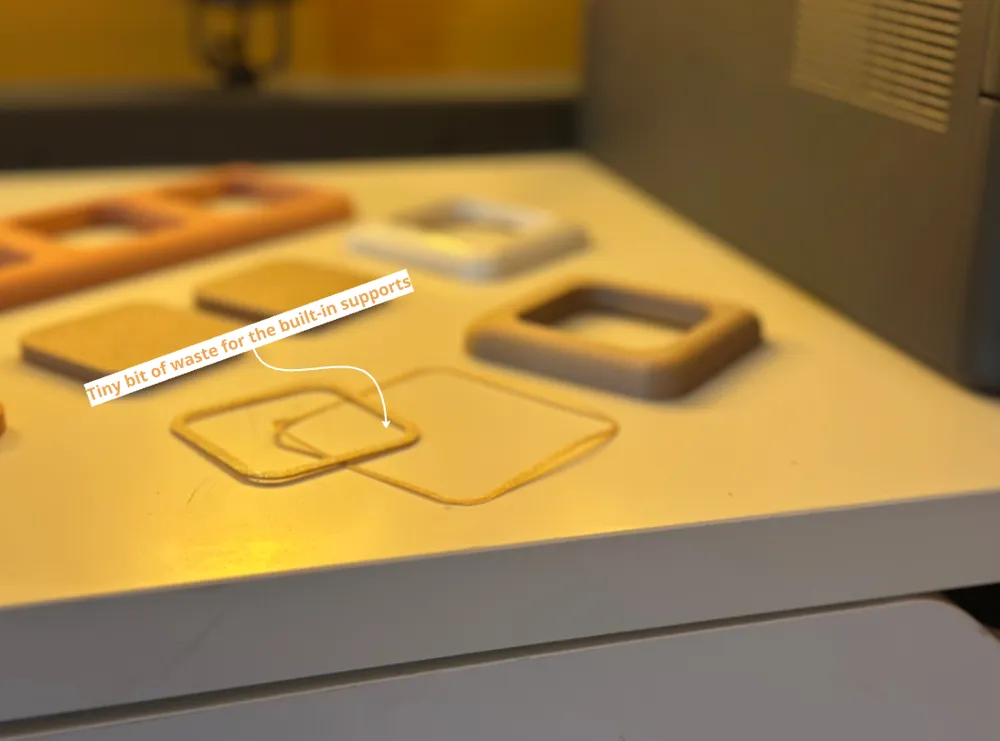
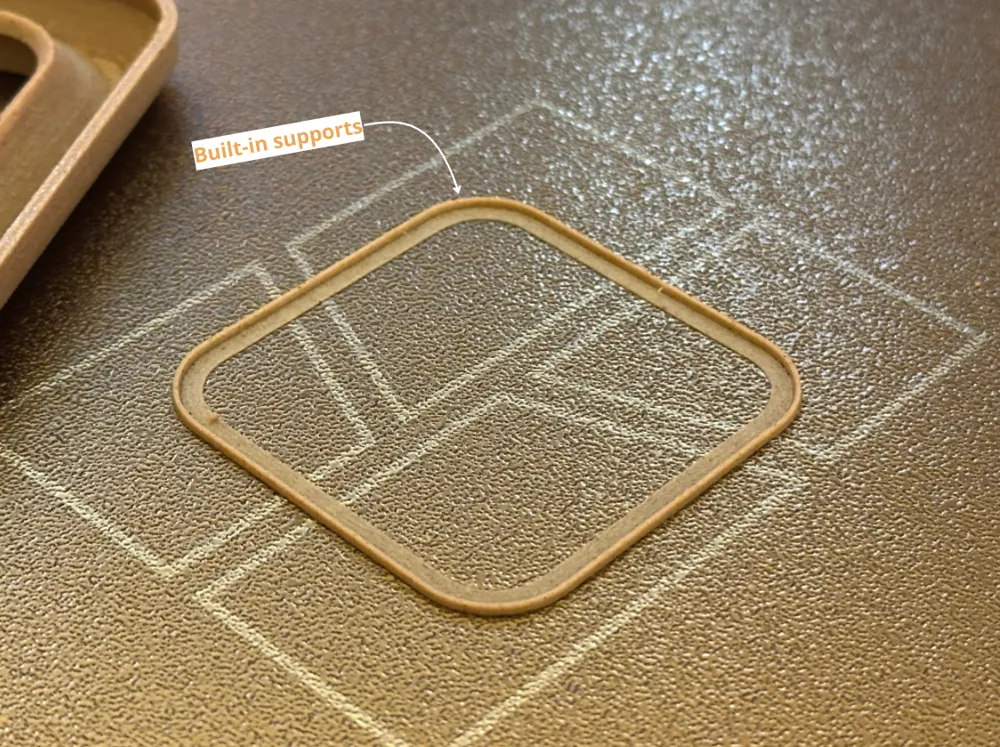
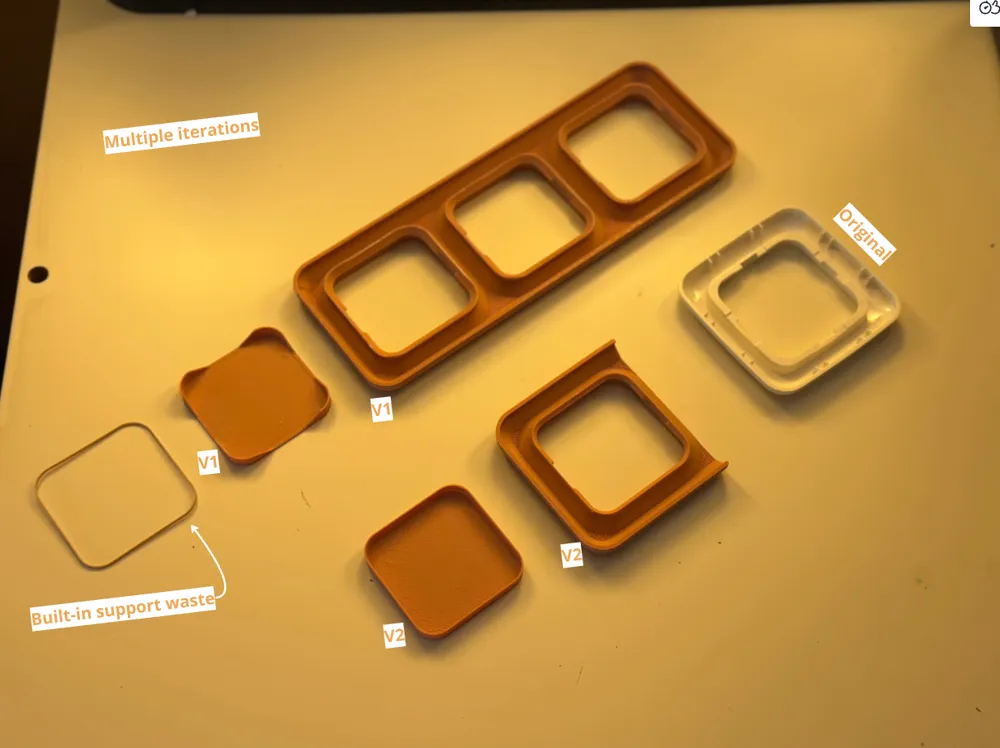
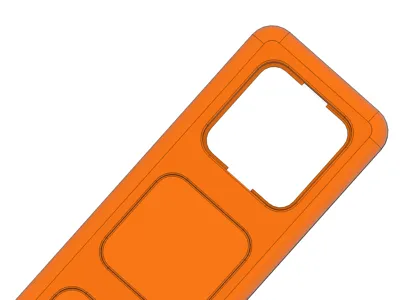
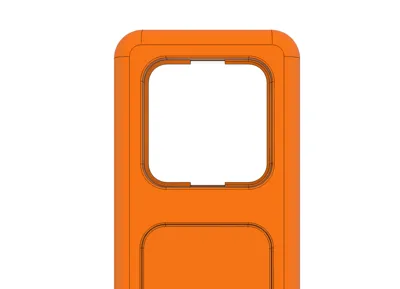
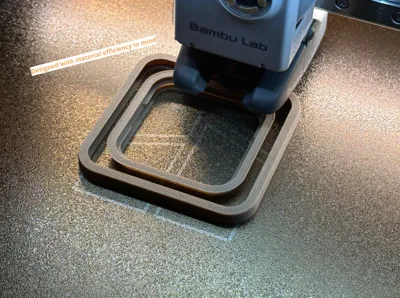
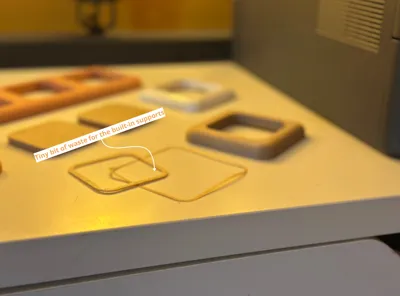
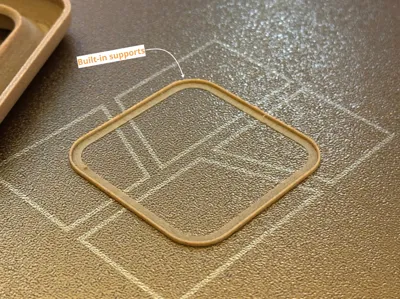
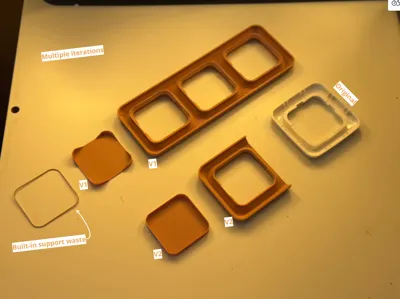
• Supportless Design: Each model includes tiny, built-in supports that are easy to remove with less than a gram of waste. This keeps the print material-efficient while maintaining quality.
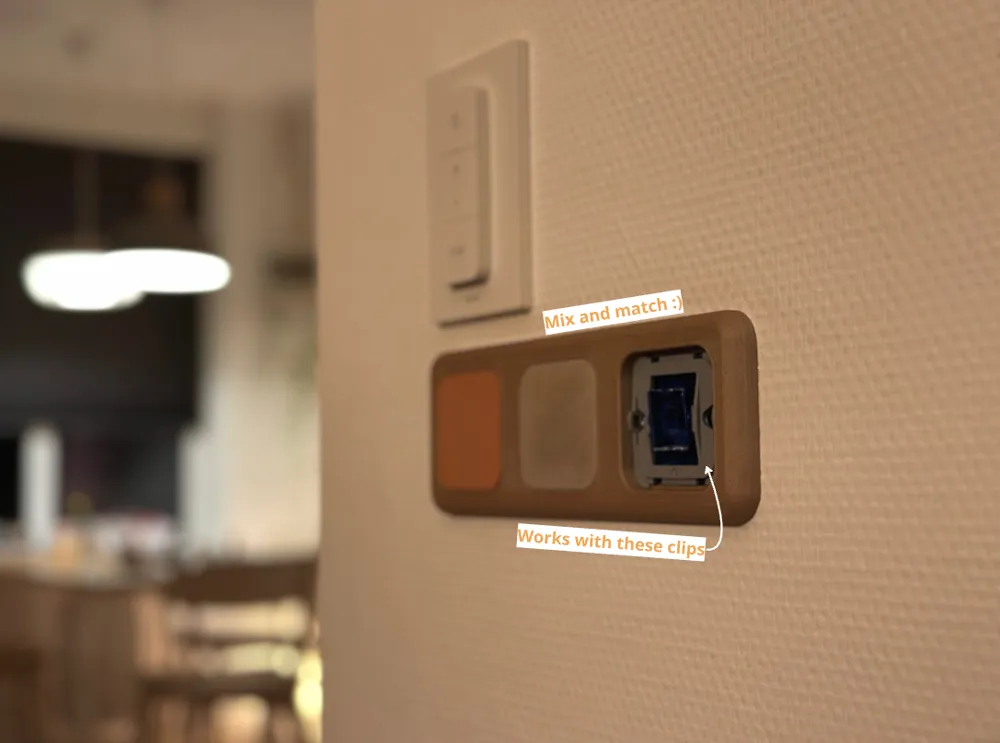
• Multi-Switch Compatibility: Designed specifically for 1-way, 2-way, and 3-way switches.
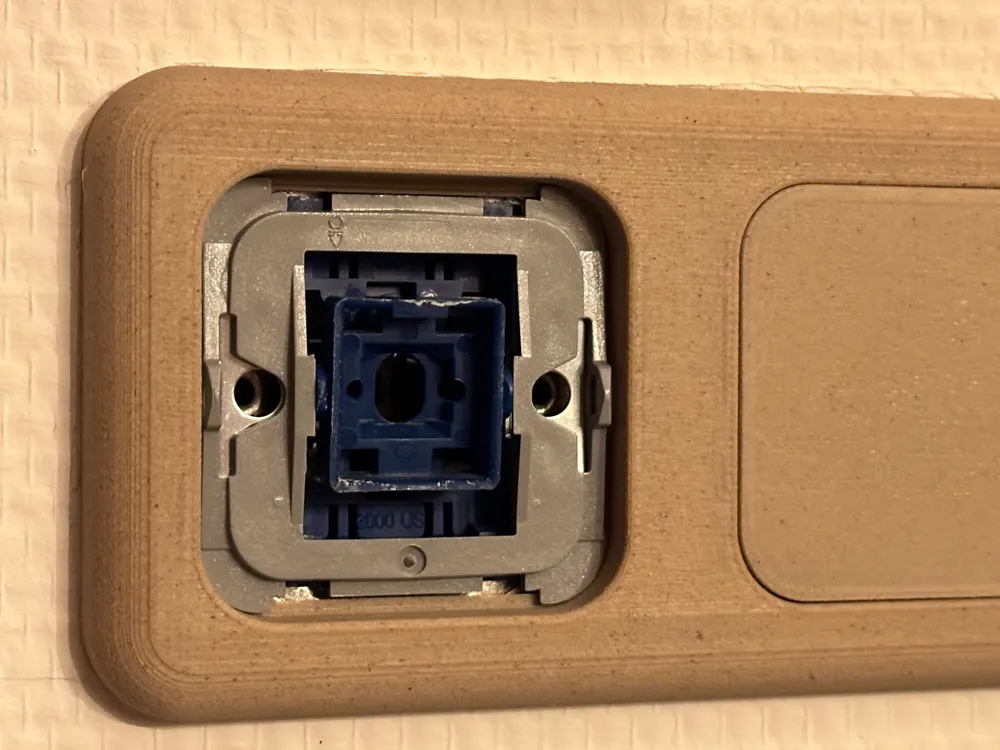
• Lightweight & Press-Fit: These plates fit snugly using the metal clips that come with the Busch Jaeger Reflex switches—no extra fasteners needed.
• Material Optimized: Created for 0.6mm nozzles and prints beautifully in Wood PLA.
• Quick Print Time: Approximately 35 minutes for the 1-way switch and just over an hour for the 3-way switch.
Printing Tips
• Printer: I used a 0.6mm nozzle on my Bambulab A1
• Materials: Wood PLA works wonderfully if you like a natural look. - Included file is set to Bambulab PLA
• Files: Includes STL files, printer profiles, and a Fusion 360 file for those who want to customize or improve the design. (The Fusion 360 file is a bit messy—good luck!)
Design Improvements
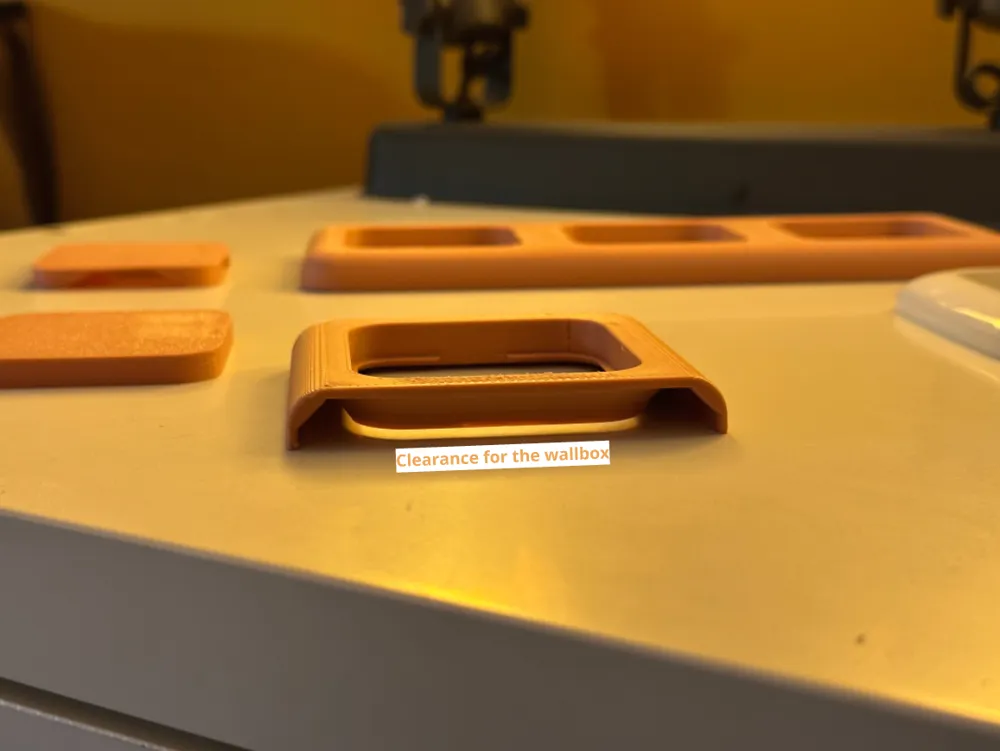
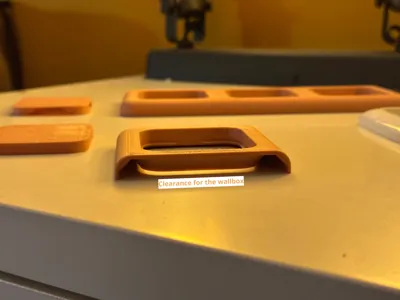
The initial version didn’t account for wall protrusions, so I updated the design to include a small clearance for the metal sockets that stick out about a millimeter. This ensures a better fit while avoiding floating gaps, supported by the tiny, built-in supports.
Why I’m Sharing This
This isn’t about claiming it’s the best solution—it’s just something that I enjoyed creating and wanted to share. It’s a design that’s efficient, functional, and aesthetically pleasing (especially in Wood PLA), and I hope it can be useful or inspiring to others.
Feel free to download the files and make it your own. I’d love to hear your thoughts and see what you come up with!
Boost Me (for free)
I hope this design helps you out! If it does, a free boost would be an awesome way to show support—thanks for considering it!
License



Comment & Rating (29)