
Artillery Air Launcher

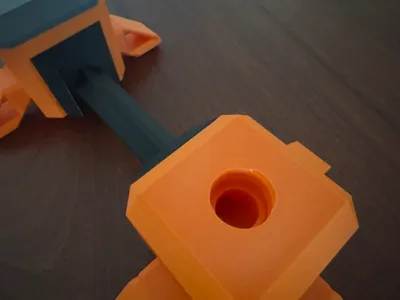
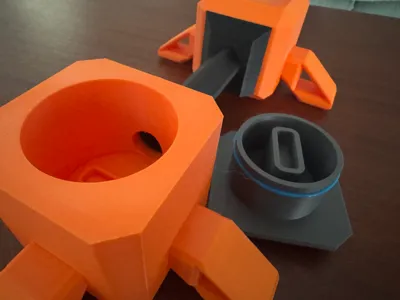
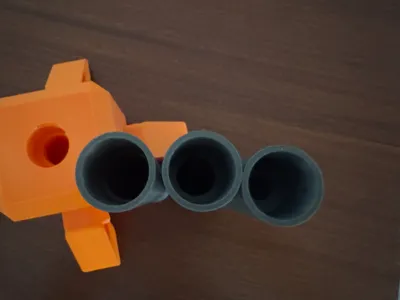
Print Profile(1)

Description
Please read the whole description before printing!!!
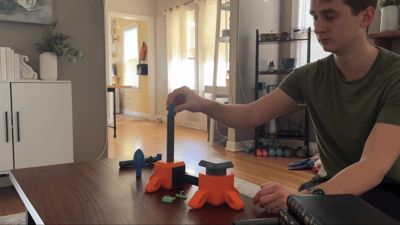
Youtube link to see the launcher in action
https://www.youtube.com/shorts/c7cHWIaozd4
Brief overview:
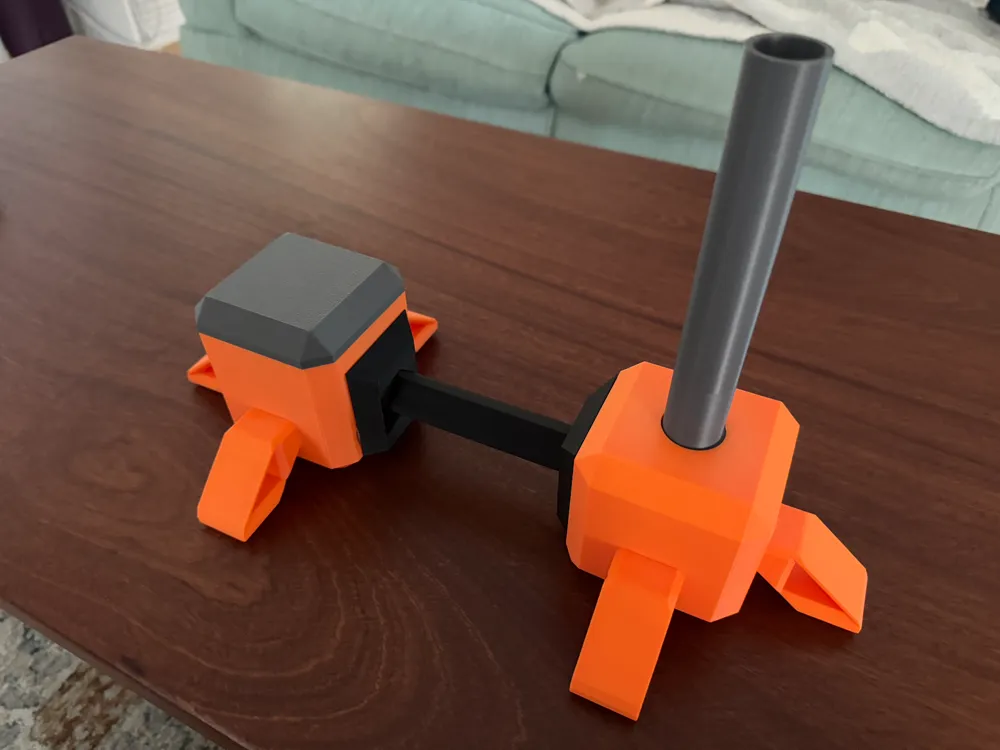

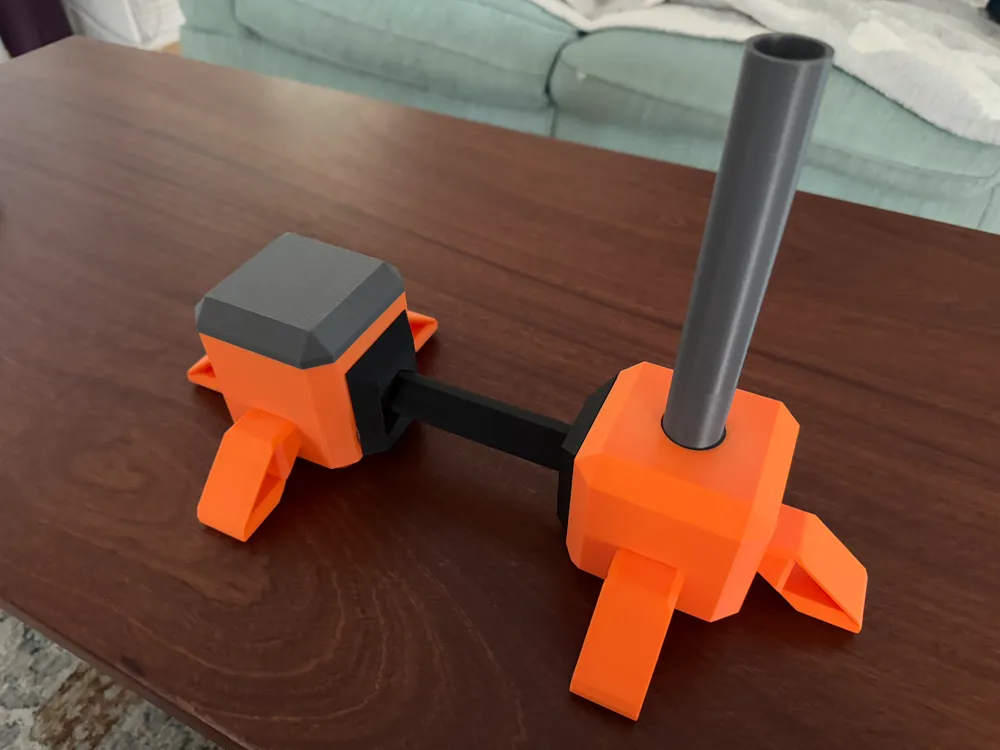
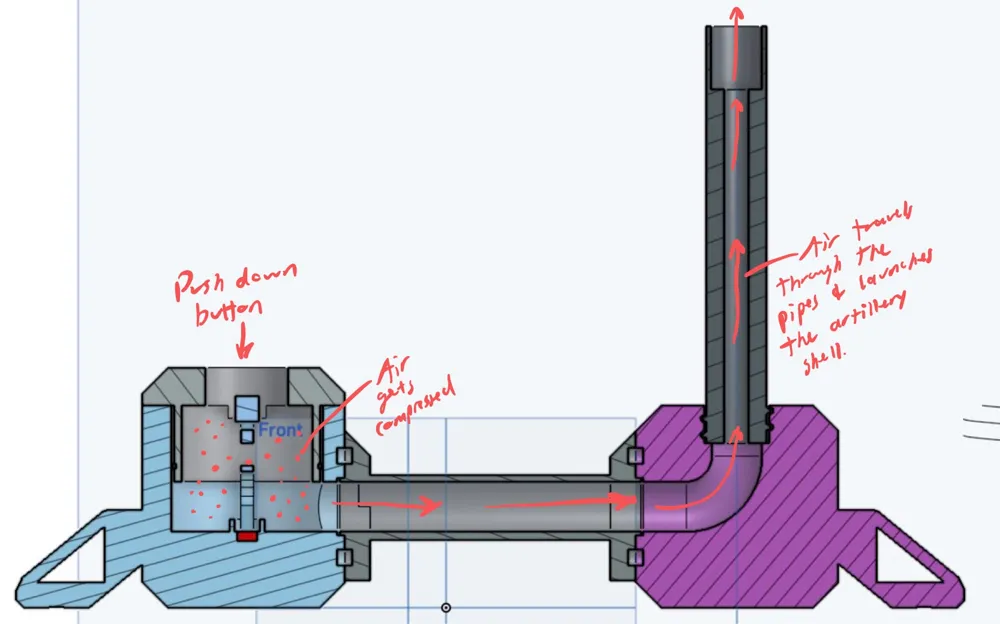
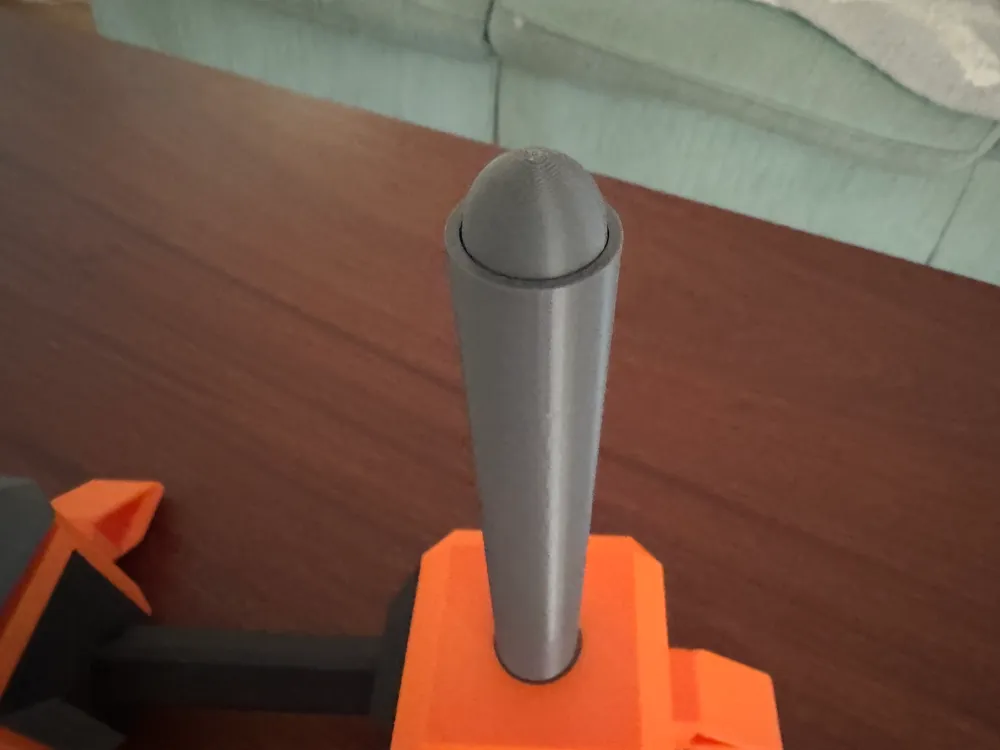
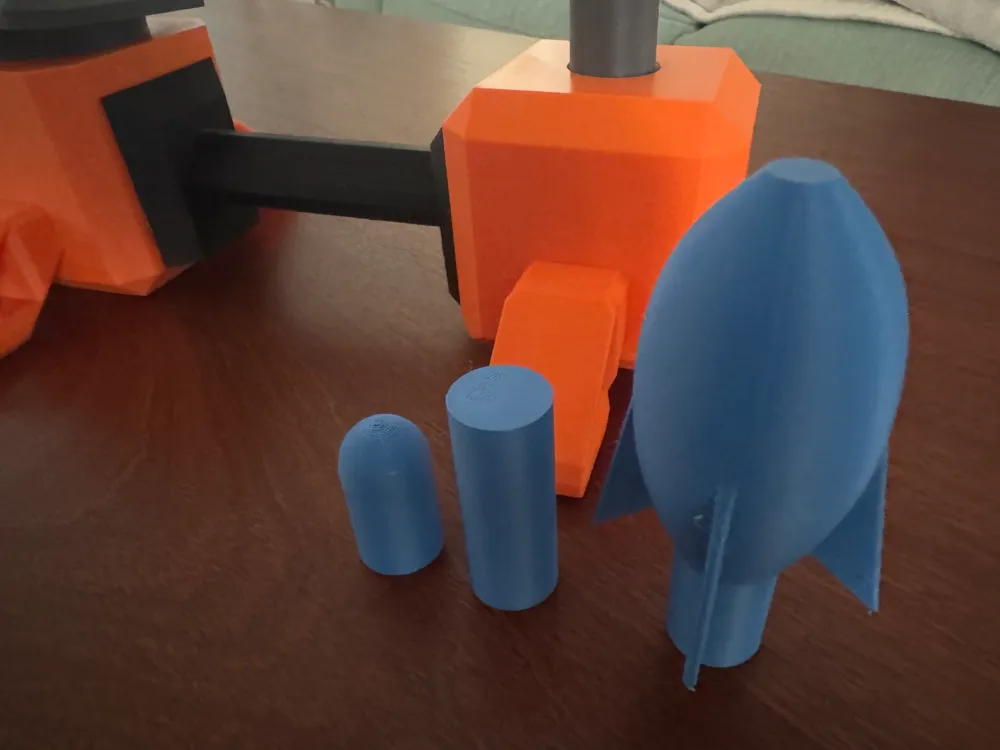
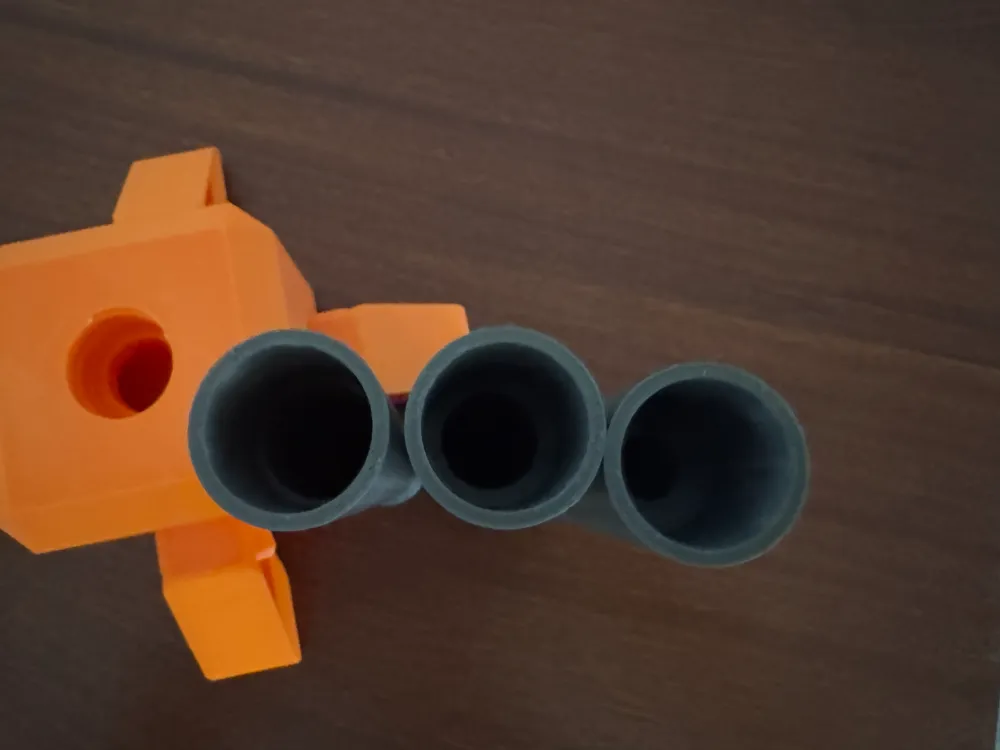
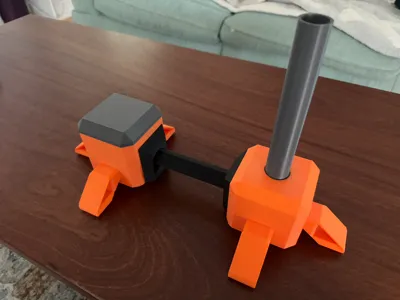
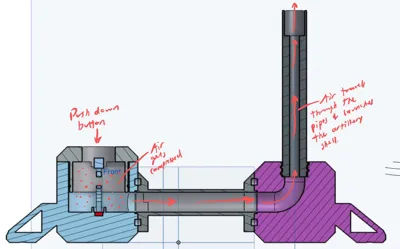
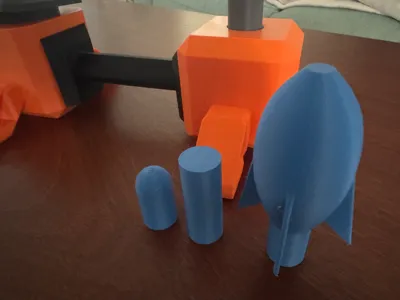
I love physics, and so I wanted to create a fun physics toy that demonstrates some cool physics principle. So I made this cool air powered artillery launcher. When you press down on the button rapidly, it will compress air in the chamber and shoot the projectile on the other end straight up. What is fun is that there are multiple barrels that you can swap out, having different internal diameters. I also made 3 diferent projectiles, each weighing a different amount. So this allows you to have some variables to play with, experimenting to see which combination gives you the highest launch. In my experimenting, I got the smallest projectile to go 6-7 feet straight up in the air. This is perfect for indoor use, not being too powerful to do any damage on the ceiling.
Printing and assembling:
PLEASE NOTE, you will need to be able to print PLA or PETG for the majority of the print, but you will also need TPU for the seal that is on the push button.
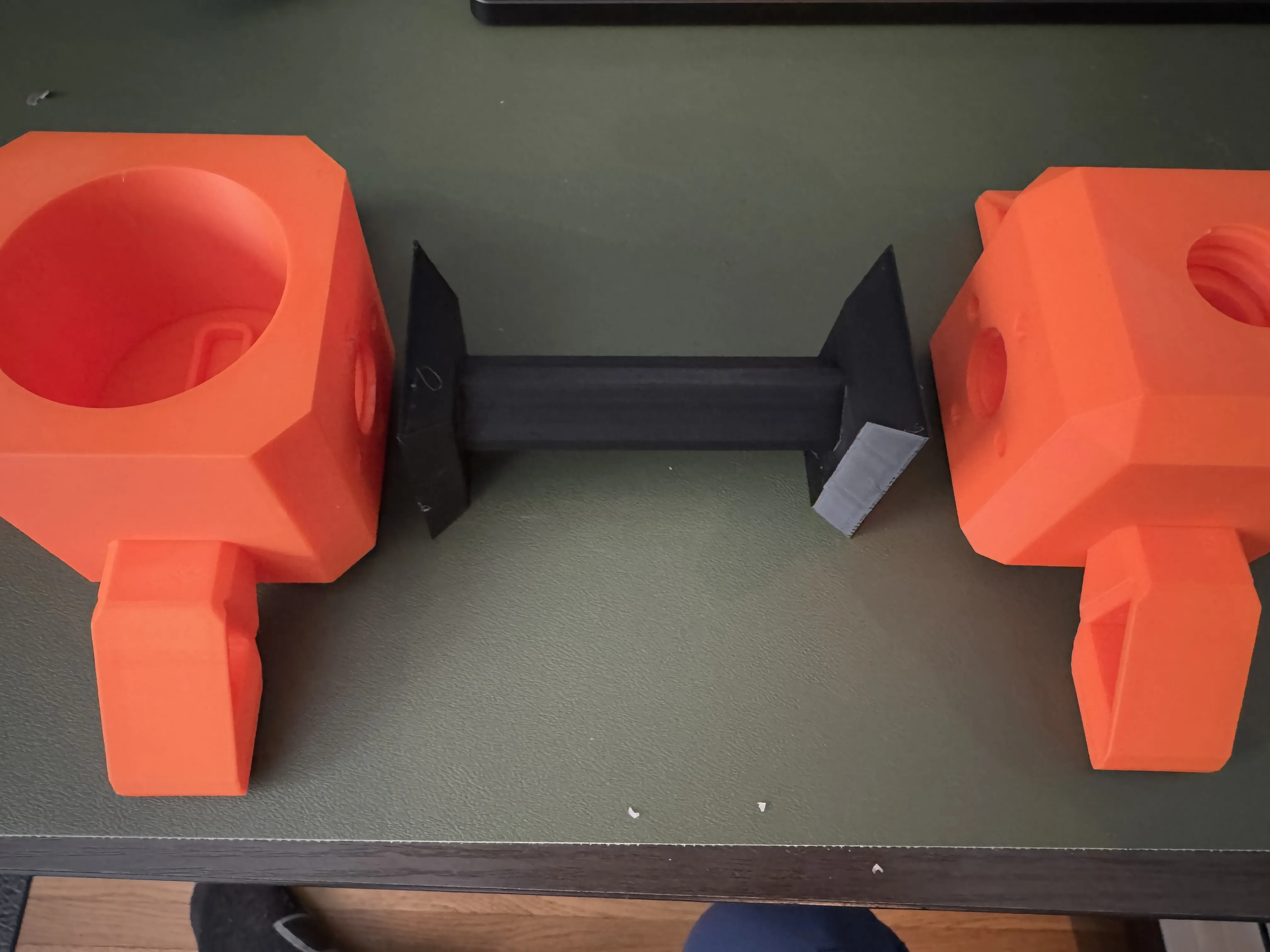
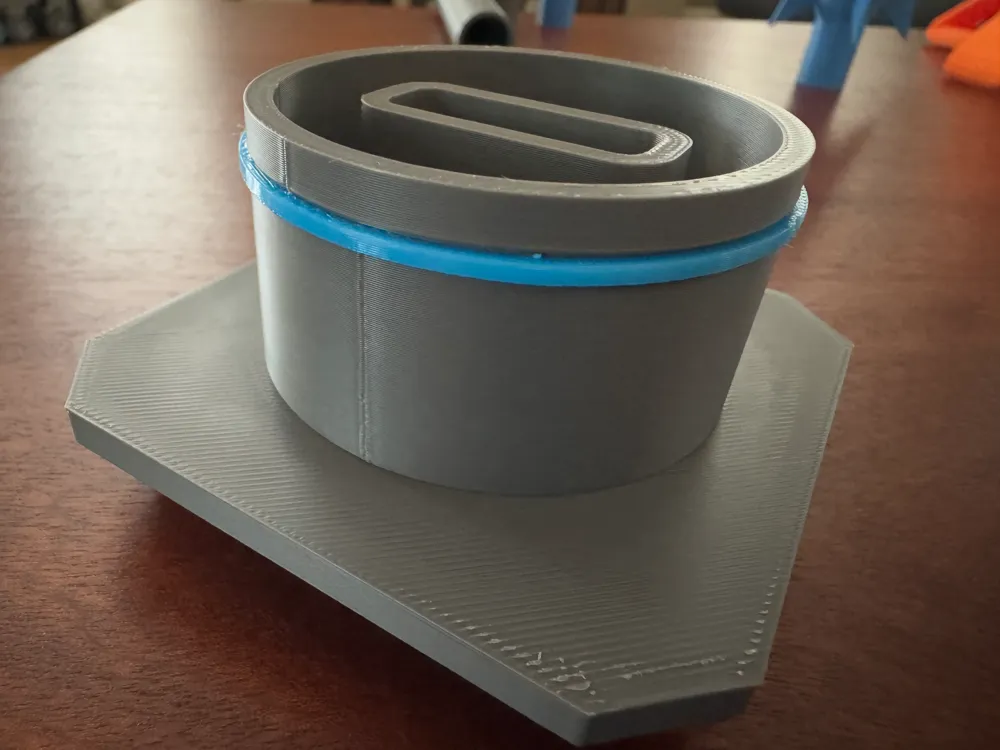
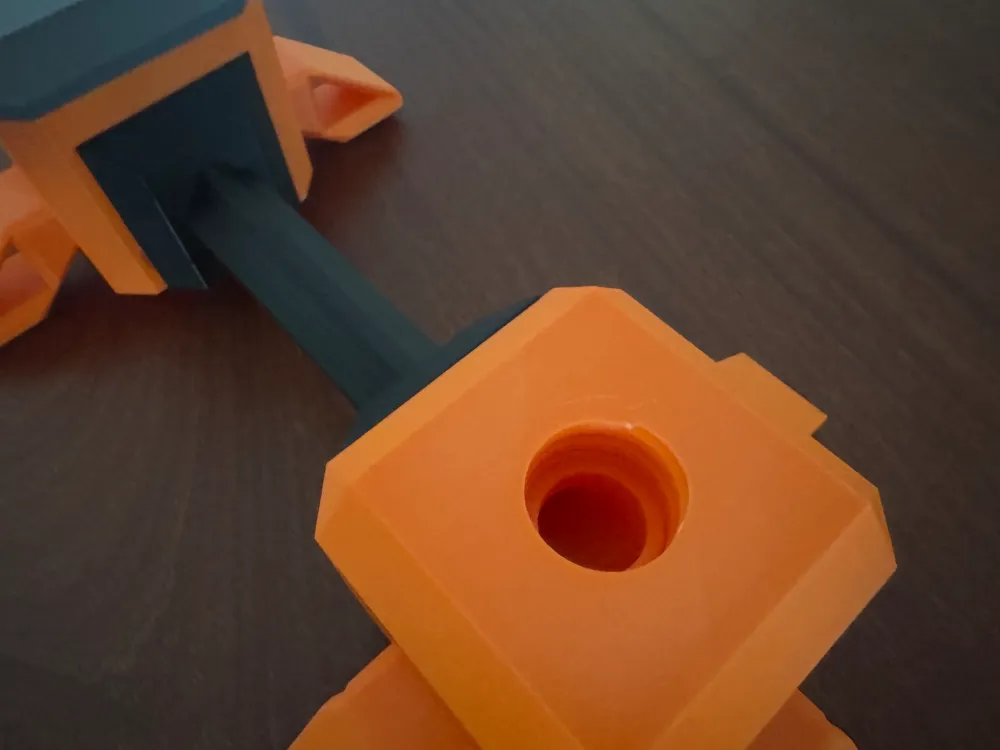
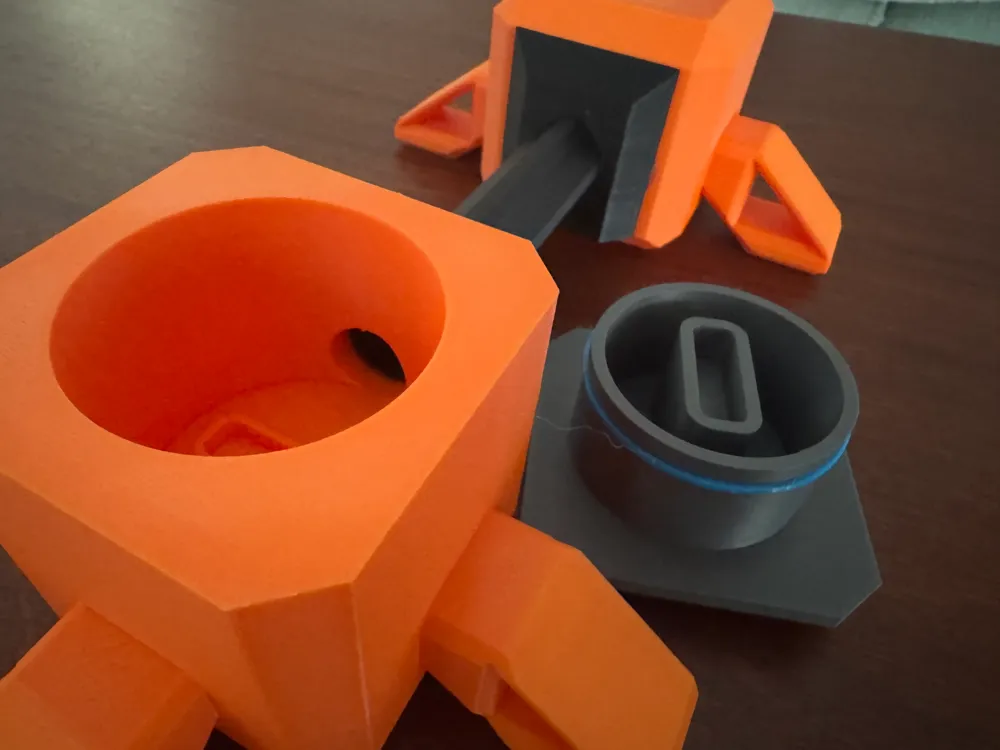
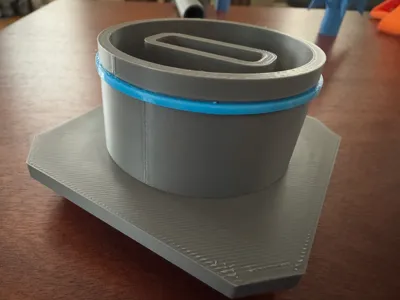
When you print, there will be 2 main bases and 1 tube connector. The tube connector should press fit in with the 2 bases. Make sure it all fits together, and then you will need to glue the each base to a end of the tube connector respectively. I used hot glue since it is easy to work with, but you can use what ever is your favorite.
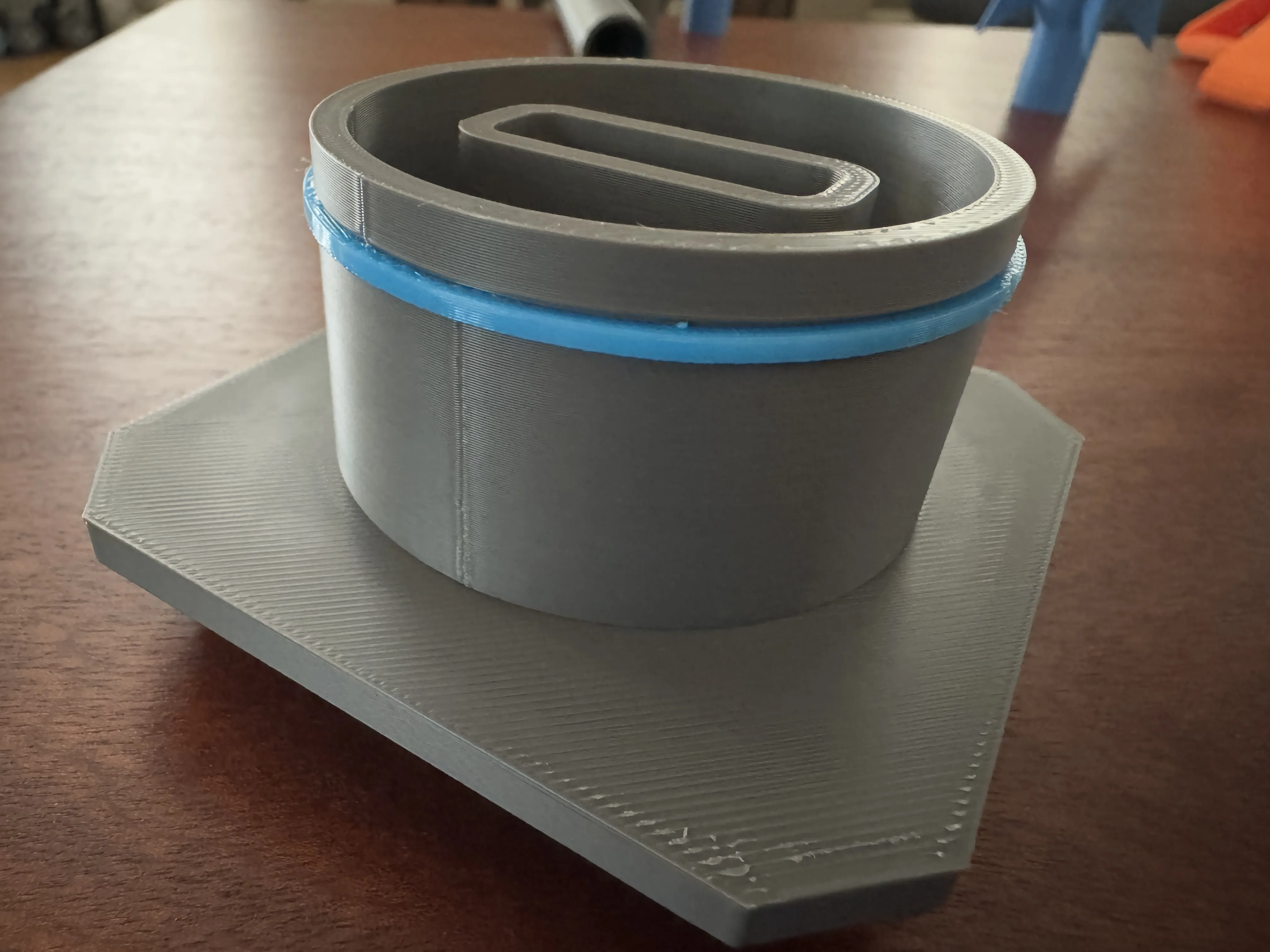
You will also need to fit the TPU seal on to the launch button. I found that it is a perfect friction fit and does not need any glue.
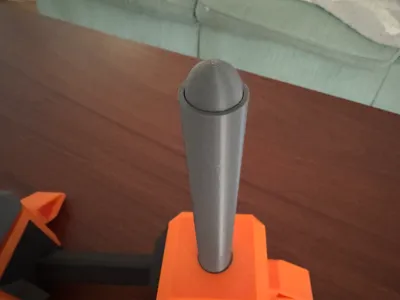
Next screw in one of the 3 barrels, and you can optionally use the spring if you want.
---NOTE: if you use the spring, I recommend to put a dap of glue in the launch button where the spring fit. This will make it a ton easier to insert and remove the launch button. If you do not use glue here, everything will still work fine, it can just be a bit trick trying to line up the spring with the base and launch button at the same time.
---ALSO: if you use the spring, you need to print the spring out of PETG (its more flexible). You also will need to be a bit more gentle when pressing the launch button. If you smack the button with everything you got, you might end up breaking the spring (which is why I recommend printing a couple of springs)
---ONE MORE THING: you can get by just fine without the spring. I found that with the TPU seal, it provides enough friction that you can manually set the button up, smack it to launch the artillery round, and the manually pull the button back up to reset and launch again.
The Physics of the Air-Powered Artillery Launcher
This toy operates based on principles of air compression, pressure, and projectile motion, making it a fun and engaging way to explore fundamental physics concepts.
1. Air Compression
When the button is pressed, it forces air into a confined chamber, reducing its volume and increasing the pressure inside the chamber. According to Boyle's Law, for a fixed amount of gas at a constant temperature, the pressure and volume of the gas are inversely proportional:
P1V1=P2V2
Here, P1 and V1 are the initial pressure and volume of the air, while P2 and V2 are the pressure and volume after compression. As the volume of the chamber decreases, the pressure of the air increases significantly.
2. Force and Acceleration
When the button is pressed, the compressed air find the path of least resistance, exerting a force on the plastic artillery shell. This force propels the shell out of the chamber. According to Newton's Second Law of Motion:
F=ma
The force (F) exerted by the compressed air accelerates the mass (m) of the artillery shell, giving it a high velocity.
3. Energy Transformation
- Potential Energy: The compressed air stores energy as potential energy.
- Kinetic Energy: When released, this energy transforms into the kinetic energy of the moving shell.
The total energy of the system (ignoring losses due to air resistance and friction) is conserved, as described by the Law of Conservation of Energy.
Why It’s Fun and Educational
This toy demonstrates real-world applications of physics principles like pressure, force, motion, and energy transformation. It’s an excellent tool for learning about how air compression can perform work and how forces influence motion, making science both interactive and engaging!
Boost Me (for free)
If you like this model, please give me a boost, I would really appreciate it. Thanks and have a great day!
License

You shall not share, sub-license, sell, rent, host, transfer, or distribute in any way the digital or 3D printed versions of this object, nor any other derivative work of this object in its digital or physical format (including - but not limited to - remixes of this object, and hosting on other digital platforms). The objects may not be used without permission in any way whatsoever in which you charge money, or collect fees.


Comment & Rating (2)