
Nozzle Wiper Mold for using Silicone Gasket Maker
Print Profile(1)

Description
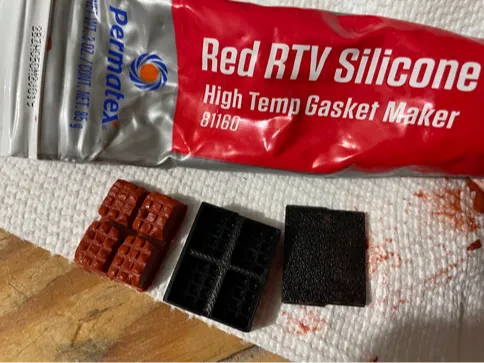
The remix designation refers to the idea for the model, not the actual printed parts, which are completely original. The purpose of the remix is to provide a method for creating a similar molded item as the original, but using silicone gasket making compound instead of a more expensive, less durable, and less user friendly type of moldable substance.
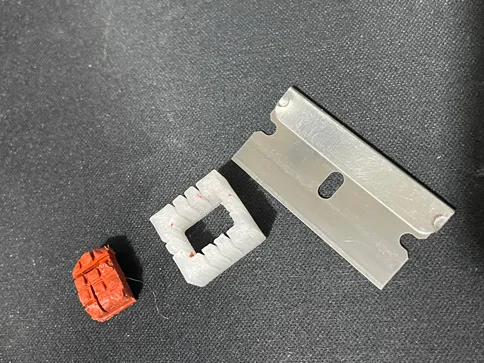
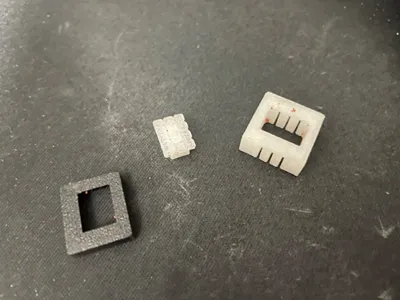
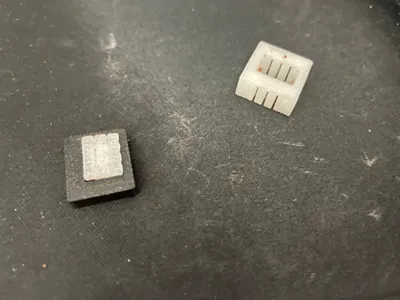
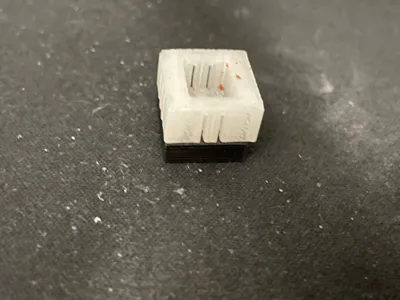
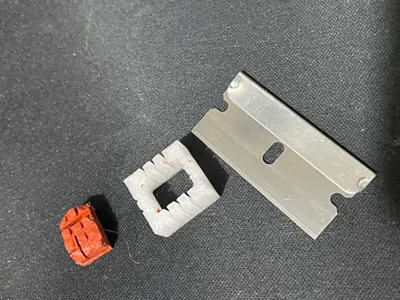
Don't worry about perfectly injecting the mold, because the following instructions will make it pretty easy. You'll be using the Single Mold and Cutting Guide to create the 12 fingers by running a razor blade through the cutting guide slots. The target for this configuration is the Deluxe Nozzle Wiper for X1C and P1P/S. The material for the print profile is PLA for mold parts only. I used nylon parts to make demolding easier. If you prefer, you may use PETG or even PLA, but I prefer nylon for the Mold and Cutting Guide and the Mold Push Form.
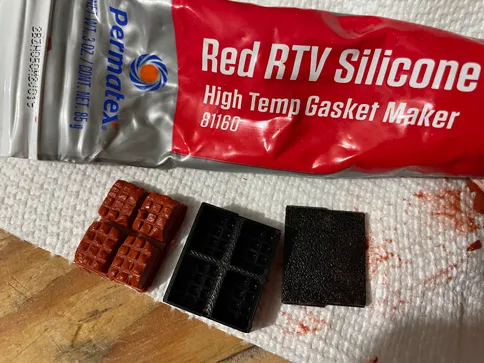
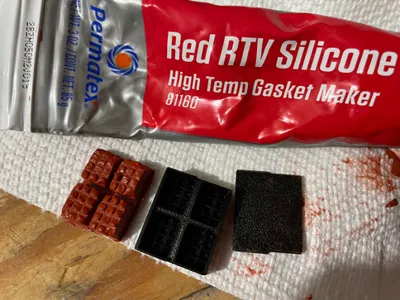
Be sure to let the gasket maker cure well. The method talks about that, but I would recommend up to 8 hours to ensure success. The 4-up mold is included for convenience if you become comfortable enough with the process to attempt creating more nozzle wipers at once. More information about a similar project for making printer nozzle socks is available here. The original nozzle sock mold pdf instructions are available here. The gasket maker silicone is commonly used for car repair, so it should be readily available where such supplies are sold. You'll also need a common degreasing dish washing liquid such as Dawn, and a fairly sharp utility razor blade.
Here are instructions for making the nozzle cleaner (wiper). The instructions are adapted from the files and instructions linked above:
You will need the following materials:
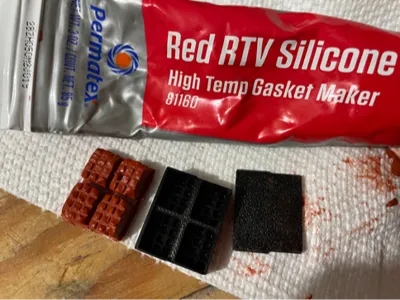
A. Permatex Red RTV Silicone Gasket Maker, or Permatex “Ultra Copper” Gasket Maker for maximum temperature tolerance.
B. Dishwashing soap – (Dawn brand is preferred)
C. Cold water
D. One container large enough to mix in.
E. Razor blade for cutting "fingers" into the nozzle wiper using the Single Mold and Cutting Guide
Perform the following steps:
1. Pour enough cold water into the container to fully cover the quantity of gasket maker being used as well as to submerse the pieces of the mold.
2. Squeeze enough dish soap into the water so that the water feels slimy or very slick when you slide your fingers against
each other in the water.
3. Thoroughly wet your fingers with the water/soap mixture as well as all parts of the mold assembly.
4. Estimate an amount of the gasket maker you think is enough to fill the mold you're using, and place it into the water and soap mixture.
5. Begin kneading the gasket maker like bread dough under the surface of the soapy water. Do this until the gasket maker feels like it
is getting stiffer but is still pliable (about 2 to 3 minutes of constant kneading). Depending on what gasket maker you use, it may not stiffen at all, but you still want to introduce as much soapy water as possible to the gasket maker being used. (The gasket maker will not dissolve in the soapy water.)
NOTE: The purpose of the soapy water is to provide lubrication as well as to deliver enough aeration to the gasket maker so that it can cure without further exposure to air after it's in the mold.
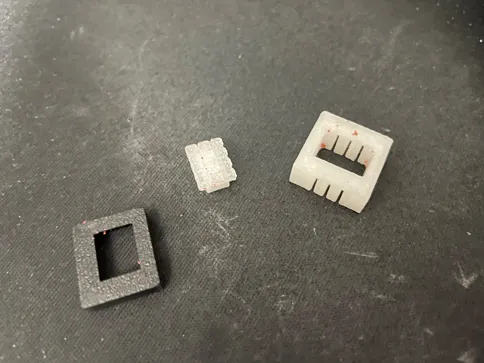
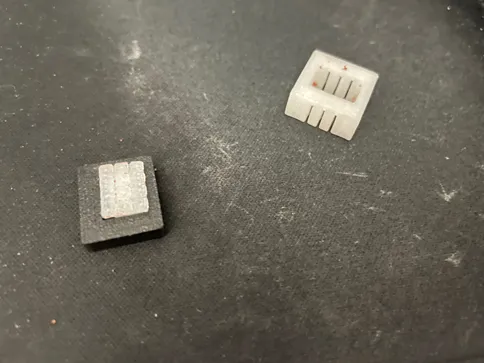
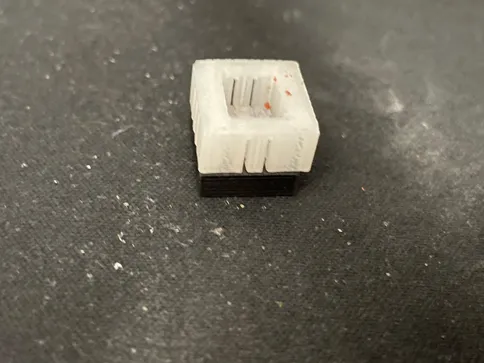
6. Position the Push Form, large face up, into the rectangular Push Form Mount, and place the Single Mold and Cutting Guide on top with the face of the Push Form inside the Single Mold's center and the slots in the Single Mold pointing down. (The included pictures illustrate this positioning.) These parts don't make a tight fit, they just form the bottom of the single mold so you can add the right amount of soapy wet gasket maker compound to the mold. The Mount simply prevents the Push Form from going too far into the Single Mold and Cutting Guide. The Push Form is not absolutely essential, but it helps with demolding. (It isn't used at all with the 4-up mold.)
7. Then with the assembly supported in your hand, dunk it into the soapy water again to ensure that it is still thoroughly soaked.
8. Use the fingers of one hand to place the wet, kneaded gasket maker into the wet single mold assembly while holding it together with your other hand, and press it down a little into the bottom to fill the corners.
9. Clean away the excess gasket maker (if you used too much) then set it aside to cure, making sure that the 3 pieces of the mold are still properly assembled. If you have graduated to using the 4-up mold, now is the time to place the cover on top.
10. Wait several hours (or longer if you wish) before demolding to let the water dry and the nozzle cleaner 4X3 form set.
11. To demold - remove the Push Form Mount, and push the Push Form up through the Single Mold and Cutting Guide, displacing the cured gasket maker so that it can be removed. Then you can push the cured gasket maker into the slotted side of the cutting guide for slicing with the razor blade.
12. Once the 12 “fingers” of the nozzle wiper are created using the razor blade, you can use super glue (cyanoacrylate) to attach it to the appropriate place on the Deluxe Nozzle Wiper for X1C and P1P/S (finger side up, of course), or store it for use as needed. You'll probably want to leave that untouched for an hour or two before working with it on the printer.
Below are some links to other nozzle wiper add-on projects that appear to use the 4X3 “fingers” configuration, and therefore should be compatible with the mold and method provided with this project. If you're aware of others, please let me know so I can add them to the list. Anyway, if you mold your own “fingered” nozzle wipers in any configuration, you might like to try the gasket maker method. I prefer gasket maker because I find it fairly easy to use for molding and quite durable.
Bambulab P1S nozzle wiper - Remix Remixed by Mariusz - MakerWorld
The Scrubbler: Enhanced X1/P1 Nozzle Wiper - Remix Remixed by Brandon Raineri - MakerWorld
The Nozzle Wiper 2.5ish? (X1C inspection fix) Remixed by PwnyTrix - MakerWorld
This remix is based on


License



Comment & Rating (2)