
Rolling Motion Experiment (Moments of Inertia)

Print Profile(1)

Description
Objects
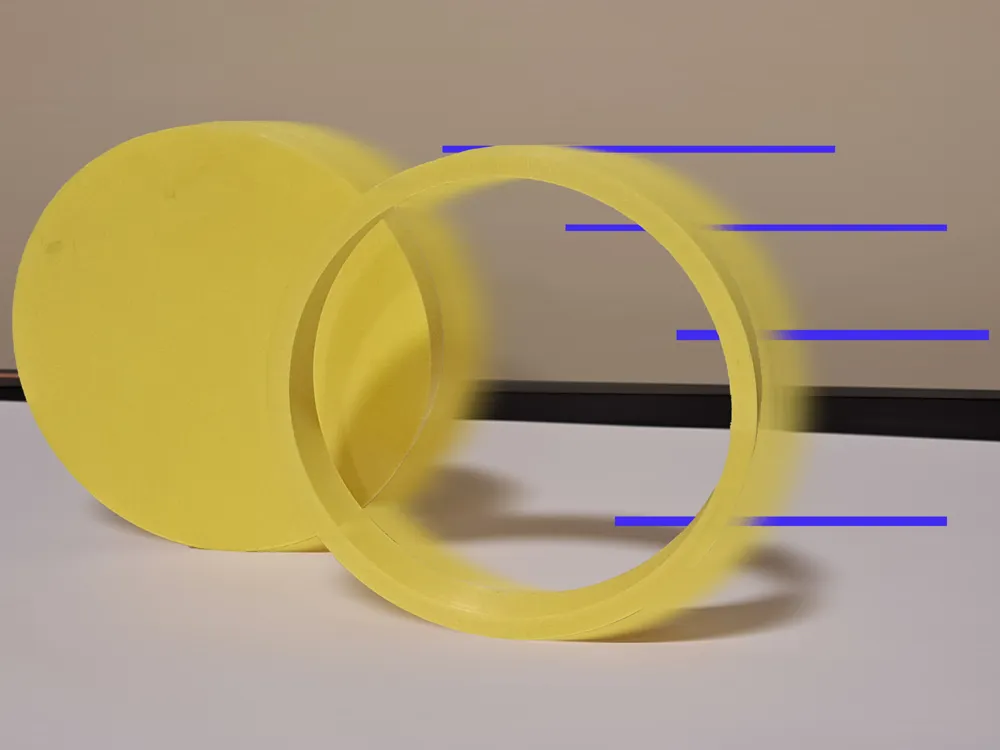
All objects have the same thickness, diameter and mass, the only difference is how the mass is distributed within their shape.
A - Disc
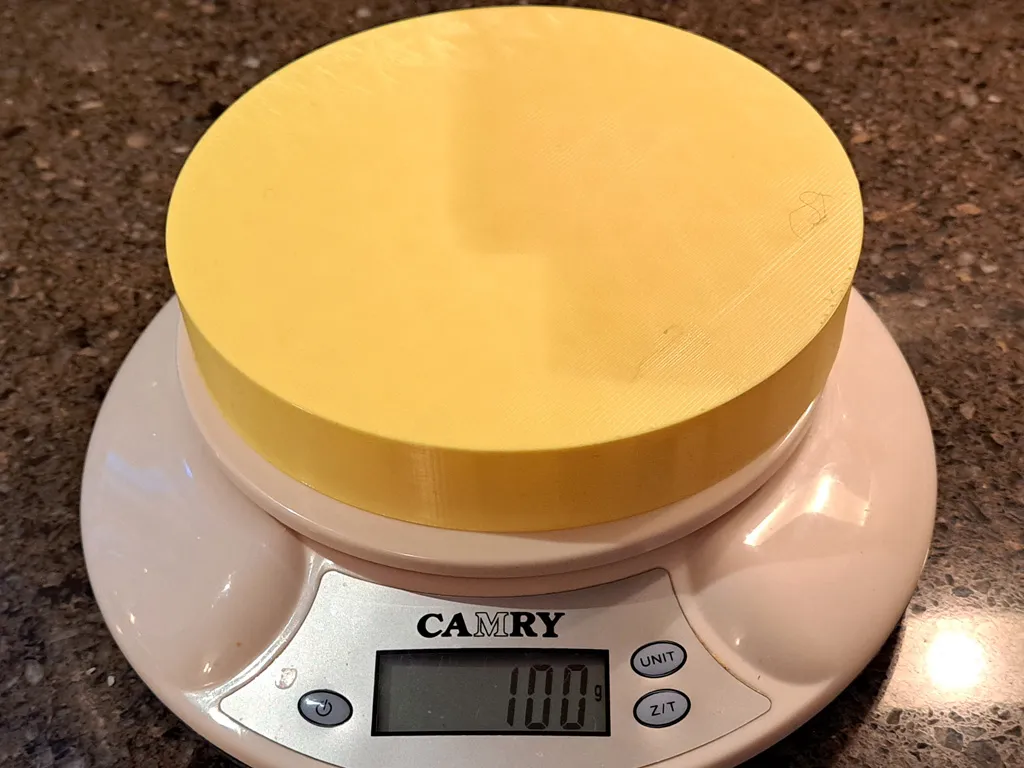
B - Cylinder
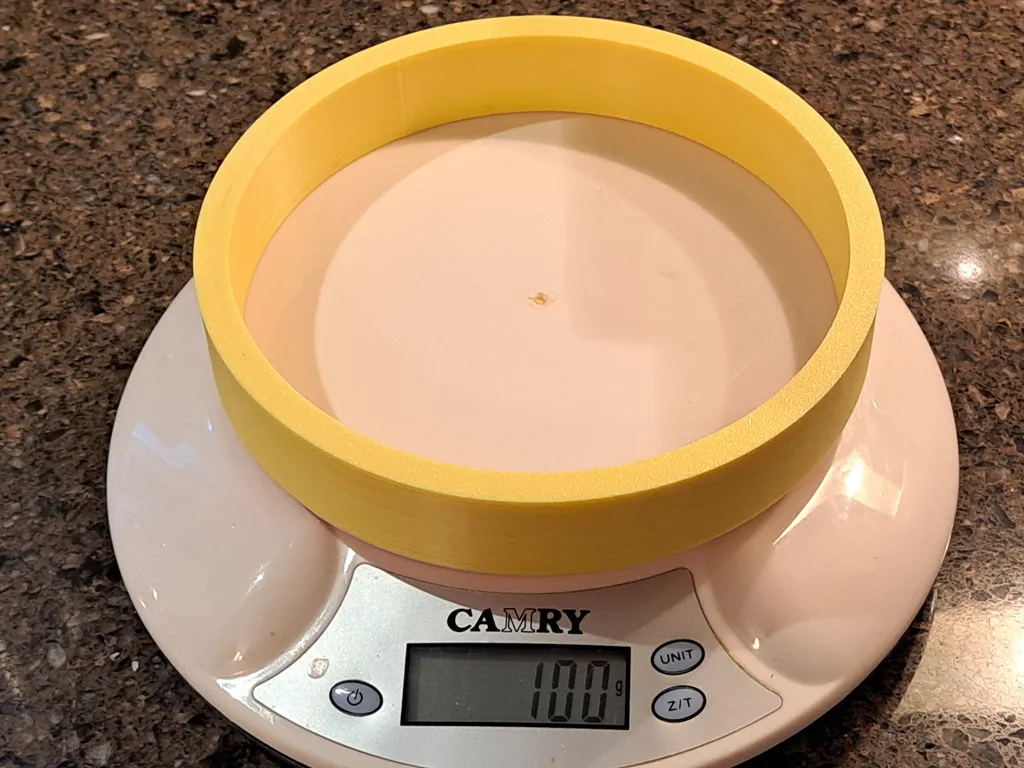
C - Wheel
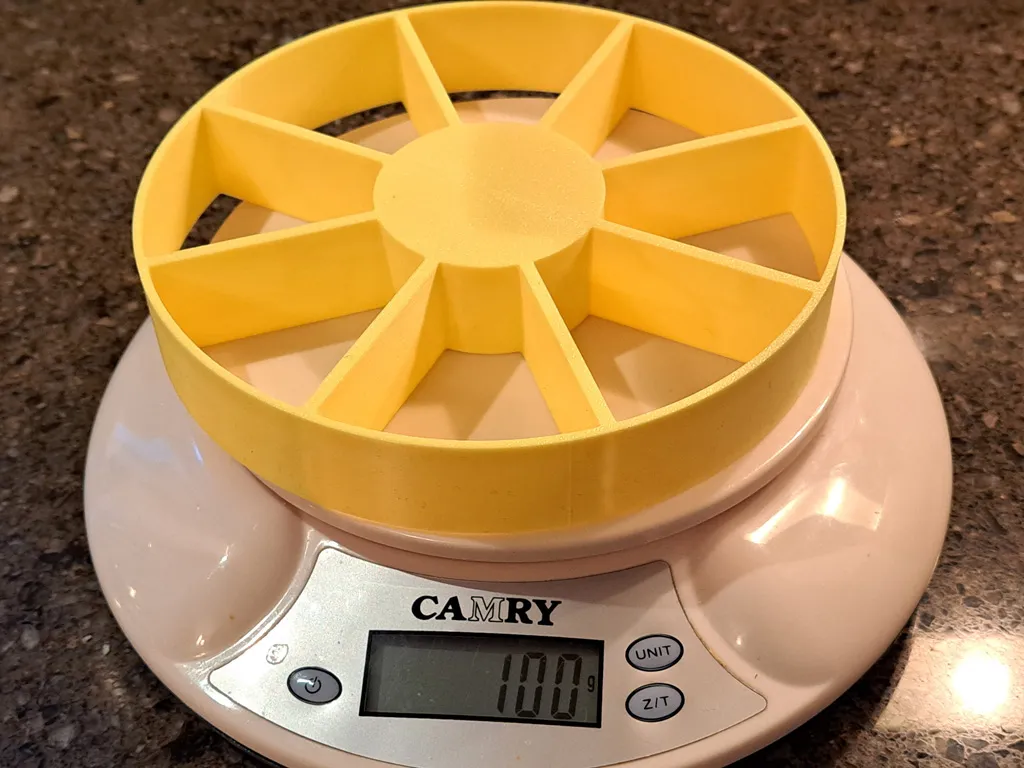
Performing the Experiment

- Start with object A - Disc and B - Cylinder
- Place object A and B at the top of a slight incline
- Make a prediction. When both objects are released at the same time, which one will reach the bottom first.
- Release both objects at the same time and observe the results
- Repeat the experiment a few times to ensure the release at the start was fair and the results are repeatable
- Explain the results you observed. Were you correct with your prediction?
Understanding Moment of Inertia
Moment of Inertia is a measure of an object's resistance to changes in its rotational motion. It depends on the mass distribution relative to the axis of rotation; a lower moment of inertia means less resistance to rotation.
Acceleration Down the Incline
When the shapes are released from the same height on an incline, they convert gravitational potential energy into both translational and rotational kinetic energy as they roll down. The key equations governing this motion involve the forces acting on the objects and their moments of inertia:
Translational acceleration a can be expressed as:
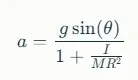
where g is the acceleration due to gravity, θ is the incline angle, I is the moment of inertia, M is the mass, and R is the radius of the object.
Moments of Inertia for the object A and B can be computed with the following formulas:
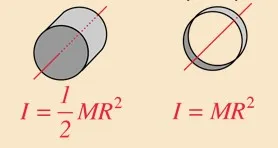
Compute Acceleration for object A and B. Plugging in the values from 2 into 1 we see that the accelerations are:
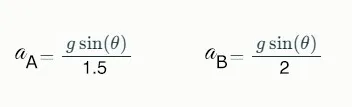
- Results. Object A has a lower moment of inertia as compared to object B, therefore it will experience greater acceleration when rolling down an incline. Therefore, object A will reach the bottom first due to its ability to convert more gravitational potential energy into translational kinetic energy rather than rotational kinetic energy.
Did your prediction match the results?
Follow up Experiment
Now that you understand Moments of Inertia, what should happen if you release Object A and Object C on the incline at the same time? Which one should reach the end first?
License

You shall not share, sub-license, sell, rent, host, transfer, or distribute in any way the digital or 3D printed versions of this object, nor any other derivative work of this object in its digital or physical format (including - but not limited to - remixes of this object, and hosting on other digital platforms). The objects may not be used without permission in any way whatsoever in which you charge money, or collect fees.


Comment & Rating (7)