

Print Profile(1)
Description
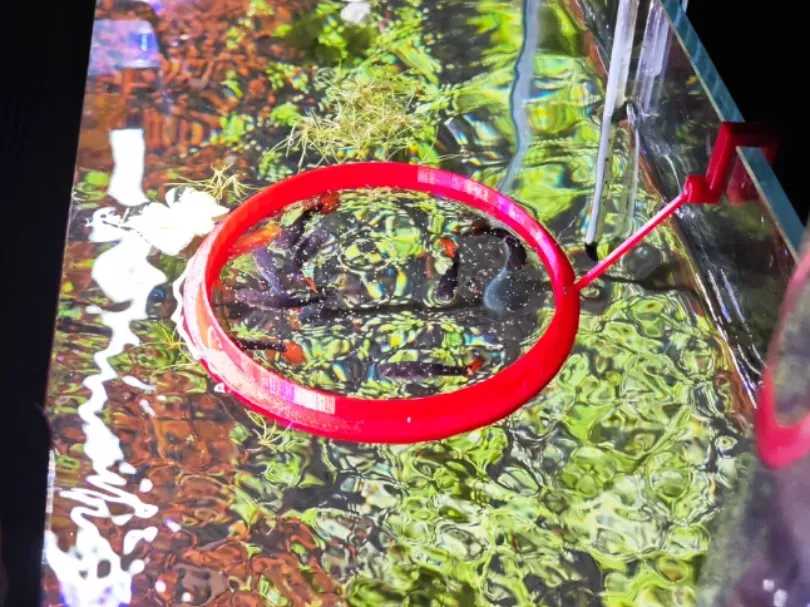
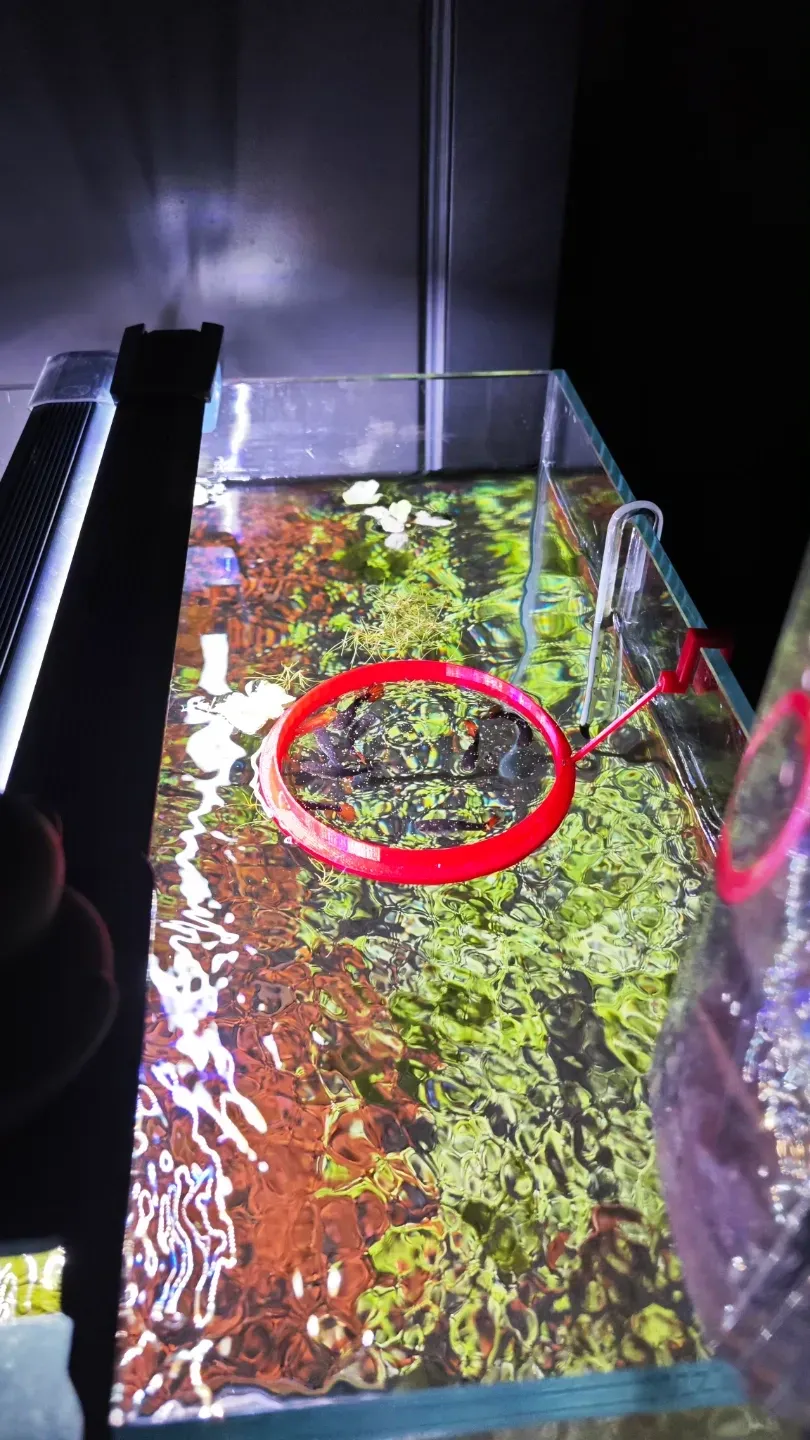
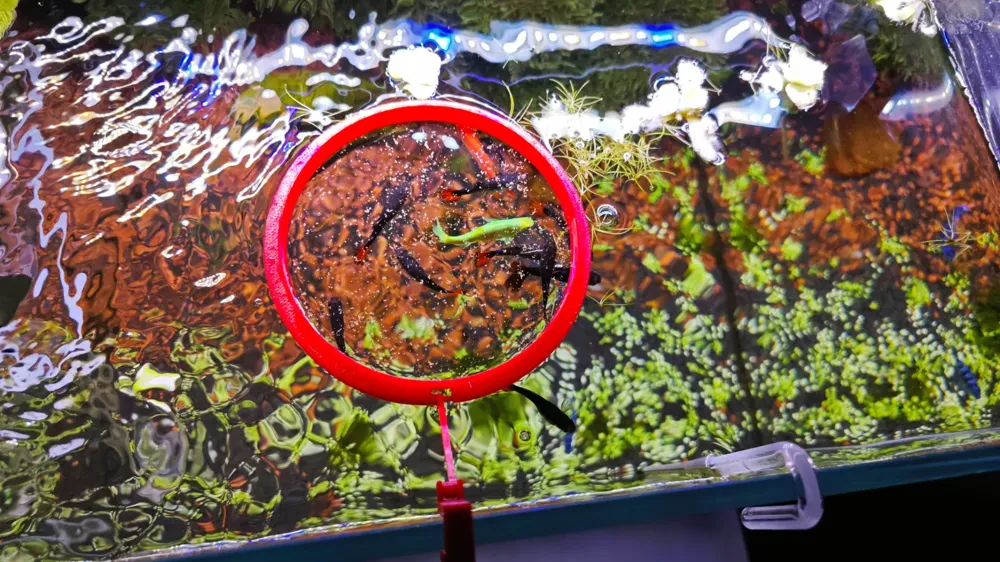
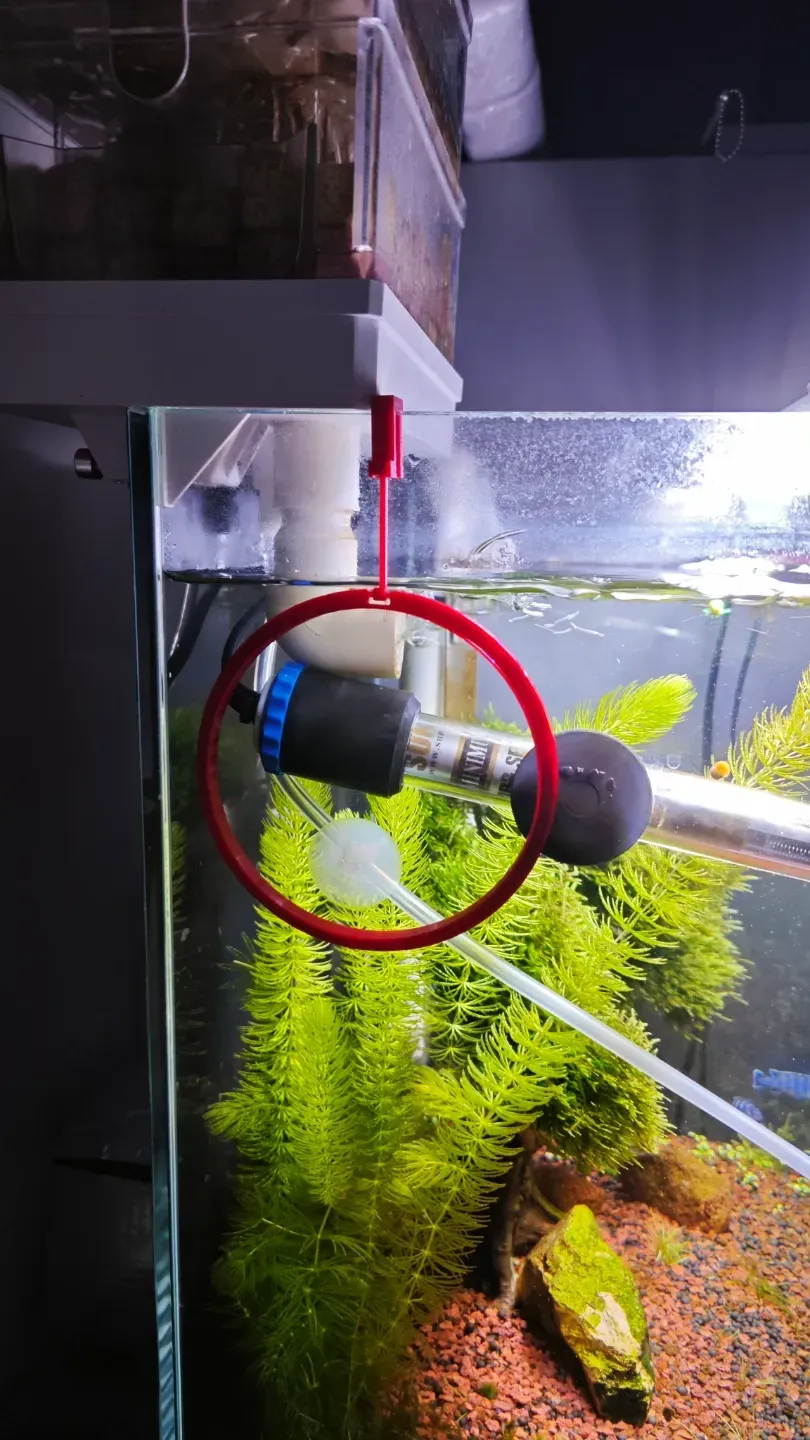
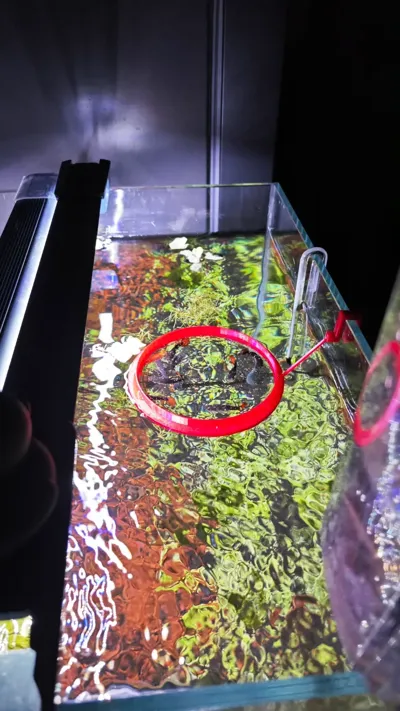
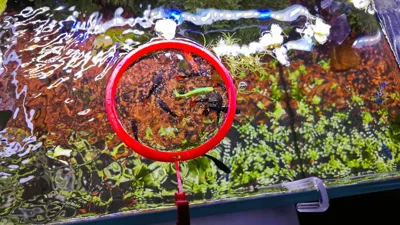
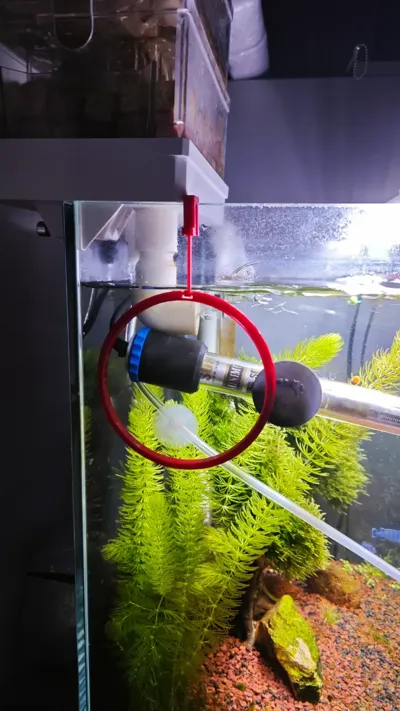
This cylindrical fish tank feeder features an inner diameter of 90mm, an outer diameter of 102mm, a height of 10mm, and a connecting rod of approximately 40mm.
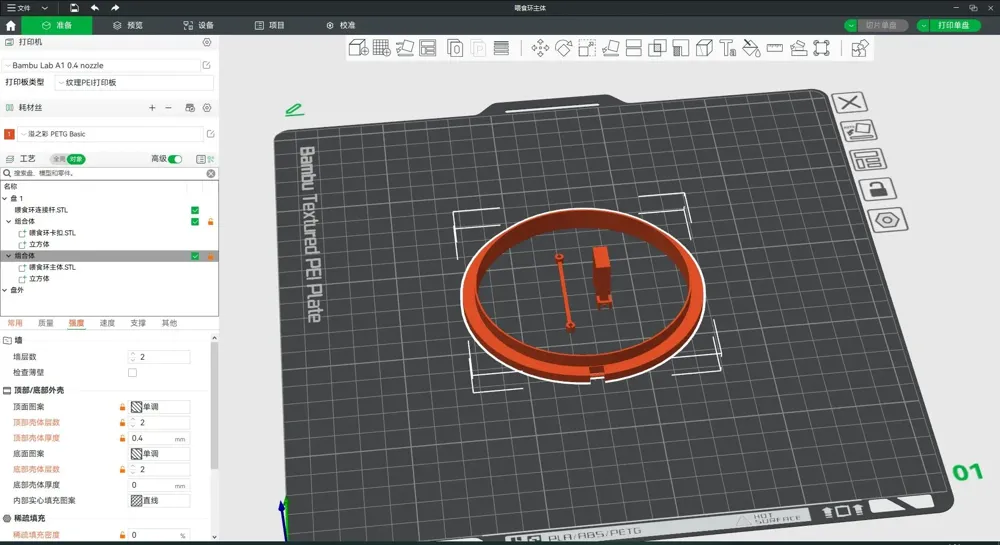
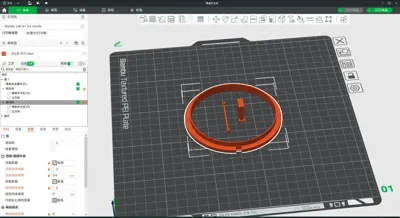
Print the feeder body with 0% infill to ensure ample internal space (air) for buoyancy; otherwise, it will not float.
The connecting rod's semicircular ends were designed with a 0.1mm gap, but due to their diminutive size (d1.7) and potential first-layer adhesion issues, post-printing adjustment with a craft knife may be necessary. A smaller gap would simplify this process.
A small cubic support structure aids in bridging and ensures cylindrical integrity in both models. This support is easily removed post-printing with a fingernail, though minor refinement of the cylinder with a knife may be required.
Fish tank circular feeding ring, inner diameter 90mm, outer diameter 102mm, height 10mm, connection rod length approximately 40mm.
The feeding ring body should be printed with 0 fill to ensure that there is sufficient space (air) inside to provide buoyancy, otherwise the feeding ring will not float on the water.
The half-circles at the ends of the connecting rods were modeled with a 0.1mm gap, but they may not be able to be assembled directly after printing due to their small size (d1.7) and the first-floor column model. You may need to trim them with a small knife (art knife) to make them fit properly. I think it would be more convenient to leave a smaller gap for assembly.
Both models have a cubic support structure in place to bridge the gap (to ensure the cylinder is as round as possible), and once printed, it can be easily removed with a fingernail. The cylinder also needs to be trimmed with a small knife (scraped a bit).
License



Comment & Rating (24)