
European Union countries puzzle
Print Profile(1)

Description
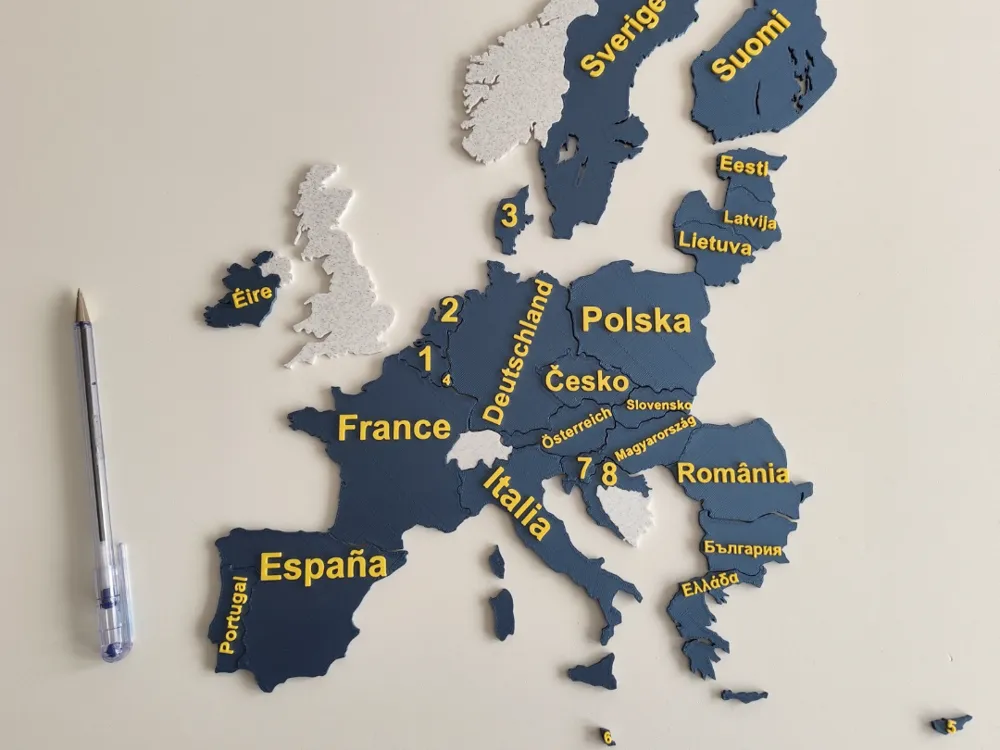
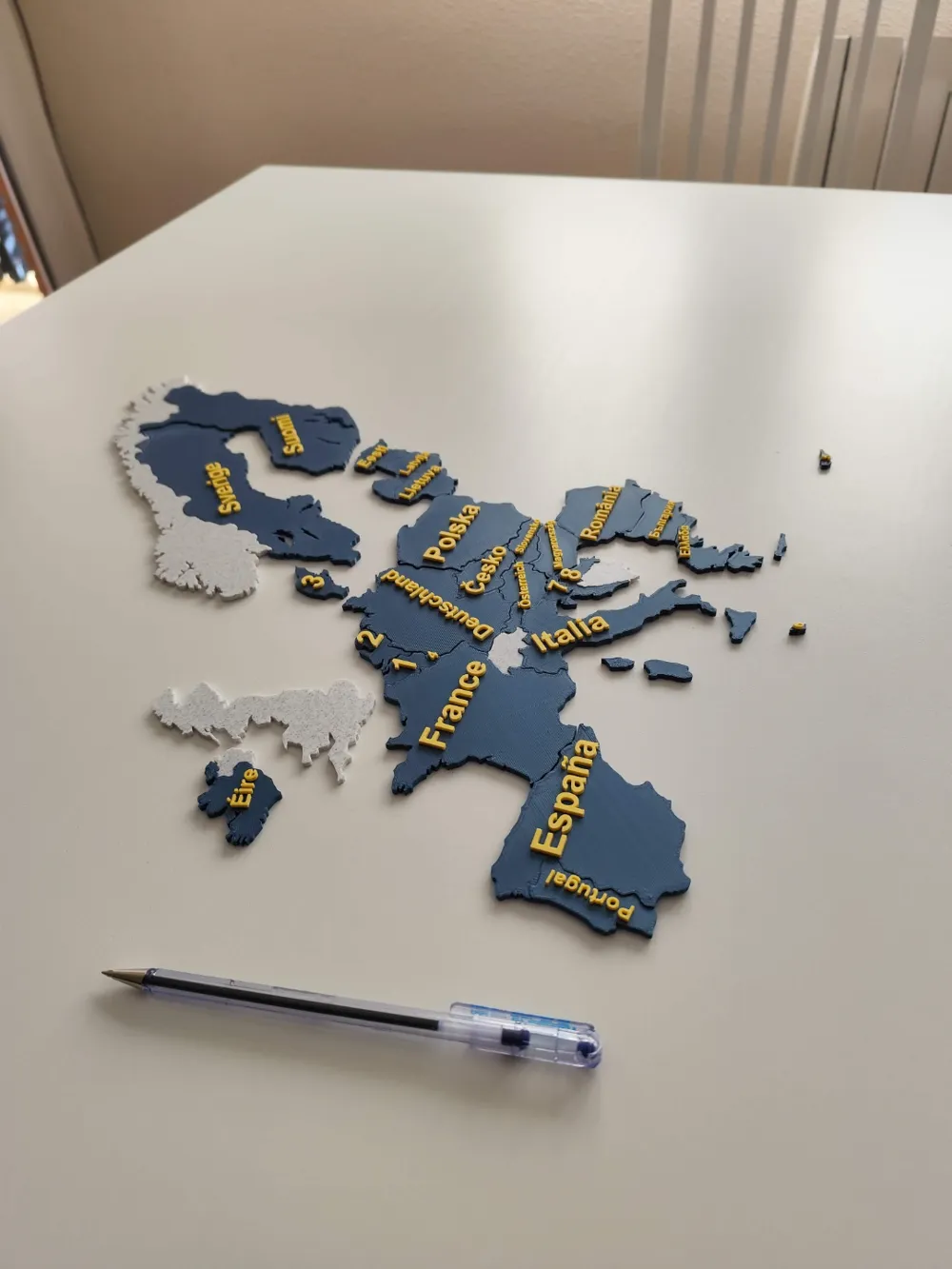
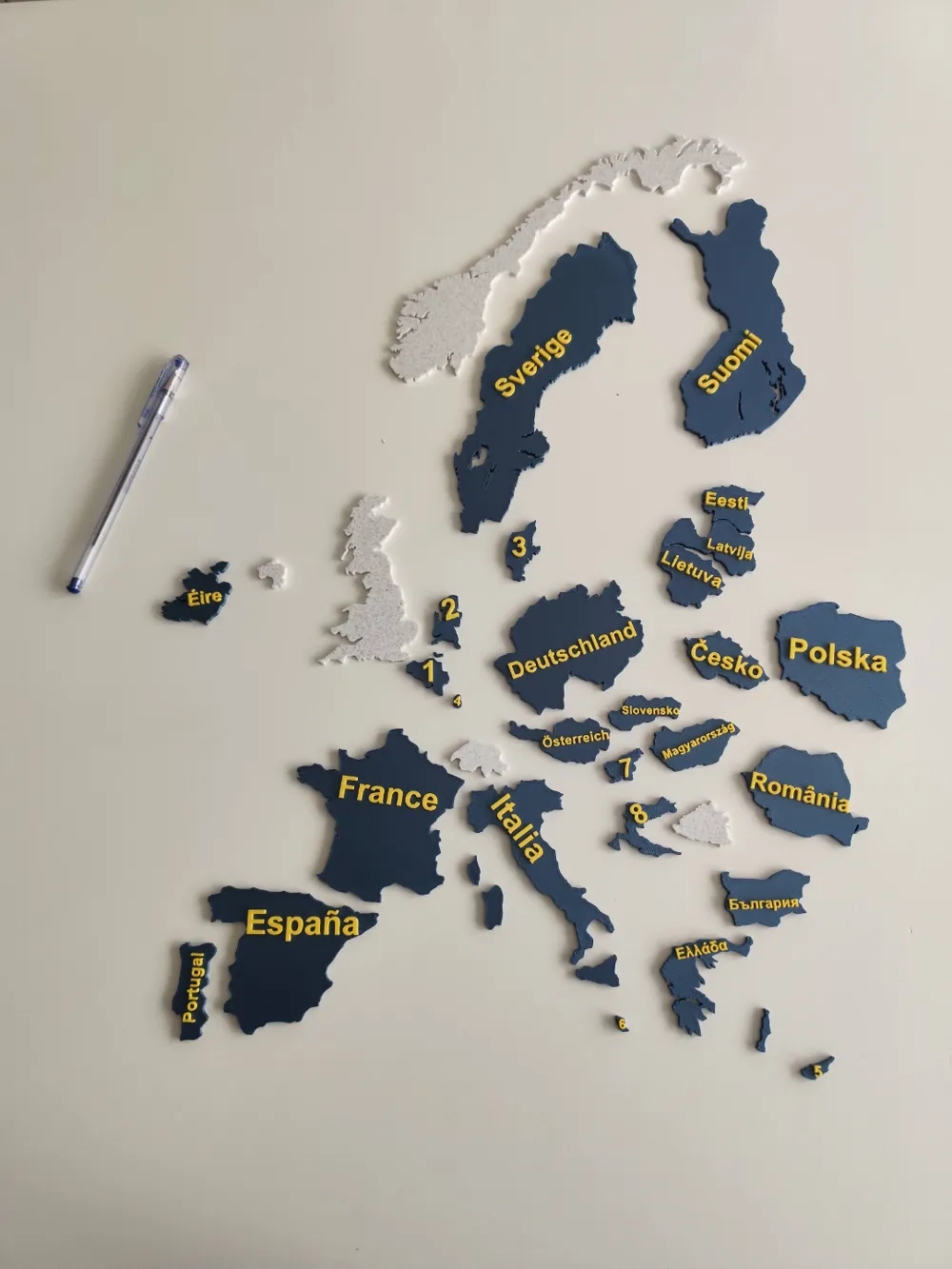
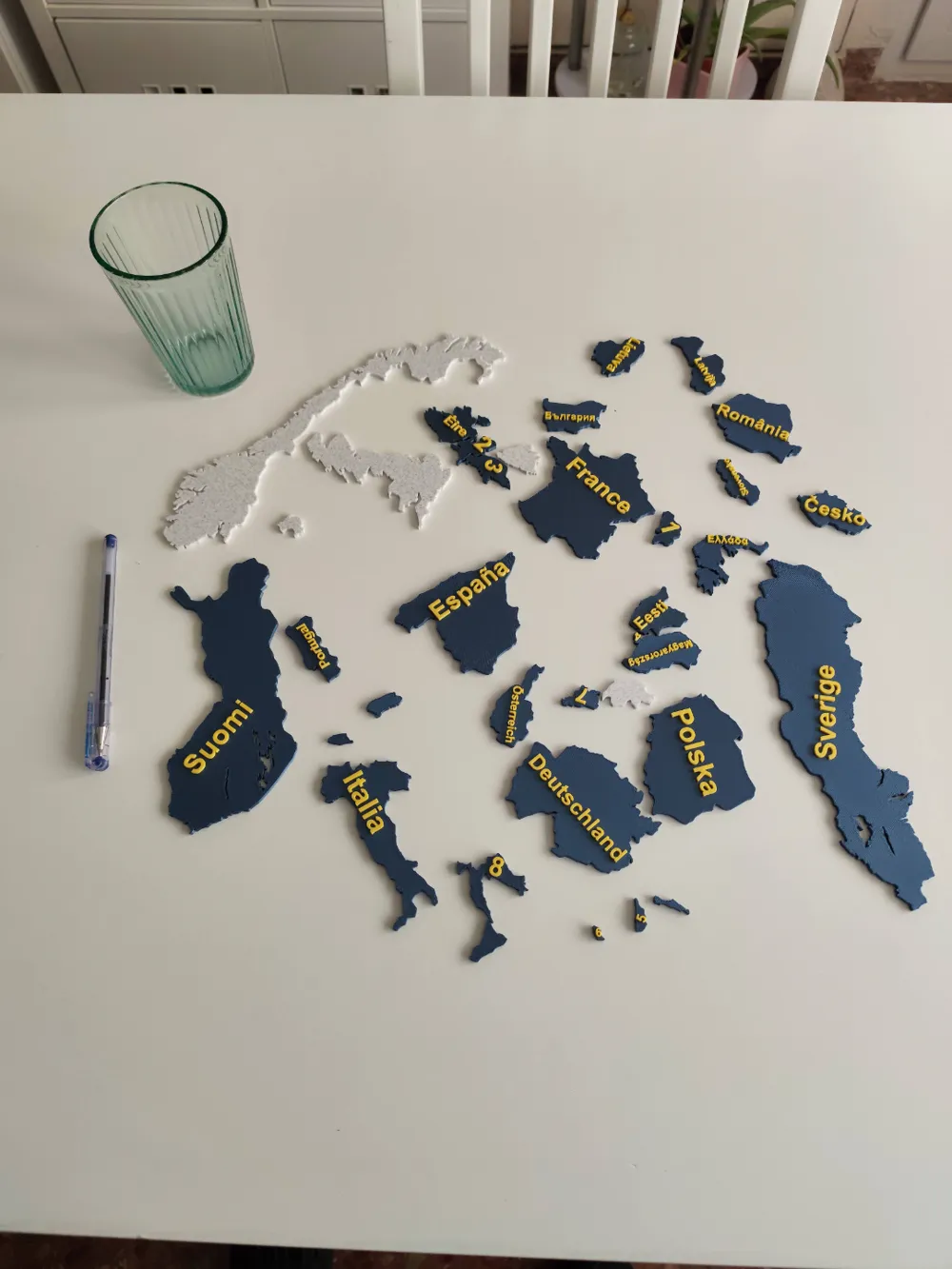
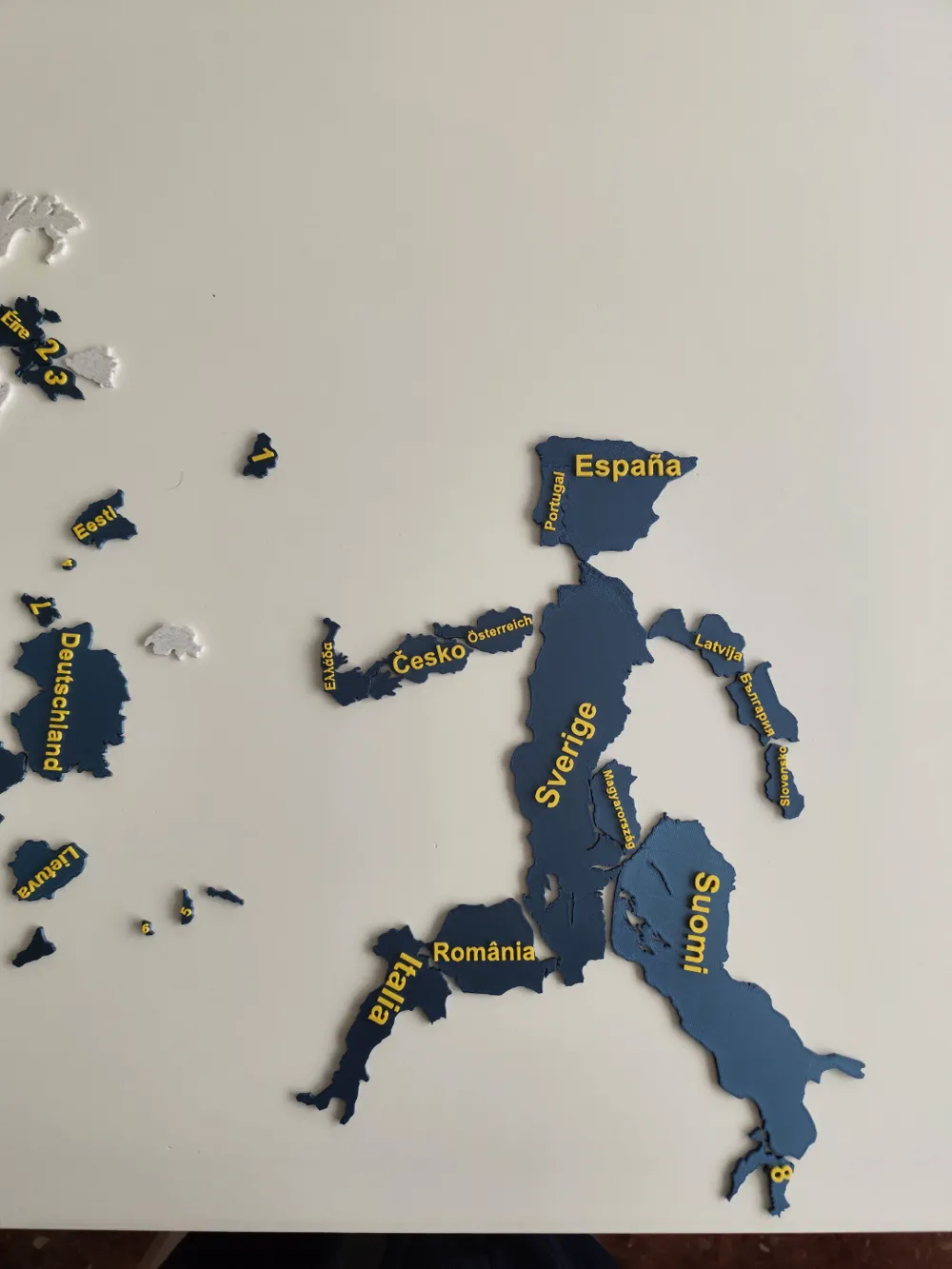
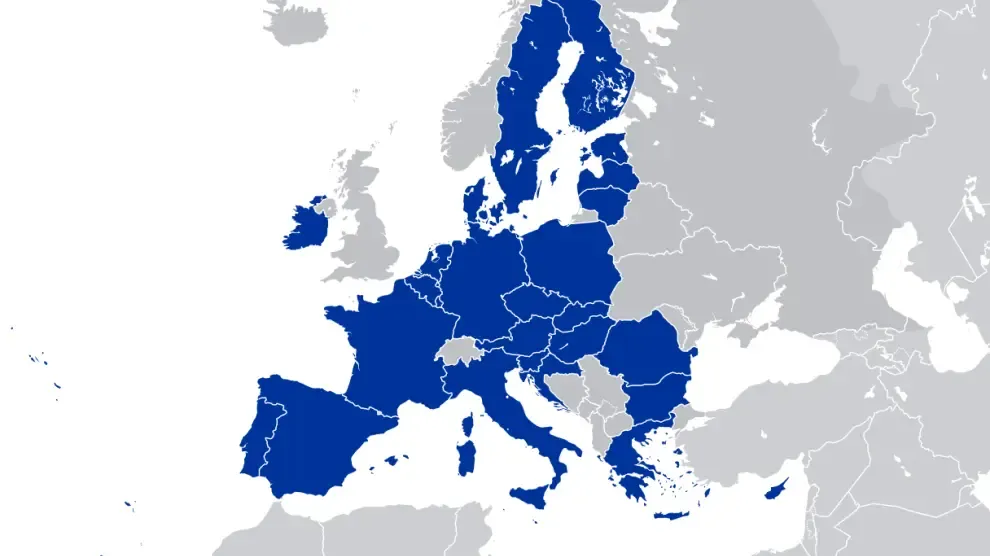
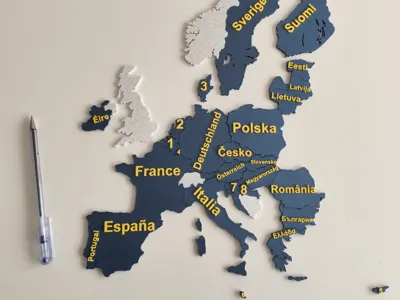
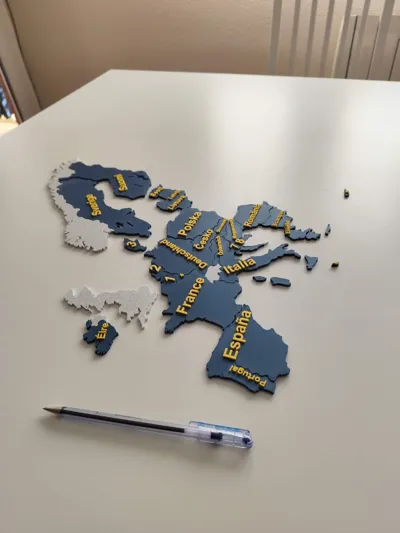
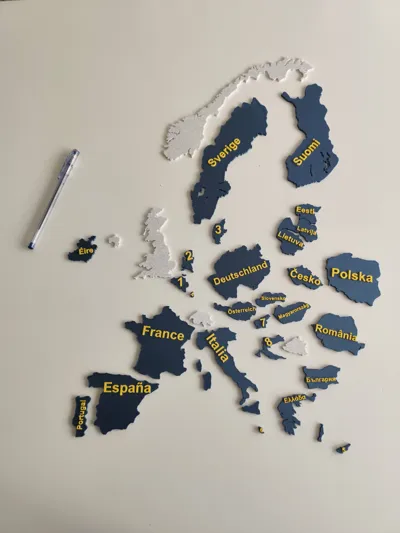
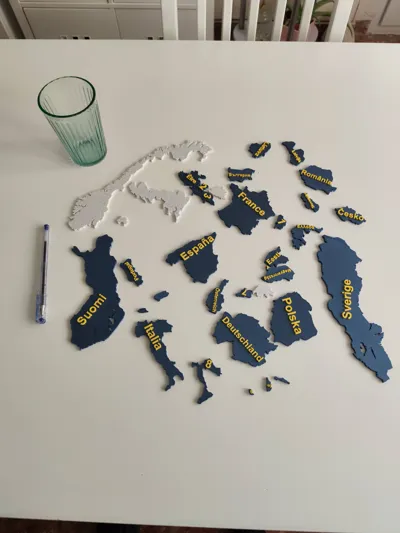
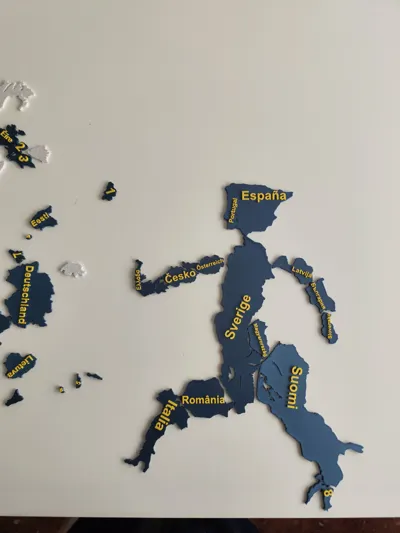
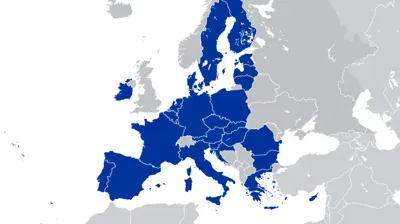
Have fun and learn with this fun puzzle of the 27 member states of the European Union.
1. België
2. Nederland
3. Danmark
4. Lëtzebuerg
5. Κύπρος
6. Malta
7. Slovenija
8. Hrvatska
9. България
10. Česká republika
11. Eesti
12. Suomi
13. Francia
14. Deutschland
15. Ελλάδα
16. Magyarország
17. Éire
18. Italia
19. Latvija
20. Lietuva
21. Polska
22. Portugal
23. România
24. Slovensko
25. España
26. Sverige
27. Österreich
It is likely that many people do not know all 27 member states of the European Union, especially if they are not familiar with Europe or do not have a specific interest in geography, politics, or international economics. This could be due to several reasons:
1. Limited interest in the European Union
- Many people outside of Europe have limited knowledge of the EU and its member states, focusing only on the most well-known countries (such as Germany, France, Italy, or Spain).
- Even within Europe, those not directly affected by EU politics or economics may not be familiar with all member countries.
2. Confusion due to less common names
- Some names in their original language might be unfamiliar or difficult to associate with the country, such as Hrvatska (Croatia) or Slovensko (Slovakia).
- The recent accession of countries like Croatia (2013) or the similarity between names (Slovenia and Slovakia) can also create confusion.
3. Misinformation or incorrect assumptions
- Many people assume that prominent European countries that are not members, such as Norway or Switzerland, are part of the EU, demonstrating a common misunderstanding about who belongs to the bloc.
4. Education and cultural context
- Citizens of EU member states are more likely to be exposed to the complete list of countries, whether through education or politics, which gives them an advantage in terms of knowledge.
- However, even within the EU, a significant percentage may struggle to list all 27 countries without difficulty.
Conclusion
While individuals with specific interests in geography, history, or politics might have a solid understanding of the member states, for the general public, it is likely that some of the less well-known countries are overlooked. This highlights the importance of education and cultural context in understanding the composition of entities like the European Union
License



Comment & Rating (7)