
[Chinese New Year Party Essential] Stackable Circus: Adorable Cat Acrobatic Show - Splits
Print Profile(1)
Description
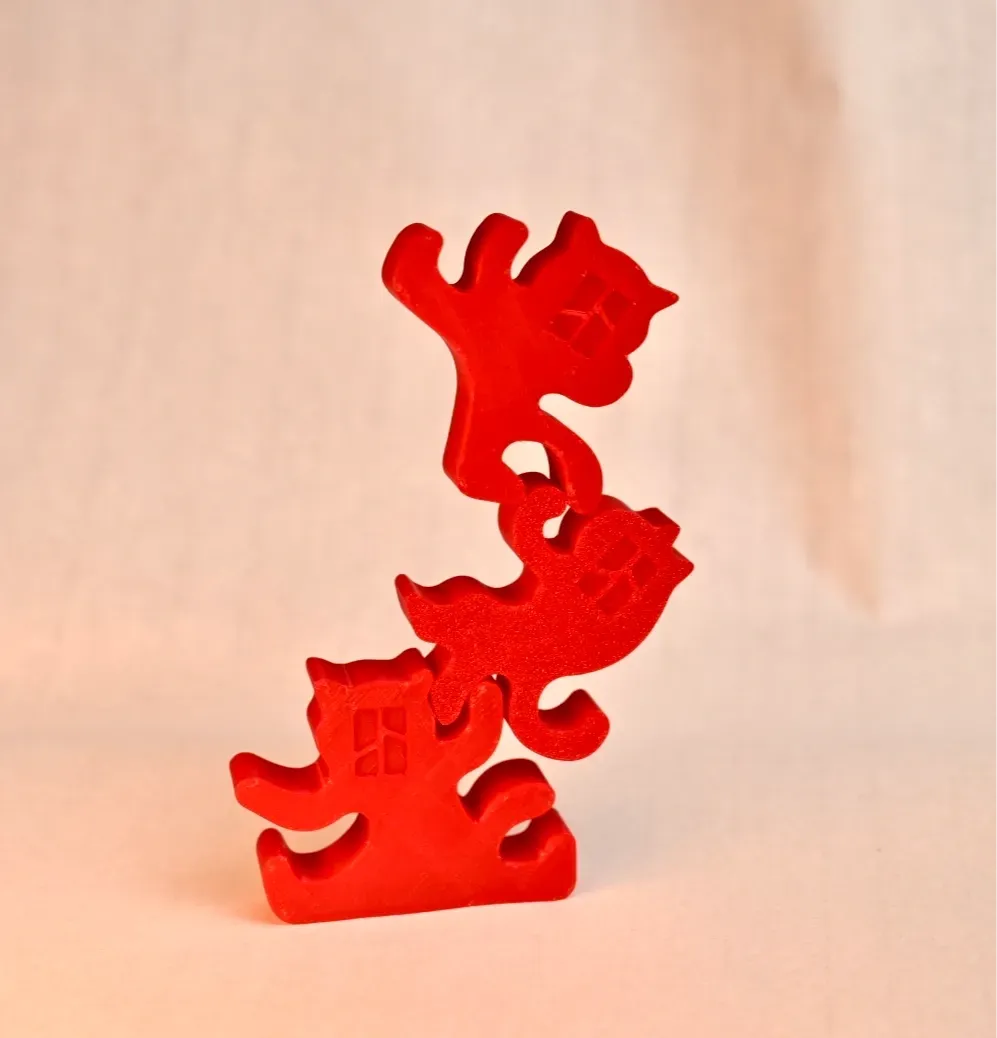
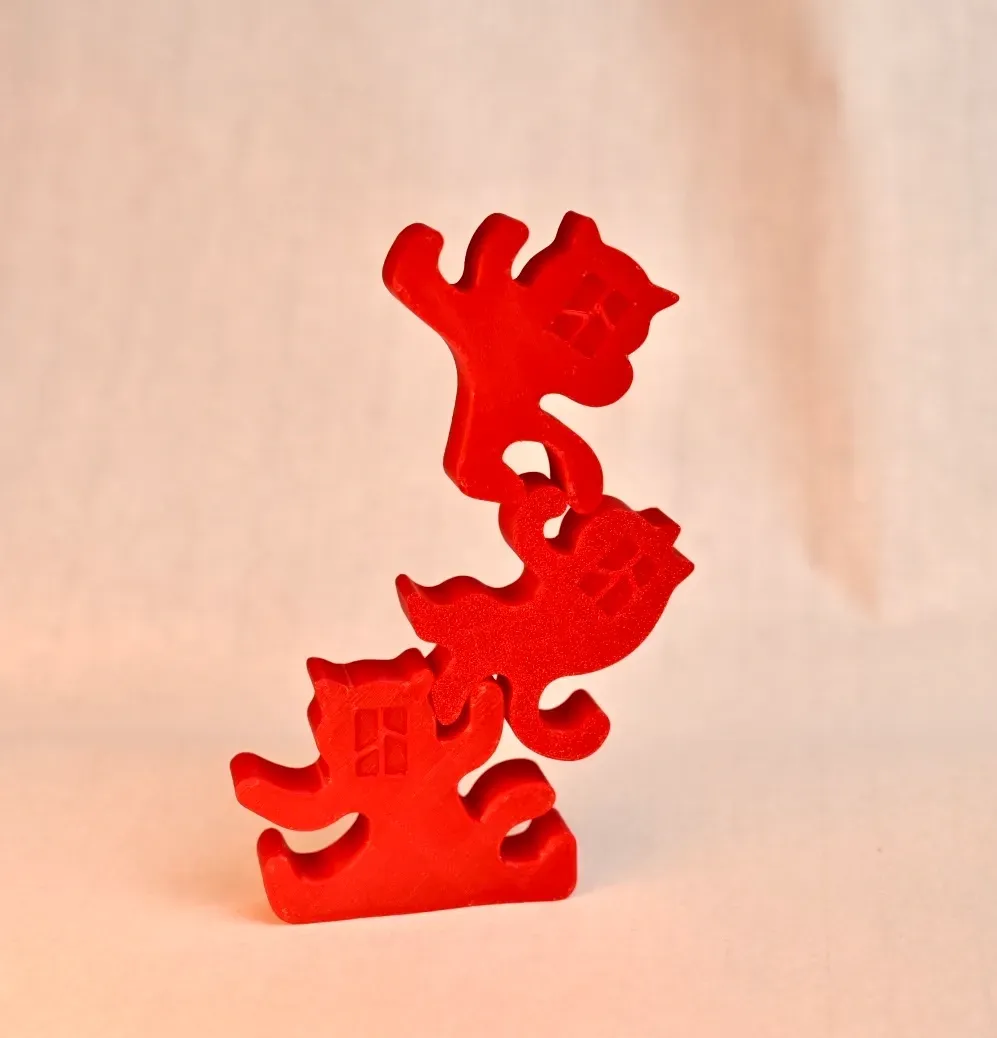
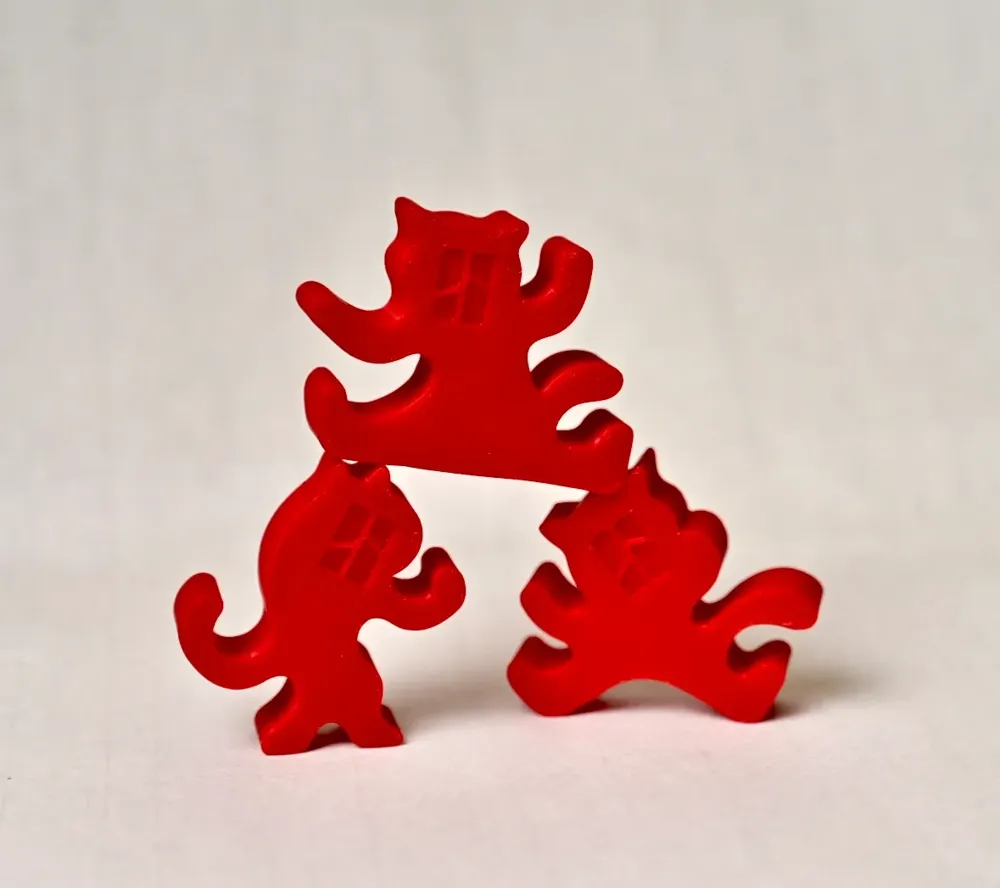
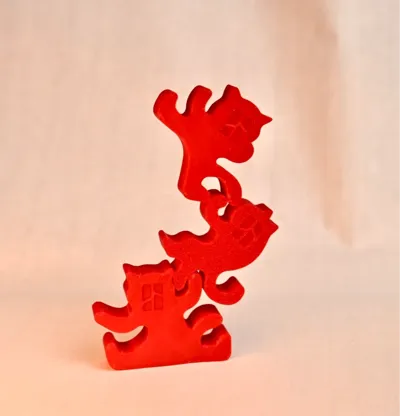
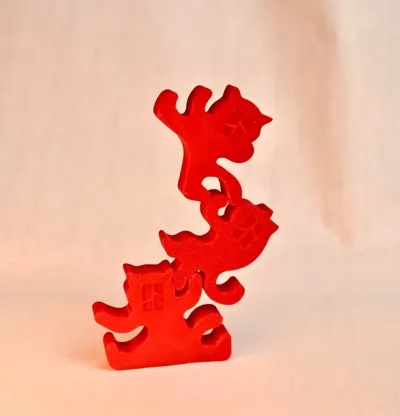
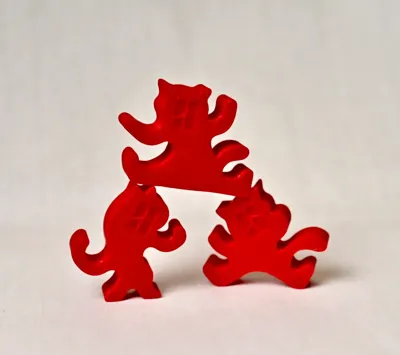
🎪 Stacking Cats Circus: Adorable Kitten Acrobatics Show - Splits
Model Description
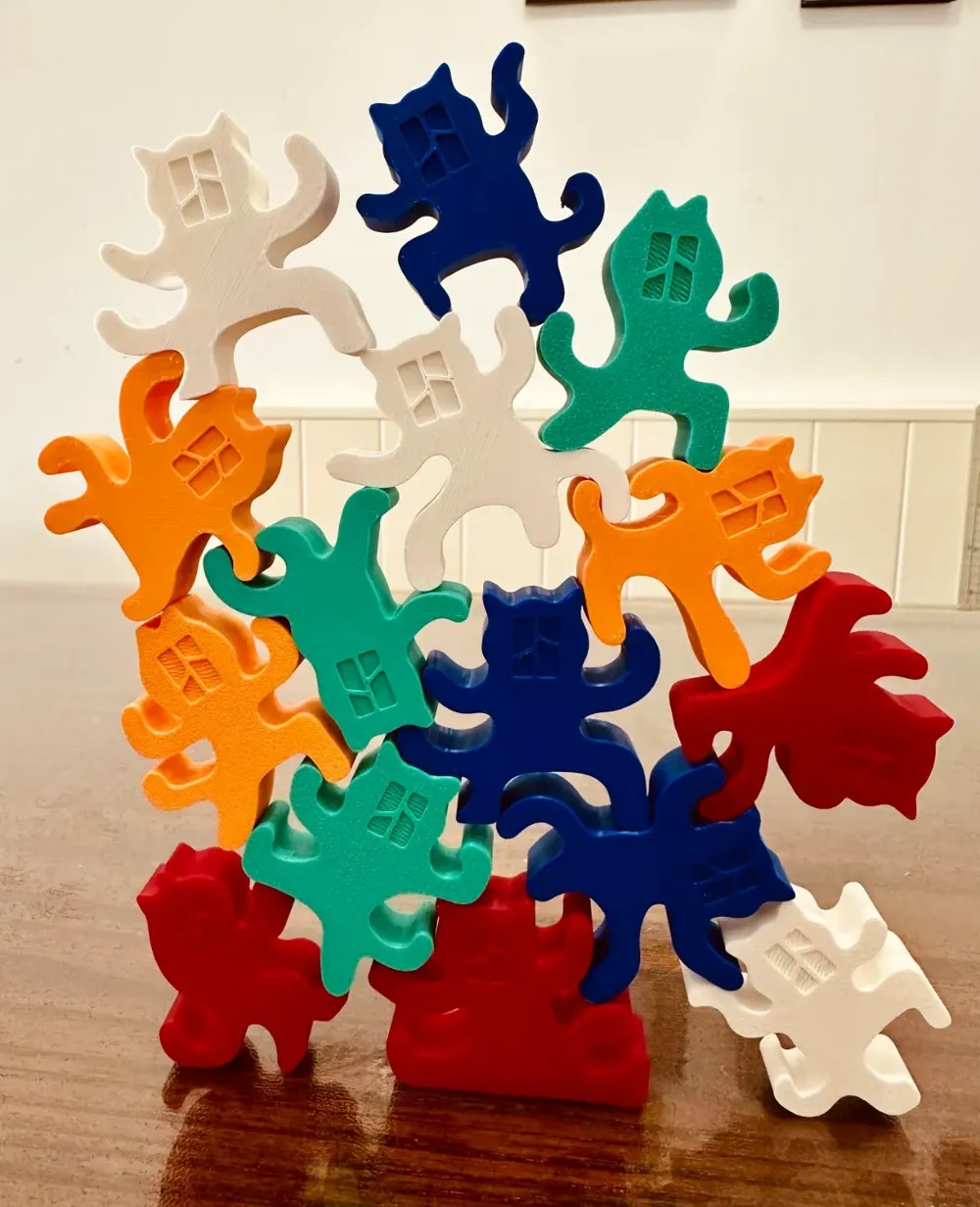
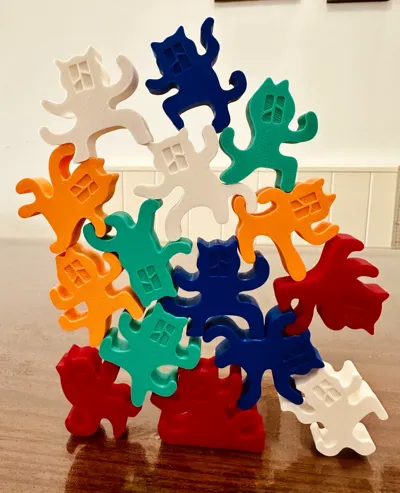
🐱 This delightful Bambu stacking cats series brings endless fun!
This is a meticulously designed series of 3D printed cat models; they are not only adorable but also creatively designed stacking toys!
Highlights:
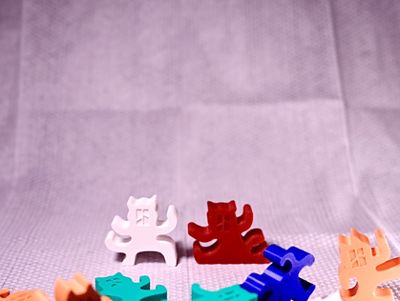
- ✨ Multiple Poses Available: A variety of adorable poses such as squatting, stretching, and rolling make stacking even more enjoyable
- 🎨 Abundant Color Schemes: Multiple color combinations to create your own unique cat world
- 🏆 Perfect Balance: Precisely calculated center of gravity design ensures stable stacking
- 🎯 Optimized Model: No supports needed, one-click printing, even beginners can easily get started
This model series is ideal for:
- 👨👩👧👦 Parent-child interactive toys
- 🎁 Creative gifts
- 🏠 Desk decorations
- 📚 Office decompression toys
Download this fun-filled 3D printable model set now and let these adorable Bambu kitties accompany you every day!
This cat set includes a unique cat with a special skill—the splits. If you need more adorable cats, you can download them from the following links. We look forward to seeing you complete the entire set!
https://makerworld.com.cn/zh/models/730454#profileId-688727
https://makerworld.com.cn/zh/models/730449#profileId-688721
Note: This model is for personal use only. Please contact the author for commercial use authorization.
Boost Me (for free)
If you enjoy this, please boost me!
3D Printing Tips and Precautions
(Most creator-released models have been tested and are compatible with all models. In many cases, printing problems require checking if your printer and filament are functioning correctly. This is a skill you need to learn when playing with 3D printing. If you have any problems, feel free to discuss them in the comments section. This is also the meaning of building such a community.)
I have provided some precautions below; for more questions, you can contact customer service or check the Bambu Wiki, where you can learn a lot.Print Quality and Troubleshooting | Bambu Lab Wiki
- Ensure the build plate is clean; regular cleaning is recommended! Oil residue on your hands after touching the build plate can significantly reduce adhesion. At the same time, previous print debris and tiny remnants of prints will affect the quality of the first layer, thus reducing the yield.
- Pay attention to filament drying. This will significantly affect your print quality and printing experience! Filaments will inevitably become damp after being stored for a long time. If stringing occurs, ask the manufacturer for drying parameters to dry the filament. At the same time, most manufacturers do not perform drying treatment on filaments before shipment; therefore, newly opened filaments will still have some moisture and it is recommended to dry them before use.
- When using filament from a new manufacturer, it is recommended to perform filament flow calibration immediately upon initial printing and modify the calibration factor. This will significantly affect your print quality and is a necessary step to allow the new filament to adapt to your printer.
- If you encounter problems such as a sudden deterioration in print quality or low yield, check if the nozzle is clogged, or try recalibrating the printer.
- Print at the recommended printing speed specified in the model instructions. Overhang quality is directly related to the printing speed. An appropriate speed (neither too fast nor too slow) allows the material more time to cool and solidify during deposition.
- Set the appropriate bed and nozzle temperatures according to the material. Too high or too low temperatures can lead to warping, layered deformation, or adhesion problems, affecting print quality and success rate.
License

You shall not share, sub-license, sell, rent, host, transfer, or distribute in any way the digital or 3D printed versions of this object, nor any other derivative work of this object in its digital or physical format (including - but not limited to - remixes of this object, and hosting on other digital platforms). The objects may not be used without permission in any way whatsoever in which you charge money, or collect fees.


Comment & Rating (0)