
FeedME (Cat Megaesophagus Feeder)
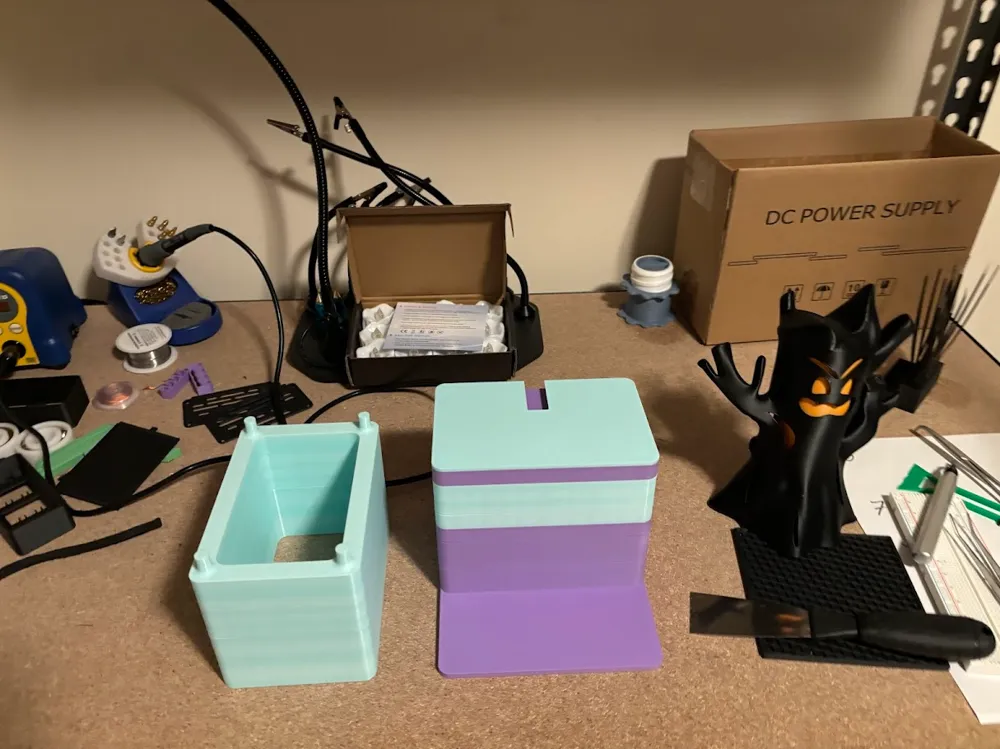
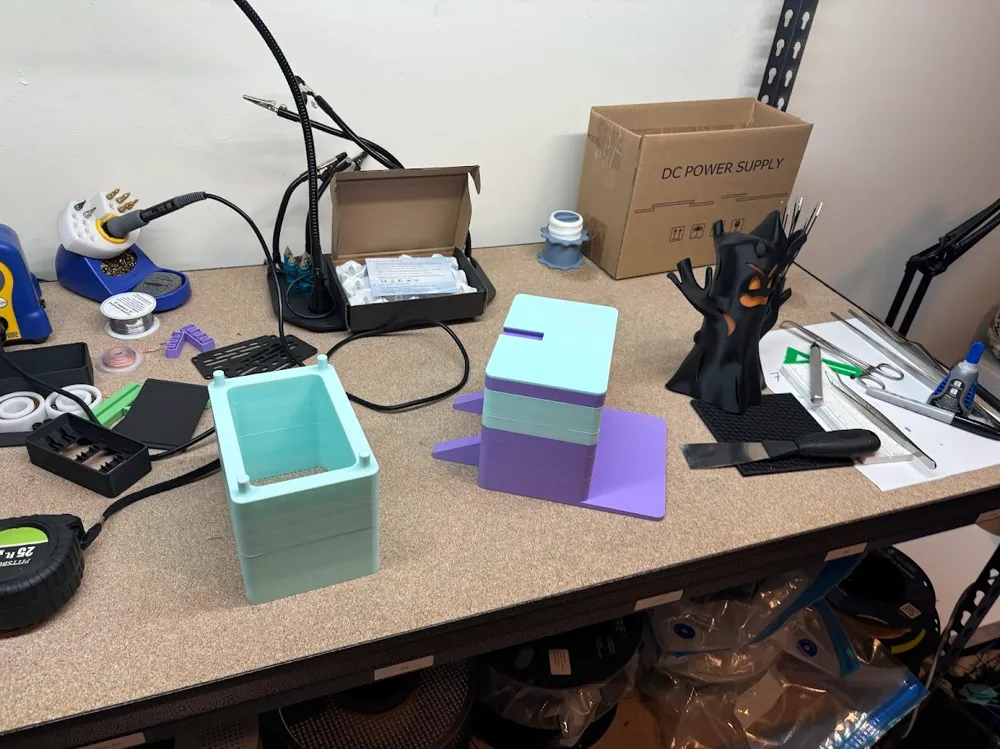
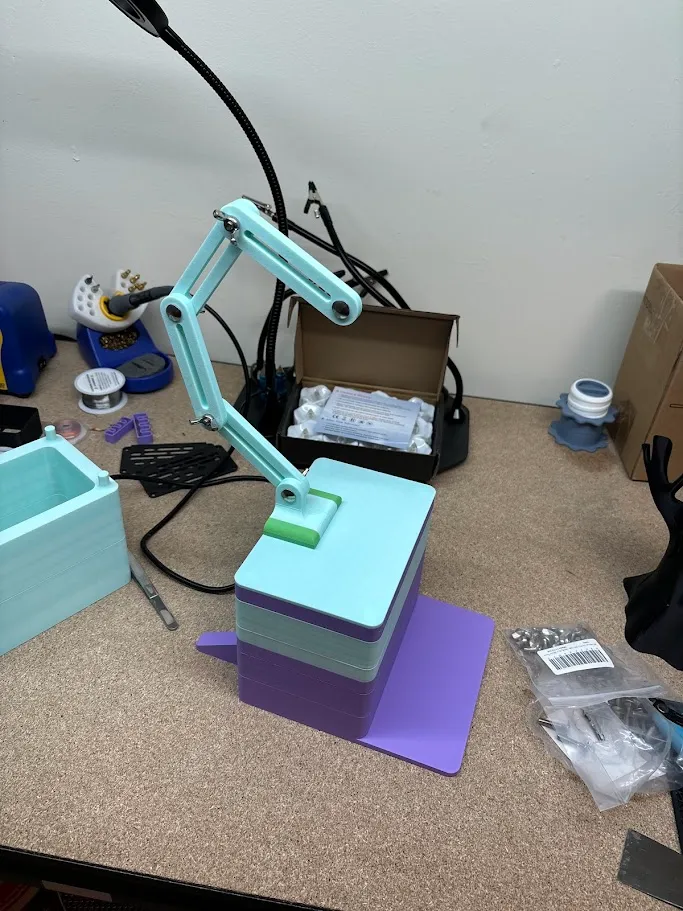
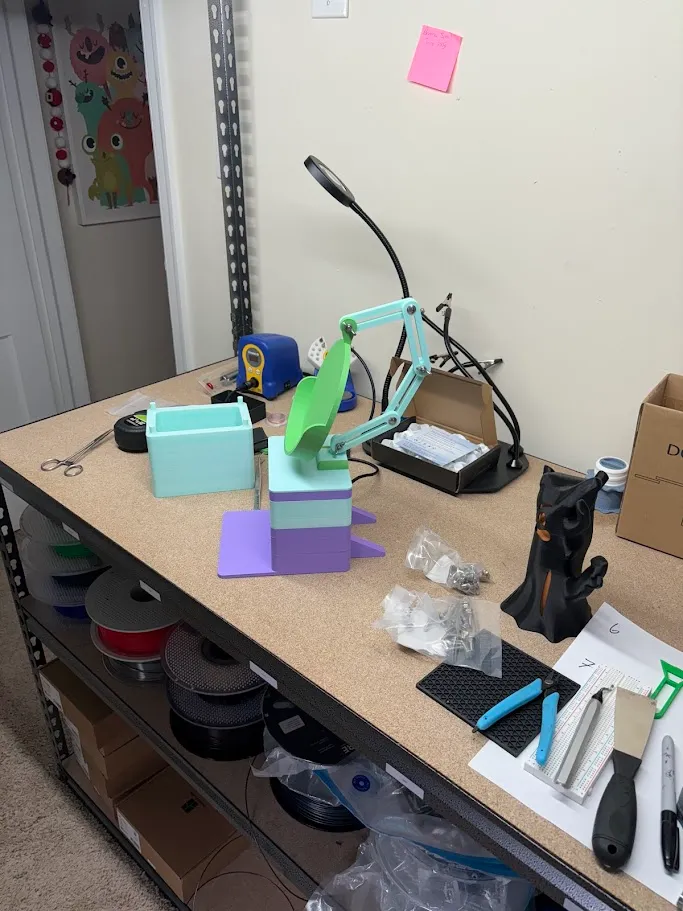

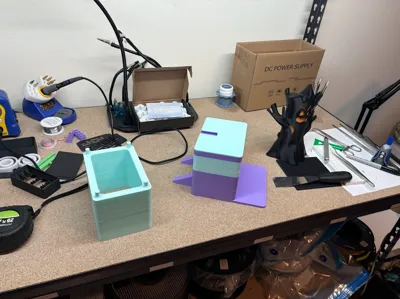
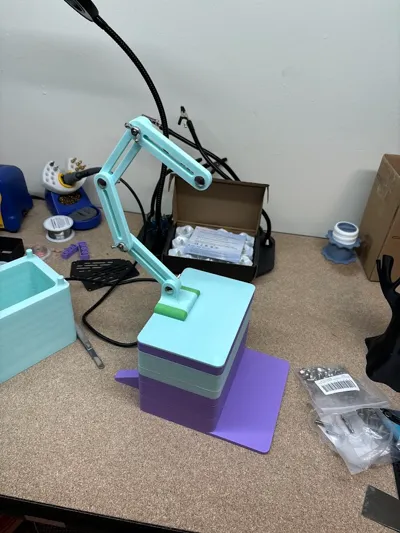
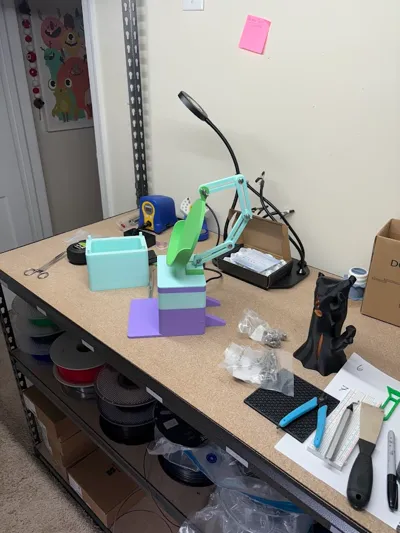
Print Profile(5)


Bill of Materials
- Cat Bowl x 1: https://a.co/d/5AhpHqv
- Wing Nut x 5: https://a.co/d/96cNXbu
- Carriage Bolts x 5: https://a.co/d/duyxOor
- Flat Washer x 5: https://a.co/d/0BOhbvh
- Spring Washer x 5: https://a.co/d/h20xSj9
- M5 Threaded Insert x 3: https://a.co/d/7g5xql3
Description
Updates:
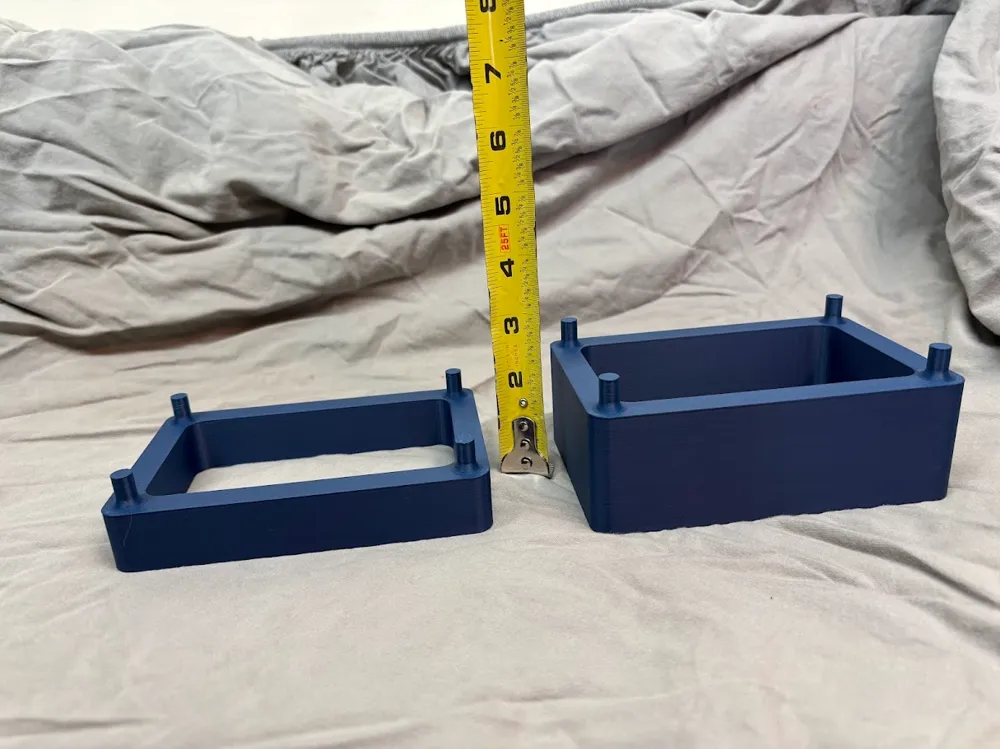
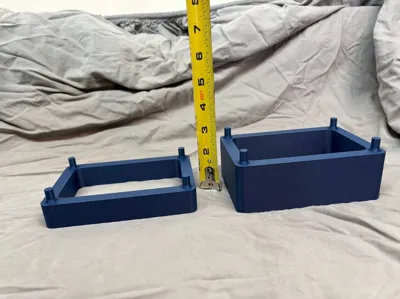
- Added a 6 inch jumbo segment for larger cats. This allows larger cats to avoid printing a bunch of small segments.
- Added cutouts to the body base and body segments of all sizes that allow for easier separating. Use a key or flathead screwdriver.
- Development has moved from Solidworks to OnShape. The CAD documents can be viewed and copied at OnShape.
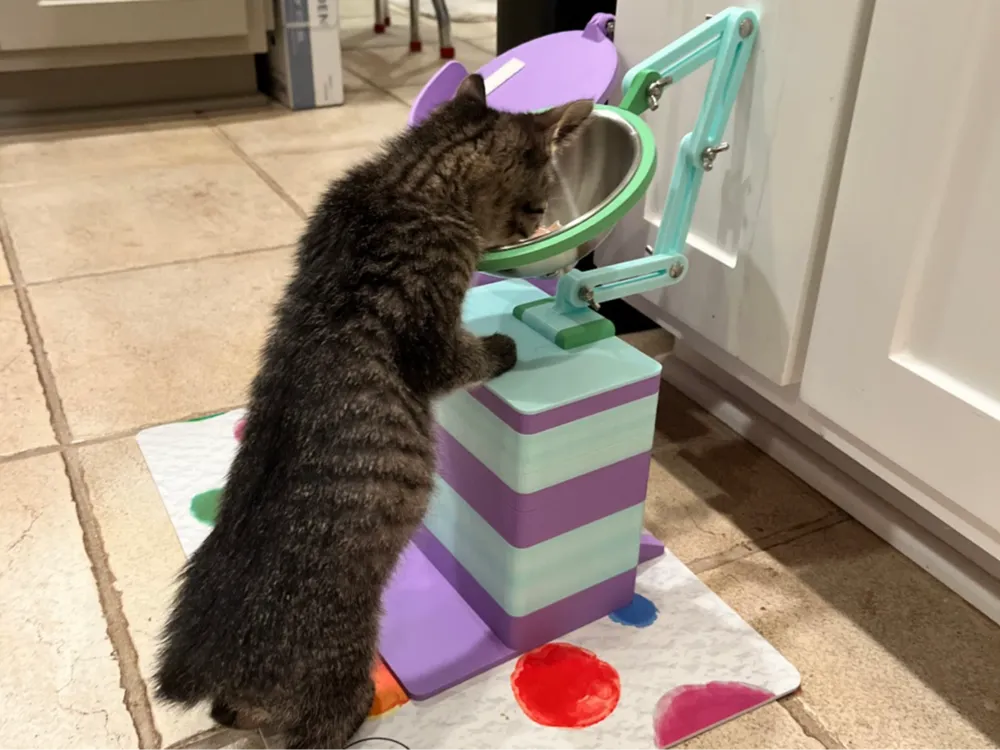
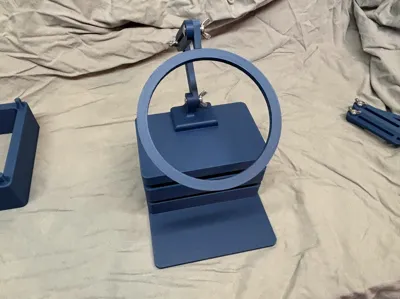
My mom's cat Tiggy Smalls (Tiggy) was diagnosed with feline megaesophagus which causes issues when she eats. There is a very small community around feline megaesophagus and one of the biggest issues we saw was getting feeders that help these cats out there. In order to make feeders more accessible, I designed this one.
Features
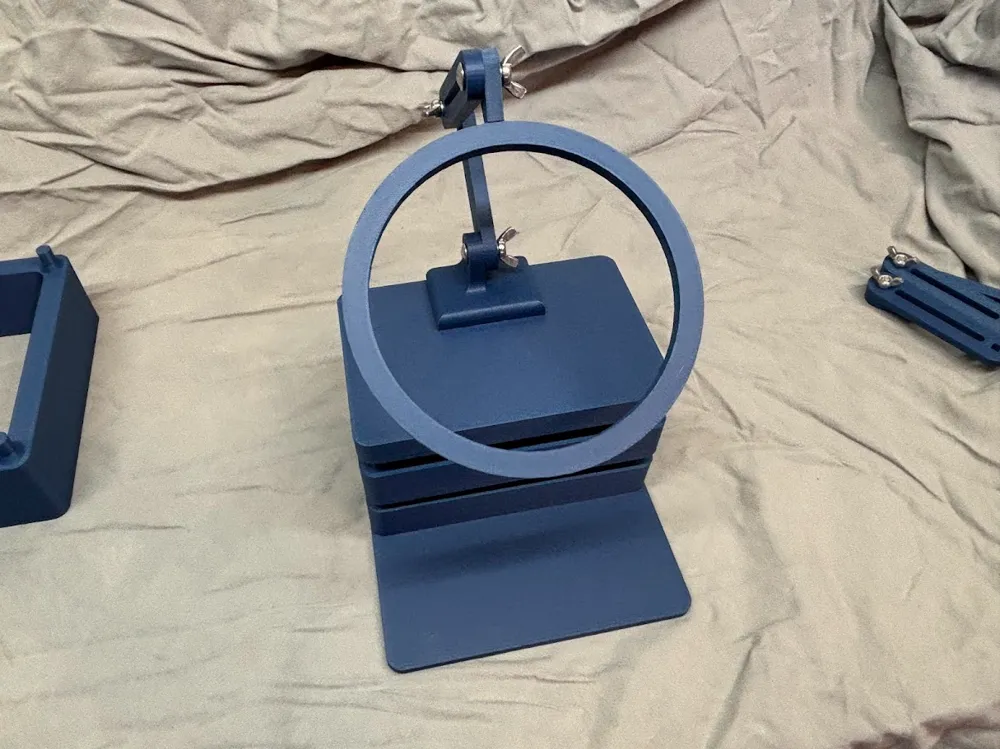
- Completely modular. More pieces can be added as the cat grows.
- Easy to print on small printers.
- Internal mechanism for holding it together.
- Multiple bowl holders.
- Optional anti-tip feet.
- Optimized for printing without supports.
FeedME-Mini
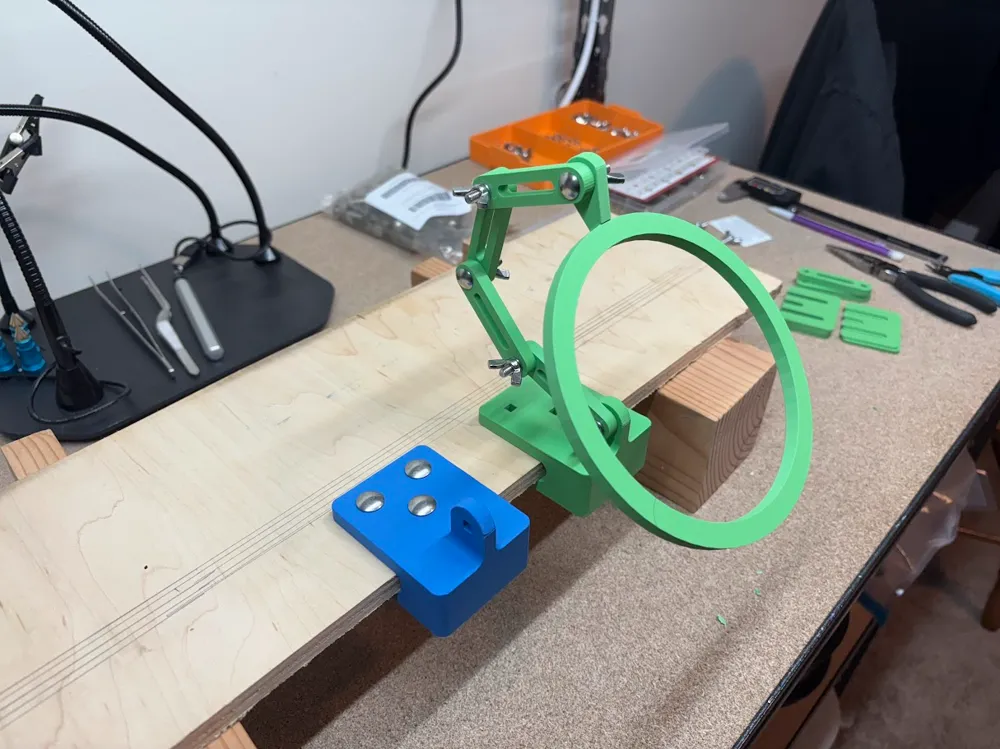
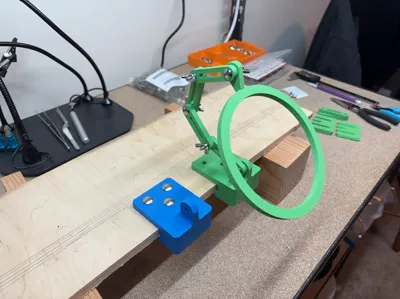
The FeedME-Mini is an adapted version of just the arm for the regular FeedME with an added bracket that allows it to be clamped or bolted to surfaces such as plywood. This allows someone to replicate the functionality of the full FeedME without needing the base. It could be clamped to a sufficiently tall bookshelf shelf for example. The mini can be printed in less time with less material and is more flexible to accommodate unique feeding situations.
The mini offers two mounting options by design; Carriage bolts with wing nuts can be used to bolt the base to a surface or threaded inserts can be added to the bottom holes of the bracket and it can be clamped with M5 bolts. Other options for mounting such as double sided tape on one side of the bracket are also viable mounting methods but these have not been tested as of yet.
At this time, I recommend bolting the FeedME-Mini, I've found that the insert can be unreliable and pull out of their holes.
Printing Guidance
The profile I created for this contains multiple bowl holders. Only one is necessary unless you plan on trying other bowls. I recommend deleting or ignoring the others so you don't use extra filament and time.
You may need to print additional body segments or arm links as your cats grow. The feeder should be tall enough to have the cat standing up like Tiggy is in the pictures.
Hardware
Everything is assembled with M5 hardware. I recommend using spring washers with the hardware as it allows for more fine grained control of how the arm flexes. Additionally, the M5 carriage bolts are necessary to prevent the bolt from spinning when tightened. Wing nuts also make for a tool free setup.
If you don't want tool free, any M5 hardware will do. I used M5x20 bolts.
Bowls
I've designed bowl mounts for a few bowls that are included. Additionally, there is a generic flat mount included that should work with most cat bowls. The option we currently use is the KatSupreme mount. The KatSupreme bowl's amazon link is listed in the bill of materials.
If you design your own bowl, please let me know so I can include a link here. The more bowls we can support, the better.
Internal Mechanism
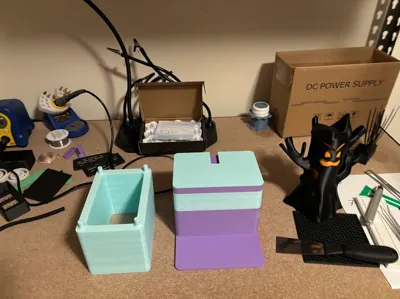
Because all printers have different tolerances and cats can be unpredictable, the feeder has an internal mechanism to hold itself together if necessary. There is a loop through the top plate and loops on either side of the bottom piece that can be used with a shoe string or other type of string to tie the bottom to the top. This can make the feeder more stable if the tolerances on the pins are loose.
Once your cat has reached adult size, if you dont want to deal with the internal mechanism, you could just glue the segments together.
Additional Files
In addition to STL/3MF files, there are Solidworks files available here as well. The model was natively designed in Solidworks and it is the recommended application for editing anything because many of the pieces are parametric. Having said that, I have also converted all of the individual parts over to IGES format so they can support more CAD software.
Feline Megaesophagus Resources
Documentation (1)
License



Comment & Rating (35)