
Spool Center Shaft Desiccant Box v2, the perfect companion for Tuozhu & Kexcelled spools
Print Profile(4)




Description
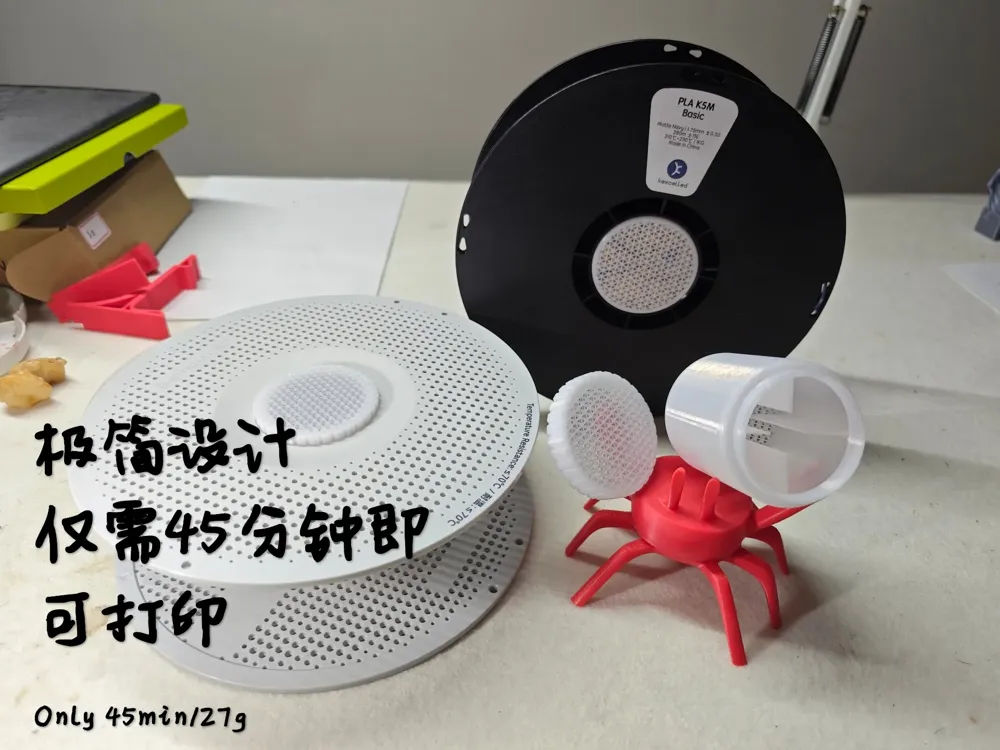
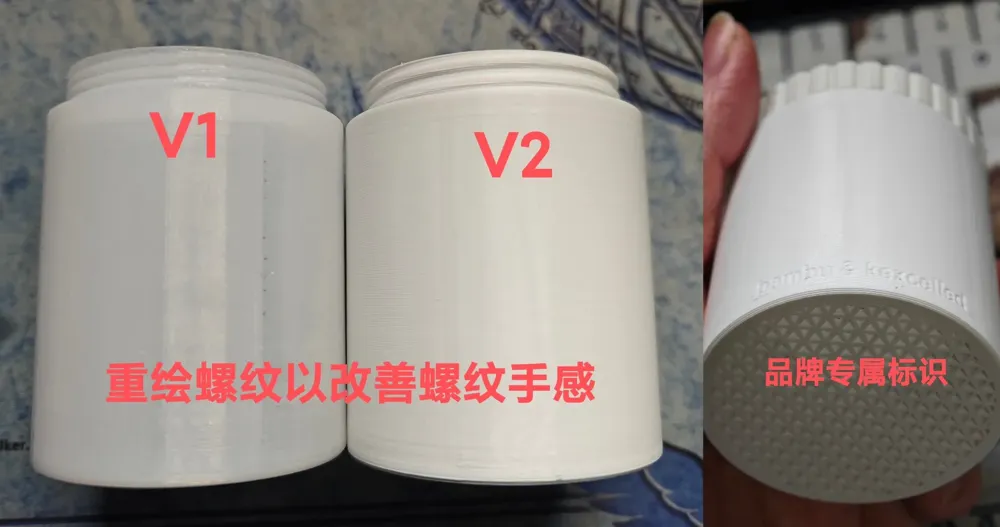
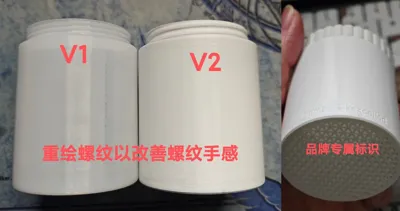
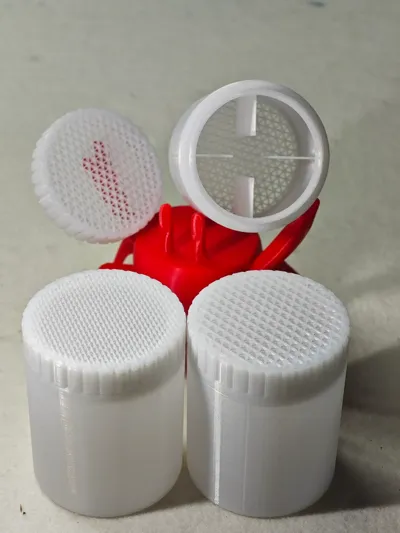
Updated to Version 2, with redesigned threads for improved handling and brand-specific logos added for various filament brands. Print time is further optimized to just 42 minutes.
Incompatible with the original V1 threads. The V1 model can be found in the original files if needed.
********************
Compatible with Tianrui filament spools: https://makerworld.com.cn/zh/models/826146#profileId-808379
Compatible with Qile Cube/Caiyue and other brands of filaments: https://makerworld.com.cn/models/987478
********************
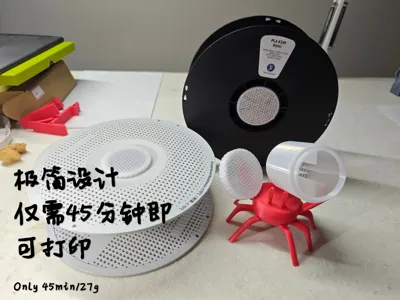
I particularly appreciate desiccant boxes that fit snugly onto the spool's central axis, maximizing capacity and providing structural integrity. However, existing designs often require over 1.5 hours to print. The question is: Since it fits perfectly onto the spool's central axis, why waste time printing the hollow sides of the box?
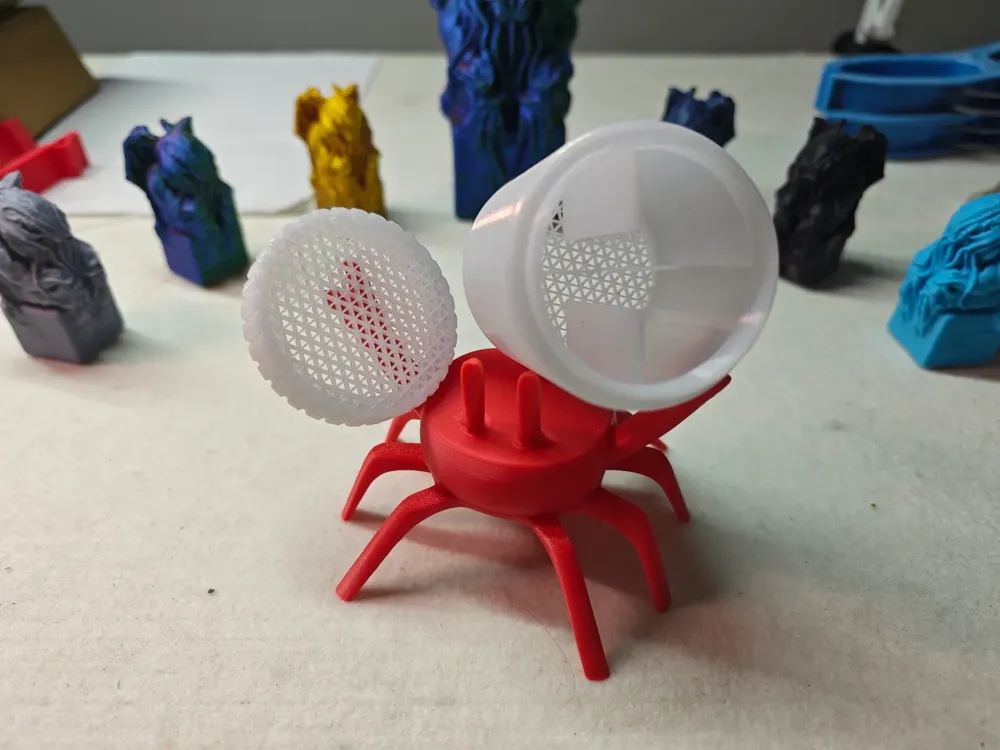
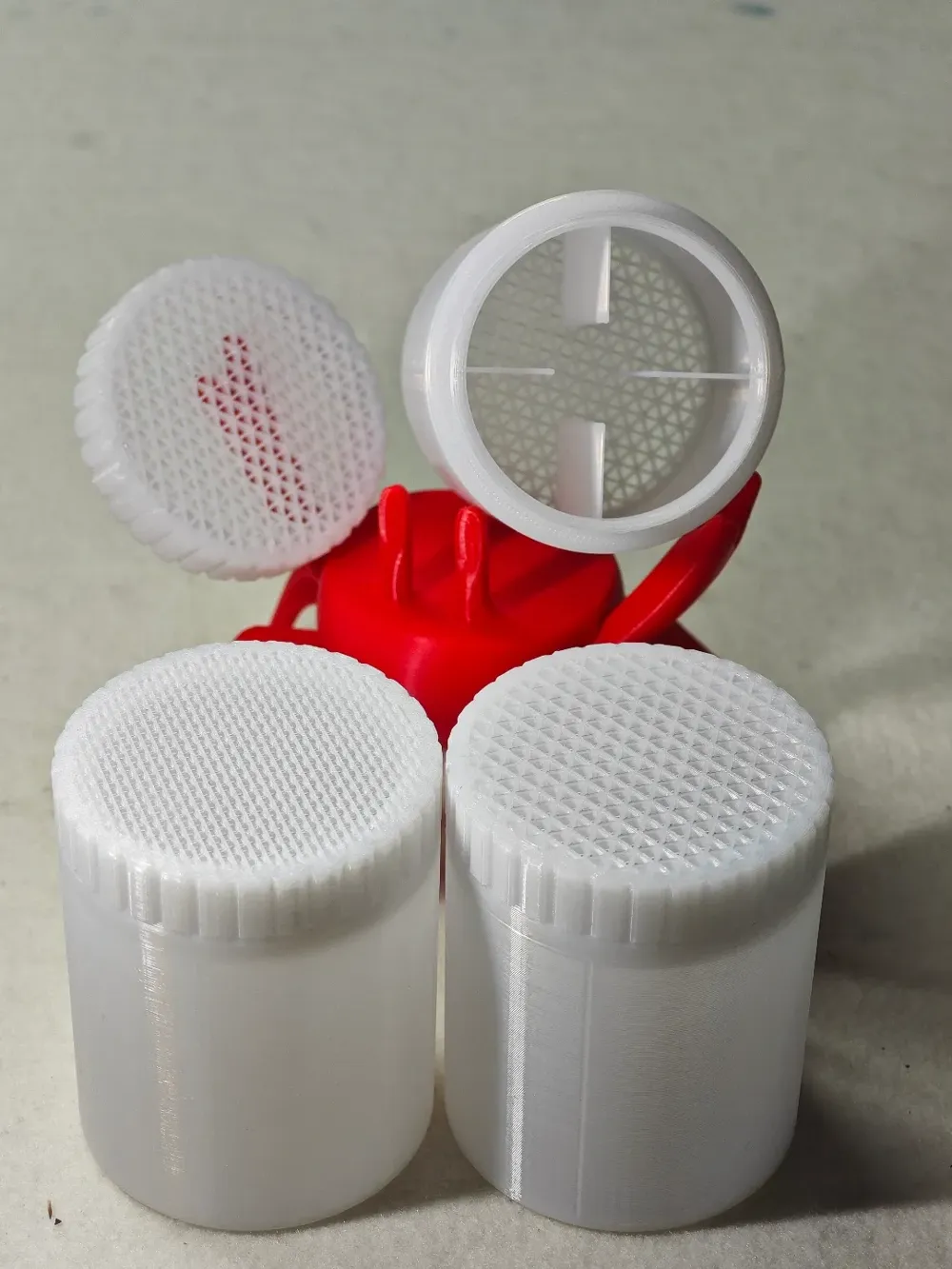
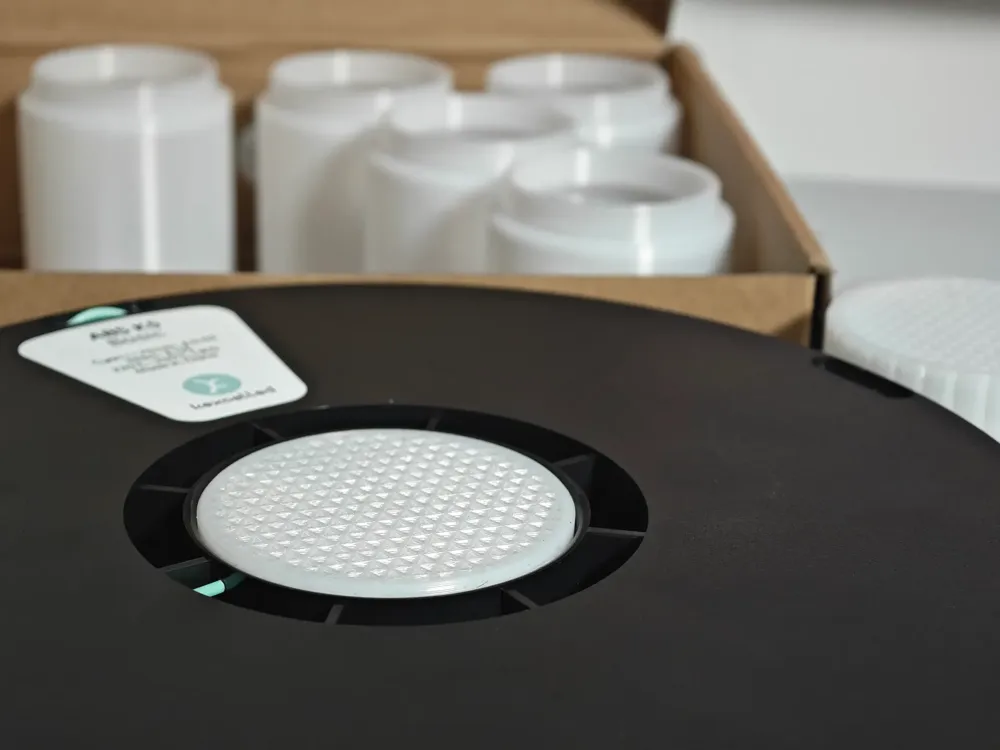
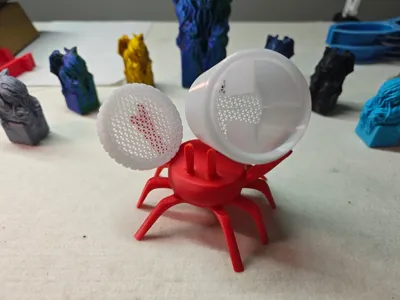
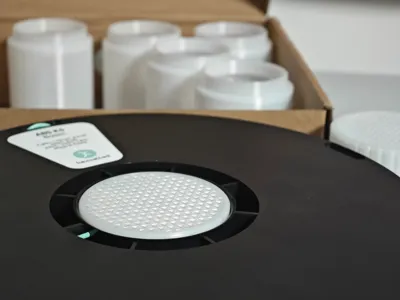
This design addresses this issue: only the top and bottom openings are retained. The structural design enables efficient material use, faster printing, and high strength. After printing, simply fill with desiccant and insert into the spool's central axis.
This file is suitable for Bambu Lab's removable spools and Kexcelled's non-removable plastic spools. Other brands with similar spool dimensions may require testing.
Three key features: Perfect fit, efficient and rapid printing, low noise.
I gained valuable insight from AZZZA128's desiccant box (https://makerworld.com.cn/zh/models/614568?from=search#profileId-549983): incorporating a partition to reduce desiccant noise during spool rotation. By integrating the partition with the outer wall as a structural component, I successfully halved the printing time (45 minutes for a single print, 42 minutes per print for a full set of eight) with 0.8mm wall thickness (two layers). I hope this small design will pleasantly surprise you!
Slicing recommendations: It's recommended to download my uploaded slice file as a base for modification. The top and bottom surfaces of the box utilize a height range modifier to create the perforations. The specific parameters for the modifier are: range 0-2mm, top and bottom layer count 0, wall thickness 4. You can choose your preferred infill type for the perforations; for types with larger gaps (e.g., triangular, grid), 40% is recommended; for types with smaller gaps (e.g., cross-hatch), 30% is suggested. The main body of the box employs variable layer height to maximize print speed.
License

You shall not share, sub-license, sell, rent, host, transfer, or distribute in any way the digital or 3D printed versions of this object, nor any other derivative work of this object in its digital or physical format (including - but not limited to - remixes of this object, and hosting on other digital platforms). The objects may not be used without permission in any way whatsoever in which you charge money, or collect fees.


Comment & Rating (1)