
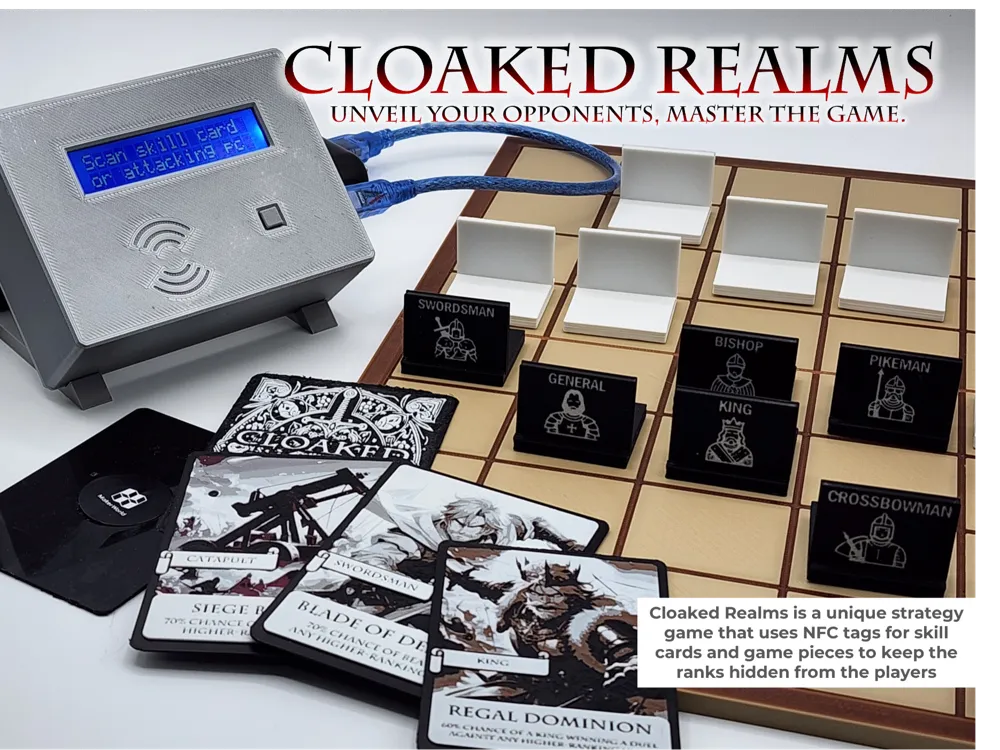
Cloaked Realms: A NFC-based strategy board game

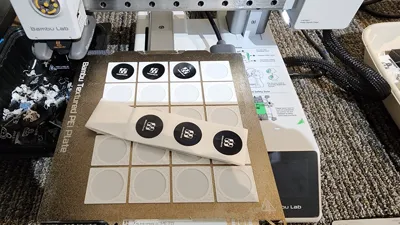
Print Profile(3)


Bill of Materials






- Arduino_Nano x 1: https://www.amazon.com/gp/product/B08C9ZVF51/ref=ppx_yo_dt_b_search_asin_title?ie=UTF8&psc=1
- 1602_LCD x 1: https://www.amazon.com/Display-Module-Backlight-Arduino-MEGA2560/dp/B07T8ZG5D1/
- jumper_wires x 1: https://www.amazon.com/gp/product/B08151TQHG/ref=ppx_yo_dt_b_search_asin_title?ie=UTF8&psc=1
- Mini_RFID-RC522 x 1: https://www.amazon.com/DAOKAI-13-56MHz-Communication-Arduino-Raspberry/dp/B0BGXJLN92/
Description
IMPORTANT NOTE ON COMMERCIAL USE OF MY MODELS
Please note that I am sharing my designs for everyone to enjoy but for personal use only. You may share physical copies for FREE but not the digital copy nor sell as I have NOT provided any commercial license to any one to sell either digital or physical copies of my designs. I will not hesitate to report to Etsy's and other online sites' admin if I find them being sold there for profit.
__________________________
Release History
2024-11-18: v1.2 fixed the game units/pieces print profile to add a solid wall in the middle to prevent tracing the unit's rank when light passes through
2024-11-16: v1.1 print profiles and Arduino sketches updated to process skill cards
2024-11-13: v1.0 released with v1.0 rules, X1/P1/A1 print profiles; A1 Mini print profile to follow
__________________________
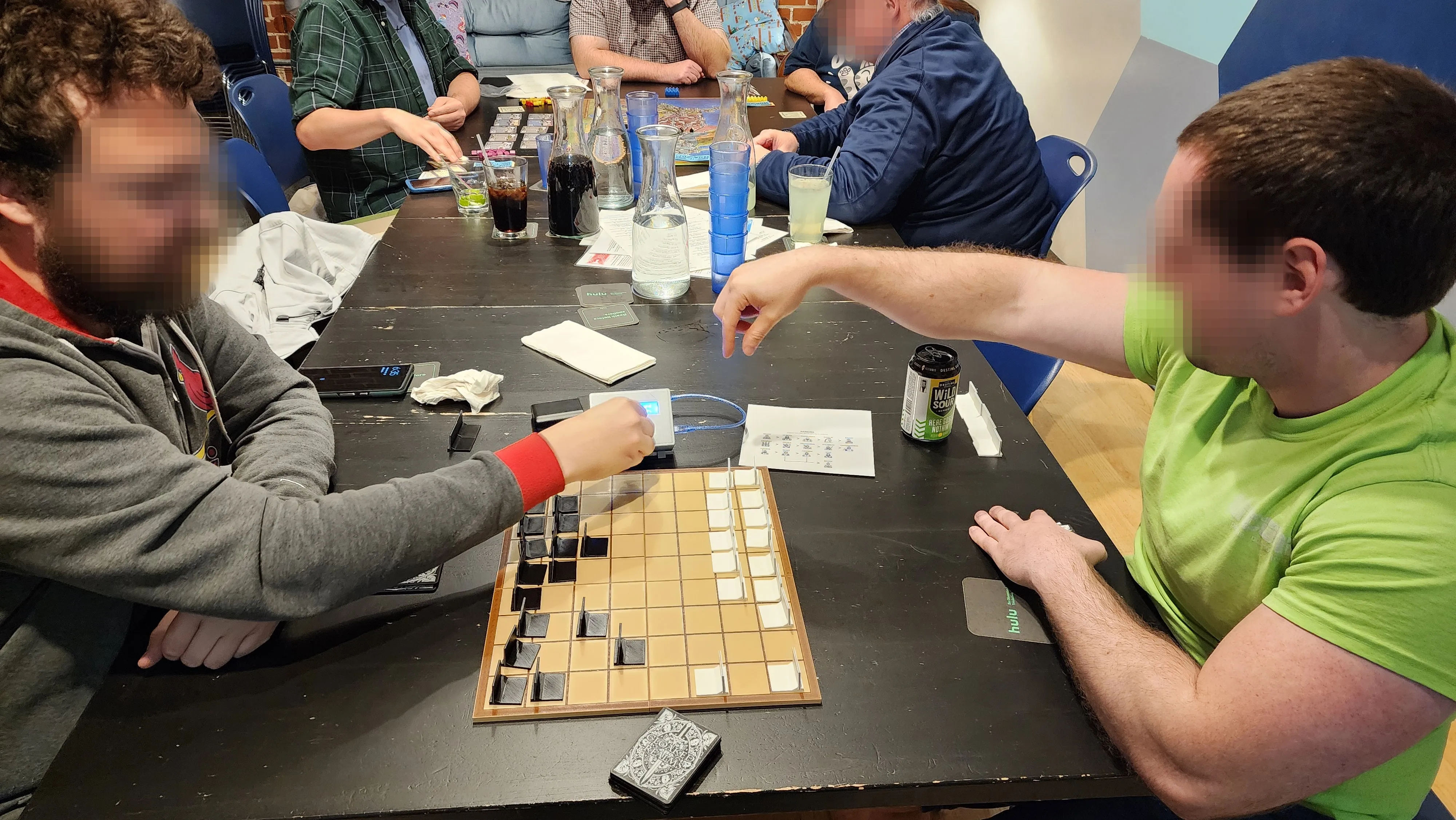

"Cloaked Realms is a brilliant mix of strategy and mystery. The hidden pieces and unknown ranks make every move feel like a high-stakes gamble. The NFC tags work well for this.“ — Jim C.
"Cloaked Realms is an incredibly exciting game. The hidden pieces make it feel like a spy mission on a board game. It's a perfect blend of deduction and strategy. " — Ric L.
“It’s like Stratego, but better! My minor gripe is that you sometimes forget where the pieces should be after scanning them.“ — Darwin E.
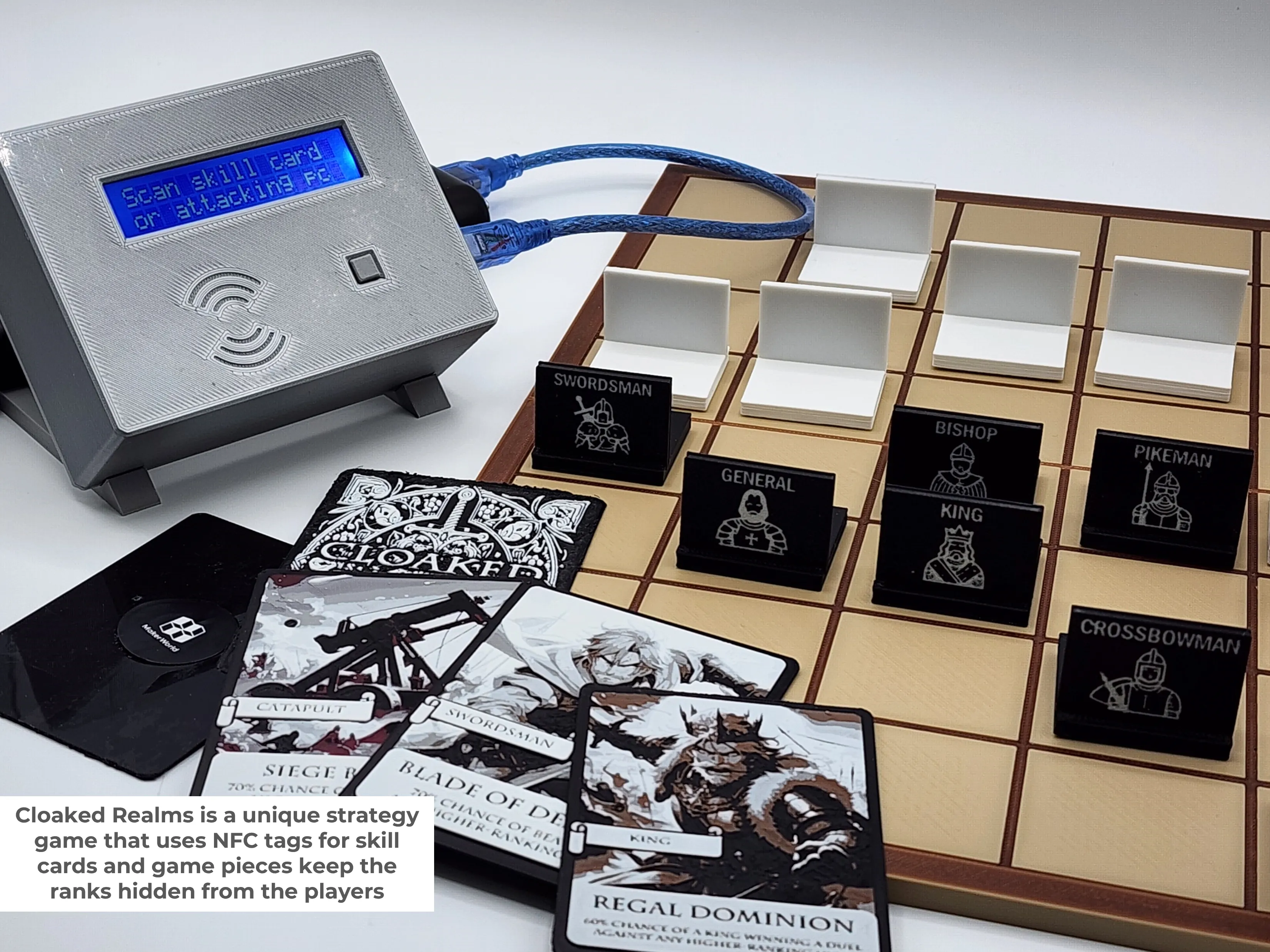
Features
- Fog of War*: Unlike most board games where game pieces/units are exposed to all players, everything is hidden from the other player, i.e., unit ranks, skill cards, team composition, etc. Players need to use deduction, bluffing, and clever maneuvers to win the game.
- Uncertain Battles. Every unit battle outcome is unknown. A wrong guess can cost you a unit and every battle win is a relief!
- Skill Cards. Use skill cards to turn the tide and survive against certain defeat.
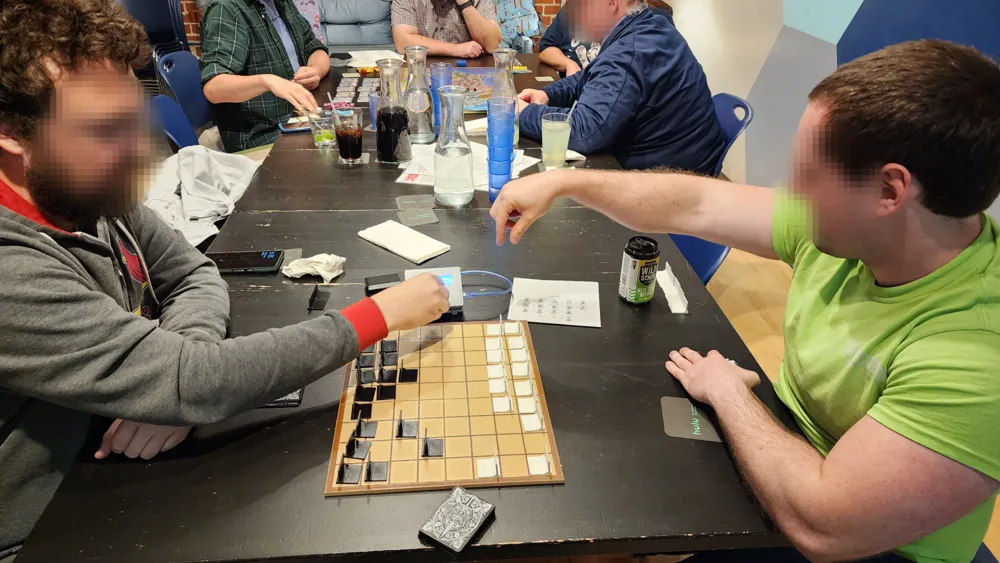
- Game Assistant: Remove the need for a third person to act as arbiter and ensures accurate decisions on every battle.
- Adaptive Tactics: Whether you're a novice or seasoned strategist, the game allows you to adapt your strategy with every game using different combinations of unit and placements to your advantage.
- Multiple Ways to Win: Capture the opponent's King or maneuver your King to the far edge of the board to claim victory.
- Replayability: With numerous unit combinations and strategic possibilities, no two games are ever the same.
Furthermore, the game has potential for expansion and I'm already planning on a couple more features but keeps the basic premise of the game.
* Inspired by the classic game 'Game of the Generals,' 'Cloaked Realms' builds upon its strategic depth and hidden pieces concept adding modern elements to offer a unique game experience.
Rules of Play
Objective
The objective of Cloaked Realms is to capture your opponent's king or reach their end of the board with your own king, while employing strategy, deduction, and deception to outmaneuver your opponent's forces, while with the game pieces' ranks unknown to the players.
Game Setup
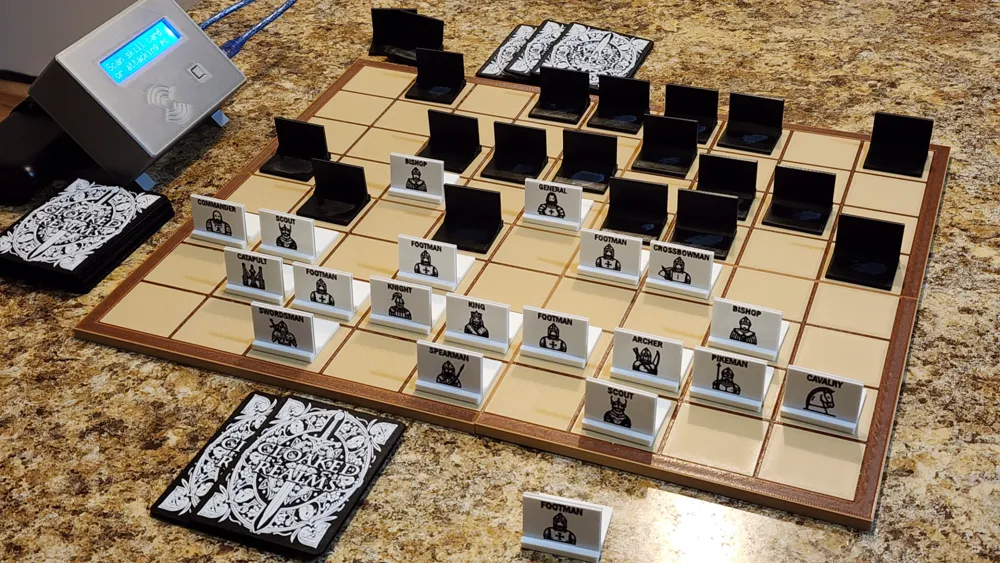
Pieces: Each player has 20 pieces representing different units: Bishop (x2), General, Commander, Cavalry, Knight, Catapult, Archer, Swordsman, Spearman, Crossbow, Pikeman, Scout (x2), Footman (x5), and a King.
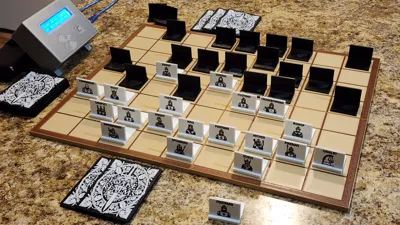
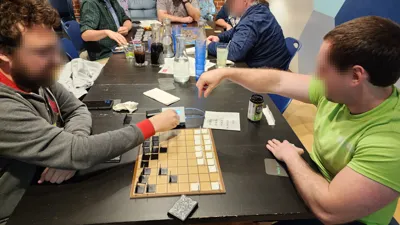
Board: The board is oriented with the longer side (9-square side) facing the players. The players place their pieces in the first three rows on their side of the board, in no particular order or arrangement. You can choose to put your King in the center and flanked by powerful units as you charge through your opponents units or put your King in one corner and stealthily make way on one side of the board to your opponent's base.
Once arranged, the players decide who will move first.- Skill Cards: Players decide how many skill cards they would allow to each to have. Recommended is 2 each, but can go up to 5 each if desired. Players will get the agreed number of cards from the deck keeping it face down and hidden from the other player.
Gameplay and Movement
- All pieces move one square forward, backward, left or right. Pieces are not allowed to move diagonally.
Battles: A piece cannot be moved onto a space where the player already has a piece. When a piece is moved onto a space occupied by an opponent’s piece, a battle will occur.

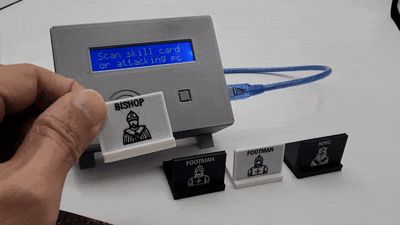
In a battle, the ranks of the two pieces are compared to see which one wins the battle. Use the Game Assistant to scan the attacking piece first (or a skill card, see next bullet item), then the defending piece and the Game Assistant display will tell which player won the battle. In most cases the lower ranked piece loses and is removed from the board but the rank is not revealed to the winning player. If both pieces have the same rank, both pieces will be removed from the board, with the exception of a King vs King (see End Game section below)- A defeated unit is removed from the board. Though unit has been removed from the board, ensure that its rank remains unknown to the other player.
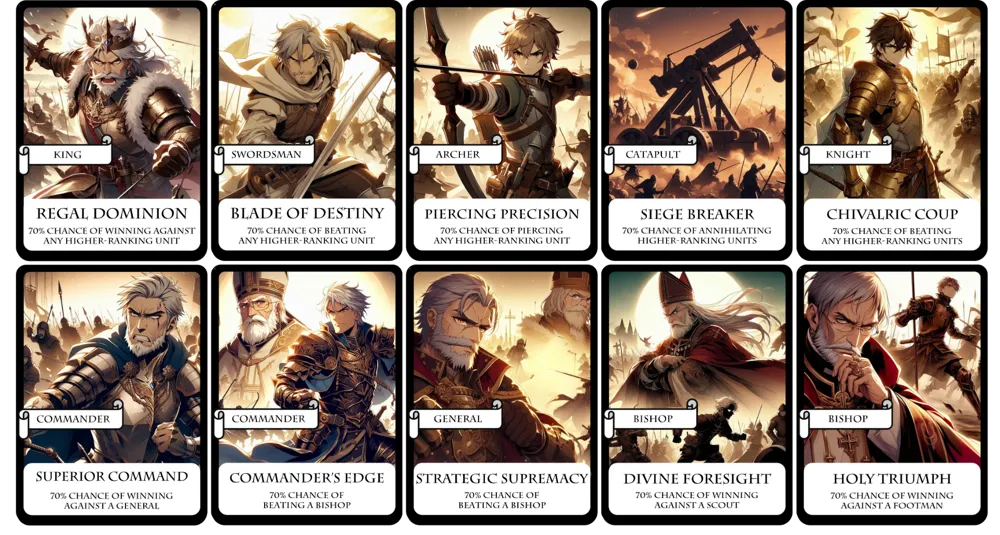
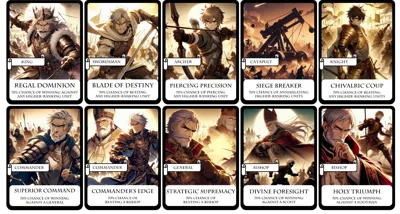
- Skill Cards - Skill cards are used during a battle to counter a potential loss against the opposing unit. Note: The base game can be played without the skill cards. However, skill cards adds to more varied strategy in the game.
For example, only Footmen and Scouts can defeat a Bishop but having the Divine Foresight skill, the player can choose to attack a Scout and counter a potential loss if attacked by the other player. This is assuming the player thinks that indeed the unit in question is a Scout.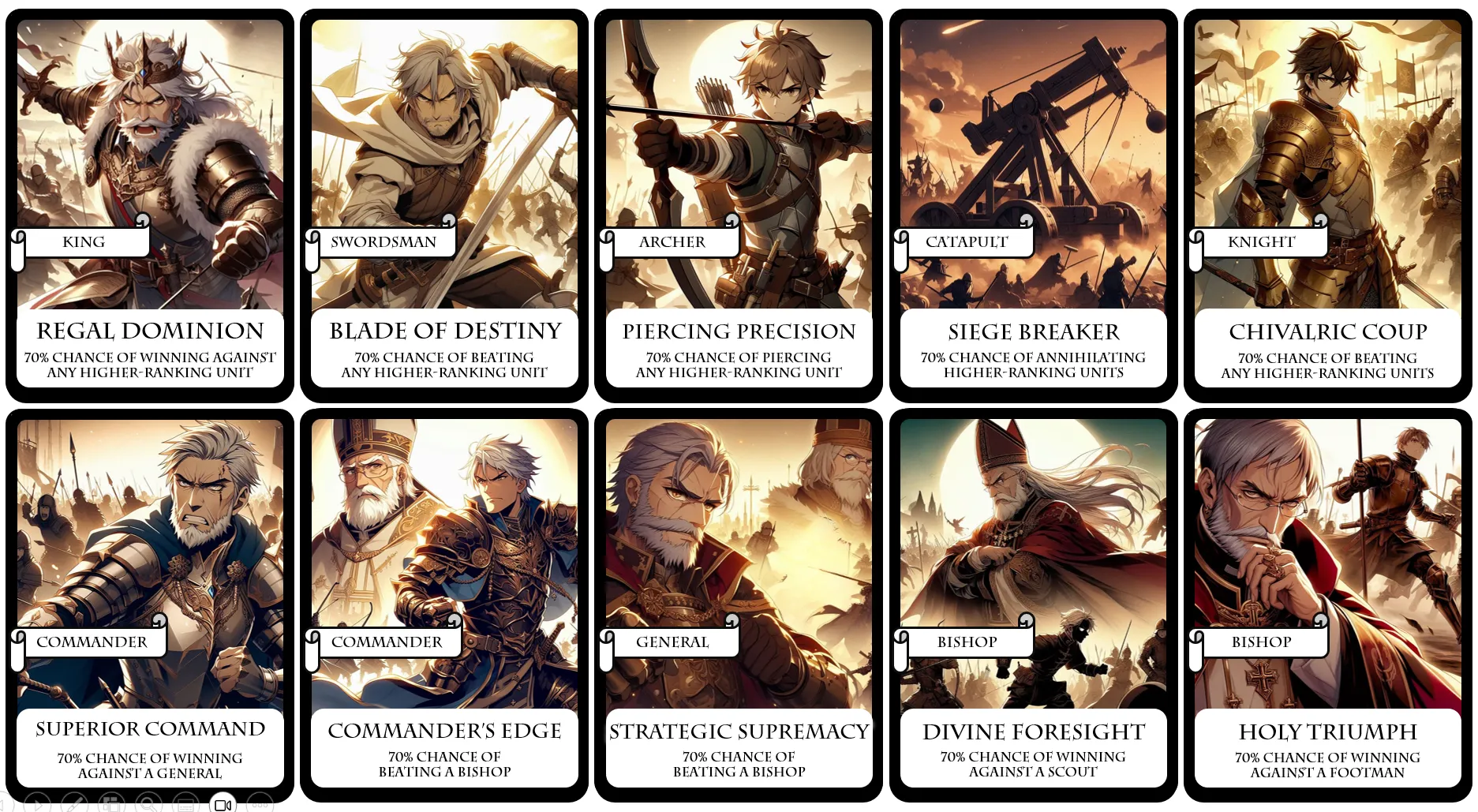
- Usage: Only the attacking player can use a skill. During a battle, the attacking player chooses to use a skill or not. If he decides to use a skill, the skill card must be scanned first before scanning the attacking piece. Press the reset button on the Game Assistant box if the step was missed.
- Conditions: For the skill card to be used successfully, several conditions must be met:
- The skill to be used should match the attacking unit as shown in the card. For example, only a Swordsman can use the Blade of Destiny skill. Otherwise, the skill will be ignored during the battle and the winner is determined by rank alone.
- The defending unit matches the unit that the skill is intended against. For example, the Commander's Superior Command skill will only work against a General. If the defending unit is a Bishop, the skill will not work. In contrast, the Knight's Chivalric Coup skill will work on any unit that is higher than himself but not against another Knight.
- Right now, skills have 70% chances of taking effect. The Game Assistant does this probability determination by itself to decide if the skill worked or not.
Skills can only be used once per game
- Usage: Only the attacking player can use a skill. During a battle, the attacking player chooses to use a skill or not. If he decides to use a skill, the skill card must be scanned first before scanning the attacking piece. Press the reset button on the Game Assistant box if the step was missed.
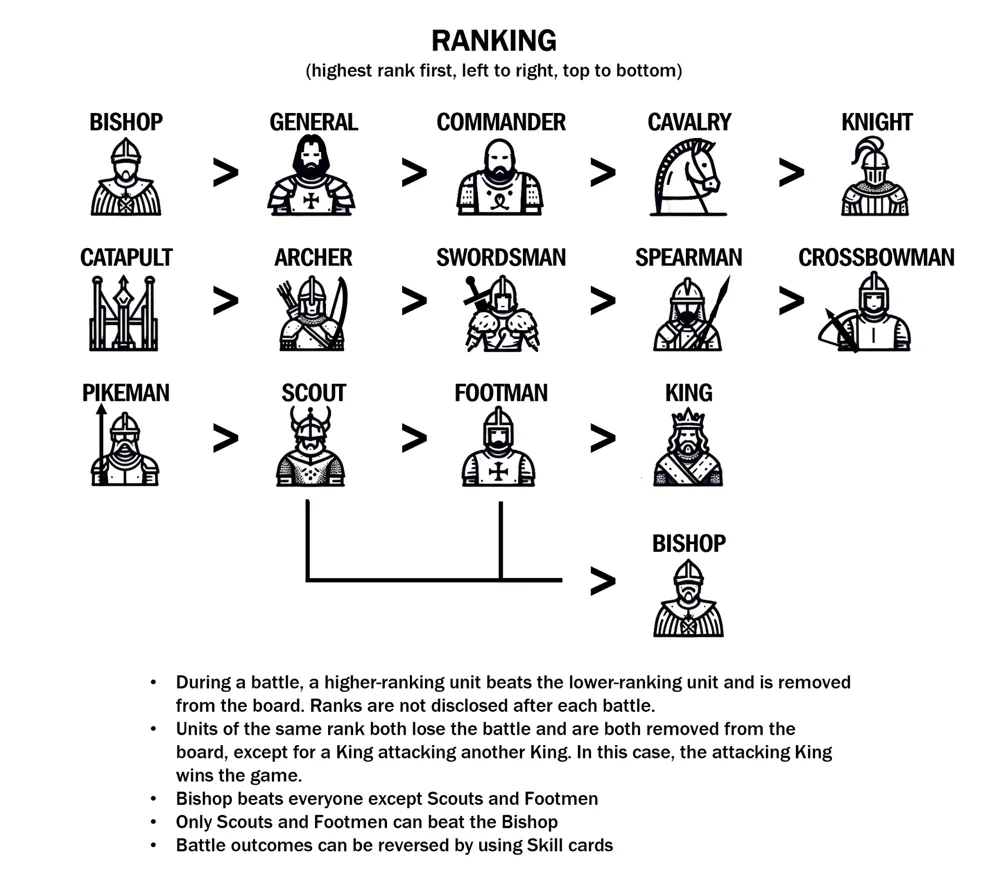
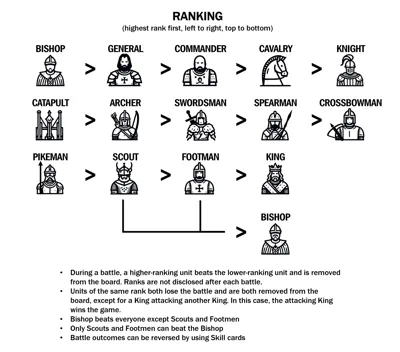
The ranking of the different pieces in the game are as follows (highest rank first, left to right, top to bottom):
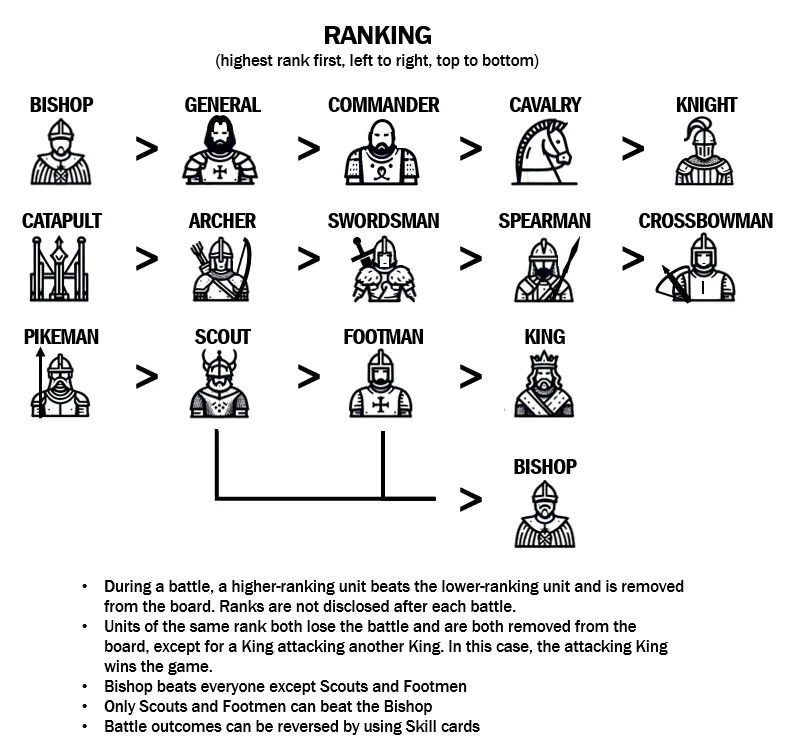
- There are a couple exceptions to higher ranked pieces beating lower ranked pieces:
- The Bishop will beat any piece except Scouts and Footmen.
Though the lowest in the ranks, only Scouts and Footmen can beat the Bishop.
End Game
A player can win the game in a couple different ways.
- One player captures/attacks the other player's King.
- A player moves their King to the other player’s farthest edge of the board. A player must reach the other side of the board in a spot where the other player can’t attack it on their next turn. Note: This rule is enforced by the players as the Game Assistant will not be able to detect this scenario.
- One of the players surrenders. Note: This rule is enforced by the players as the Game Assistant will not be able to detect this scenario.
- Both players agree to a draw. Note: This rule is enforced by the players as the Game Assistant will not be able to detect this scenario.
- If a player's King attacks the other player's King, the attacking King wins the game.
Strategy and Tactics
Use deception, strategic placement, clever maneuvers and bluffing to outsmart your opponent to win the game.
Printing
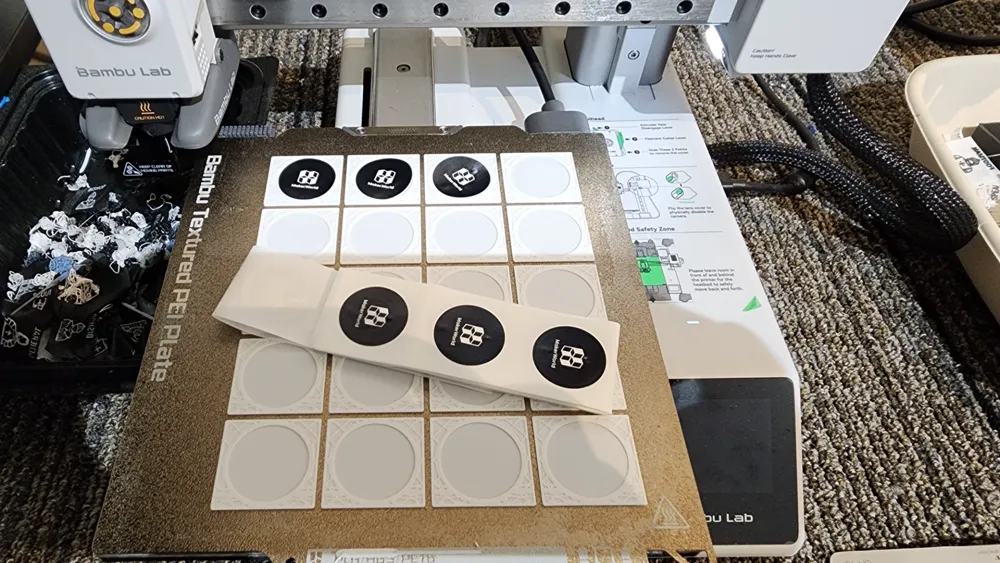
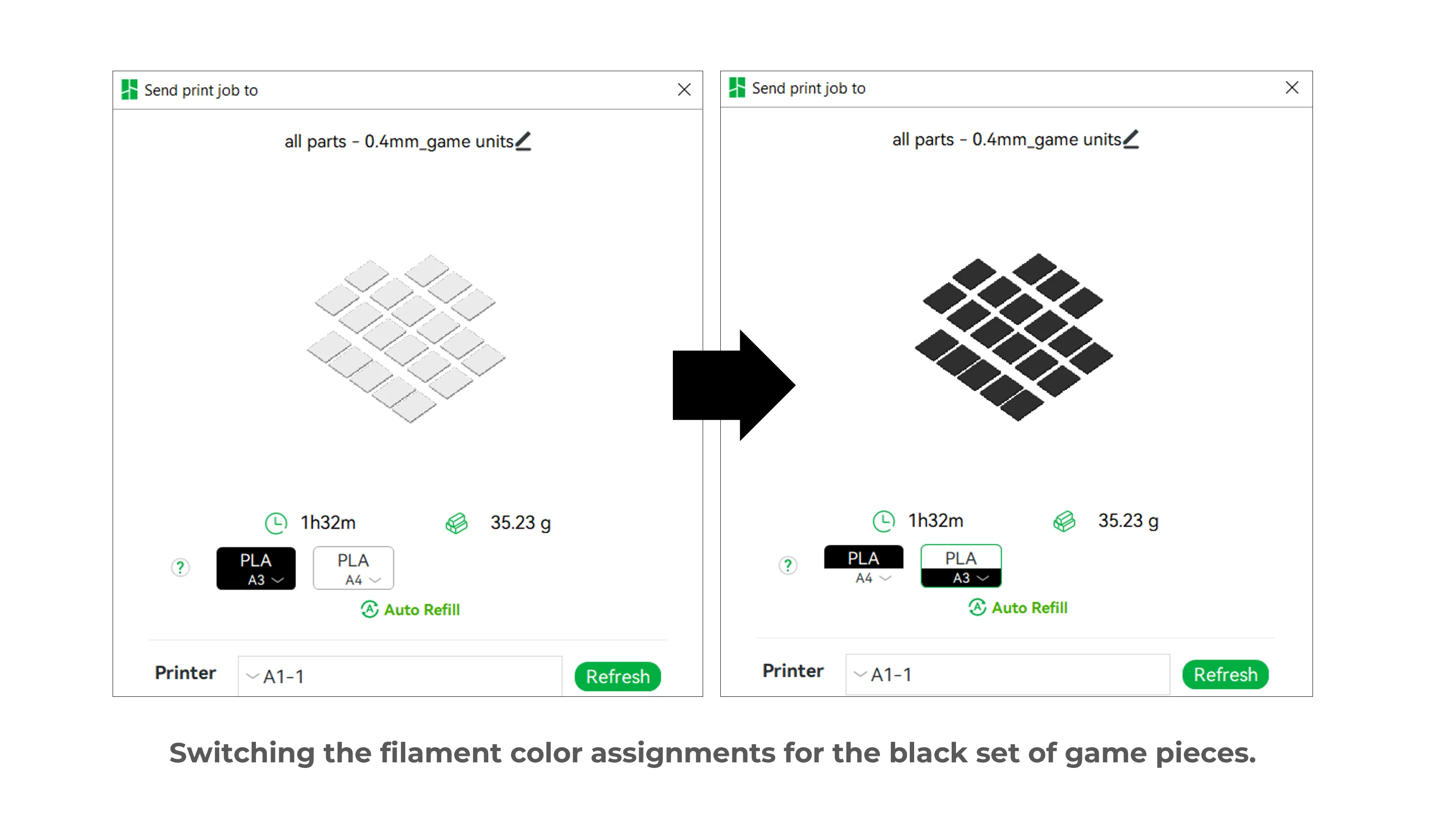
- Game piece graphics can be printed using 0.4mm nozzle but 0.2mm is recommended. After printing one set, print another but switch the filament color assignments. For example, print the bases and the units with the default color assignment which is white. Then when print the black pieces by switching the filament color assignments in the Send to dialog box. See below
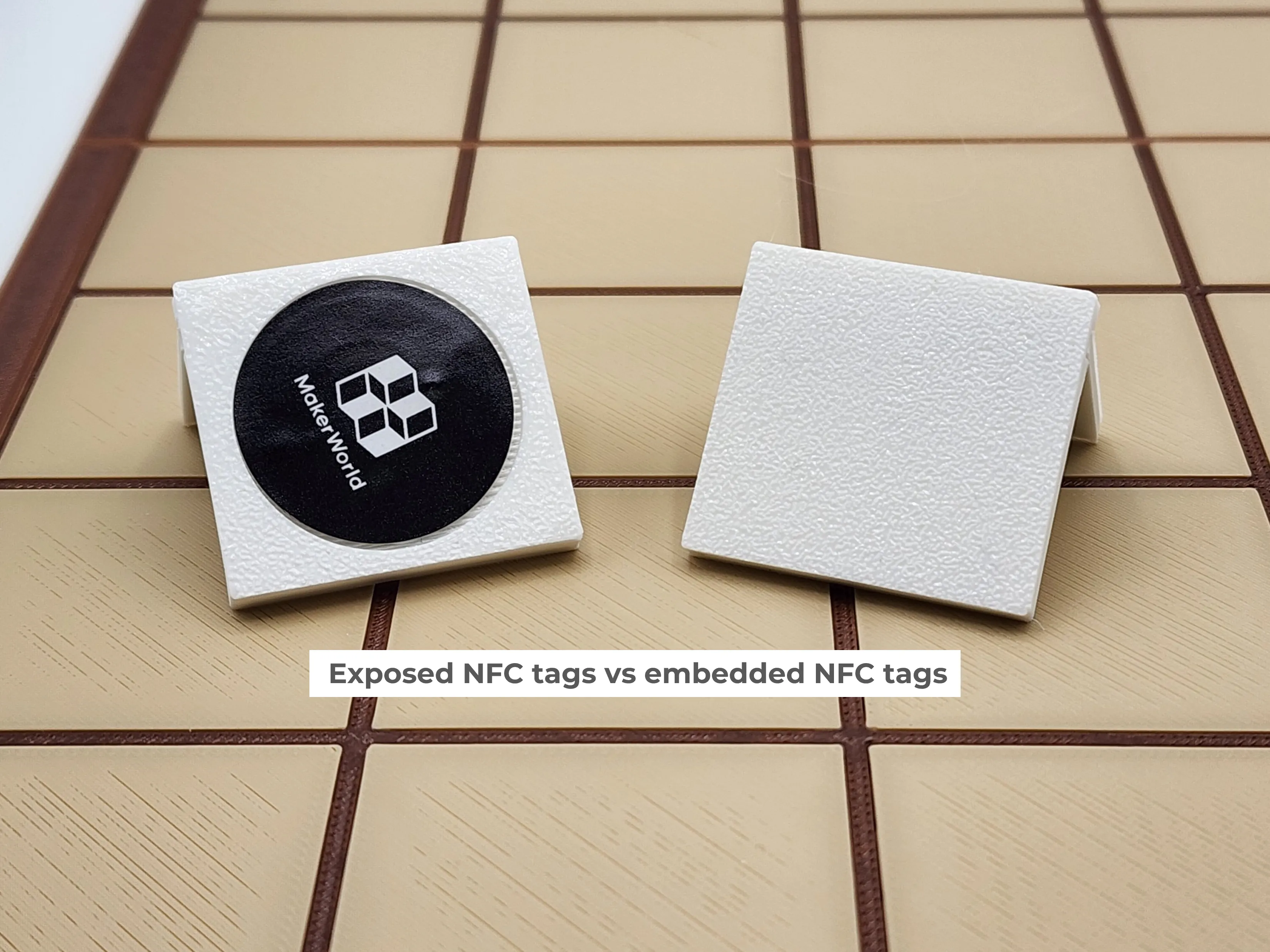
- Unit/piece bases: You have the option to print either the bases with embedded NFC tags (more permanent) or bases with exposed NFC tags should you want to re-use the NFC tags for other uses.
Additional Hardware Required
(See BOM section below to purchase the required components)
- Arduino Nano which powers the Game Assistant – the electronic arbiter that tells which player wins in a battle.
- Mini RFID-RC522 RFID tag reader/writer to program the NFC tags and used to scan the tags during battles.
- 1602 LCD to display prompts to the user and the results of battles.
- 25mm RFID tags to store each piece rank values
- BT2.6x8 self-tapping screws for securing the components in the Game Assistant box.
- Battery pack or any USB power source for the Game Assistant
Game Assistant Box
Usage
The Game Assistant is used in two (2) ways:
- As programmer to write the rank values to the NFC tags; and
- As arbiter/referree to determine who wins a battle during gameplay
A reset button below the display is provided to reset the Game Assistant when any of the following happens:
- A King is defeated in a battle and the display says "<player> wins the game! and you want to play again
- The wrong piece is scanned as the attacking piece
- If the program crashes (rarely happens)
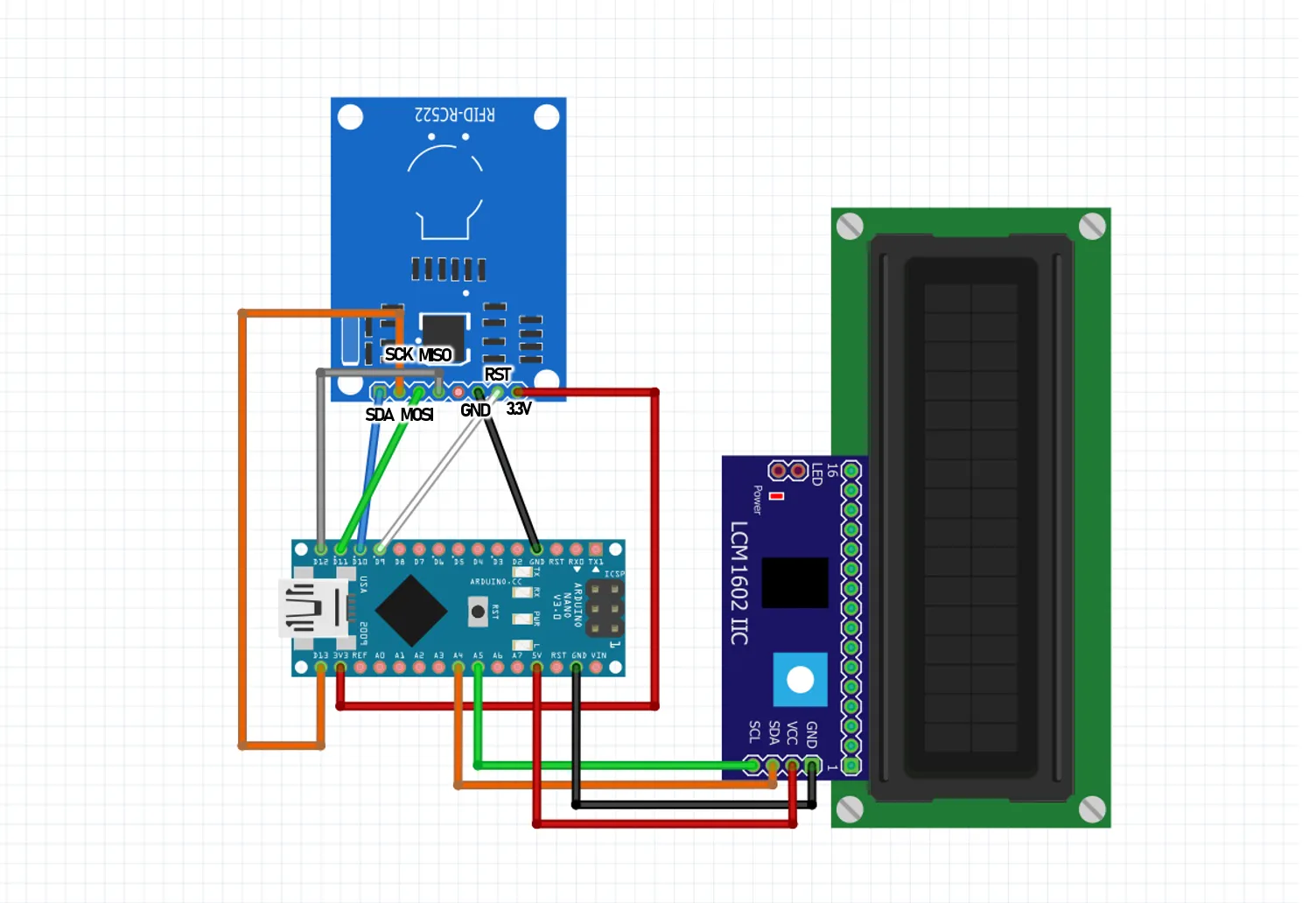
Circuit Diagram
All components, except the RF reader will need the leads to be soldered on. Afterwards, follow the diagram below for the wire connections.
Assembling the Game Assistant Box
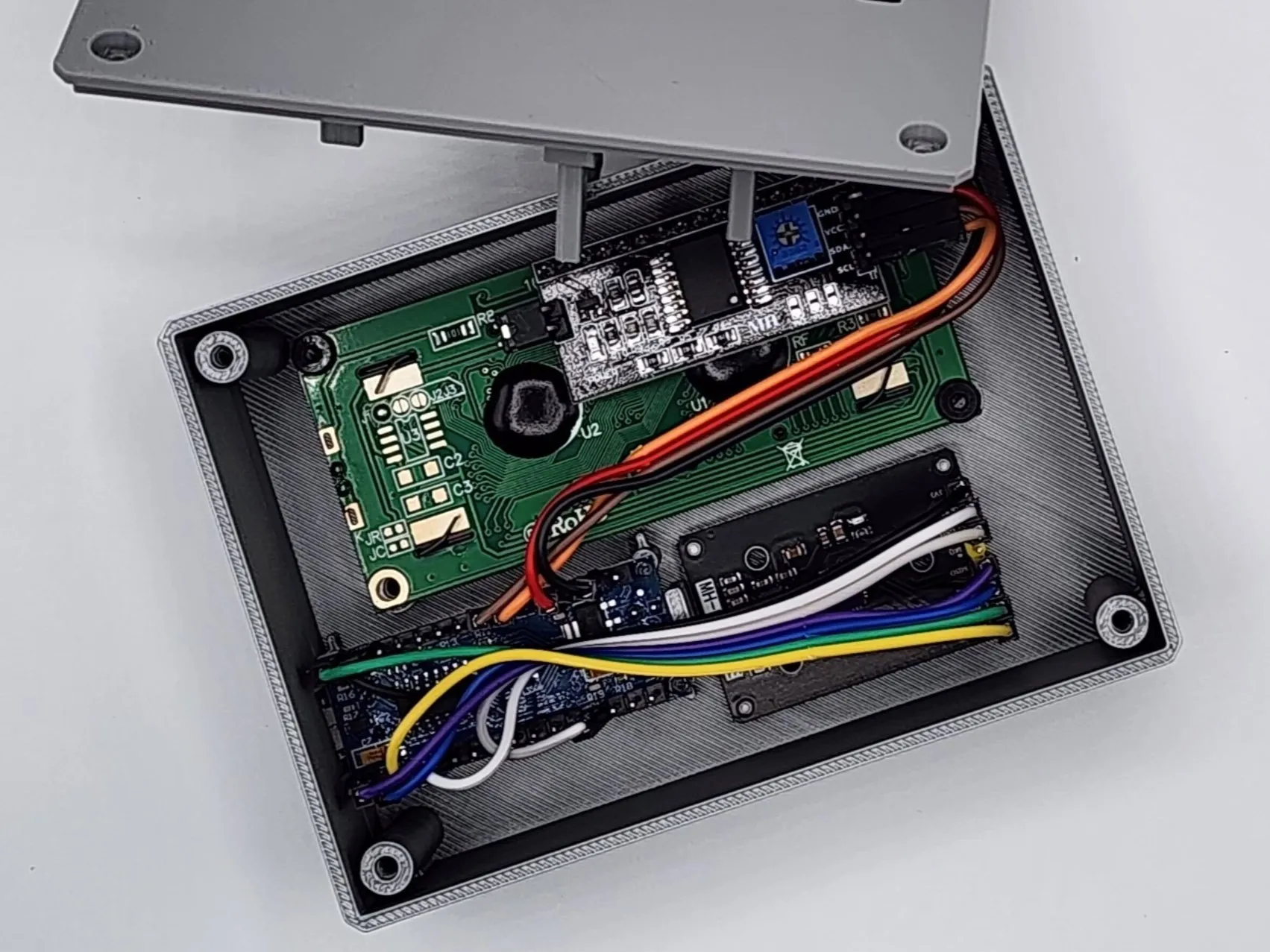
See picture below on how the components are laid out. Only the LCD display will require screws/bolts. Both the Arduino and the RF reader is held in place by the stopper posts in the lid. Use the same bolt to secure the cover. A pair of stands is provided to rest the box in a tilted position.
Arduino Sketches
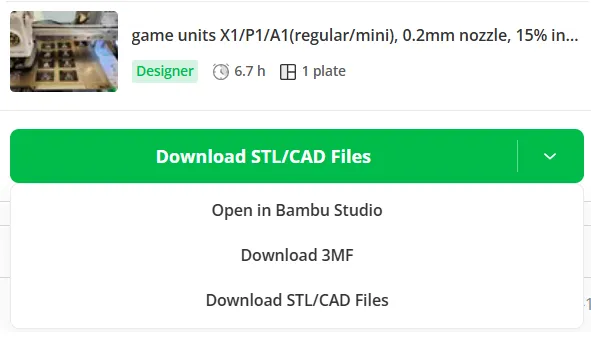
Two (2) Arduino sketches are provided and can be downloaded via the Download STL/CAD Files dropdown.
Important: Be sure to add the MFRC522 library in the Arduino IDE before compiling any of the sketches below. Otherwise, you'll get an error message.
- rf_write_values_with_skills.ino - Upload this sketch to the Arduino Nano to program the pieces and skill cards. Skills are written first before the game pieces. When this sketch runs, it would ask for the game pieces one by one to write the ranks to the NFC tags. It will first ask for the black pieces (B) and then for the white (W) pieces next. Follow the prompts as you scan the tags.
Once done, upload the other sketch to start playing the game. Unless you need to re-program another set of game pieces, you don't need to use this sketch again.
- read_compare_with_skill.ino - Use this sketch as a more permanent program for the Arduino to use during gameplay to determine which player wins a battle.
During gameplay, when a battle occurs, move the pieces near the box below the LCD screen to the left of the button. Scan the pieces one at a time. Wait for the prompts and the program will show in the screen who won the battle. The player who lost the battle keeps the piece and is not required to reveal the rank to the other player.
Fun Facts About this Build
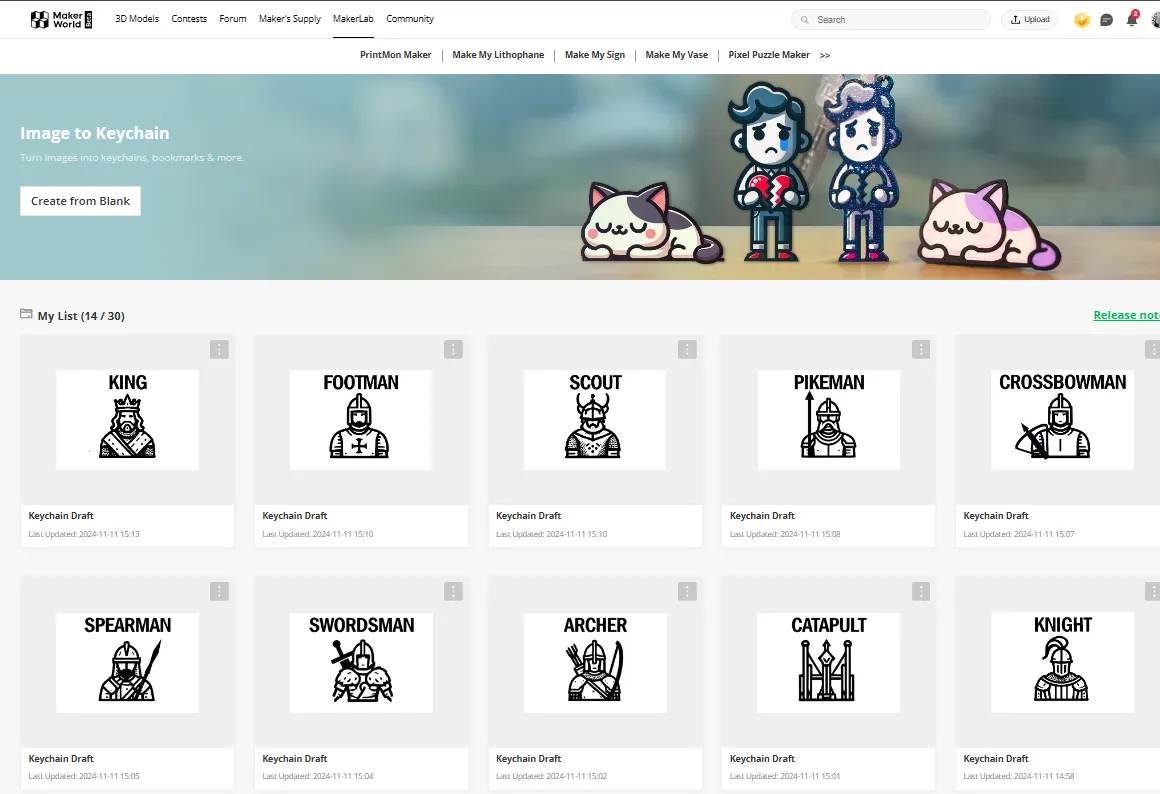
I made heavy use of the MakerLab Image to Keychain to create the game pieces
- Some rules like bishops being too powerful and often did espionage work and scouts and footmen able to expose spies were based on real incidents during the medieval era. Some examples below:
- The Crusades: During the Crusades, clergy often played crucial roles in espionage. For instance, Adhémar of Monteil, a papal legate during the First Crusade, was involved in gathering intelligence and maintaining the cohesion of the Crusader army.
- The Hundred Years' War: In the Hundred Years' War between England and France, clergy were often used as spies due to their ability to move freely between territories. They gathered information on enemy movements and fortifications, which was invaluable for military planning.
- The Wars of the Roses: During the Wars of the Roses in England, clergy were involved in espionage to support their respective sides. For example, spies were used to gather information on enemy troop movements and political alliances.
- During the Hundred Years' War between England and France, English scouts were known to infiltrate French territories to gather information. In one instance, English scouts disguised themselves and managed to uncover a network of French spies operating within their ranks. Scouts and footmen were able to expose spies during medieval times as scouts, in particular, were often tasked with reconnaissance and gathering intelligence about enemy movements and positions. Their keen observation skills and familiarity with the terrain made them effective at detecting suspicious activities, including espionage.
Boost Me (for free)
If you find this creation useful or just to show appreciation for the effort in making this model, please hit the BOOST button!
License

You shall not share, sub-license, sell, rent, host, transfer, or distribute in any way the digital or 3D printed versions of this object, nor any other derivative work of this object in its digital or physical format (including - but not limited to - remixes of this object, and hosting on other digital platforms). The objects may not be used without permission in any way whatsoever in which you charge money, or collect fees.


Comment & Rating (49)